RMS Berengaria

The story of a mail-carrying ship named after a queen who never arrived.

RARE CARD

Art Deco promotional postcard, printed in U.S.A., circa 1923

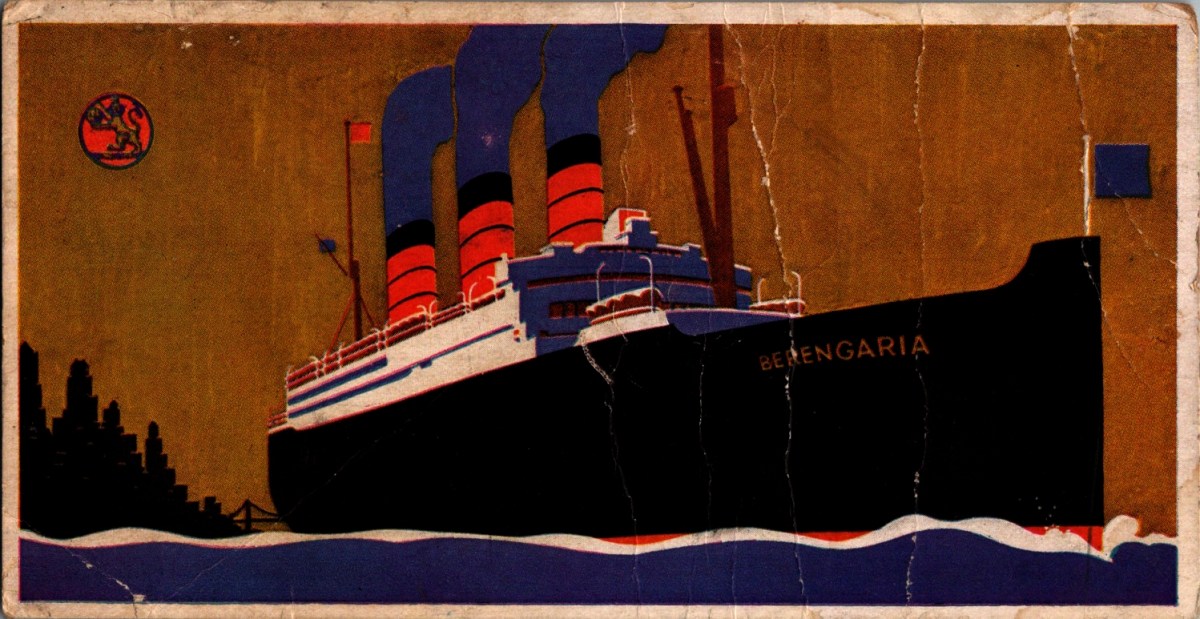
Front: A bold Art Deco illustration in four colors: burnt amber, deep navy, black, and red-orange. The ship Berengaria fills the frame. The black hull dominates the lower half. Three banded funnels plume smoky blue-purple into the amber sky. The ship’s name is lettered in copper on the hull. The Cunard lion sits in a red medallion at upper left. At lower left, a stylized New York skyline recedes into amber, a bridge suggested behind it. The waves are geometric. The image mirrors a popular poster style, compressed into an elongated postcard.

Reverse: The left panel carries a printed ship description: 919 feet, 52,022 gross tons, Pompeian swimming pool, gymnasium, Turkish and electric baths, special ballroom. Divided format, publisher code A. & P. 47850, printed in the U.S.A. The address side is blank. The card was never sent.

“The R.M.S. Berengaria, the largest ship in the Cunard fleet and one of the three largest ships in the world, has a length of 919 feet, and a tonnage of 52,022 gross tons. Her passenger accommodation includes a Pompeian swimming pool, gymnasium, Turkish and electric baths, and a special ballroom.”

Production: Cunard distributed promotional postcards like this one aboard ship and at its offices. This example uses offset lithography with a guilloche-style mechanical tint screen giving it the graphic quality of a travel poster. The colors are rich and regal. The card shows its age: deep crease lines, foxing, staining, with a bent lower left corner.

Collectibility: Ship postcards from the great transatlantic liners are a well-established collecting category. The Berengaria appears frequently. This example stands out for its Art Deco illustrative style over the more common photographic format. The design quality is high, but condition limits its value.
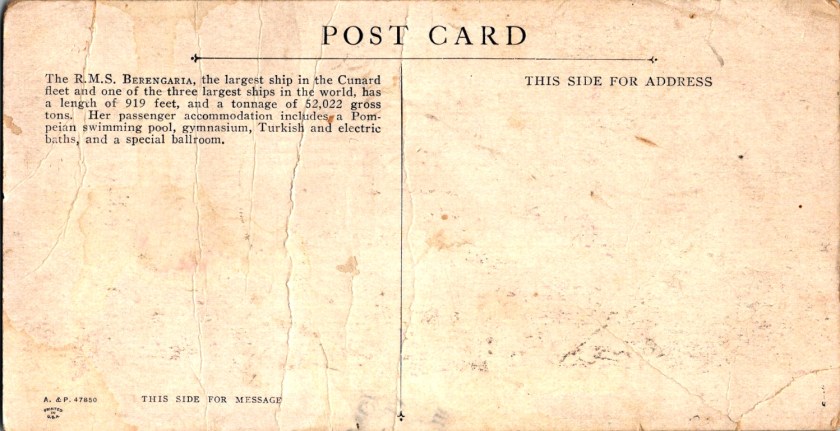
Back of RMS Berengaria Cunard Line promotional postcard, circa 1921–1938. Divided back format, printed in U.S.A., publisher A. & P. 47850. Left panel carries printed ship description: 919 feet, 52,022 gross tons, Pompeian swimming pool, gymnasium, Turkish and electric baths, special ballroom. Address side blank. Unposted.
RMS Berengaria, Cunard Line postcard — reverse. Publisher A. & P. no. 47850, printed in U.S.A.

Samuel Cunard began his shipping empire on a government mail contract in 1839. As a Royal Mail Ship, the RMS prefix was baked into Cunard’s identity from the start. It meant a contractual obligation to carry post, and to sail on schedule whether the ship was full or nearly empty. Cunard told his captains: “Ship, passengers and mail — bring them safely over, and safely back.”

The ship’s name came from a medieval English queen. Berengaria of Navarre married Richard the Lionheart in Cyprus during a Crusade, was widowed without an heir, and spent her remaining decades in Le Mans petitioning by letter for the pension King John refused to pay. She appealed to popes and argued with bishops. Her entire widowhood was conducted through correspondence, written from afar, addressed to courts that largely ignored her. She is most remembered as the English queen who never set foot in England.

The ship started out as the SS Imperator, built in Hamburg for the Hamburg America Line and launched in 1912 as the largest passenger ship in the world. The war intervened and the ship was seized as a reparation and sailed briefly as a U.S. Navy transport. In 1921, it was renamed Berengaria and handed to Cunard. Much like its namesake, the ship never returned to its homeland.

The Berengaria served as Cunard’s flagship through the 1920s, then declined into Prohibition-dodging cruises that passengers nicknamed Bargainaria. Aging wiring sparked electrical fires. Cunard retired the vessel in 1938.

Sir John Jarvis, a Surrey MP, bought Berengaria for scrap and sent her to the River Tyne in a deliberate act of charity. Jarrow had lost its main shipyard, Palmer’s, in 1934. Unemployment topped 70 percent. Two years before the Berengaria arrived, 200 of Jarrow’s men had marched 300 miles to London to petition Parliament for work. Parliament offered nothing. Jarvis purchased the Berengaria and the Olympic to give the town’s idle shipyard workers something to dismantle. Men who had built destroyers and passenger liners cut the ship apart with blowtorches. The work was interrupted by the Second World War, but the last of the ship was gone in 1946.
To Read More

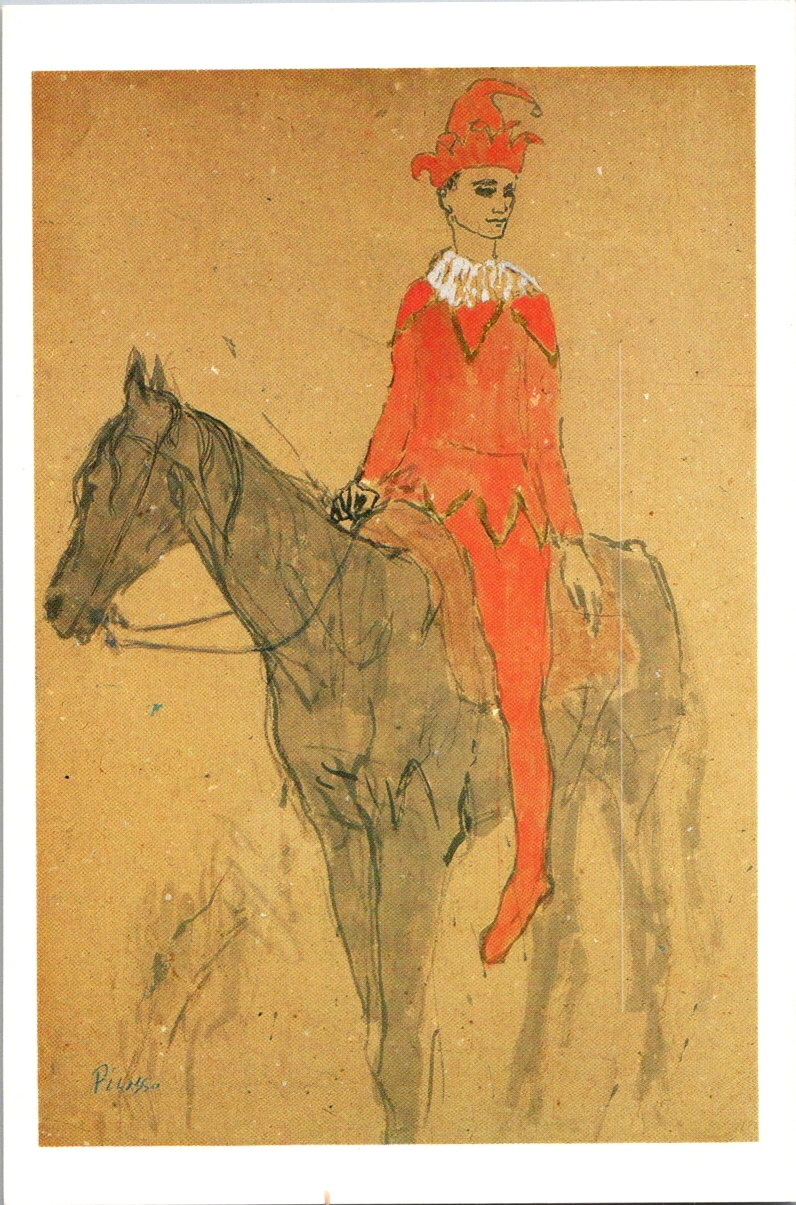
The Fool Knows

A fool in full red tunic, tights, and pointed cap riding a half-finished horse. In 1905, Picasso was 23 and in the middle of his Rose Period, when circus performers, acrobats, and jesters were recurring dreams. He saw what the Fool knows, and the rest of us learn along the way.
No one can quite pin down the origin of April Fool’s Day. One theory traces it to the shift from the Julian to the Gregorian calendar in 1582, and New Year’s Day from April 1 to January 1. Those who merrily celebrated the old date were mocked for their foolishness. Other evidence points to the Roman festival of Hilaria at the end of March, when people dressed in disguises and merriment was mandatory. A third argument simply blames the weather. Spring being notoriously unreliable, the fool is the farmer who trusts an early warm day.

Every court kept a fool, the one person licensed to speak the subtext. Under cover of bells and absurdity, they told the king what the courtiers would never. They didn’t matter and slipped away deftly, so they got away with it.

Shakespeare’s fools still deliver their wisdom from the stage. Touchstone sees everyone clearly in As You Like It. Feste in Twelfth Night diagnoses each character’s self-deception with a song. The Fool’s detachment is not ignorance; their folly is not fantasy. It is practical sense and functional freedom. The fool is often the one who tells the full tale as we go.

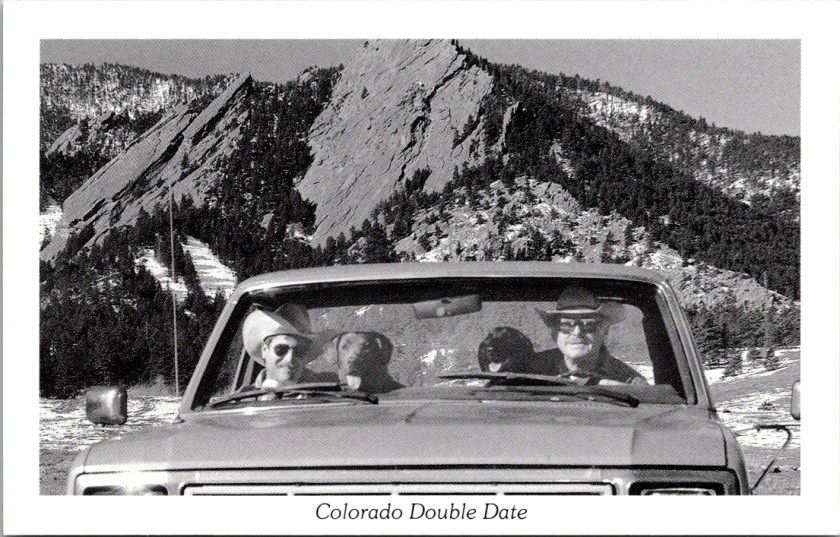
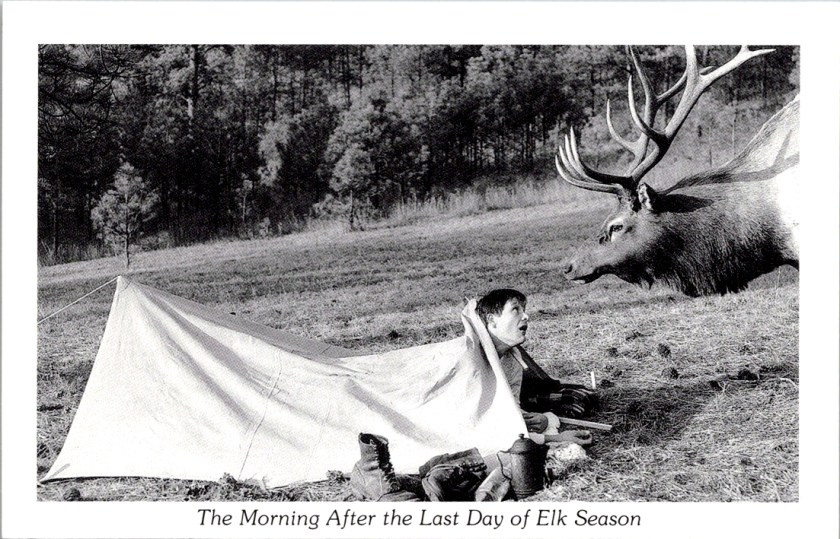
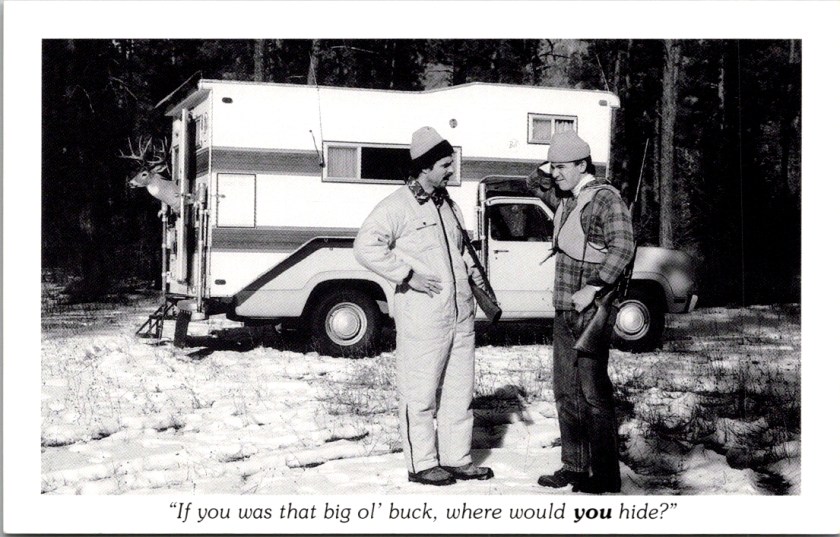
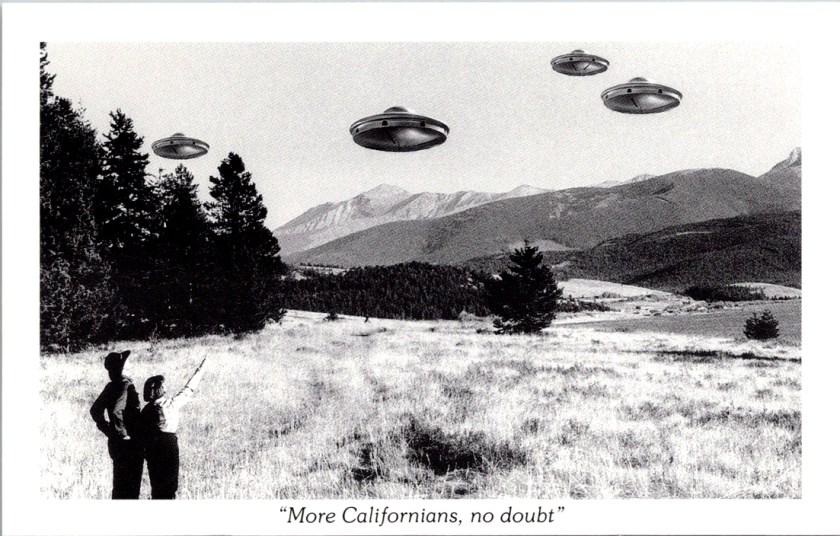
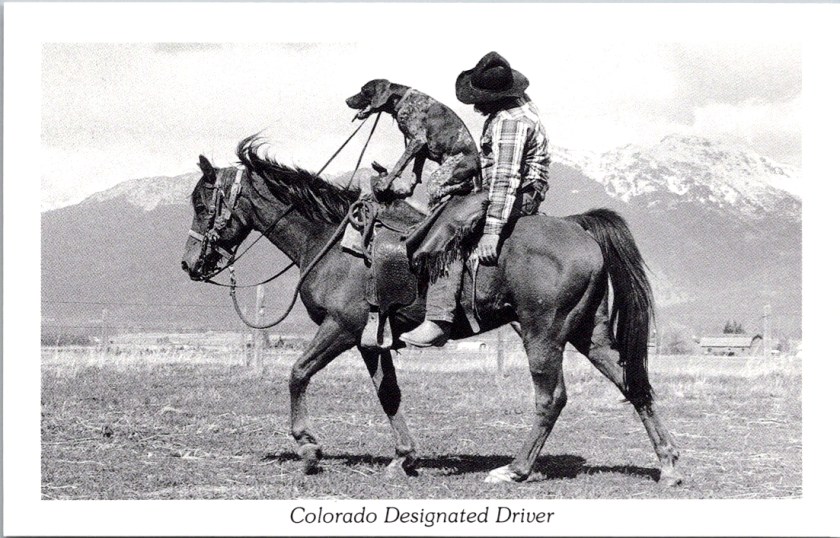
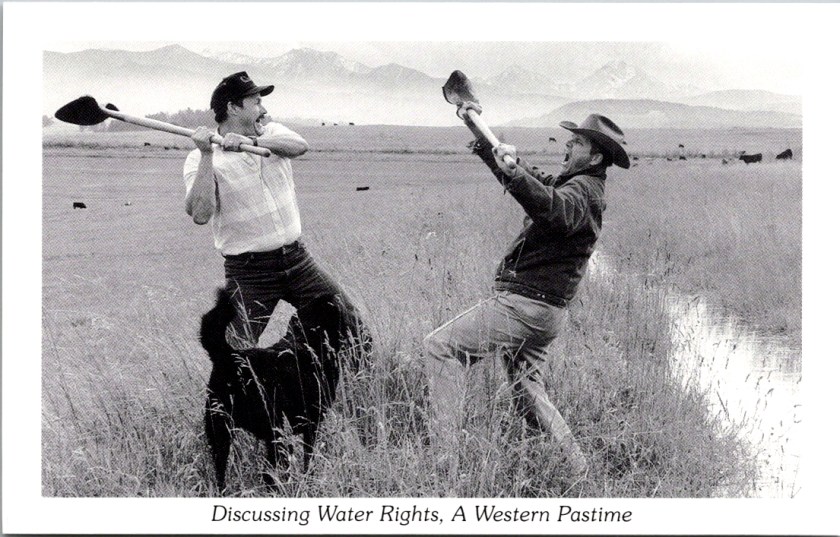
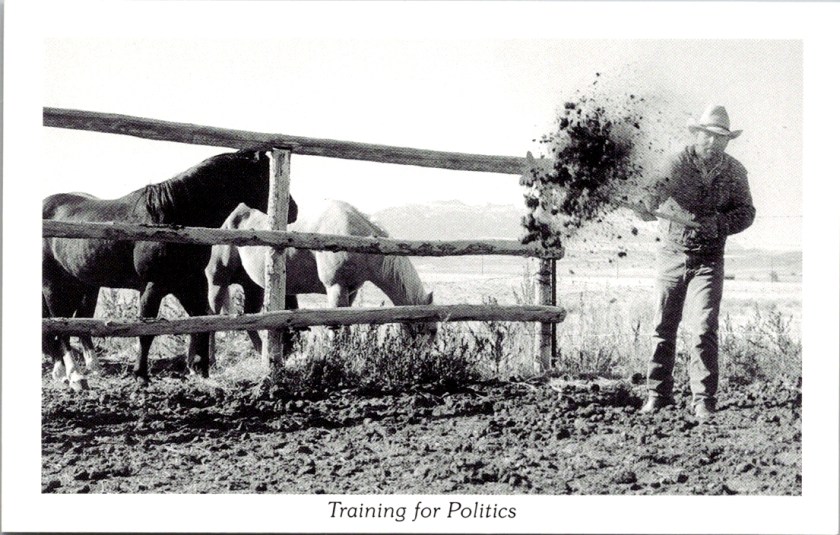
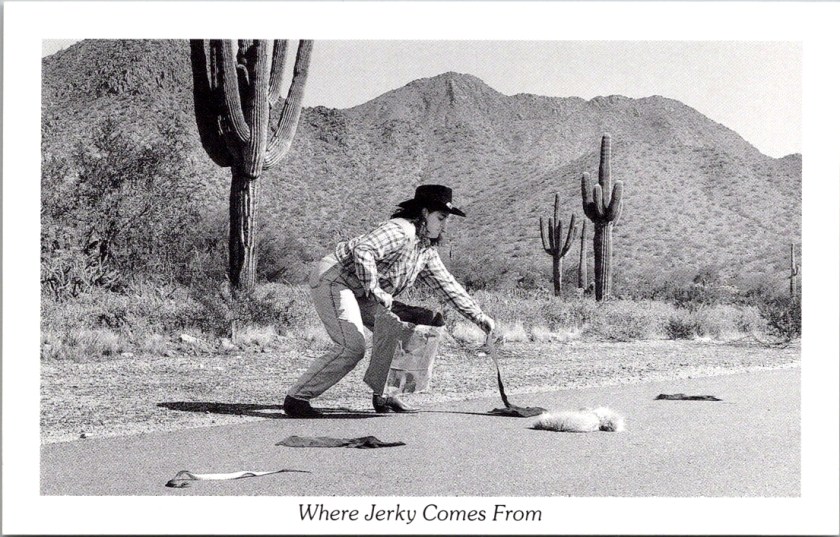
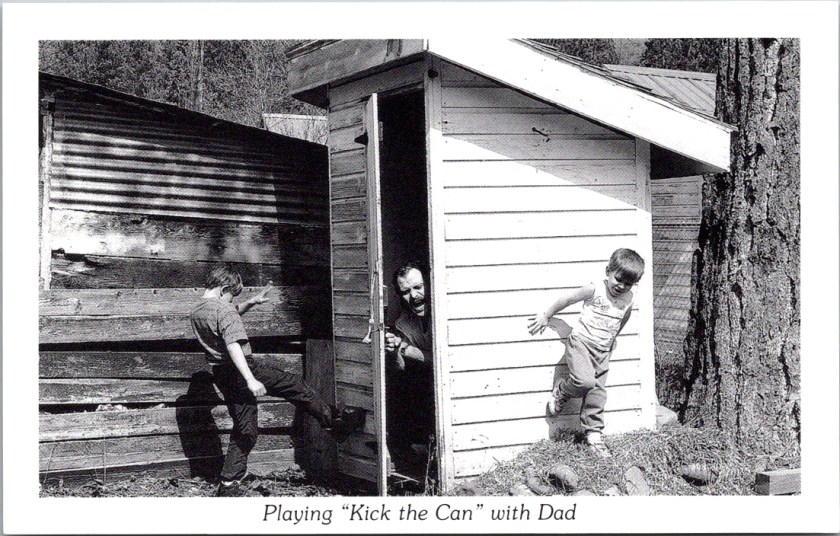
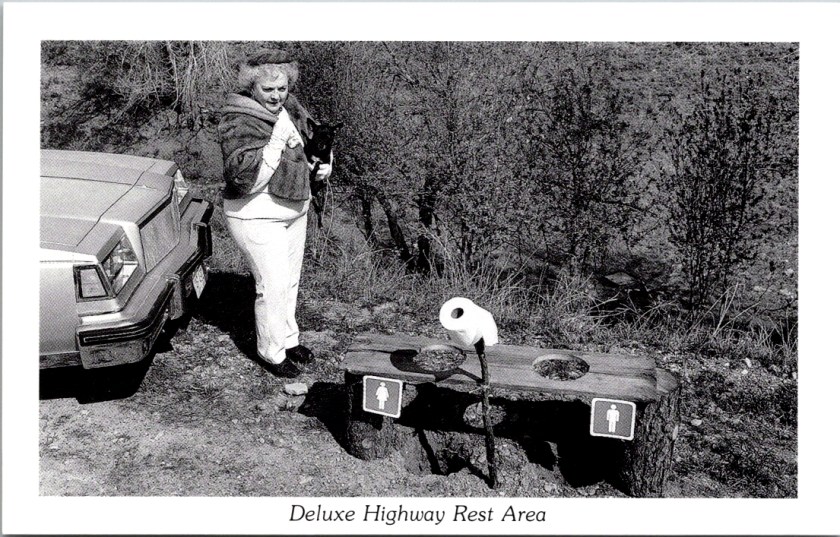
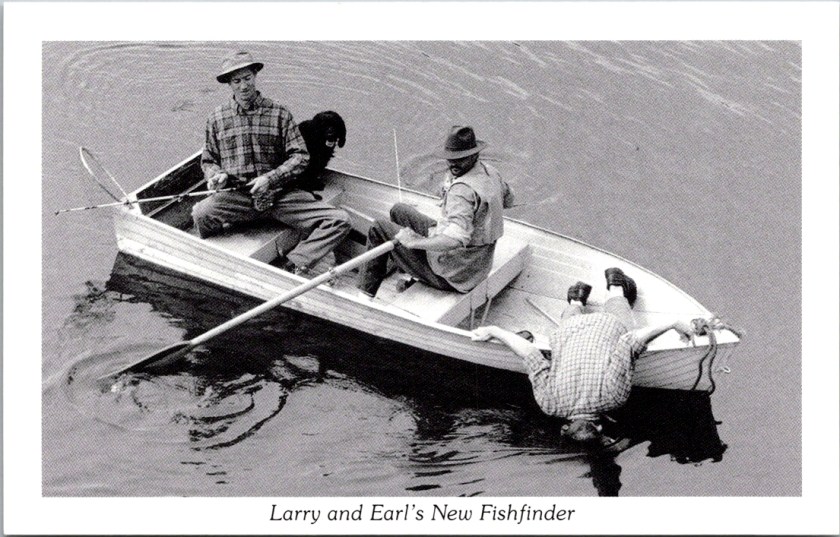
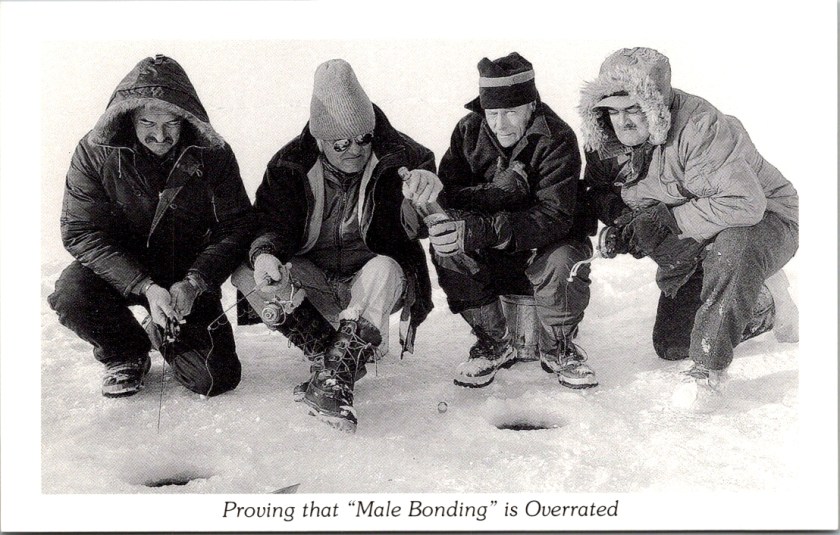
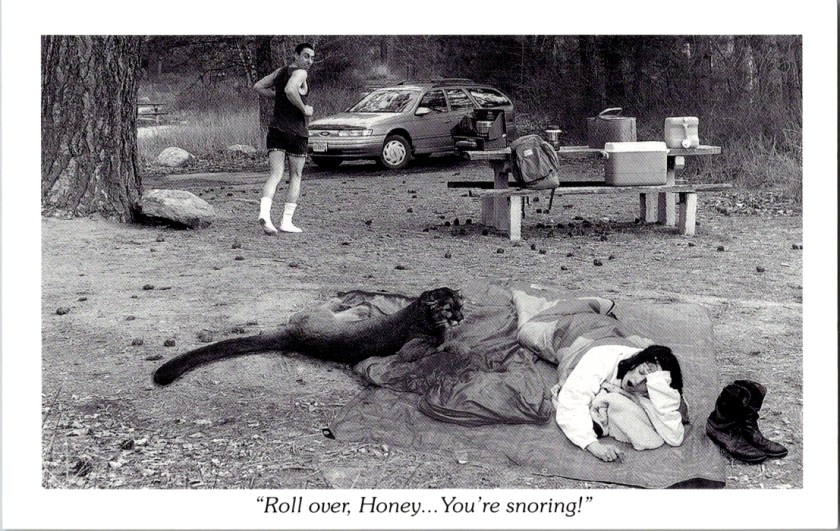
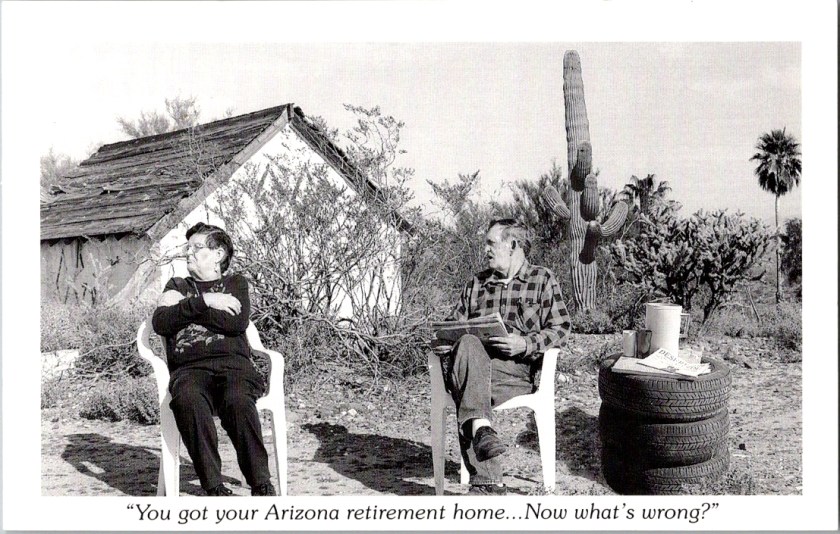
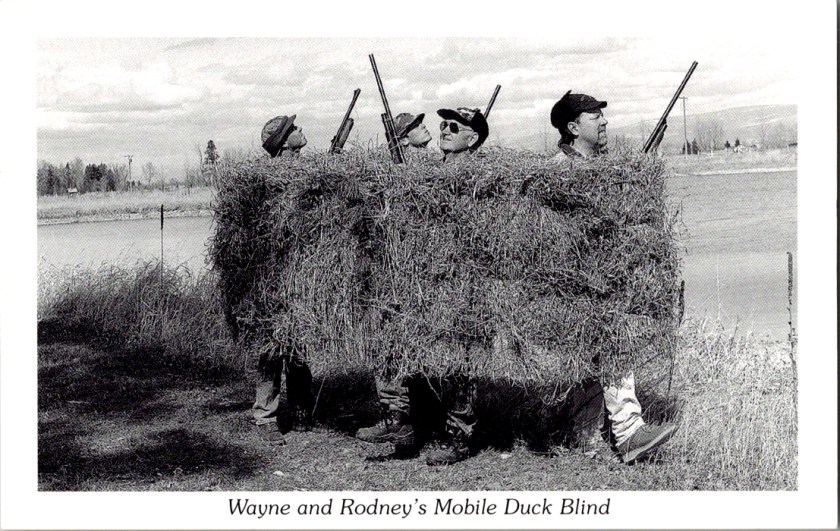
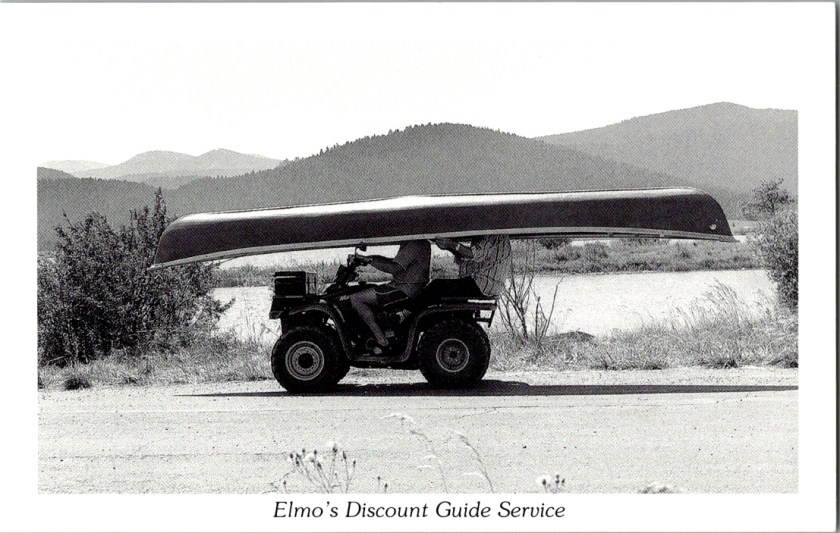
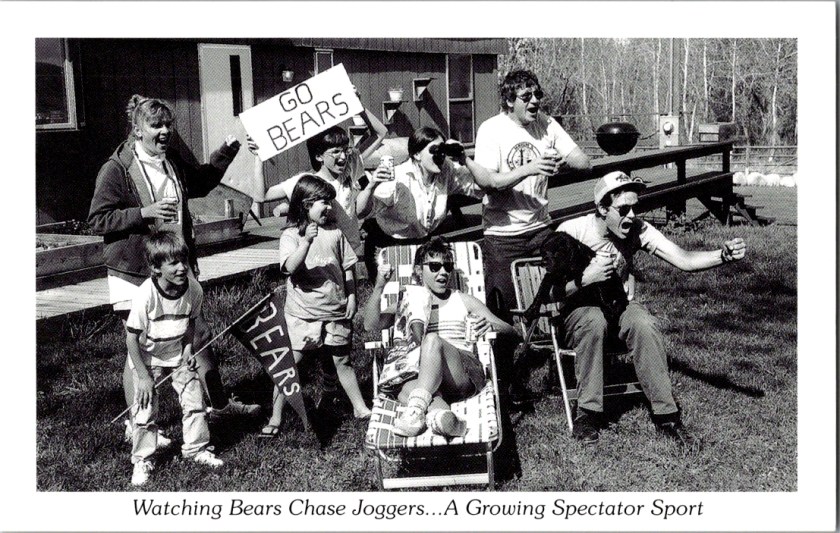
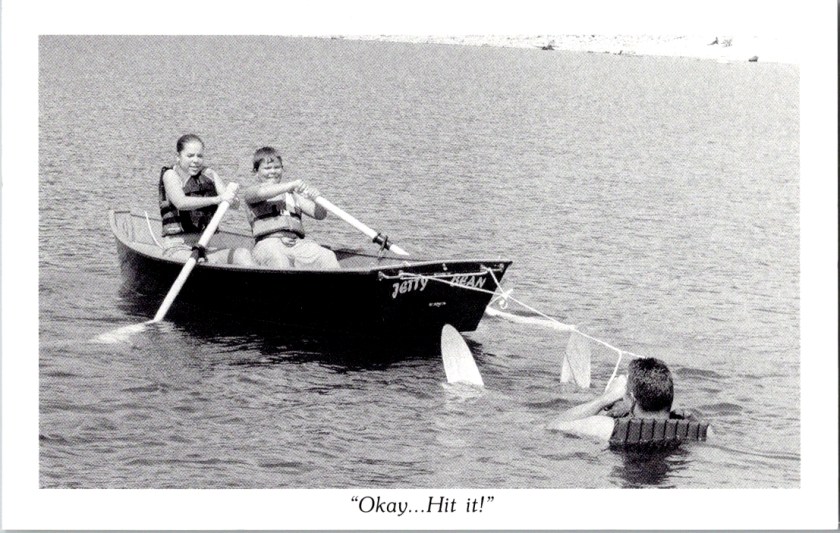
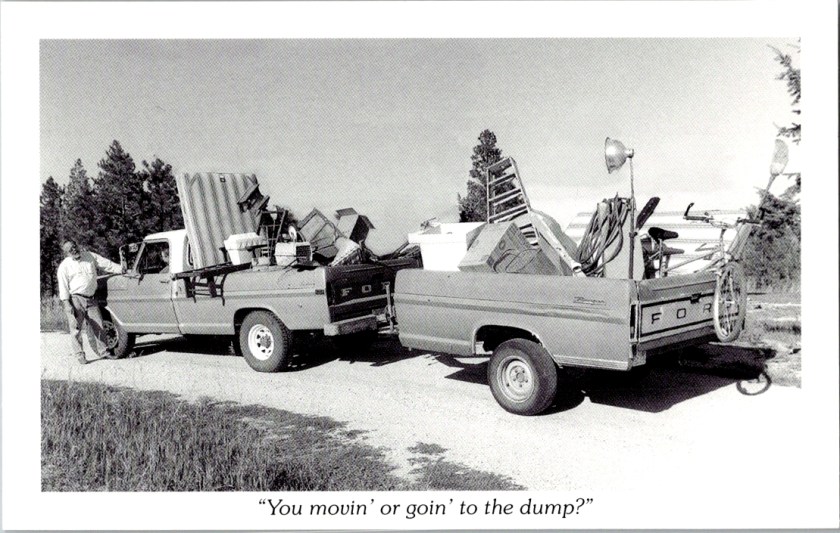
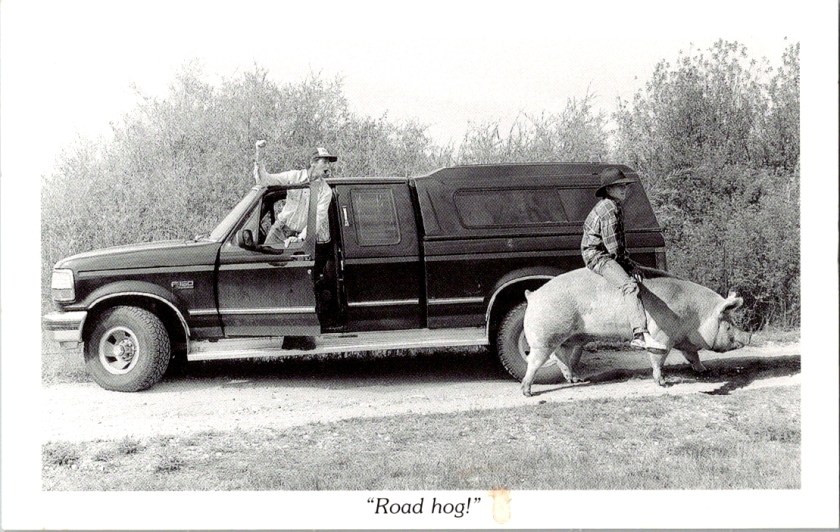
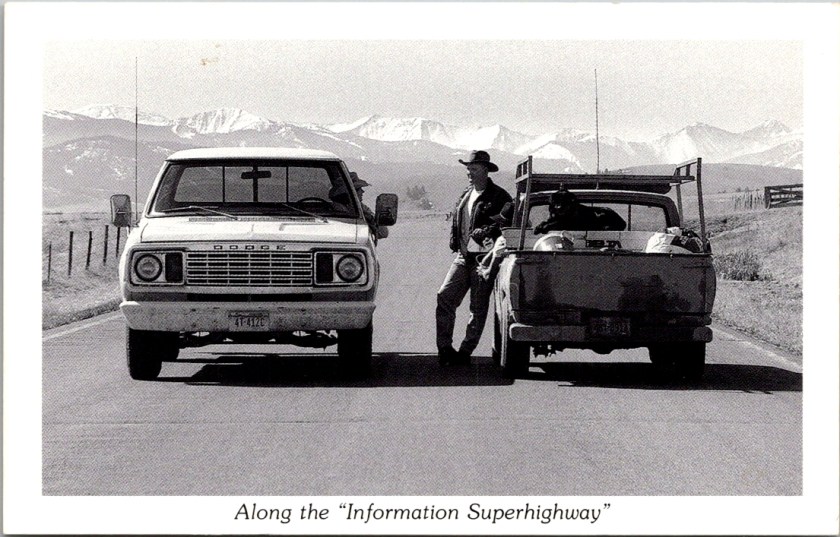
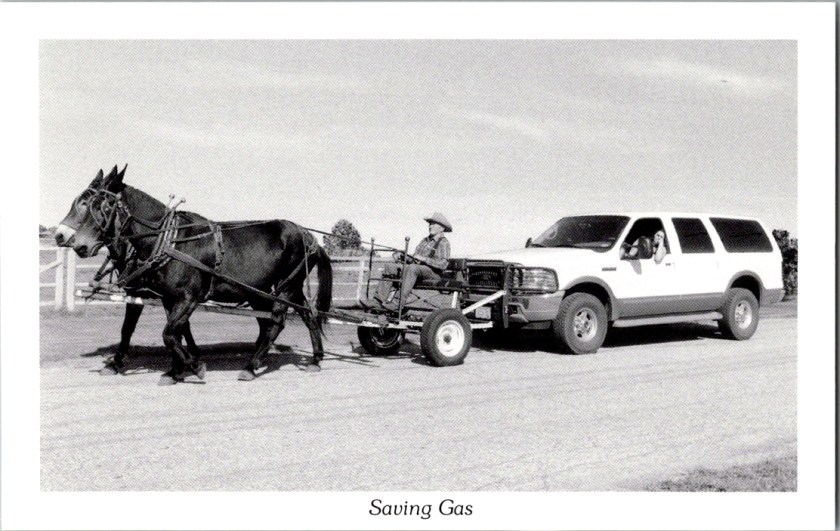
Let’s not forget all the fun in foolishness. Duckboy Cards gave us these guffaws from Hamilton Montana in the late 20th century.

In the Tarot, the Fool is the zero card, about to step off a cliff with a small satchel. The Fool’s journey is curious, flexible, and nonlinear, akin to the Buddhist beginner’s mind with the great powers of not-knowing.

The disciple Paul wrote that followers were fools for Christ, who knew that worldly measures were the real absurdities. Yurodivye, the holy fool in Russian Orthodox culture, courted ridicule and apparent madness as a form of spiritual freedom.

The Feast of Fools, celebrated across Europe in medieval centuries, inverted the church hierarchy for a day. Junior clergy elected a mock bishop and sacred ritual was gently parodied. The highest were made low for a day. The Church tolerated it for centuries, perhaps because it understood the release it provided.

In each of these traditions, foolishness is not failure. The Fool observes with a keen eye, collects information and assets, plays his cards carefully, and keeps his palm open.

Just such a jester has been riding alongside us this season. In Lucky Us, we find that only a fool pursues luck outright. In Spring Cleaning, earth itself foolishly hopes despite all evidence of winter. In Healing Ward, nurses stringing crepe paper garlands for a room full of wounded men, and show us the beautiful absurdity of insisting on Christmas.

My thanks to you fellow fools who keep reading. Only you know why!

To Read More

Shakespeare’s Fools — All the fools’ best lines from the Folger Library

Picasso’s Rose Period — From 1904–1906, Picasso absorbed French culture in warm pink and orange light

The Feast of Fools — A matter of great Catholic controversy still

The Tarot Fool — The British Museum’s collection of vintage Tarot cards

April Fool’s Day — Museum of Hoaxes theorizes the origins of the holiday

Lucky Us

Romans advised that fortune favors the bold. In Sweden, luck never gives, it only lends. In the United States, the harder you work, the luckier you get. The Arabic proverb says, “Throw a lucky man into the sea and he’ll come up with a fish in his mouth.” A Brit might be lucky at cards, unlucky in love. In Japan, the day you decide to act is your lucky day. 

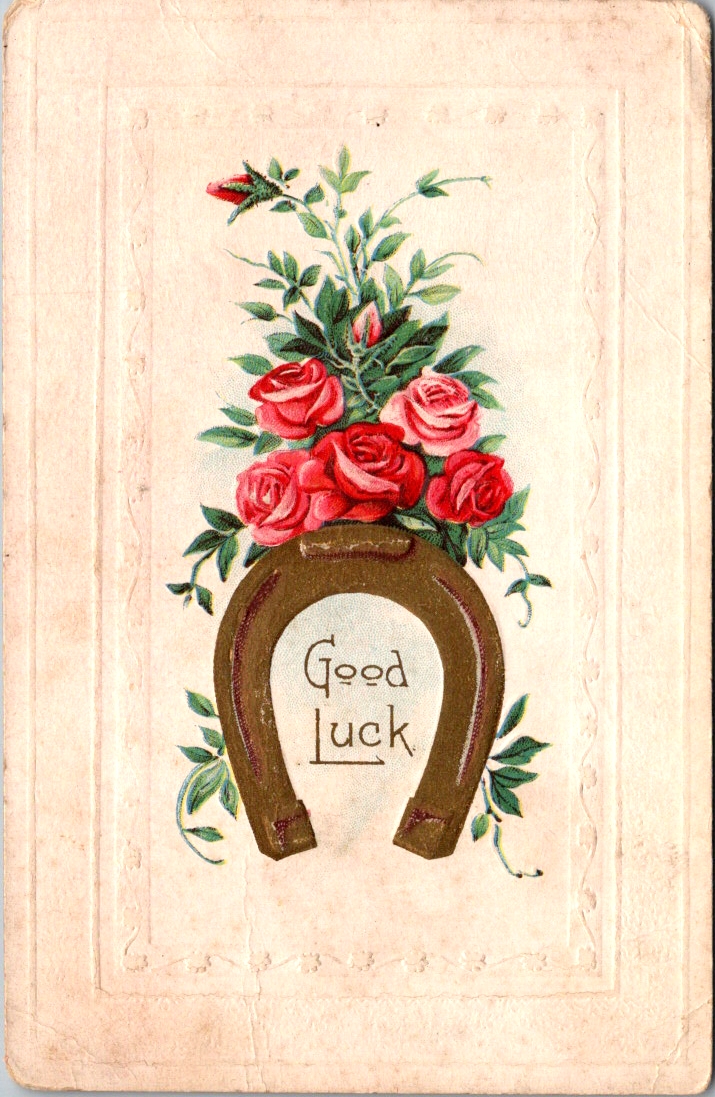
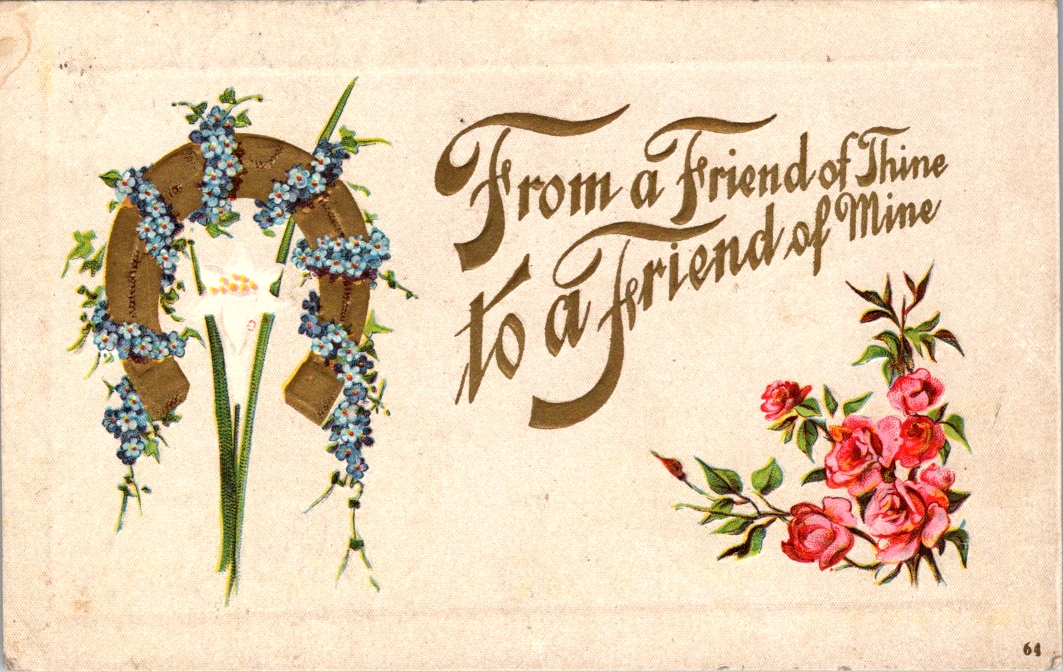
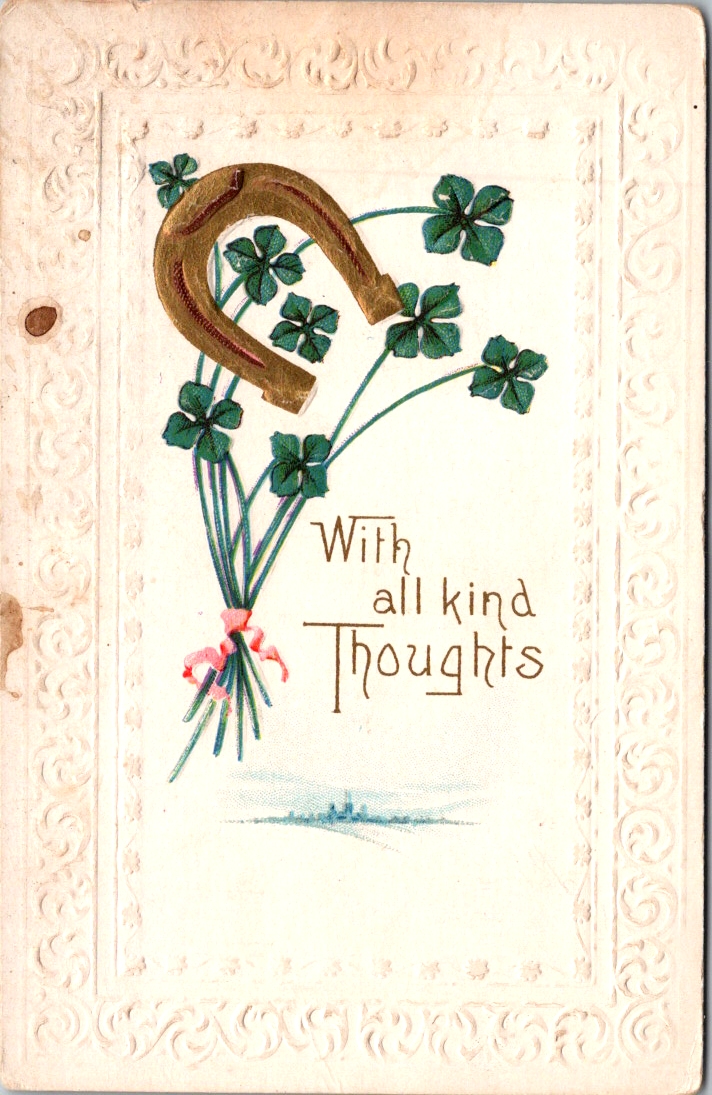
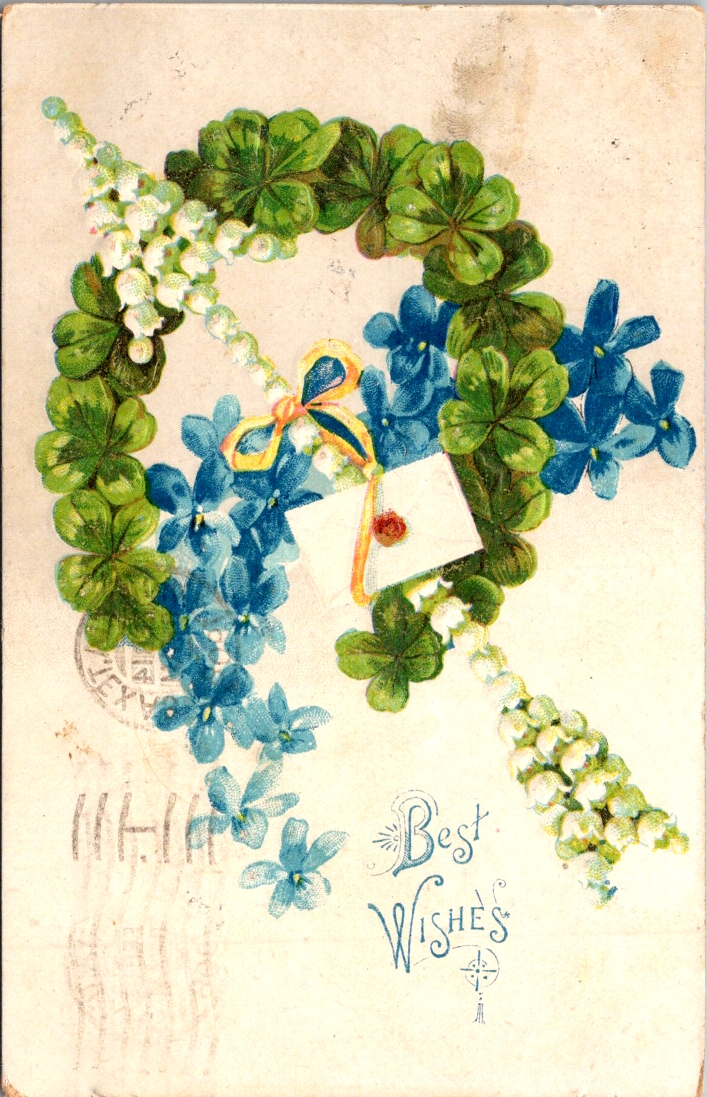
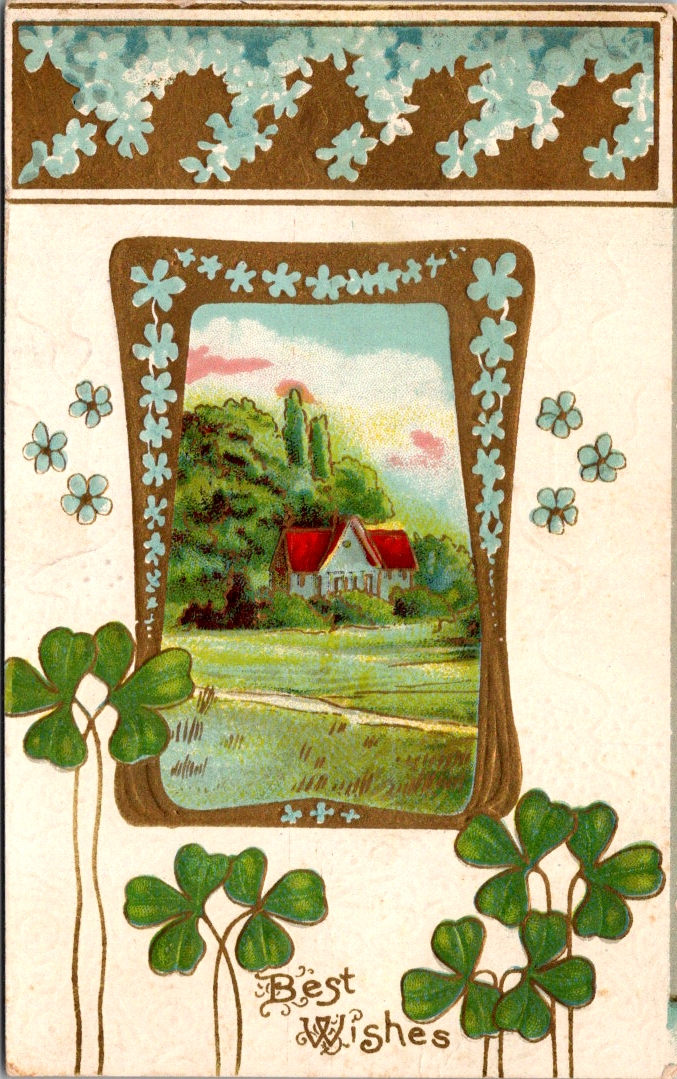
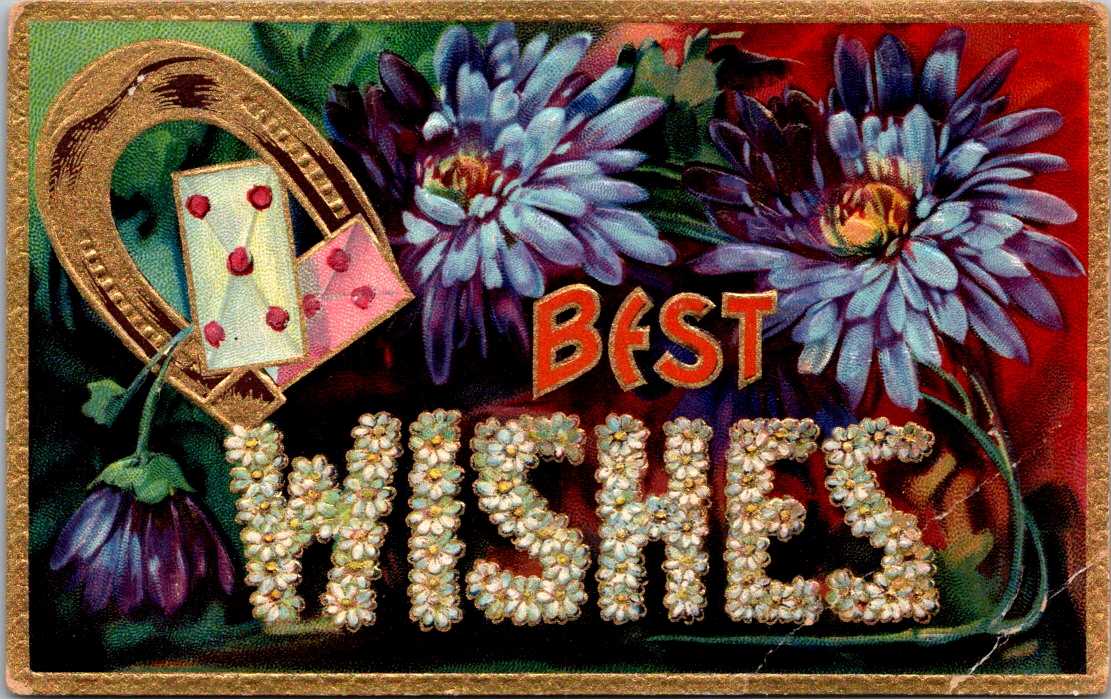
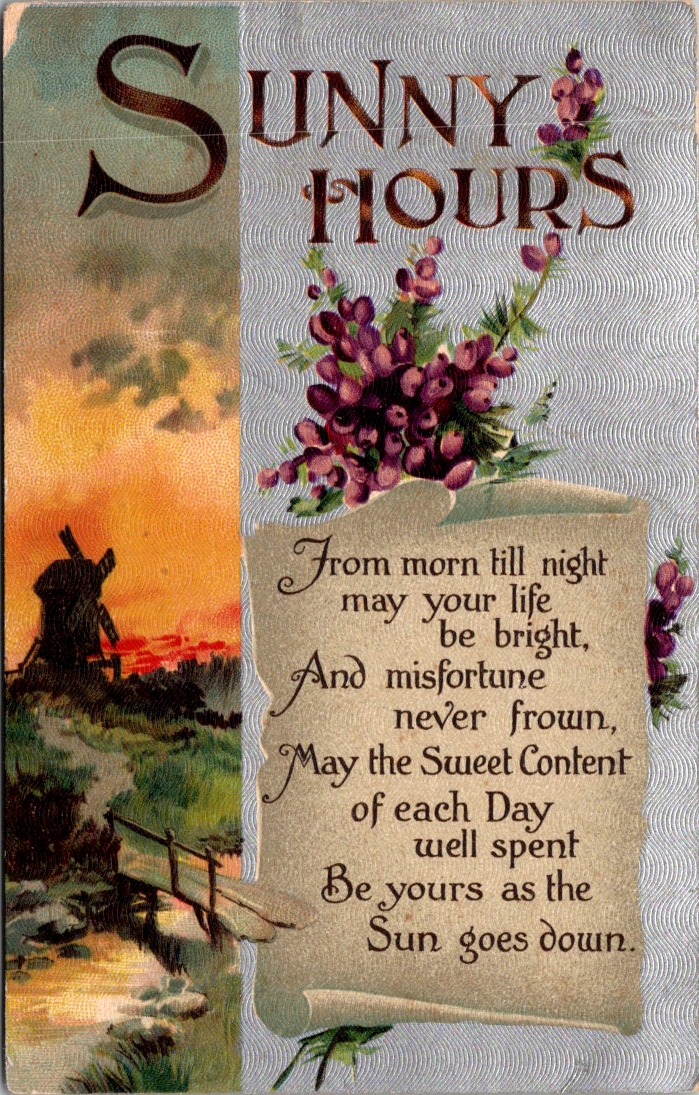
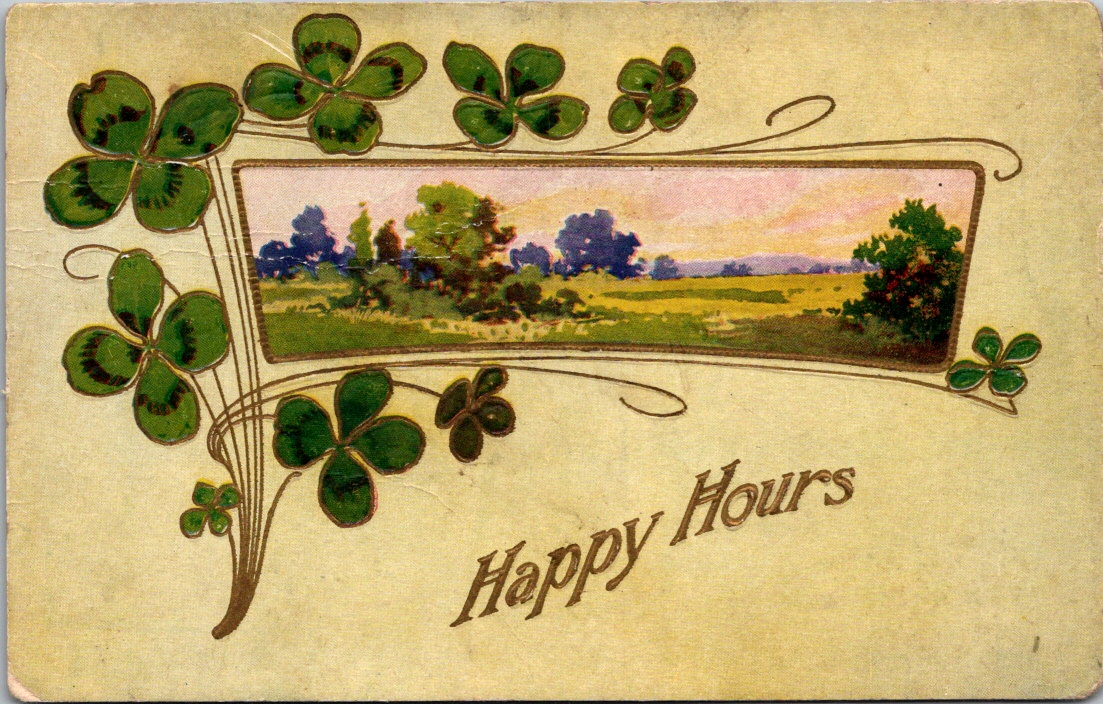
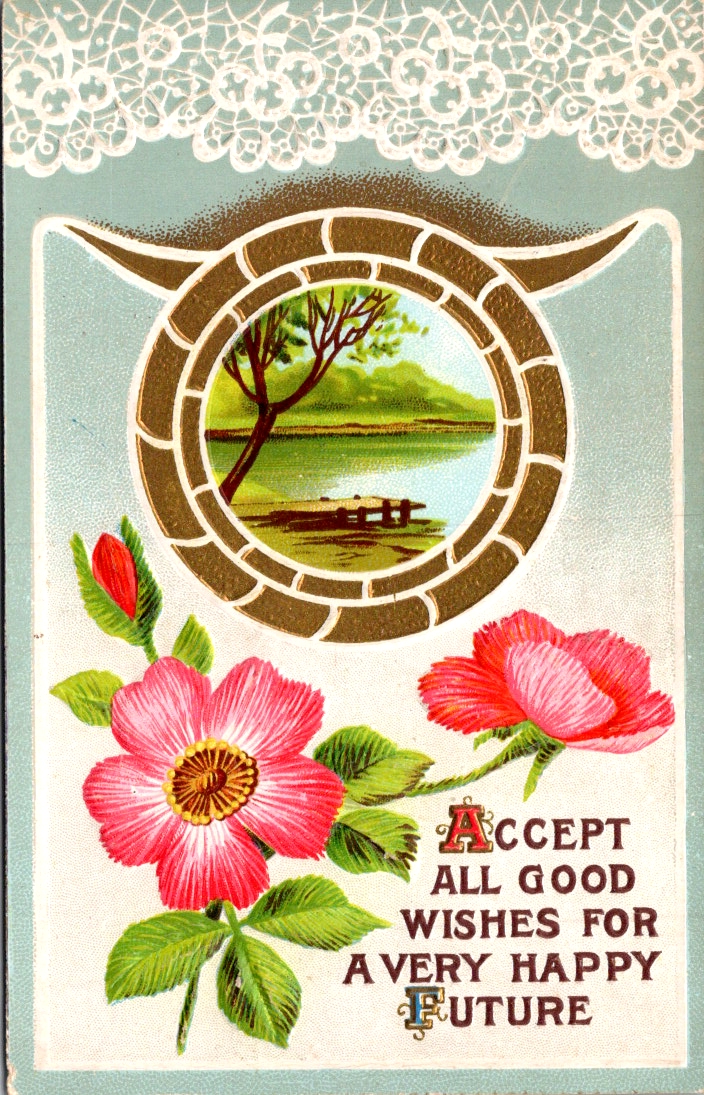
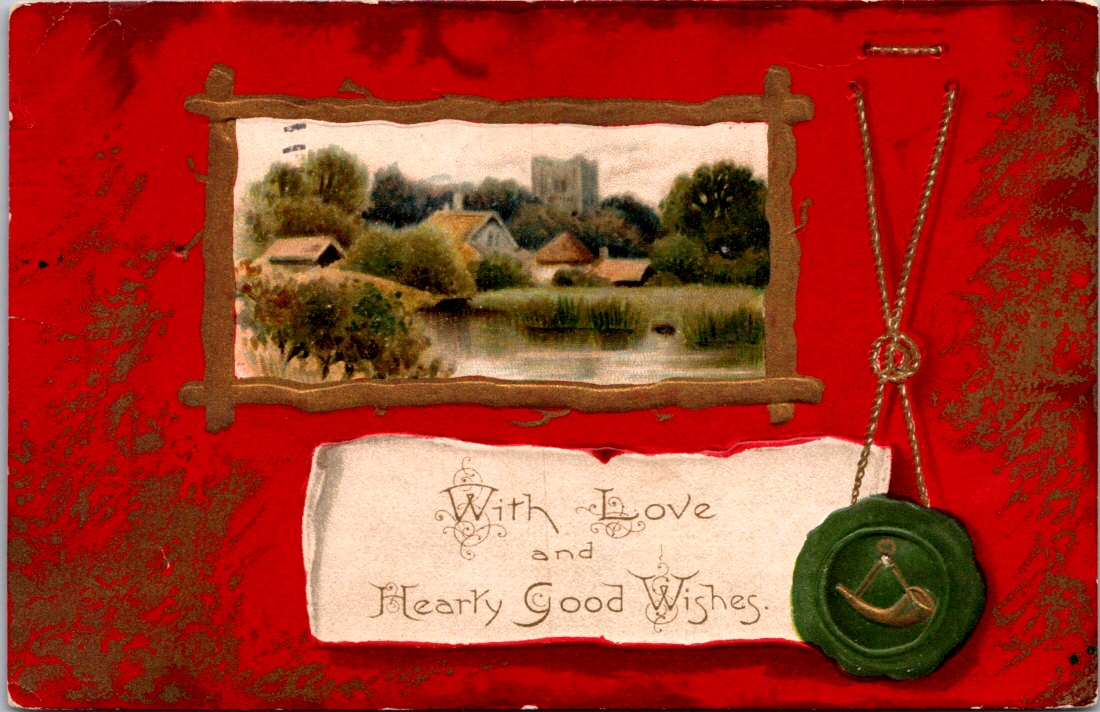
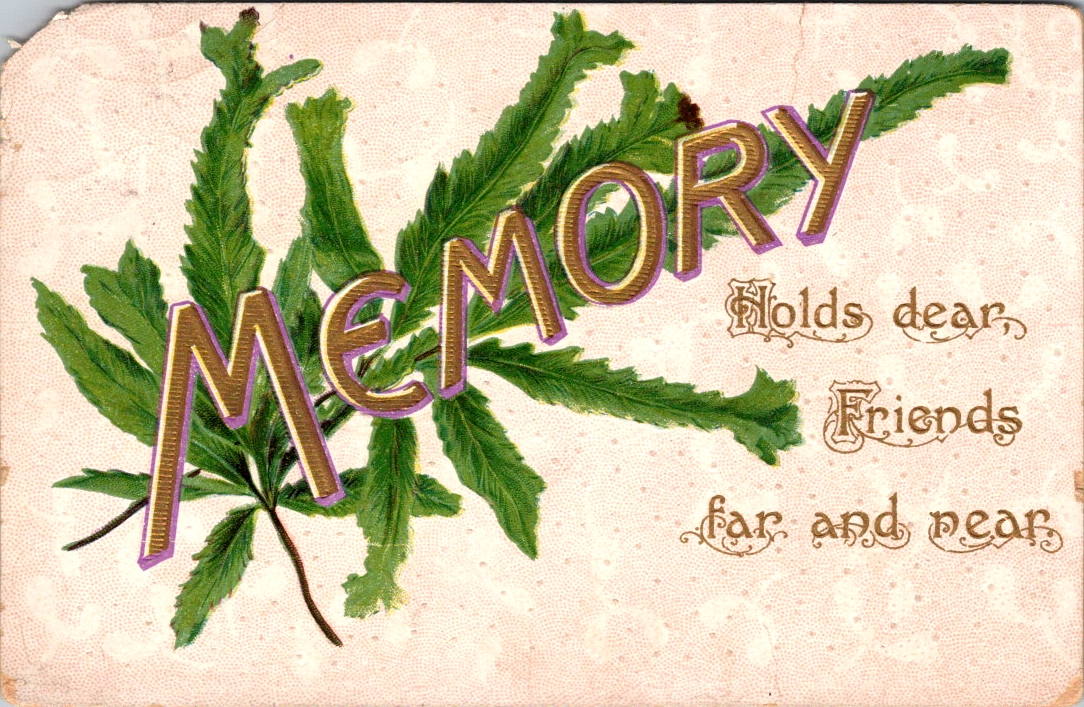
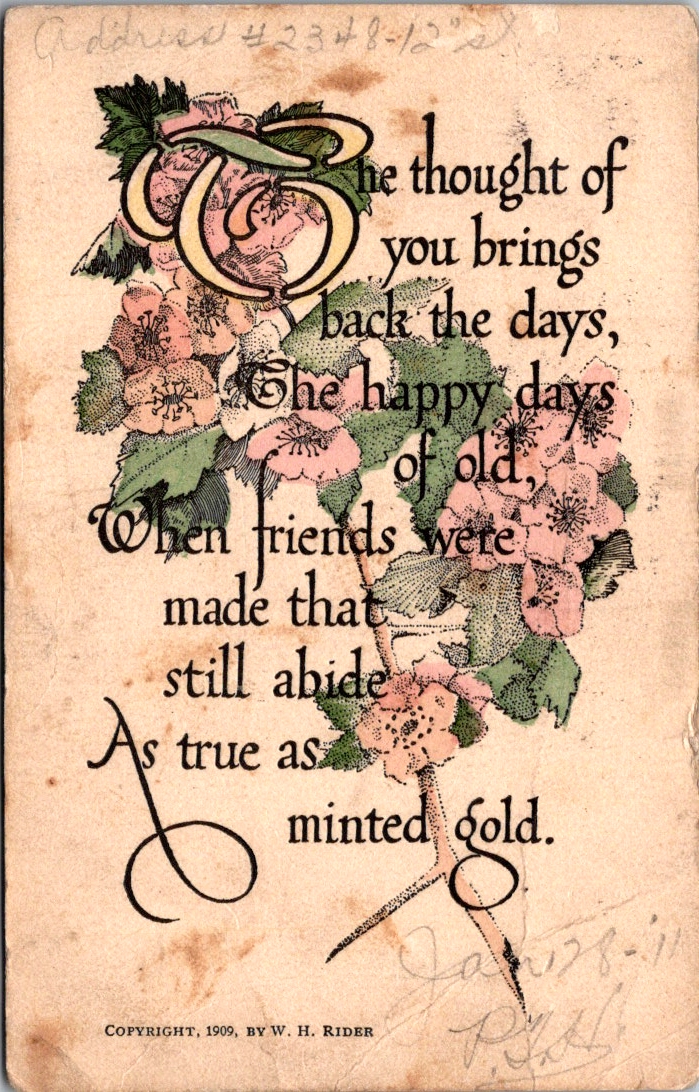
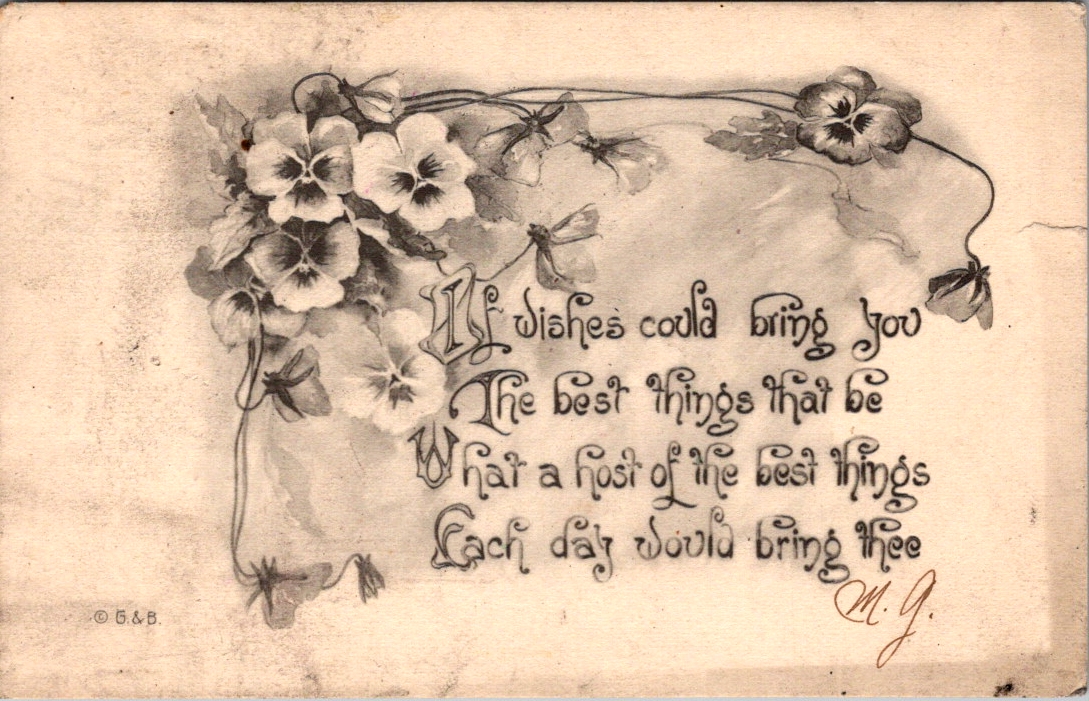
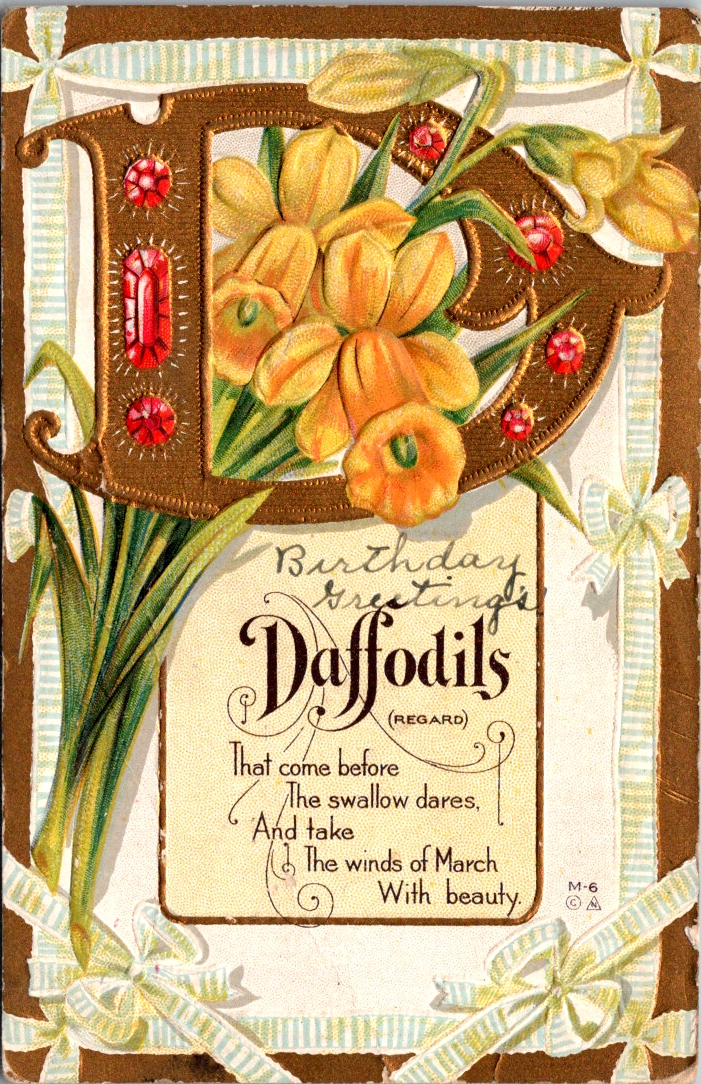
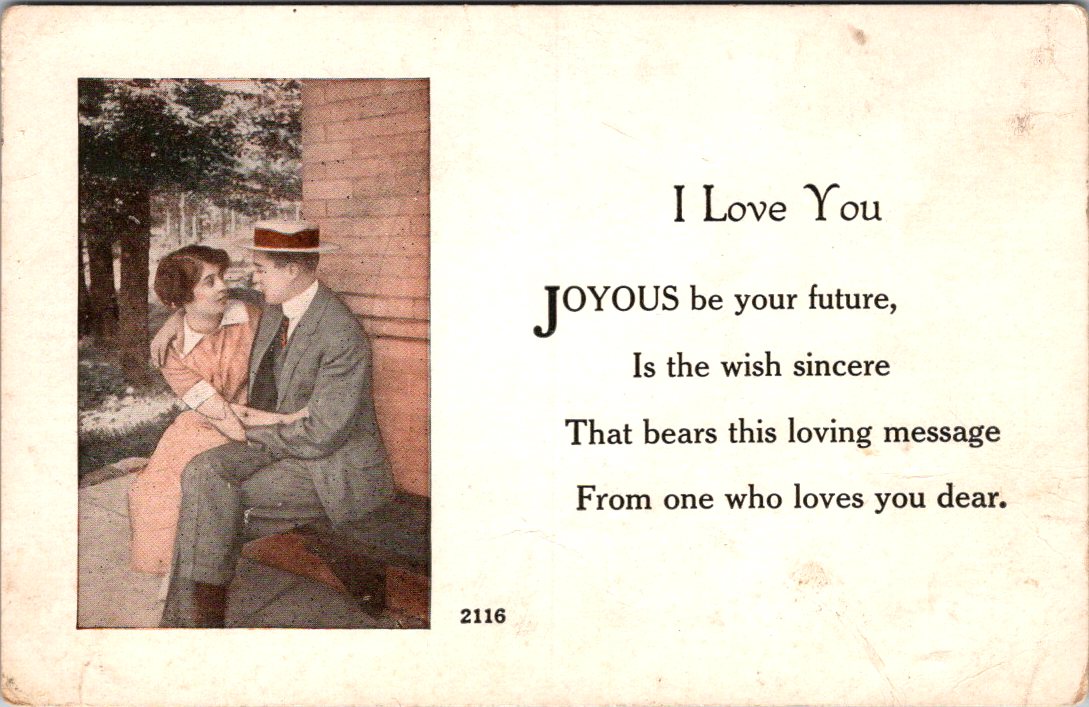
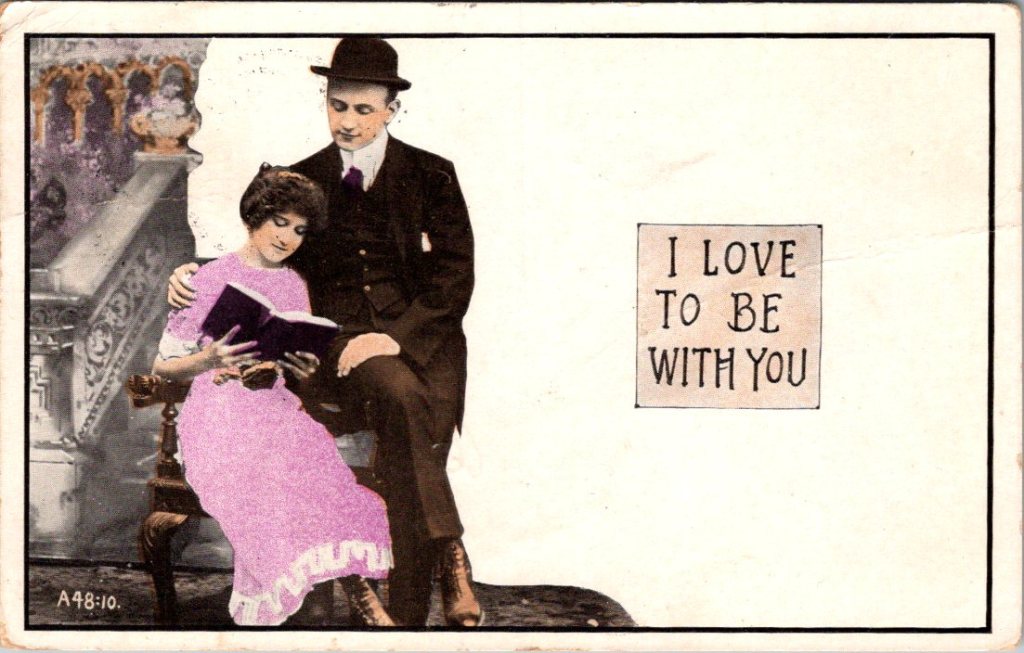
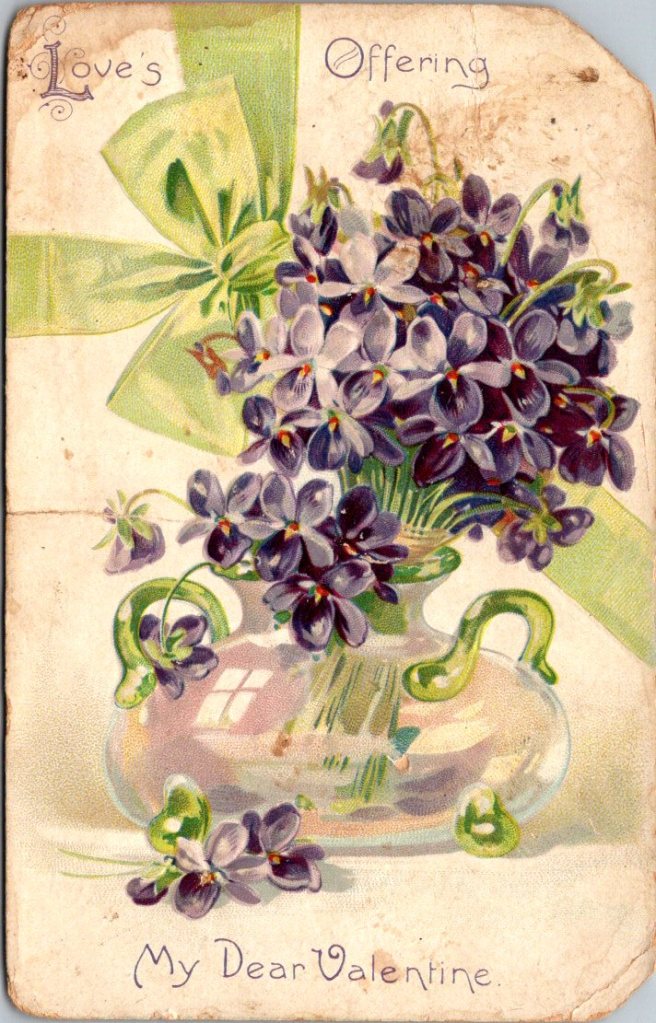
Edwardian postcards had a curious set of symbols to call forth fate and fortune. Horseshoes, shamrocks, roses, and playing cards. Small and slightly worn at the edges, these vintage greeting postcards have traveled more than a century carrying a providential wish.

Only one card in the collection actually says Good Luck. The rest offer best wishes, happy hours, and kind thoughts from me to you. As we’ll see, luck is borne of relationships (and circumstances) lifted by the charitable wish for health, wealth, and wisdom.

Some say that luck can be earned, but only a fool pursues it outright. We daydream about what fortunes may be in store, and sometimes ignore the simple sparkles that appear each day. We know, of course, that there are no free lunches. Yet, we are admonished to never look a gift horse in the mouth.

The bold assume they earned their lucky breaks. The humble suspect they’ve borrowed fortune temporarily. The superstitious are not entirely sure we should discuss it. Luck is where fate and intent find common cause, usually in the context of close friendships.

Old English had no luck. It used wyrd instead, which pointed to fate and destiny. Wyrd is the root of our word weird, which may indicate how people felt about fate. It was uncanny, inevitable, and perhaps divine. You didn’t pursue wyrd. You experienced it through awe and fear.

Somewhere around the 15th century, luk and gelucke drifted in from the Dutch and Low German. Luck was looser and more manual. Like weather, luck favored preparation and was possible to influence if you knew the right charms. The horseshoe went up above the door. The rock went in your pocket. If luck is not fate, if it is not fixed in advance, then perhaps you can do something about it. Perhaps it can be courted.

The lucky person is not the one who waits but the one who steps into the room. This is luck as a reward for courage, or at least for motion. Fate deals the cards, and we each have a hand to play.

Fortune favors the bold — fortes fortuna adiuvat
~ Terence, Roman playwright, around 151 BCE

Luck is what happens when preparation meets opportunity, and preparation is something you control. The solo pursuit of fortune is a genuine drive.

The harder I work, the luckier I get.
~ Samuel Goldwyn

But the shamrock gently disagrees. Four-leaf clovers are natural anomalies, not personal achievements. We can’t earn one, only discover it. Even if you can court luck, even if work and boldness can pull it toward you, it is never yours to fully command.

Luck never gives; it only lends.
~ Swedish proverb

Some people simply have it, inexplicably, in ways that have nothing to do with preparation or boldness or a rabbit’s foot.

Throw a lucky man into the sea, and he will come up with a fish in his mouth.
~ Arabic proverb

Some observe that luck is a finite resource and can be unwisely traded away. This may or may not be true, but as a matter of human priority it is clarifying. We each get chances to test our luck.

Lucky at cards, unlucky in love.
~ English proverb

The tension between fate and will, between earned luck and divine luck, is located in a moment of commitment. The lucky day is not the day something falls in your favor. It is the day you decide it might be worth the effort.

The day you decide to do it is your lucky day.
~ Japanese proverb

Whatever the senders intended and however the recipients replied, these cards demonstrate how providential language holds us together in anticipation of something wonderful just ahead. The possibility that things might go our way.

The symbols of luck nested together in relationship, in abundance, in the living world — a horseshoe wreathed in flowers, overflowing with roses, or flanked by shamrocks — is not an accident of Victorian design sensibility. It draws on the ancient wisdom that friends are the true source of life’s lucky breaks. Love does the work and luck gets the credit.

Moments We Miss

Valentine’s Day is over. The chocolates parceled out, consumed in a binge, or sweetly regifted. The cards are in a stack. Love trudges on.

Before we go, there is a word worth saying about silences and the quiet costs of delayed connections, and those missed entirely.

In May 2023, the Surgeon General issued an advisory that stopped me mid-scroll. Loneliness had reached epidemic levels in the United States. He was not describing the usual suspects—a widower, a loner, someone at the edge of class or condition. I had to admit, his warning rang a bell in my own heart. I was among a growing contingent of the ordinary, ambient, alarmingly average lonely. As a caregiver, days passed without anyone really seeing me, or me really wanting to be noticed.

The Surgeon General called it a public health crisis. He compared its effects on mortality to smoking fifteen cigarettes a day. Actual harm done.

Indeed, social isolation raises the risk of heart disease, stroke, dementia, and early death. The health research is not soft or sentimental. The body registers being unseen the same way it registers physical pain — same neural pathways, same hormonal alarm signals, same disrupted sleep, same compounding risks. We are living inside a paradox: more connected by technology than any humans in history, and perhaps lonelier than our ancestors.

In the golden age of the postcard — roughly 1900 to 1920 — Americans sent billions of them. A trip to the lake. A hello from the city. A heart, a name, a single line of longing, on full view to the mail carrier and anyone else who handled it along the way. The medium demanded brevity, levity, and a light touch.

That simple approach is worth noticing, because we tend to use the absence of time as our primary excuse for not reaching out. We sense there isn’t room in the average difficult day for a real conversation. So we wait. And the time doesn’t come. And the silence grows.

A postcard is a signal, not a report. It says: I haven’t forgotten. A brief message can make a big point. At times, the whispered delivery bears the full meaning.

The research on what makes people feel less alone points not to the depth of connection in any given moment, but to its consistency. There is comfort in the reliable sense that someone, somewhere, is holding you in mind. A brief, warm gesture, repeated, does more for that feeling than an overwrought or inconsistent one.

Simple gestures are not consolation prizes. They are the architecture of belonging.

Sadly true, is often easier to extend kindness to a stranger than to sustain the loving glow among the people you know best. A stranger on a difficult day can receive warmth without a complicated history. They don’t owe you a response and you likely won’t know how the gift was felt. You haven’t let them down in the small accumulated ways that life’s closeness allows.

The people we love most are the ones we are most likely to let drift or actively ignore. A peculiar paralysis comes with the familiar foibles, caring deeply, and feeling the gap widen.

So here is a gentle nudge, the week after the holiday, when the pressure is off and the expectations are low. Not because it’s February. Because it’s Wednesday, and someone who loves you needs to know. A postcard or a hug, a humble tug on the sleeve or a quiet walk. None of it asks or offers too much. A simple, “We are ok,” can be enough.