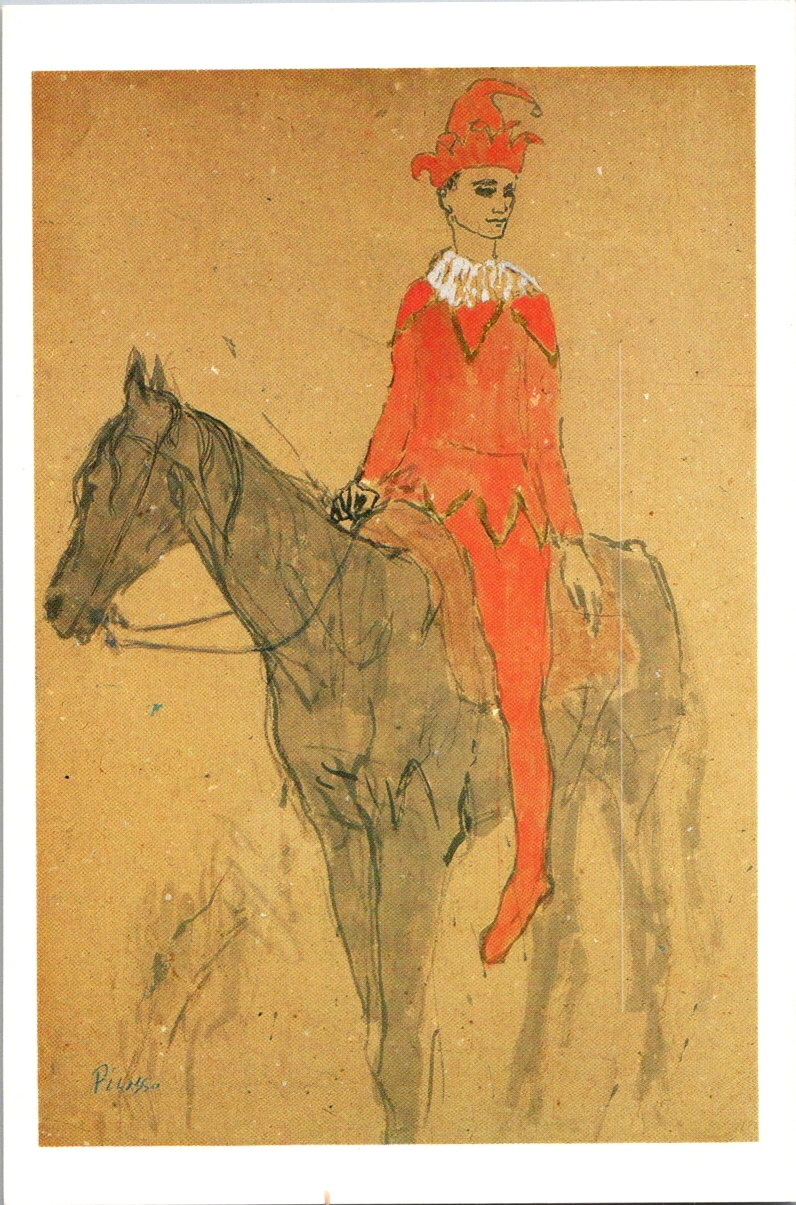
No one can quite pin down the origin of April Fool’s Day. One theory traces it to the shift from the Julian to the Gregorian calendar in 1582, and New Year’s Day from April 1 to January 1. Those who merrily celebrated the old date were mocked for their foolishness. Other evidence points to the Roman festival of Hilaria at the end of March, when people dressed in disguises and merriment was mandatory. A third argument simply blames the weather. Spring being notoriously unreliable, the fool is the farmer who trusts an early warm day.
Every court kept a fool, the one person licensed to speak the subtext. Under cover of bells and absurdity, he told the king what the courtiers would never. They didn’t matter and slipped away deftly, so they got away with it.
Shakespeare’s fools still deliver their wisdom from the stage. Touchstone sees everyone clearly in As You Like It. Feste in Twelfth Night diagnoses each character’s self-deception with a song. The Fool’s detachment is not ignorance; their folly is not fantasy. It is practical sense and functional freedom. The fool is often the one who tells the full tale as we go.
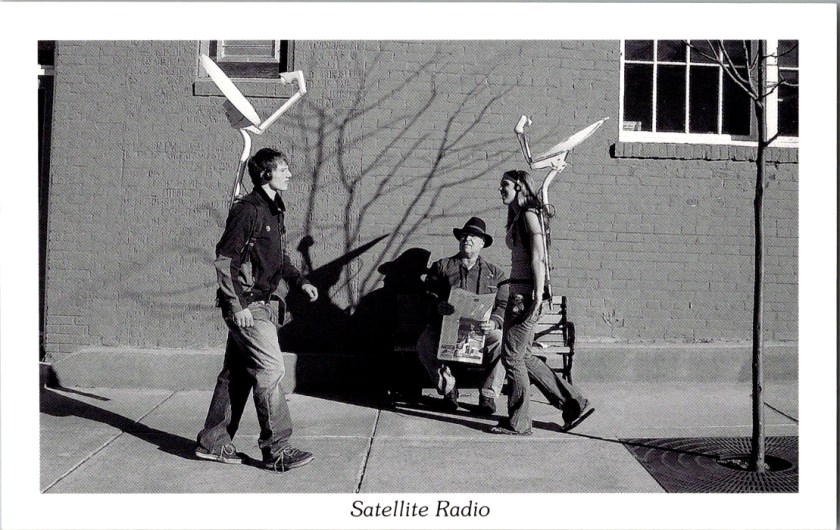
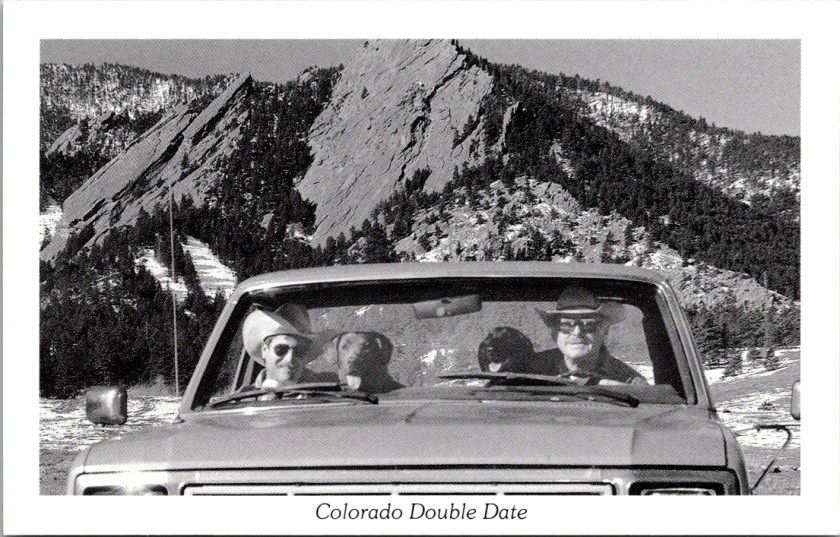
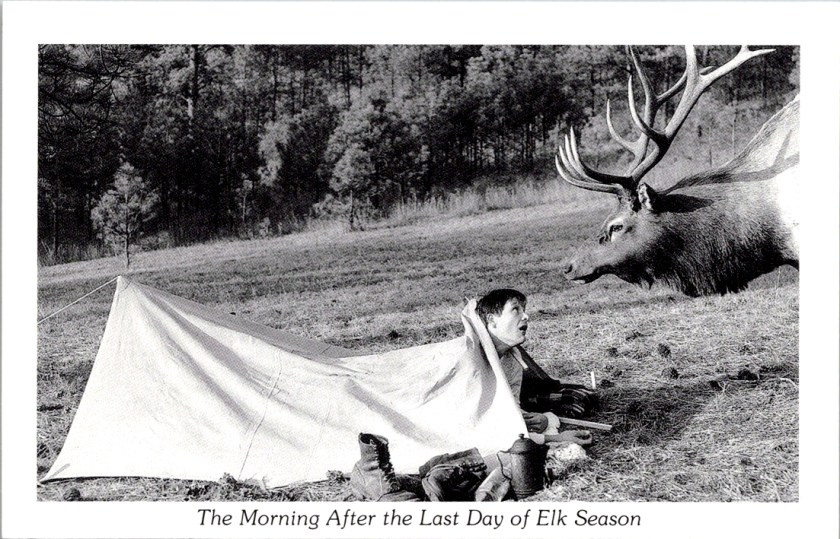
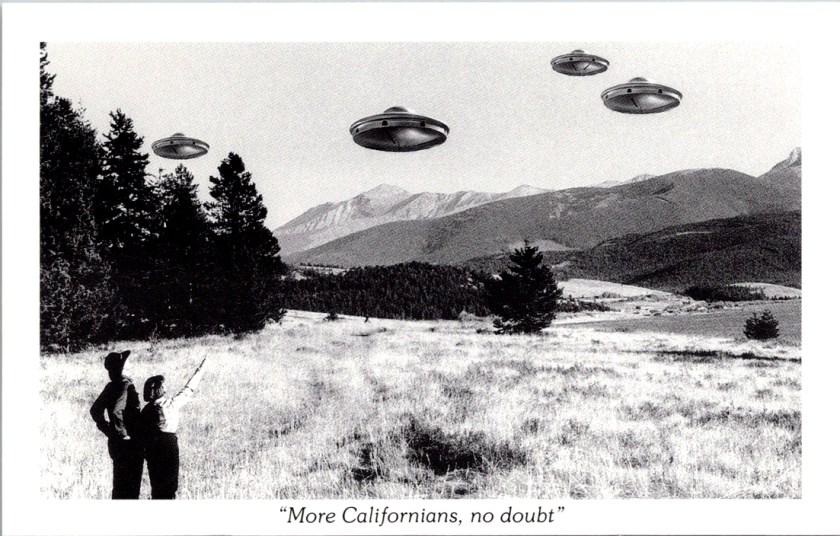
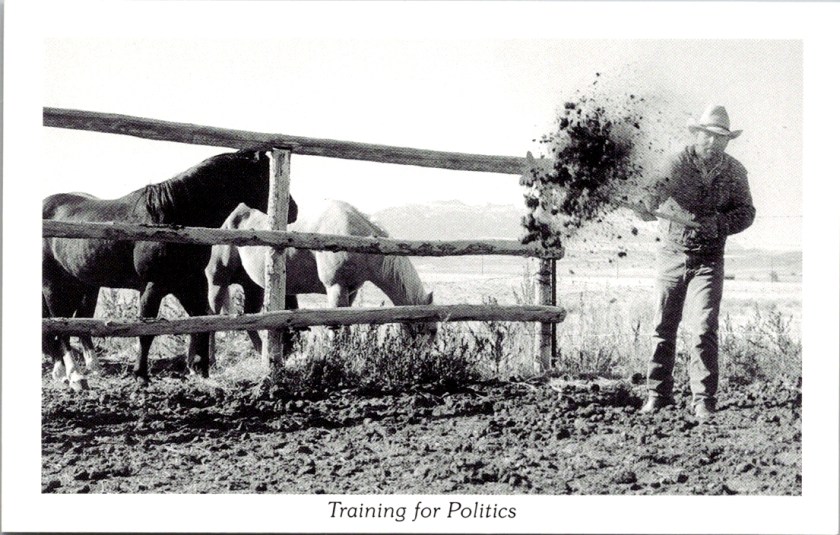
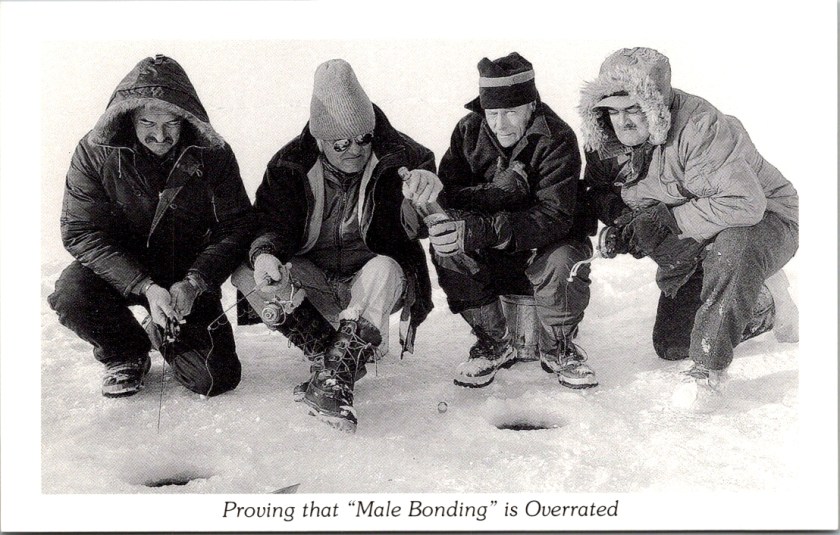
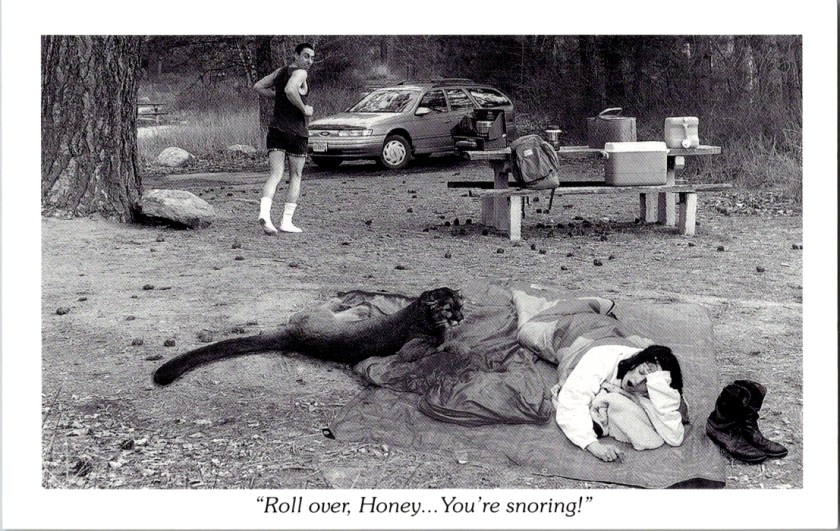
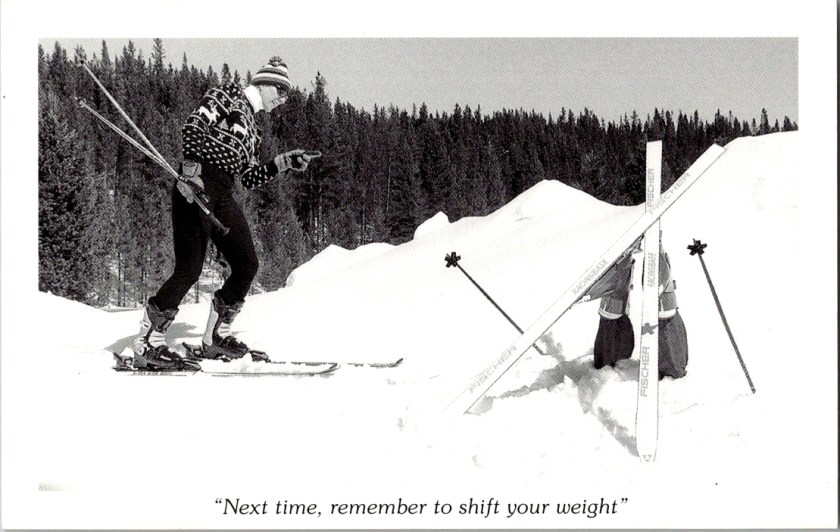
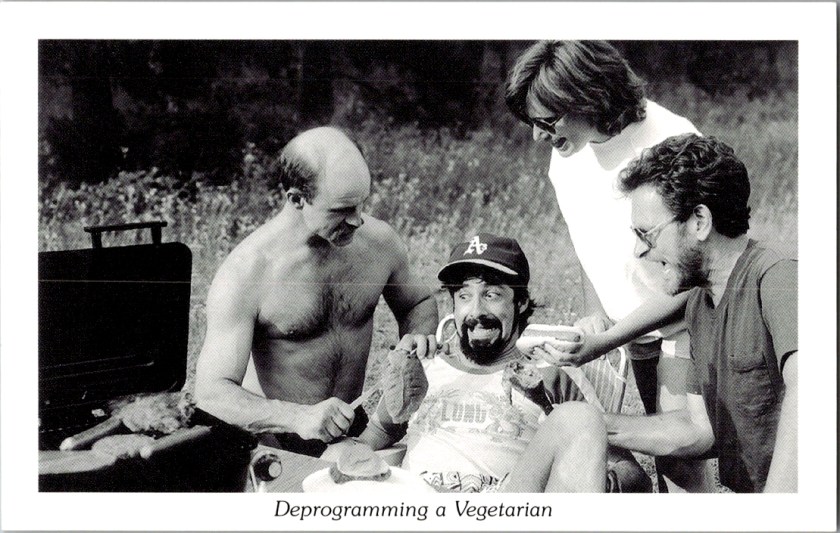
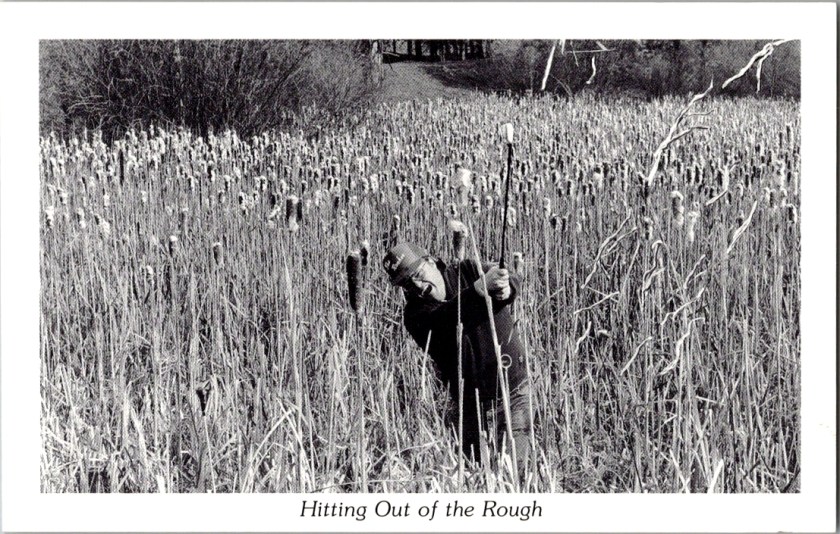
Let’s not forget all the fun in foolishness. Duckboy Cards gave us these guffaws from Hamilton Montana in the late 20th century.































In the Tarot, the Fool is the zero card, about to step off a cliff with a small satchel. The Fool’s journey is curious, flexible, and nonlinear, akin to the Buddhist beginner’s mind with the great powers of not-knowing.
The disciple Paul wrote that followers were fools for Christ, who knew that worldly measures were the real absurdities. Yurodivye, the holy fool in Russian Orthodox culture, courted ridicule and apparent madness as a form of spiritual freedom.
The Feast of Fools, celebrated across Europe in medieval centuries, inverted the church hierarchy for a day. Junior clergy elected a mock bishop and sacred ritual was gently parodied. The highest were made low for a day. The Church tolerated it for centuries, perhaps because it understood the release it provided.
In each of these traditions, foolishness is not failure. The Fool observes with a keen eye, collects information and assets, plays his cards carefully, and keeps his palm open.
Just such a jester has been riding alongside us this season. In Lucky Us, we find that only a fool pursues luck outright. In Spring Cleaning, earth itself foolishly hopes despite all evidence of winter. In Healing Ward, nurses stringing crepe paper garlands for a room full of wounded men, and show us the beautiful absurdity of insisting on Christmas.
My thanks to you fellow fools who keep reading. Only you know why!
To Read More
Shakespeare’s Fools — All the fools’ best lines from the Folger Library
Picasso’s Rose Period — From 1904–1906, Picasso absorbed French culture in warm pink and orange light
The Feast of Fools — A matter of great Catholic controversy still
The Tarot Fool — The British Museum’s collection of vintage Tarot cards
April Fool’s Day — Museum of Hoaxes theorizes the origins of the holiday
Discover more from The Posted Past
Subscribe to get the latest posts sent to your email.

 The Posted Past