Card Crossings

A magic carpet takes us to a far away photo show, and a beach scene brings back old memories.

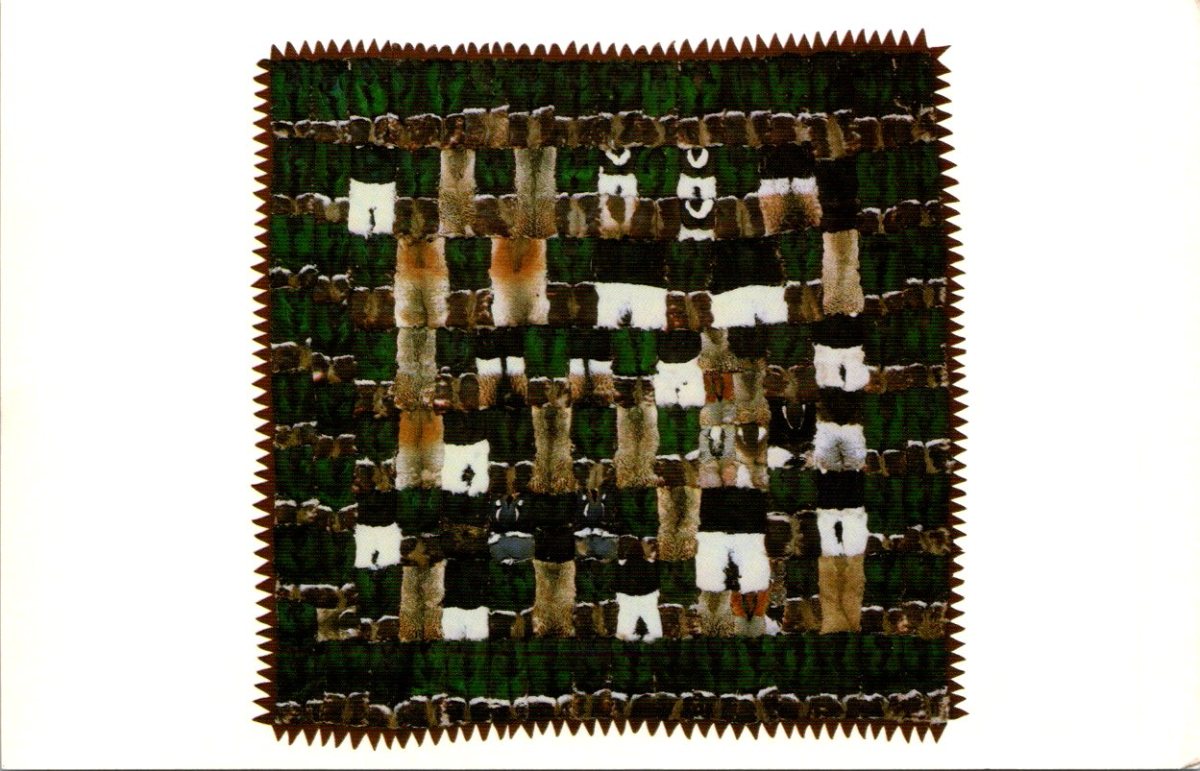
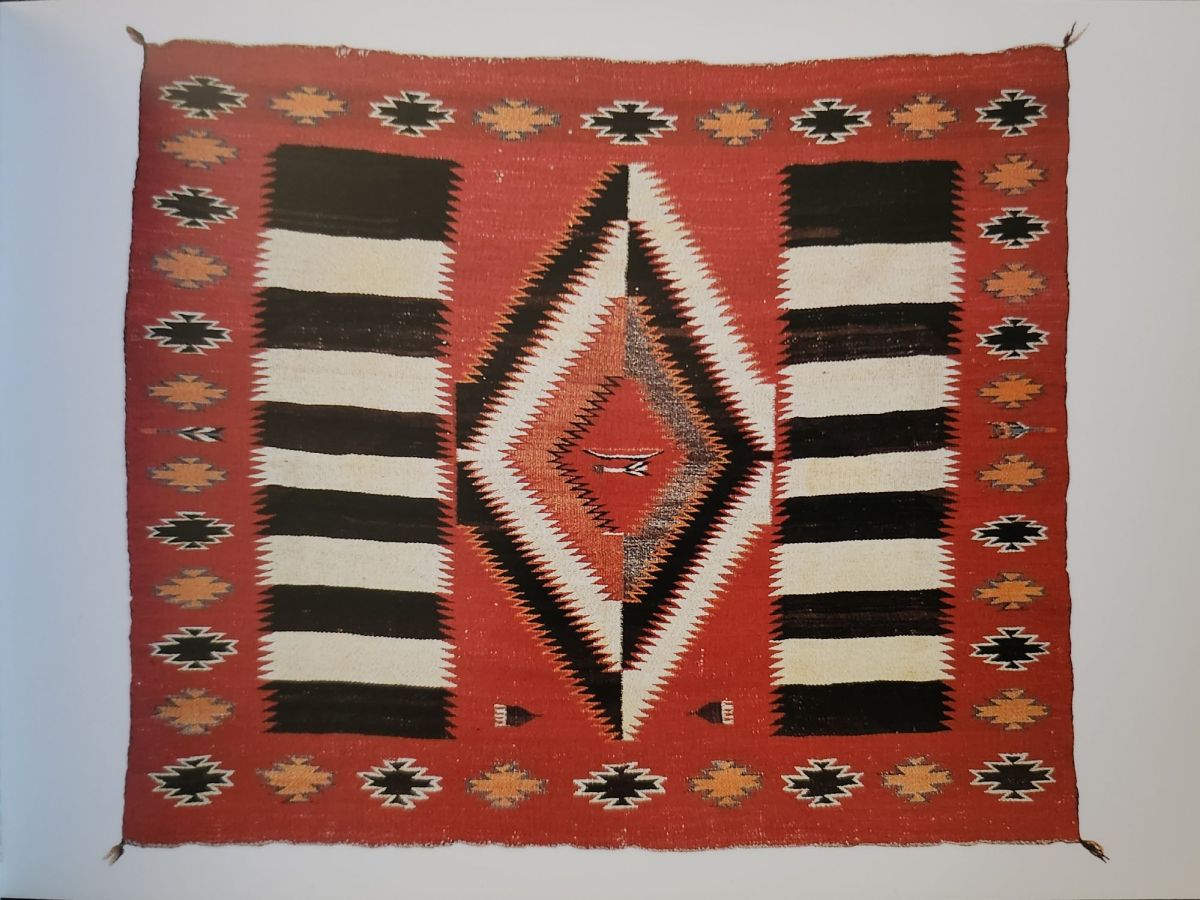
Nina found Mrs. Hanabusa in the common room sorting groceries into cloth bags. The postcard was still in Nina’s hand—a Navajo textile in geometric patterns, black and white against red wool.

“Let me help,” Nina said, taking two bags.

Mrs. Hanabusa glanced at the card. “From your friend? The one who went to Taipei?”

“She just arrived.” Nina turned the card over.

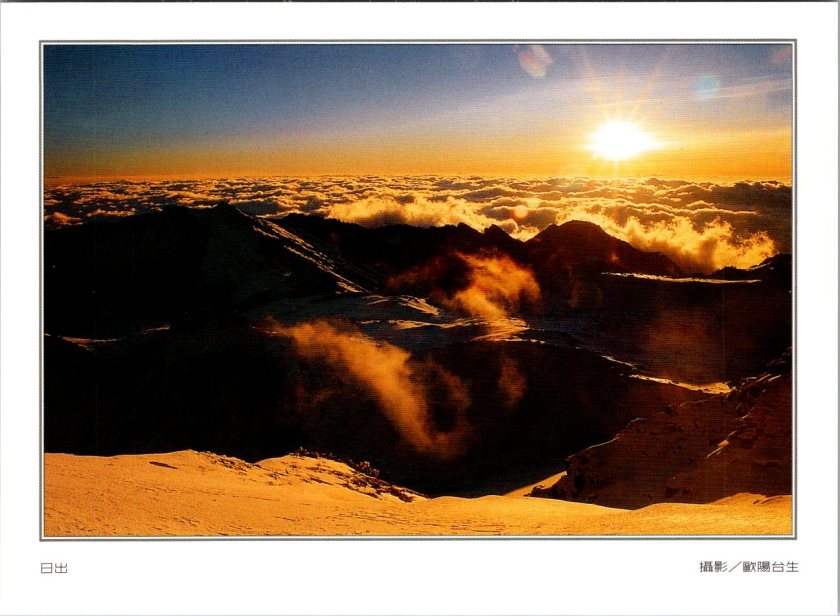
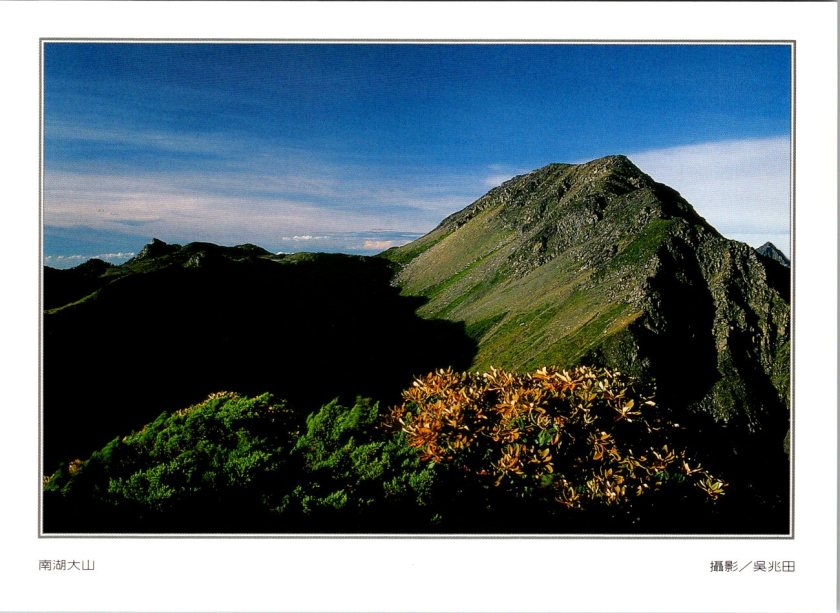
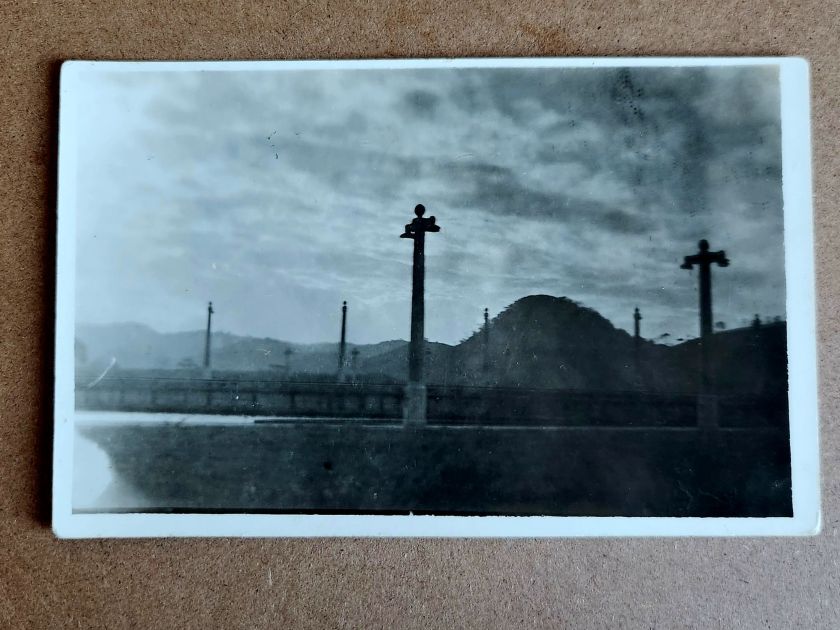
Made it. Everything moves faster here. First night was a photo exhibit on Mt Nunhu. Already miss the slow mornings. —N

Funny, Nina had received Nora’s text with images from the show that night, long before the postcard arrived in her mailbox here in Tucson.

They walked to Mrs. Hanabusa’s room. Nina set the bags on the small counter. Mrs. H studied the postcard, her finger tracing the pattern.

“My grandparents had one like this. Hung in their house on the flower farm.” She paused. “My grandmother found it at a trading post in the twenties. She said the geometry reminded her of Japanese family crests. Clean lines. She hung it in the room where they did arrangements.”

Mrs. H’s voice stayed quiet, remembering. “After the war, when we came back from the camps, the farm was gone. But a neighbor had saved some things. The rug was one of them. Grandmother cried when she saw it. I was small, maybe seven. I didn’t understand then what it meant to get something back.”

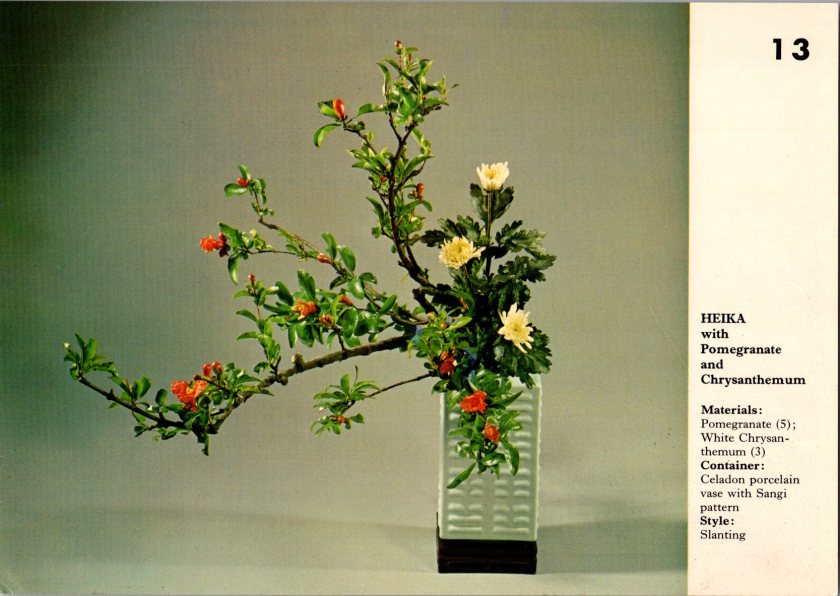
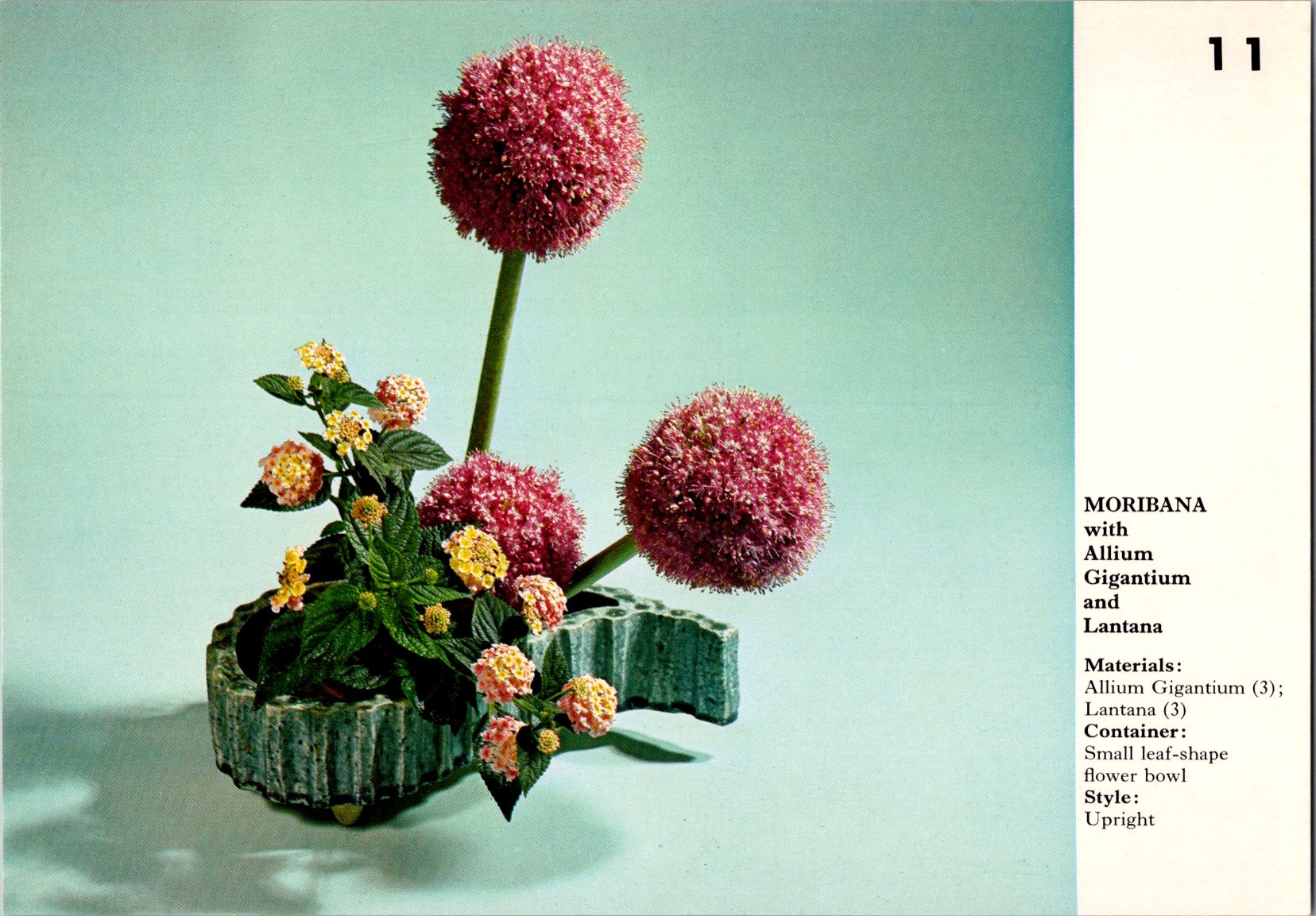
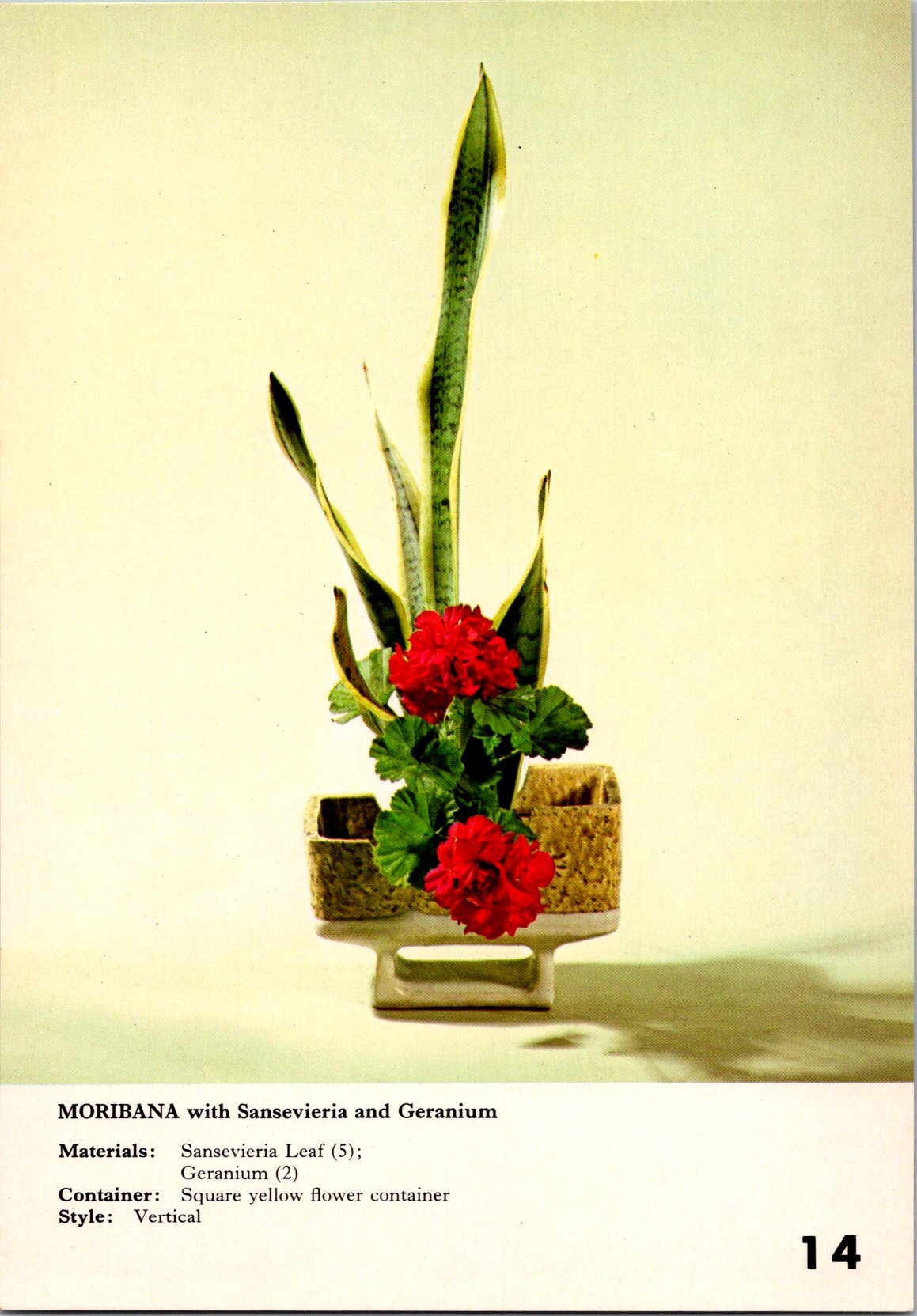
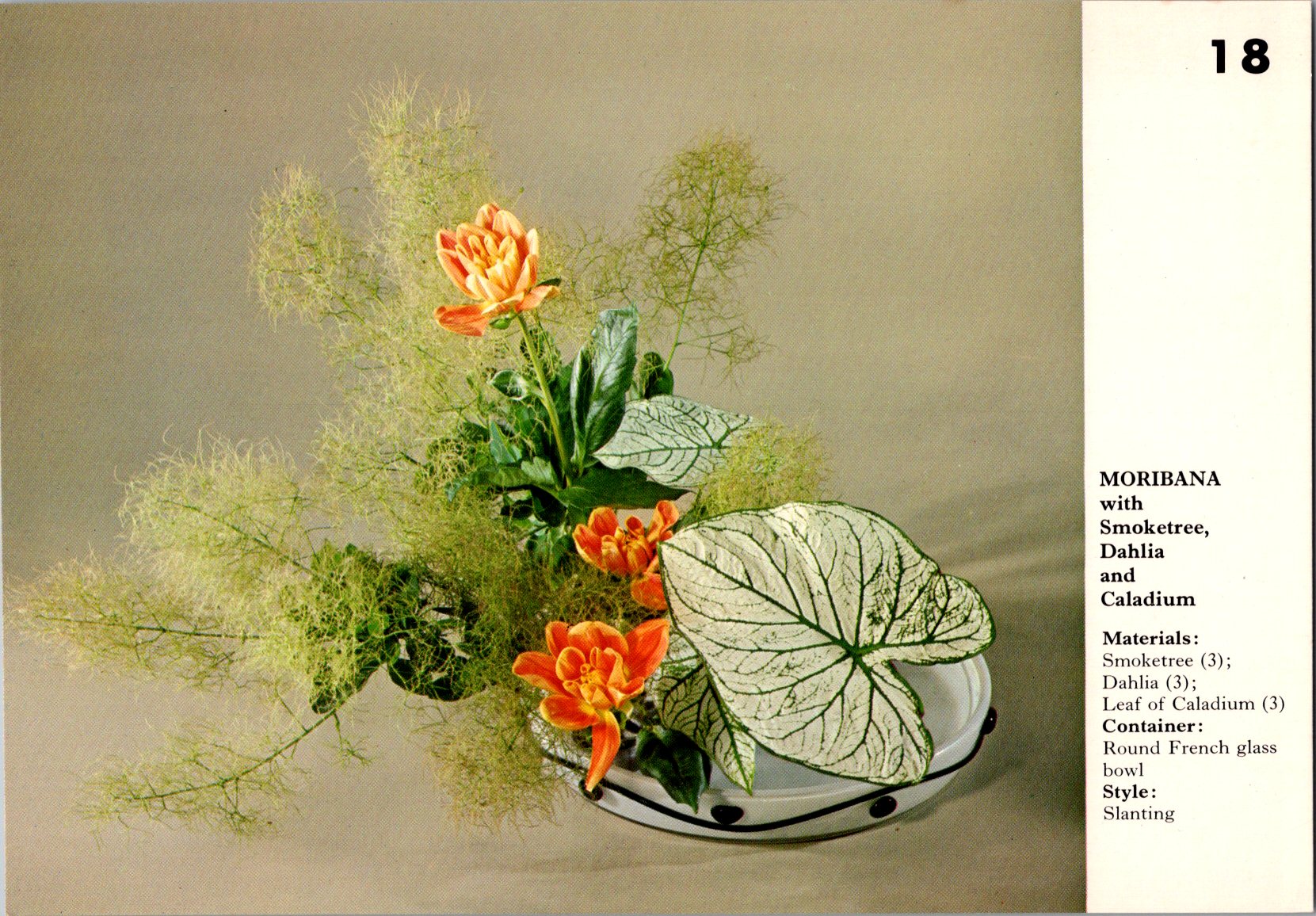
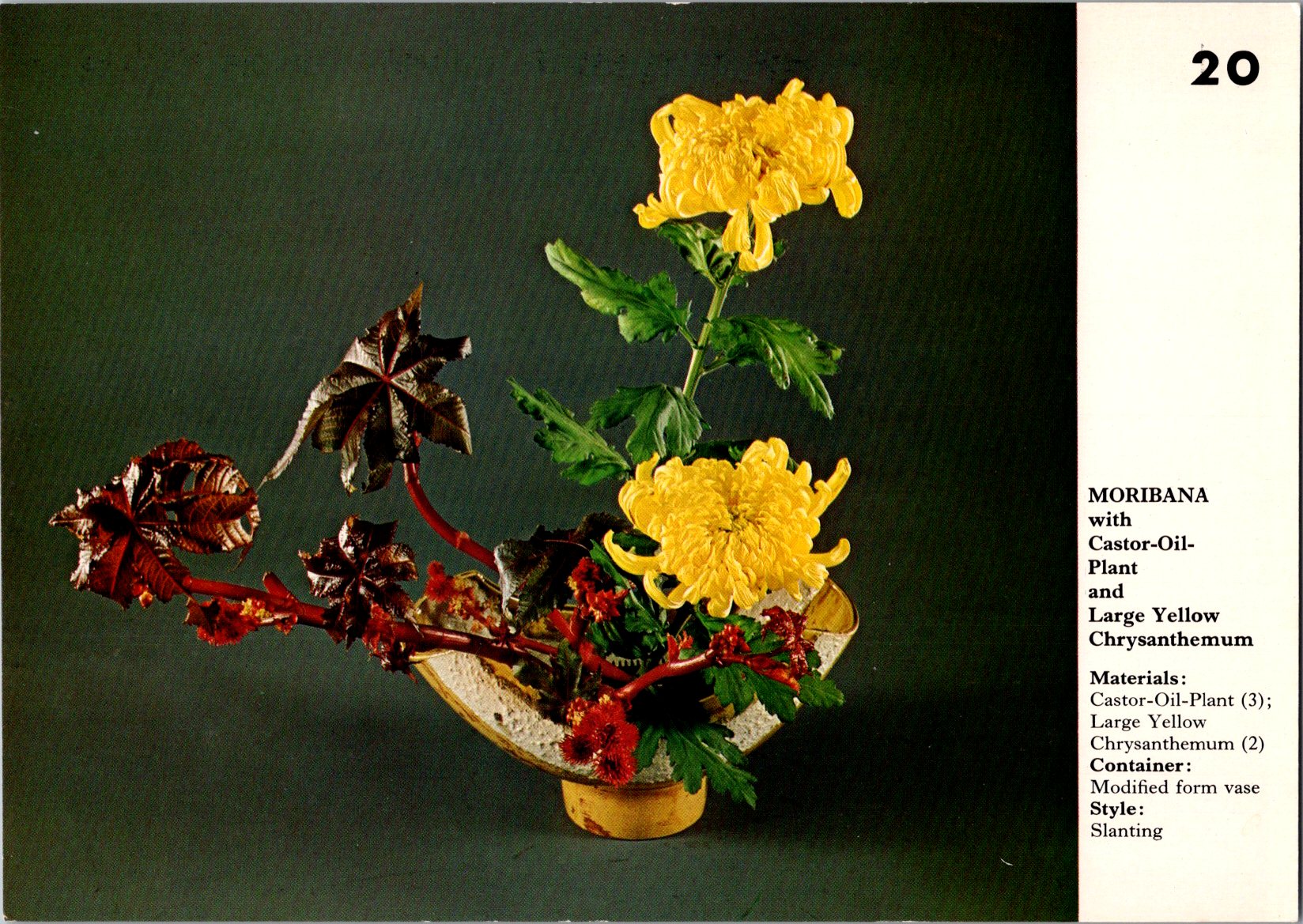
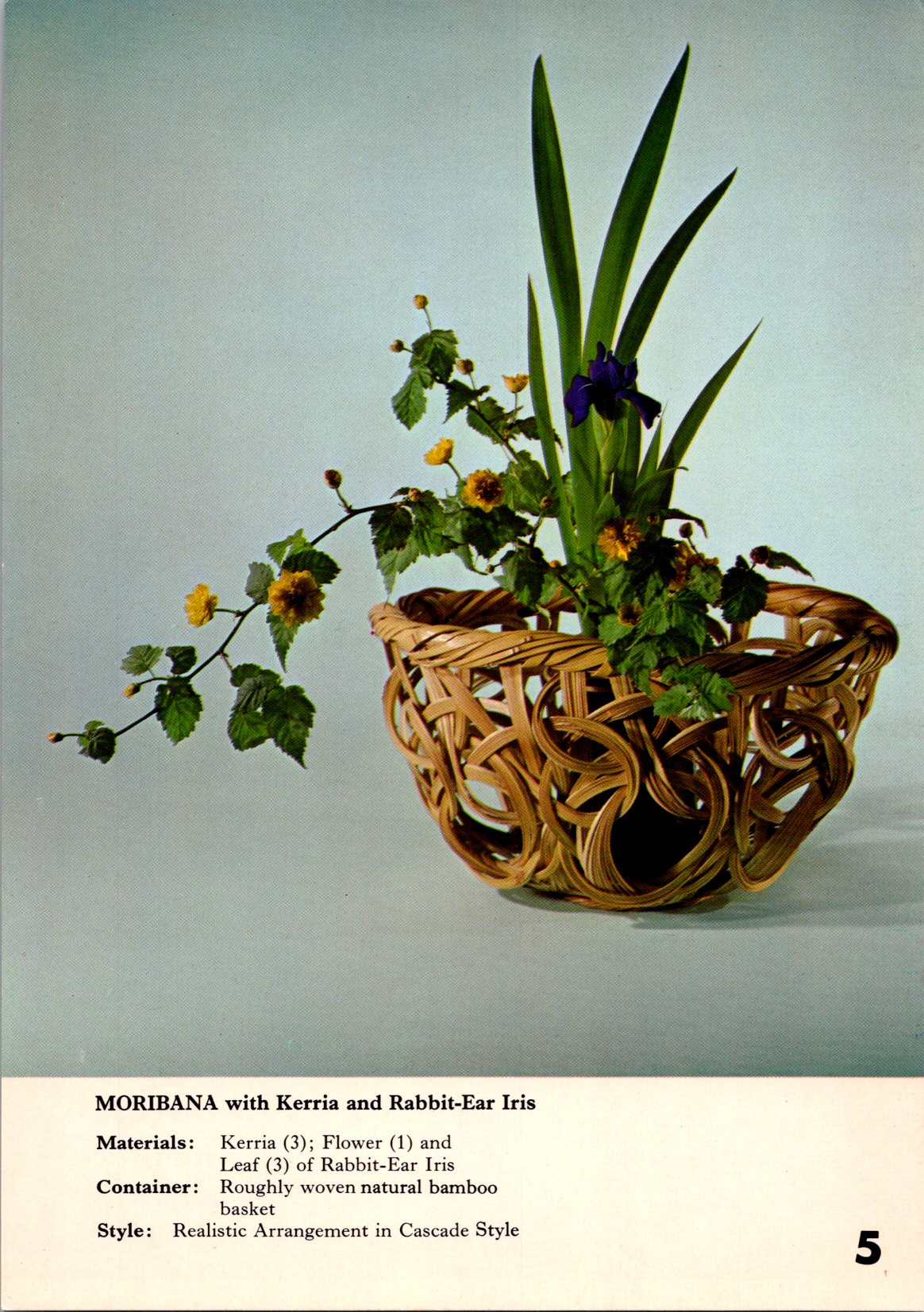
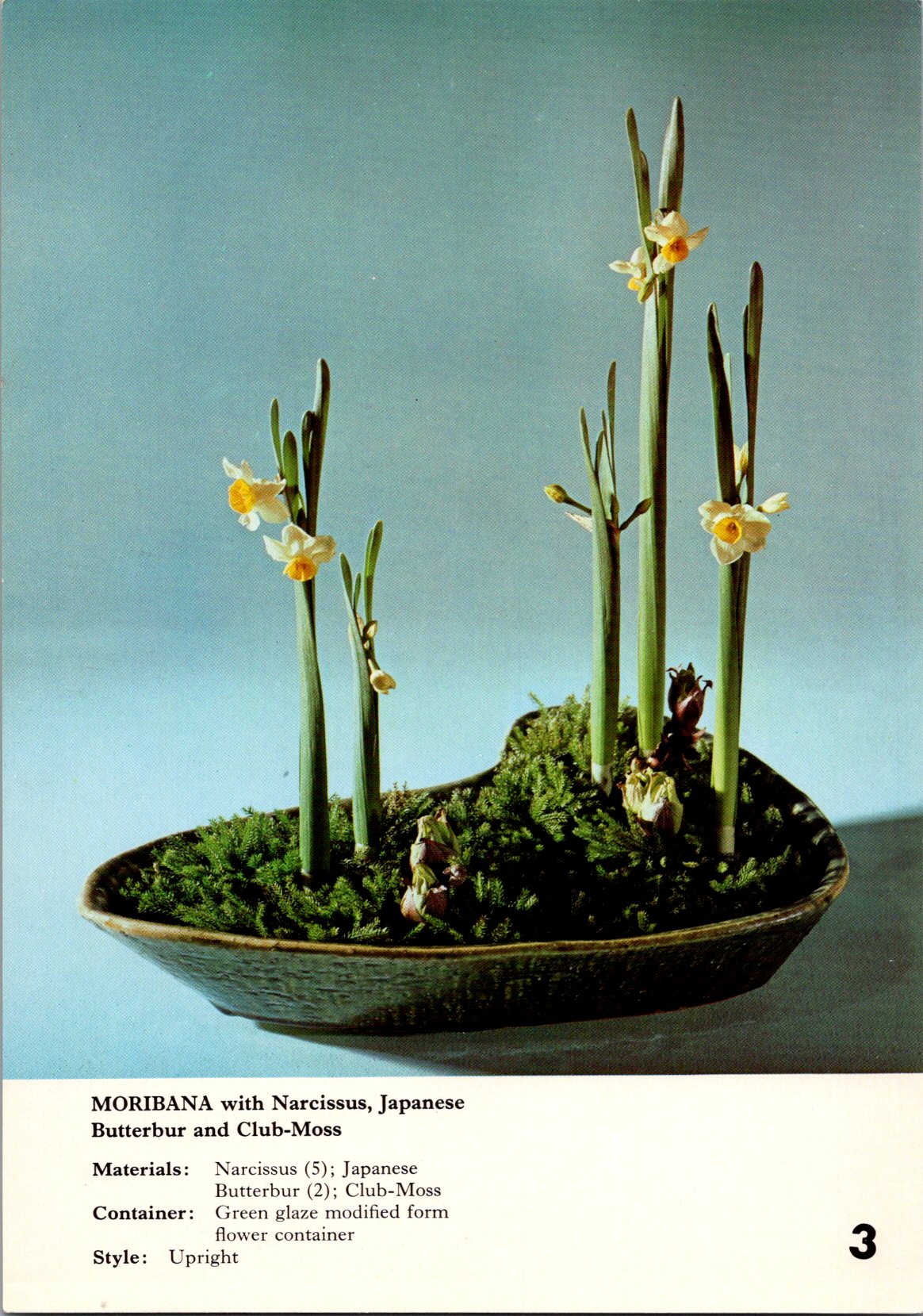
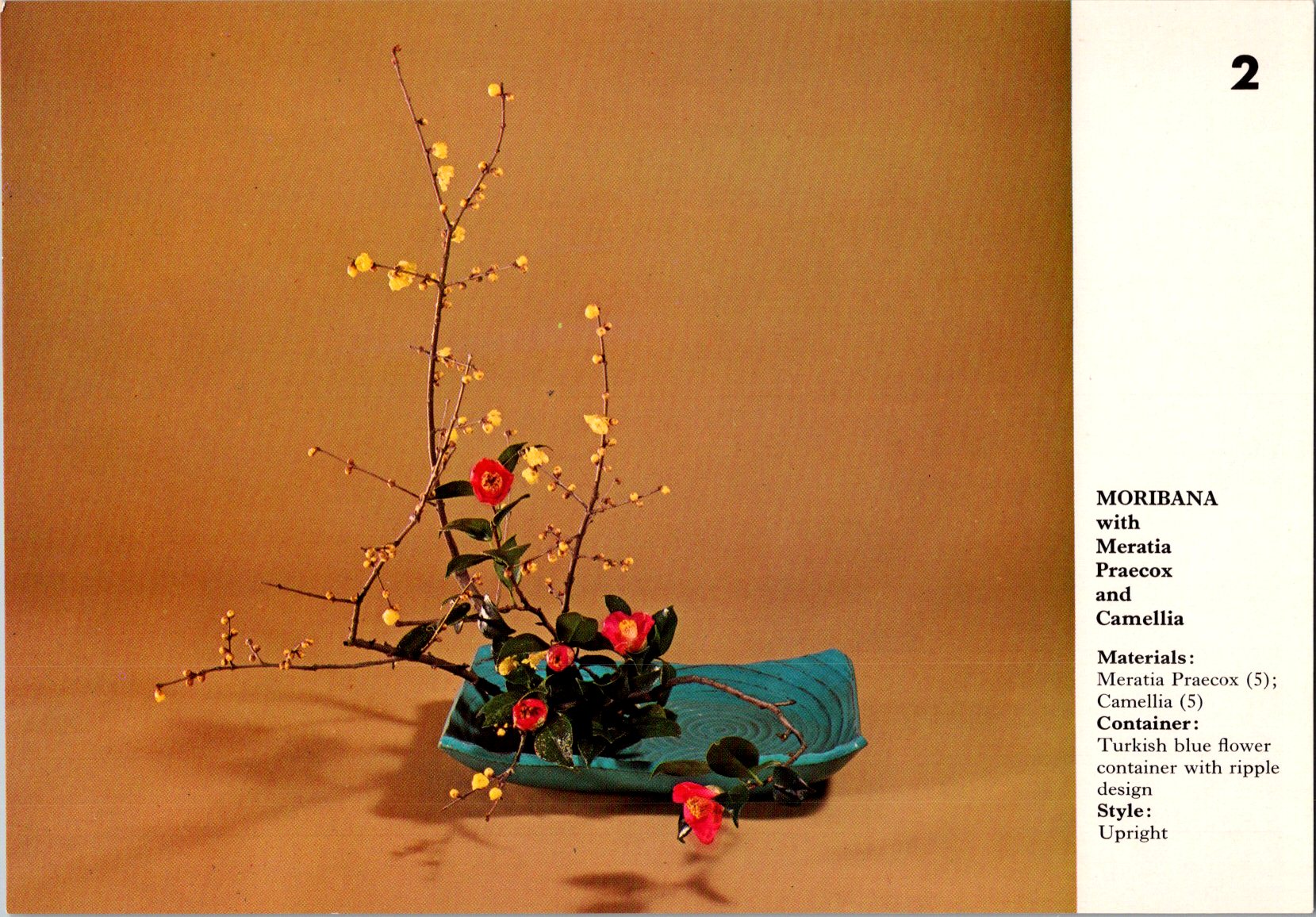
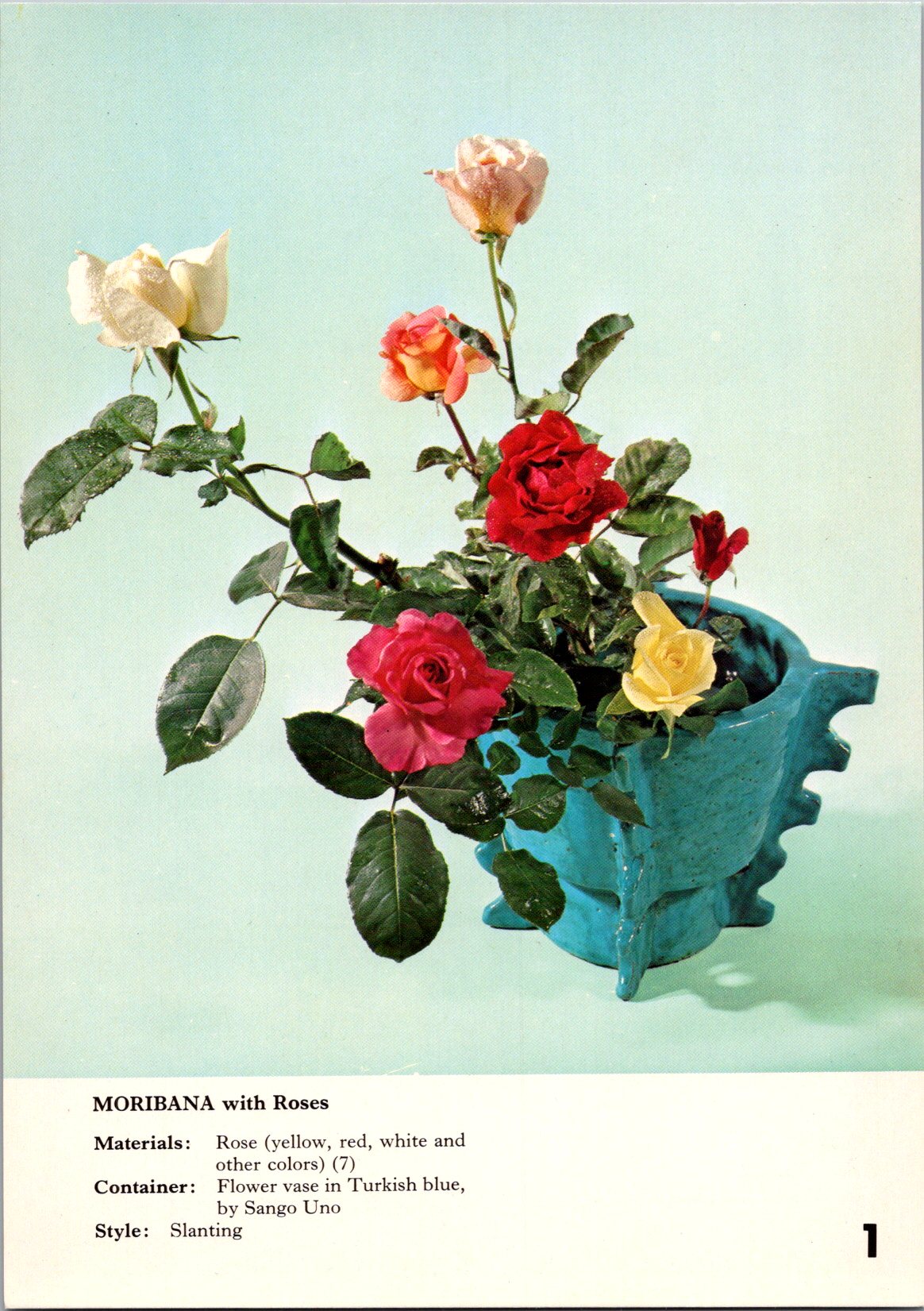
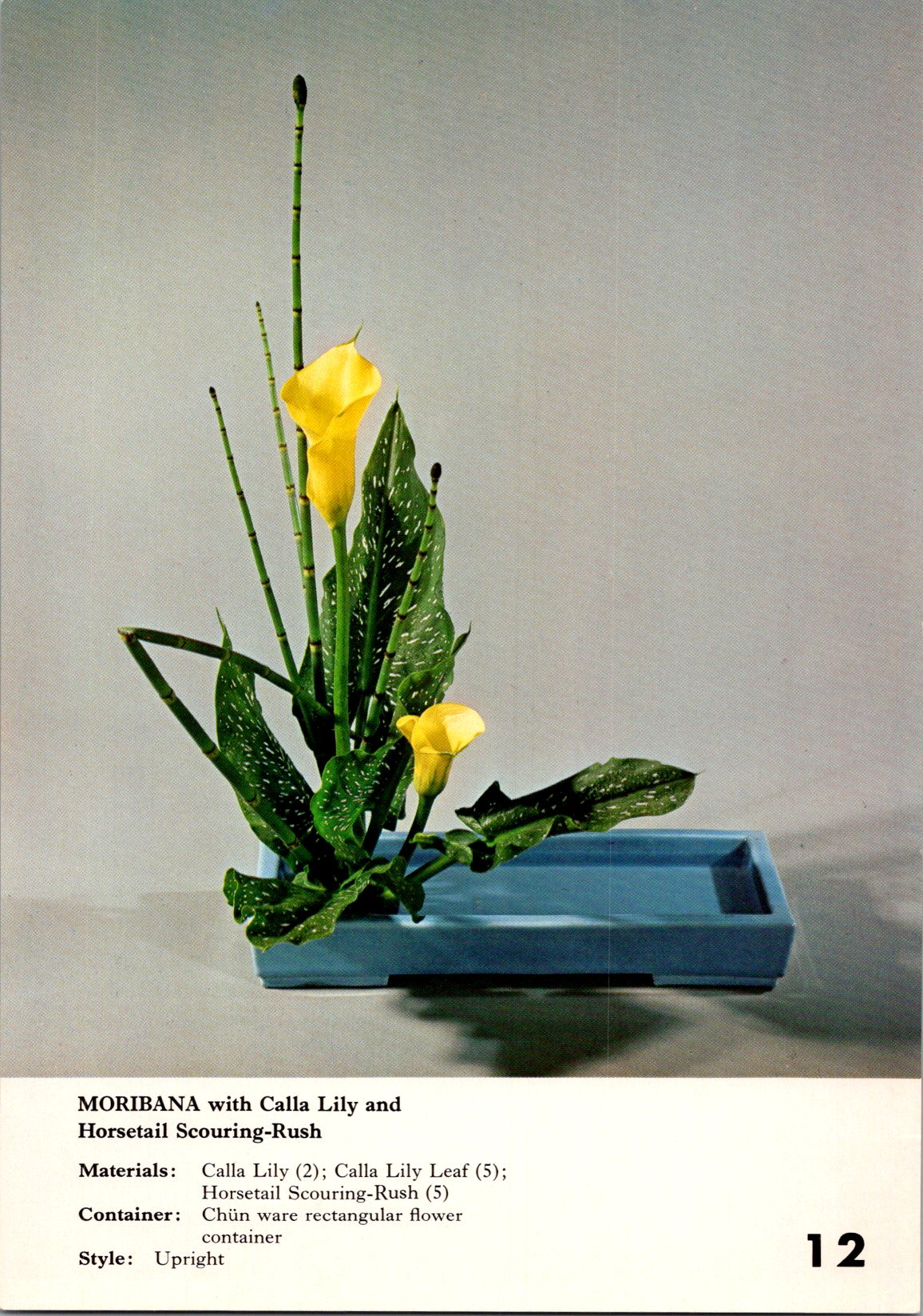
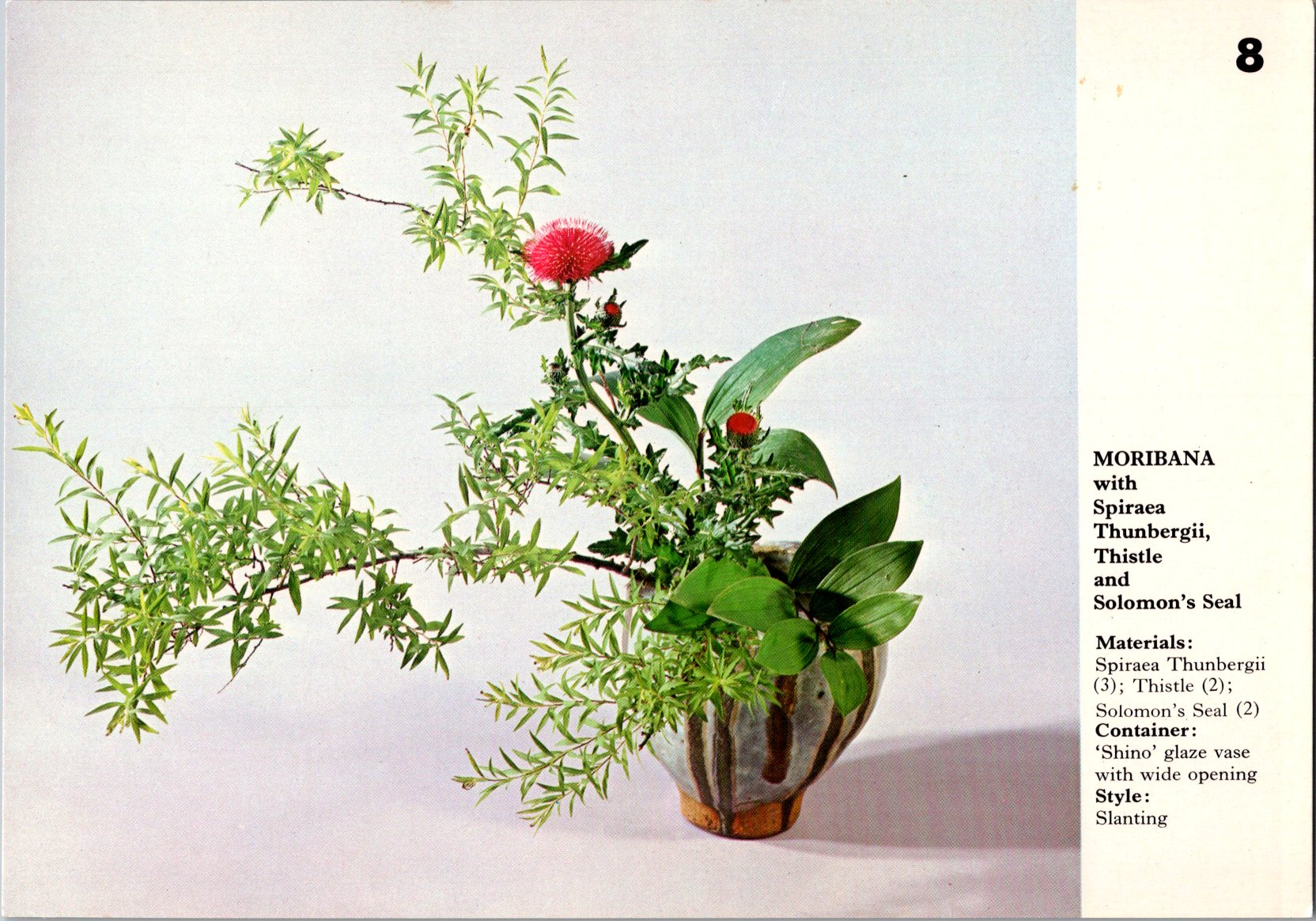
She opened a drawer, pulled out a small wooden box. Inside lay perhaps a dozen postcards, all showing Ikebana arrangements with low, horizontal compositions in shallow containers. Pink and red cosmos rising from a white porcelain vase. Allium gigantium’s perfect spheres balanced with small lantana blooms. A giant monstera leaf with a canna lily and a white chrysanthemum.

Mrs. Hanabusa handed Nina the stack of cards. She flipped through slowly, admiring each floral design.

“My sister sent these from Osaka. Our grandmother taught the traditional way. These are more like her arrangements, traditional but made new.”

Mrs. H pointed to the one with the iris. Nina looked closer. The composition was deliberate. Bold strokes against a spare background.

“Your friend will send you more postcards?”

“She promised,” Nina replied.

“Good,” Mrs. H smiled. “We get bored without friends.”

George had haunted thrift stores his whole life. Mostly he looked for tools—socket wrenches, levels, hand planes that still had their blades. Things he could use or restore.

Now he looked for postcards too.

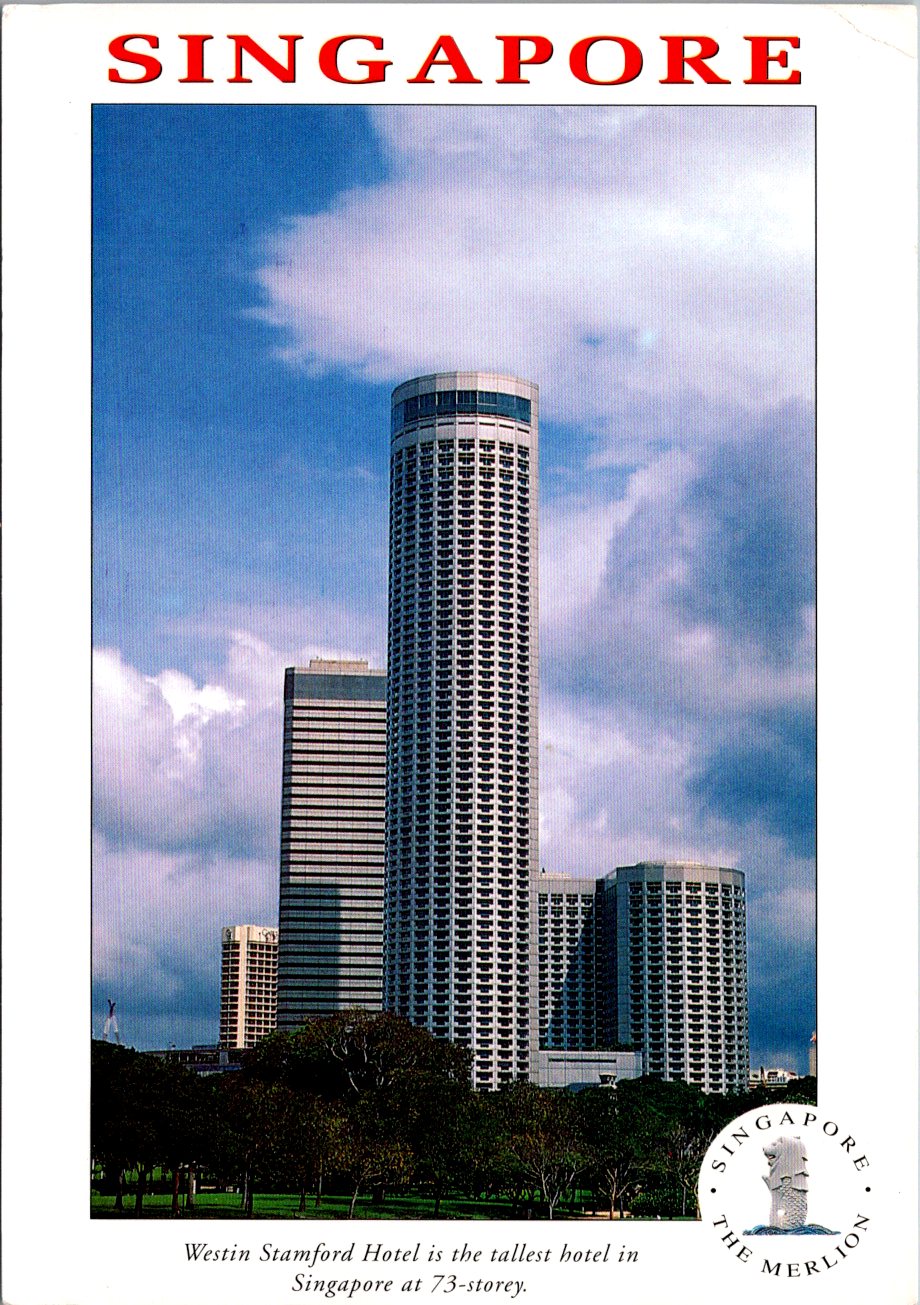
The Goodwill in Red Wing had a basket of them near the register. Fifty cents each. He sorted through slowly. Tourist shots of the Badlands. A faded view of the State Capitol. Then he found a few good ones.

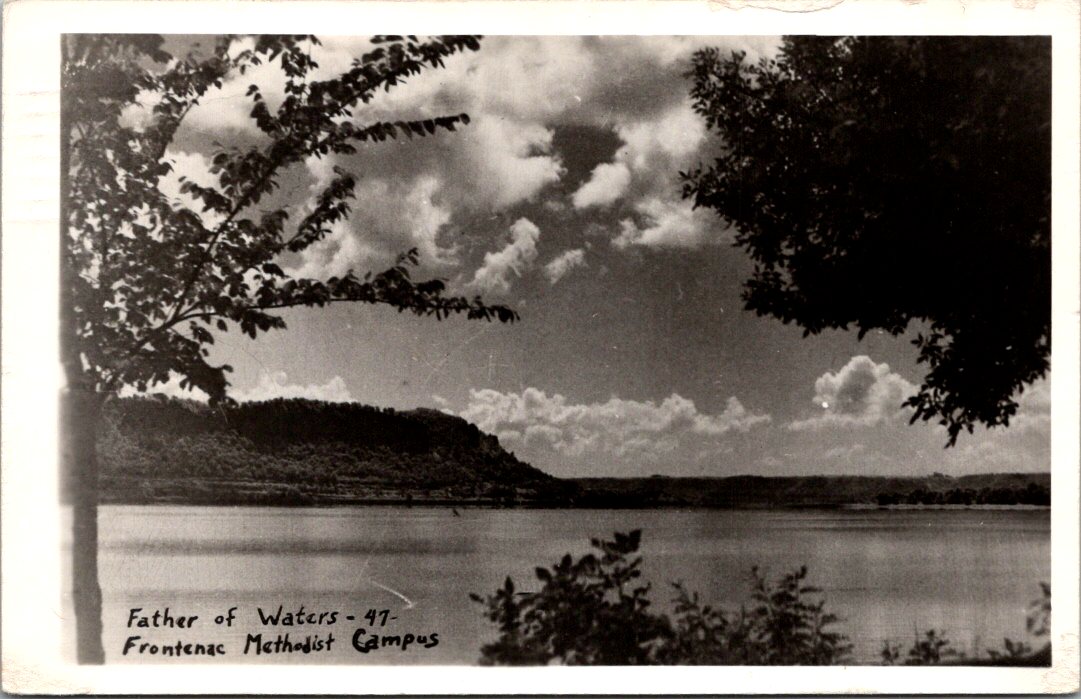
A real photo postcard showing Lake Pepin framed by trees—”Father of Waters” etched in careful script. The water stretched wide and calm, clouds massed above the bluffs.

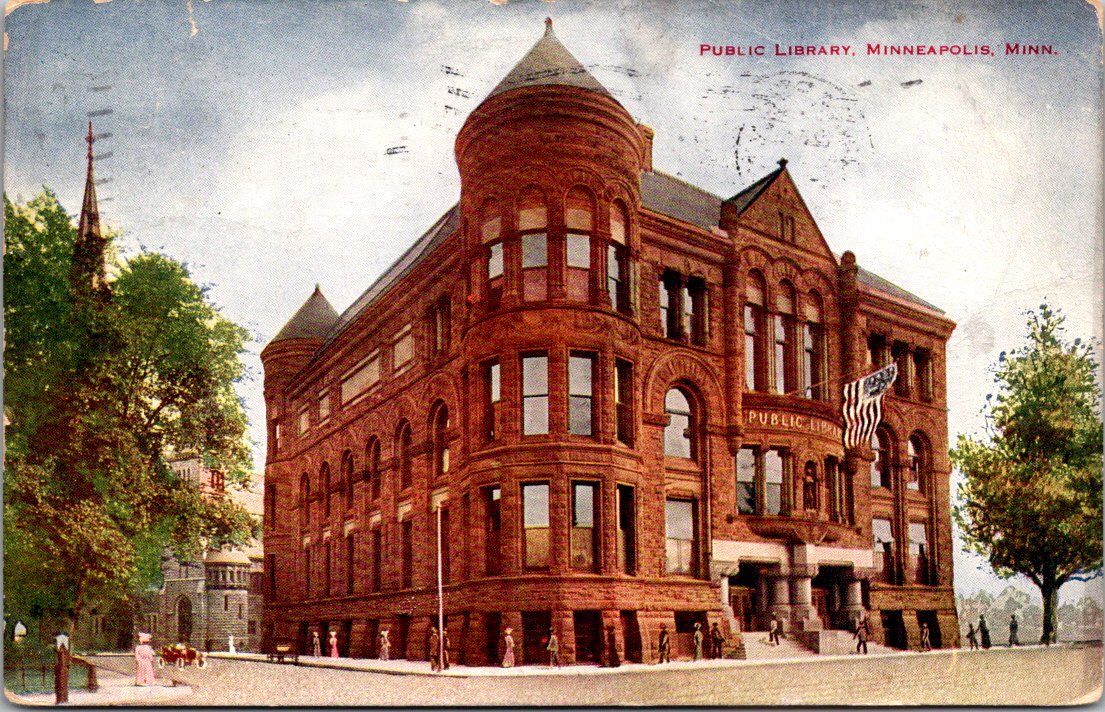
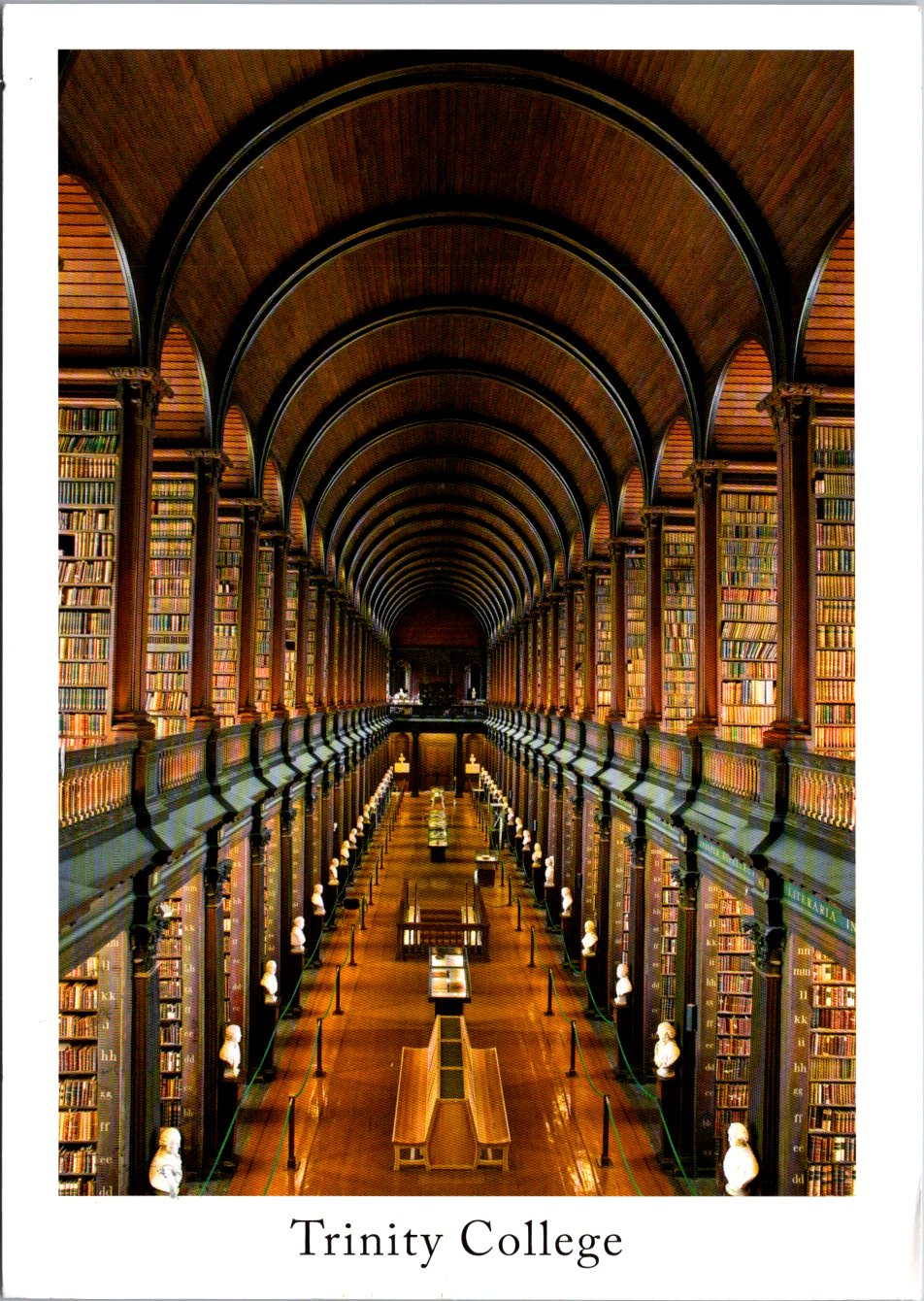
A color card of Minneapolis Public Library, the old red brick building with its round tower and arched windows. George remembered when they torn it down in 1951.

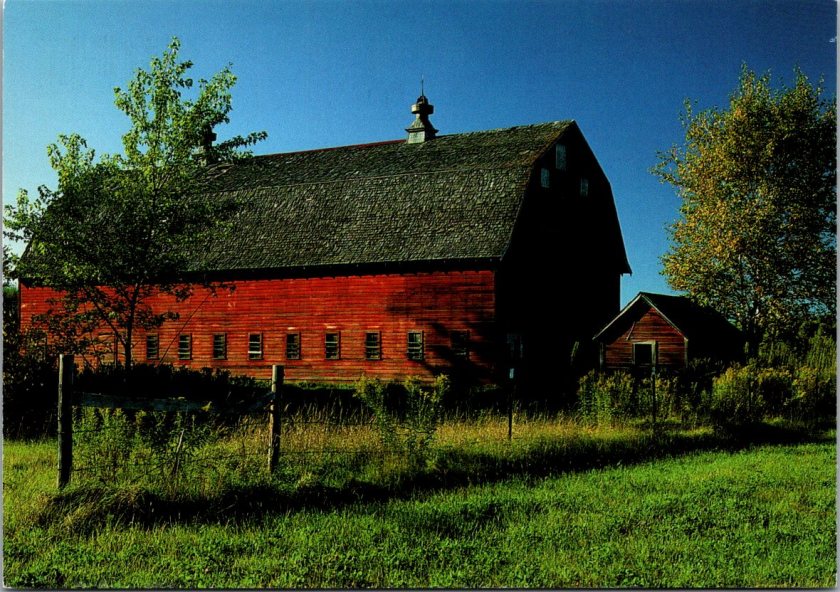
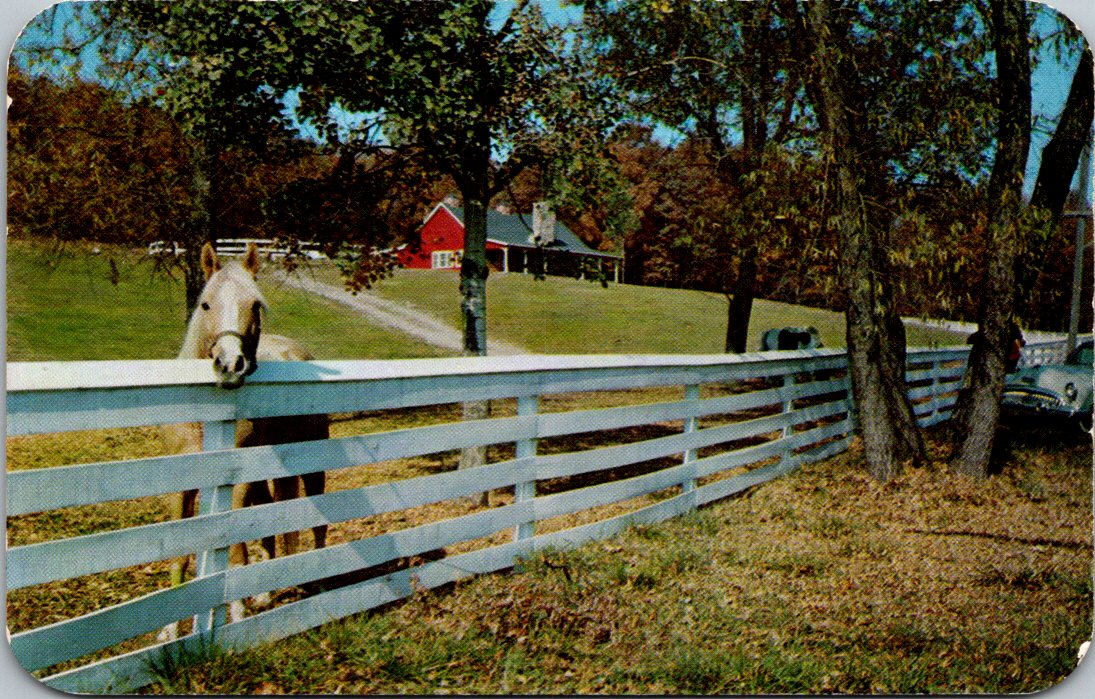
A chrome card showing a white horse leaning over a fence, red barn and farmhouse in the background.

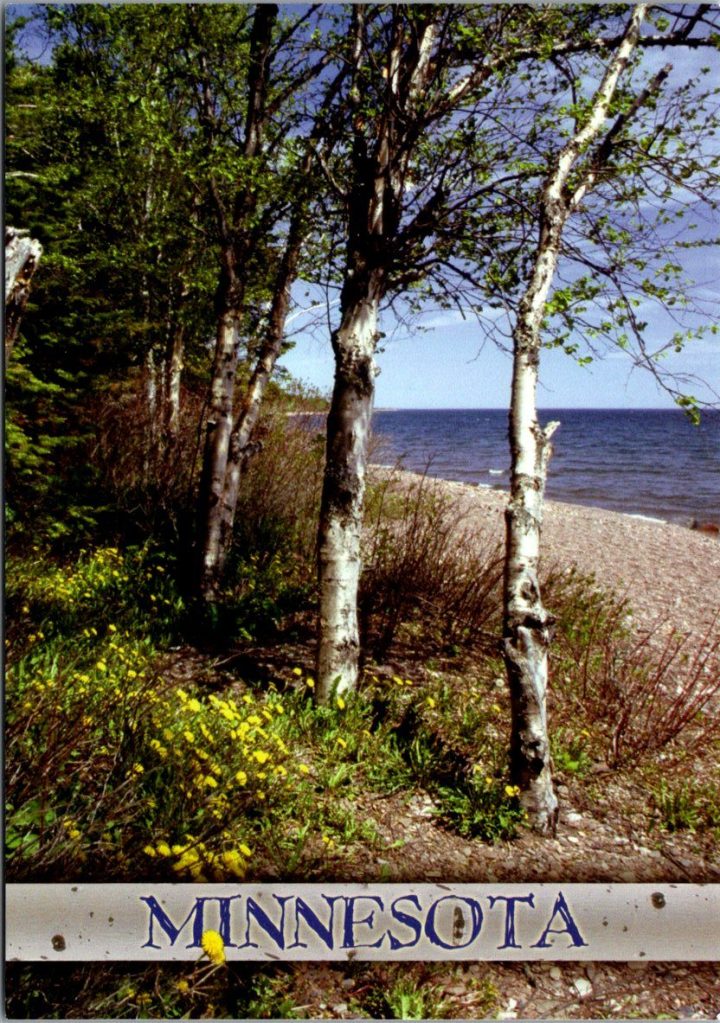
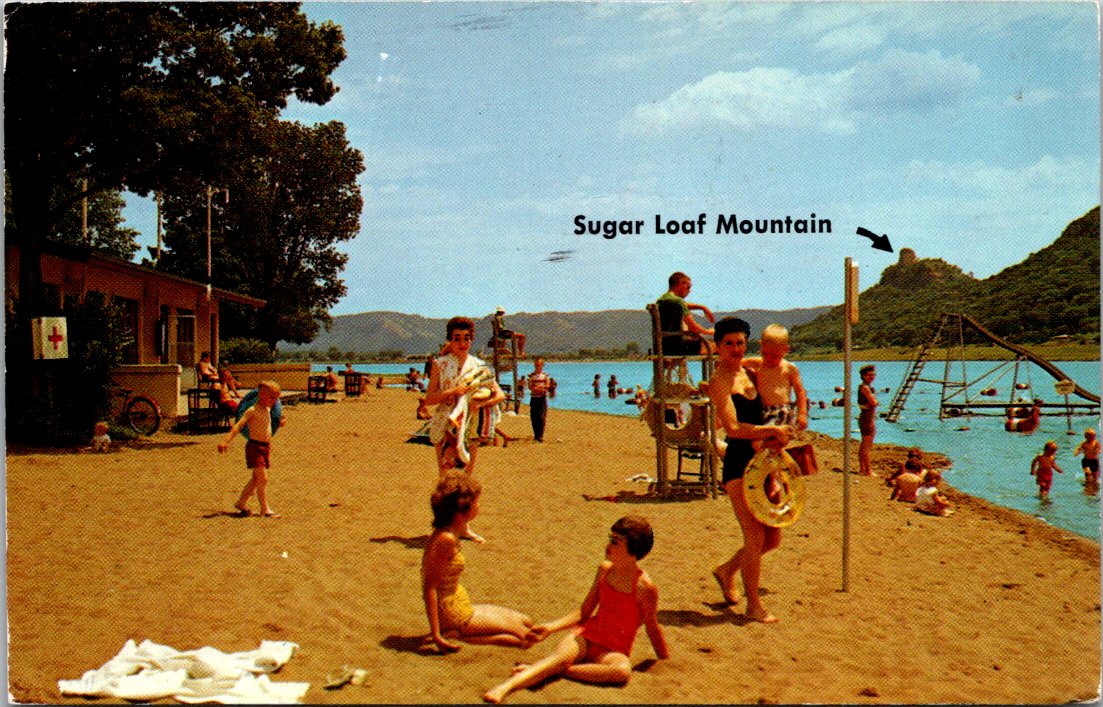
And then—George stopped. Sugar Loaf Mountain near Winona. A beach scene, families on the sand, kids on playground equipment, swimmers in the water. The mountain rising behind them.

He was transported to that very day. Their family had been right there, doing exactly that. The kids running between the beach and the playground. The particular blue of the water. How his wife had packed sandwiches that got sand in them and nobody cared.

George bought all four cards. Two dollars total. At home he examined them under the desk lamp before he got to thinking about each message.

He wrote to Emma:

Found this real photo from Lake Pepin. “Father of Waters” they called it. Your wanderlust comes honestly—this river goes all the way to the Gulf. Love, Grandpa

To Jack:

Get to the good old libraries while you can. This one is gone already! Love, Grandpa

To Lily:

See how the fence posts get smaller as they go back? That’s tricky to draw! Give it a try. Love, Grandpa

He paused at the fourth card, and let out a small sigh. Sugar Loaf Mountain, seems like another lifetime. Finally, he wrote:

This one is for you, kiddo. Reminds me of you and the guys and Mom. Fun times! Love, Dad

George added addresses and stamps. Put on his coat and walked to the mailbox, a short stretch of the legs that he now enjoyed. A chickadee called from the pine tree across the street—its clear two-note song cutting through the cold afternoon air.


wake up with wanderlust, too?

Though the story is fiction, vintage postcards are still a fun way to explore.
Browse the selection at our eBay store

Mailbox Moments

Nina makes a long distance deal with a dear friend, and George finds a new use for old memories.

Nina arrived early at the coffee shop near campus in Tempe. The drive up from Tucson was faster than she expected. Nora slid into the booth at 9am sharp. “You’re glowing,” Nina said.

“Nerves.” Nora grinned. “Two years in Taipei, three weeks to learn Mandarin.”

They ordered. Nina nudged a package across the table. She’d wrapped the book of postcards the night before, Navajo Textiles, each page a detachable card with a different striking design. Almost too good to take apart.

Nora opened it and smiled. “These are perfect. They will remind me where I came from. And, we can keep them! I’ll send them back to you.”

She flipped through the cards. “My grandmother did this. Sent us postcards from every trip. Maybe that’s why I love to travel.”

“I want to hear all about it,” Nina said. “Something to look forward to in the mailbox.”

“Deal.”

They talked until Nora had to leave for meetings. Nina hugged her friend outside, watched her disappear into the parking garage. On the drive back to Tucson, she thought about when she might travel again. Someday.

In Minnesota, George came across a box of old stationery while cleaning out a drawer in the office. He’d been ignoring this stuff too long, but it had to be done. He was surprised to find a bunch of notecards and envelopes, postcards from their own travels, even some stamps. Jennie must have tucked them away years ago, then forgotten.

He shuffled through the stack, smiled, and thought about their grandchildren.

Emma, sixteen, newly licensed, texting him sunset photos. Jack, thirteen, reading everything, and his own library growing. Lily, nine, from whom he routinely received animal drawings in manila envelopes.

He wrote to Emma first:

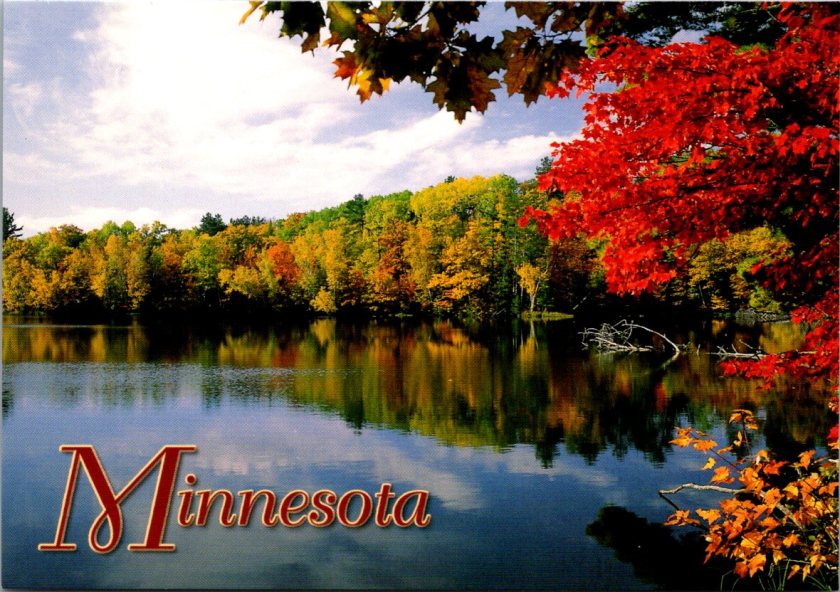
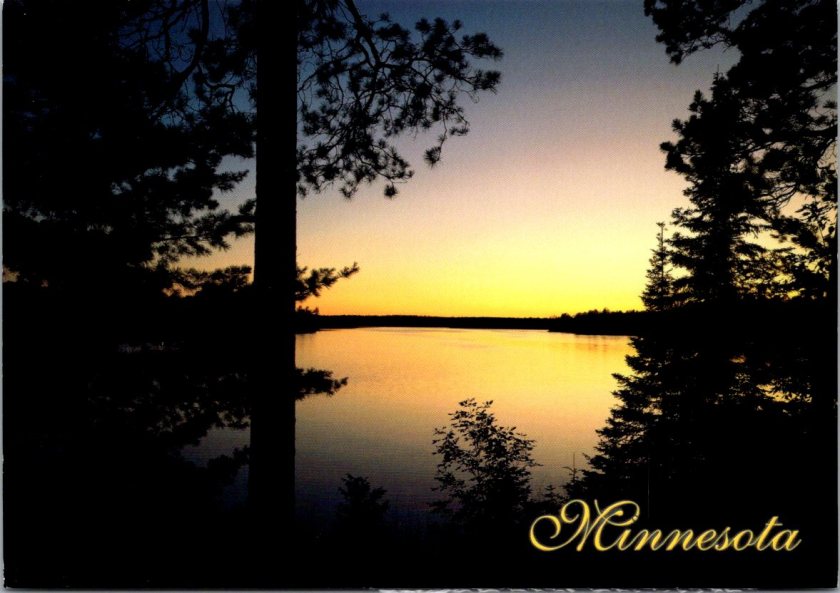
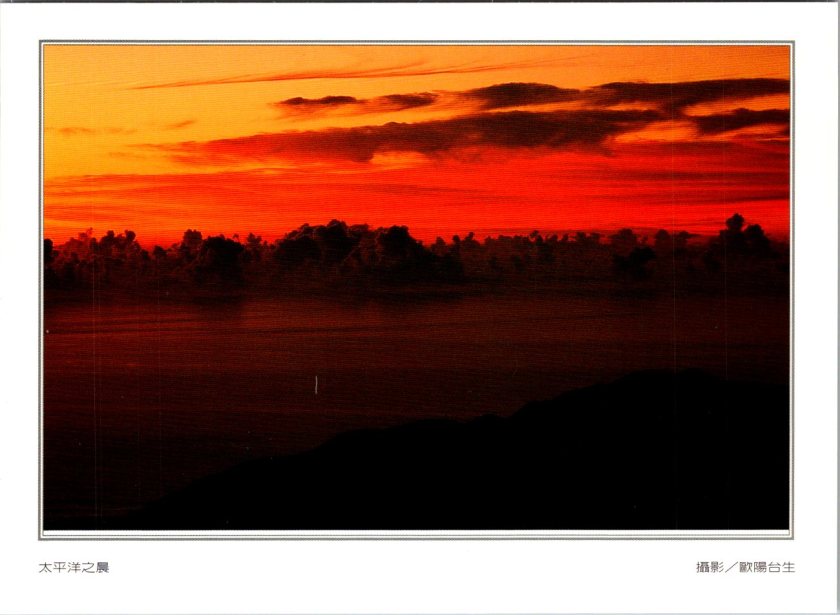
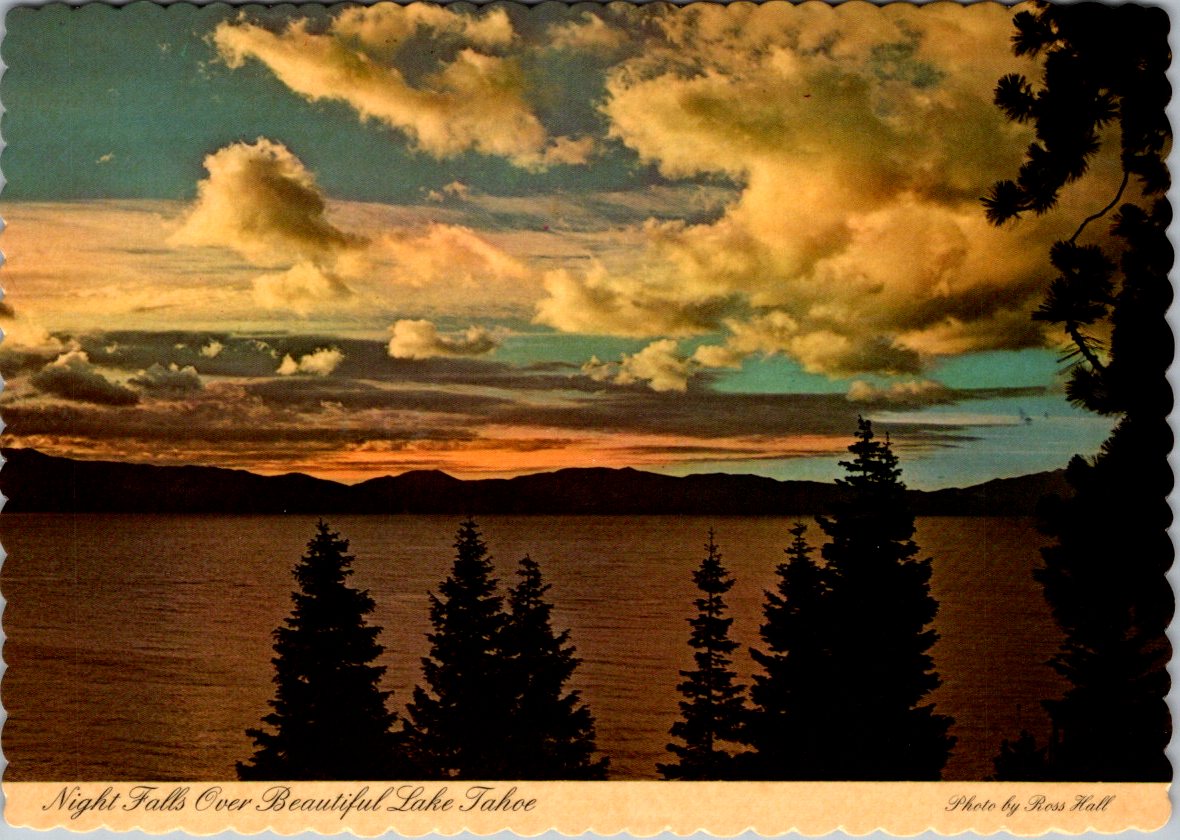
Found this sunset and thought of you – keep your eyes on the horizon! Love, Grandpa

Then, to Jack:

You can find a library in every place. Hope you go some day, and your collection grows. Love, Grandpa

Finally, to Lily, though his hand was aching:

For my favorite artist: a cat to inspire your next drawing. Keep sending pictures. Love, Grandpa

He addressed the cards and peeled the Forever stamps from their yellowed backing. The afternoon sun was glinting off the glassy surface of the snow as George walked down the drive and out to the mailbox. These should get there before Christmas, he thought. Next he’d knock the icicles off the eves over the porch steps, then make dinner.


thoughtful gifts under $15

Though the story above is fiction, a book of postcards is still a great gift.
Browse the selection at our eBay store

Tuck into Turkey

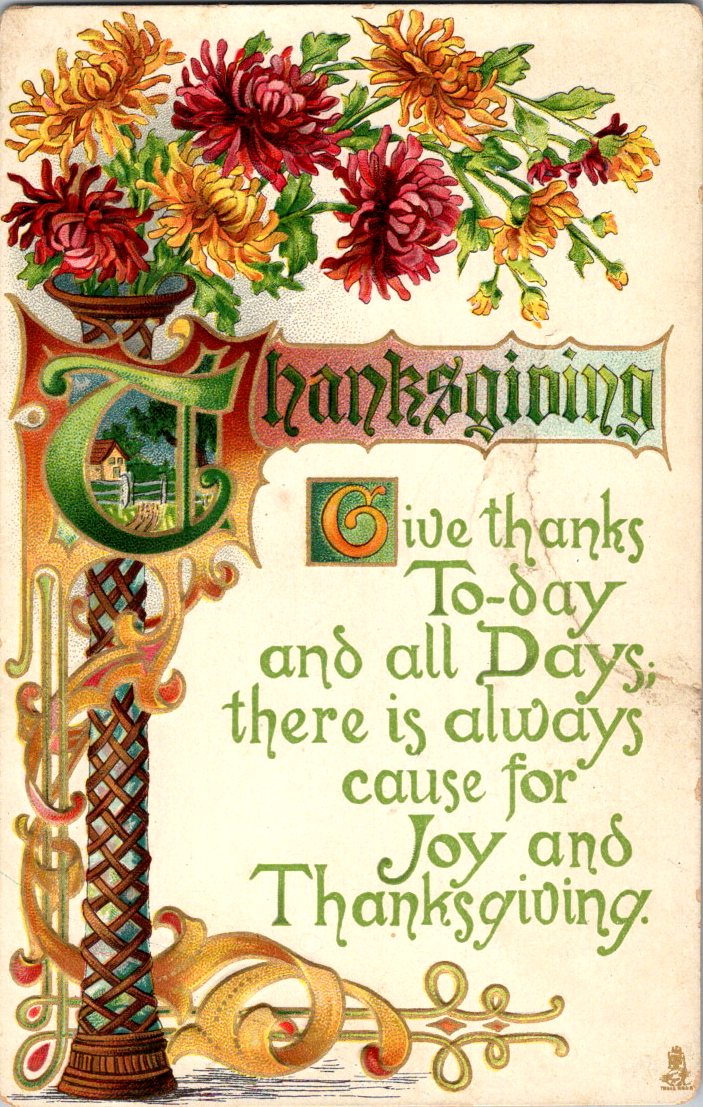
Today and all days, there is cause for joy.

For a dip into distraction before the holiday, here’s a longer essay about Raphael Tuck & Sons, Mechanical Marvels, who were “Art Publishers to Her Majesty the Queen.” Today’s Thanksgiving selection by the same maker shows off their characteristic style and stamp.

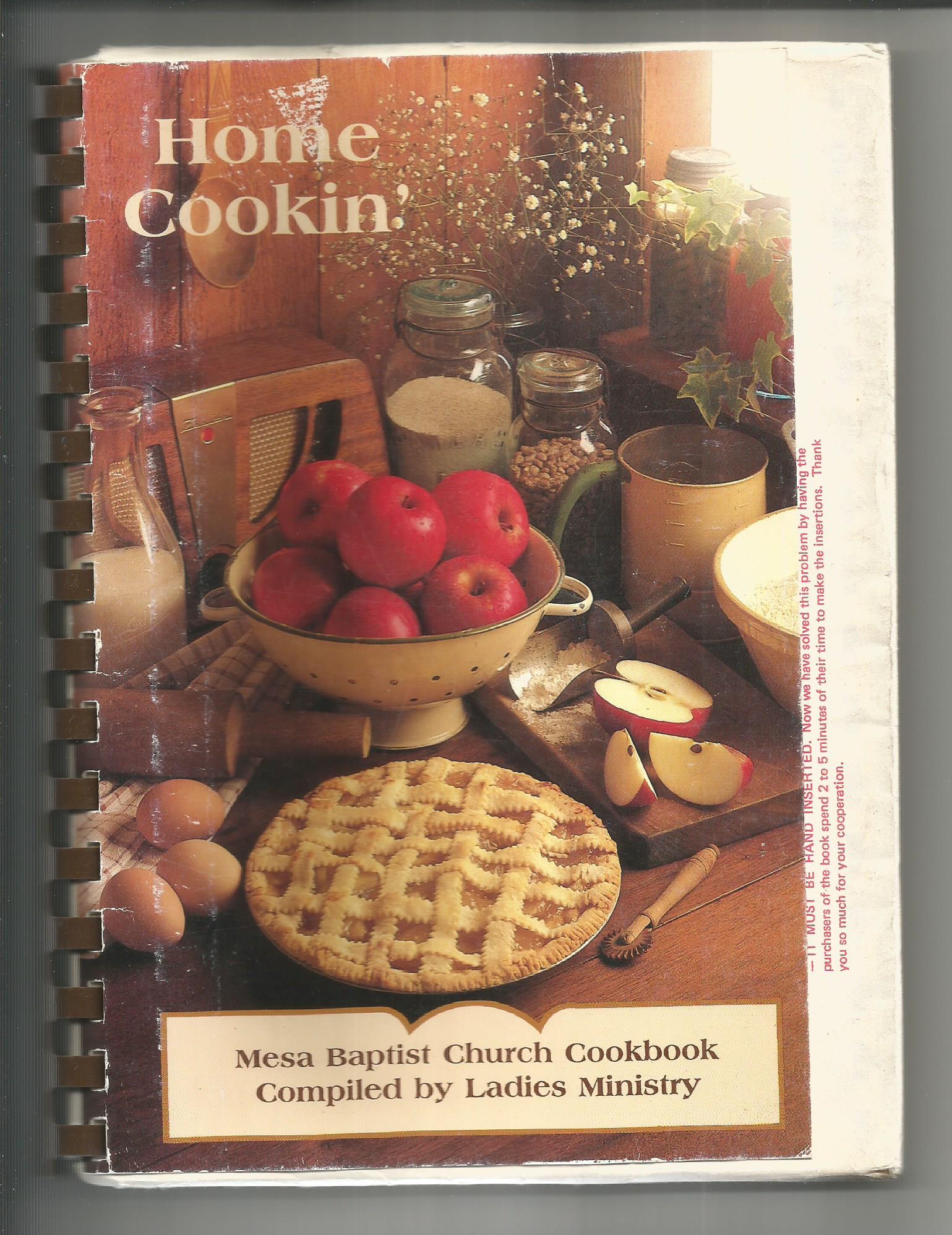
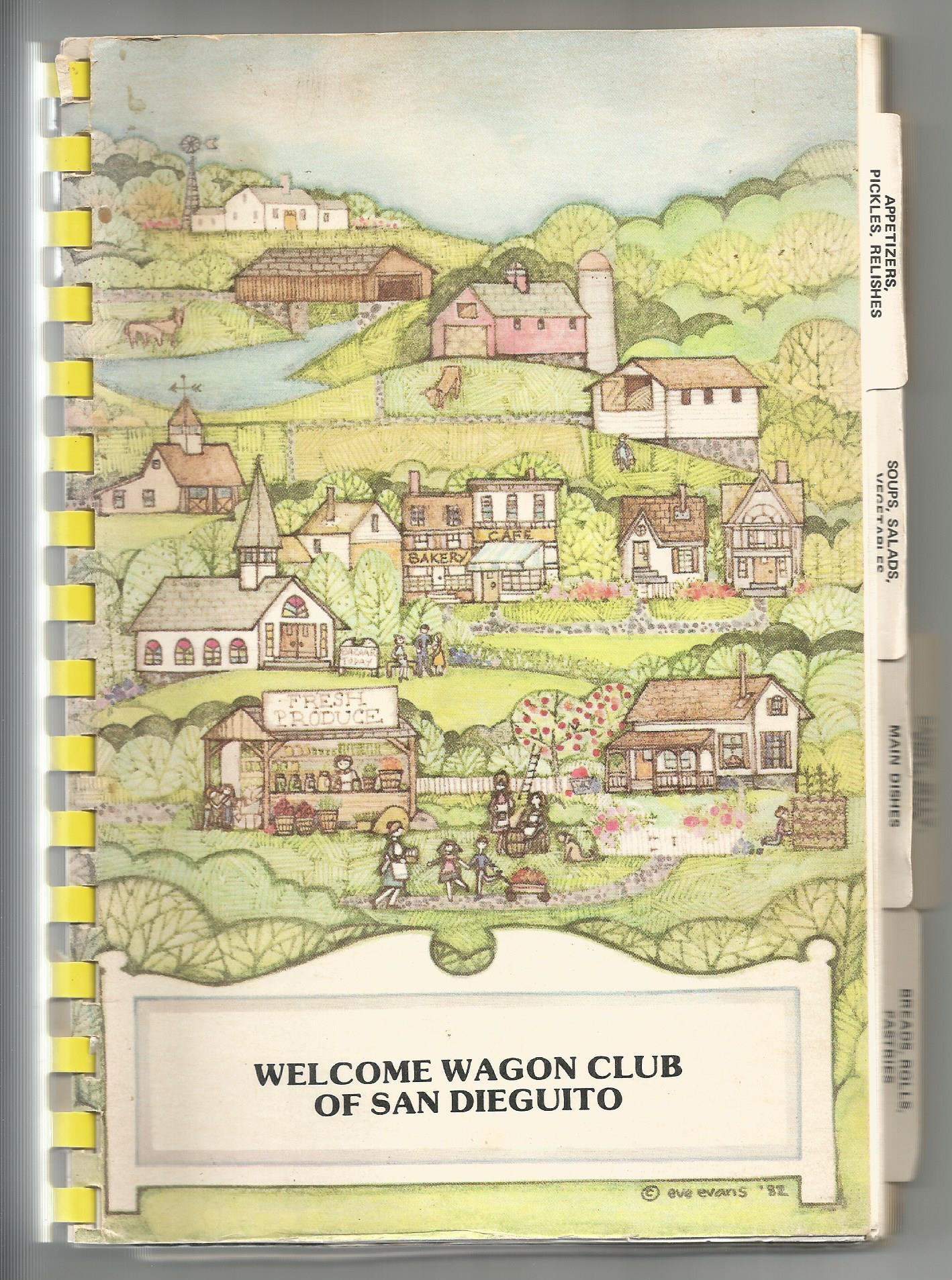
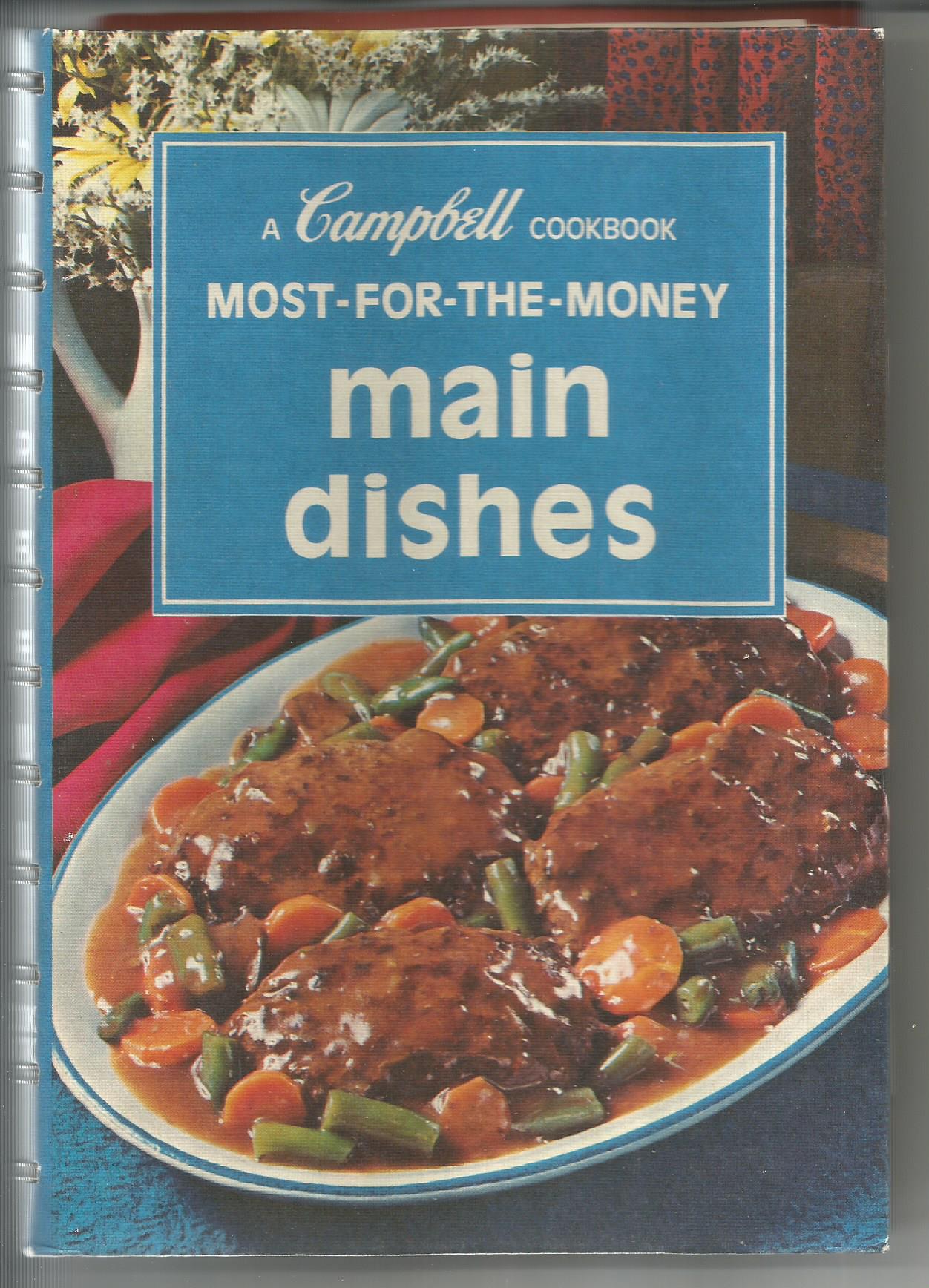
kitschy cookbooks

In time for the sumptuous season, these kitschy cookbooks remind us of this handy (and hilarious) pastime of sharing homecooked love and comfort.

Nice Gifts that are Kind to Your Budget

Add quirky fun to the gifting season with carefully curated vintage and resale finds. They are cost-conscious and climate-saving, too. Shop for vintage postcards, art card kits, and kitschy cookbooks at The Posted Past online shop.

Kitsch as Kitsch Can

Sifting through the stacks this season, in search of levity and brevity.

Oh dear, a trove of kitschy postcard sets has appeared in The Posted Past studio. Careful opening boxes around here. I’ve been sorting and stocking the store this month, getting ready for the holidays.

Most of these vintage finds make thoughtful gifts for nature seekers, travelers, and art lovers. Some make for big belly laughs, too. Quit your job for two minutes and follow me.

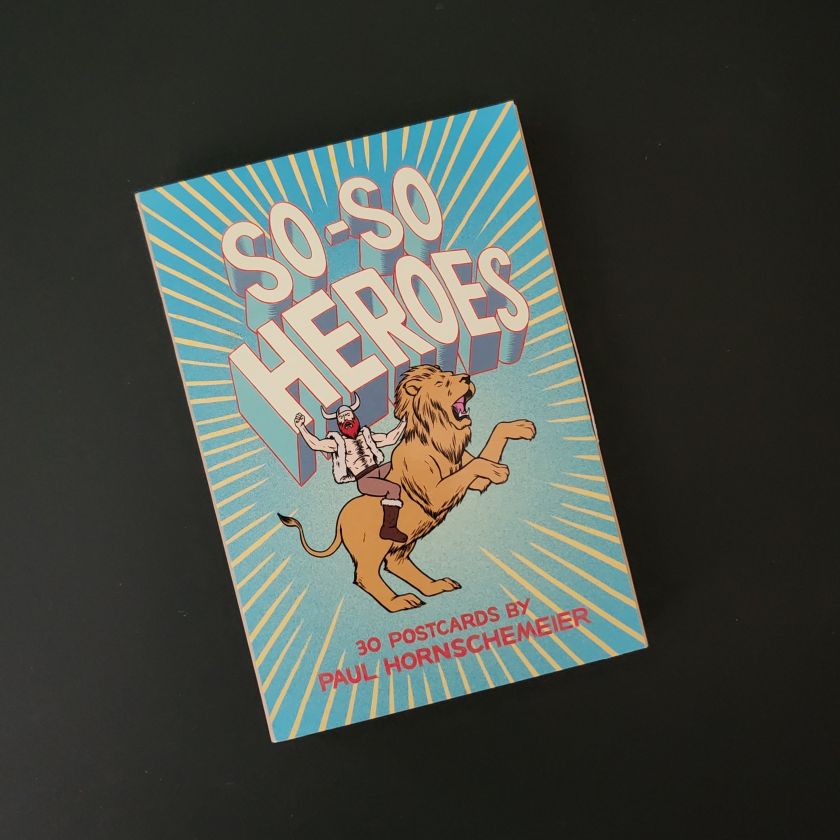
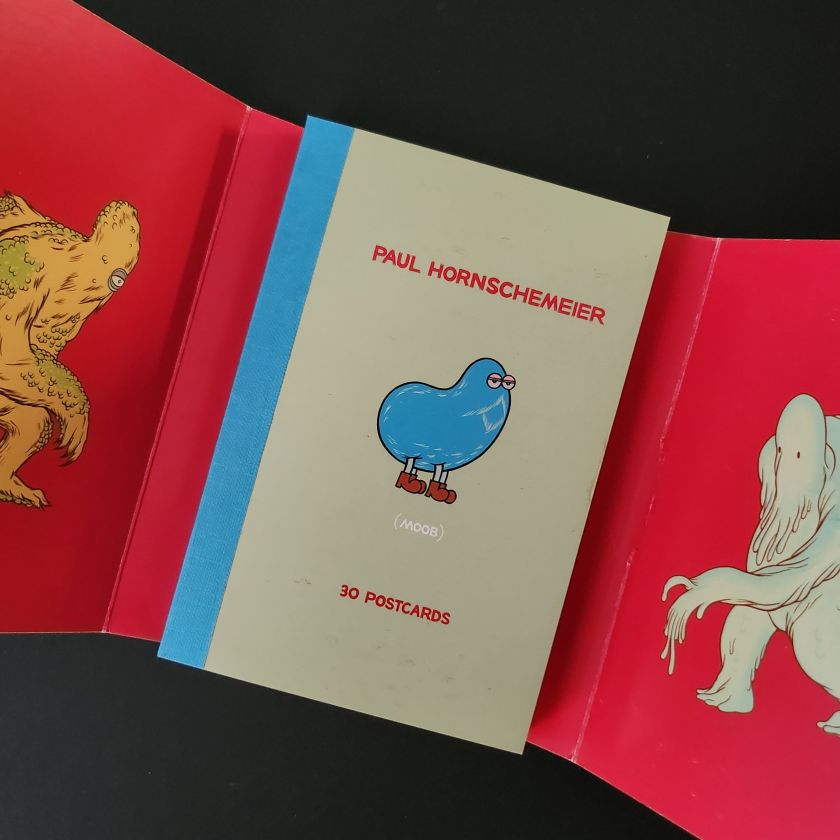
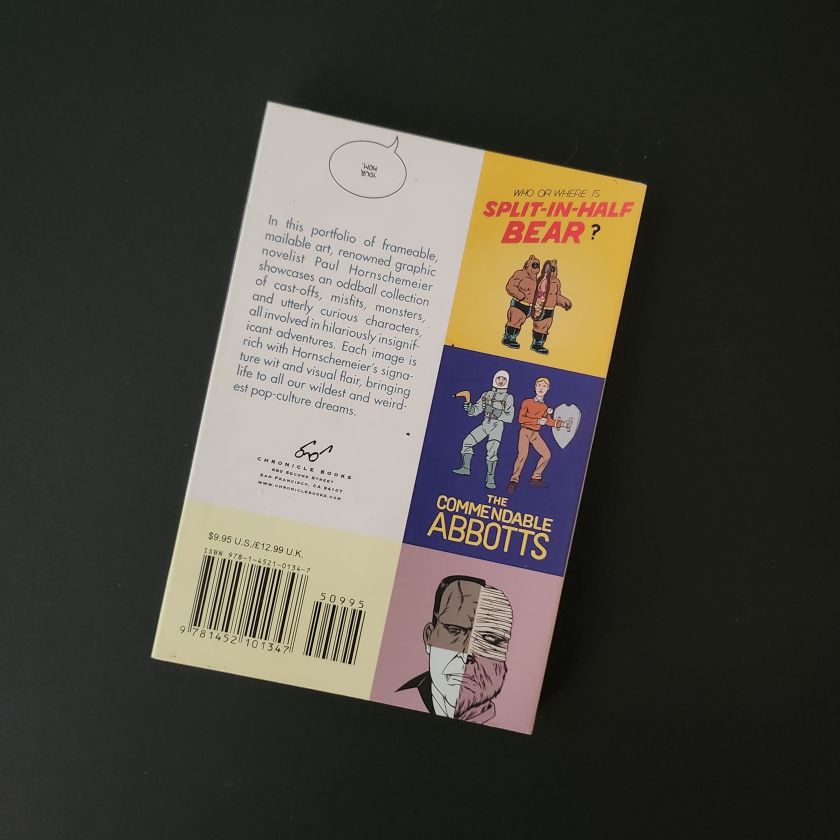
Graphic novelist Paul Hornschemeier gives us thirty So-So Heroes, like Amalgamonster and Biggeespeare, in a nicely packaged postcard set. Bound to scare your friends, a little.

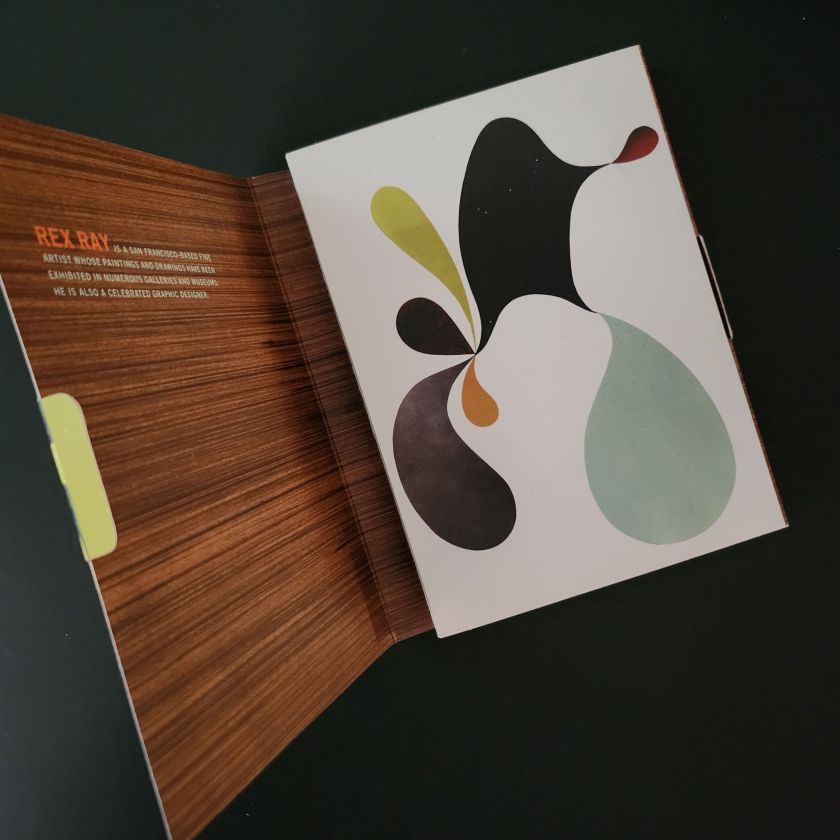
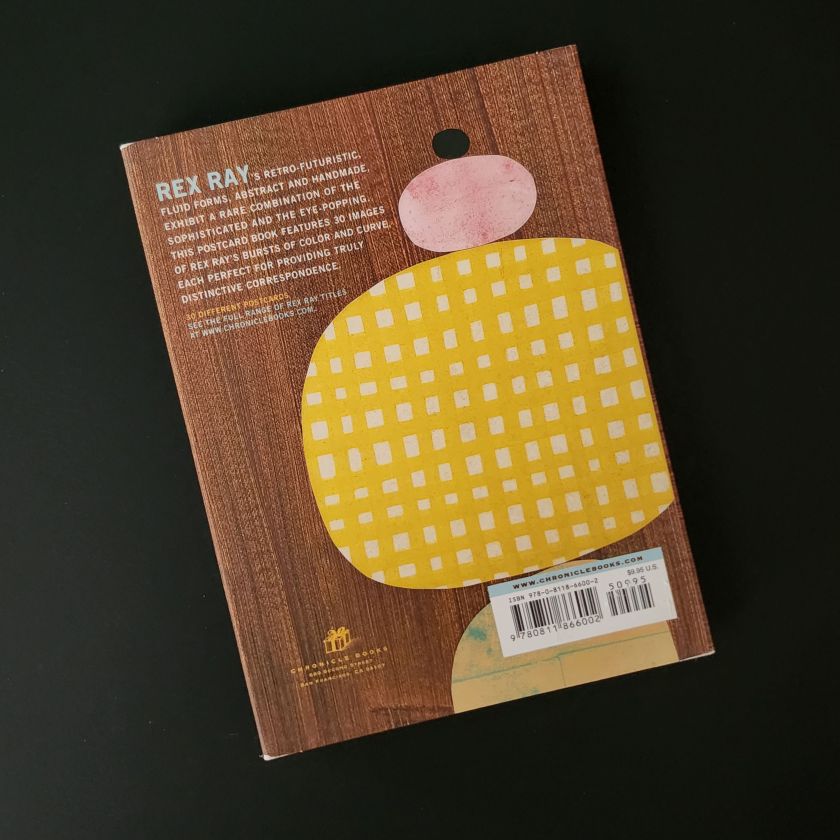
This next collection by fine artist and designer Rex Ray feels like a festive fondue party in a retro-future living room. Witty banter, wry smiles, and wood grain. Get your sweater sets.

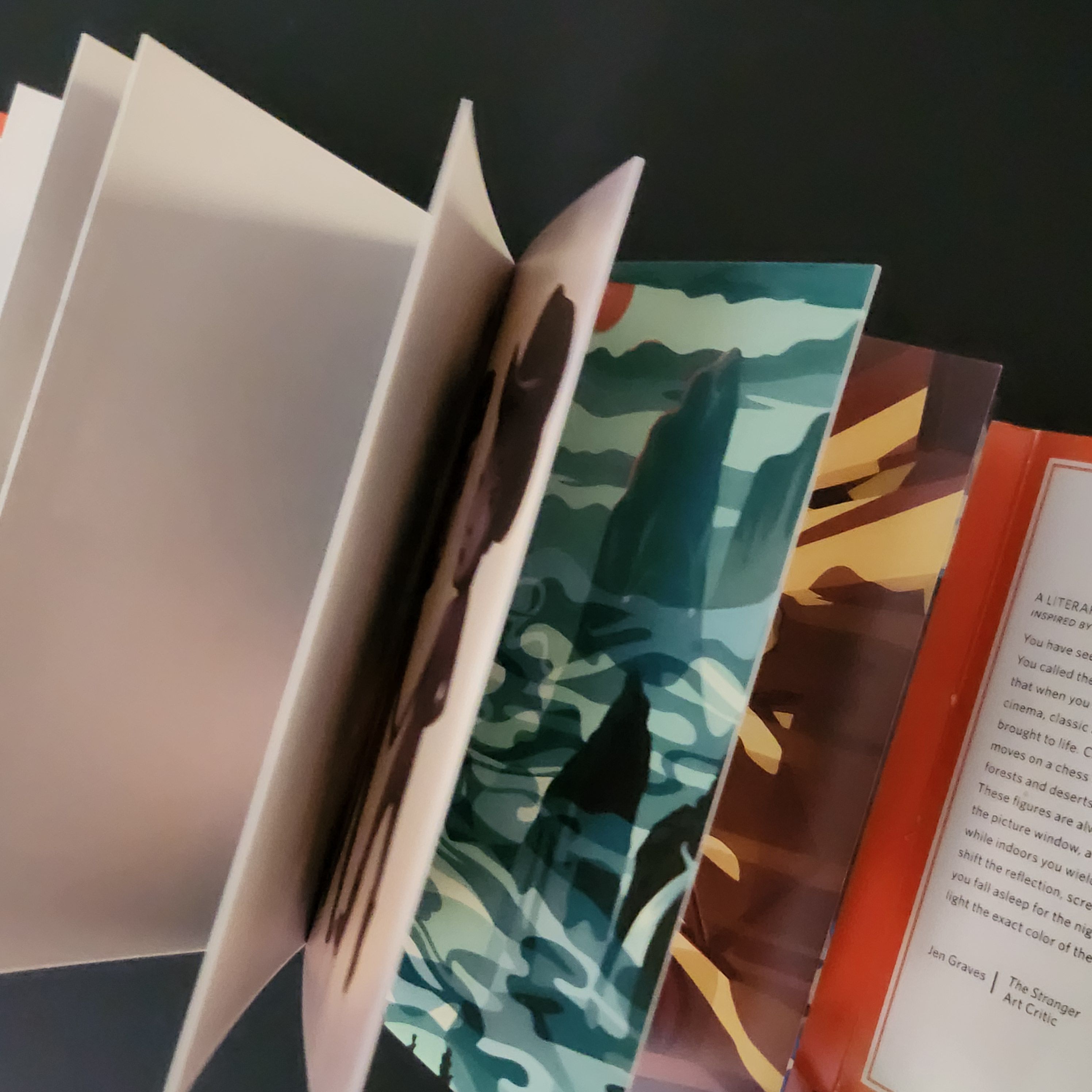
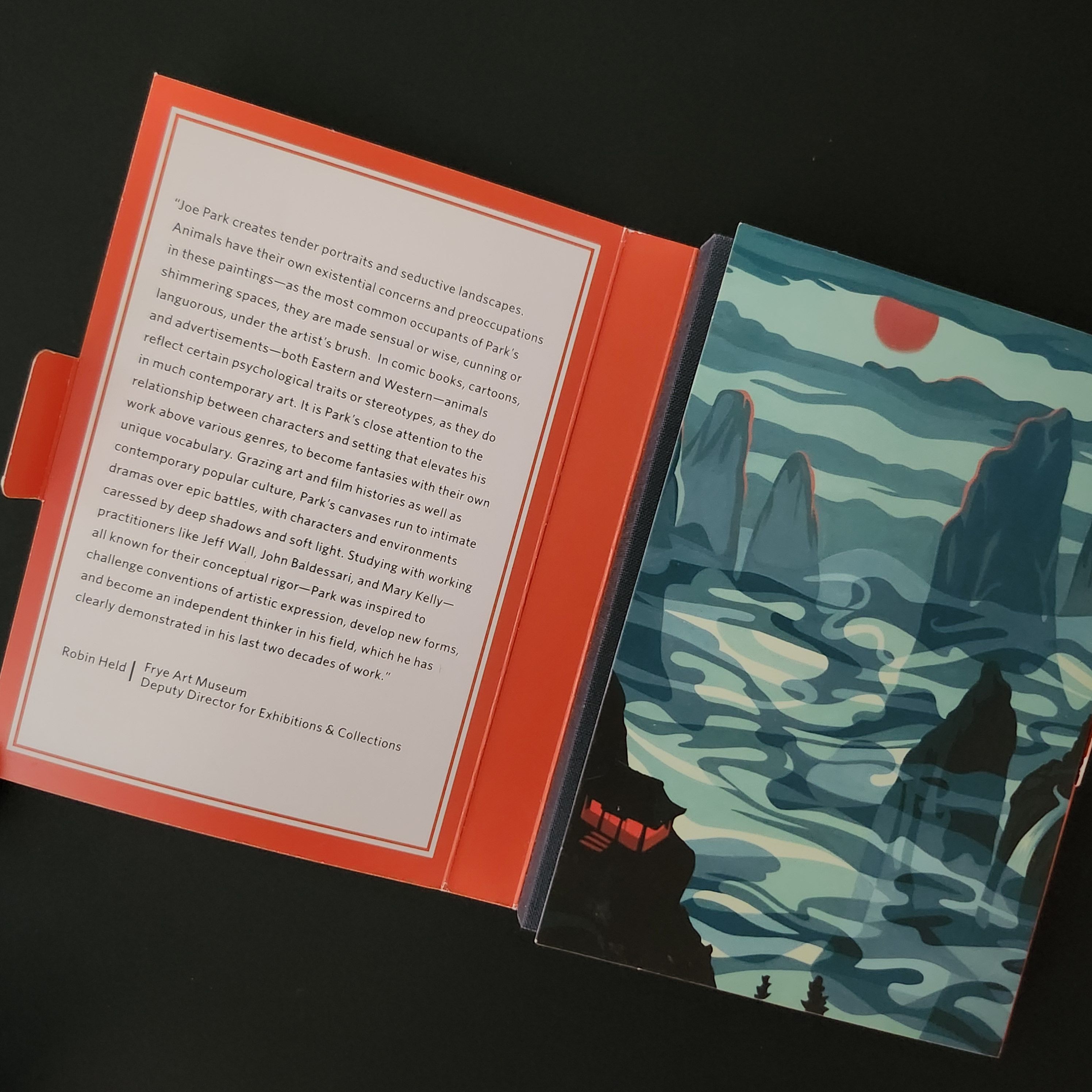
I am Yours from Seattle-based artist Joe Park comes with a neatly-placed curatorial note from Robin Held and a lovely literary sketch by Jen Graves.

“You have seen these folks before–even if you don’t know where”

The collection does feel like finding a tiny gallery all to yourself, and a weird world of bears and bunnies. Worth the trip!

Stay Tuned by Nathan Fox is a visual romp through the artist’s fantastical funhouse. Eye-frying colors and psyche-stained scenes will make you feel like you woke up on the other side of a paranormal universe.

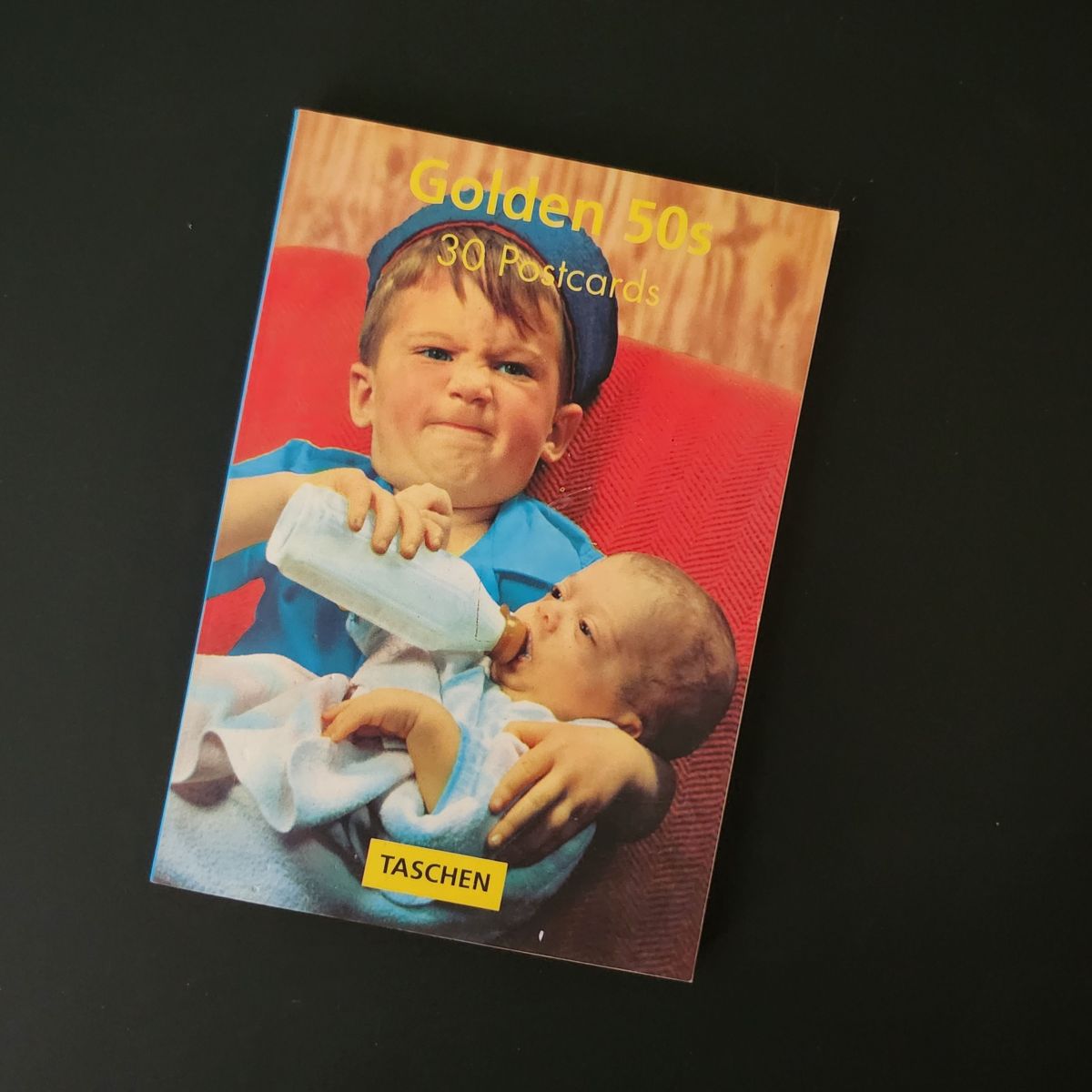
Anything pre-Y2K is officially vintage now. Not funny, I know. These Golden 50s throwback designs make it even worse. You’ll be thanking your lucky leg-warmers we made it out ok, mostly.


Check out the new holiday gift vibes

Fresh selections every day!

Ancestors Radio

Dial into this easy listening station from your heart.

In the quiet hours after he died, I heard Dad’s voice clear as a bell inside me. Left chest, near my heart, broadcasting from a heavenly radio station.

He’s not an advice line. More like a tinkling piano in an airport lounge where it’s always sunset or sunrise somewhere.

It’s not just him. My grandmothers have a talk show, conspiring on our behalf from the front porch of a woodsy cabin. Some of my aunts are traveling the span of the universe on magic carpets, and sending back reports.

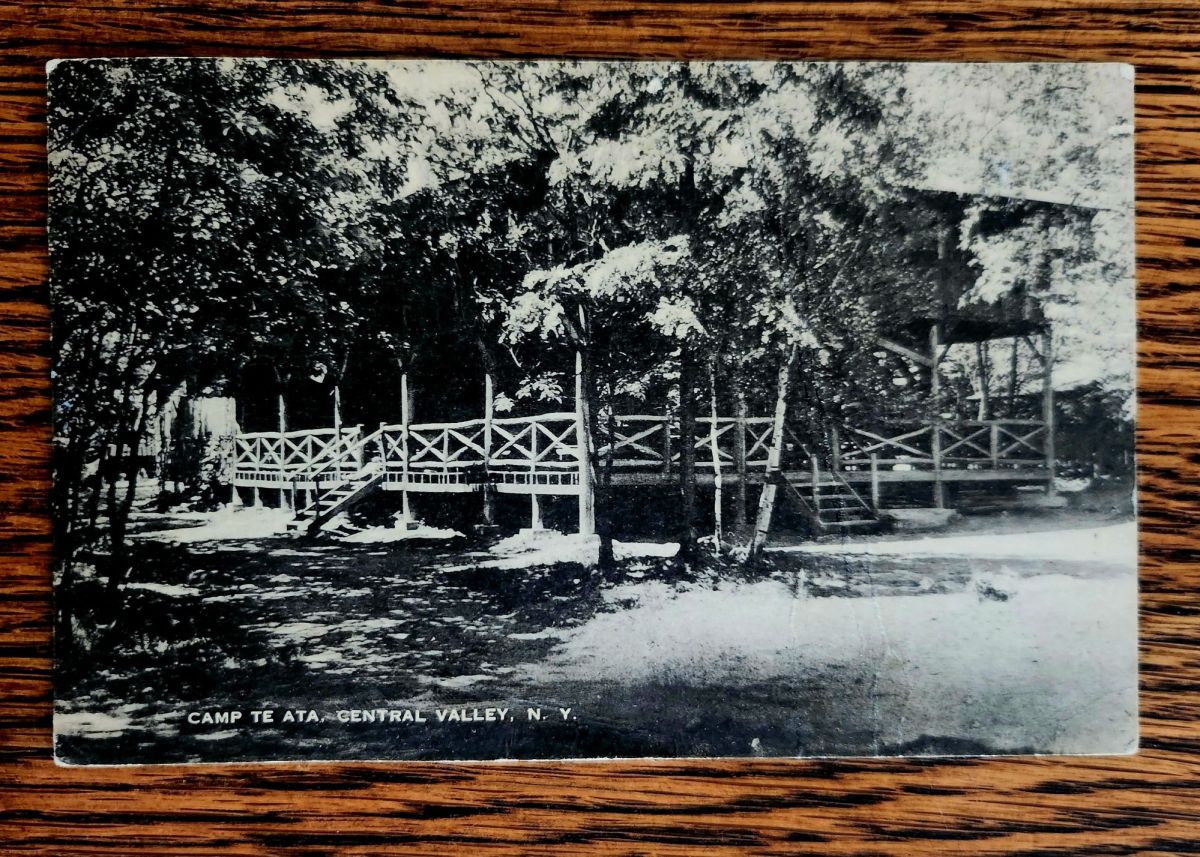
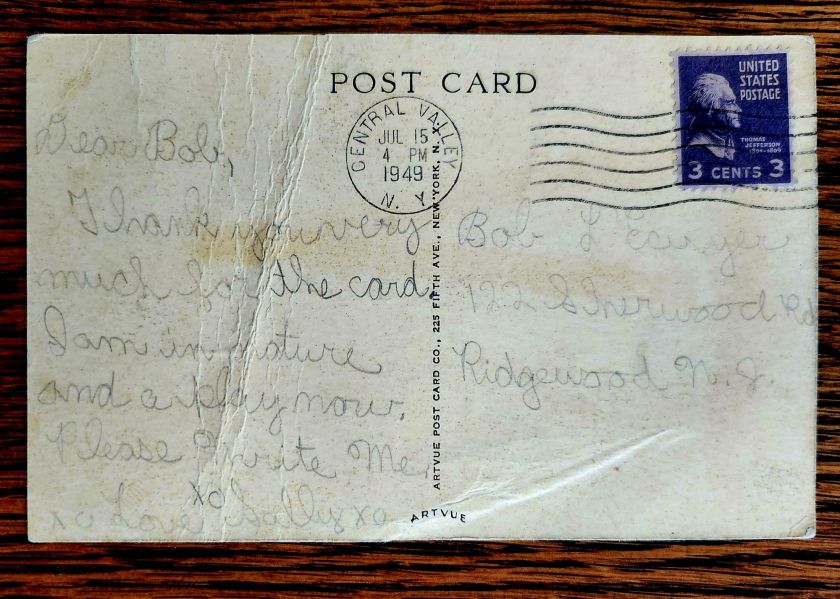
Dear Bob, Thank you very much for the card. I am in nature and a play now. Please Write Me. xo xo Love Sally xo

Sally writes to Bob from stayaway camp in upstate New York

Ancestors Radio is on in the background all the time. I put on piano music in the house to dial in. Humming along and half-listening, I grasp what I can, especially as it relates to family stories and postcards. Little magic carpet rides, too.

We’re into a new season of wonder, now. Awe is on the air. Stay tuned!

Holiday Gifts Under $15

Catch Up on The Latest Series

People Past

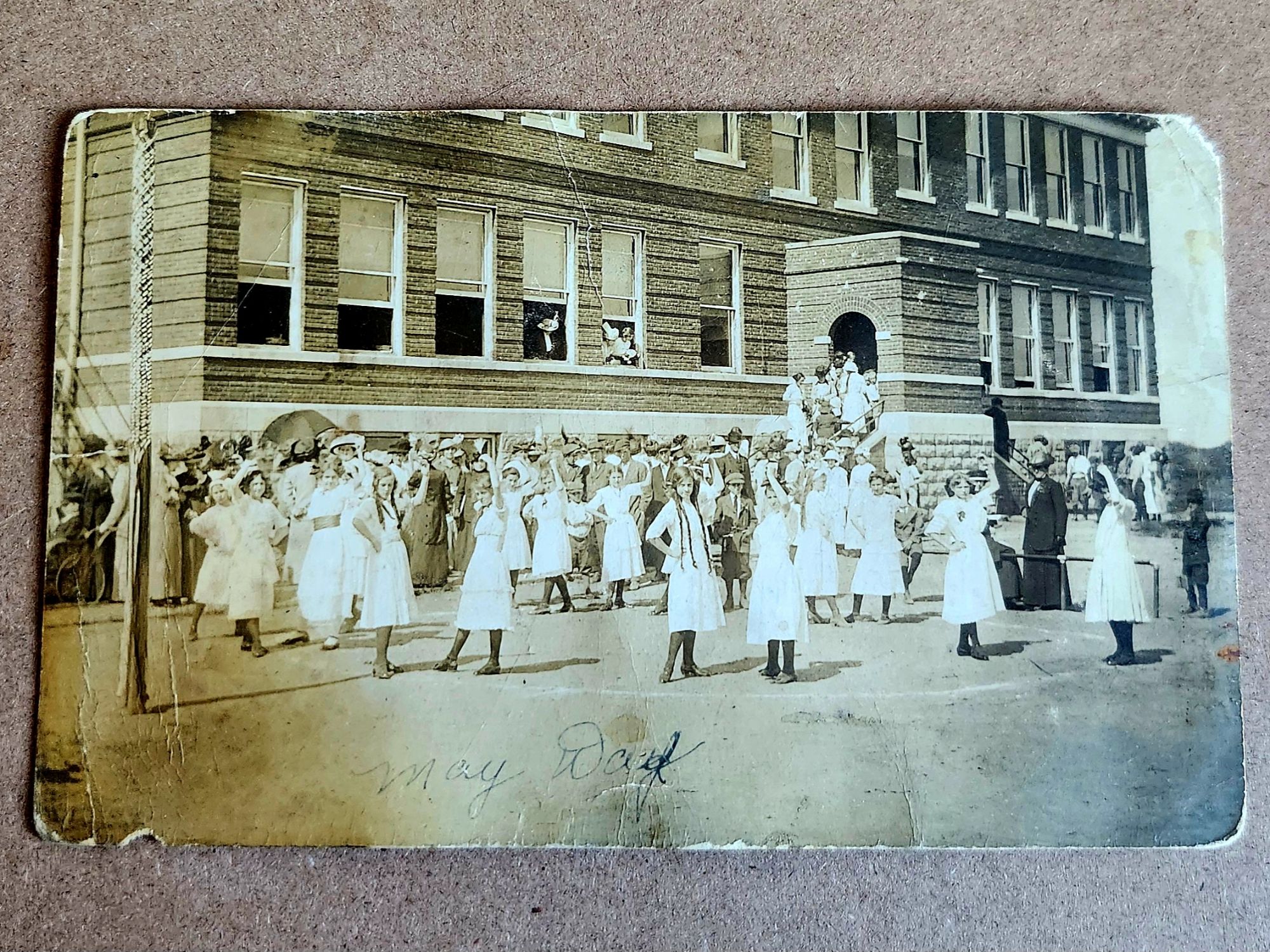
Last week, buildings emerged and oil derricks erupted. Evidence accumulated, context implied. An unknown town takes shape and we surmise. Now, people stare across a century and time flies.

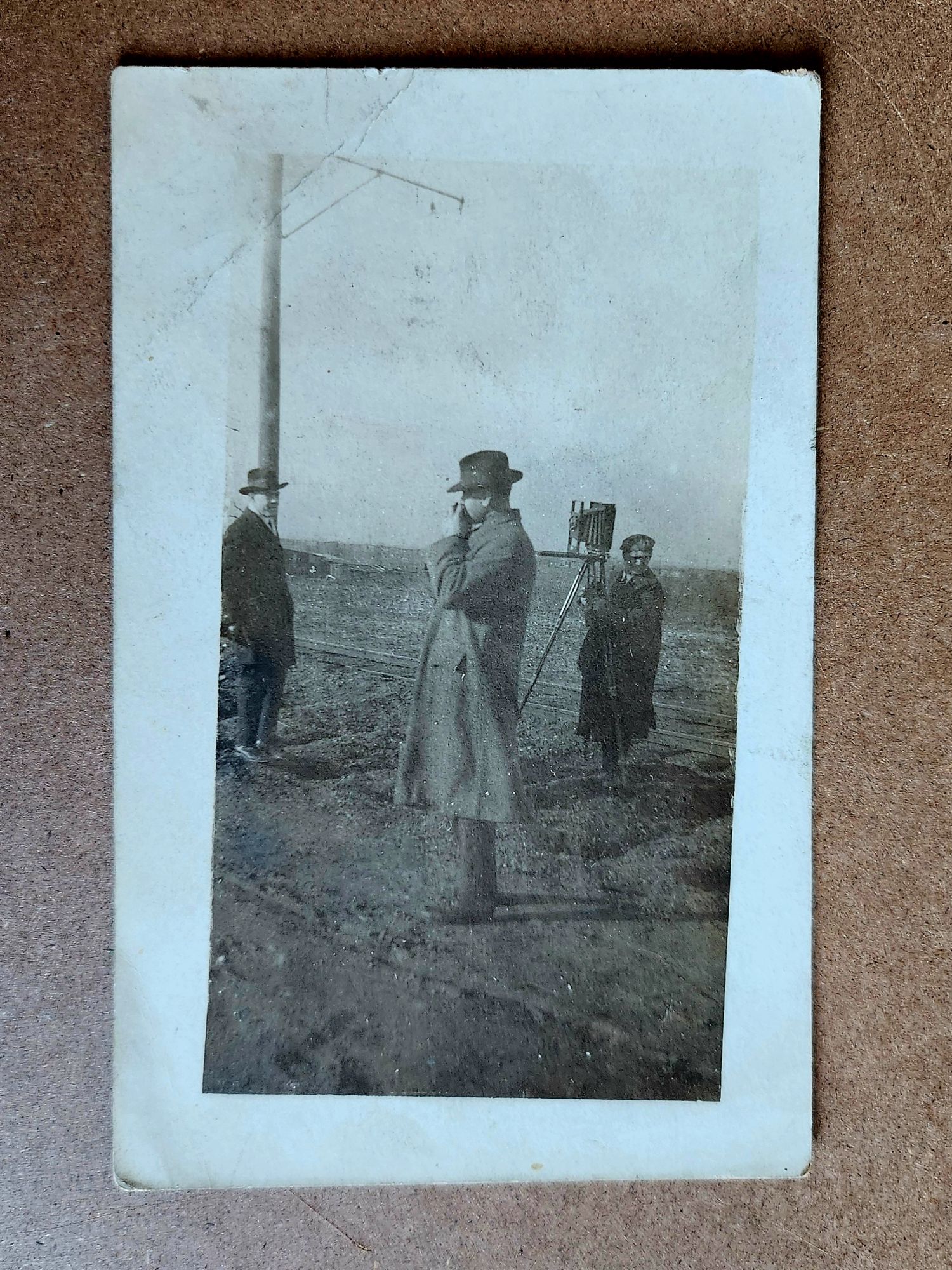
Seven adults carefully arranged on a rocky outcrop. Three men, four women. Two children in white dresses seated in front. Twins? Cousins? Someone operated the camera.

We see the composition and relational questions arise. Are they family? Kin? Friends on an outing? Do the poses suggest occasion, or documentation?

Evidence ends and story begins. We fill in by reading subtle cues in how they stand, who touches whom, which faces seem to fit together. Clues come quietly and mistakes, too. Always, we’re revealing ourselves.

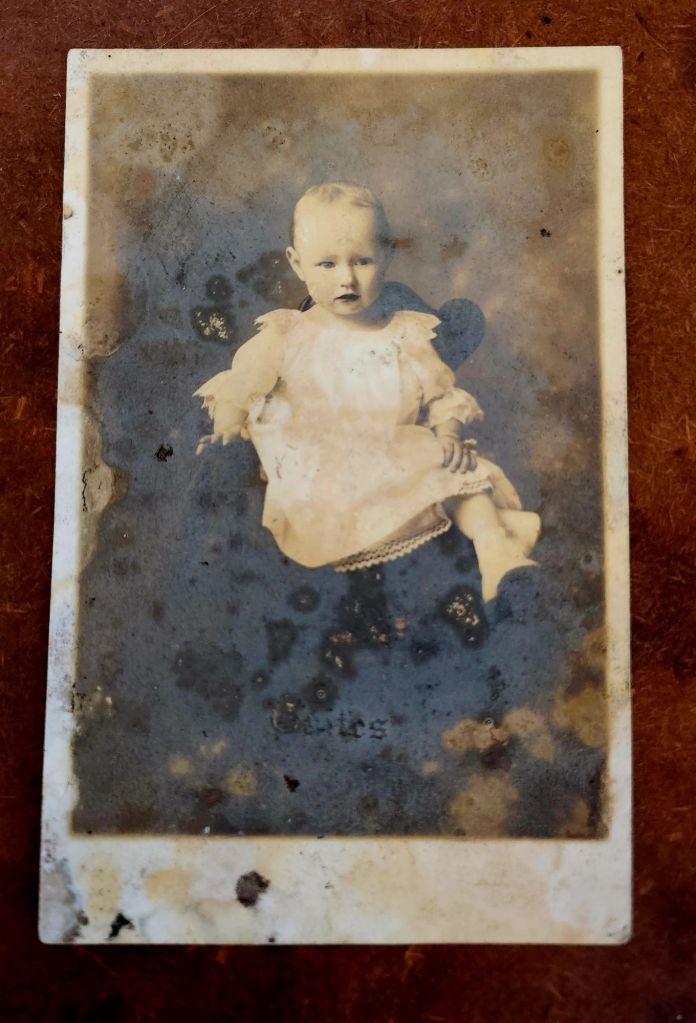
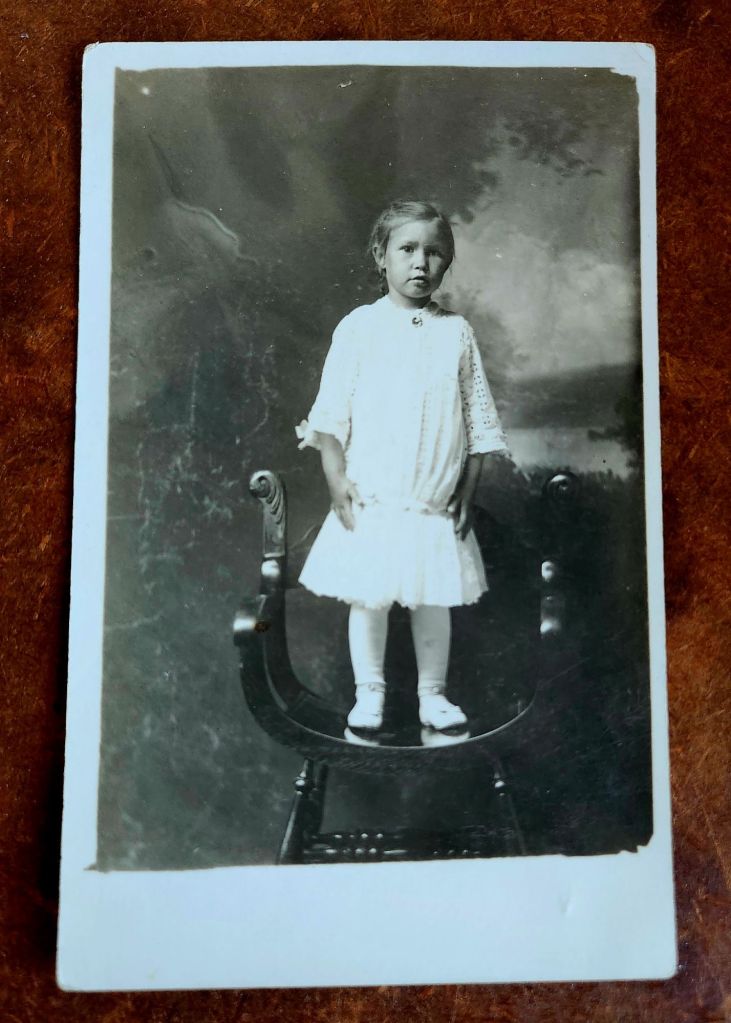
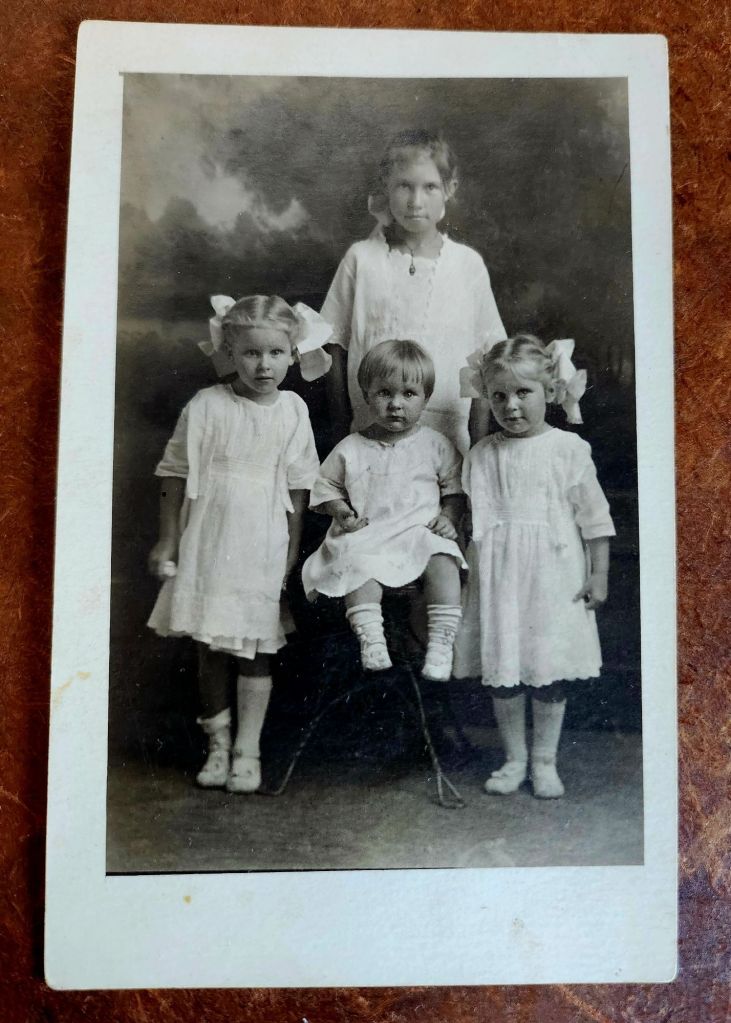
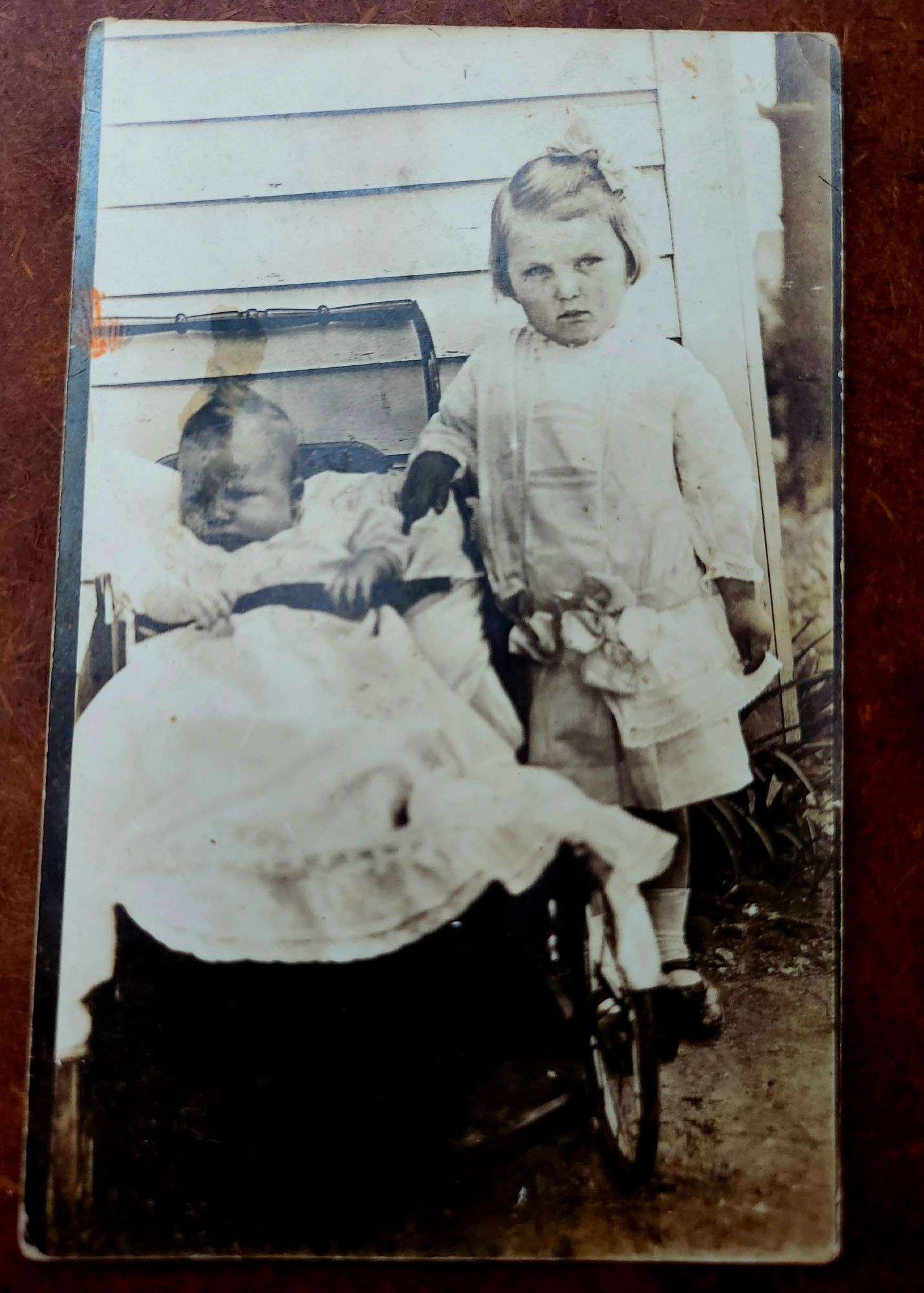
Here we see one girl, three moments, and years passing. The baby stares out with solemn intensity. Then she’s older, on a throne in white dress, commanding the frame. Finally she’s the eldest of four, and her protective gaze tells all.

The postcards show her time moving, roles shifting. She grows and gains presence. She becomes a big sister, then a bigger sister still.

The postcards show the sequence and the story intrudes. We can safely assume the scenario, the kinship, the birth order. But then we imagine her. She and her siblings stand as evidence. We provide the narrative.

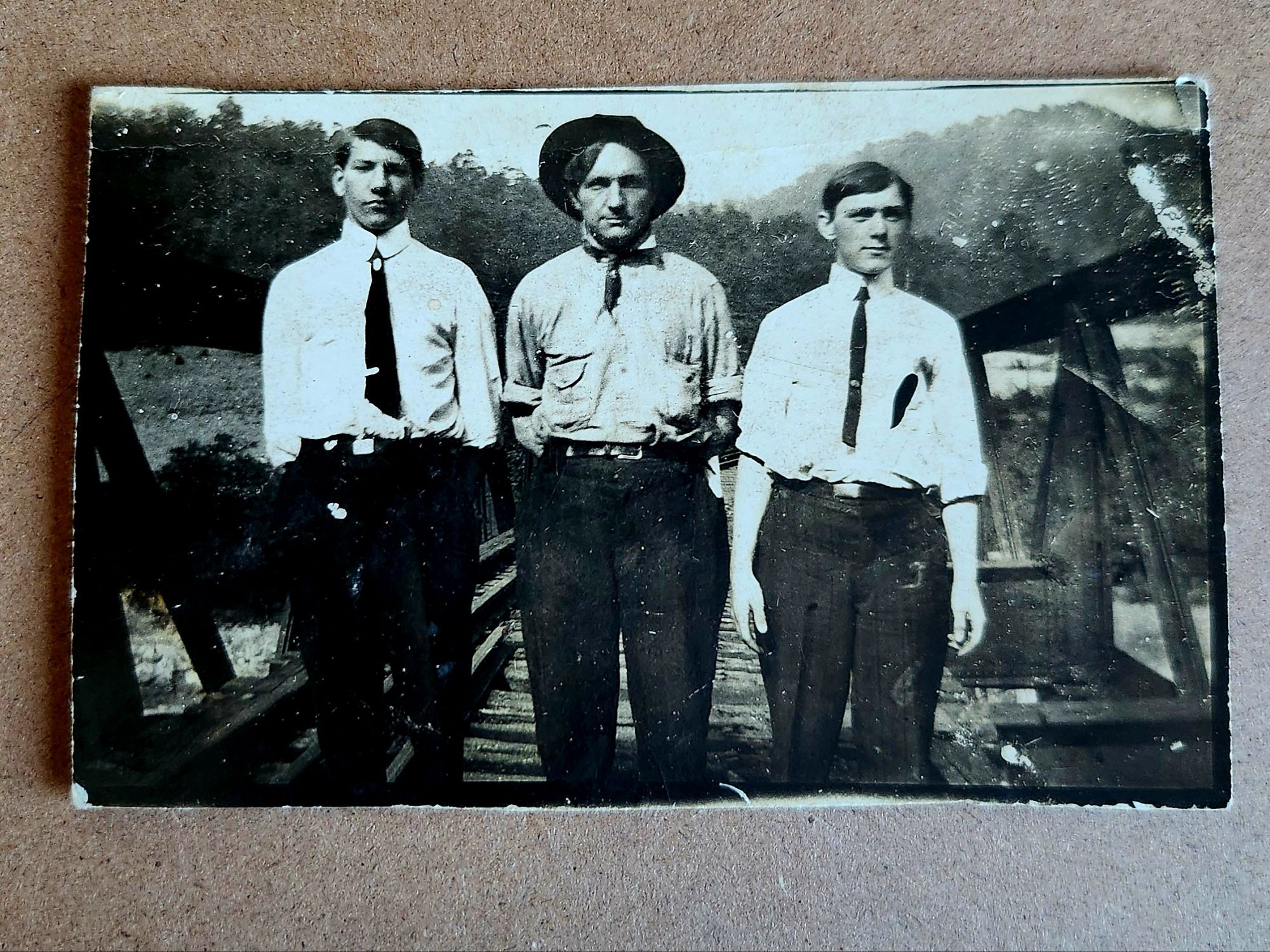
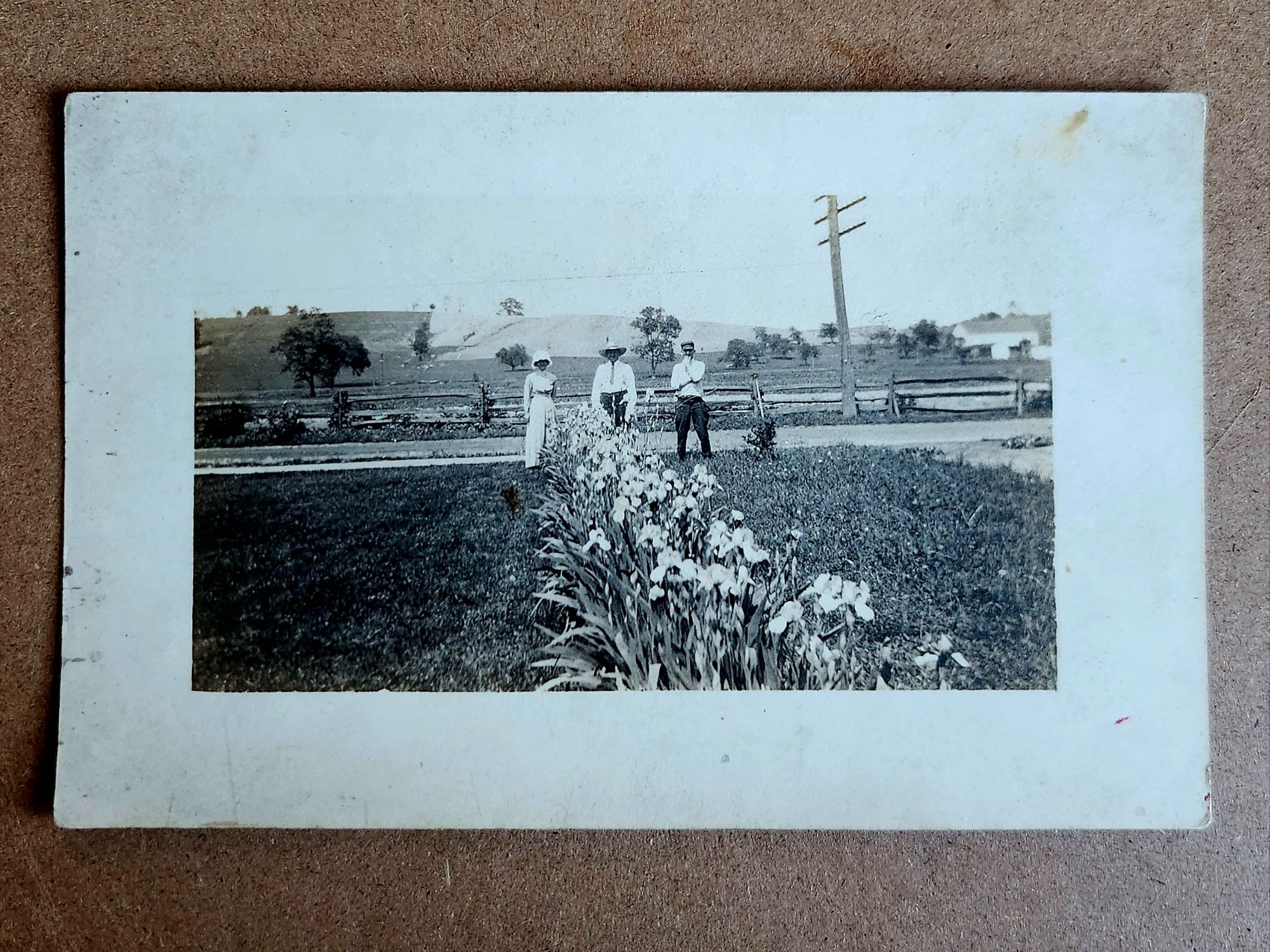
Now nine men, perched around a large rock on uneven ground in a forest, maybe a park. Hats, a variety of ties, white shirts in sunlight. Ages range. Some engage the camera. Others look away.

Compare this to the first photograph. Similar outdoor setting and careful arrangement. Same paper stock, same photographic quality. Do any faces repeat? That man in the center looking off to the distance—could he be the man on the back left of the family group?

We squint. The shape of a jaw, the set of shoulders, the tilt of a head. Errors lead us toward other observations. Misreads become clues. We’re searching, and trying out plausible connections.

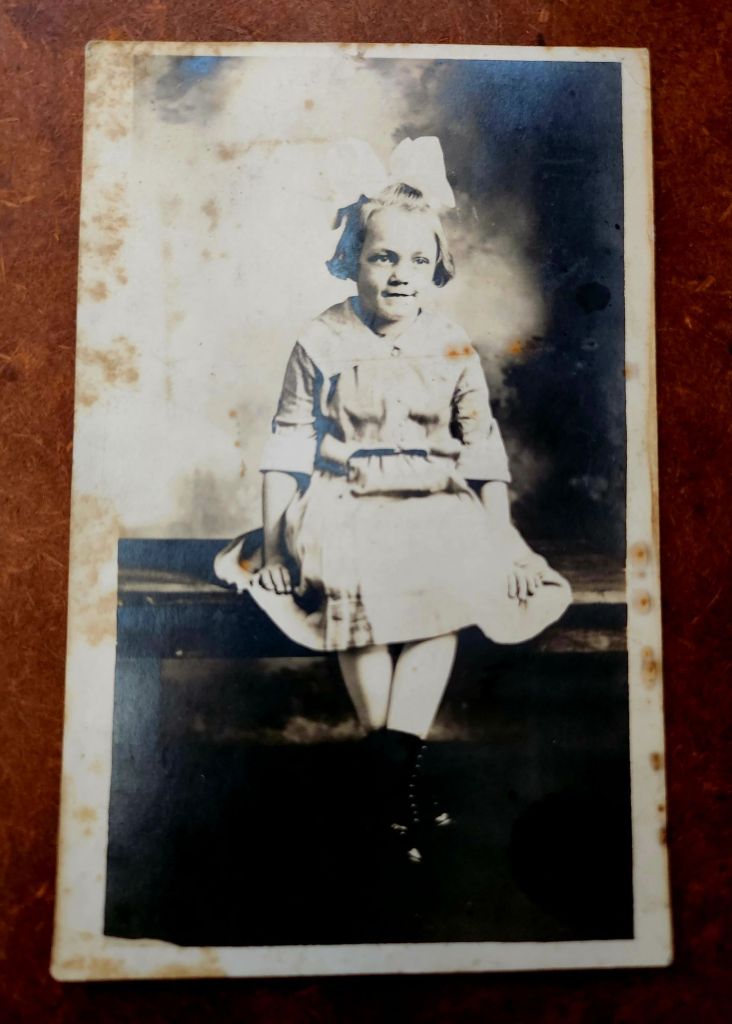
A different girl and a similar progression (maybe). The baby carriage can be dated within a range, 1915-1925. Fashions shift slowly in some places, rapidly in others, but period details do show. Those bows!

However, uncertainties hover. Is this the eldest girl growing up? Or, are we forcing connection where none exists? The bobbed hairstyles might give it away. Or they might mislead entirely.

A particular stare, a nose ridge, an anomaly at the jawline, and we are on the pursuit again. The faces echo. Three generations, or two. We assign roles: son, mother, daughter. Sisters?

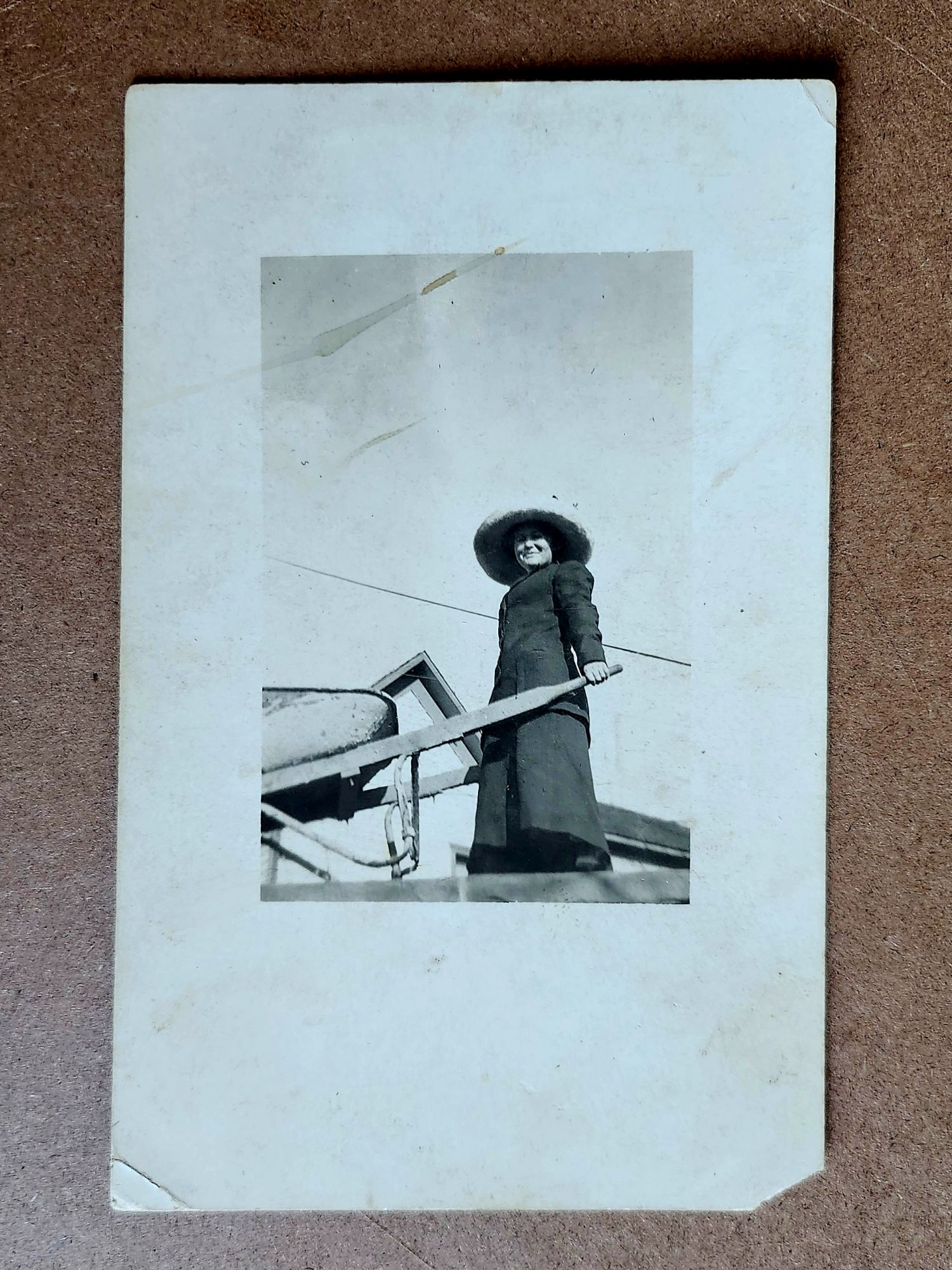
The oval portrait shows four women arranged in a formal cluster. Elaborate hairstyles, high collars, cameo brooch visible on the seated figure. More prosperous, perhaps. Different family entirely, or different branch? Is she at the center the same as the older woman below? We cannot know.

In between the guesses, a different story emerges entirely. Our own families, and that we belonged. Or, that we confidently walked on. In either case, we are humming with history.

We’re deep in assumption now. Building genealogies from facial features, paper stock, and similar poses. The archives encourage it. These cards traveled together. Someone kept them together. The connections existed, however disassembled.

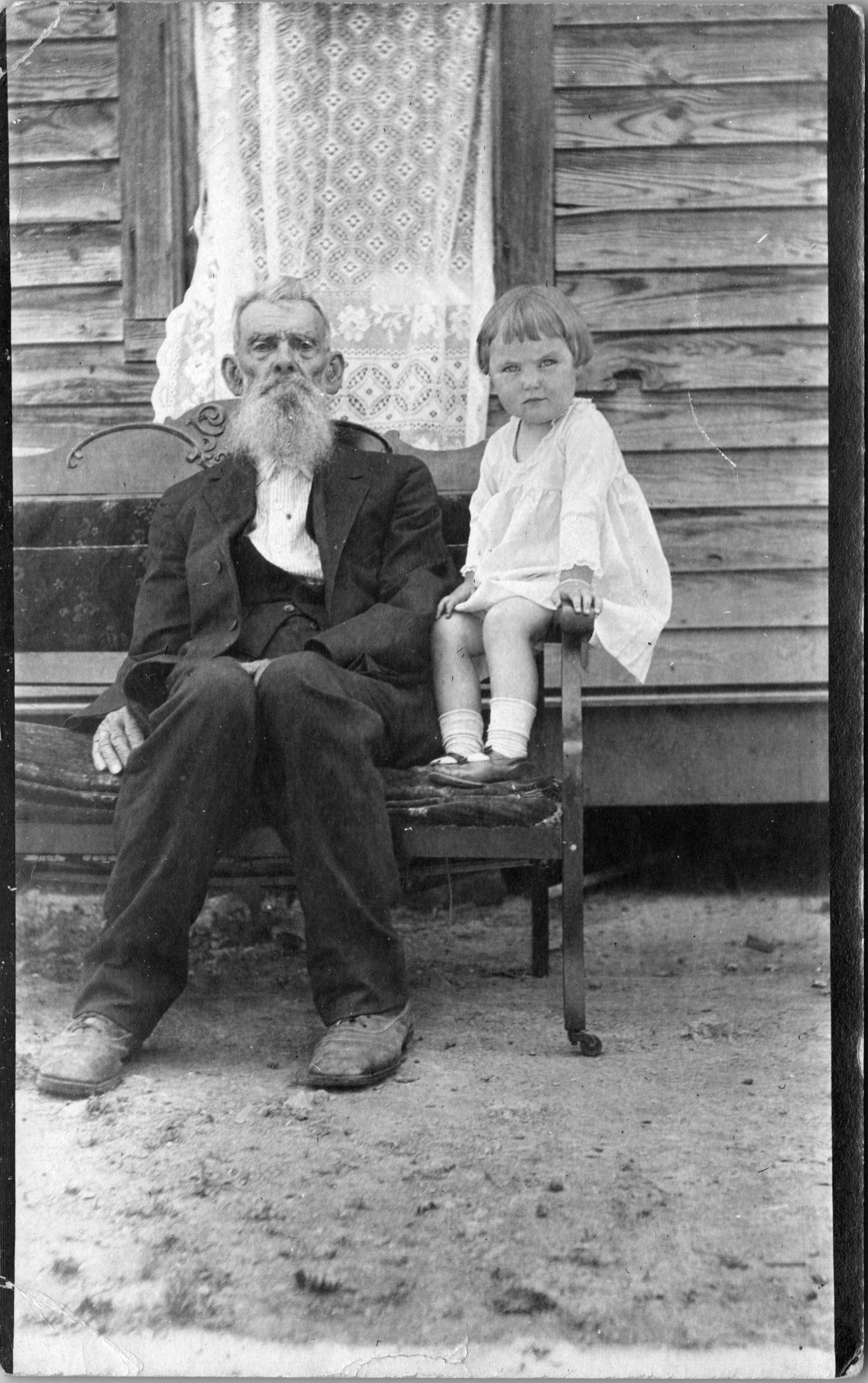
Another baby carriage, different from the first. And on the back of the card, handwriting: this is Irene with Willie’s baby, sent to Aunt Fannie. We know Irene from when she was four, seated with Uncle Rufus Dale, 84.

What satisfaction, when a storyline clings together. Names accumulate. Groups delineate. Relationships clarify. The archive speaks back, and the story begins to imitate fact.

The search becomes research. The archive rewards our attention and budding accuracy. But, who doesn’t love Aunt Fannie? Even if we’ve never seen her.

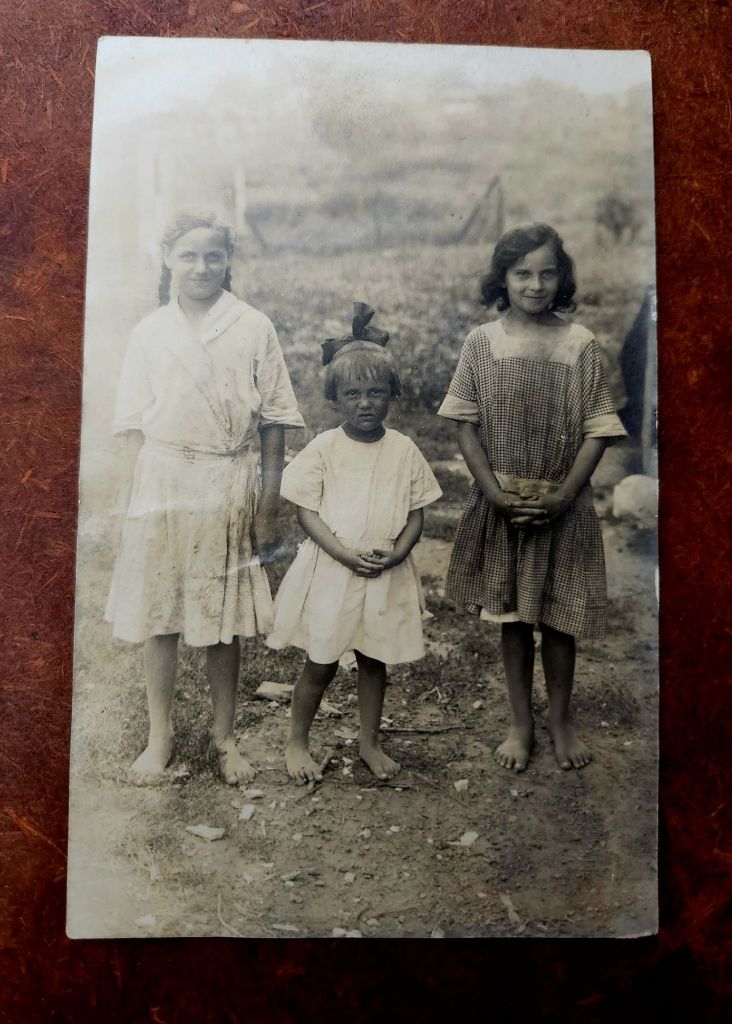
Now, here is Irene amid two new figures who appear to have a strong bond. Sisters? Friends?

As we might expect, there is more to reveal. Next week, we’ll look at pairings in quite a variety, and even more merry misleads. Then portraits, and finally, a grave.

Property Past

Tricky, sticky stories arise at the sight of buildings in the landscape. Evidence (or absence) of us along the way.

As landscapes, last week’s real photo postcards (RPPC) asked for nothing. Trees, frozen roads, animals burrowing in snow—they floated free of context. We could easily appreciate them without knowing where they might be.

Buildings are different. A structure says someone decided, planned, risked, and accomplished. They hauled materials, drove nails, painted trim. Buildings demand explanation in ways that hills might easily demure.

Reading postcards slowly reveals patterns. The undivided back means pre-1907. The real photo process suggests a local photographer, or maybe an itinerant professional documenting a place too remote to the reach of commercial postcard companies. Paper stock, indicia, stamps and cancellation, faded handwriting and previous labeling, even image placement and crop—these technical details narrow the place possibilities.

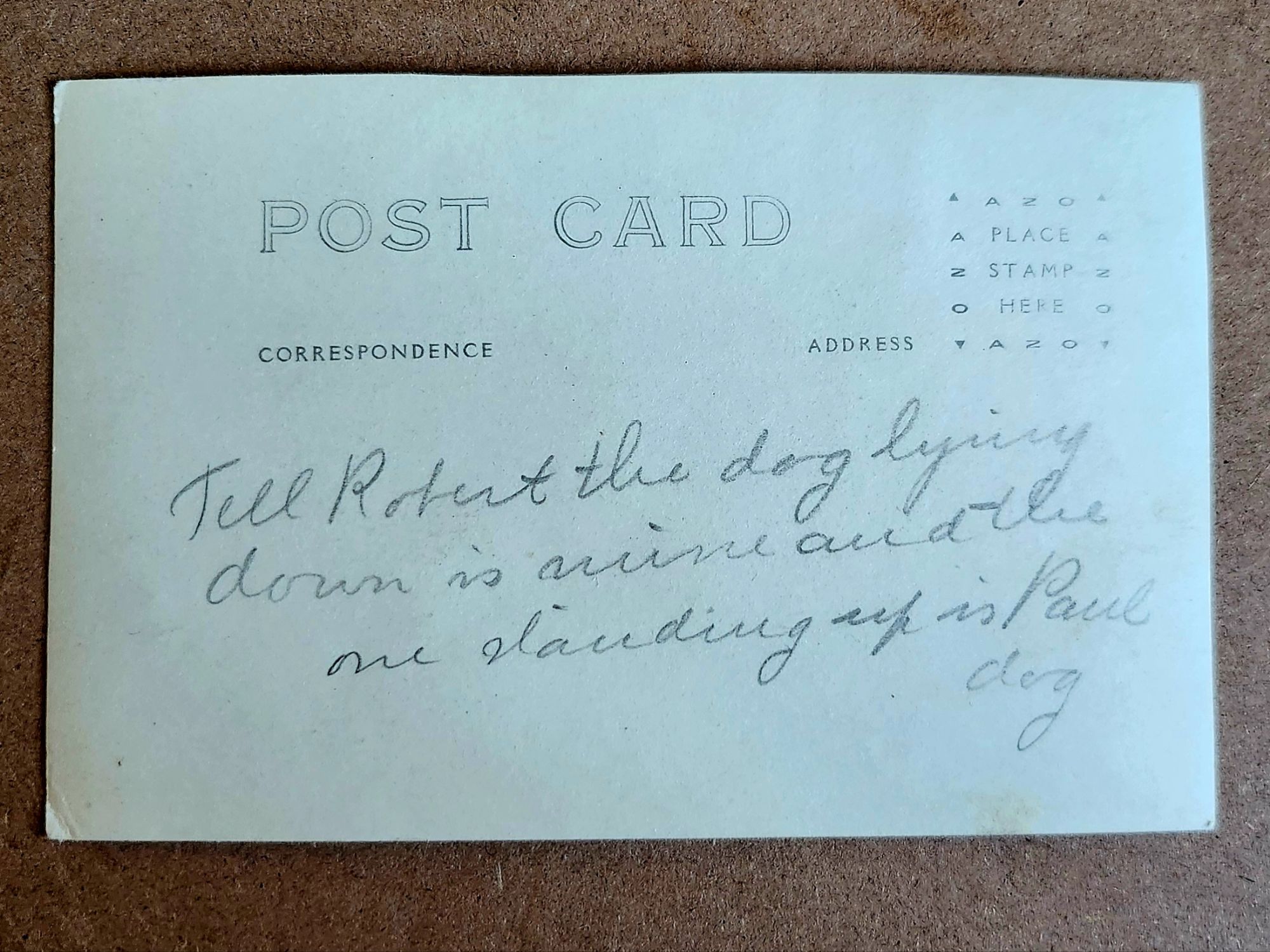
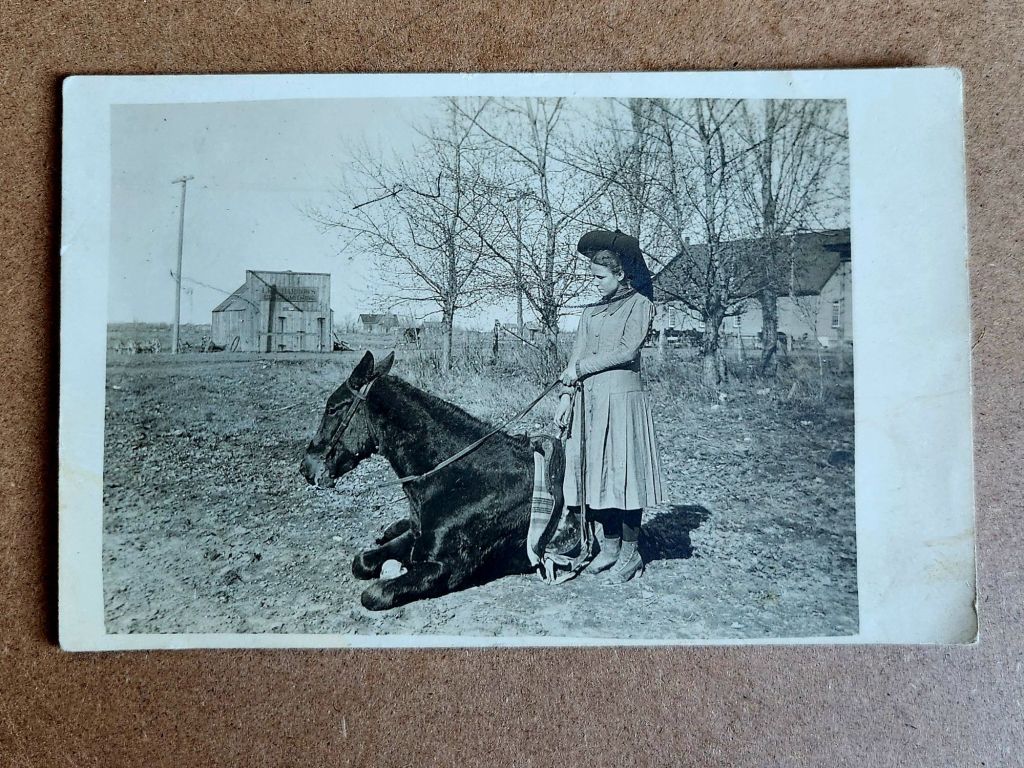
But they don’t yet answer another question: Who are Robert and Paul?

Tell Robert the dog lying down is mine and the one standing up is Paul dog

What We Might Know

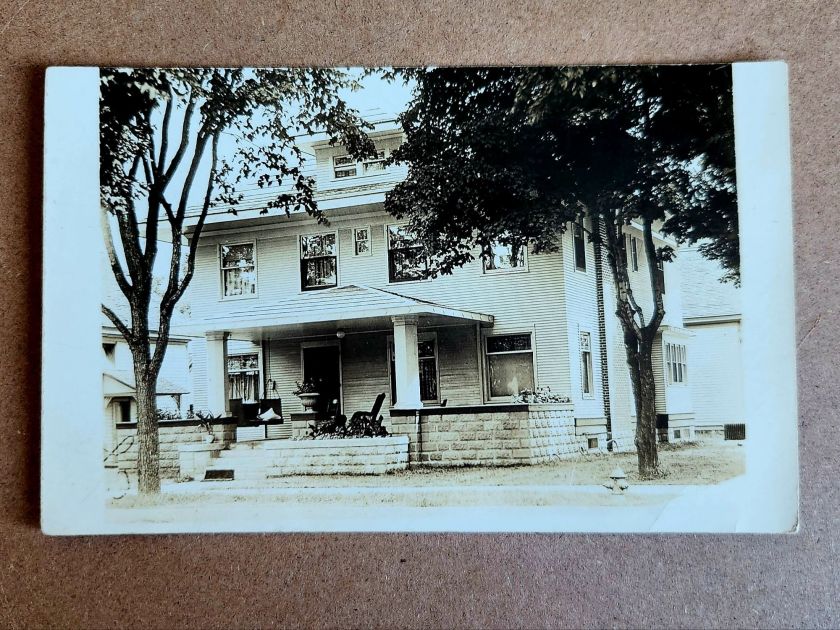
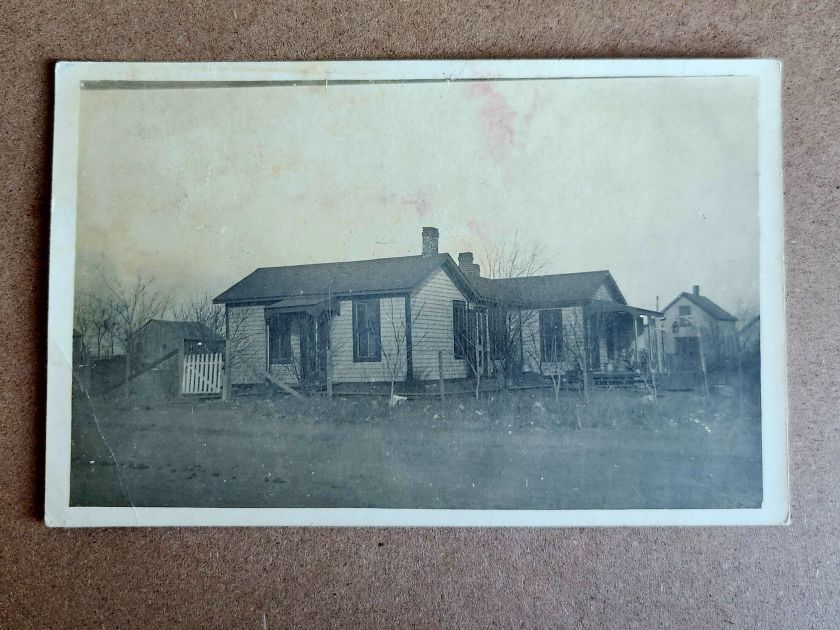
A two-story house with a generous porch is carefully centered in one photograph. Mature trees in the foreground. Curtains hang in the windows. Someone lived here and wanted to show their pride. Or, was it for sale?

The architectural details offer more clues. Clapboard siding, stone or brick foundation, decorative porch elements—not fancy, but intentional. It seems to be in a neighborhood with sidewalks. In an era between 1900-1920, somewhere in the Midwest or West judging by lot size. Also, a fire hydrant.

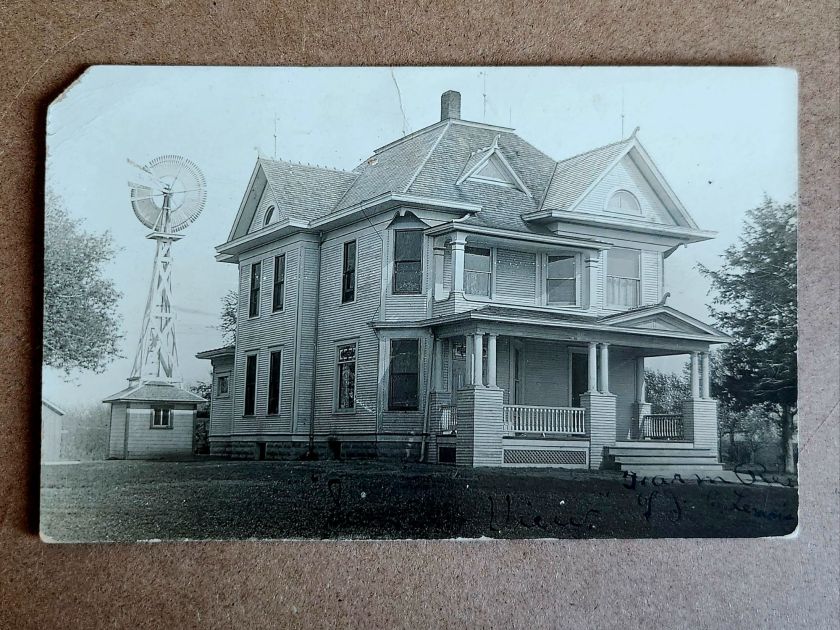
The windmill in another image dates itself. Windmills were an important utility and industry, and that style had a particular era. The house beneath it—elaborate Queen Anne with corner turret, ornamental shingles, and ornate columns—speaks to aspiration. Someone had big plans. This is visible evidence. When and where becomes roughly recognizable.

But, the people who stood on that porch remain absent and enigmatic. Who were they? What is happening here? A creative tension is mounting between the realm of evidence and the pull of story.

Sensing Stories

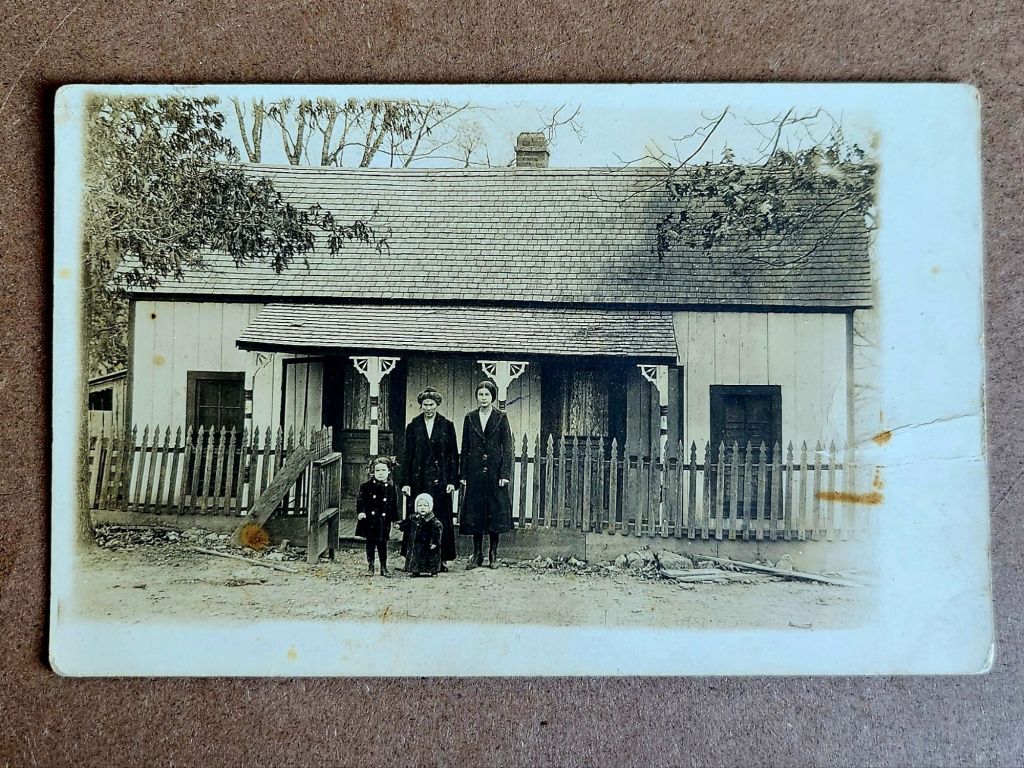
Two women stand in front of McMann Boarding House wearing identical striped dresses. The building is simple—board and batten, minimal trim, the kind of structure that goes up first and fast in a growing place.

The photograph has a vertical tear, the exposure is bad, and time has degraded it. But the sign remains legible: McMann Boarding House. Finally, a name.

Who was McMann? Who are these women? Employees? Vacationers? The photo is both casual and deliberately staged. What might the matching dresses mean? Pride? Subjugation?

Reading their faces, we fill in the narrative, almost immediately and sometimes inescapably. Relationships, motivations, futures take shape unbidden. This is exactly what we both invited and warned of last week—making it up. Always dangerous, sometimes worthwhile.

The impulse to story is nearly irresistible. A name on a building. Two women in matching dresses. The space around the postcard lights up. Are these their stories, or our own, or a magical projection that folds time?

When the Past Chats Back

Shuffling the stack, several cards in this collection start speaking to one another. Same photographic quality. Same paper stock. Similar landscape—flat, spare, newly broken. And most telling: similar structures in states of becoming.

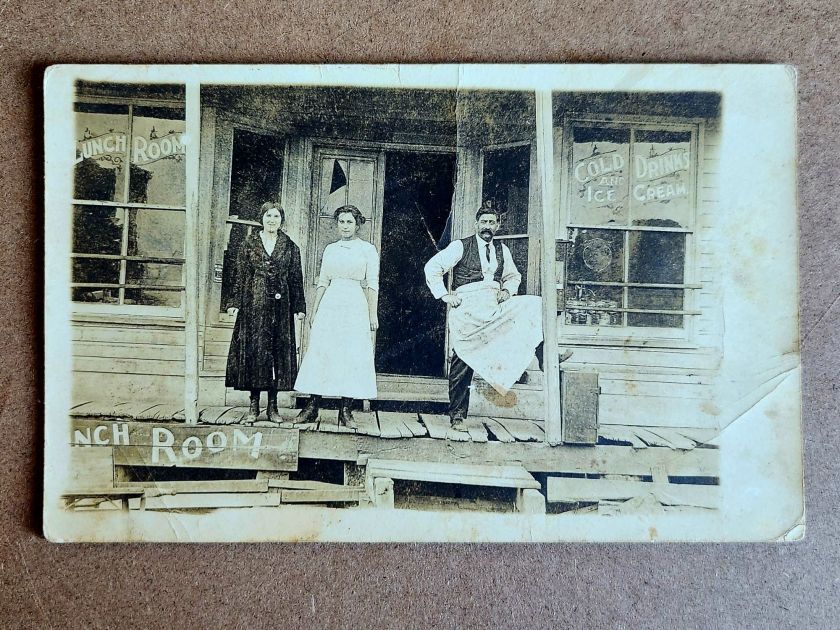
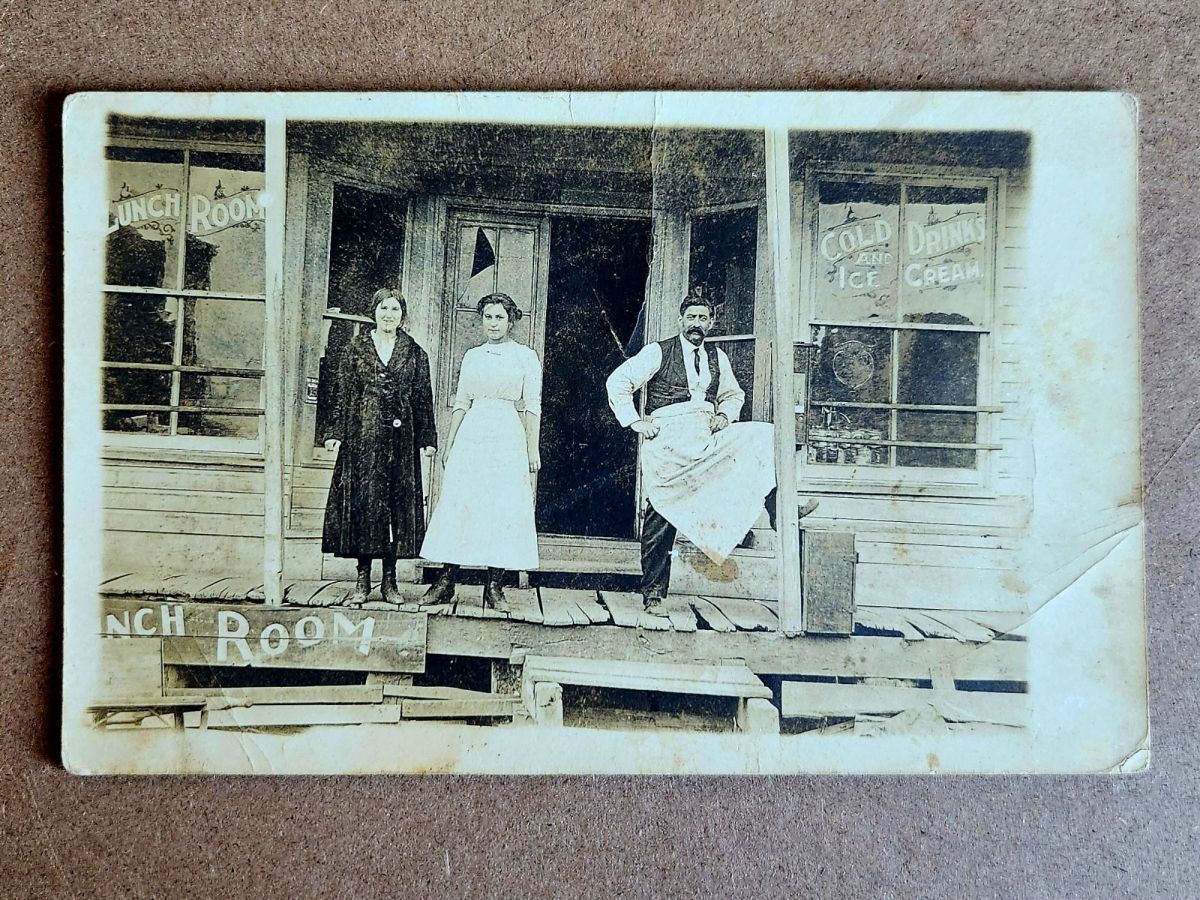
Laid out together, the pattern emerges. Houses with stone foundations and wraparound porches. An elaborate Queen Anne with a windmill. McMann Boarding House with its two women in matching stripes. A lunch room with an immaculately vernacular grand porch. Best-dressed proprietors standing proud. A girl and her horse, bare buildings behind her. A picnic under the canopy of a large tree.

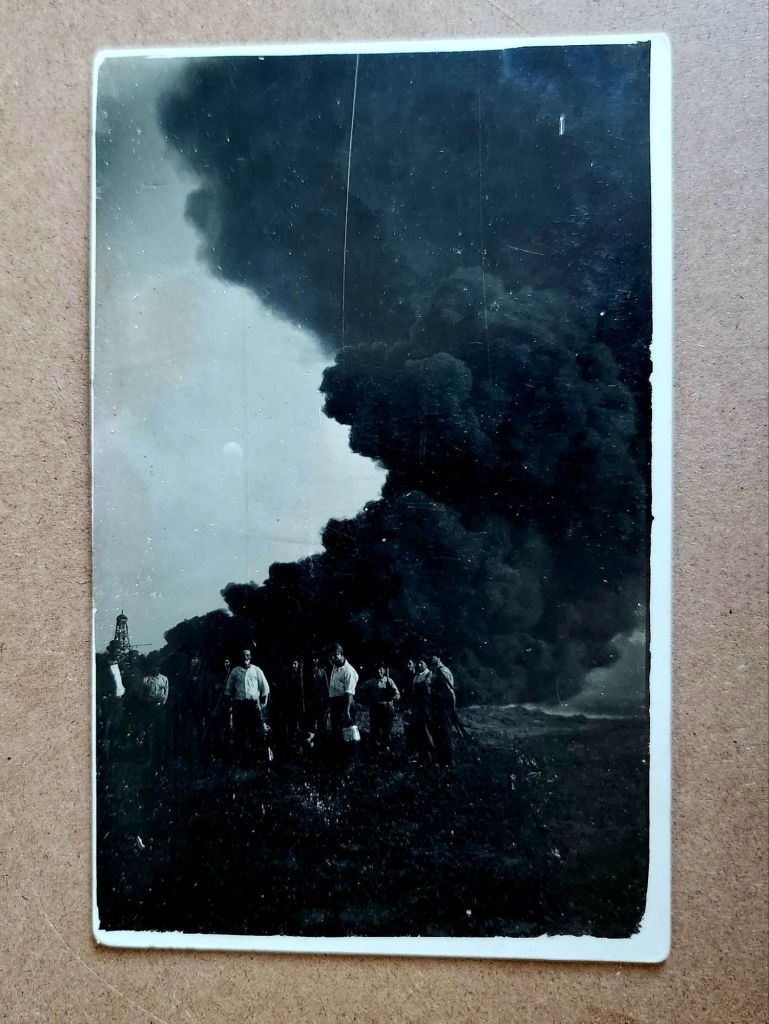
Also, a massive plume of black smoke billowing skyward, an oil derrick to the left, eight or nine men grinning toward the camera. The photograph stops everything cold. They struck liquid gold. A triumph worth documenting. Fine lines of the plumes etching through the darkest black.

These eleven images are a cluster from the same story—a town emerging around oil. Homesteaders and entrepreneurs arriving in a place that may have been open prairie five years earlier. Building homes, businesses, infrastructure for both industrial productivity and social life. Documenting the process with real photo postcards, for themselves or to send East. Their message: we have arrived safely and are in luck.

From Here to Now

This is a founding, the moment a place began and the stakes changed. These aren’t isolated buildings anymore and oddly they seem less like photos, too. We know there is a community taking shape and the evidentiary questions multiply. Who were they, by name? What brought them here? Did this place survive or vanish?

And harder, deeper, more consequential questions: Who lived here before? What animals and habitats were displaced? What did the derricks do? For them, and also to us.

Boom town logic. Extraction economy. Infrastructure dependencies and family injuries inherited. Cultural degradation, and environmental costs still being paid. This isn’t quaint history. This is the beginning of something we’re grappling with today.

Suddenly our imaginative stories contract and we now seek facts. The boarding house proprietor’s daily life can be imagined, but not separated from a place built on oil speculation. The architectural ambition of that Queen Anne deserves appreciation, but it went up in a town that might have lasted ten years or a hundred, depending on the wells. The buildings aren’t innocent, and we are implicated.

More in Store

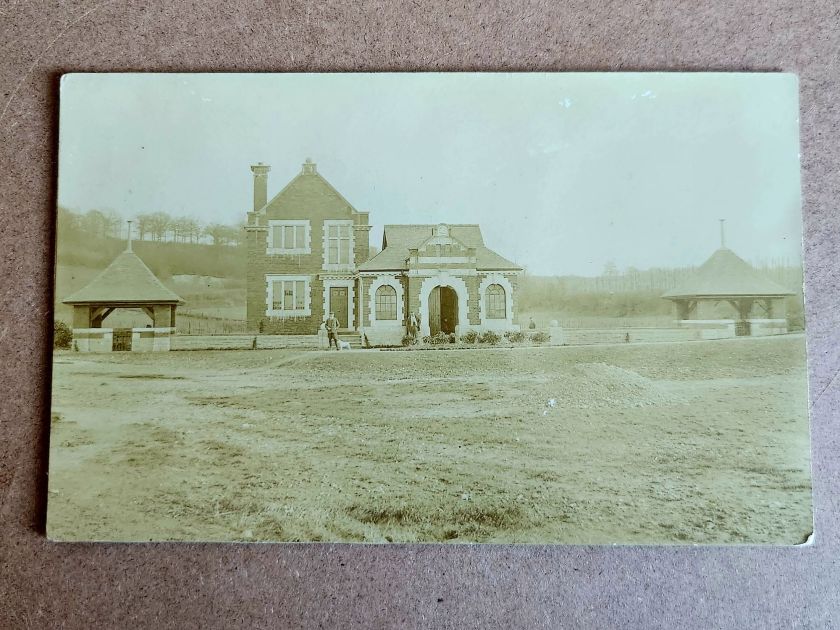
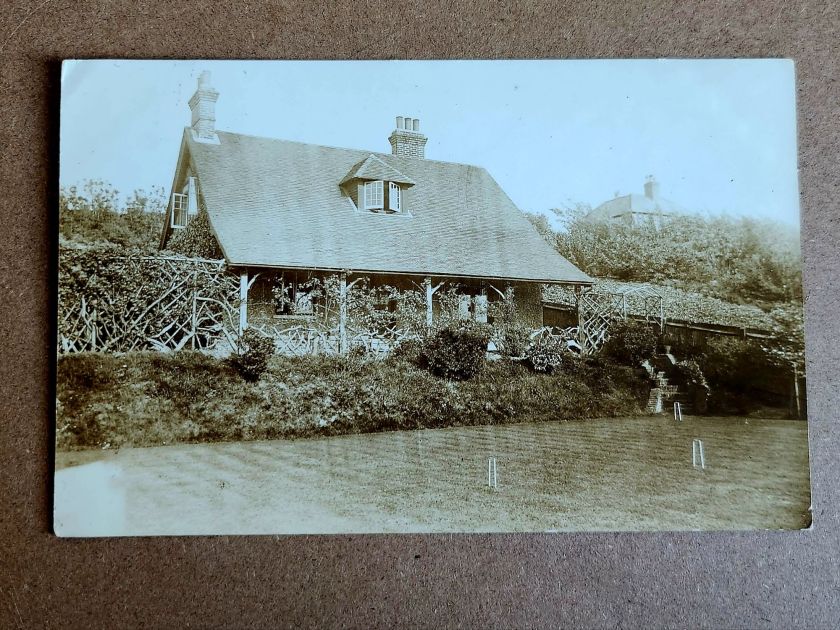
Another stack of postcards might be related to this cluster—similar age, similar style, possibly the same region, likely at later dates. And then a few unrelated ones, probably European based on the architecture.

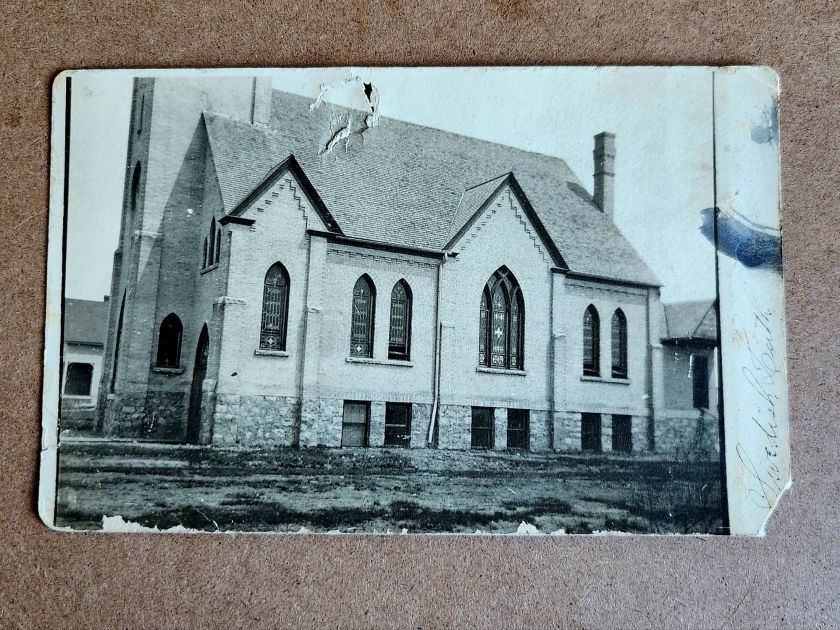
Not every fragment connects or resolves. Some buildings will remain singular, their stories unrecoverable. Churches and homes, beautiful structures, carefully photographed. Loved locally today as a memory or a ruin, perhaps.

Not everything needs a narrative. Some images can just be enigmatic. Evidence of care, of craftsmanship, of a moment someone thought worth preserving. These evocative details lead to fiction, which makes its own case for history and the preservation of minute detail.

But this cluster won’t let go. They connect to another stack, and soon we’ll know more. Next week we’ll meet the people themselves, looking back at us.

Mechanical Marvels

As the Harvest Moon wanes and the fall weather arrives, now is the time to cozy up with a few old nursery rhymes. These rare Raphael Tuck & Sons mechanical cards are an enchanting entrance to a magical season.

Published by Raphael Tuck & Sons of London, these elaborate die-cut pop-up cards feature beloved nursery rhymes and fairy tales including Little Bo Peep, Cinderella, Dick Whittington, and Three Little Kittens. Each piece showcases the exceptional craftsmanship and attention to detail that made Tuck one of the most prestigious names in Victorian publishing.

Vintage cards by raphael tuck & sons

Founded in the 1860s by German immigrant Raphael Tuck, the company quickly established itself as a leader in chromolithographic printing. By 1893, they had earned a Royal Warrant, becoming “Art Publishers to Her Majesty the Queen.” This royal endorsement reflected the superior quality of their work, which combined vibrant colors, intricate details, and innovative three-dimensional designs. These mechanical cards, likely produced between the 1880s and 1910s, represent the company at its creative peak.

In an era before mass media entertainment, these colorful, interactive pieces were technological marvels. The chromolithography process allowed for rich, multi-hued images that seemed almost magical to contemporary viewers. Their three-dimensional construction meant they weren’t merely viewed but displayed—transforming mantels into miniature theaters of beloved stories. Collecting and arranging these cards became a popular hobby. Many were preserved in elaborate scrapbooks, but relatively few have survived.

WWI widely disrupted the European paper and printing industries, and Raphael Tuck’s London facilities were destroyed during the WWII Blitz in 1940, losing 74 years of business records and thousands for illustrations and production files. Mid-century greeting card companies did continue to produce mechanical cards, but the more elaborate craft traditions largely faded in favor of modern design trends and less complicated manufacturing.

New technologies have revived the artform and inspired contemporary artists. Robert Sabuda elevated pop-up books and cards to fine art status with his extraordinary paper engineering. Lovepop creates elaborate 3D greeting cards for every occasion. The London company Roger la Borde produces wild and wonderful contemporary designs. Of course, independent artists worldwide create handcrafted die-cut cards that both honor and stretch well-beyond the Raphael Tuck legacy.

To Read More

The History of Raphael Tuck & Sons
https://www.tuckdbpostcards.org/history
Detailed company history from the TuckDB database, the premier online resource for Tuck collectors

Pop-up and Movable Books: In the Context of History
https://popuplady.com/about-pop-ups/pop-up-and-movable-books-in-the-context-of-history/
Excellent illustrated timeline from 13th century volvelles to contemporary artists like Robert Sabuda

Victorian Christmas Cards: An Everyday Work of Art
https://victorianweb.org/technology/letters/christmascards.html
Explores chromolithography technology and the cultural impact of Victorian greeting cards

Raphael Tuck Postcards | The World’s Most Famous Postcards
https://www.britannicauctions.com/blog/raphael-tuck-postcards/
Collector’s guide covering history, famous series, and current market values

Please Post, ASAP!

Did you know? October 1 is World Postcard Day! The celebration started in 2019, based on the grand old global pastime of simply staying in touch.
World Postcard Day was designated by Postcrossing as the first of October starting in 2019, including a new postcard design each year. We share a simple mission to keep postcards circulating, and their way of doing it is elegant and efficient. A wonderful illustrated history of the postcard is available to enjoy, as well. To celebrate the day, I’ll be requesting my first address and then happily duty-bound to get a postcard in the mail quickly. Maybe you will, too!


Featured Postcard~ MatToon Memories

Another mention of Mattoon, Illinois. This time, it is 1912, with a typical friendly update, winter weather commiserations, and gifts exchanged.

Dear Carrie, How is this for winter? I’m good and tired of it. Tell the folks I got a basket last Wed that tickled me mightily. Tell Stella, I will redeem my promise this week if this weather continues. I’ll look them up this P.M. & send at once. I’ve been too busy to do anything extra. Hope U are better. I weigh 154 and you will have to hurry or I’ll be way ahead of U. Mayme, March 11.

Front of the card: A delicate bouquet bursts from a pink gathered vase. Pink hyacinths and white lily of the valley dominate the arrangement. The flowers cascade naturally, their stems tied with fabric and matching bow. The text “A Note to you” appears in a blue decorative font at bottom right. Embossed rosettes frame the card in an ornate lace-like border.

Back details: Handwritten script fills the left side. A one-cent green Benjamin Franklin stamp sits in the upper right corner. The postmark reads “Mattoon, IL” with partial date visible, March 11, 1912, and a flag cancellation. The address shows “Mrs. Carrie Fulmer, St. Mary’s, Ind.”

Condition: The card shows minimal wear—crisp embossing, slight foxing, faded cancellation marks, minor corner softening. Colors remain vibrant. No tears or creases mar either side, though there is a minor cancellation mark on the front upper right. Very good condition for its age.

Rarity: This embossed, die-cut postcard represents German lithography’s golden age. Publishers used chromolithography to achieve the rich colors. The deep embossing required specialized presses. Early 1900s embossed postcards survive in quantity, but this example’s condition elevates its value. The Mattoon, IL postmark and readable message add historical context. Not museum-rare, but better than average.

Appeal: Collectors of Victorian and Edwardian ephemera may treasure this piece. Design enthusiasts might enjoy the embossed example. Genealogists ought to enjoy our meanderings through Mattoon and Mayme and Carrie’s perspectives. Botanical art lovers appreciate the detailed floral illustration and coded meanings. Stamp collectors note the Franklin one-cent issue and period-specific cancellations. Vintage greeting card dealers would display this prominently.

Would anyone cut it up to make an art card? Oh, the creative tension between past and future!
art card gallery

The gallery features Landscapes by Larry L’Ecuyer, and the World’s Smallest Artist Retreat (our P.O. Box) is awaiting your art card submission. Details here!

IN STORE! nEW POSTCARD DESIGN!

If you are nearby, come visit our very first postcard display at Tempe Yarn & Fiber. Grateful for the chance to get them out in the world. New designs and online sales coming soon!

In Remembrance

The Posted Past found its merry mission (and so much more) among the postcard albums that lined the office walls of Robert L’Ecuyer.

Postcards often stand in when more elaborate words fail. A passionate love that could barely tumble off the lips, makes itself clear in the symbol of a deep red rose. We are filled with pride, and a giant cheer bursts out of the mailbox just to say congratulations and hurrah! Also, when the sorrow is so deep, a sympathy card avoids the risks of intrusion and protects the sacred quiet that helps us heal.

It’s one of those days here at The Posted Past as we lay to rest Robert L’Ecuyer, our father. His love of travel, passion for genealogy, excellent listening skills, and long memory — combined with a truly epic postcard collection — were the makings of an extraordinary experience over the past few years.

I will write more about his wit and wisdom in the weeks ahead. For tonight, a selection of cards just to hold a space for all the gifts of his life.