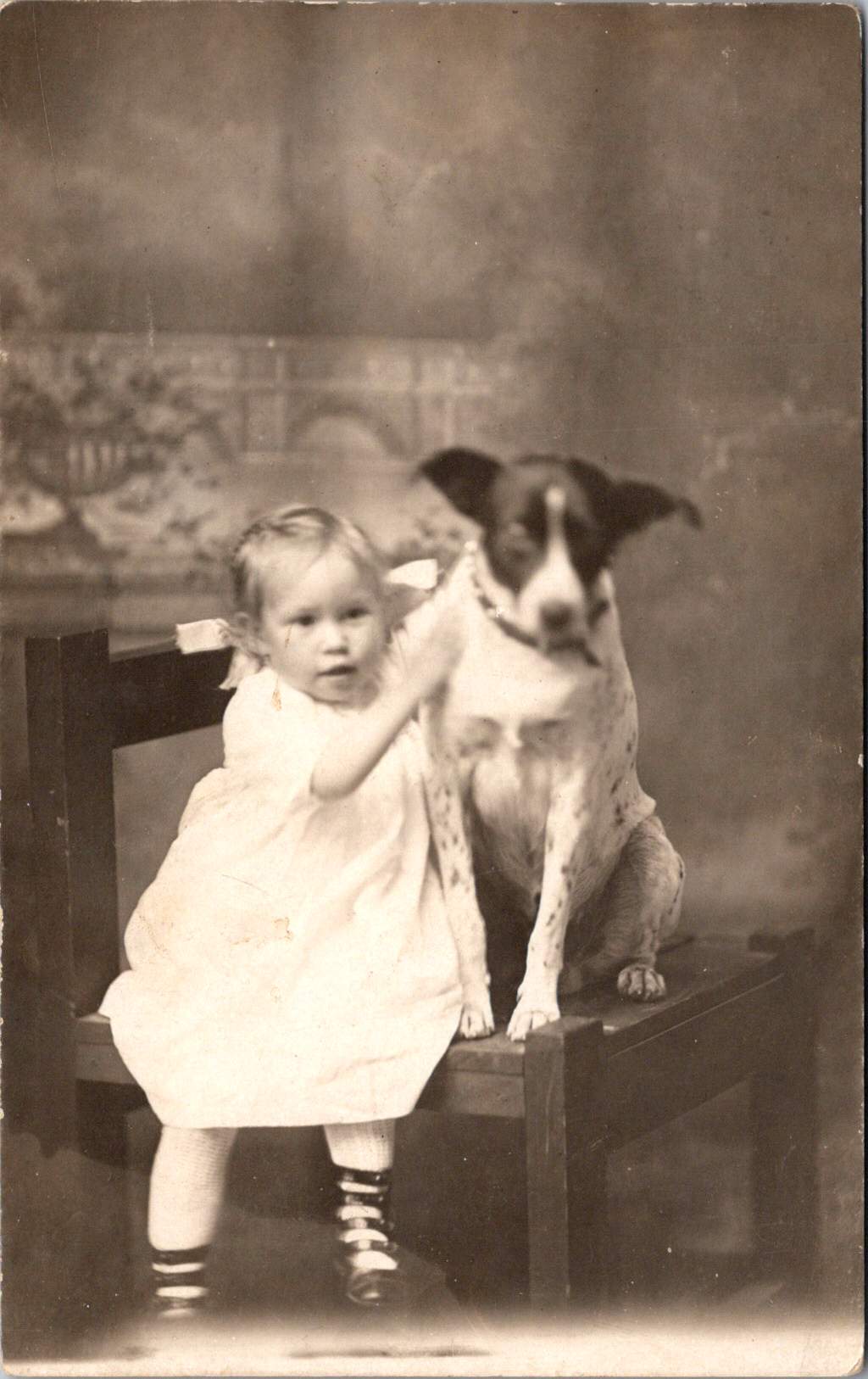
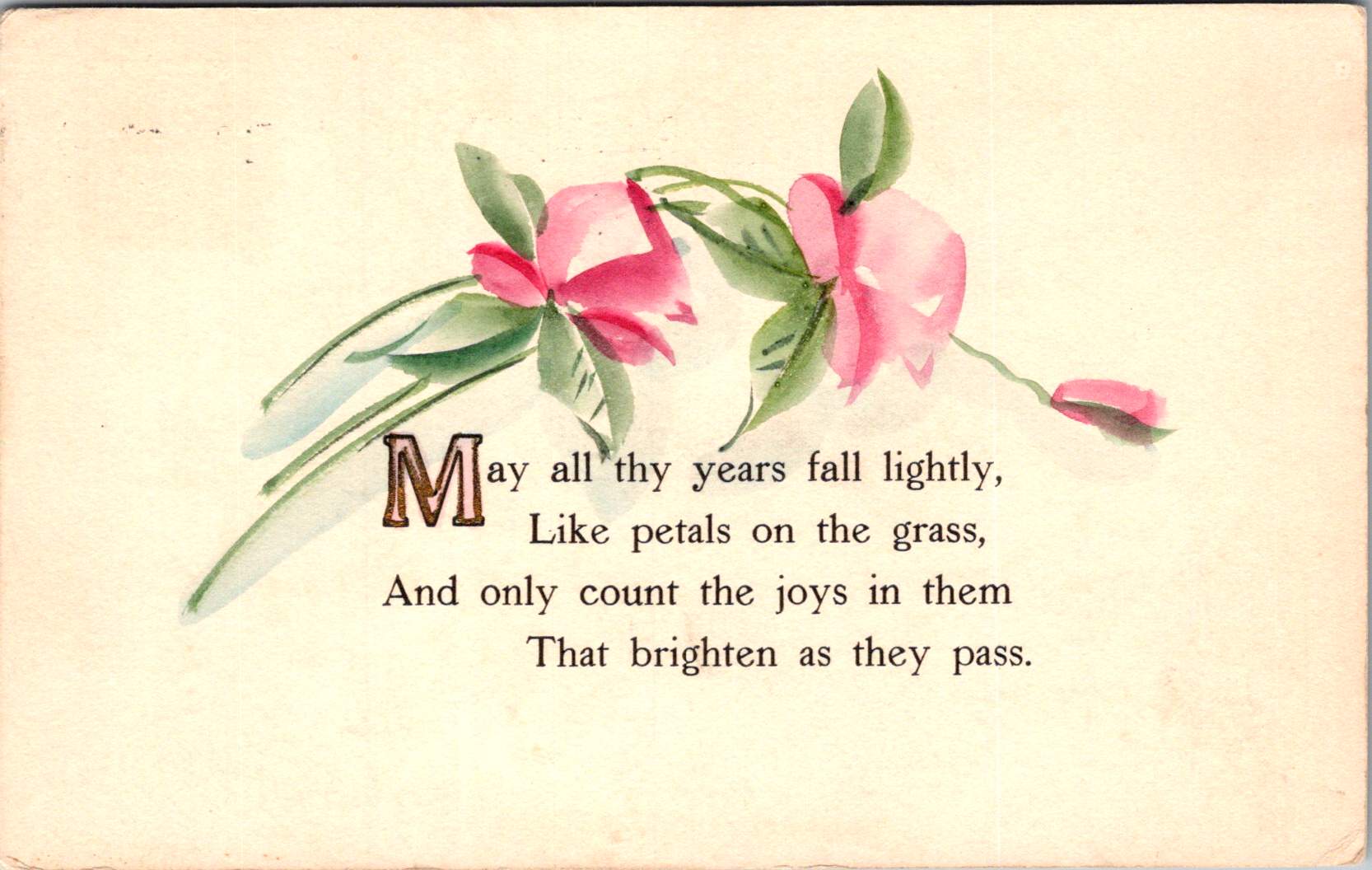
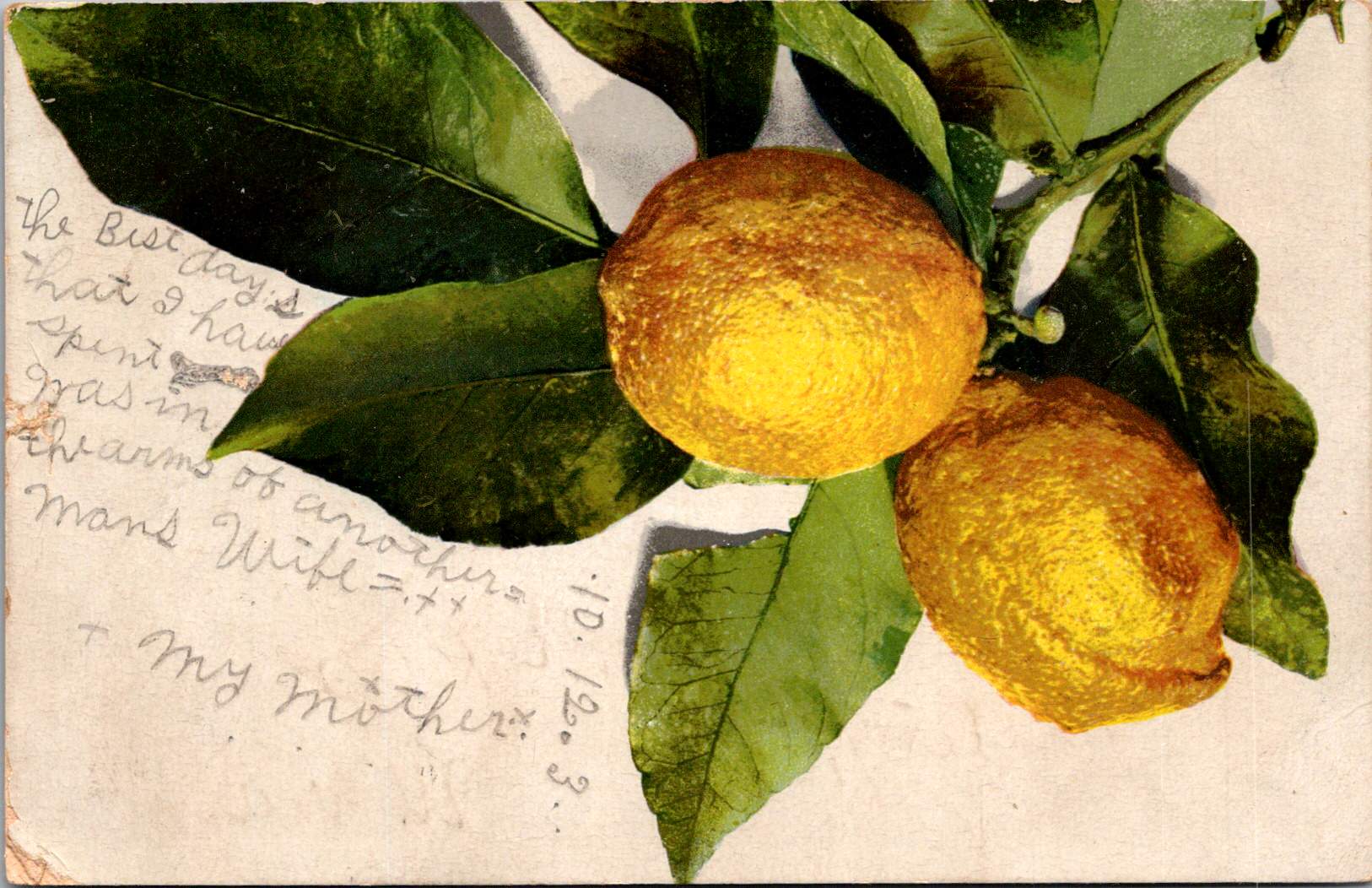
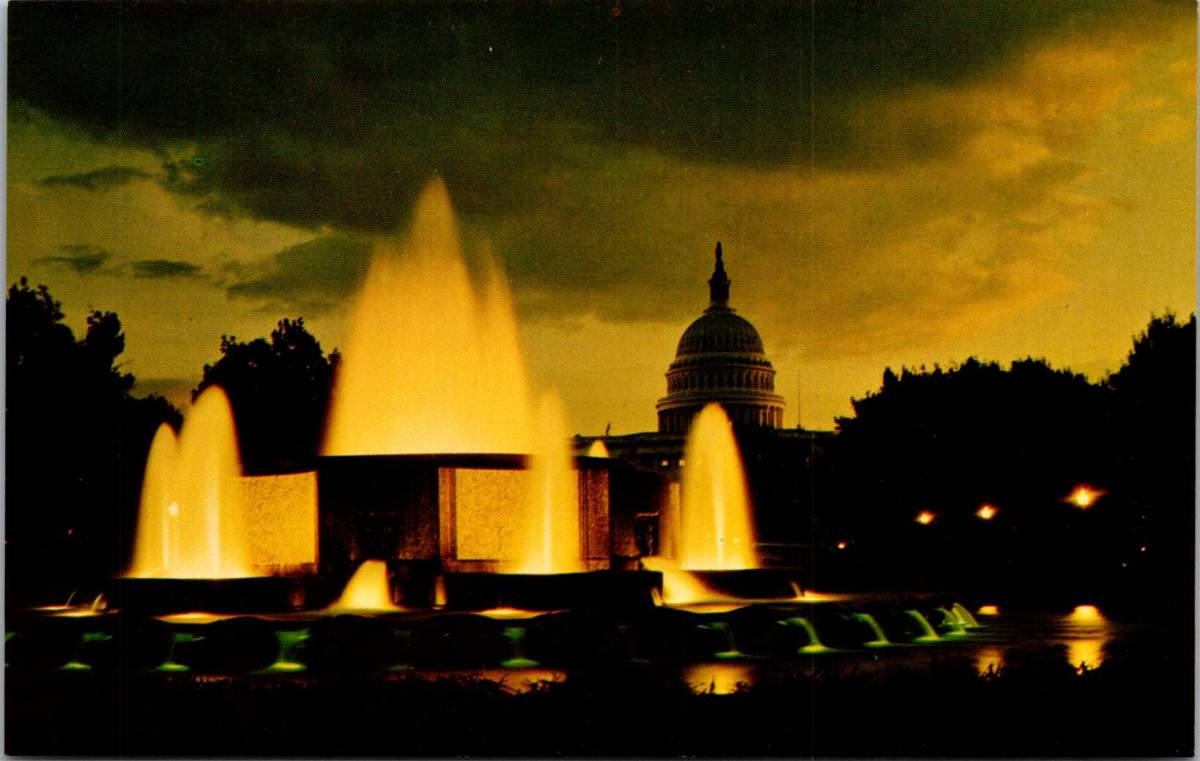
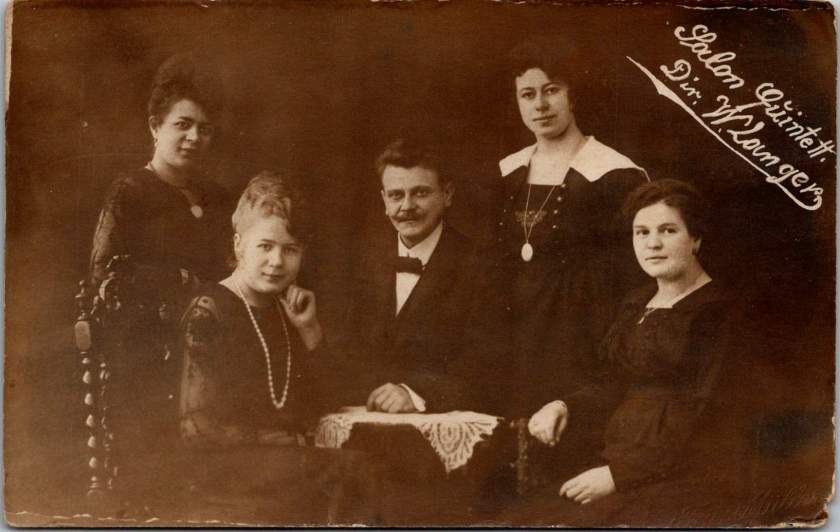
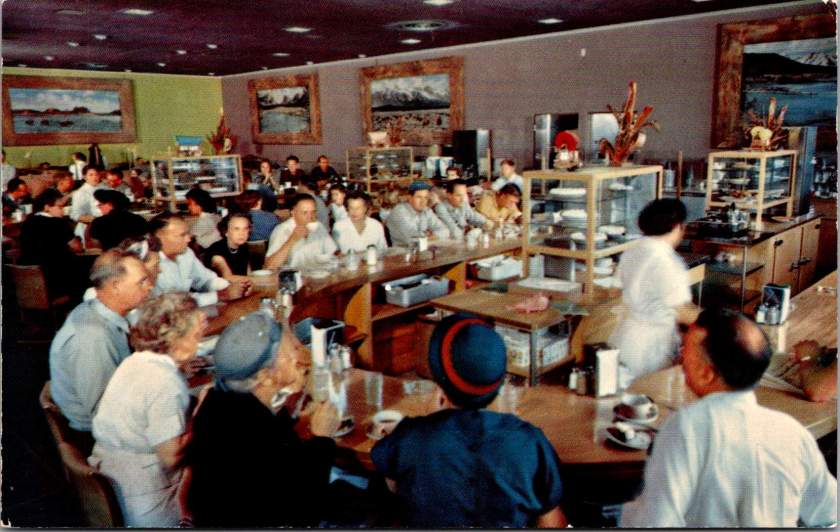
I wish you a Merry Christmas and a Happy New Year with just lots of love to each & every one. Lovingly, Auntie Mary

Each year, simple messages usher us into the new and next. Like Auntie Mary a century ago, I’m sending lots of love to each & every one.
I wish you a Merry Christmas and a Happy New Year with just lots of love to each & every one. Lovingly, Auntie Mary

Enjoy this album of Christmas greetings from the Posted Past. Wishing you peace and prosperity in the years ahead.
It’s Christmas Day and maybe you have a stack of Christmas cards – not just from this year, but from many seasons past. Each one is a thread in the tapestry of your life, too precious to discard. Like treasured ornaments, they tell stories that span generations.
Christmas cards aren’t merely paper messengers of the season – they’re artifacts of connection, physical reminders of the hands that chose them, the words written inside, the relationships that flourished across years and miles. Each card is a small time capsule, preserving moments of joy, celebration, and remembrance.
It’s fine to recycle your greeting cards, let’s not be too precious. But why not try something new? String them into a garland, tuck them into a memory box, or preserve them in an album. Let them be your Christmas story, told in paper and ink, holly leaves and winter scenes, building year by year into a cherished archive of holiday memories.
For today, take in all the love and laughter enclosed, and enjoy this album of Christmas greetings from the Posted Past. Wishing you peace and prosperity in the years ahead.
When held up to the light, this 1943 wartime postcard reveals a play on names and a hidden orchestra – but that’s just the beginning of its secrets.
On a dark December day in 1943, someone in Chicago mailed an extraordinary postcard. At first glance, it appears to be a silver gelatin photograph of sheet music and a pair of scissors, artfully arranged and lit. But when held to the light, the card transforms – silhouetted orchestra members emerge from the shadows, and the scissors become a conductor’s upraised arms, creating a miniature theater of light and shadow. The message at the top reads MAY THE MUSIC BE JUST THE WAY YOU WANT IT ALL THROUGH ’44, signed playfully by Glen Shears – a silly pun referencing Glenn Miller, America’s most popular bandleader, and the scissors in the image.


The technical sophistication of this artifact presents an intriguing mystery. Its foundation is a silver gelatin photographic print, created using the same process that Eastman Kodak had popularized with their 1903 postcard camera. But the card’s creator went further, adding to the photograph a second iridescent overlay to create the hidden orchestral scene – a remarkable innovation combining two distinct images. During wartime rationing, when the War Production Board strictly controlled access to photographic papers and printing supplies, the mere existence of such an experimental piece raises questions about its origins.


Two theories emerge: The card might be the work of an individual artist-photographer, one of the creative practitioners who had embraced Kodak’s democratization of the postcard medium. The careful composition, masterful lighting, and precise registration of the overlay suggest someone with both technical expertise and artistic vision.
Or, it could be an experimental piece from the American Colortype Company of Chicago (or one of a handful other production houses) known for innovative printing techniques and possessing both the technical capabilities and wartime authorization to access restricted materials.

But as we look closer, deeper historical resonances emerge. The card was postmarked December 15, 1943, and addressed to Staff Sergeant J.M. Ellison of the 937th Engineer Aviation Combat Battalion at Barksdale Field, Louisiana. The sender’s casual inquiry – “Does it look as if you’re going over?” – hints at the imminent deployment of Ellison’s specialized unit.
The 937th was part of the Army Air Forces’ engineering force tasked with rapidly constructing and maintaining combat airfields. These Aviation Engineer Battalions could build a 5,000-foot runway in as little as 15 days, creating the infrastructure that would support the Allied advance across Europe. Following D-Day, units like the 937th pushed forward with combat operations, often working under fire to establish the forward airfields necessary for tactical air support and troop transport.
The card’s musical theme and playful signature unknowingly connected to another Army Air Forces mission. By December 1943, Glenn Miller had transformed his career from civilian bandleader to Captain in the Army Air Forces, modernizing military music through his Training Command Orchestra. In June 1944, Miller brought his band to England, where they performed hundreds of concerts for Allied forces preparing for the invasion of Europe.
As Allied forces advanced across France in late 1944, Miller became determined to bring his music to the troops at forward bases. He began planning an ambitious series of concerts at the very airfields being constructed by the Aviation Engineers. The precise coordination required for these performances – ensuring runways were operational and facilities ready – meant that Miller’s musical mission and the work of units like the 937th were deeply intertwined.
Here the card’s hidden theater of light and shadow takes on new meaning. The sender could not have known that exactly one year after posting this cheerful greeting – on December 15, 1944 – Glenn Miller would board a small Norseman aircraft in England, bound for Paris to arrange performances at forward bases. His plane disappeared over the English Channel in poor weather, creating one of World War II’s enduring mysteries.
The card’s wish for music “all through ’44” became both prophecy and elegy. Somewhere in France, Sgt. Ellison and his fellow engineers might have been preparing the very airfields where Miller hoped to perform. The innovative combination of photography and theatrical lighting effect, created in Chicago a year earlier, had unknowingly captured the intersection of American technical ingenuity, cultural influence, and the human tragedies of war.


Today, this hold-to-light card stands as both artistic innovation and historical artifact. Whether created by an individual photographer or a commercial outfit, it demonstrates the creative adaptation of pre-war techniques to serve wartime needs for connection and morale. In its transformation from simple photo to magical light-show, it embodied the same spirit of innovation that characterized both Glenn Miller’s military music and the rapid-deployment airfield construction of the Aviation Engineers.
More than just a technological curiosity, the card captures a moment when American creativity – musical, photographic, and engineering – was being mobilized for war. The coincidence of the postmark date and Glenn Miller’s final flight reminds us how individual stories weave together to create the larger narrative of history, sometimes in ways that only become apparent when held up to the light.
When photographer Walter J. Lubken documented Roosevelt Dam’s construction in 1906, he captured more than engineering – he preserved the story of how water transformed the American West. See these remarkable images and the ancient and modern legacies they explore.
Deep in the rugged canyons where the Salt River carves through Arizona’s Superstition Mountains, the story of Western water management took shape. This commemorative postcard set, printed in the 2000s, features century-old government documentary photographs that reveal the effort.
The construction of Roosevelt Dam, beginning in 1906, marked not just an engineering milestone but a fundamental shift in how humans would reshape the American West. This massive undertaking would transform both the physical landscape and the social fabric of central Arizona, setting patterns of development that continue to influence the region today.
The logistics of construction proved nearly as challenging as the engineering. Materials had to travel either along the Apache Trail, a 60-mile road from Mesa carved from ancient Indian paths, or via a primitive 40-mile trail from Globe. The isolation of the site forced engineers to think creatively about resource management. They solved the critical cement supply problem by establishing an on-site manufacturing facility, a decision that would save over $460,000 (equivalent to more than $13 million today) while ensuring consistent quality control. The photographs show workers carefully weighing and sacking cement in bags marked “U.S.R.S.,” each bag representing both technical progress and economic pragmatism.

By 1909, the Roosevelt Dam Power House demonstrated another innovative aspect of the project. Housing five 900kW generators and one 5000kW generator, the facility would produce 45,000 kW of electricity by 1912, providing power to Phoenix and surrounding communities. This early integration of water management and power generation established a pattern that would shape the region’s development for decades to come.

The dam site itself presented formidable challenges that would test the limits of early 20th-century engineering. Rising nearly 280 feet from bedrock, Roosevelt Dam required innovative solutions at every stage of construction. Hydraulic drill operators, their equipment visible in historic photographs from the Walter J. Lubken Collection, faced the initial challenge of preparing foundations in solid rock. These drills, powered by compressed air, bored holes for dynamite charges that would help create the dam’s massive footprint. The rhythmic sound of their work echoed through the canyon, marking the beginning of a new era in desert water management.

Downstream from Roosevelt, engineers faced a different challenge at Granite Reef Dam. Here, nature provided a crucial advantage in the form of a natural granite reef crossing the river valley. This geological feature offered an ideal foundation for a diversion structure, but working with the hard granite required specialized techniques. Electric U.S. Reclamation Service trains, captured in the historical photographs, transported heavy equipment and materials along the construction site. The completed structure served as the crucial junction point where Roosevelt Dam’s controlled releases would be divided between the Arizona Canal to the north and the South Canal system.

As water flows west from the Superstition Mountains, it enters an increasingly engineered landscape that reveals the ingenuity of early water managers. Near Apache Junction, the canal system had to navigate complex terrain while maintaining the precise gradients necessary for gravity-fed water delivery. Engineers faced a delicate balancing act: the water needed to drop approximately one foot per mile while following natural contours, a requirement that helped determine the location of many early East Valley communities. These seemingly simple measurements would shape development patterns for generations to come.
In Mesa, the system develops additional complexity as it moves through what was once some of Arizona’s most productive agricultural land. The Mesa Canal, dating from territorial days and improved by the Reclamation Service, demonstrates how engineers adapted existing irrigation works into a modern water delivery system.
Near what is now Mesa Community College, the Western Canal branches off, beginning a complex network of distribution that would support the citrus groves and cotton fields that once dominated the landscape. The concrete control gates, many dating from WPA-era improvements in the 1930s, stand as testament to the system’s durability. Each gate represented a critical control point where trusted zanjeros (ditch riders) could manage water delivery with remarkable precision, despite using what we would now consider primitive technology.

As the water system enters Tempe, it reveals layers of engineering history that mirror the city’s transformation from agricultural community to urban center. The Kyrene agricultural district, served by the Western Canal, demonstrates how early engineers maximized gravity-fed irrigation through careful grading and channel placement. The canal’s gradient had to be precisely maintained while following natural contours that would allow for efficient water delivery to agricultural fields. Complex control structures, still visible today near major arterial streets, could be adjusted to deliver specific amounts of water into lateral ditches. These laterals, running north-south at roughly quarter-mile intervals, created the framework that would later influence urban development patterns.

The post-war boom of the 1950s and ’60s presented Tempe’s engineers with a new challenge: how to adapt an agricultural water delivery system for urban use while preserving valuable water rights. Under Arizona water law, rights could be lost if water wasn’t being put to “beneficial use.” This legal framework drove many engineering decisions during the transition period, leading to creative solutions that would shape the modern landscape.
The 1961 development of the Shalimar Golf Course, located between McClintock and Price Roads and between Broadway and Southern, exemplifies the engineering solutions of this era. The course’s design worked within the existing irrigation framework, utilizing lateral ditches that had previously served agricultural fields. The layout preserved the crucial north-south water delivery patterns while adapting them for recreational use.
The late twentieth century brought new approaches to water management that would have amazed the early USRS engineers. At Arizona Falls, located at 56th Street and Indian School Road, modern engineers found a way to honor historical infrastructure while adding contemporary functionality. The site’s 20-foot drop in the Arizona Canal had once powered ice production in the 1890s, helping early Phoenix residents cope with desert summers. Today, this same drop has been transformed into both public art installation and hydroelectric facility, with specially designed turbines that can operate efficiently despite varying water levels. The project demonstrates how historical water infrastructure can be reimagined to serve modern needs while preserving connections to the past.
Perhaps no modern project better exemplifies creative water engineering than Scottsdale’s Indian Bend Wash. This 11-mile greenbelt fundamentally changed how engineers approach flood control in urban areas. Instead of constructing traditional concrete channels that rush water away as quickly as possible, engineers designed a system that mimics natural watershed functions while providing recreational space. The engineering may appear simple to casual observers, but it represents sophisticated water management. Graduated slopes slow flood waters naturally, while carefully calculated retention areas hold excess water until it can safely drain or percolate into the groundwater. At other times, these same spaces serve as golf courses, parks, and bike paths, making the infrastructure an integral part of community life.
The creation of Tempe Town Lake in the 1990s marked perhaps the most ambitious modern reengineering of the Valley’s water infrastructure. Engineers faced multiple complex challenges: maintaining water quality in an artificial lake subject to intense desert sun, managing sediment that once flowed freely down the Salt River, and creating a system that could handle both regular flows and occasional floods. The innovative rubber dam system, recently replaced with hydraulically operated steel gates, had to maintain a consistent lake level while allowing for flood releases during major storm events. What appears on the surface as a simple recreational amenity actually represents one of the most complex water management systems in the Southwest.
The Valley’s own golf courses have evolved from simple users of flood irrigation to pioneers in water conservation technology. Early courses relied on traditional flooding methods inherited from agriculture, and modern facilities employ sophisticated systems that can adjust water delivery down to individual sprinkler heads. Courses along the Western Canal system, such as Dobson Ranch in Mesa, now integrate stormwater capture, irrigation storage, and groundwater recharge into their operations. Their water hazards serve double duty as holding ponds in an intricate water management system that would have seemed like science fiction to the early zanjeros.

Today’s systems employ real-time monitoring technology, allowing operators to adjust water flows remotely in response to changing demands and weather conditions. Computer-controlled irrigation systems at golf courses and parks use weather data, soil moisture sensors, and evapotranspiration calculations to deliver precisely the right amount of water at the right time. These innovations grew from decades of experience managing water in an arid environment, building upon the foundation laid by those early infrastructure projects.
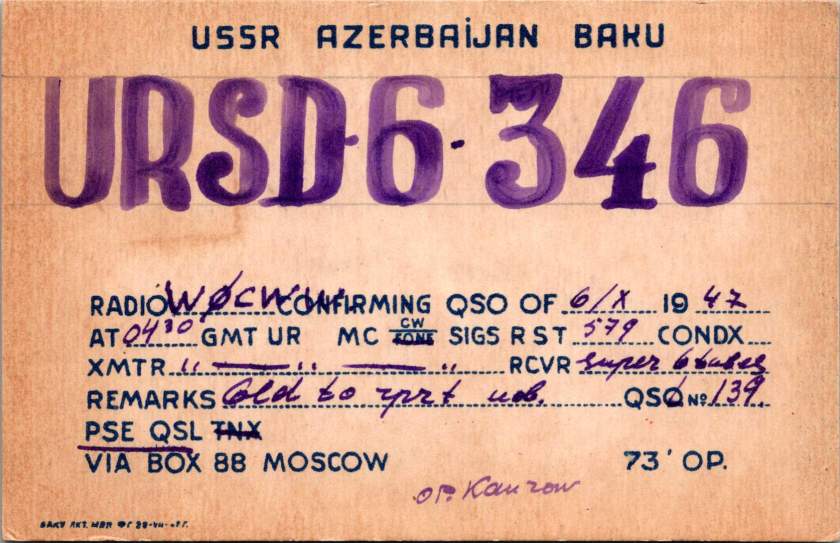
When Walter J. Lubken raised his camera to photograph construction at Roosevelt Dam, he was documenting more than just a construction project. His photographs captured the transformation of the American West from a challenging frontier to a managed landscape. The Bureau of Reclamation’s commitment to thorough photographic documentation served multiple purposes. Engineers could use the images to track construction progress and solve problems. Administrators in Washington could monitor their investment in distant territories. Sheep grazing along canal banks shows how engineers creatively solved maintenance problems while supporting local agriculture. Perhaps most importantly, these photographs reveal important historical details of how federal infrastructure projects were reshaping the American landscape.

These photographs remind us that water management is ultimately about people: the workers who built the systems, the farmers who used them, and the communities that grew around them. The photo of early canals being excavated by horse and manual labor provides striking contrast with modern construction methods. These historical documents help us understand both how far we’ve come and how much we owe to early innovation.

The Bureau’s decision to commemorate these images in a 2002 postcard set invites us to consider how past engineering decisions continue to shape our present. Every canal, dam, and pipeline represents decisions made by people trying to build better communities. As we face modern challenges like climate change and population growth, these historical images encourage us to think both critically and creatively about water management.
Today’s water managers are creating their own documentation for future generations to study. Digital sensors transmit continuous data about water flow, quality, and usage. Satellite imagery tracks changes in groundwater levels and vegetation patterns. Modern projects like Tempe Town Lake and the Indian Bend Wash are extensively documented not just in photographs but in environmental impact studies, engineering plans, and public meeting records. This documentation will help future generations understand both our achievements and our challenges.
Today’s innovations – whether in golf course irrigation, urban stream restoration, or water recycling – are part of a continuing story of human ingenuity in the face of environmental challenges. Our task is to document our work, both our successes and our mistakes. What will they learn from examining our current water management projects? Perhaps they’ll examine how golf courses became laboratories for water conservation technology.
Like our predecessors, we are trying to balance human needs with environmental stewardship, technological capability with sustainable practice, and individual interests with community benefit. This long view of history reminds us that infrastructure is not just about providing resources today – it’s about designing our desert futures a century from now.

Arizona’s Verde Valley has inspired generations. Journey through this dramatic landscape where red cliffs greet green river valleys, and where an old mining railway now carries visitors through one of the Southwest’s most stunning canyons.
A striking watercolor dominates the front of a vintage postcard. The scene captures the essence of Arizona’s high desert: massive red rock canyon walls rise dramatically against a blue sky dotted with billowing clouds, while a silver passenger train glides across a trestle bridge below. The unknown artist’s watercolor brushwork renders the desert vegetation in soft greens, with prickly pear cactus dotting the foreground. The painting masterfully conveys both the monumental scale of the landscape and the delicate play of light across the rocky surfaces.
When the Verde Canyon Railroad winds through the high desert country of central Arizona, it follows ancient pathways. The Verde River carved this dramatic landscape over millennia, creating a riparian corridor that has attracted humans for thousands of years. Today’s passengers on the scenic railway see much the same view as the Sinagua people who built cliff dwellings here between 600 and 1400 CE, though the comfortable rail cars are a far cry from the precarious edges those early inhabitants deftly defied.
The river remains one of Arizona’s few perennial waterways, sustaining a complex ecosystem where desert meets riverbank. Towering cottonwoods and velvet ash trees create a canopy over the water, while sycamores and willows cluster along the banks. Native grape vines twist through the understory, and prickly pear cactus dot the rising canyon walls. This environment supports a rich variety of wildlife, from yellow-billed cuckoos and great blue herons to river otters and mule deer. Native fish species like the razorback sucker still navigate the waters their ancestors swam for millennia.
The human history of the valley reflects waves of settlement and industry. After the Sinagua, Yavapai and Apache peoples made their homes here. Spanish explorers gave the river its name – “verde” meaning green – marking the stark contrast between the river corridor and the surrounding desert. The late 1800s brought miners seeking copper, gold, and silver, transforming places like Jerome into boom towns. The railroad itself was built in 1912 to service the United Verde Copper Company’s mining operations, an engineering feat that mirrors our ancient ancestors.
Notable Arizona artists have interpreted this landscape. Ed Mell’s geometric, modernist approach emphasizes the monumental character of the canyon walls. Early pioneer Kate Cory combined artistic and ethnographic interests, documenting both landscape and culture during her years living among the Hopi. Merrill Mahaffey mastered the challenging medium of watercolor to capture the desert’s subtle light and atmosphere, teaching and inspiring so many along the way.
The artistic legacy of the region is inextricably linked to its unique quality of light. The clear, dry air creates what painters describe as crystalline clarity, especially during the “golden hours” of early morning and late afternoon. Artists employ various techniques to capture these effects: watercolorists leave areas of white paper untouched to suggest intense sunlight on rock faces, while building up transparent layers to show subtle color variations in shadowed canyon walls. The phrase ‘purple mountain majesties’ from Katharine Lee Bates’s “America the Beautiful” finds visual truth here, where the red rocks shift to deep purple at dawn and dusk, challenging artists to capture these dramatic transformations.
These artistic traditions remain vibrant today through institutions like the Sedona Arts Center, which hosts workshops, exhibitions, and the annual Sedona Plein Air Festival. These events draw artists from around the country to paint the red rock landscapes, continuing a legacy of artistic response to this unique environment.
The Verde Canyon Railroad itself represents a remarkable transformation from industrial resource to cultural attraction. When mining operations declined in the 1950s, the railroad continued operating for freight until the late 1980s. Its reinvention as a scenic railway in 1990 preserved both the industrial heritage and access to the canyon’s natural beauty, offering new generations a chance to experience this remarkable landscape where nature, history, and art converge.
In recent decades, the Verde Valley has emerged as a significant wine and food-producing region, adding another layer to its cultural landscape. The same mineral-rich soil that once yielded copper now nurtures vineyards, while ancient irrigation techniques inform modern water management practices. Local wineries have revived the area’s agricultural traditions, some of which reflect Spanish and Mexican heritage. The region’s restaurants increasingly reflect Native American heritage, too, combining indigenous ingredients with contemporary techniques. Native foods like prickly pear, mesquite, and local herbs appear on menus alongside wines produced from vineyards visible from the train’s windows.
Tourism in Arizona has evolved beyond simple sightseeing to embrace the complex tapestry of the region’s heritage. Visitors to the Verde Valley today might start their morning at an art gallery in Jerome, taste wines produced from hillside vineyards at lunch, and end their day watching the sunset paint the canyon walls from a vintage train car. This integration of historical preservation, artistic tradition, and culinary innovation exemplifies how the creative spirit that first drew people to these dramatic landscapes continues to evolve. The Verde Valley is home to each generation, who find new ways to interpret and celebrate the enduring connections between people and place.
Perhaps like you, I’m whipping up goodies to be gobbled up tomorrow. So today, enjoy this visual feast for the eyes. Happy Thanksgiving!


Four children are astride donkeys walking on the beach, clothed in Edwardian-style white blouses and all wearing caps. A century away (and still there today) kids on a delightful donkey ride near Redcar’s legendary seaside.
This real photo postcard with a memorable image bears the hand-scripted titled “Heads & Tails at Redcar.” One can still feel the April 18, 1910 embossed postmark on the card a century later. Addressed to Nurse Aird in Darlington from Redcar, the message is pragmatic.
Expect to arrive about 6.30 to-morrow evening. Love from Rennie
The seaside town of Redcar was transformed from a modest fishing village into a bustling resort town by the arrival of the railway in the mid-19th century, and became a beloved destination for working and middle-class families from throughout Britain’s industrial northeast.
In the 1910s, Redcar embodied the height of seaside grandeur. The impressive Coatham Hotel, built in 1871, dominated the seafront, its architecture expressing the optimism and ambition of the age. A pier stretched into the sea, its 1873 construction a testament to the engineering confidence of the era. Along the promenade, ornate gas lampposts cast their glow over evening strollers, while elaborate wooden shelters provided refuge from sudden showers.
The seafront architecture told a story of careful planning and civic pride. Victorian terraces, built of local sandstone or sturdy brick, were elegant facades looking at the sea. Behind them, a grid of streets housed seasonal workers, fishermen, and the growing permanent population drawn by the town’s prosperity. The Central Hall, opened in 1895, provided entertainment, while Methodist and Anglican churches with their reaching spires reminded visitors and residents alike of Victorian moral values.
Yet Redcar was never merely a tourist trap. The town’s proximity to mining linked it inextricably to Britain’s industrial might. The discovery of workable iron ore deposits in the Cleveland Hills in 1850 had sparked an industrial revolution in the region. By the 1910s, mines dotted the landscape, and the sight of industrial chimneys on the horizon reminded visitors of the region’s working heart. Many local people split their lives between seasonal tourist work and the demanding labor of the mines or ironworks.
This distinctive mixing of leisure and industry is part of Redcar’s character. Unlike some of Britain’s more exclusive seaside resorts, the community remained proudly connected to its working roots. The donkey rides captured in our postcard—a quintessential British seaside tradition—were an affordable pleasure for working families. The donkeys themselves, chosen for their gentle temperament and sturdy build, paralleled the town’s way: reliable, hardworking, and ready to provide joy to all comers.

On April 18, 1910, Rennie dashed off a quick note from Redcar to Nurse Aird, using one of Rapid Photo Company’s popular seaside postcards to announce a return to Darlington the following evening at 6:30pm. Such precise timing speaks to the reliability of the North Eastern Railway’s service between the coastal town and Darlington, where regular daily connections had become the lifeblood of the region.
The journey home would begin at Redcar’s Central Station, its Victorian architecture still relatively new and imposing in 1910. The late afternoon departure would catch the changing light over the North Sea, before the steam locomotive began its hour-long journey inland. As the train pulled through Middlesbrough and then west toward Darlington, the spring evening would be settling in, with the Cleveland Hills silhouetted against the dusk. Fellow passengers might have included ironworkers heading to night shifts, businessmen returning from coastal meetings, and perhaps other daytrippers who had enjoyed the seasonal pleasures of the seaside.
By evening, Rennie would step onto the platform at Darlington’s Bank Top station, the time at the coast already feeling like a distant memory. Perhaps a deliberate choice of train, selected to arrive after Nurse Aird’s duties were complete or to catch the end of visiting hours. Whatever prompted the journey, the postcard captures the easy mobility that the railway enabled, allowing residents of these northeastern towns to move between coast and country with a regularity that would have seemed remarkable just a generation earlier.

The subsequent century would bring profound changes to Redcar. The pier, once a symbol of Victorian confidence, fell victim to storm damage and was demolished in 1981. The grand Central Hall disappeared. Many Victorian hotels were converted or demolished as tourism patterns changed. Most significantly, the industrial base that had provided much of the region’s wealth underwent dramatic transformation. The 2015 closure of the SSI steelworks marked the end of an era, dealing a devastating blow to the community.
Modern Redcar presents a complex picture of a community in transition. The Redcar Beacon opend in 2013 (locally dubbed the “Vertical Pier”) reaches skyward, its contemporary design contrasting with the Victorian architecture that remains. Victorian terraces continue to face the sea, their sandstone facades weathered but dignified. The Clock Tower, dating from 1913, remains a local landmark. The town center struggles with empty shops, a challenge faced by many British high streets. The loss of heavy industry has forced difficult economic adjustments.
The community’s response to these challenges reveals much about Redcar’s character. The Palace Hub, housed in a former amusement arcade, provides space for local artists and craftspeople. Local groups organize beach cleaning and heritage walks, maintaining the town’s connection with its past while protecting its future. Locally run kitchens and groceries address modern challenges of food poverty while building community connections.
Most remarkably, the donkeys still plod along the beach in summer months. The same gentle animals that carried kids a century ago now delight a new generation of visitors. Modern care standards ensure rest periods, weight limits, and veterinary checks, but the essential experience remains unchanged. Children still laugh with surprise at their first encounter with these patient beasts, parents still snap photographs (will box cameras make another comeback?) and the donkeys still take their slow and careful steps, connecting past and present.
Redcar reminds us that progress isn’t linear and that community change involves deep dynamics of loss and renewal. The town that grew wealthy on iron ore and Victorian tourism now seeks new paths forward in renewable energy and cultural heritage. What has remained is both quirky and reliable: a donkey ride on the beach on a summer’s day.
While the grand Victorian hotels and ore industries of the region have largely passed into history, the humble donkey ride endures. Sometimes the most modest traditions prove the most durable, and the true character of a place resides not only in grand achievements but also in simple, timeless pleasures.
Who indeed would have guessed that of all Redcar’s attractions, it would be the donkey rides we couldn’t live without? Perhaps it is fitting that these patient animals, who witnessed the town’s rise, decline, and ongoing reinvention, continue to reliably entertain (and endure) new generations.
The beauty in gallows humor is how it strips away pretense. On days when everything feels like a steaming pile anyway, there’s dark comfort in knowing that at least we’re all finally honest about what’s being shoveled around.
This vintage postcard, simply titled “Training for Politics,” captures a brutal honesty that resonates well on days when the world stinks. A lone cowboy, shovel in hand, flinging horse manure (the raw material for politics). Of course we see the effort, but it’s also hard to miss the explosive spray of debris frozen mid-flight.
There’s something uniquely comforting about humor that doesn’t try to brighten our mood but instead acknowledges the absurdity of our circumstances. When we’re struggling, the last thing most of us want is forced positivity or silver linings. We want recognition that yes, this is indeed a pile, and yes, someone is actively shoveling more of it.
On the surface, it’s a simple visual gag – politics is bullsh*t. But dig deeper (pardon the pun), and you’ll find a more nuanced observation about the nature of political discourse and human coping mechanisms.
Dark humor serves as a pressure release valve for the soul. It’s the linguistic equivalent of opening a window in a foul-smelling room. It doesn’t solve the problem, but it makes it more bearable. When we can laugh at the darkness, we’re not surrendering to it – we’re claiming it, owning it, transforming it into something we can manage.
Someone looked at a man shoveling manure and saw not just the physical act but its perfect metaphorical parallel to politics. They recognized that sometimes the most profound truths come wrapped in the most pungent packages. That’s what gallows humor does – it finds the universal in the awful, the communal in the catastrophic.
This postcard’s enduring relevance speaks to another truth about dark humor: it ages well. While more wholesome jokes may grow stale, gallows humor often becomes more poignant with time. Perhaps because human suffering, like political maneuvering, remains remarkably consistent across generations. The tools may change, but the essential nature of the job remains the same.
In our current era of carefully curated social media positivity and inspirational quote overdose, there’s something refreshingly honest about this image. It doesn’t try to inspire or uplift. It simply says, “Here’s what’s happening, and it stinks.” Sometimes, that acknowledgment is more comforting than a thousand motivational posters.
For those of us having one of those days – when the pile is knee deep – this anonymous cowboy becomes an unlikely patron saint of perseverance. Not because he’s rising above his circumstances or transforming them into something beautiful, but because he’s right there in the muck, doing what needs to be done, probably muttering colorful commentary under his breath.
The image reminds us that sometimes the healthiest response to life’s challenges isn’t to seek the bright side but to acknowledge the darkness with a wry smile and a few choice words. There’s solidarity in shared cynicism, comfort in the collective cry. It’s the silent nod between people who recognize that while we can’t always clean up the mess, we can at least make a postcard about it. If nothing else, it gives future generations something to laugh darkly about while dealing with their own problems.
It’s no good to make light of serious situations, but it helps to find the light-heartedness within them. Even if it’s just the glint of sun off a well-worn shovel.
With just nine words, this 1964 parody postcard captures an era of bureaucratic absurdity. The genius lies in its perfect circularity: you can’t disregard a notice you never received. A logical paradox delivered in the stern capital letters of official communication.
This masterpiece of meta-humor was the centerpiece of “Nutty Notices,” a collection of satirical postcards published by Philadelphia’s GEM Publishing in 1964. The series went on to skewer everything from traffic enforcement to mattress tags, each card delivering bureaucratic absurdity like a stage clown wielding a rubber chicken.

Perfect for the spooky season, the next notice solemnly announces the recipient has won in an “Imminent Danger Sweepstakes” sponsored by a “Black Cat Society,” reassuring that previous recipients survived their subsequent accidents.
The collection unfolds like a greatest hits of paperwork problems. Another, from the stern-sounding “Bureau of Upholstery Tag Security,” threatens dawn raids over a removed mattress tag. A mock inheritance notice dangles a too-good-to-be-true fortune from a conveniently deceased fifth cousin, key details lost to a faulty typewriter.


These parodies emerged during a period of notable government expansion. The Great Society legislation of the Kennedy and Johnson administrations had launched numerous new agencies and programs, from the Peace Corps to Medicare. While many of these programs were popular, and have endured, they also generated unprecedented levels of paperwork and official communications in Americans’ daily lives.
The notices cleverly played on specific anxieties of the era: fear of government surveillance, concerns about traffic enforcement in the new Interstate era, and awareness of inheritance scams in an increasingly connected society.

The traffic violation notice, featuring President Lyndon B. Johnson, plays on LBJ’s notorious driving habits. The President was known for terrifying guests at his Texas ranch by driving his Amphicar (a German-made civilian amphibious vehicle) at high speeds toward the ranch’s lake, screaming about brake failure as his car plunged into the water. The vehicle was designed to float, but his unsuspecting passengers didn’t know that. This well-known presidential prank made the postcard’s joke particularly resonant with 1960s readers.
A good pun is still a kind of social capital, as all deadpanning dads know. The card below suggests an incredible win. The 1964 Plymouth Barracuda was a coveted car model, though overshadowed that year by the introduction of the Ford Mustang. The Barracuda featured a sloped fastback roofline and fold-down rear seats that created a large cargo area, making it both sporty and practical. The standard engine was a Slant-6, but buyers could opt for a more powerful V8 engine. Prices started at around $2,500 (approximately $22,000 in today’s dollars). By the end of the card, though, it’s all a bit fishy.

What makes these 1964 parodies fundamentally different from today’s deceptive communications is their clear satirical intent. The notices were obviously humorous, from their outlandish premises to their absurd escalations. They never attempted to deceive. The parodies didn’t seek to extract money, personal information, or action from recipients. The joke was the endpoint, and publishers and recipients understood these as entertainment, part of a broader tradition of bureaucratic satire.
Today’s deceptive communications often weaponize the same official-looking formats and bureaucratic language that these postcards once parodied. But modern scams aim to deceive rather than amuse, exploiting digital tools to create ever more convincing forgeries. Contemporary examples like phishing emails represent a darker evolution of institutional mimicry. While the 1964 notices laughed at authority’s pomposities, today’s deceptive communications abuse institutional authority for malicious purposes.
Long before memes spread political humor online, postcards served as a democratic medium for both serious political discourse and satirical commentary. During the Golden Age of postcards before World War I, suffragettes used them to promote women’s voting rights. The famous “Vinegar Valentines” of the Victorian era delivered stinging social critique through the mail. During World War II, patriotic postcards boosted morale while propaganda postcards spread messages both noble and nefarious.

These vintage parodies remind us that healthy skepticism toward official communications isn’t new—but the stakes have changed dramatically. In 1964, Americans could laugh at mock notices because real ones, while annoying, generally came through trusted channels with clear verification methods. Today’s digital landscape requires a more sophisticated type of visual and contextual literacy. We must balance healthy skepticism with the ability to recognize legitimate communications, while remaining alert to increasingly sophisticated forms of deception.
The “Nutty Notices” stand as charming artifacts of a time when bureaucratic busy-ness seemed worthy of laughter rather than alarm—when the worst thing a notice might do was create a paradox, not steal your identity. In an era of digital manipulation, we can look back nostalgically at a time when the most threatening official communication you might receive was a tongue-in-cheek warning about your mattress tags.