Ancestors Radio

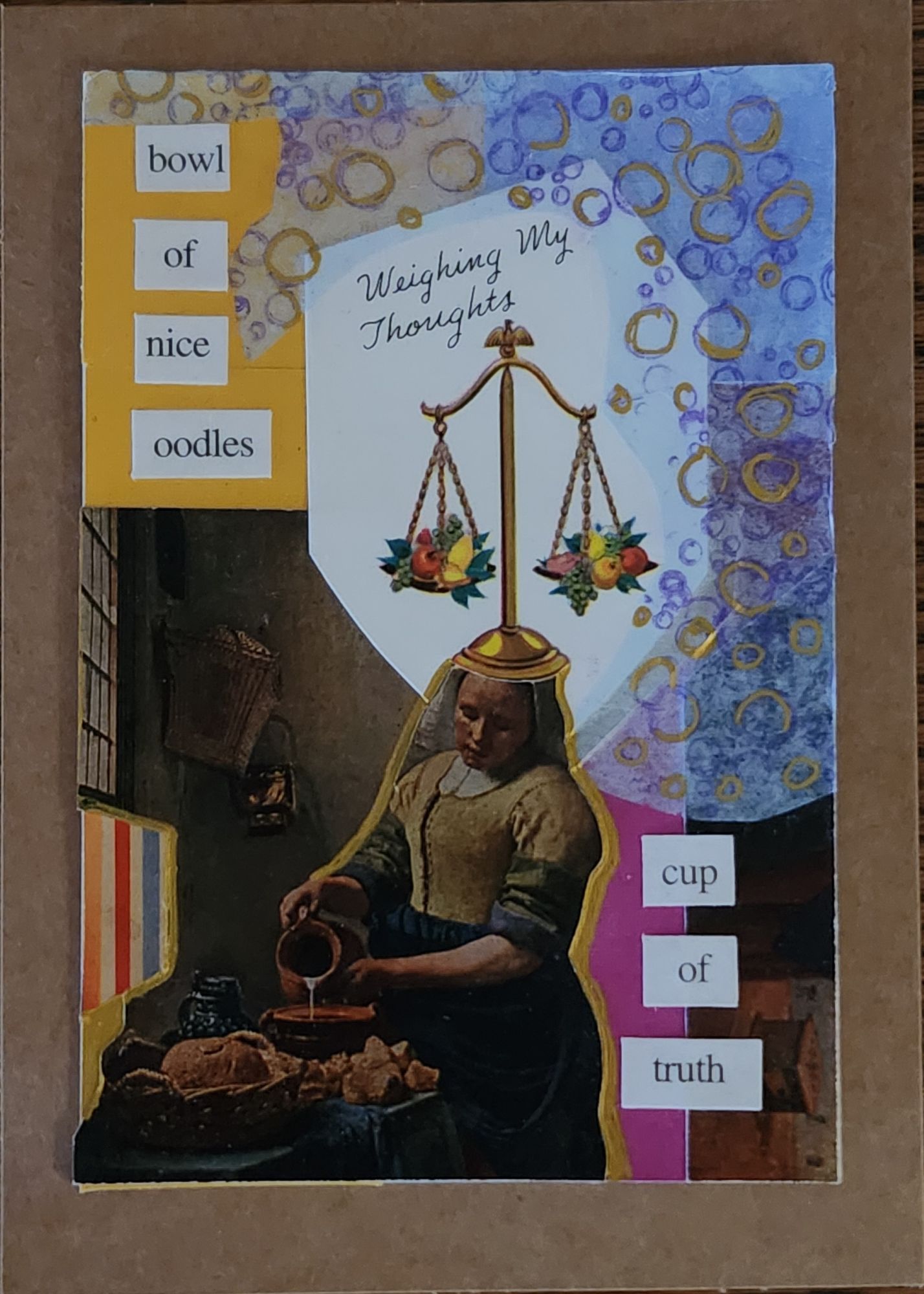
Dial into this easy listening station from your heart.

In the quiet hours after he died, I heard Dad’s voice clear as a bell inside me. Left chest, near my heart, broadcasting from a heavenly radio station.

He’s not an advice line. More like a tinkling piano in an airport lounge where it’s always sunset or sunrise somewhere.

It’s not just him. My grandmothers have a talk show, conspiring on our behalf from the front porch of a woodsy cabin. Some of my aunts are traveling the span of the universe on magic carpets, and sending back reports.

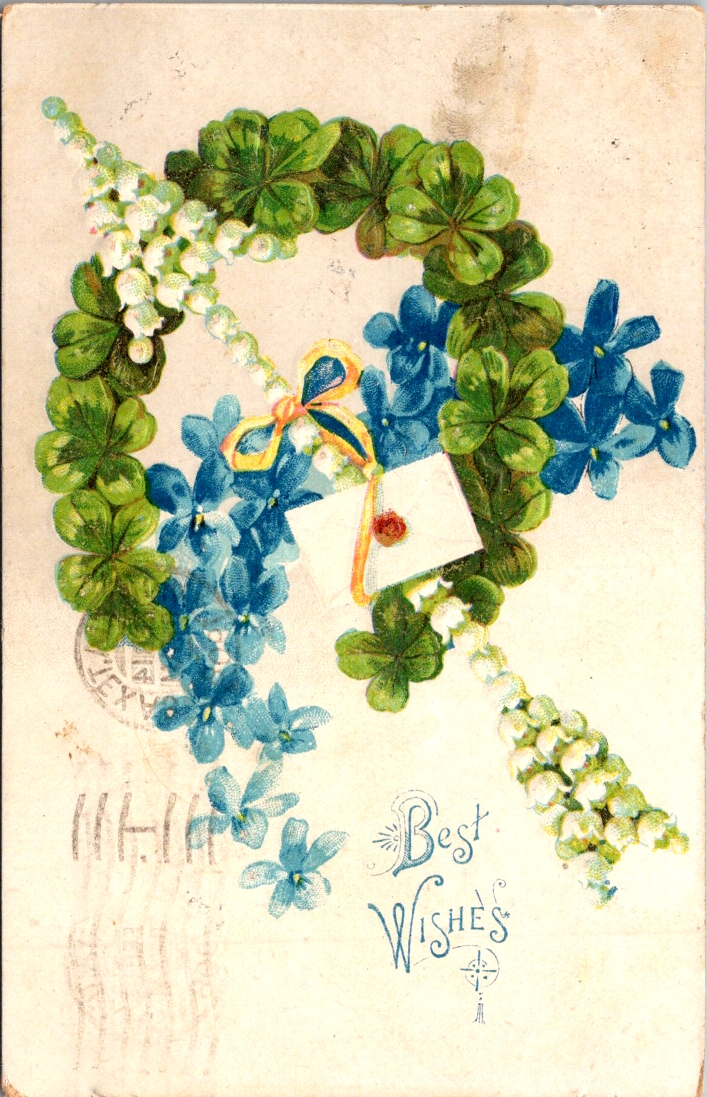
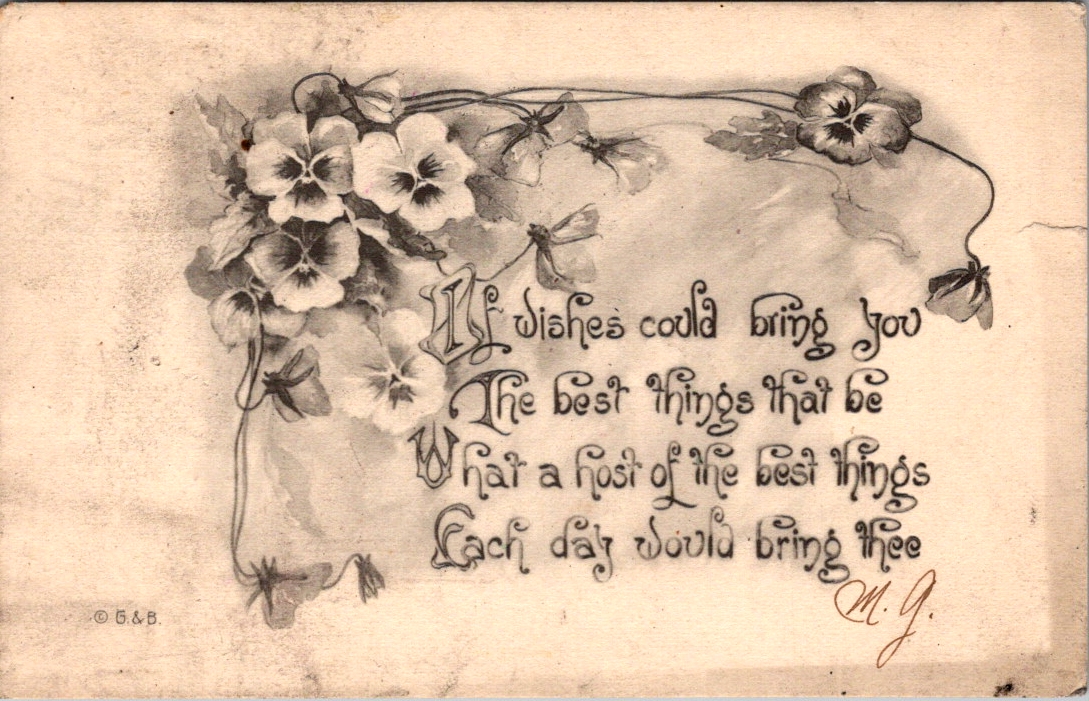
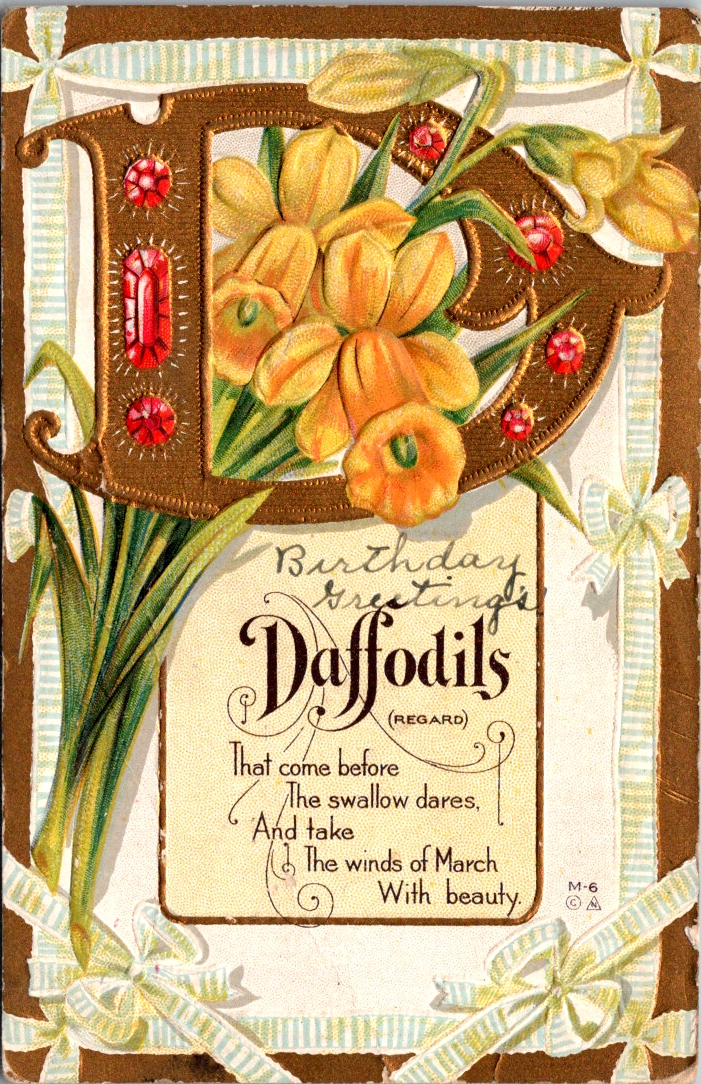
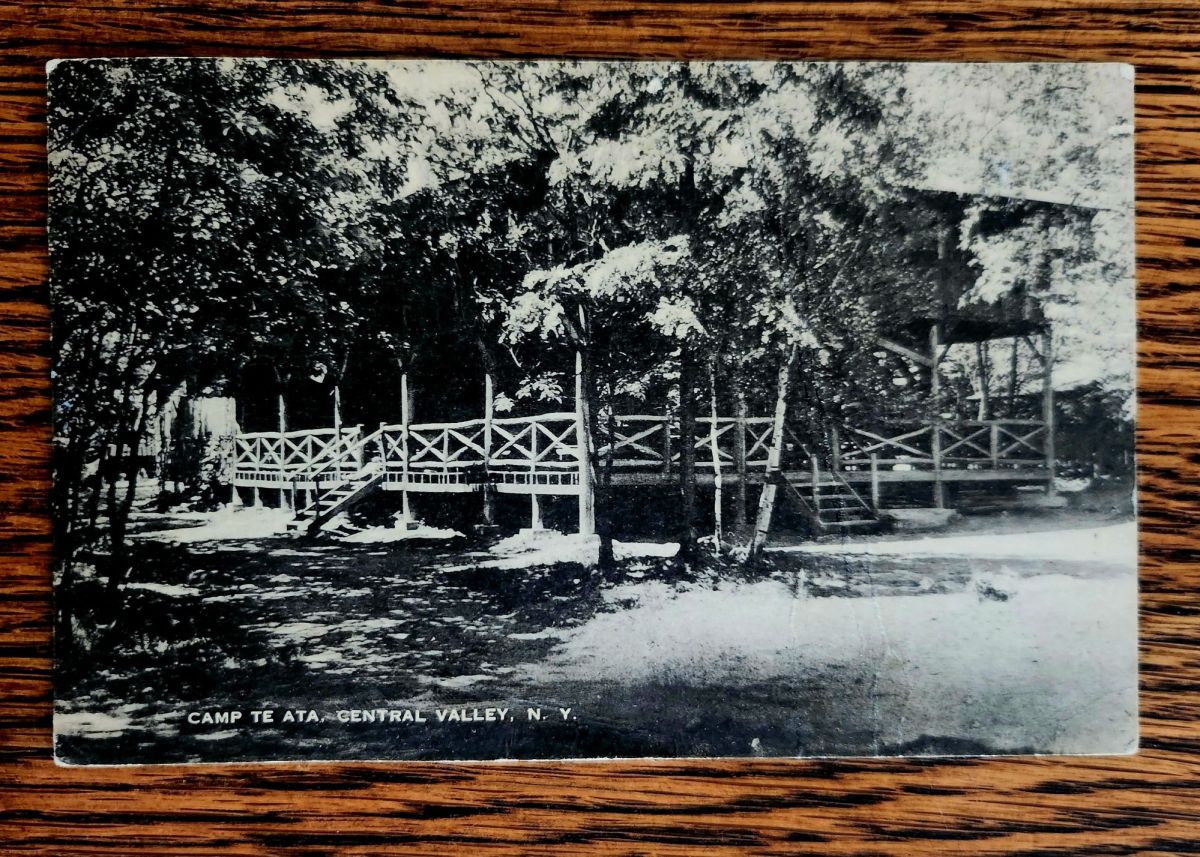
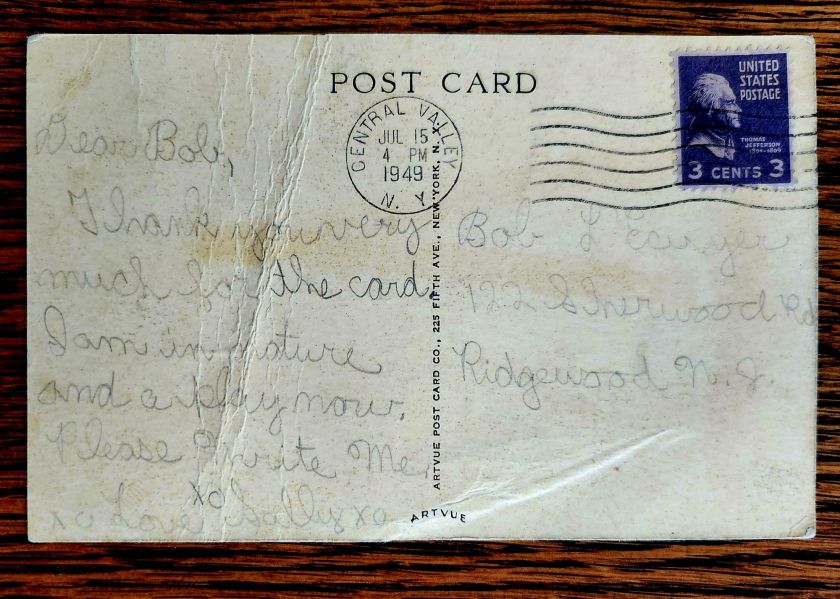
Dear Bob, Thank you very much for the card. I am in nature and a play now. Please Write Me. xo xo Love Sally xo

Sally writes to Bob from stayaway camp in upstate New York

Ancestors Radio is on in the background all the time. I put on piano music in the house to dial in. Humming along and half-listening, I grasp what I can, especially as it relates to family stories and postcards. Little magic carpet rides, too.

We’re into a new season of wonder, now. Awe is on the air. Stay tuned!

Holiday Gifts Under $15

Catch Up on The Latest Series

Places Past

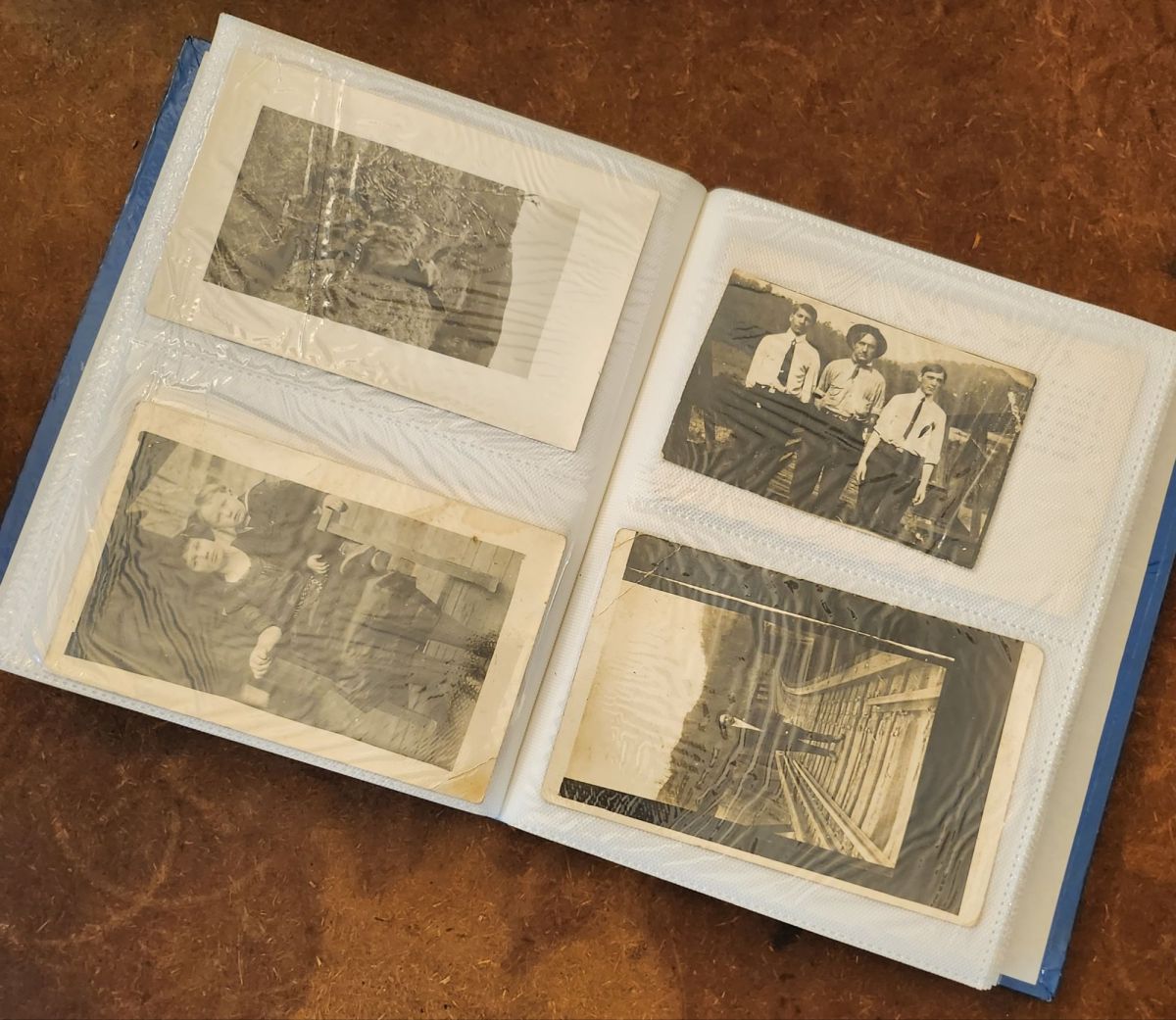
One enigmatic postcard album is my companion for the next three weeks. Pages of rare black & white photos tell of people, places, and property, but with scant details of who they are, where they are, or what is happening. The past is present in these images, but not at all reliable.

It may seem too obvious to point out, but postcards move around over time. Cherished memories first organized in a new, handsome album sit in the front room for a decade or more before migrating to a study drawer, a garage, or a dusty attic.

If the album is later unearthed or given away, a collector might save it as an artifact of a bygone time. Or, they could pull it apart (mercilessly) to be sorted again into categories by geography or historical era.

After one collector is gone, the sifting and sorting can be nonsensical and misleading. Storylines get separated, and suddenly history relies on little more than a few questionable clues.

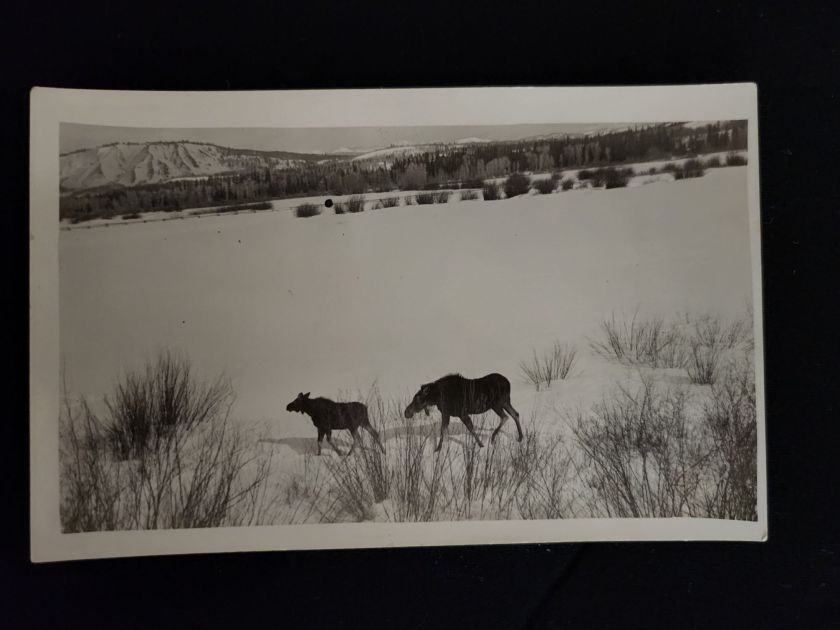
Landscapes get lost first, along with the creatures that inhabit them. The wolf, the moose, the fawn, and the prairie dogs in the snow were known only briefly to the soul who got the shot. To us, they are familiar ghosts.

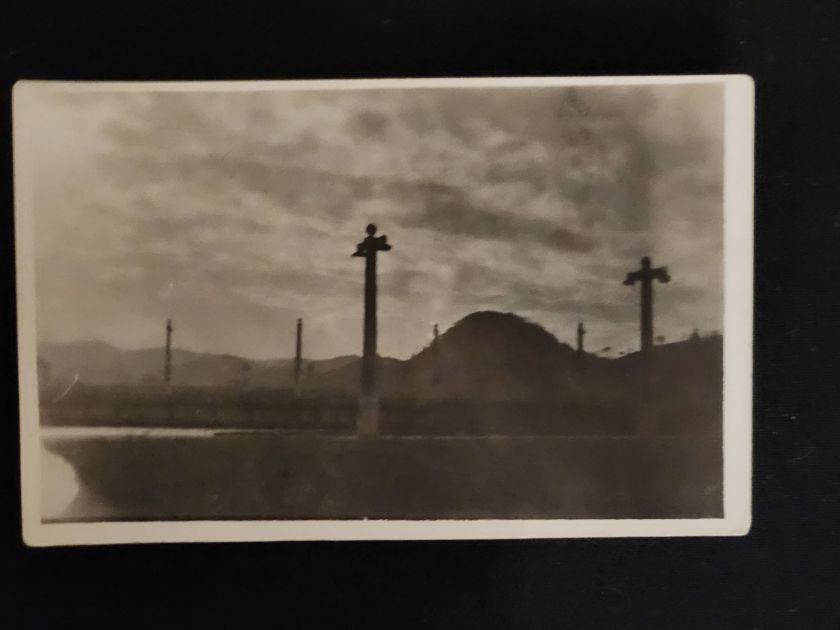
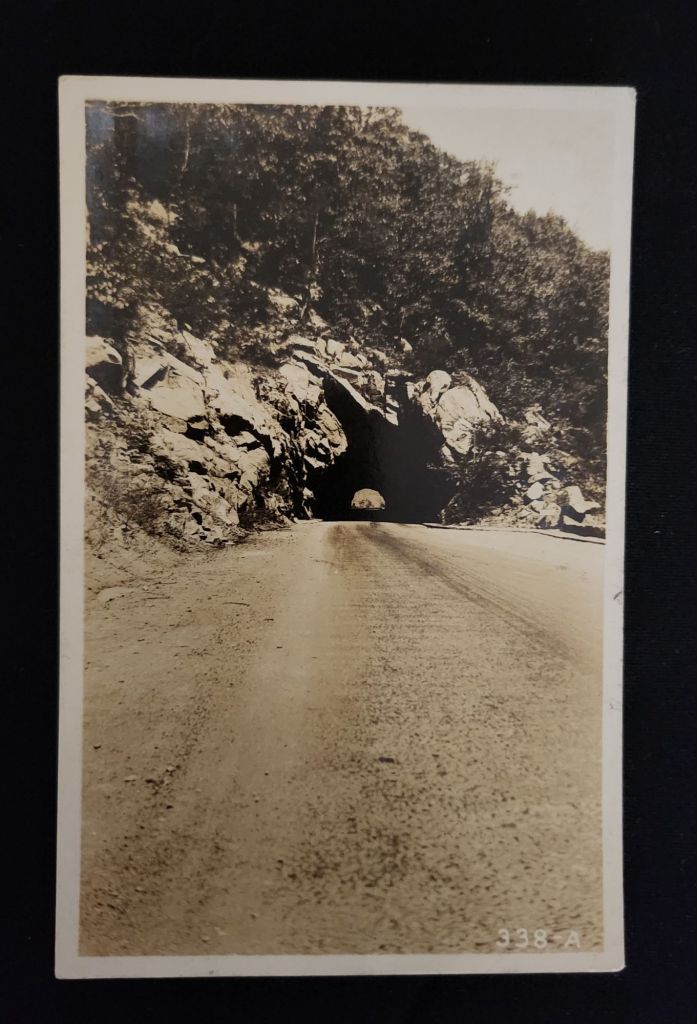
And, what about the trees, the lakes, the frozen road, and the sandstone tunnel? I know they were likely loved in their day. Still there? Maybe. The tunnel could elicit some belabored guesswork. But, why?

I’ll be walking in the trees quite a bit in the next three weeks, taking pictures that I will share liberally on social media and won’t label properly. I doubt it would bother you. After a century or so, we can live with anonymous scenery and abstract wildlife. A picture can lose its place.

But, there is a certain creative tension ahead when it comes to people and property. The desire for a real story gets stronger, to find the ‘where’ there. Who are they, and what can they say about us now? Despite the lack of evidence, we can’t help searching. Stay tuned.

Adventures Ahead

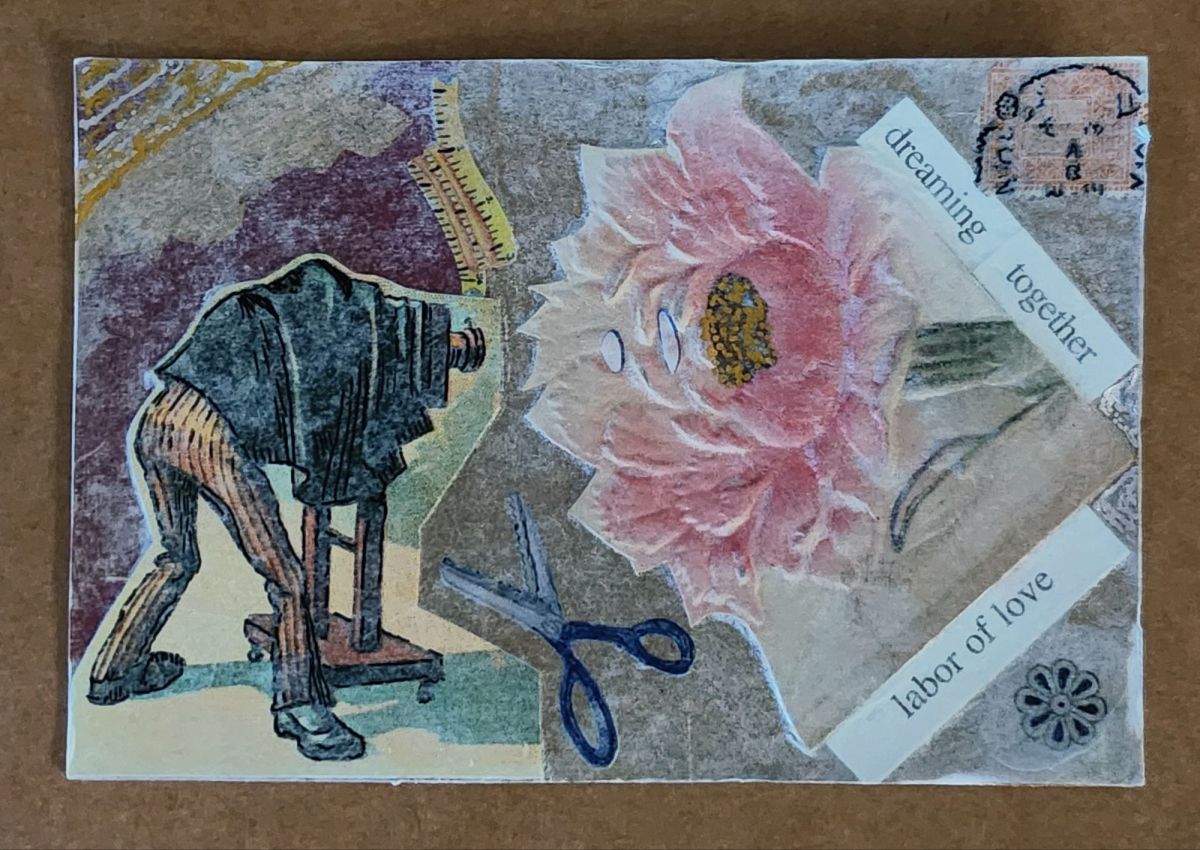
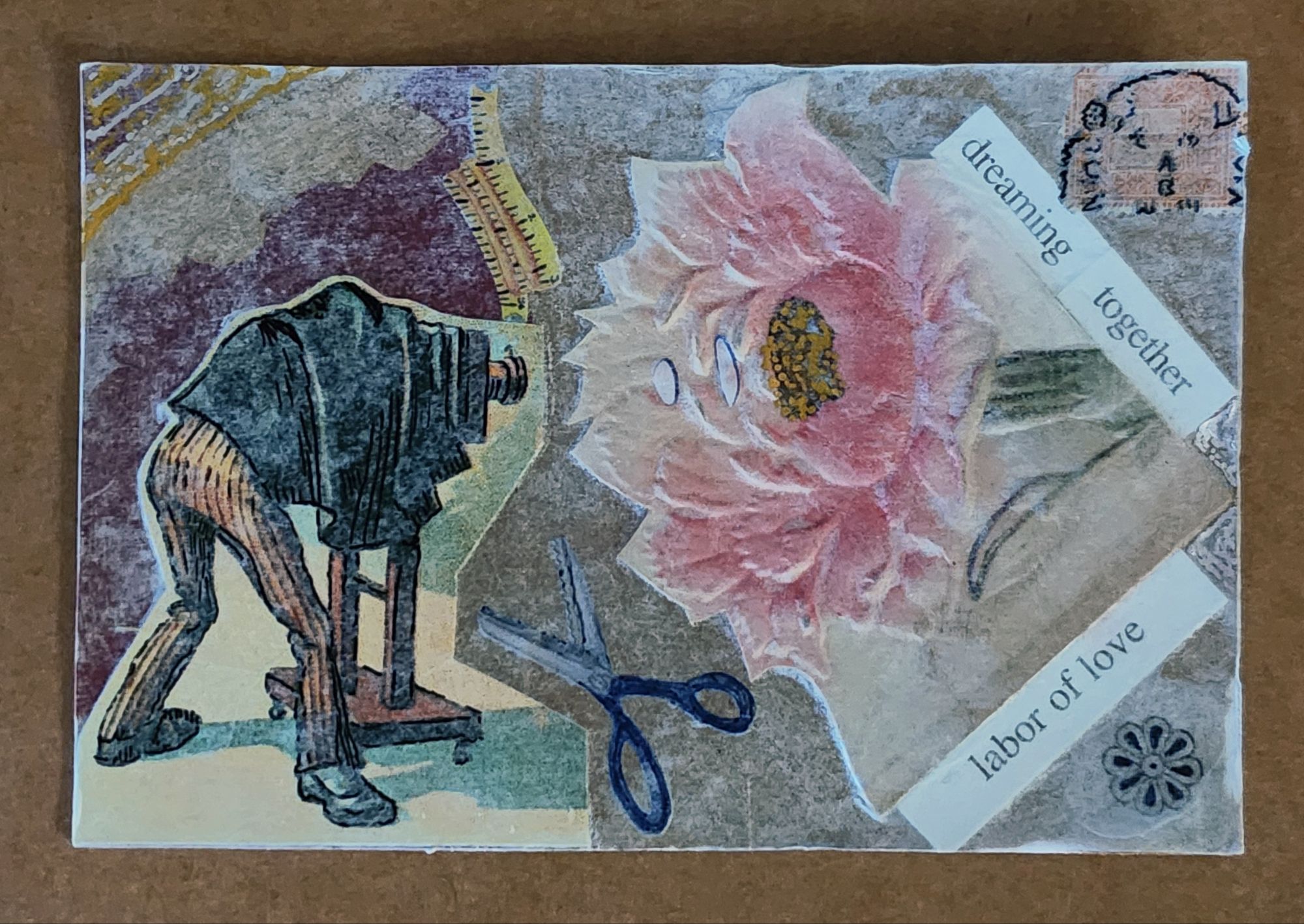
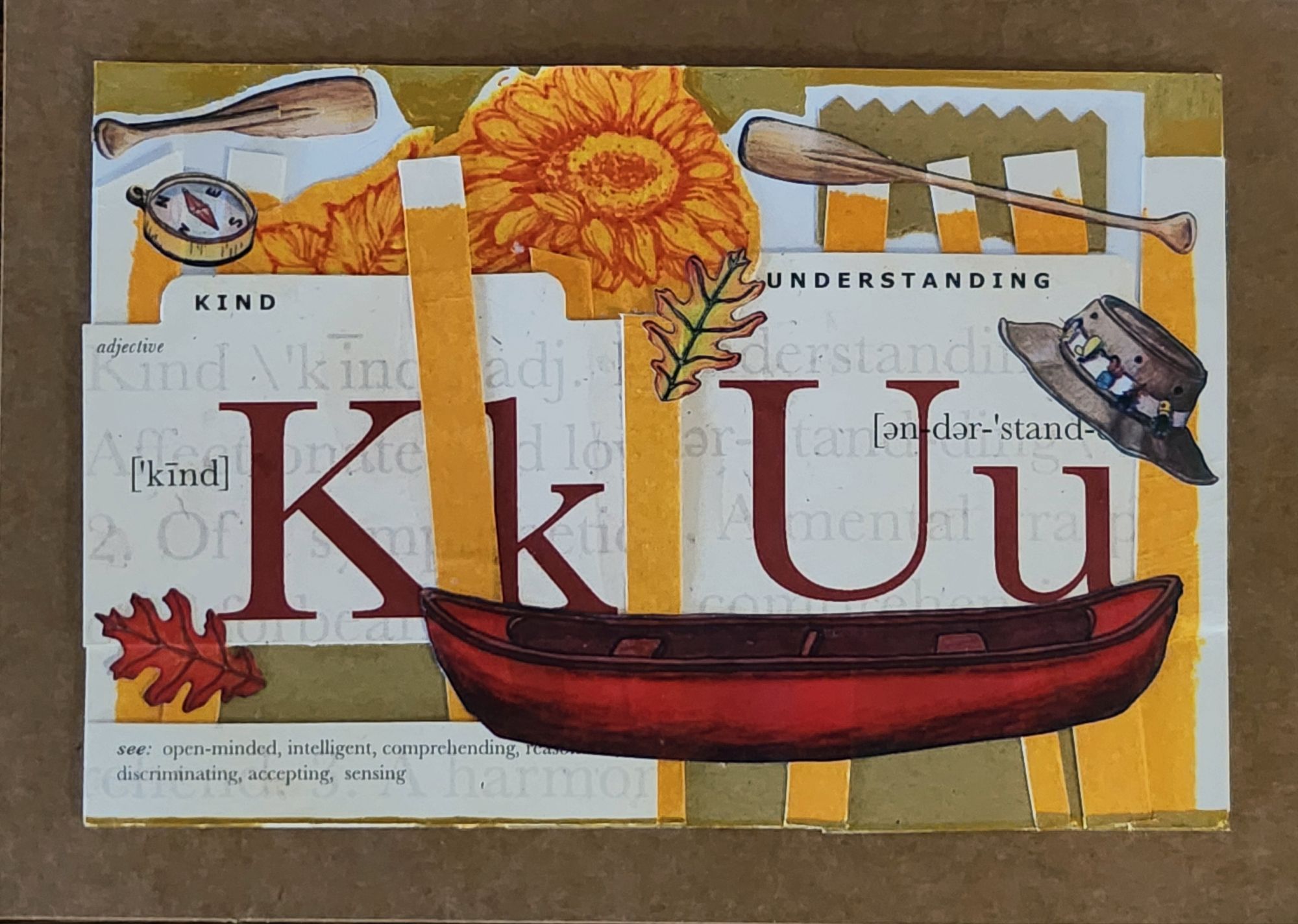
Dad is onto his new adventure in heaven, and an art card is just one way to say farewell.

Weeks like this are worth recording in words, and the promise still stands to write more about Dad. But the sweet relief of an art card is another way to grieve.

I made this card over at my brother’s place last weekend with close family and in comfy clothes. Different from the formal program or my remarks at his funeral today, this was a chance to love simply with heart and hands.

It’s true that Dad was kind and understanding, and I did pluck from the supply box some bits and bobs that would work. But the magic mashup happened there at the table, with the conversation zigzagging across the room, and a chance to say it all the Kansas colors he loved. I did take some creative license; he had a hat just like that but never a canoe.

While postcards are printed by the millions, an art card is only ever itself. Unique, like each of us. Admired, just as it is. Always a chance to find meaning in the odd remnants of this life we love.


landscapes by larry l’ecuyer

In this month’s gallery, the painted postcards our brother lovingly sends.

A Streetcar Back in Time

Room enough for all of us to go from here to there, and back again.

Featured Postcard~
New Orleans French Market A CENTURY AGO

An early 20th century scenic postcard showcases the iconic French Market in New Orleans’ French Quarter.

Front of the card: The photograph shows the vestibule of the historic French Market, featuring tall, weathered French/Creole Colonial columns supporting a slatted roof. Perspective draws the eye down the long corridor, emphasizing the market’s impressive scale. The covered walkway displays produce, baskets, and merchandise on tables and in crates. The image captures a rare moment when the hallway of vendors face the camera. Hand-colored rose tones reflect the market’s timeless atmosphere with pops of green and blue artfully applied. Caption: Vestibule, French Market, New Orleans, La.

Back details: The left panel explains the market’s history:

This card shows the interesting old columns erected, 1822. While the roof of the market has been repaired many times, the old columns have stood as originally put, without fire aid to the injured.

Published by Lipsher Specialty Co., 320 Magazine St., New Orleans. Standard divided back format with decorative script and postage rates listed: Domestic One Cent, Foreign Two Cents.

Historical significance: The postcard documents the French Market’s appearance in the early 20th century. Established in the 1790s, the market served as a vital commercial hub where vendors sold fresh produce and handcrafted goods. Instructions to “Take French Market car from Canal St.” reflects the streetcar system and emphasis on tourism. This postcard dates to 1922-1925, based on combined evidence of one-cent postage, the specific streetcar reference, and hybrid halftone-collotype printing (Aquatone process was patented in 1922).

Condition and Appeal: The card displays excellent color saturation, with clear and interesting details and minimal defects. Tiny nicks on two corners, with yellowing on the reverse typical of age. Image and text provide valuable historical context, appealing to collectors of New Orleans memorabilia, architectural history enthusiasts, and those interested in early 20th century American commerce. The French Market remains active today, making this postcard a fascinating glimpse into its enduring legacy as a cornerstone of New Orleans culture.

Today’s Art Card & Gallery

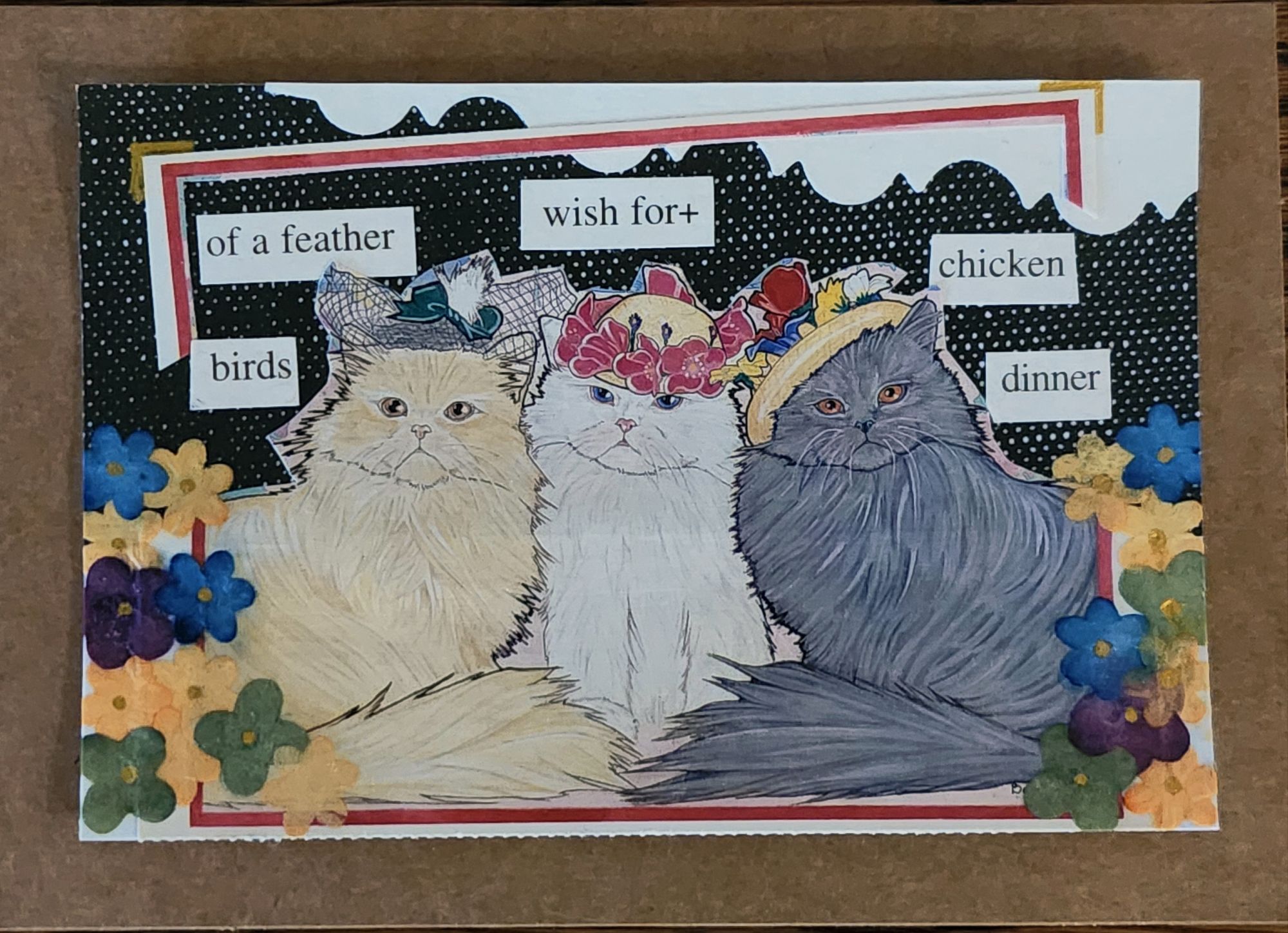
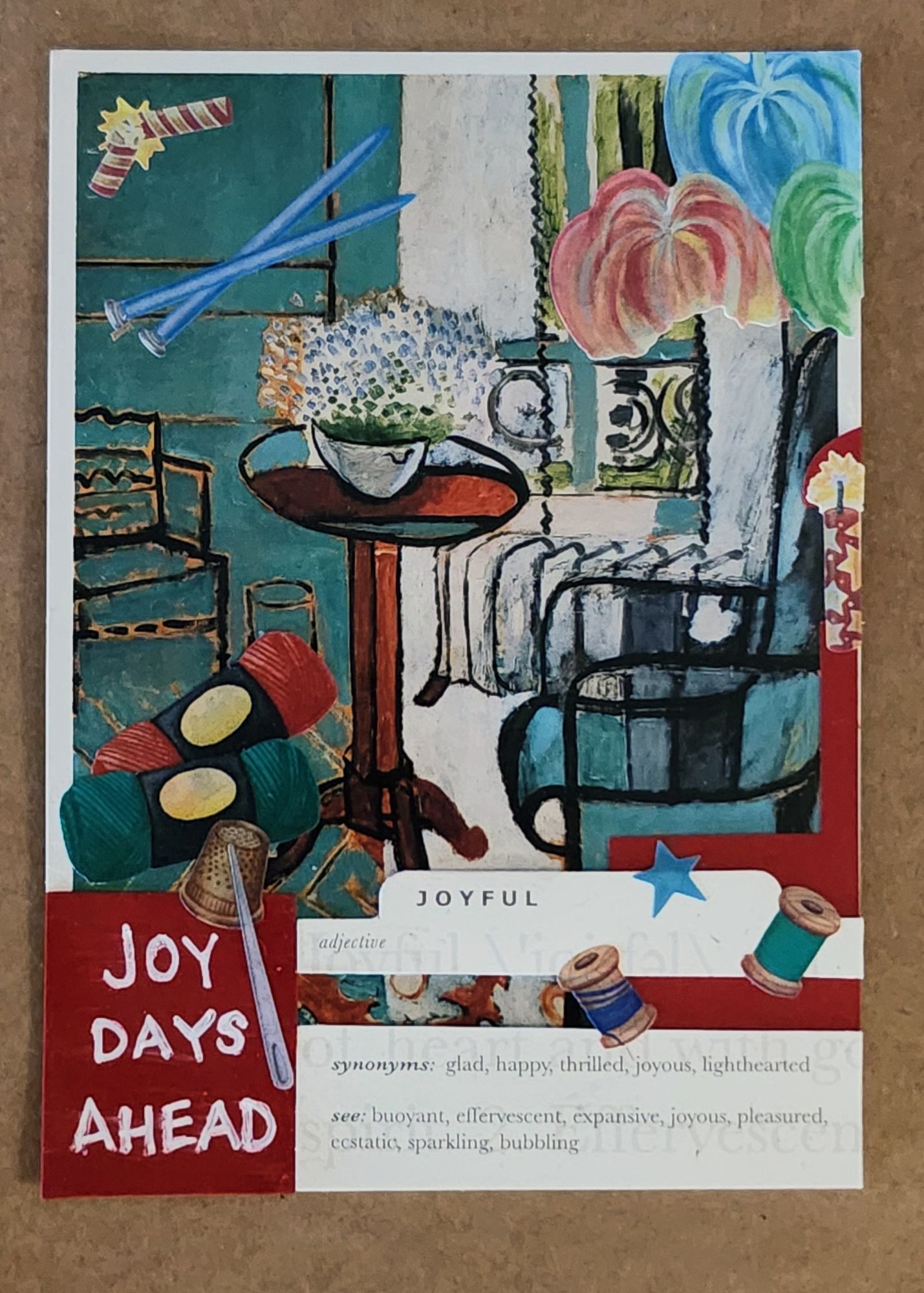
The gallery features Landscapes by Larry L’Ecuyer, and here is a fun art card from Anne this week. Winner, winner, chicken dinner!


open call for art cards!

The World’s Smallest Artist Retreat (our P.O. Box) is awaiting your art card submission. Details here!

Art card kits ~ gift or fun for you!

Our Art Card Kits are perfectly-packaged as a fun, creative activity for you and a friend to complete in as little as an hour or made into a lovely afternoon.

Something from Nothing

In her latest essay, Anne explains what we’re doing here 🙂

Still in the Ring

Here we go! The Posted Past heads into the fall season with rare cards, a new gallery, and a social mission to trade loneliness for connection.

featured postcard~
rare novelty card still holds a mystery

An early 20th century novelty postcard featuring humorous photography and personal correspondence from Missouri.

Front of the card: The photograph shows a young Black man in white shirt, suspenders, and dark trousers, grinning while holding a large broken umbrella overhead in a playful pose. Below reads the humorous caption “A little disfigured, but still in the ring”—typical novelty humor from the postcard craze era. A black border frames the photograph on cream cardstock.

Back details: The reverse bears “Carbon Photo Series No. 513” identifying the commercial publisher’s series. Addressed to Miss Grace Skillman in Pleasant Hill, Missouri, with a green 1-cent Franklin stamp and clear 1908 postmark. The handwritten message describes an exhausting early morning wait in Lee’s Summit for “Brother and Frank,” and promising a longer letter that evening.

“Still in L.S. haven’t slept but about ten minutes. My eyes looks like two burnt holes in a blanket. Brother and Frank hasn’t come yet. I will wait till 7.30 and then go home. Will write tonight. Just finished my breakfast. I will eat if not sleep. I got here ten till five.

Condition and Appeal: The sepia-toned image displays characteristic early photography with some age spots, and a nicked corner. The image and reverse side remain in good condition with clear photography and legible handwriting. The “Carbon Photo Series” indicates premium production using carbon-based printing methods prized for superior image quality and archival stability. Grace Andre Skillman was born in Pleasant Hill in 1889, making her nineteen when she received this card. The message and the lack of formal salutation and signature suggest this is casual ongoing family correspondence. As a result, the author of the postcard remains a mystery.

Vintage novelty postcards are increasingly collectible, especially numbered commercial series with documented recipients. Collectors of African-Americana may find the image appealing and relatively rare. The combination of carbon printing technology, humorous subject matter, and personal correspondence is of interest to collectors of vintage photography, postcard enthusiasts, genealogy researchers, and those focused on early 20th century American social history and communication.

Introducing~
The Posted Past Art Card Gallery

A selection of Larry L’Ecuyer’s watercolor landscapes are on display in our Online Art Card Gallery. Fitting as our first show. Enjoy!

Watercolor postcard showing a serene lake scene with mountains in the background and tall grasses in the foreground
Countdown to a Lakeside Getaway, 2025, Larry L’Ecuyer, watercolor on postcard

NEWS & UPDATES~
art card call for submissions is open

The World’s Smallest Artist Retreat (our P.O. Box) is awaiting your art card submission. Follow one rule to join the next open show. Details here!

Art card kits now in stock

Our Art Card Kits are perfectly-packaged as a fun, creative activity for you and a friend to complete in as little as an hour or made into a lovely afternoon.

The kit includes two postcard blanks, six vintage finds curated to the chosen theme, and a bundle of collage goodies for your whimsy. There is a free gift inside, too!

Once you’re done, surprise someone with an original art card in their mailbox. Or, send it back to us to include in the next online show. Either way, you’ll have cultivated a little joy in your garden.

Order your kit here 🙂

All of the Above

Words to heed and repeat, and a life’s work to regard.

George Washington Carver Educational Postcard

This vintage educational postcard (likely printed in the mid-1960s) features quotations from agricultural scientist George Washington Carver (1864-1943), displayed on an exhibit at George Washington Carver National Monument. The card presents Carver’s thoughts on success, preparation, and nature alongside his portrait. Carver, born into slavery, became a prominent botanist and inventor who developed hundreds of uses for crops like peanuts and sweet potatoes while teaching at Tuskegee Institute for 47 years.

I love to think of nature as an unlimited broadcasting system, through which God speaks to us every hour, if we will only tune in. — George Washington Carver

The George Washington Carver National Monument, established in 1943 near Diamond, Missouri, was the first U.S. national monument dedicated to an African American. Located at Carver’s birthplace, it preserves his legacy and the 1881 Moses Carver house where he lived as a child. The National Park Service now manages the 240-acre nature preserve and historic site.

To Read More:

• National Park Service – George Washington Carver National Monument: https://www.nps.gov/gwca/

• Tuskegee University Archives – George Washington Carver Collection: https://www.tuskegee.edu/

• Smithsonian National Museum of American History – George Washington Carver: https://americanhistory.si.edu/

• Library of Congress – George Washington Carver: https://www.loc.gov/

• Iowa State University – George Washington Carver Papers: https://www.library.iastate.edu/

Call for Submissions Open Now!

The summer slow-down is coming to a close, and The Posted Past is launching into a new phase as a social enterprise. On Wednesdays, you’ll still receive a weekly wander through postcard history, along with a new focus on rare cards, and a regular review of the art cards we receive at the World’s Smallest Artist Retreat (our P.O. Box). More inspiration as our circle expands. Wisdom, wisecracks, and butterfly wings. See you in September… next week!

1972 Tourism Year of the Americas

These vintage postcards from the 1972 Tourism Year of the Americas reveal fascinating questions about natural landscapes, heritage, monuments, and whose stories we remember and tell.

In summer 1972, the United States Postal Service issued commemorative postcards that would become enduring symbols of national identity. These postcards, part of the Tourism Year of the Americas campaign, featured iconic destinations with restrained elegance—their two-color printing was both artistic and economical. As America stood at a cultural crossroads, this postcard set tells a familiar American story. More than five decades later, they reveal even more about how a nation sees itself.

Commemorative Moments

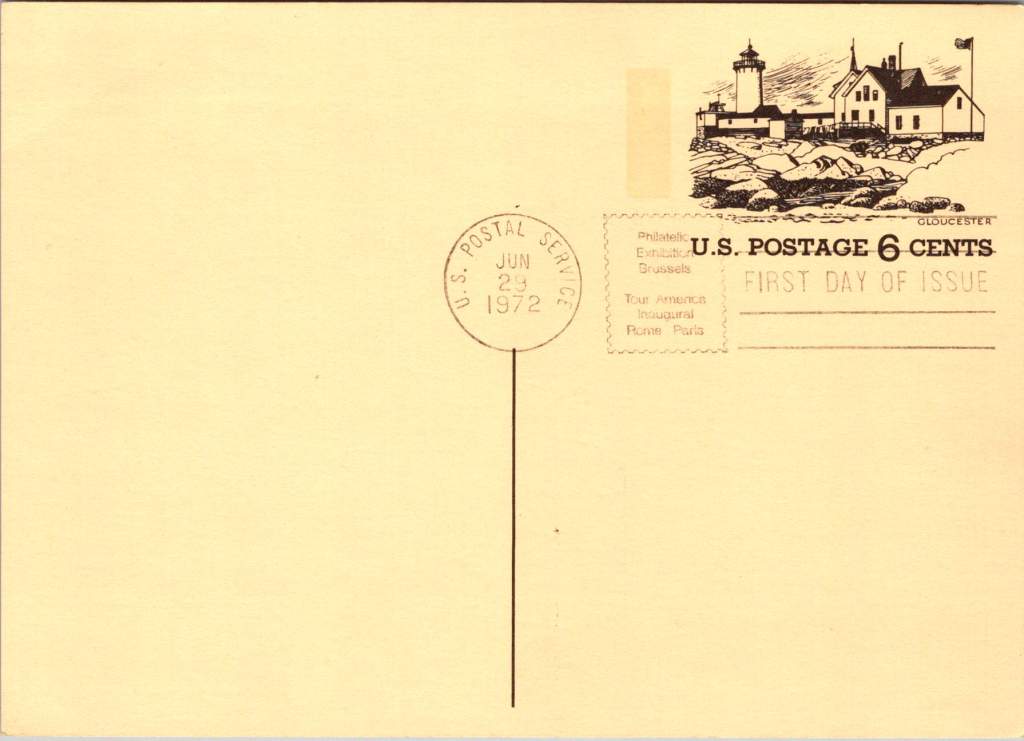
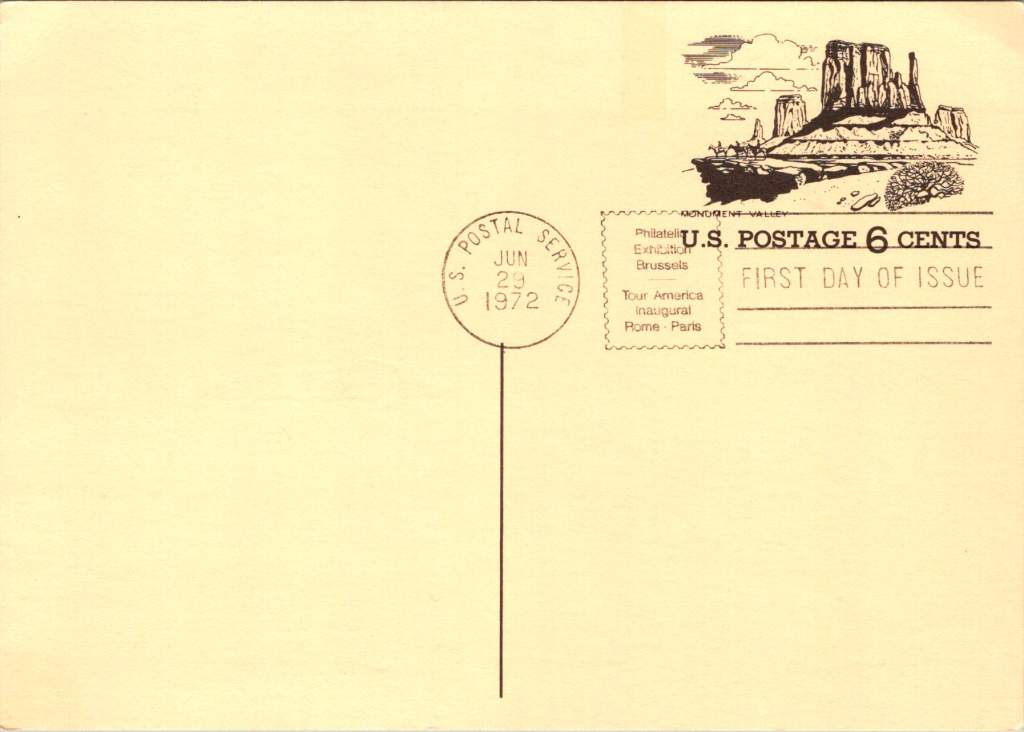
First Day of Issue cancellations mark a special moment in time, and signal that an item is expected to be collectible. The postcards were cancelled on June 29, 1972, bearing the commemorative text “Philatelic Exhibition Brussels” and “Tour America Inaugural Rome – Paris.” These international exhibitions promoted American tourism during the Cold War, when cultural diplomacy served as essential soft power.

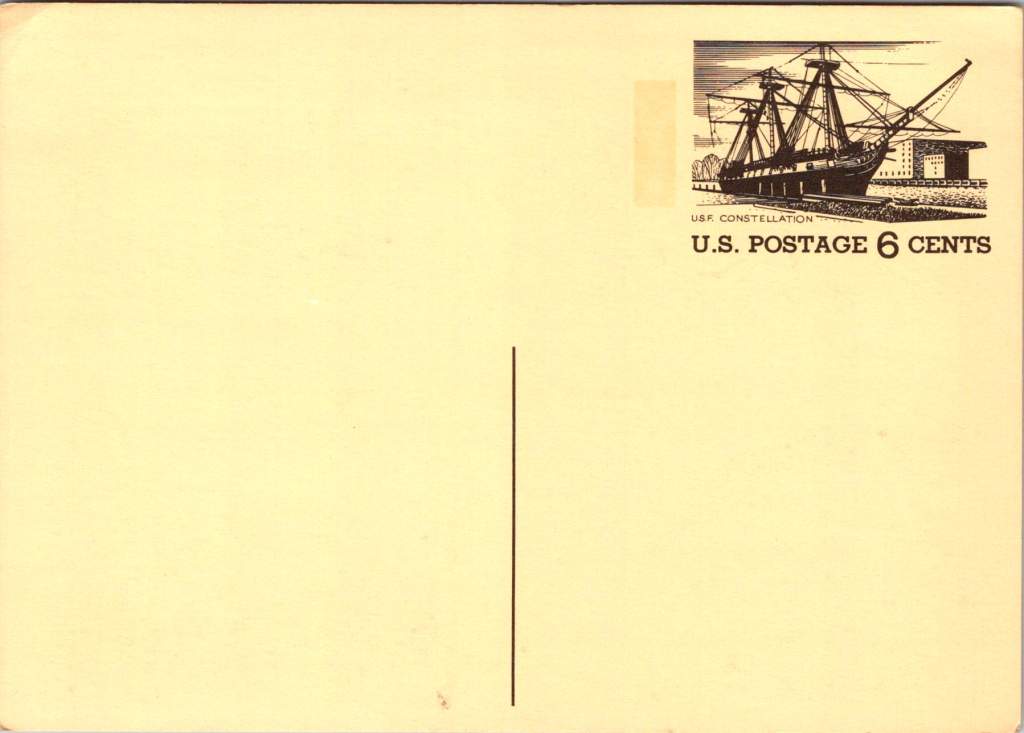
The carefully designed cancellation artwork includes USS Constellation (6¢), Gloucester (6¢), Monument Valley (6¢), and Niagara Falls (airmail 15¢). These rates reflected the newly reorganized United States Postal Service which had become its own entity the year prior. The 1972 Tourism Year of the Americas was an ambitious initiative from the new quasi-independent agency, emerging alongside Nixon’s opening to China and détente with the Soviet Union.

USS Constellation, the last sail-only warship built by the U.S. Navy (1853-1855), served as flagship of the Africa Squadron from 1859–1861. The ship captured three slave vessels, enabling liberation of 705 Africans. During the Civil War, Constellation deterred Confederate cruisers in the Mediterranean. The selection represented naval heritage and anti-slavery efforts, though it still centered the naval victory rather than those who gained freedom.

Niagara Falls has attracted visitors for 200 years, becoming the symbolic heart of American tourism. The 1883 Niagara Reservation became America’s first state park, influencing national park creation. Current visitor statistics show enduring appeal: 9.5 million tourists visited Niagara Falls State Park in 2023, with the region welcoming 12 million visitors yearly.

Monument Valley reflect the West’s central role in national identity by 1972, immortalized through Hollywood and environmentalism. Yet Monument Valley sits within Navajo Nation territory, while Grand Canyon encompasses land sacred to multiple tribes, including the Havasupai, whose reservation lies within park boundaries—reminders that park creation displaced Native communities.

Gloucester, America’s oldest seaport, sustained coastal communities for centuries. The lighthouse image evoked both practical maritime safety and romantic notions of New England’s rocky shores, while Gloucester’s working harbor embodied the intersection of heritage preservation and living tradition. By 1972, this historic fishing port faced the tension between maintaining its authentic maritime culture and adapting to tourism pressures—a challenge that made it a fitting symbol.

Artistic Vision

The front of the postcards render multiple iconic American locations in distinctive engravings in an economical two-color print run, an important factor for a the government printing office.

The collection showcases a deliberate balance. Yosemite represents natural power and America’s first national park. Missisippi Riverboats and the Rodeo embody western majesty central to national imagination. DC Monuments offer overt patriotism and Williamsburg and the Liberty Bell connect to the tremors and tolls of colonial democracy.

Even in 1972, these were selective narratives. All featured natural sites exist on traditional Indigenous lands, for example, while largely omitting Indigenous perspectives and enslaved people’s contributions to our cultural histories.

Many featured locations are sacred sites to Indigenous communities. Some of the most sacred places for American Indian nations are located in national parks, yet access to holy ground remains contentious. Park creation often involved displacing Native peoples from lands they had stewarded for millennia.

The year 1972 was tough in other ways: Vietnam War divisions, emerging Watergate scandal, and generational alienation over the military draft. These postcards presented a different kind of unity. Rather than contemporary political divisions, they emphasized natural wonders and historical sites that transcended partisan conflicts.

During the Cold War, these postcards served as miniature global ambassadors, too, often providing people’s first visual encounter with American landmarks. They projected America as worthy of visiting and learning about, countering negative impressions from political controversies.

The postcards themselves embody crucial democratic principles: making heritage accessible through affordable media; connecting tourism to conservation through revenue and public appreciation; and revealing how commemorative choices reflect national values. The geographic diversity suggests a desire for the fullest of American experiences, though these 1972 selections still privilege certain narratives.

New Memories

These postcards continue to offer insights into American values and heritage preservation evolution. USS Constellation still serves as a museum ship in Baltimore’s Inner Harbor. National parks have experienced tremendous visitation growth, raising questions about balancing access with preservation.

In what they don’t depict, the postcards show gaps in whose stories get told, whose lands get celebrated, whose experiences get centered. While 1972 selections emphasized traditional narratives, contemporary views increasingly include previously marginalized perspectives, acknowledging Indigenous heritage alongside colonial and national stories.

These artifacts remind us that commemorations reveal values and priorities. As our historical understandings evolve, it’s wise to look back and look again.
To Read More

Coblenz Continued

When I connected with European researchers writing a book on the married Swedish/German photographers, Lindstedt and Zimmermann, we discovered that last week’s trove of real photo postcards is quite rare. Even better, we found more.

New Discoveries from a Lost Archive

Last week’s essay examined the American occupation of Coblenz, a unique period of military history, through the photographic lens of Lindstedt & Zimmermann. The Lindstedt & Zimmermann studio was destroyed during Allied bombing in World War II, decimating their archive and rendering the surviving examples of their work as uncommon historical artifacts.

The exchange with the research team prompted another search through our postcard collection resulting in the discovery of 25 additional images. Most can be attributed to Lindstedt & Zimmermann based on stylistic elements, materials and subject matter. Some bear the mark of other photographers including Paul Stein, another Coblenz studio. Ten photographs document the catastrophic flood of the Rhine in January 1920 – images that likely haven’t been seen in a century.

The Great Flood of January 1920

The January 1920 flood represented one of the most significant natural disasters to impact the American occupation forces during their tenure in Germany. The handwritten note on one postcard reveals both the severity of the flood and its impact on the American presence. This mixed German-English description captures the cross-cultural nature of the occupation.

“Der Rhein hat über its banks geflowed und Uncle Sam’s autos gdamaged. The river is the highest in over a hundred years, almost beyond my memory!”

The photographs show numerous small boats navigating the water and automobiles partially submerged in floodwaters, with bridges and buildings visible in the background. These images provide rare documentation of a significant environmental event that temporarily disrupted occupation activities and required adaptation by both American forces and local residents.

Harlem Hellfighters

This very rare view shows what appears to be members of an African American regimental band with their instruments at Romagne, France. Black men served in segregated units during World War I, with regiments such as the 369th Infantry (the “Harlem Hellfighters”) earning recognition for their service. Their regimental bands played an important cultural role, introducing European audiences to American jazz and ragtime music. These musical ambassadors created cultural connections that transcended the military context of their presence. The inclusion of this photograph adds an important dimension to our understanding of the American military presence in post-war Europe, highlighting the contributions of African American servicemen whose stories have been marginalized in historical accounts.

YMCA Women

The expanded collection also includes two formal portraits of women in YMCA uniform, complete with the organization’s distinctive triangular insignia on hat and lapel. Sometimes called Y girls, female YMCA workers provided essential services for American soldiers stationed far from home. They operated canteens, organized recreational activities, offered educational programs, and provided a connection to American civilian life that helped maintain morale during the occupation period.

The YMCA was among the few organizations that deployed American women to work directly with troops overseas during this era. These women volunteers typically came from educated, middle or upper-class backgrounds and represented an early example of American women engaging in international service work. Their presence added a civilian dimension to the occupation and helped create environments where American soldiers could productively spend their off-duty hours.

Military Pageantry and Daily Operations

One striking photograph shows the 76th Field Artillery Regiment arranged in a “living insignia” formation, with soldiers positioned to create the unit’s distinctive diagonal striped insignia, surrounded by artillery pieces. This type of military display was meant to demonstrate American capacity while building unit cohesion and pride, and perhaps avert a little boredom.

In contrast to these ceremonial arrangements, other photographs document the practical transportation and logistical elements that supported daily operations. An image of a young driver with his heavy-duty truck along what appears to be the Rhine riverbank represents the essential supply operations that maintained the American presence. The vehicle’s utilitarian design with solid rubber tires, wooden spoke wheels, and large cargo bed illustrates the practical equipment used to transport supplies, equipment, and personnel throughout the occupation zone.

French Military Presence

The next image shows a group portrait of four French soldiers in their distinctive uniforms. Easily identified by their characteristic “Adrian” helmets with the prominent crest ridge along the top and the horizon blue (bleu horizon) uniform that became emblematic of French forces during World War I, these men represent the broader Allied presence in post-war Germany.

France maintained the largest occupation zone in the Rhineland, reflecting their particular security concerns regarding Germany. French forces occupied territories including Mainz, while American forces centered on Coblenz and British forces on Cologne. Later, French forces took over the Coblenz occupation.

The portrait format was typical of military mementos during this era, allowing soldiers to document their service and send images to family members. The survival of any images at all is due to this distribution by soldiers to their home countries.

Beyond Coblenz

Not all images in the collection were taken in Coblenz itself. One photograph shows American personnel in a touring car filled with passengers in what may be the French Riviera, identifiable by its distinctive palm trees and Mediterranean architecture. Dating to 1921-1923 based on the automobile’s style, this photograph represents the recreational opportunities available to some American personnel during leave periods from their occupation duties.

Europe allowed for cultural and recreational experiences that would have been impossible for most Americans of this era. For many young Americans serving in the occupation forces, this European assignment represented their first—and perhaps only—opportunity to experience the wider world beyond their home communities.

Visual Legacies

The survival of these photographs, particularly those documenting the 1920 flood, represents a remarkable preservation of visual history that might otherwise have been lost entirely. With the bombing of the Lindstedt & Zimmermann studio during World War II, the unique nature of real photo postcards, and the general fragility of materials from this era, each surviving image offers a rare window into this formative period in world relations.

Karl and Änne Zimmermann’s work, along with that of contemporaries like Paul Stein, provides an invaluable visual chronicle of the first American occupation of European territory—a precedent for the much larger American military presence that would emerge in Europe after World War II. Their photographs capture not just military operations and formal events but the daily reality of cross-cultural interaction between Americans, French, and Germans during this unique historical moment and place.

Precipice of Peace: Postcards from 1920 Antwerp Olympics

Sometimes a single image can capture the essence of an era. Such is the case with an extraordinary postcard, one of 18 rare images from the 1920 Antwerp Olympics. 

At first glance, it might seem like just another black-and-white snapshot of a bygone event. But look closer, and you’ll find yourself face to face with influential figures of the early 20th century. General John J. Pershing, commander of the American Expeditionary Forces during World War I, is captured in a crisp military salute. Baron Pierre de Coubertin, the father of the modern Olympic movement, instantly recognizable by his distinctive mustache.

This single frame tells a story far greater than the sum of its parts. Shot by an unknown photographer and made into a real photo postcard by Thomas Illingworth & Co., it shows a world emerging from the shadows of war and pandemic. 

A week earlier, US women won the vote and swimmer Ethelda Bleibtrey was about to bring home gold. The greats of the era – Duke Kahanamoku, Suzanne Lenglen, Paavo Nurmi, Frank Foss, and 72-year old Oscar Swahn – embodied the world’s tenuous progress through their excellence and effort in sport.

The accompanying 17 photos show the Parade of Athletes, including Australia, Belgium, Canada, Denmark, Egypt, France, Greece, Italy, Japan, Norway, South Africa, Spain, Sweden, Switzerland, and USA. Each delegation presented themselves to the Belgian King, sometimes with a wave or salute.

Window into 1920

Before we dive into the significance of the individuals captured in this image, let’s consider the medium itself. In 1920, the postcard was more than just a souvenir; it was a vital means of communication and a bearer of visual stories in a pre-digital age.

The postcards we’re examining used light-sensitive paper, a recently available technology in the marketplace. In this case, the Horse Shoe Brand from Thomas Illingworth & Co. – tells us exactly who produced the photographic prints directly from negatives. Each card, despite being a reproduction, was essentially a unique photograph, carrying subtle variations in exposure and tone that mass-printed cards could never match.

The quality of these postcards was remarkable for their time. The ability to clearly discern General Pershing’s salute and the details of de Coubertin’s mustache over a century later is a testament to the craftsmanship involved in their production. It’s also a stroke of luck for historians, providing us with invaluable visual evidence of this pivotal moment in Olympic history.

A General’s Salute: More Than a Gesture

The presence of General John J. Pershing at the 1920 Antwerp Olympics, captured mid-salute, is laden with symbolism. Just two years earlier, Pershing had been commanding millions of troops in the bloody fields of Europe. Now, here he was, saluting not to the drums of war, but to the peaceful competition of nations. The crowd was thrilled when Belgian soldiers released doves of peace to open the ceremonies.

Pershing’s salute was a powerful endorsement of the Olympic movement’s ideals, and a gesture of solidarity to the King of Belgium, who he is facing in the stands. It’s a military man’s acknowledgement that the battlefield is not the only place where nations can meet. The attendance of the two military commanders lent gravitas to the event, underlining the Games’ importance in post-war international relations.

Moreover, Pershing’s attendance highlighted the changing role of the United States on the world stage. The U.S. had emerged from World War I as a major global power, and Pershing’s presence at the Olympics signified America’s commitment to engaging with the international community not just through politics and economics, but through culture and sport as well.

Man Behind the Mustache: Pierre de Coubertin

Baron Pierre de Coubertin is easily identified in the front row by his long and gray mustache. The visionary behind the revival of the Olympic Games must have felt pride and vindication at this moment. For de Coubertin, whose Olympic ideal centered on promoting international understanding and peace through sport, the successful staging of the Antwerp Games was nothing short of a triumph.

The 1920 Antwerp Olympics were the first Games held after the cancellation of the 1916 Olympics due to World War I. The year prior, the Inter-Allied Games were hosted in France, mostly to keep WWI troops occupied in the sudden transition out of war. The fact that de Coubertin stands alongside Pershing, a military leader, in this peaceful setting, perfectly encapsulates the Olympic dream of turning swords into javelins, conflict into friendly competition.

De Coubertin’s presence also connects the ancient Olympic tradition with the modern era. Under his direction, the iconic Olympic rings and flag were introduced in 1920, along with other modernizations in sport, gear, and rules of the games. There were limitations, too, especially related to the post-war economy. Top athletes went unchallenged in some categories when other countries could not afford to compete. 

The choice of Antwerp as the host city was deeply significant. Belgium had suffered tremendously during World War I, with much of the country occupied and its people enduring great hardships. Hosting the Olympics was a statement of Belgium’s resilience and the international community’s support for its recovery. The stadium was more than just a sporting venue; it was a symbol of reconstruction and hope. Repurposed from the city’s hometown venue, it was transformed on short notice into the Olympisch Stadion.

The selection of Antwerp as host was not just a gesture of respect for the Olympic movement, but also an acknowledgment of Belgium’s sacrifices and its determination to rebuild. In the end, though, the city lost money on the Games due to low attendance.

Photo Paper to Digital Pixels: The Evolution of Olympic Memories

As we examine this postcard set today, we’re struck by how much has changed in the way we capture and share moments of global significance. The photographer who snapped this image must have thought carefully about each shot, knowing that film and processing were expensive and opportunities fleeting.

Today, a similar scene would be captured by thousands of smartphone cameras, instantly shared across the globe. The modern Olympic Games are documented in minute detail, with high-definition video capturing every bead of sweat and every emotional reaction.

Yet, there’s something special about this centenarian postcard. Its physical nature, the silver halide crystals that hold the image fast, give it a permanence that our digital memories often lack. It’s a tangible connection to a pivotal moment in history, one that we can hold and examine closely. It’s also remarkably detailed, given the age and technology at hand.

In our era of information overload, where countless images flood our screens daily, the rarity of this postcard becomes even more significant. While we don’t know exactly how many of these postcards were produced – estimates range from several hundred to a few thousand – we know that most have been lost to time.

Each surviving postcard is now a valuable historical artifact. They appear occasionally at auctions, eagerly sought after by collectors who understand their significance. But beyond their monetary value, these postcards are treasure troves of historical information.

The T.I.C. logo and the small ‘x’ between POST and CARD on the back, for instance, tell us not just who made the paper, but in what year. This level of detail allows historians to verify the authenticity of Olympic memorabilia and build a more detailed understanding of how the games were documented.

Finding Our Photographer

Who was the photographer? The mystery unraveled makes these rare images all the more interesting. Our research landed at the website for the official Olympic history, and a brief snippet of film from the 1920 opening ceremonies. In it we see a gaggle of photographers covering the proceedings. As the camera focuses, a sole figure breaks from the crowd and raises his camera for the perfect shot. The Denmark delegation is rounding the oval path and heading toward the risers. It’s the exact image we see in the postcard collection. Thrilling to have the photographic evidence, and travel through time to witness the moment!

Echoes Across Time

Seeing these images today, we can’t help but draw parallels between their time and ours. The world of 1920 was recovering from a pandemic and rebuilding after a major global conflict. The push for civil liberties was gaining strength in the U.S. and around the world. Today, we too are emerging from a global health crisis, facing international tensions, grappling with rapid technological change, and defending democracy.

The image of Pershing and de Coubertin, saluting the host country in an Olympic stadium, reminds us of the power of sport to bring people together. It shows us a world recovering after unimaginable hardship, finding unity in athletic achievement.

The Olympic Games continue to serve as a symbol of international cooperation and human achievement. As we look to the Olympics today, we might wonder: what form will our memories take? Will our digital images have the staying power of these centenarian postcards?

In an age where our memories are increasingly digital and ephemeral, these physical postcards serve as a poignant reminder of the value of tangible history. They urge us to consider how we document our own pivotal moments, and what legacy we will leave for future generations to discover. As we look to the future, may we carry forward the spirit of resilience, unity, and hope that these extraordinary images so powerfully illustrate.

An English Greeting in Topeka Kansas

Today’s postcard mystery is a sepia-toned image of a young woman holding a birthday greeting, produced by the British company Bamforth & Co. and distributed by a postcard club in Topeka, Kansas.

The Golden Age of Postcards, spanning roughly from 1898 to 1918, was a period when billions of postcards crisscrossed the globe, connecting people and places in ways never before possible. These seemingly ordinary objects open a window into a time when the world was simultaneously expanding and shrinking, driven by technological innovations, changing social norms, and a collective desire to reach out and touch lives across vast distances. Incredibly, flimsy bits of cardstock sparked a global phenomenon that would revolutionize communication, art, and popular culture.

The story of the postcard’s rise to ubiquity is one of technological innovation meeting social evolution. The concept of sending messages on cards through the mail system wasn’t entirely new – the Austrian postal service had introduced Correspondenz-Karten in 1869, and other countries quickly followed suit. However, it was the convergence of several factors at the turn of the century that turned postcards from a curiosity into a global obsession.

One key development was the improvement in printing technologies. The introduction of chromolithography in the late 19th century allowed for the mass production of colorful, high-quality images at relatively low cost. This was soon followed by photolithography and other techniques that could reproduce photographic images with stunning clarity. Suddenly, postcards could offer vivid glimpses of far-off places, famous personalities, or artistic creations, all at a price accessible to the average person.

Another crucial factor was the standardization of postal regulations. The Universal Postal Union, established in 1874, helped to create a more uniform system for international mail. By 1902, they had standardized the format for postcards, dividing the back into two sections – one for the address and one for a message. This simple change dramatically increased the popularity of picture postcards, as senders could now include both an image and a personal message.

The final ingredient was a shift in social attitudes. As literacy rates rose and leisure time increased for many in the industrialized world, there was a growing appetite for new forms of communication and entertainment. Postcards fit the bill perfectly – they were affordable, visually appealing, and allowed for quick, casual correspondence in an increasingly fast-paced world.

Bamforth & Company

Our mystery postcard, with its subtle “B. & Co.” marking, leads us to one of the major players in the Golden Age of Postcards: Bamforth & Company. Founded by James Bamforth in Holmfirth, Yorkshire, in the 1870s, the company’s evolution mirrors the broader trajectory of the postcard industry.

Bamforth began as a portrait photography studio, capturing the likenesses of local Yorkshire residents. As technology advanced, the company expanded into the production of magic lantern slides – an early form of projected entertainment. This experience with visual media positioned Bamforth perfectly to capitalize on the postcard boom.

By the early 1900s, Bamforth & Co. had become one of the largest postcard publishers in the world. They were renowned for their high-quality printing and their diverse range of subjects. Sentimental scenes, comic situations, patriotic imagery, and holiday greetings were all part of their repertoire. The company often employed actors and models for their postcard images, creating idealized scenes that resonated with the public’s tastes and aspirations.

The postcard in our story – featuring a young woman in a white dress, holding a birthday greeting – is typical of Bamforth’s style. The sepia tone, the carefully posed subject, and the integration of a printed message all speak to the company’s expertise in creating appealing, marketable images.

But how did a postcard produced in a small Yorkshire town end up in the inventory of a postcard club in Topeka, Kansas? The answer lies in the remarkably global nature of the postcard trade during this era.

The Golden Age of Postcards

The Golden Age of Postcards coincided with a period of increasing globalization. Improvements in transportation, particularly the expansion of railway networks and steamship lines, facilitated the movement of goods on an unprecedented scale. Postcards, being lightweight and standardized, were ideal products for international trade.

Companies like Bamforth & Co. didn’t limit themselves to local or even national markets. They established distribution networks that spanned continents, often working with agents or partnering with local publishers in different countries. In the United States, for example, many European postcard designs were printed under license by American companies, while others were imported directly.

Postcard Clubs

The explosion in postcard popularity led to the emergence of specialized businesses catering to collectors and enthusiasts. Postcard clubs, like Zercher’s Post Card Club in Topeka, played a crucial role in this ecosystem. These clubs served multiple functions: They acted as distributors, buying postcards in bulk from publishers and reselling them to members. They facilitated exchanges between collectors, allowing members to trade cards and expand their collections. They created a sense of community among postcard enthusiasts, often publishing newsletters or directories of members.

M.L. Zercher’s operation in Topeka was just one of many such clubs that sprang up across the United States and around the world. The back of our mystery postcard gives us some insight into how these clubs operated. It advertises postcards for sale at “55c per 100 Post Paid” and encourages customers to “ORDER IN PACKAGES OF 25, 50, OR 100.” This bulk pricing model allowed collectors to quickly build their collections or stock up on cards to send.

The slogan “Once a member always a member” suggests that Zercher’s club operated on a subscription or membership basis, likely offering special deals or access to rare cards as incentives for joining. The fact that a British-made card was part of their inventory demonstrates the truly international nature of the postcard trade. Clubs like Zercher’s would source cards from a variety of publishers, both domestic and foreign, to offer their members a diverse selection.

To truly understand the significance of our mystery postcard and the era it represents, we need to consider the broader cultural impact of the postcard craze. In many ways, postcards in the early 20th century served a similar function to social media in our own time – they were a quick, visual means of sharing experiences, expressing sentiments, and staying connected.

Postcards became a way for people to “collect” the world. Travel postcards allowed those who couldn’t afford to venture far from home to glimpse exotic locations and different ways of life. Topographical cards documented the changing face of cities and towns, preserving images of streets, buildings, and landscapes that in many cases have long since disappeared.

The subject matter of postcards was incredibly diverse, reflecting and shaping popular culture of the time. In addition to scenic views and greeting cards, publishers produced postcards featuring current events and news stories, popular entertainers and public figures, humorous cartoons and jokes, art reproductions, advertisements for products and services, and political messages and propaganda.

Postcards were also a medium for artistic expression. Many renowned artists of the period, including Alphonse Mucha and Raphael Kirchner, designed postcards. The Art Nouveau and later Art Deco movements found in postcards a perfect vehicle for reaching a mass audience.

The act of sending and collecting postcards became a hobby in itself, known as deltiology. Postcard albums were a common feature in many homes, filled with cards received from friends and family or purchased as souvenirs. The craze reached such heights that some contemporary observers worried about its effects, particularly on young people. A 1906 article in the St. Louis Post-Dispatch decried the “Postal Card Habit” as a “Decidedly Pernicious Fad,” concerned that it was discouraging more substantive forms of written communication.

Returning to our specific postcard, we’re left with an intriguing question: Who is the young woman in the image? The nature of postcard production at the time means that her identity is likely lost to history, but we can make some educated guesses about her role.

Bamforth & Co., like many postcard publishers, often employed local actors or models for their images. The woman in the photograph, with her carefully arranged hair and white dress, was likely chosen to embody an idealized image of youthful beauty and innocence. Her pose, holding the birthday greeting, is clearly staged for the camera.

It’s worth noting that while the main image and the text at the bottom of the card (“Accept from me with hearty cheer / The honest wish that’s printed here”) were likely printed together using a process like collotype, the specific birthday message appears to have been added later through letterpress printing. This was a common practice, allowing publishers to use the same base image for multiple occasions by simply changing the text.

The anonymity of the subject is, in many ways, part of the postcard’s appeal. Senders could project their own meanings onto the image, using it to convey personal messages to friends and loved ones. The young woman becomes a stand-in, a vessel for the sender’s sentiments rather than a specific individual.

Like many cultural phenomena, the postcard craze couldn’t sustain its intense popularity indefinitely. The outbreak of World War I in 1914 marked the beginning of the end for the Golden Age of Postcards. While postcards remained popular during the war years, with many soldiers using them to communicate with loved ones back home, several factors contributed to their decline.

Wartime paper shortages and increased postal rates made postcards more expensive to produce and send. The disruption of international trade networks made it harder for publishers to distribute cards globally. Changing tastes and new forms of mass media, particularly radio and later television, began to compete for people’s attention. The increasing affordability and popularity of personal cameras meant that people could create their own photographic mementos rather than relying on commercial postcards.

In the post-war years, the postcard industry consolidated. Many smaller publishers and clubs, like Zercher’s in Topeka, likely went out of business or were absorbed by larger companies. Bamforth & Co., our postcard’s originator, managed to adapt and survive, shifting its focus more towards comic postcards in the latter half of the 20th century before finally ceasing operations in 2000.

While the Golden Age of Postcards may have ended, its impact continues to be felt in various ways. Postcards from this era serve as invaluable historical documents, offering glimpses into the social, cultural, and physical landscapes of the early 20th century. Historians and archaeologists often use postcards as sources in their research.

The aesthetic styles popularized in postcards, particularly Art Nouveau and Art Deco designs, continue to influence graphic design and illustration. Deltiology remains a popular hobby, with collectors specializing in particular themes, publishers, or geographical areas. Rare postcards from the Golden Age can command high prices at auctions.

While not reaching the heights of the Golden Age, postcards have seen periodic resurgences in popularity. The rise of sites like Postcrossing, which facilitates international postcard exchanges, shows that the appeal of sending and receiving physical cards endures in the digital age. The idea of the picture postcard as a souvenir or greeting has become deeply embedded in our cultural consciousness, even as actual postcard usage has declined.

Our journey, which began with a single postcard – a young woman holding a birthday greeting, produced in England but found in Kansas – has taken us through a remarkable period in cultural and communication history. The Golden Age of Postcards was more than just a craze or a fad; it was a global phenomenon that changed how people interacted with the world around them and with each other.

This era saw the convergence of technological innovation, social change, and artistic expression, resulting in a medium that was simultaneously personal and mass-produced, local and global. The postcard became a canvas for human creativity and connection, allowing people to share snippets of their lives and their world in ways that had never before been possible.

As we look at our mystery postcard today, the young woman’s identity may remain unknown, but her image speaks volumes about the time in which she lived. It tells us of a world that was rapidly shrinking, where an image created in a small English town could find its way to the American Midwest. It speaks of changing social norms, of new ideas about communication and personal expression. And it reminds us of the enduring human desire to reach out, to share, to connect – a desire that transcends time and technology.

In an age of instant digital communication, where images and messages circle the globe in seconds, there’s something poignant about this physical artifact of a slower, more deliberate form of correspondence. The postcard from Zercher’s club, with its sepia-toned charm, invites us to pause and reflect on how we communicate today, and what might be gained or lost in the dizzying pace of technological change.

The Golden Age of Postcards may be long past, but its legacy lives on – in the millions of cards preserved in albums and archives, in the visual language it helped to create, and in the ways it shaped our understanding of global connection. As we send our tweets and instant messages, share our digital photos, and connect across vast distances in the blink of an eye, we are, in many ways, the inheritors of a revolution that began with a simple piece of cardboard and a penny stamp. The world of Bamforth & Co. and Zercher’s Post Card Club may seem distant, but its echoes continue to shape our own.