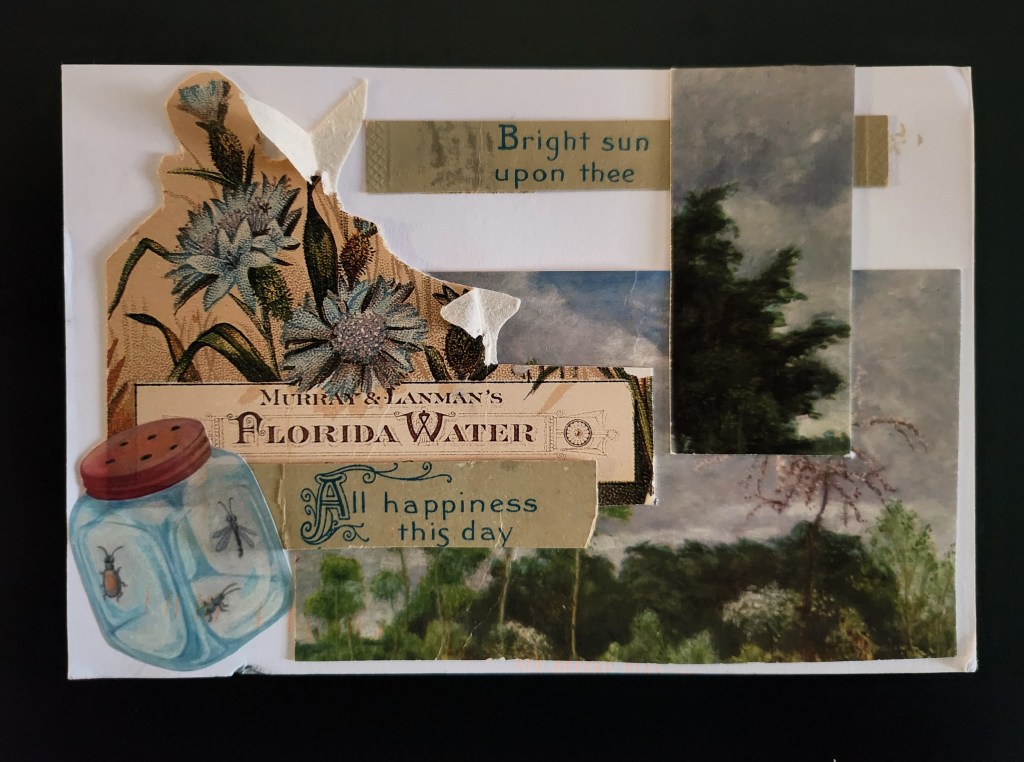
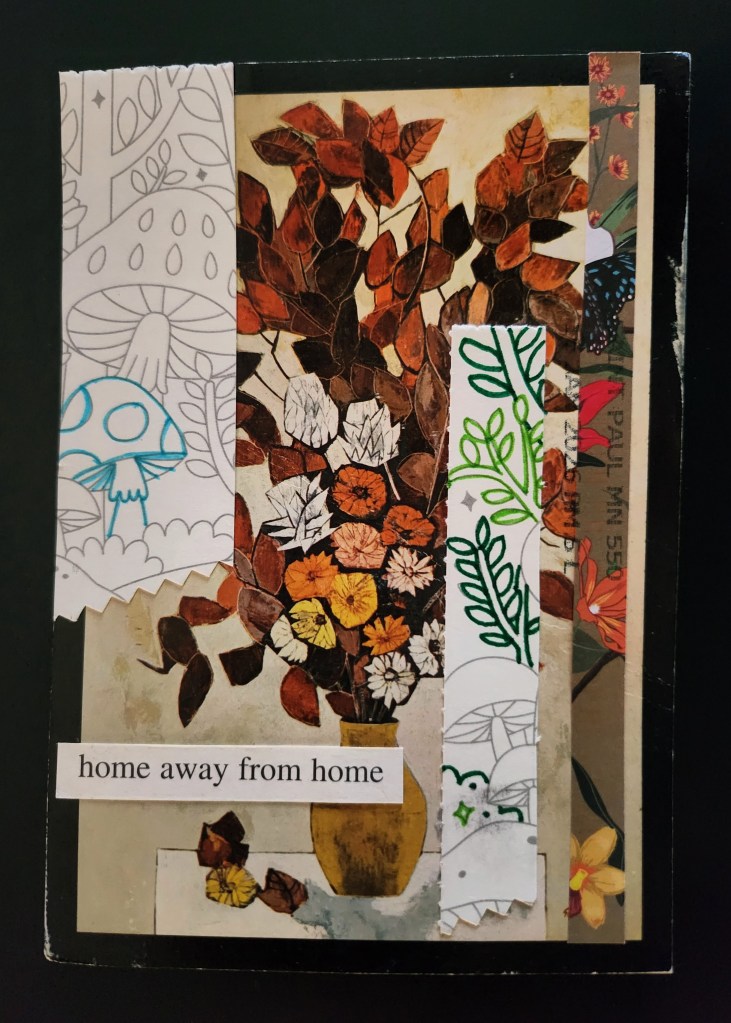
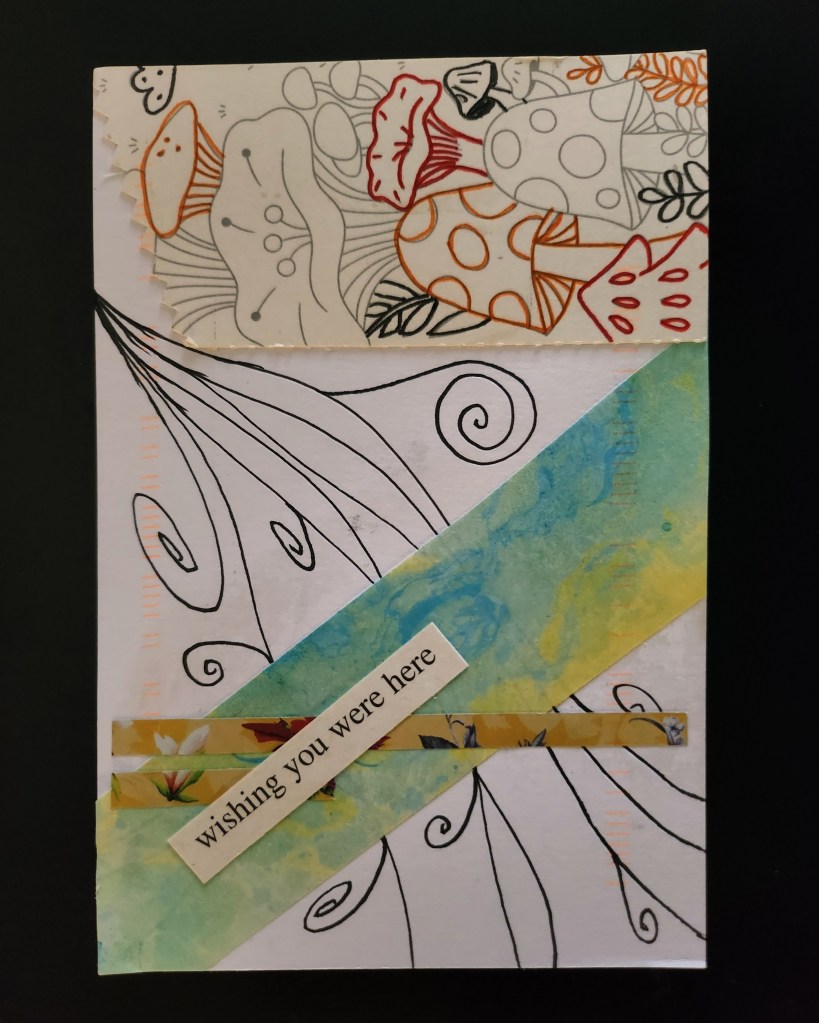
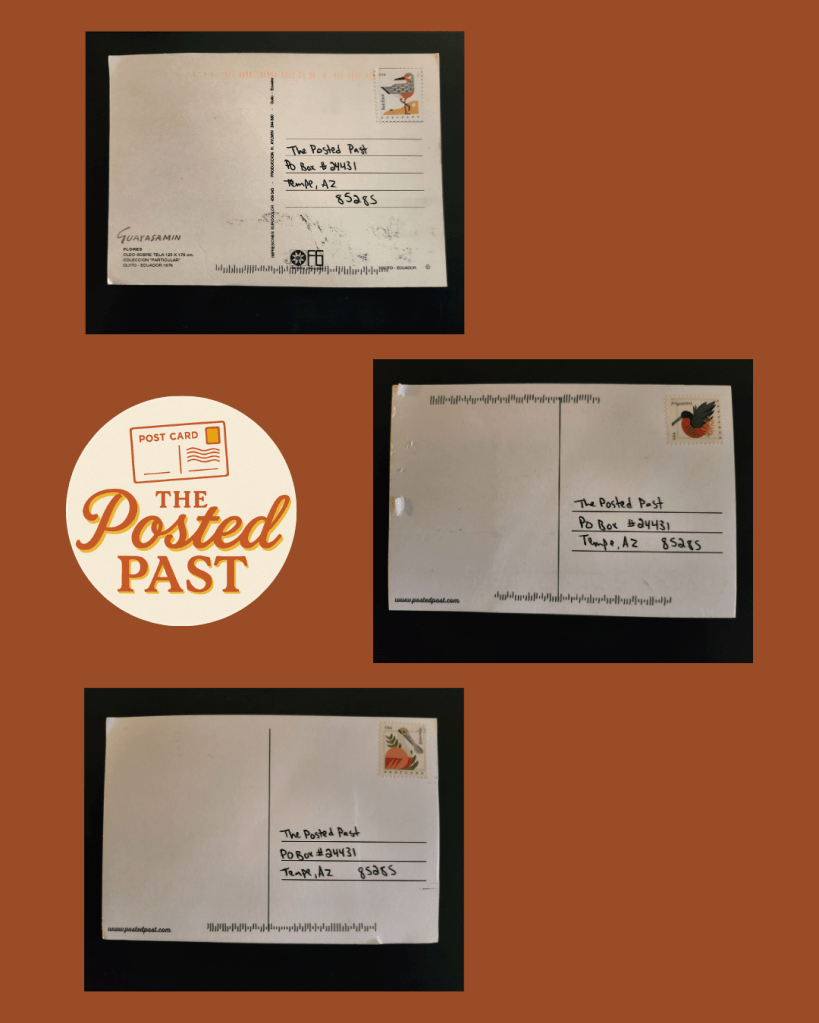
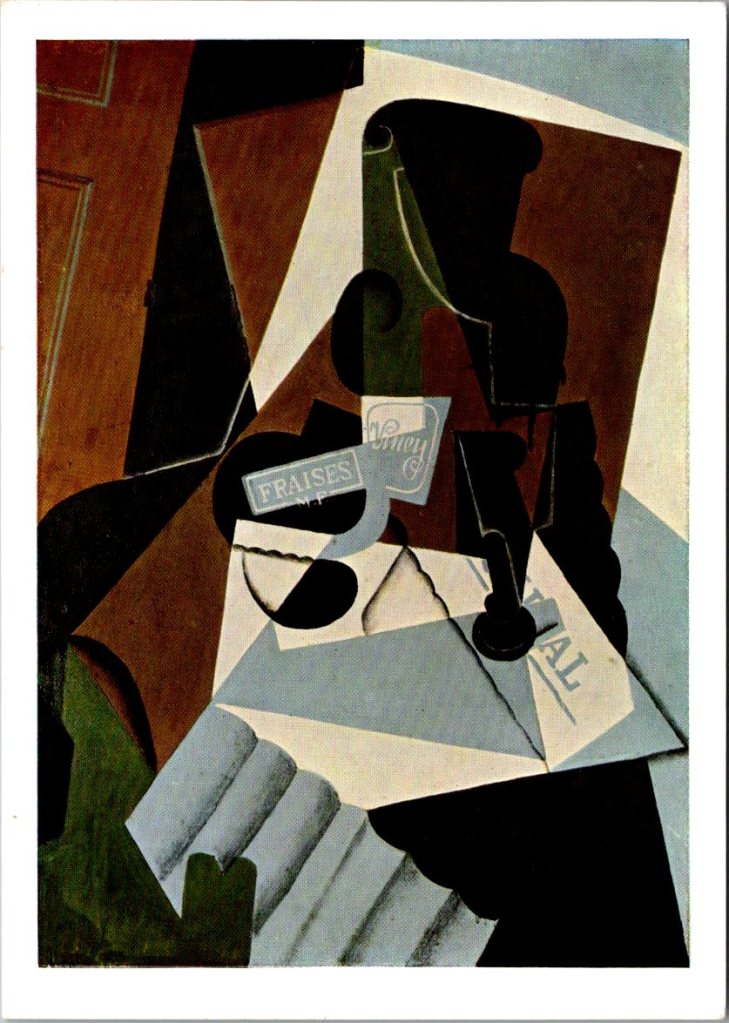
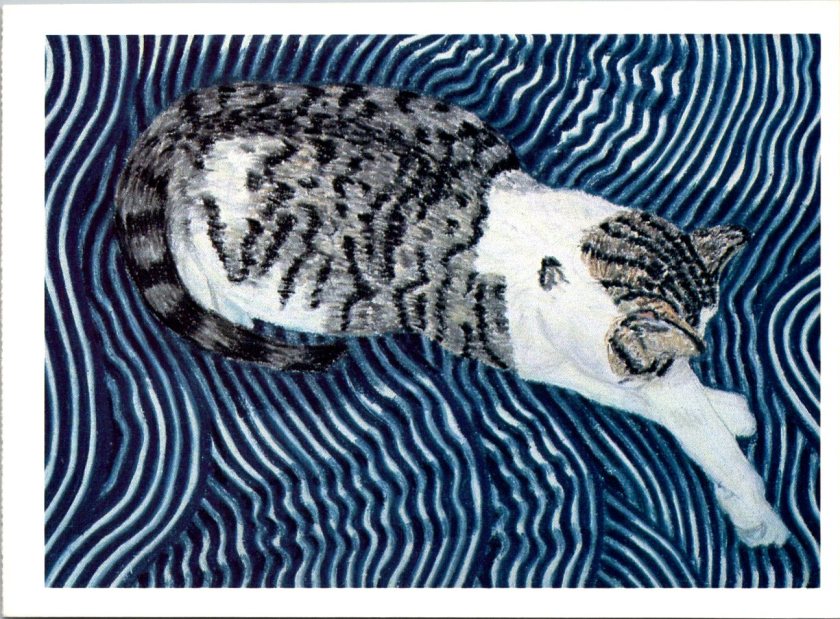
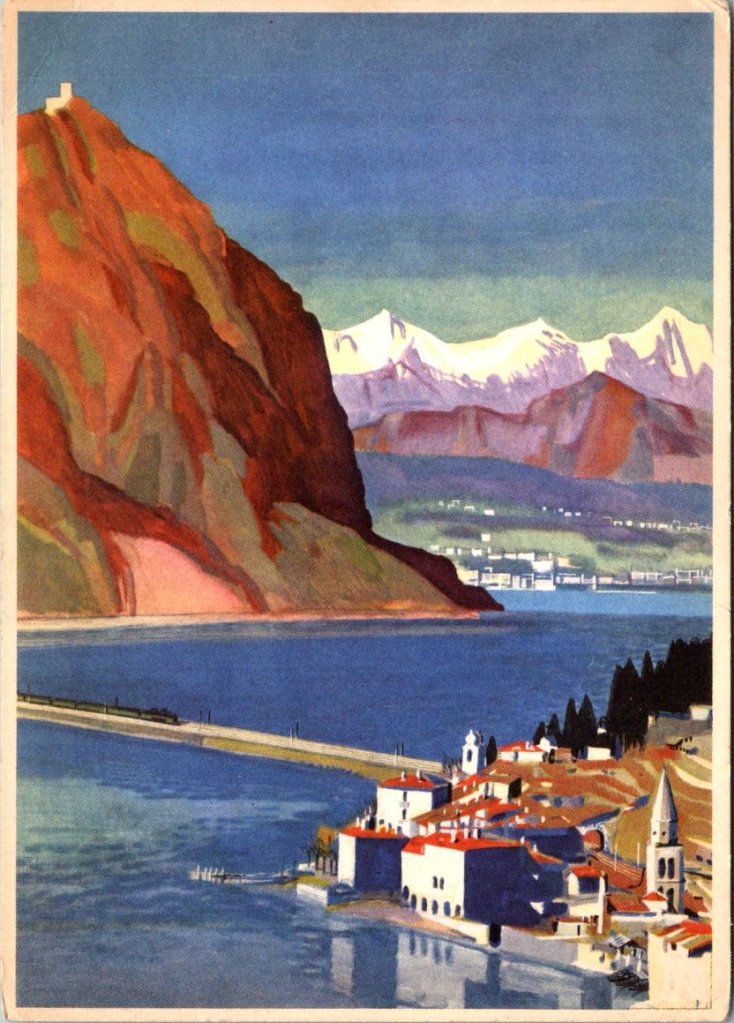
Reed Fowler is a textile artist, pastor, and writer. Originally from Vermont, he now calls Minnesota home. Reed taught themselves to sew at a young age, following in the path of their grandma and aunt, and fell in love with weaving in college. Reed’s dad instilled in him an embodied love and care for the spaces and people he lives with, expressed through craft.
Reed is a member of the Weaver’s Guild of MN, and a founding member of a queer-centered intentional community, where they live with their spouse, their four cats, and housemates. They love books about magical libraries, watching reality cooking shows, and dreaming about garden layouts, systems, and tea blends.
Q: Are there stories that came to you while looking through the Art Card bundle that was sent to you?
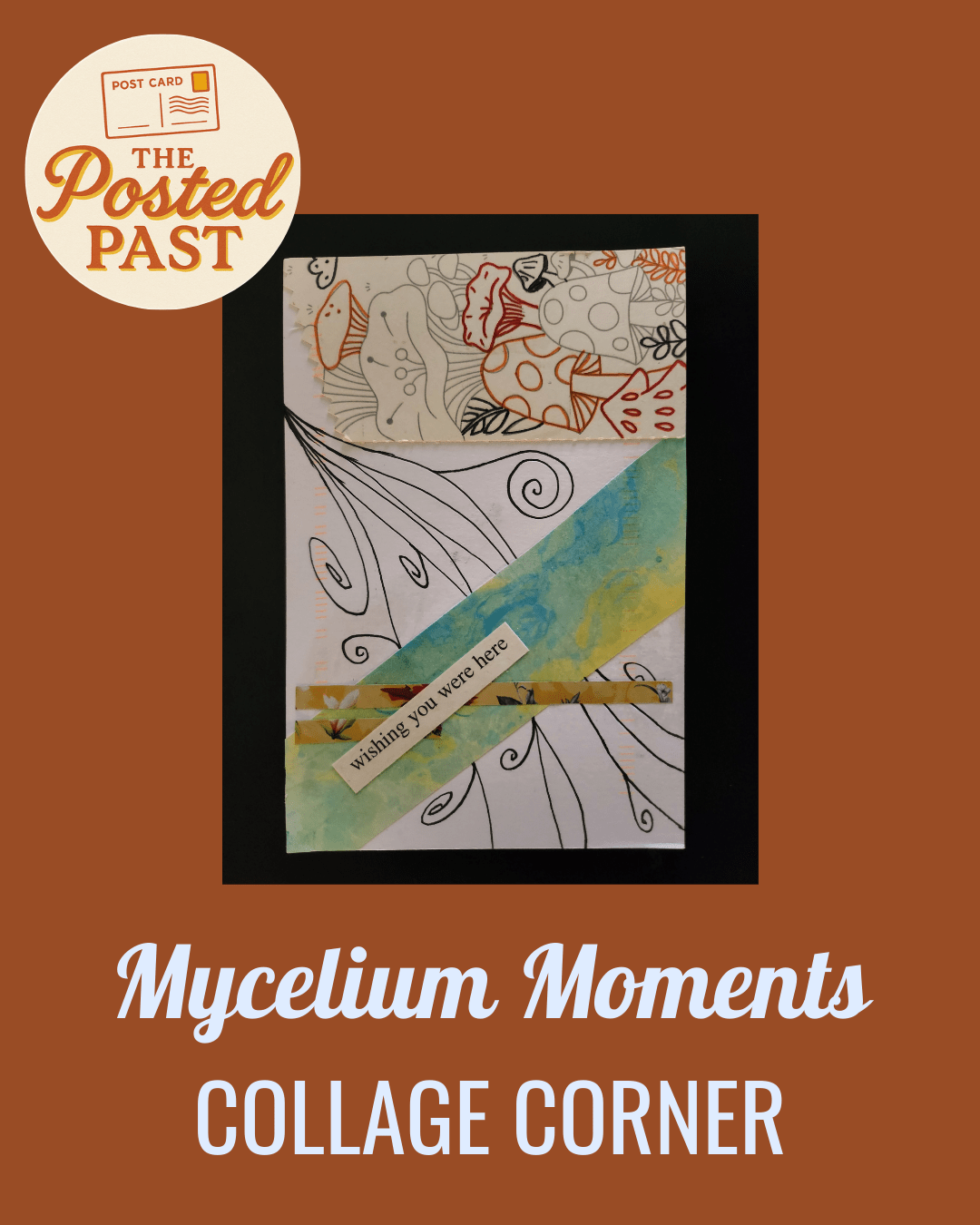
A: Unfolding pathways, roots, landscapes. Distance and closeness – across time, and geography. Timespans of creative practice, of months feeling like decades. Calling back to ourselves, to our embodiment, to the tactile. Mycelium below the surface.
Q: How has your relationship with these collages changed from first receiving the images, through the process of cutting and gluing, and to final finishing touches?
A: The relationship to empty space evolved over the course of the collages. Density, words, lines, space. I originally resisted the blank cards, choosing instead for one to collage atop an existing postcard, rather than dissembling it. The sharp contrast of new printed paper to what I knew had passed through many hands before it reached mine threw me at first.
Q: Among your creations, which images stand out and why?
A: The “All happiness this day” was one of the hardest for me to cut into – the postcard was from the 1920’s, and was the main card I received that had writing on it – it had already gone through the mail. The final collage it’s in makes my heart happiest. The collage on the existing postcard, with the line “home away from home” feels most aligned to when I was creating it – in a cabin at a state park, celebrating my 5th wedding anniversary with my spouse, crafting by lantern-light.
Q: Is collage similar or different from your regular studio practice?
A: Collage is one element of my regular studio practice, at least for my personal creative practices. I’m primarily (currently) a textile artist – working in wool and thread and fabric. Earlier in my life, I was more of a mixed-media artist, where collage featured more heavily. So now, when I need a creative outlet just for myself, or if I’m trying to think through a project, or feeling, I’ll often turn back towards mixed-media, and collage.
Q: If you could give and/or receive a postcard from anyone living or passed, who would it be and why?
A: My late grandfather. He shaped my current path in beautiful ways that he never knew, and I’d love a chance to send him a postcard and receive one in return.
Tom finally touches grass, and Lily paints impossible cats.
Tom’s rental car idled at a red light on University, three blocks from his apartment. He’d made it through Sky Harbor quickly, drove straight here without stopping for groceries or coffee or errands. Just land and figure out what’s next, he thought.
The apartment was small, on the second floor of a stucco complex built in the eighties. View of the parking lot. He’d signed the lease abruptly after Delia died. Left the house for Nina to handle. Since then—hotel rooms in Atlanta, crew bunks in Singapore, a fishing boat off Catalina.
He parked, climbed the stairs, unlocked the door to recycled air and silence, flipped through the mail piled on the counter from the last time he was here. He missed the last local election. There was a party in a park nearby. A local group is replacing trees that were damaged in the last freak storm.
He set his bag down, pulled out his phone, texted Nina before he could reconsider.
I’m in Tempe. Can we meet? That coffee shop you like?
Three dots appeared. Disappeared. Appeared again.
Yup, be up there tomorrow. 10am.
Tom exhaled. Opened the refrigerator, stared at nothing for a moment, and closed it. He sat on the couch, looked at the unpacked boxes, looked at the random furniture. Looked at his hands, and thought, tomorrow. Then he grabbed his keys to run out for a beer and a burrito.
At the coffee shop, Tom arrived early, ordered coffee he didn’t drink, watched the door. Nina came in exactly at ten. Saw him, hesitated, turned toward the line, but walked over to her dad instead.
“Hi.”
“Hi.”
Nina set her keys on the table and went to get her drink. A few minutes to breathe and focus while she waited in line. He was actually here. Wow.
Back at the table, Tom tried to start, stopped, and started again. Exasperated, he whispered a groan. “How do people do this?”
“Well, you always asked Mom.”
“Truth,” he conceded. “I keep getting on planes. Keep going up. Can’t figure out how to stay down.”
Nina’s face was careful, neutral. “I know. You send postcards.”
“Lonely postcards.”
“I like them.” She paused, a little surprised herself.
“This woman I know at work told me about her father. He came back from the internment camps different. Couldn’t talk about what he’d lost. Just went quiet. Disappeared into himself even when he was sitting right there.”
Tom blinked at her, stunned by the comparison. “I’m not—”
“I know you’re not. But you get away from a lot up there.”
Tom set his coffee down. “Look… I’m trying… to be present… more.”
“Okay.” Nina’s hands tightened around her cup.
“Let me know when you’re back, next,” she said slowly. “We could meet at your place. Maybe make it feel like home.”
“Sure. that’s good. It doesn’t feel like anything right now.”
They finished their coffee, scooted out of the booth, and hugged. Nina picked up her keys.
Tom drove back to the apartment. Stood in the doorway looking at the accumulation of a life he’d been avoiding.
He started with the kitchen. Unpacked Delia’s dishes, the set they’d used for at least thirty years. Put them in the cabinets. Drove to the grocery store, bought coffee and bread and eggs. Real food that would probably rot. Fine, that might actually be normal. Small steps. He’d try again tomorrow.
The knock came mid-morning. George opened the door to find Lily holding a canvas bag, Mai standing behind her with a patient smile.
Lily marched into the foyer, serious. “I brought MY paints.”
“She wanted to paint, here, with you,” Mai said.
“CATS! We want to paint cats,” she announced.
“Well then.” George stepped aside. “Come in.”
They set up at the kitchen table—Jennie’s old watercolor set now showing signs of use again. Lily arranged her brushes with care, filled a bowl with water, selected paper from the pad.
“Could you get the big book, Grandpa?” Lily asked.
George knew exactly the one she wanted. Large and heavy, and art book with full color illustrations. Yes, cats, and many more species with great examples of all variety to try one’s hand.
George pulled his chair to face the window. Lily pulled hers beside his. They worked together, silently, side by side. Lily’s brush moved in quick confident patterns. Bold strokes, loose shapes that captured moments more than detail.
George surprised himself by drawing with a sharp graphite pencil. His hands remembered motions he hadn’t used in years. Careful lines, patient shading, the disciplined attention that both he and Jennie loved.
Lily finished first. Held up her painting. “It’s not exactly right.”
“Tell me more…”
“The shape isn’t right. The lines don’t add up. It doesn’t look like a real cat.”
“Artists see differently than scientists,” George said. “Scientists measure. Artists feel. Both ways matter. Your colors are very bold.”
Lily considered this. Looked at his drawing, and said confident,”Yours is the scientist way.”
“Can I keep yours?”
“If I can keep yours.”
“Deal.”
Mai came back an hour later. Lily packed her supplies, carefully laying her paintings on the countertop to dry. At the door, she hugged George—quick, unselfconscious, generous.
After they left, George found a frame in the closet and mounted the entirely impossible animal—calm, loose, joyful. Hung it where he’d see it every morning.
The postcard arrived in Tucson ten days after Nora mailed it. Nina turned it over. Nora’s handwriting, smaller now, more compact.
Lunar New Year, red lanterns everywhere. The city transforms—fireworks, night markets, families. The work is good, the project is extending. Solitude still a gift.—N
Nina read it twice. Carried it inside. Pinned it to her wall beside the others. Seven postcards now, creating their own pattern. Different textiles, different messages, her same friend after all this time. She pulled out her phone, typed a response.
Got your latest. Glad you’re staying. Take your time.
A magic carpet takes us to a far away photo show, and a beach scene brings back old memories.
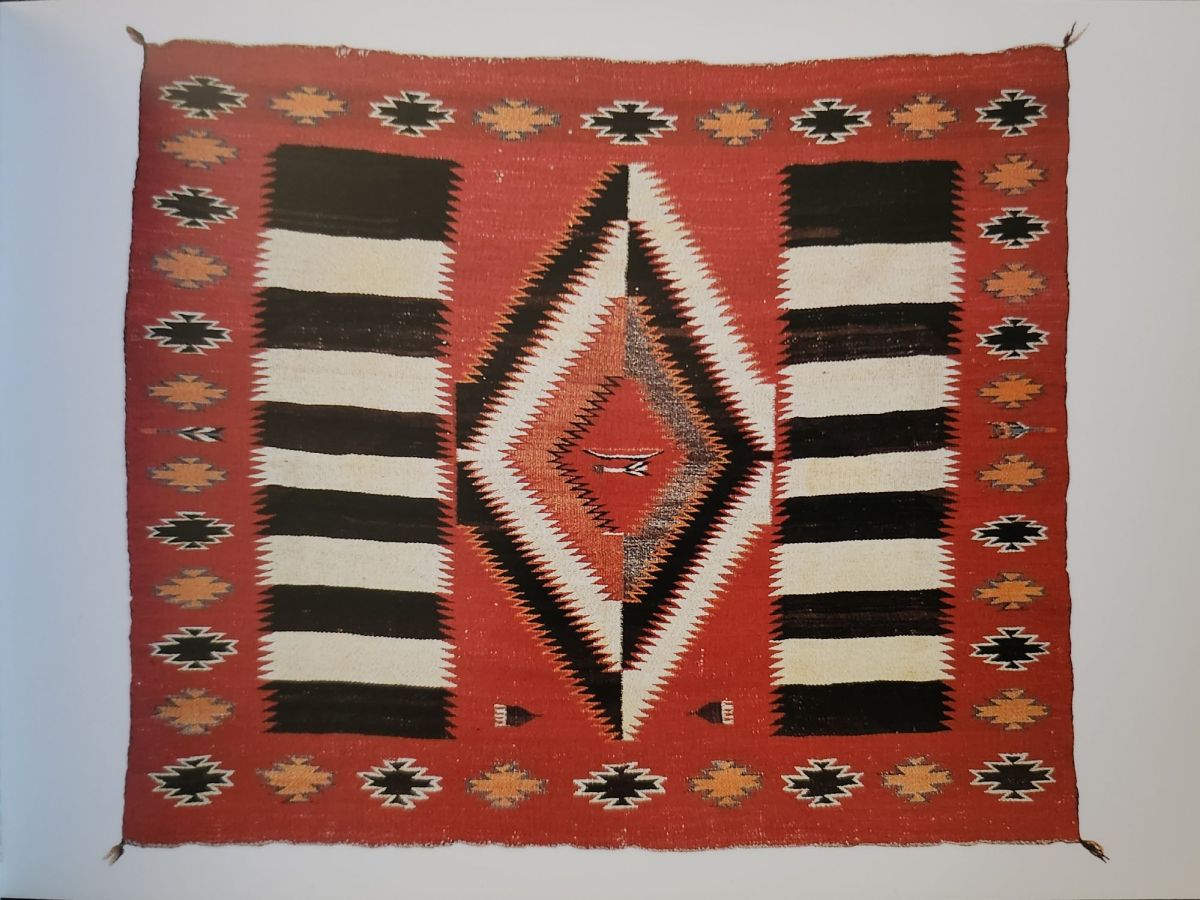
Nina found Mrs. Hanabusa in the common room sorting groceries into cloth bags. The postcard was still in Nina’s hand—a Navajo textile in geometric patterns, black and white against red wool.
“Let me help,” Nina said, taking two bags.
Mrs. Hanabusa glanced at the card. “From your friend? The one who went to Taipei?”
“She just arrived.” Nina turned the card over.
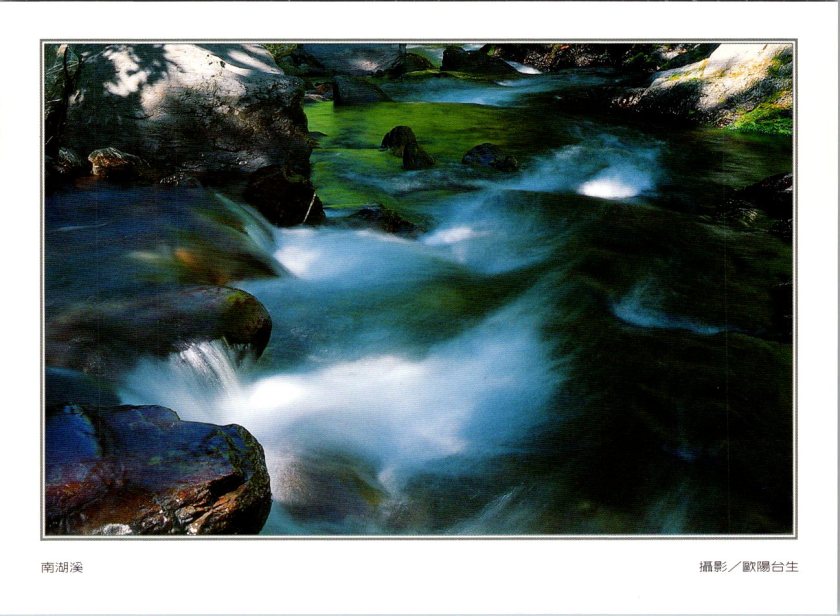
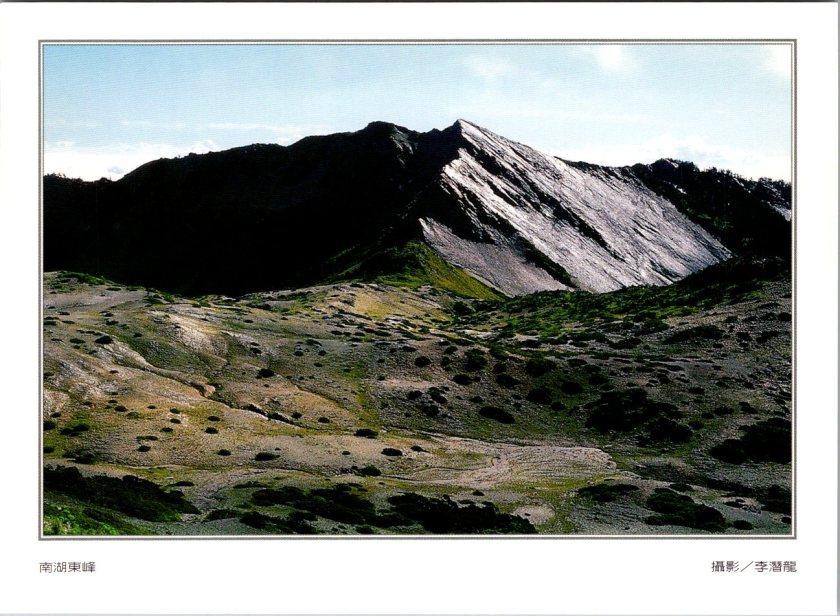
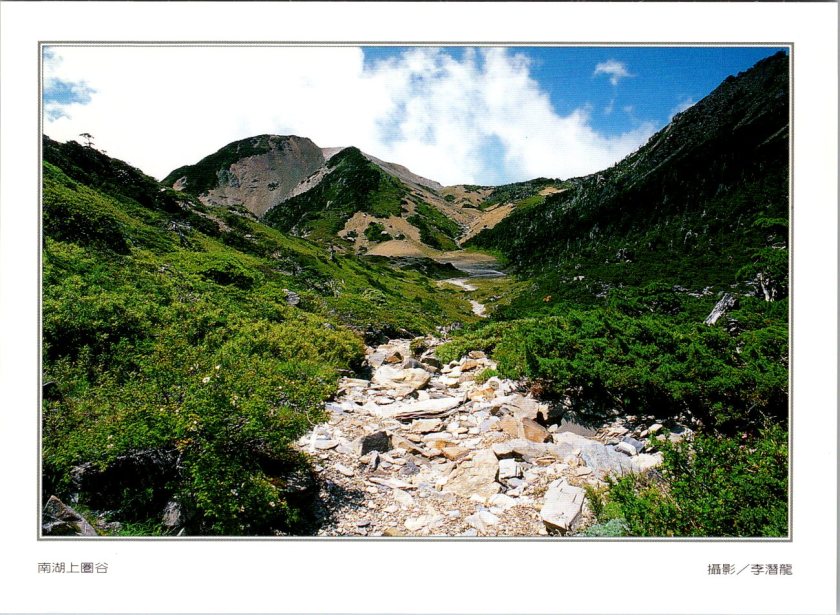
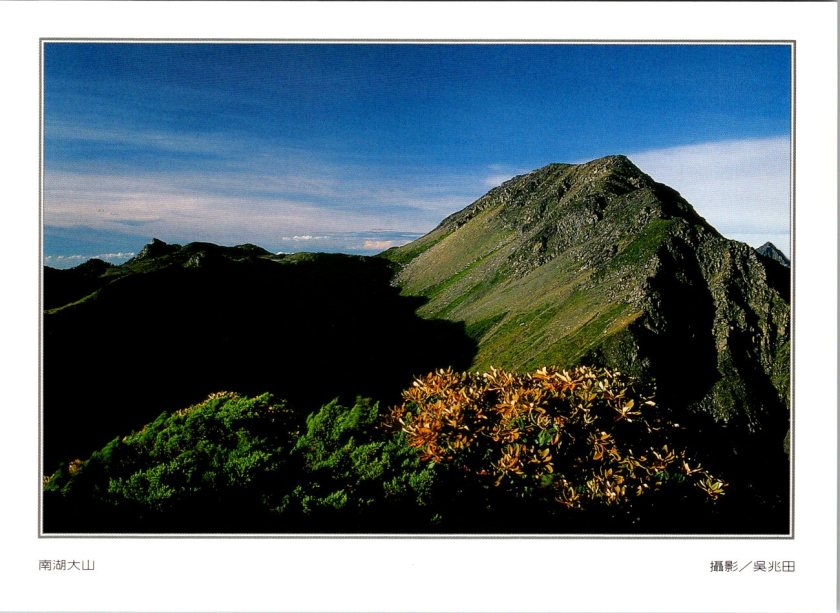
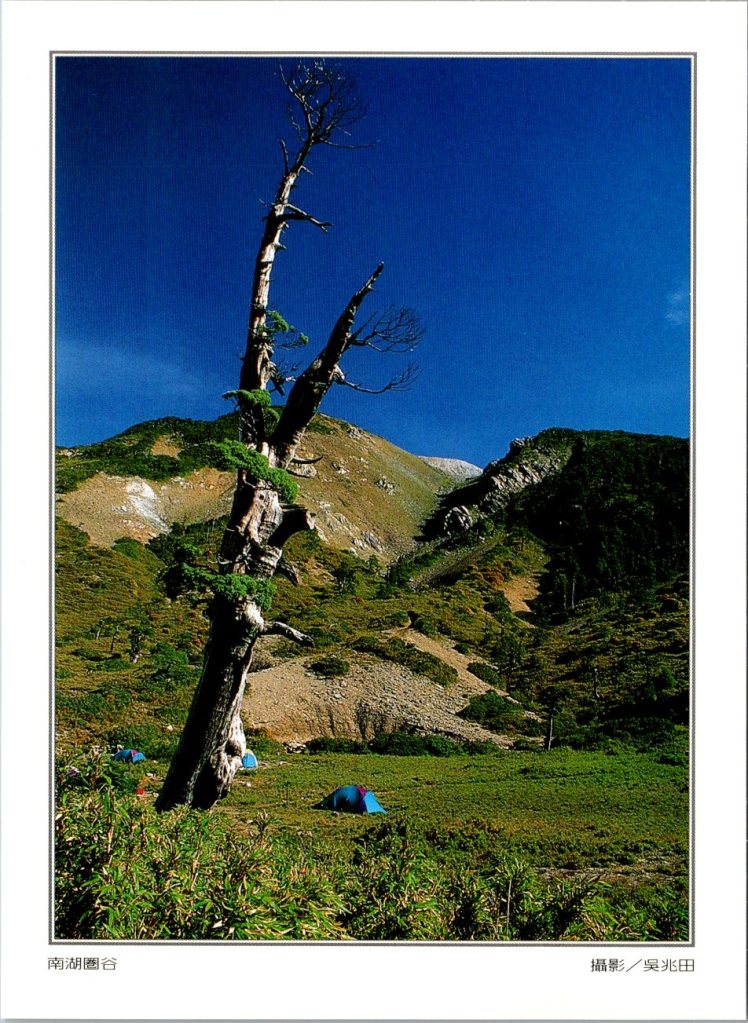
Made it. Everything moves faster here. First night was a photo exhibit on Mt Nunhu. Already miss the slow mornings. —N
Funny, Nina had received Nora’s text with images from the show that night, long before the postcard arrived in her mailbox here in Tucson.
They walked to Mrs. Hanabusa’s room. Nina set the bags on the small counter. Mrs. H studied the postcard, her finger tracing the pattern.
“My grandparents had one like this. Hung in their house on the flower farm.” She paused. “My grandmother found it at a trading post in the twenties. She said the geometry reminded her of Japanese family crests. Clean lines. She hung it in the room where they did arrangements.”
Mrs. H’s voice stayed quiet, remembering. “After the war, when we came back from the camps, the farm was gone. But a neighbor had saved some things. The rug was one of them. Grandmother cried when she saw it. I was small, maybe seven. I didn’t understand then what it meant to get something back.”
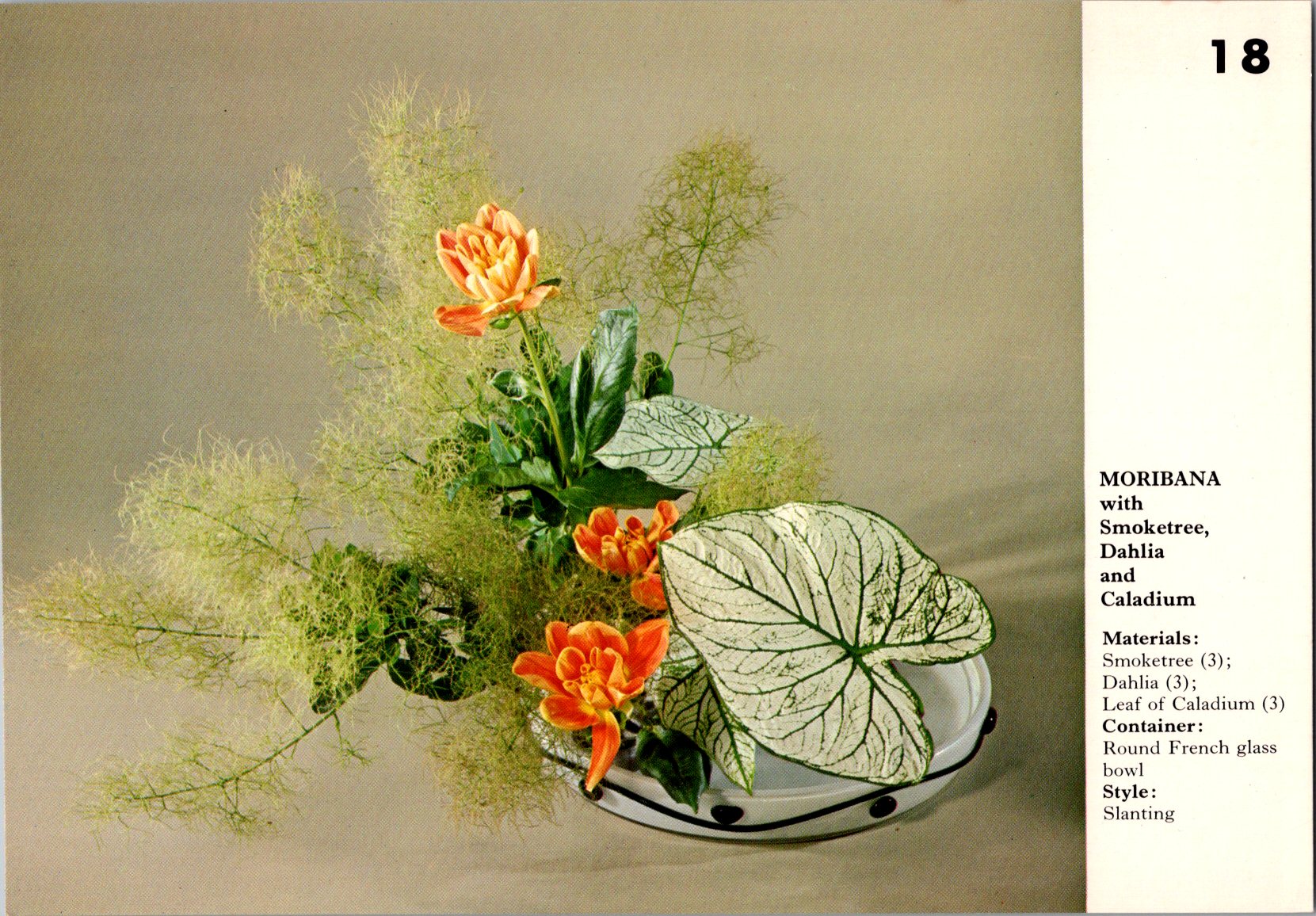
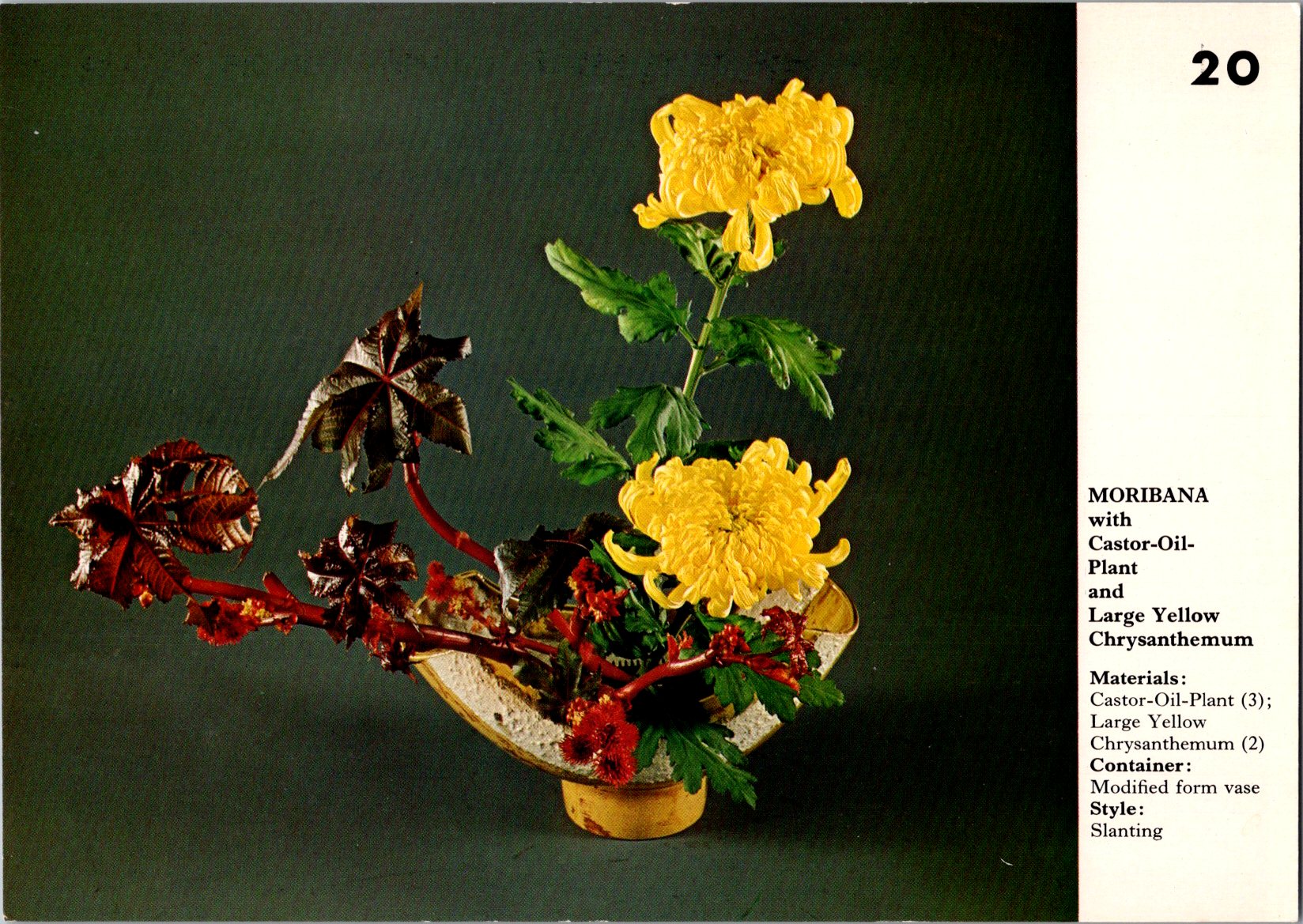
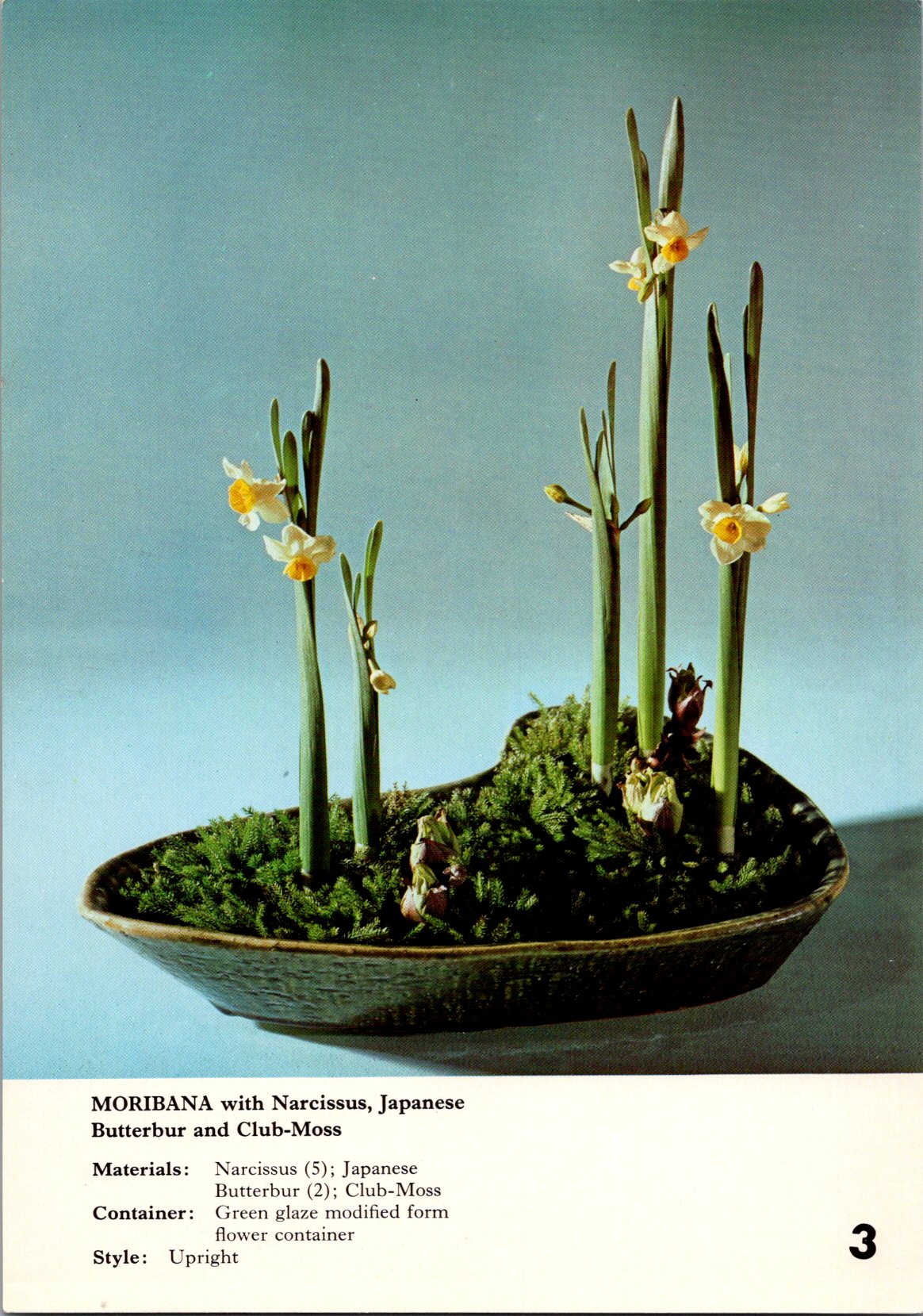
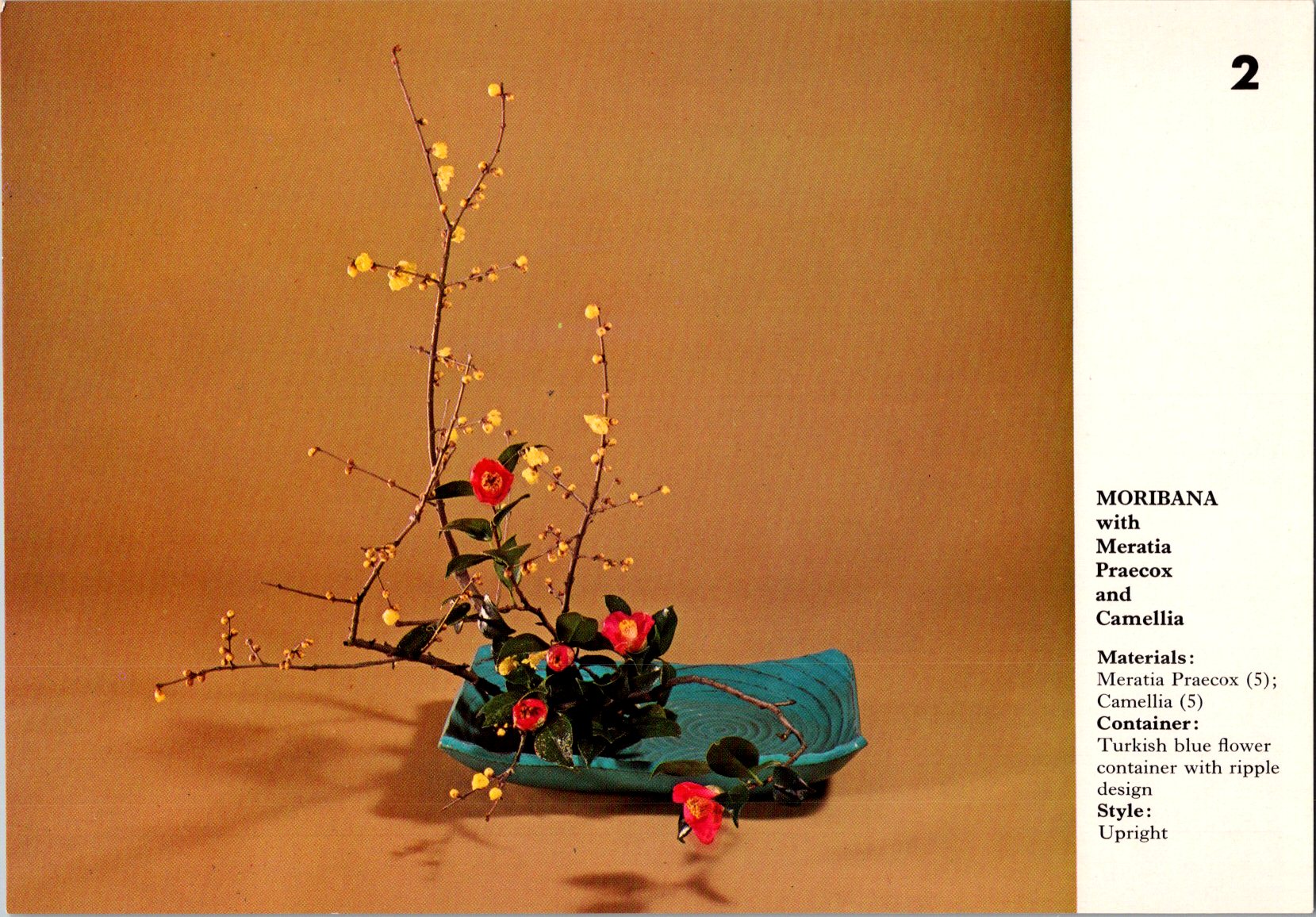
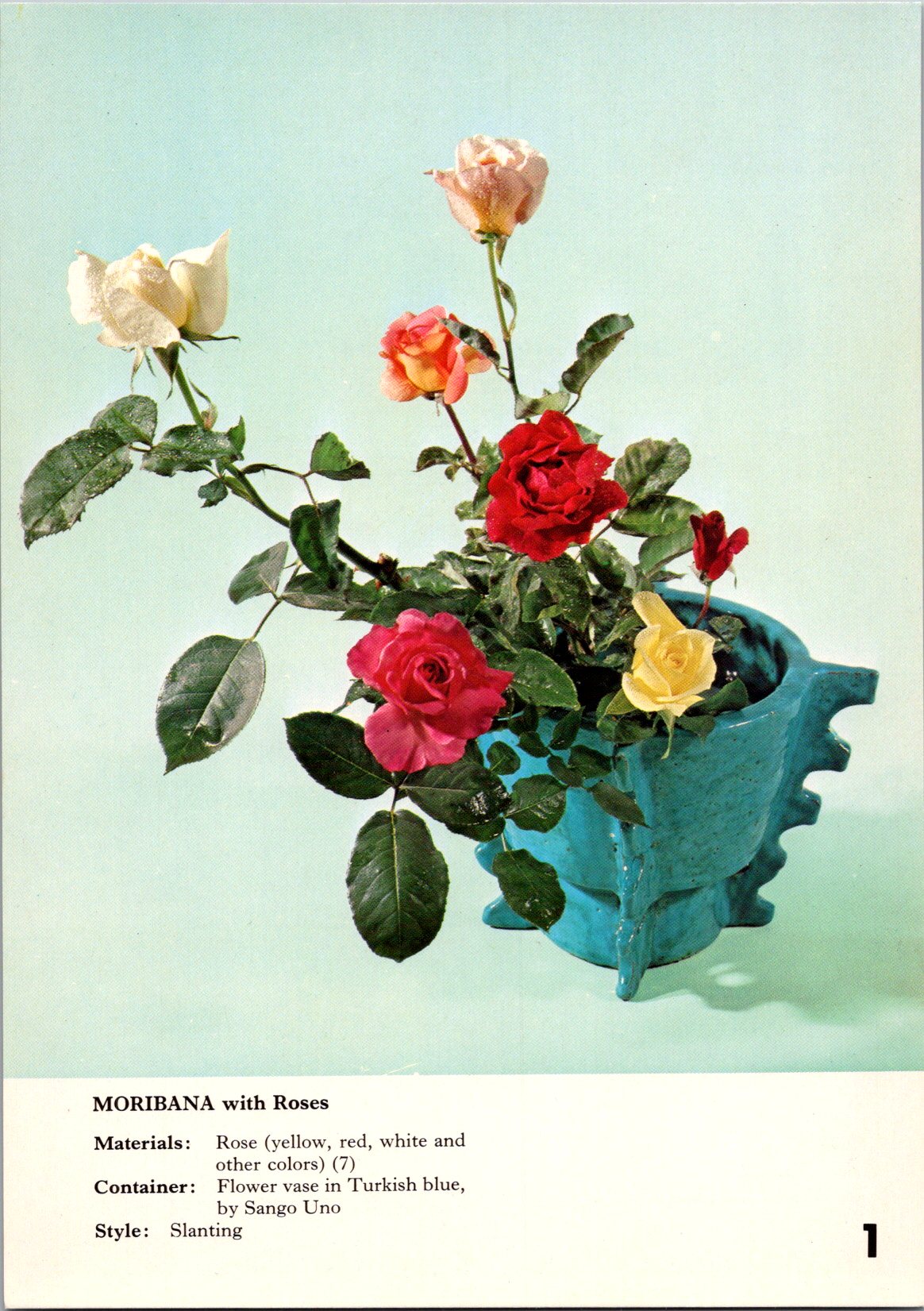
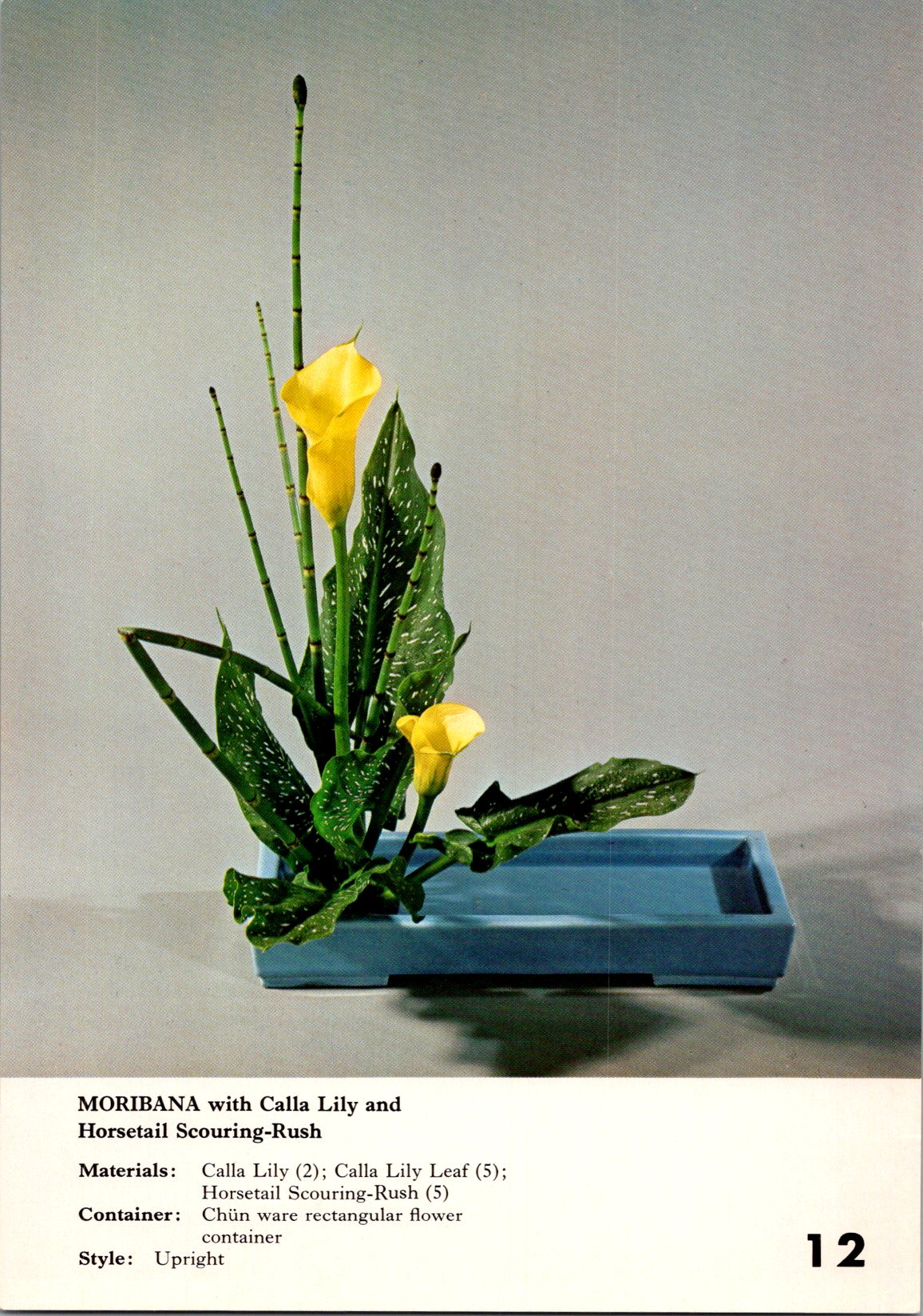
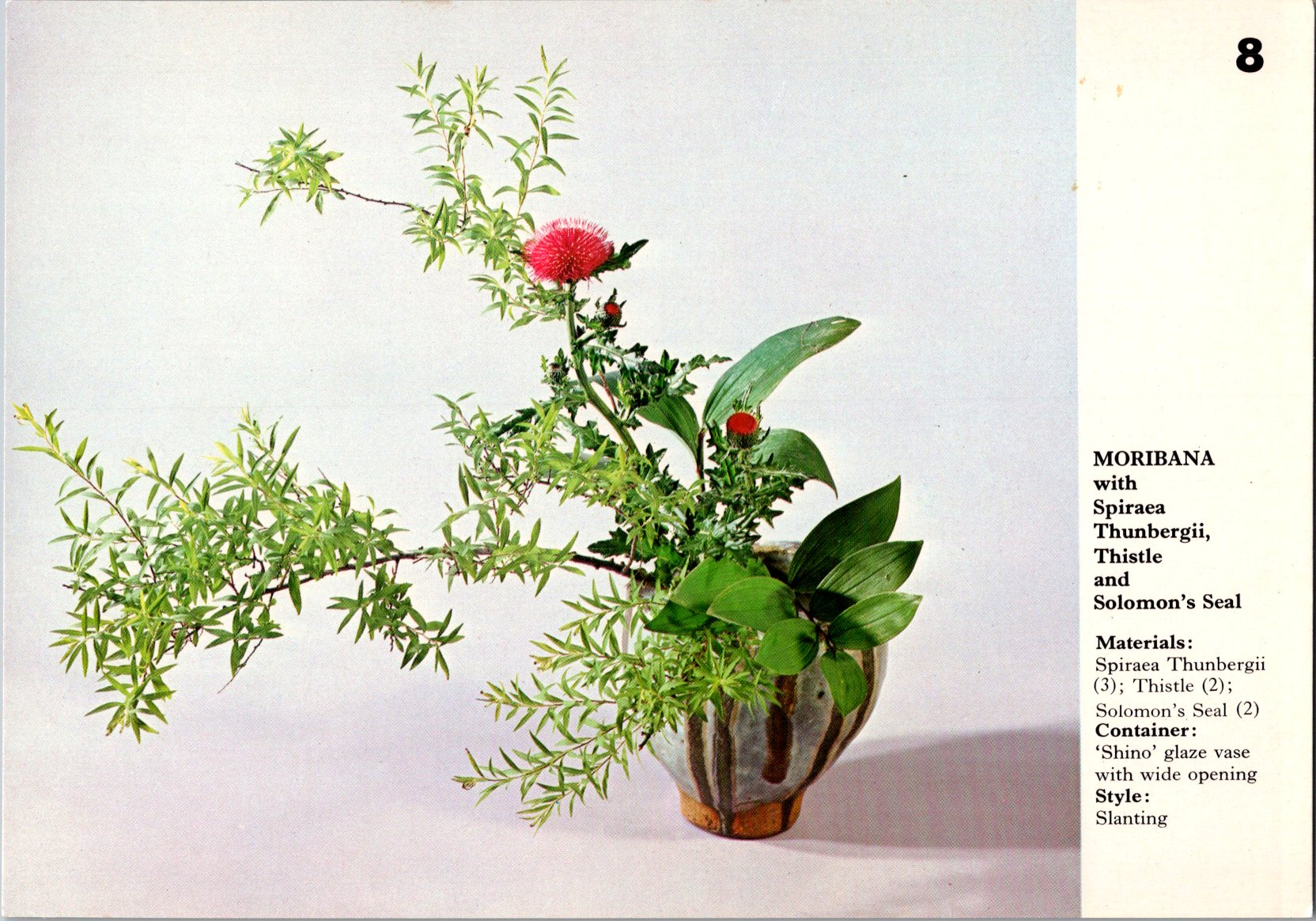
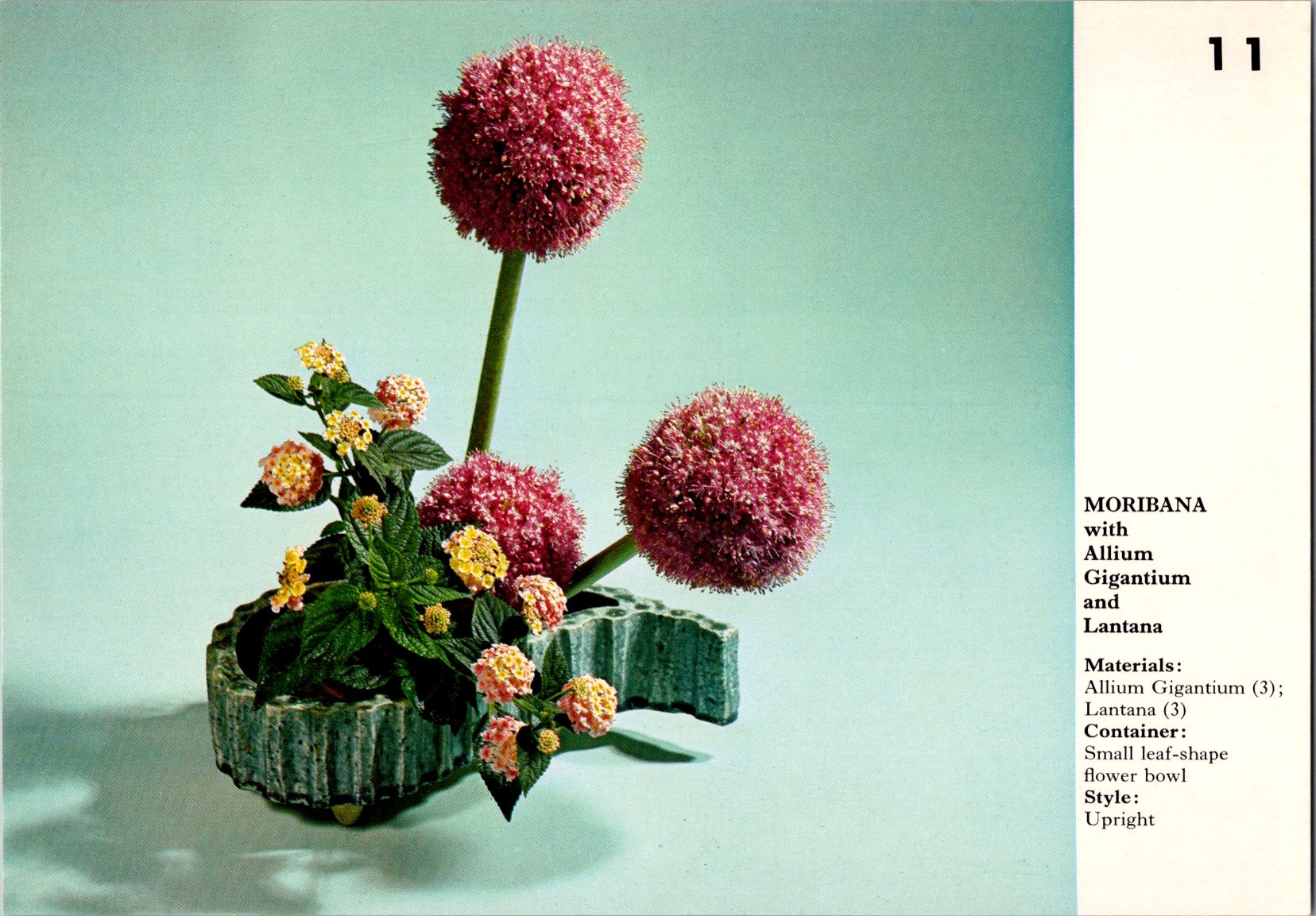
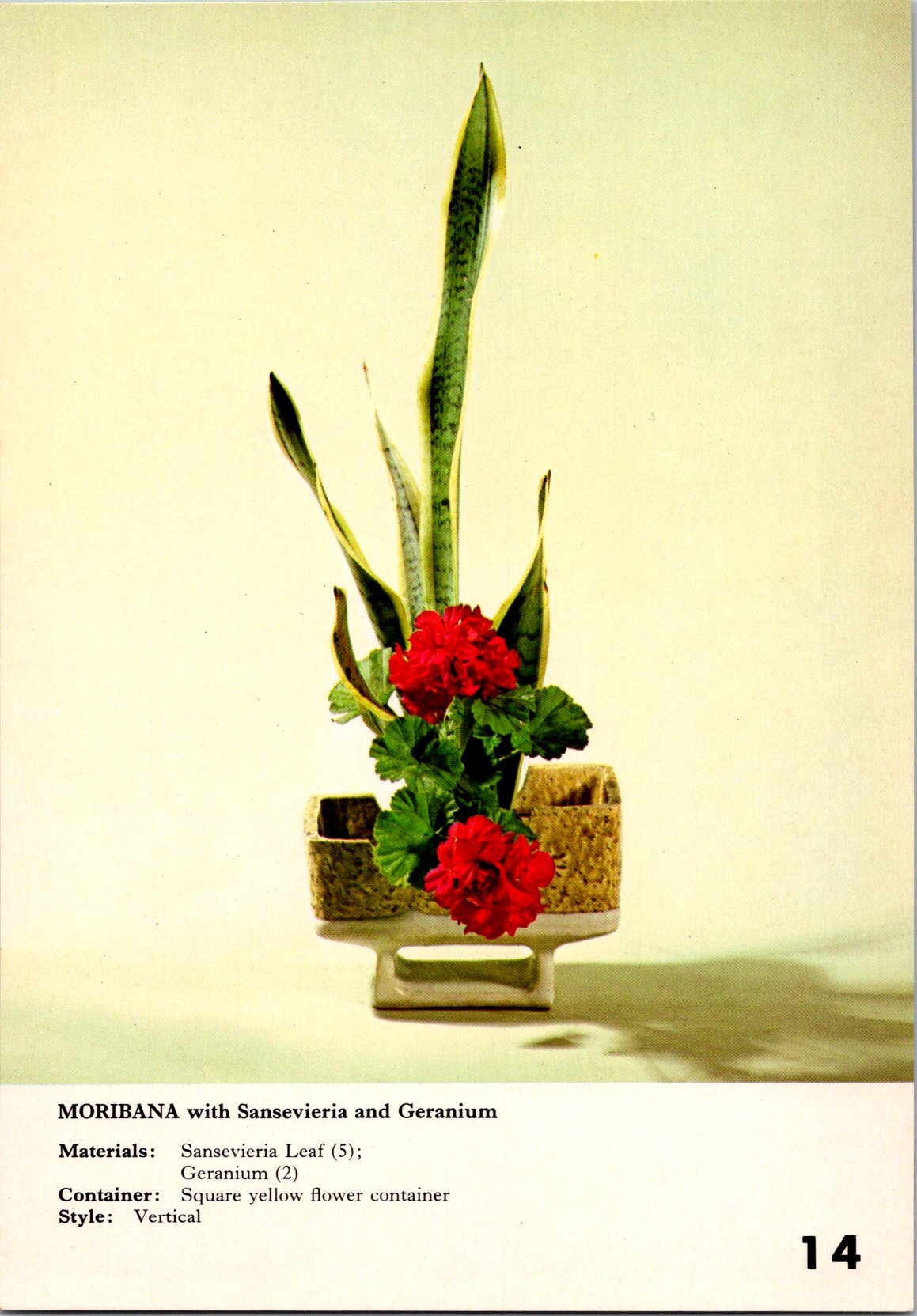
She opened a drawer, pulled out a small wooden box. Inside lay perhaps a dozen postcards, all showing Ikebana arrangements with low, horizontal compositions in shallow containers. Pink and red cosmos rising from a white porcelain vase. Allium gigantium’s perfect spheres balanced with small lantana blooms. A giant monstera leaf with a canna lily and a white chrysanthemum.
Mrs. Hanabusa handed Nina the stack of cards. She flipped through slowly, admiring each floral design.
“My sister sent these from Osaka. Our grandmother taught the traditional way. These are more like her arrangements, traditional but made new.”
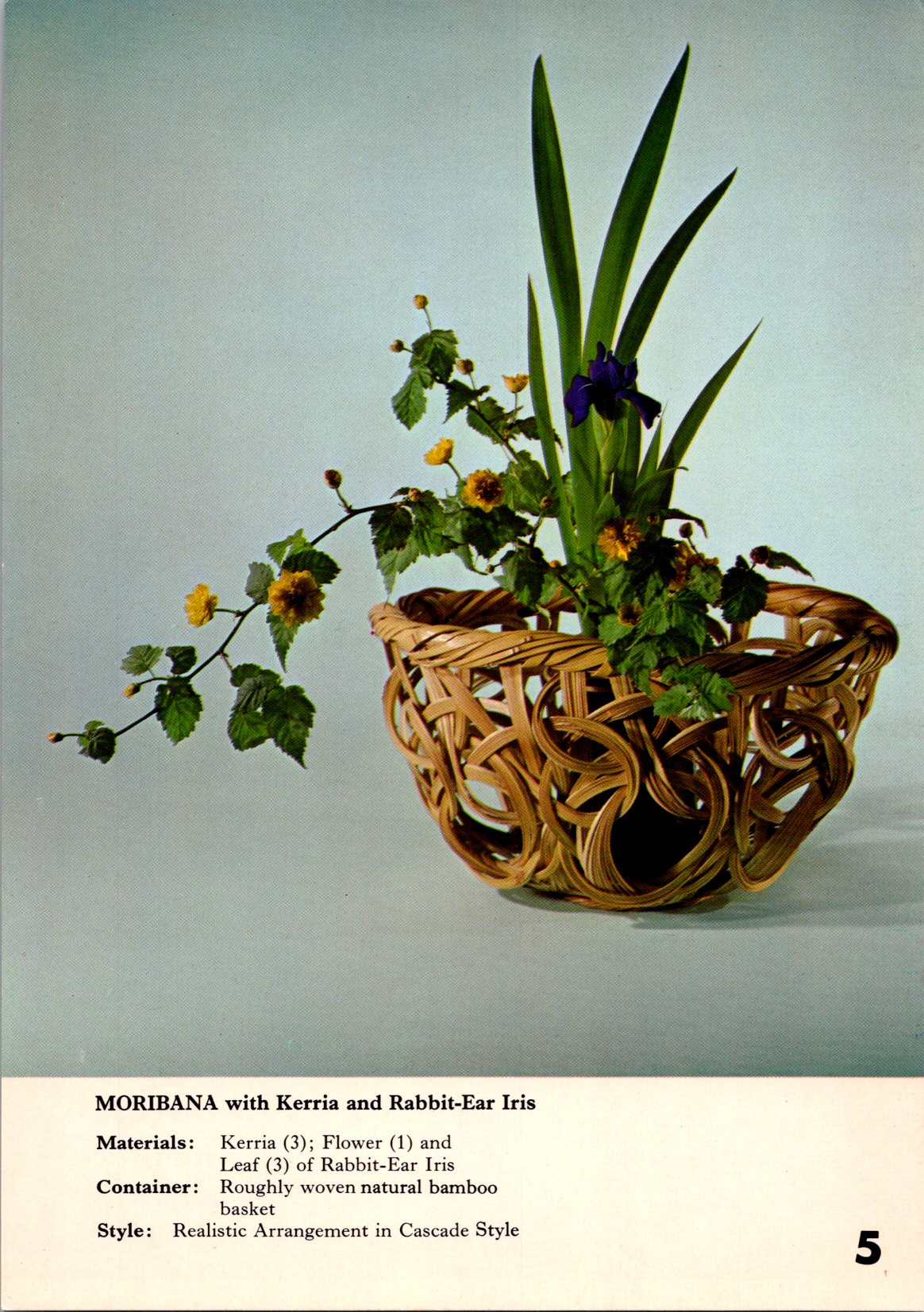
Mrs. H pointed to the one with the iris. Nina looked closer. The composition was deliberate. Bold strokes against a spare background.
“Your friend will send you more postcards?”
“She promised,” Nina replied.
“Good,” Mrs. H smiled. “We get bored without friends.”
George had haunted thrift stores his whole life. Mostly he looked for tools—socket wrenches, levels, hand planes that still had their blades. Things he could use or restore.
Now he looked for postcards too.
The Goodwill in Red Wing had a basket of them near the register. Fifty cents each. He sorted through slowly. Tourist shots of the Badlands. A faded view of the State Capitol. Then he found a few good ones.
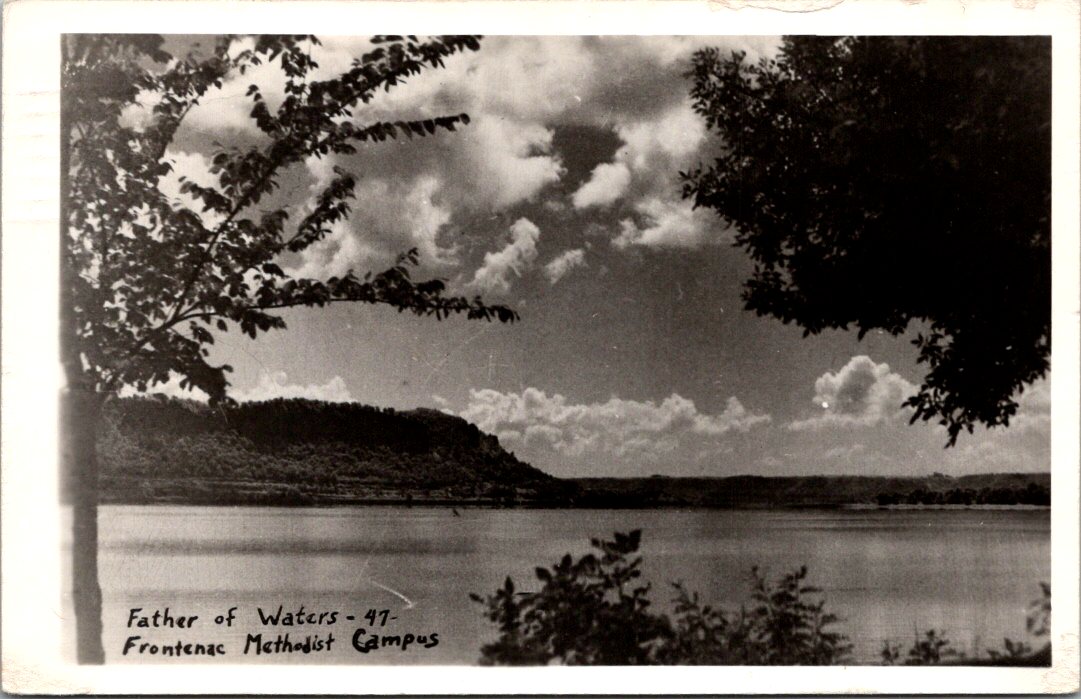
A real photo postcard showing Lake Pepin framed by trees, “Father of Waters” etched in careful script. The water stretched wide and calm, clouds massed above the bluffs.
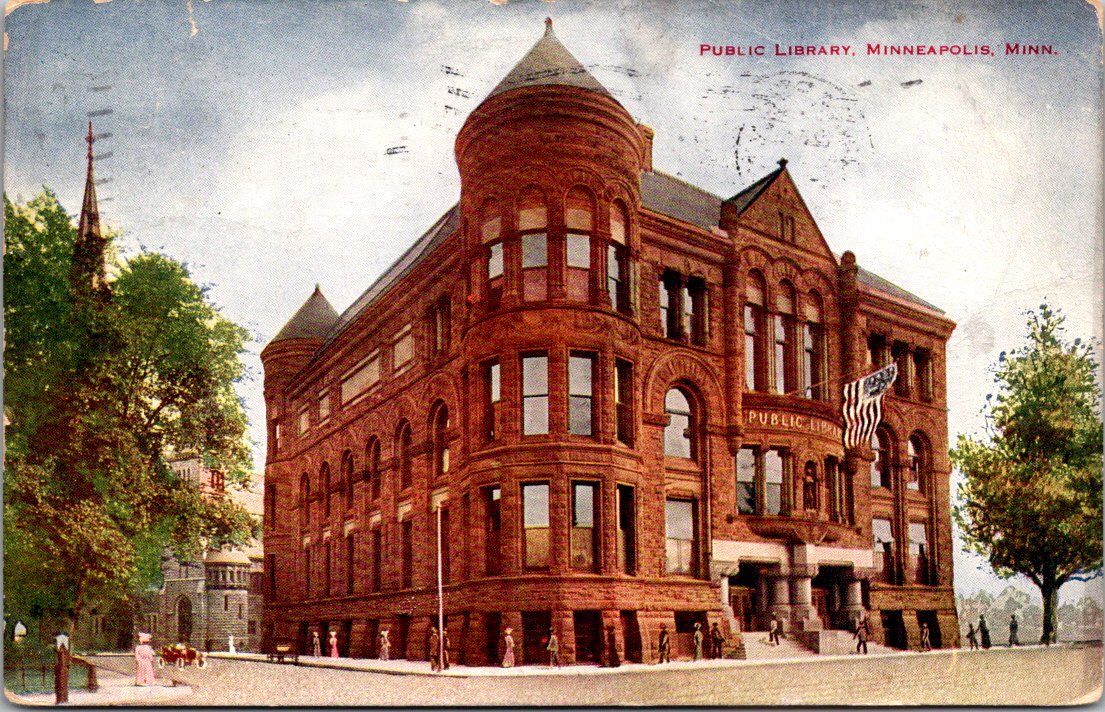
A color card of Minneapolis Public Library, the old red brick building with its round tower and arched windows. George remembered when they torn it down in 1951.
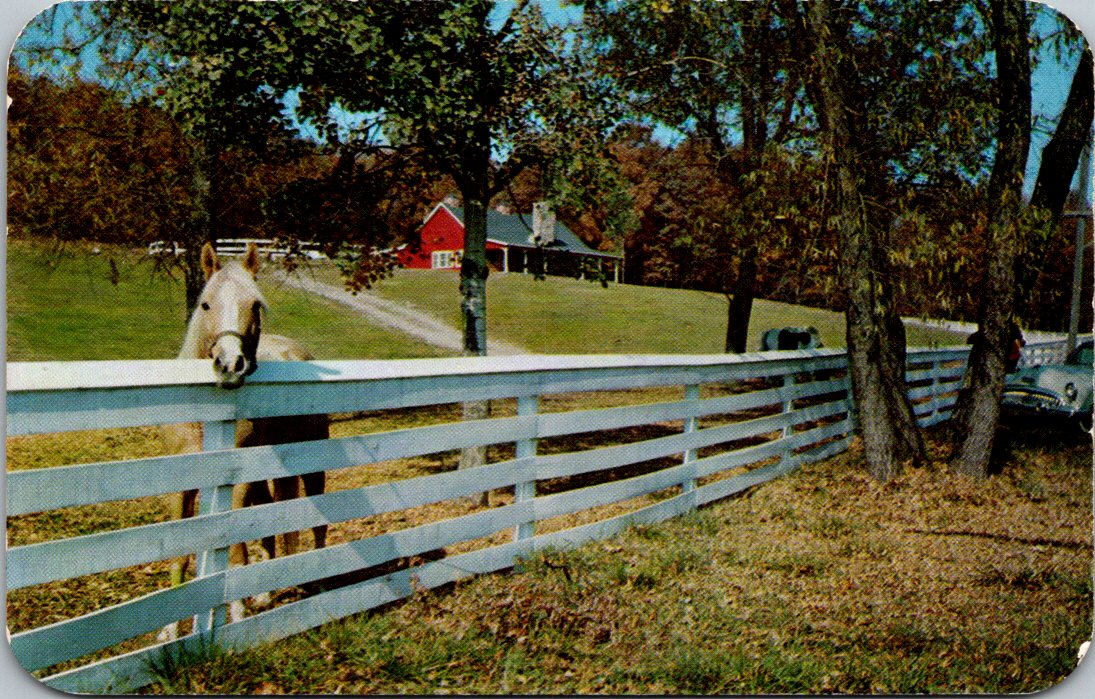
A chrome card showing a white horse leaning over a fence, red barn and farmhouse in the background.
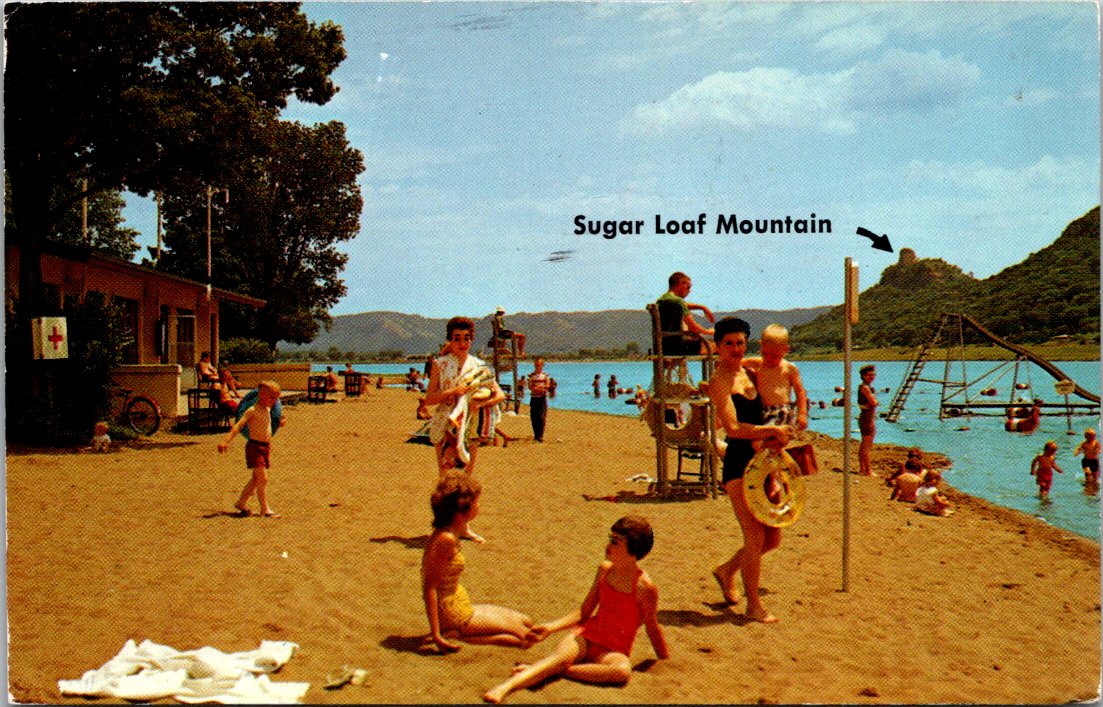
And then—George stopped. Sugar Loaf Mountain near Winona. A beach scene, families on the sand, kids on playground equipment, swimmers in the water. The mountain rising behind them.
He was transported to that very day. Their family had been right there, doing exactly that. The kids running between the beach and the playground. The particular blue of the water. How his wife had packed sandwiches that got sand in them and nobody cared.
George bought all four cards. Two dollars total. At home he examined them under the desk lamp before he got to thinking about each message.
He wrote to Emma:
Found this real photo from Lake Pepin. “Father of Waters” they called it. Your wanderlust comes honestly—this river goes all the way to the Gulf. Love, Grandpa
To Jack:
Get to the good old libraries while you can. This one is gone already! Love, Grandpa
To Lily:
See how the fence posts get smaller as they go back? That’s tricky to draw! Give it a try. Love, Grandpa
He paused at the fourth card, and let out a small sigh. Sugar Loaf Mountain, seems like another lifetime. Finally, he wrote:
This one is for you, kiddo. Reminds me of you and the guys and Mom. Fun times! Love, Dad
George added addresses and stamps. Put on his coat and walked to the mailbox, a short stretch of the legs that he now enjoyed. A chickadee called from the pine tree across the street—its clear two-note song cutting through the cold afternoon air.
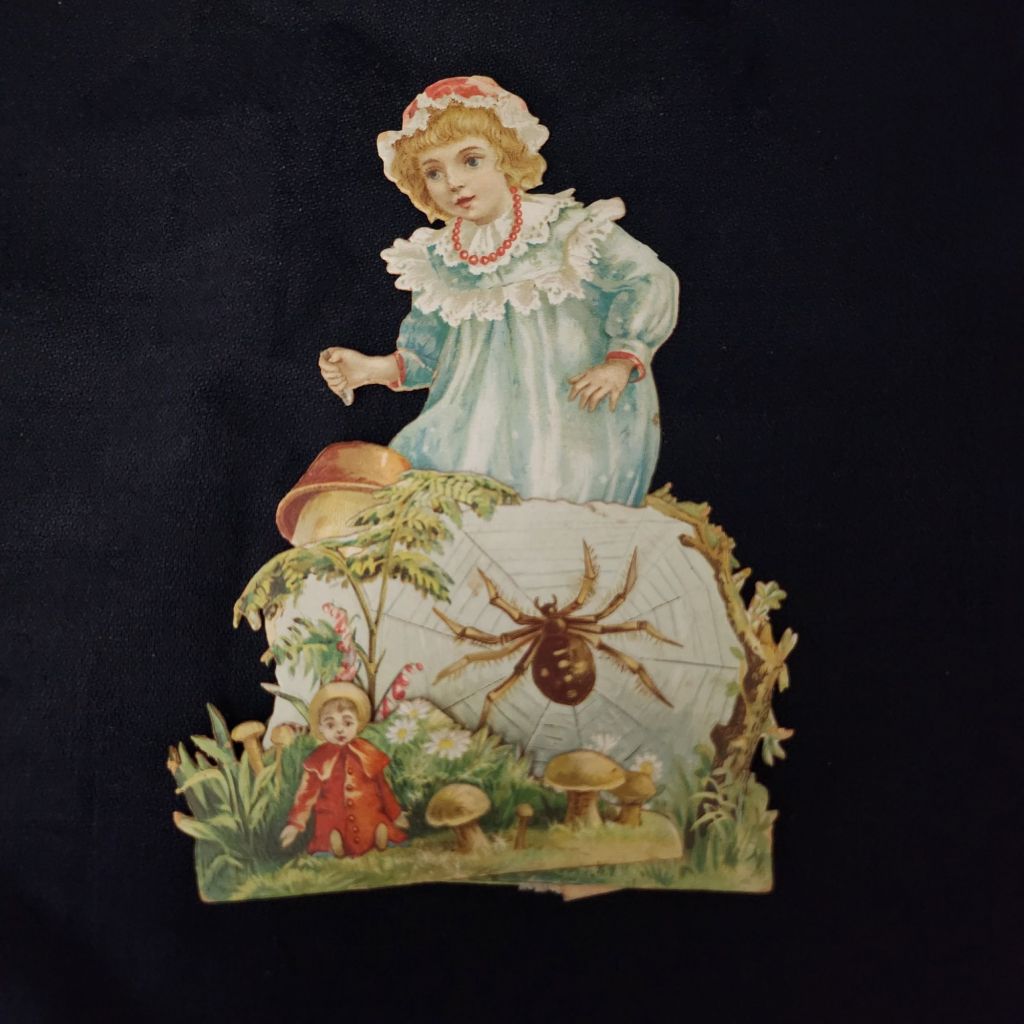
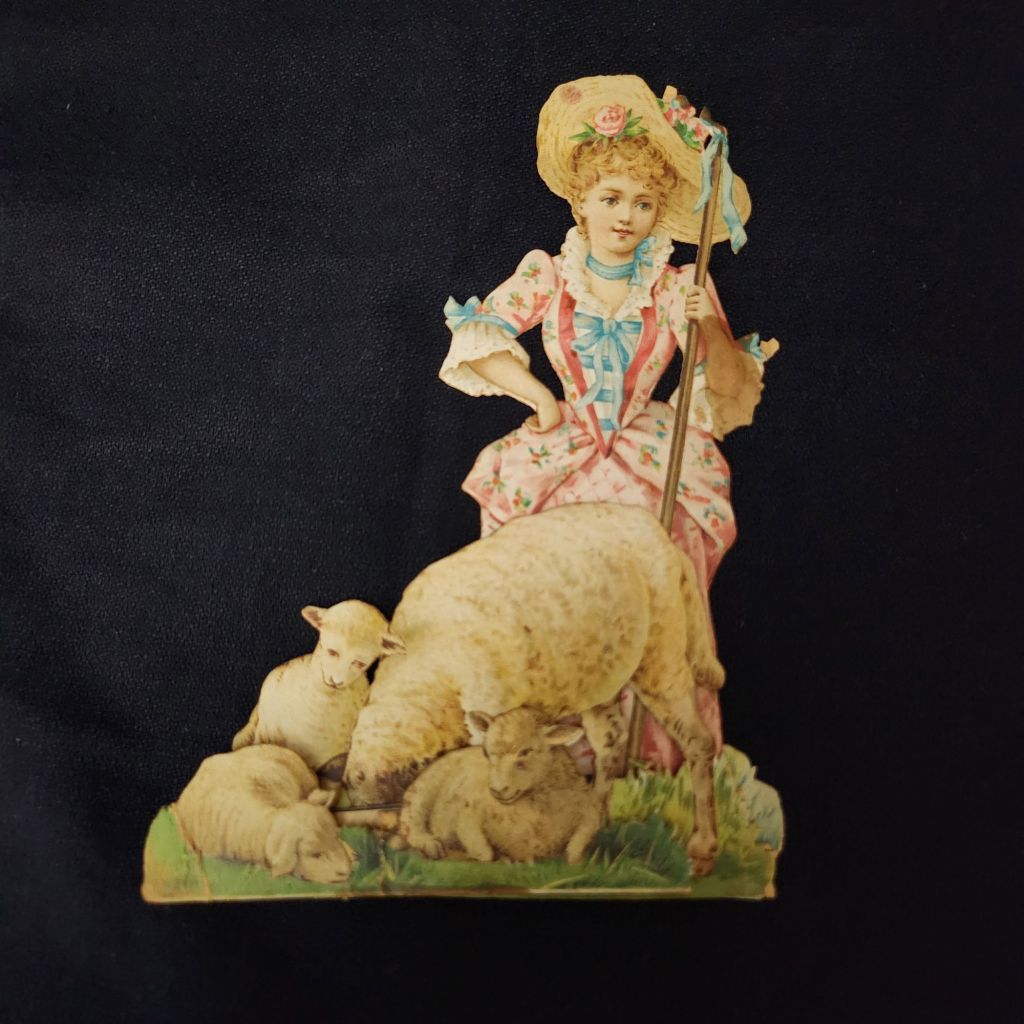
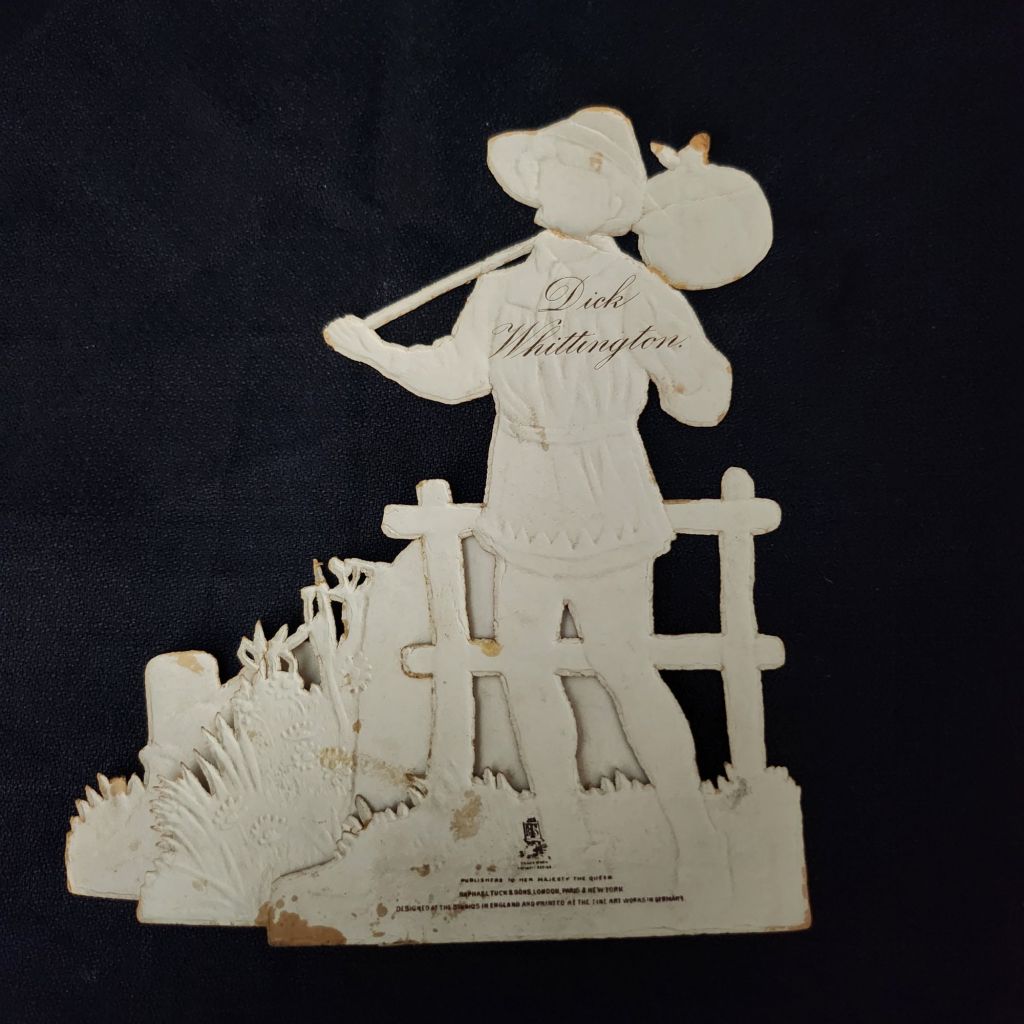
As the Harvest Moon wanes and the fall weather arrives, now is the time to cozy up with a few old nursery rhymes. These rare Raphael Tuck & Sons mechanical cards are an enchanting entrance to a magical season.
Published by Raphael Tuck & Sons of London, these elaborate die-cut pop-up cards feature beloved nursery rhymes and fairy tales including Little Bo Peep, Cinderella, Dick Whittington, and Three Little Kittens. Each piece showcases the exceptional craftsmanship and attention to detail that made Tuck one of the most prestigious names in Victorian publishing.
Vintage cards by raphael tuck & sons
Founded in the 1860s by German immigrant Raphael Tuck, the company quickly established itself as a leader in chromolithographic printing. By 1893, they had earned a Royal Warrant, becoming “Art Publishers to Her Majesty the Queen.” This royal endorsement reflected the superior quality of their work, which combined vibrant colors, intricate details, and innovative three-dimensional designs. These mechanical cards, likely produced between the 1880s and 1910s, represent the company at its creative peak.
In an era before mass media entertainment, these colorful, interactive pieces were technological marvels. The chromolithography process allowed for rich, multi-hued images that seemed almost magical to contemporary viewers. Their three-dimensional construction meant they weren’t merely viewed but displayed—transforming mantels into miniature theaters of beloved stories. Collecting and arranging these cards became a popular hobby. Many were preserved in elaborate scrapbooks, but relatively few have survived.
WWI widely disrupted the European paper and printing industries, and Raphael Tuck’s London facilities were destroyed during the WWII Blitz in 1940, losing 74 years of business records and thousands for illustrations and production files. Mid-century greeting card companies did continue to produce mechanical cards, but the more elaborate craft traditions largely faded in favor of modern design trends and less complicated manufacturing.
New technologies have revived the artform and inspired contemporary artists. Robert Sabuda elevated pop-up books and cards to fine art status with his extraordinary paper engineering. Lovepop creates elaborate 3D greeting cards for every occasion. The London company Roger la Borde produces wild and wonderful contemporary designs. Of course, independent artists worldwide create handcrafted die-cut cards that both honor and stretch well-beyond the Raphael Tuck legacy.
To Read More
The History of Raphael Tuck & Sons https://www.tuckdbpostcards.org/history Detailed company history from the TuckDB database, the premier online resource for Tuck collectors
Did you know? October 1 is World Postcard Day! The celebration started in 2019, based on the grand old global pastime of simply staying in touch.
World Postcard Day was designated by Postcrossing as the first of October starting in 2019, including a new postcard design each year. We share a simple mission to keep postcards circulating, and their way of doing it is elegant and efficient. A wonderful illustrated history of the postcard is available to enjoy, as well. To celebrate the day, I’ll be requesting my first address and then happily duty-bound to get a postcard in the mail quickly. Maybe you will, too!
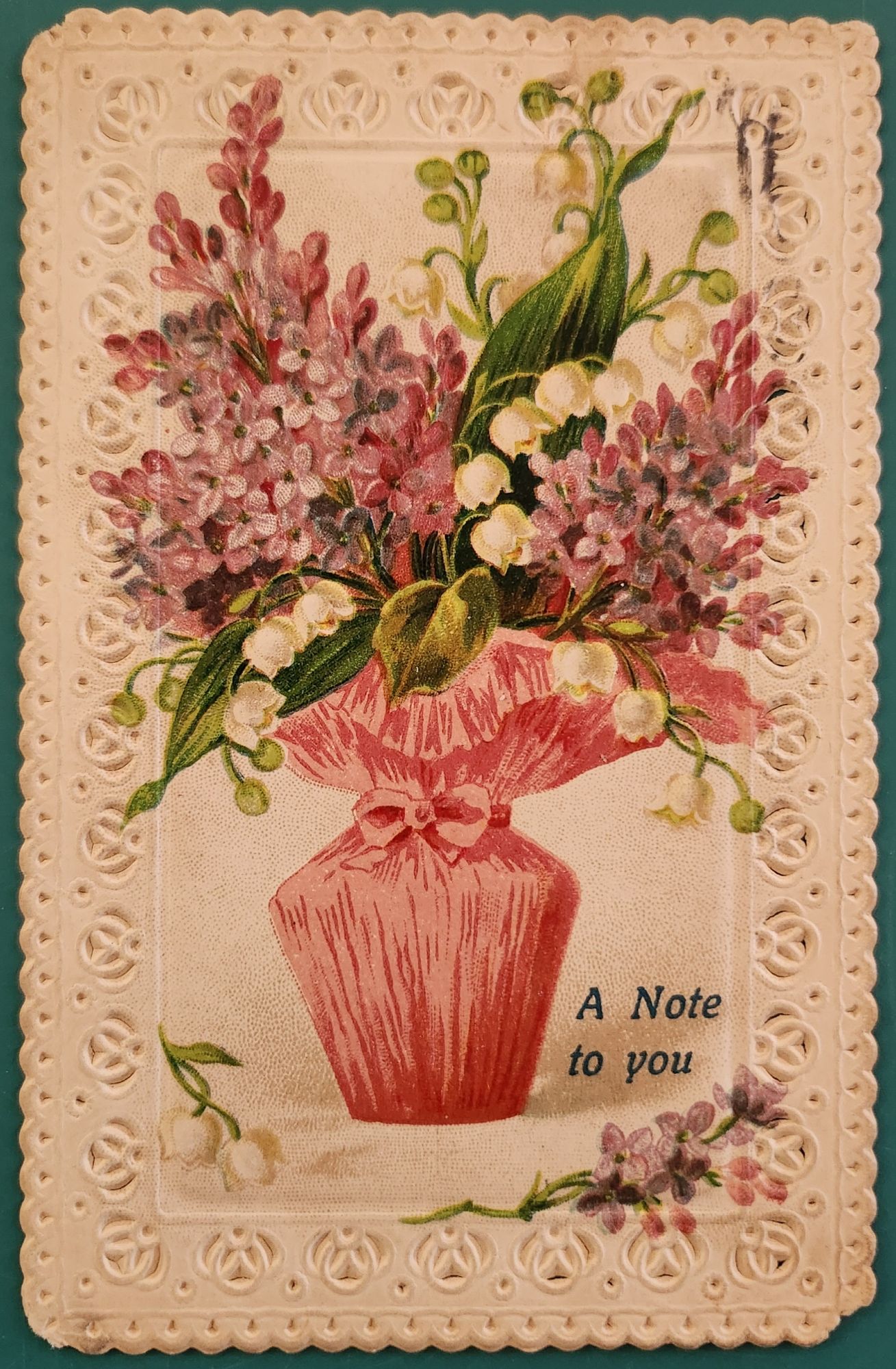
Featured Postcard~ MatToon Memories
Another mention of Mattoon, Illinois. This time, it is 1912, with a typical friendly update, winter weather commiserations, and gifts exchanged.
Dear Carrie, How is this for winter? I’m good and tired of it. Tell the folks I got a basket last Wed that tickled me mightily. Tell Stella, I will redeem my promise this week if this weather continues. I’ll look them up this P.M. & send at once. I’ve been too busy to do anything extra. Hope U are better. I weigh 154 and you will have to hurry or I’ll be way ahead of U. Mayme, March 11.
Front of the card: A delicate bouquet bursts from a pink gathered vase. Pink hyacinths and white lily of the valley dominate the arrangement. The flowers cascade naturally, their stems tied with fabric and matching bow. The text “A Note to you” appears in a blue decorative font at bottom right. Embossed rosettes frame the card in an ornate lace-like border.
Back details: Handwritten script fills the left side. A one-cent green Benjamin Franklin stamp sits in the upper right corner. The postmark reads “Mattoon, IL” with partial date visible, March 11, 1912, and a flag cancellation. The address shows “Mrs. Carrie Fulmer, St. Mary’s, Ind.”
Condition: The card shows minimal wear—crisp embossing, slight foxing, faded cancellation marks, minor corner softening. Colors remain vibrant. No tears or creases mar either side, though there is a minor cancellation mark on the front upper right. Very good condition for its age.
Rarity: This embossed, die-cut postcard represents German lithography’s golden age. Publishers used chromolithography to achieve the rich colors. The deep embossing required specialized presses. Early 1900s embossed postcards survive in quantity, but this example’s condition elevates its value. The Mattoon, IL postmark and readable message add historical context. Not museum-rare, but better than average.
Appeal: Collectors of Victorian and Edwardian ephemera may treasure this piece. Design enthusiasts might enjoy the embossed example. Genealogists ought to enjoy our meanderings through Mattoon and Mayme and Carrie’s perspectives. Botanical art lovers appreciate the detailed floral illustration and coded meanings. Stamp collectors note the Franklin one-cent issue and period-specific cancellations. Vintage greeting card dealers would display this prominently.
Would anyone cut it up to make an art card? Oh, the creative tension between past and future!
If you are nearby, come visit our very first postcard display at Tempe Yarn & Fiber. Grateful for the chance to get them out in the world. New designs and online sales coming soon!
Our very first art card online gallery show in September 2025, featuring the liminal landscapes of Larry L’Ecuyer.
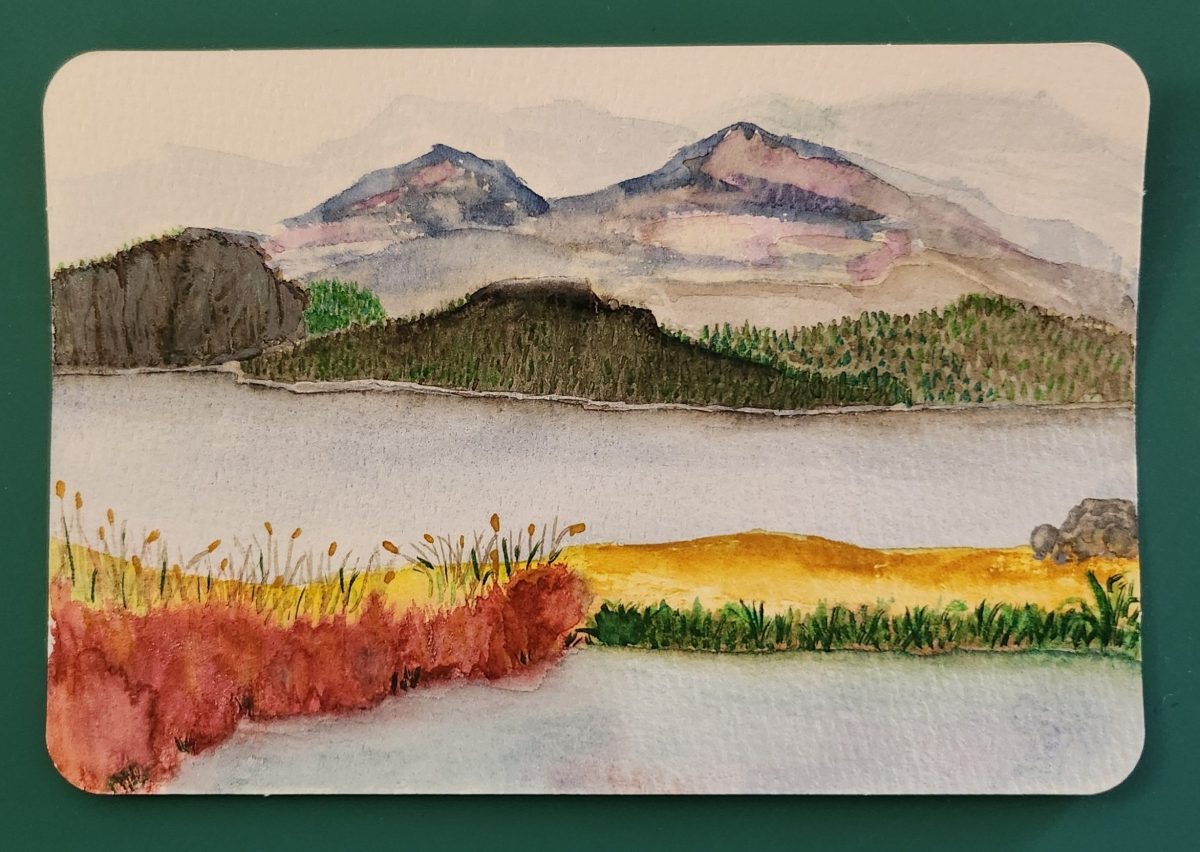
This watercolor postcard depicts a tranquil lakeside landscape rendered in soft, muted tones. The composition is divided into three distinct layers: the foreground features delicate tall grasses and reeds painted in warm golden and green hues that sway gently along the water’s edge. The middle ground shows a calm, reflective lake rendered in pale blue and gray washes that mirror the sky above. The background reveals a range of mountains painted in subtle purple and blue tones that fade into the misty distance.
Larry L’Ecuyer, the artist, has used the watercolor medium’s natural transparency to create atmospheric depth, with colors bleeding gently into one another. The overall mood is peaceful and contemplative, capturing the quiet beauty of a lakeside morning or evening.
Flip the card over and a quiet story unfolds. An adult son’s note to his mother in anticipation of a cool summer getaway.
Landscapes, by Larry L’Ecuyer
As I curated this show of my brother’s painted postcards, I found three facts about the artist that help to put this small selection of his work in context. One, Larry loves long distance bike rides. Two, he has always doodled. Three, sometimes he paints when he can’t sleep.
I suspect watercolor landscapes are a welcome choice for an outdoorsman. Beauty on the road whizzes by at miles per hour. Fish moving below the surface are mesmerizing in the moment. A chance to reflect comes later, with enough time to figure out light, color, and form in that same solo flow he finds on a bike or in a kayak.
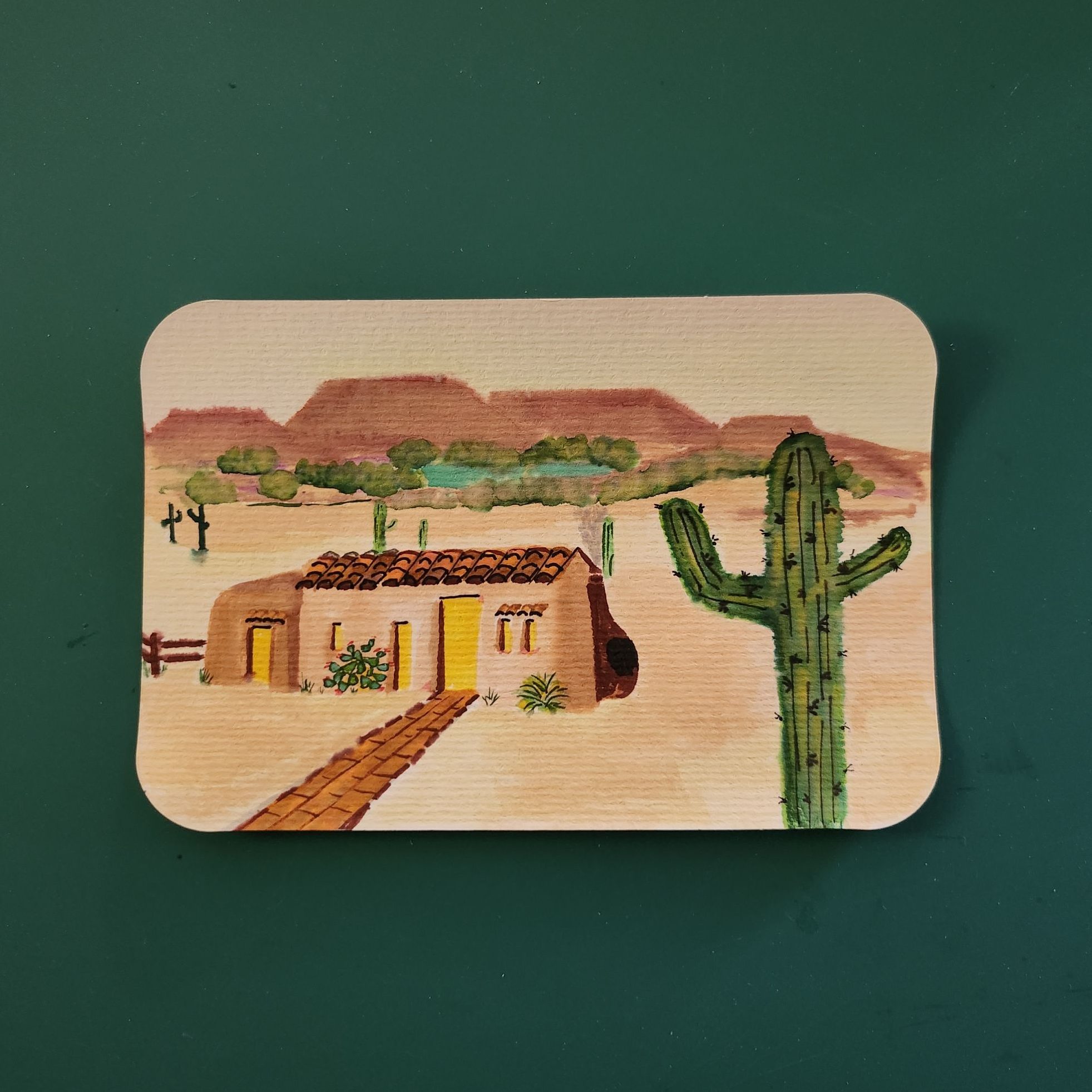
Both the humor and graphic techniques of doodling show up in Larry’s houses, trees, and cacti, which almost always hint at a face, gesture, or mood. On the back, his notes to our parents include the puns and word play that are part of our family culture.
Larry’s art cards started arriving in Dad’s mailbox when discomfort and displacement were real worries for our elderly father. These painted palettes delivered smiles instead. We have learned a thousand times again that life’s difficulties (including insomnia) must be met with simple joys. He sends cards to Mom, too, and who knows all the other mailboxes he graces.
Larry’s cards are painted, mailed, and delivered to individual people, and they ripple out in countless ways. This Posted Past show is inspired by the reminder: Art has a sneaky way of getting right to you.
Room enough for all of us to go from here to there, and back again.
Featured Postcard~ New Orleans French Market A CENTURY AGO
An early 20th century scenic postcard showcases the iconic French Market in New Orleans’ French Quarter.
Front of the card: The photograph shows the vestibule of the historic French Market, featuring tall, weathered French/Creole Colonial columns supporting a slatted roof. Perspective draws the eye down the long corridor, emphasizing the market’s impressive scale. The covered walkway displays produce, baskets, and merchandise on tables and in crates. The image captures a rare moment when the hallway of vendors face the camera. Hand-colored rose tones reflect the market’s timeless atmosphere with pops of green and blue artfully applied. Caption: Vestibule, French Market, New Orleans, La.
Back details: The left panel explains the market’s history:
This card shows the interesting old columns erected, 1822. While the roof of the market has been repaired many times, the old columns have stood as originally put, without fire aid to the injured.
Published by Lipsher Specialty Co., 320 Magazine St., New Orleans. Standard divided back format with decorative script and postage rates listed: Domestic One Cent, Foreign Two Cents.
Historical significance: The postcard documents the French Market’s appearance in the early 20th century. Established in the 1790s, the market served as a vital commercial hub where vendors sold fresh produce and handcrafted goods. Instructions to “Take French Market car from Canal St.” reflects the streetcar system and emphasis on tourism. This postcard dates to 1922-1925, based on combined evidence of one-cent postage, the specific streetcar reference, and hybrid halftone-collotype printing (Aquatone process was patented in 1922).
Condition and Appeal: The card displays excellent color saturation, with clear and interesting details and minimal defects. Tiny nicks on two corners, with yellowing on the reverse typical of age. Image and text provide valuable historical context, appealing to collectors of New Orleans memorabilia, architectural history enthusiasts, and those interested in early 20th century American commerce. The French Market remains active today, making this postcard a fascinating glimpse into its enduring legacy as a cornerstone of New Orleans culture.
Today’s Art Card & Gallery
The gallery features Landscapes by Larry L’Ecuyer, and here is a fun art card from Anne this week. Winner, winner, chicken dinner!
open call for art cards!
The World’s Smallest Artist Retreat (our P.O. Box) is awaiting your art card submission. Details here!
Art card kits ~ gift or fun for you!
Our Art Card Kits are perfectly-packaged as a fun, creative activity for you and a friend to complete in as little as an hour or made into a lovely afternoon.
Here we go! The Posted Past heads into the fall season with rare cards, a new gallery, and a social mission to trade loneliness for connection.
featured postcard~ rare novelty card still holds a mystery
An early 20th century novelty postcard featuring humorous photography and personal correspondence from Missouri.
Front of the card: The photograph shows a young Black man in white shirt, suspenders, and dark trousers, grinning while holding a large broken umbrella overhead in a playful pose. Below reads the humorous caption “A little disfigured, but still in the ring”—typical novelty humor from the postcard craze era. A black border frames the photograph on cream cardstock.
Back details: The reverse bears “Carbon Photo Series No. 513” identifying the commercial publisher’s series. Addressed to Miss Grace Skillman in Pleasant Hill, Missouri, with a green 1-cent Franklin stamp and clear 1908 postmark. The handwritten message describes an exhausting early morning wait in Lee’s Summit for “Brother and Frank,” and promising a longer letter that evening.
“Still in L.S. haven’t slept but about ten minutes. My eyes looks like two burnt holes in a blanket. Brother and Frank hasn’t come yet. I will wait till 7.30 and then go home. Will write tonight. Just finished my breakfast. I will eat if not sleep. I got here ten till five.
Condition and Appeal: The sepia-toned image displays characteristic early photography with some age spots, and a nicked corner. The image and reverse side remain in good condition with clear photography and legible handwriting. The “Carbon Photo Series” indicates premium production using carbon-based printing methods prized for superior image quality and archival stability. Grace Andre Skillman was born in Pleasant Hill in 1889, making her nineteen when she received this card. The message and the lack of formal salutation and signature suggest this is casual ongoing family correspondence. As a result, the author of the postcard remains a mystery.
Vintage novelty postcards are increasingly collectible, especially numbered commercial series with documented recipients. Collectors of African-Americana may find the image appealing and relatively rare. The combination of carbon printing technology, humorous subject matter, and personal correspondence is of interest to collectors of vintage photography, postcard enthusiasts, genealogy researchers, and those focused on early 20th century American social history and communication.
Introducing~ The Posted Past Art Card Gallery
A selection of Larry L’Ecuyer’s watercolor landscapes are on display in our Online Art Card Gallery. Fitting as our first show. Enjoy!
Countdown to a Lakeside Getaway, 2025, Larry L’Ecuyer, watercolor on postcard
NEWS & UPDATES~ art card call for submissions is open
The World’s Smallest Artist Retreat (our P.O. Box) is awaiting your art card submission. Follow one rule to join the next open show. Details here!
Art card kits now in stock
Our Art Card Kits are perfectly-packaged as a fun, creative activity for you and a friend to complete in as little as an hour or made into a lovely afternoon.
The kit includes two postcard blanks, six vintage finds curated to the chosen theme, and a bundle of collage goodies for your whimsy. There is a free gift inside, too!
Once you’re done, surprise someone with an original art card in their mailbox. Or, send it back to us to include in the next online show. Either way, you’ll have cultivated a little joy in your garden.
Words to heed and repeat, and a life’s work to regard.
George Washington Carver Educational Postcard
This vintage educational postcard (likely printed in the mid-1960s) features quotations from agricultural scientist George Washington Carver (1864-1943), displayed on an exhibit at George Washington Carver National Monument. The card presents Carver’s thoughts on success, preparation, and nature alongside his portrait. Carver, born into slavery, became a prominent botanist and inventor who developed hundreds of uses for crops like peanuts and sweet potatoes while teaching at Tuskegee Institute for 47 years.
I love to think of nature as an unlimited broadcasting system, through which God speaks to us every hour, if we will only tune in. — George Washington Carver
The George Washington Carver National Monument, established in 1943 near Diamond, Missouri, was the first U.S. national monument dedicated to an African American. Located at Carver’s birthplace, it preserves his legacy and the 1881 Moses Carver house where he lived as a child. The National Park Service now manages the 240-acre nature preserve and historic site.
The summer slow-down is coming to a close, and The Posted Past is launching into a new phase as a social enterprise. On Wednesdays, you’ll still receive a weekly wander through postcard history, along with a new focus on rare cards, and a regular review of the art cards we receive at the World’s Smallest Artist Retreat (our P.O. Box). More inspiration as our circle expands. Wisdom, wisecracks, and butterfly wings. See you in September… next week!
Sweet readers, this is your pre-preview of something very fresh, and a long time coming…
Hold a vintage postcard in your hand and flip it front to back.
On the front, usually an idealized world. Sun-drenched beaches, pristine mountain vistas, city streets captured at their most photogenic moments. Designed to say, “Wish you were here!”
Flip it over, and you find something entirely different. The back reveals the personal, the quixotic, sometimes the magically mundane.
“Weather awful, hotel terrible, a bit bothered by a smelly seatmate on the plane, but having a wonderful time anyway.”
Postcards fascinate me precisely because they embody all of life. They’re both public and personal, both idealized and achingly real. They bring the past forward in time, making unexpected connections with family, friends, and special places—revealing who we have been along the way.
On a very old postcard, the handwriting of someone long gone comes alive again right before our eyes. A jotted note gives us a new view into their private world. Their words leap over the decades to reach us. There is a lush creative commons between now and then, a liminal green lawn to lounge on and take in the cool air.
I have lived happily in those in-between spaces for the last few years. Somewhere in the middle of my life and career and enjoying myself in the meantime. Not where I was before, and both curious and terrified about what comes next.
Well friends, like the best summer novel, the plot thickens.
Starting in September, The Posted Past officially launches a new phase as a social enterprise, inspired by the simple truth that we can trade loneliness for connection, one postcard at a time.
We have already done it, friends!
As one of my earliest subscribers, you have enjoyed (I hope!) an essay every Wednesday for the last year. Going forward, you’ll still get those delightful diversions that remind us we are more than we knew. I’ll also offer sneak peeks at rare postcard finds, each one a small treasure with its own story to tell.
Old or new, postcards have a job to do.
Along the way, I have fallen in love with making and receiving Art Cards. My brother started mailing the lovely landscape watercolors he does when insomnia strikes. A collage free-for-all at the local gallery had me re-inspired by the ‘ransom note’ style I used to do as a teenager. Blink-blink… I found myself dreaming up fabulous cards to make.
Art cards celebrate the artist in all of us. I particularly love collage and watercolor, but truly an art card can be made with scraps. Sometimes the most satisfying work comes from simple gestures, too. Slow down enough to make something with your hands, and then send it away to make someone’s day.
Coming this fall, The Posted Past will feature an online gallery where you can browse through handmade artwork that has traveled across time and space, carrying all the marks of love, adventure, and everyday life. Call for submissions now open, mail your art card to: The Posted Past, P.O. Box 24431, Tempe, AZ 85285.
Abundance can be overwhelming, and it’s not always easy. Right now, I feel both confident and queasy. But, I’m not alone. Here’s how you can help.
Become a paid subscriber—hit the button below to support the effort
Pre-order an Art Card Collage Kit (coming soon!) for your own creative fun
Make an art card and send it to us—be first in the online gallery show!
Though we revel in real life, the handmade, and the historic, The Posted Past is also meant to be super social. Excuse our dust, and help us get started!
Browse the collection of vintage postcards on eBay and follow the store
Both/and. Past and future. Solitude and connection. Cardboard curiosities and some larger-than-life dreams. Thank you for being here together. Keep an eye on your inbox and mailbox—September is full of surprises!