Moments We Miss

Valentine’s Day is over. The chocolates parceled out, consumed in a binge, or sweetly regifted. The cards are in a stack. Love trudges on.

Before we go, there is a word worth saying about silences and the quiet costs of delayed connections, and those missed entirely.

In May 2023, the Surgeon General issued an advisory that stopped me mid-scroll. Loneliness had reached epidemic levels in the United States. He was not describing the usual suspects—a widower, a loner, someone at the edge of class or condition. I had to admit, his warning rang a bell in my own heart. I was among a growing contingent of the ordinary, ambient, alarmingly average lonely. As a caregiver, days passed without anyone really seeing me, or me really wanting to be noticed.

The Surgeon General called it a public health crisis. He compared its effects on mortality to smoking fifteen cigarettes a day. Actual harm done.

Indeed, social isolation raises the risk of heart disease, stroke, dementia, and early death. The health research is not soft or sentimental. The body registers being unseen the same way it registers physical pain — same neural pathways, same hormonal alarm signals, same disrupted sleep, same compounding risks. We are living inside a paradox: more connected by technology than any humans in history, and perhaps lonelier than our ancestors.
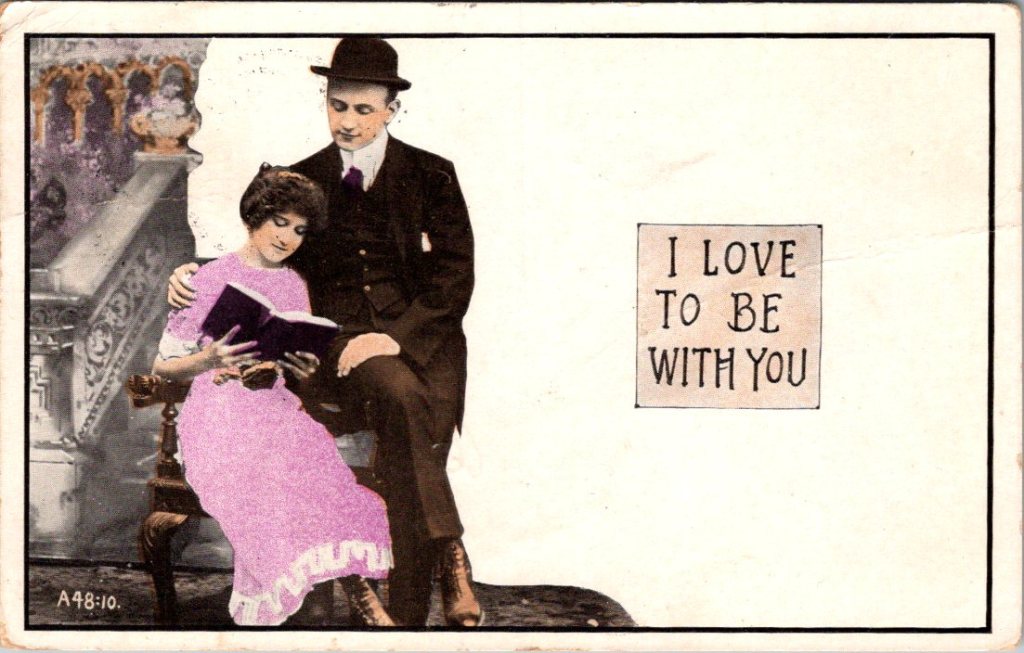
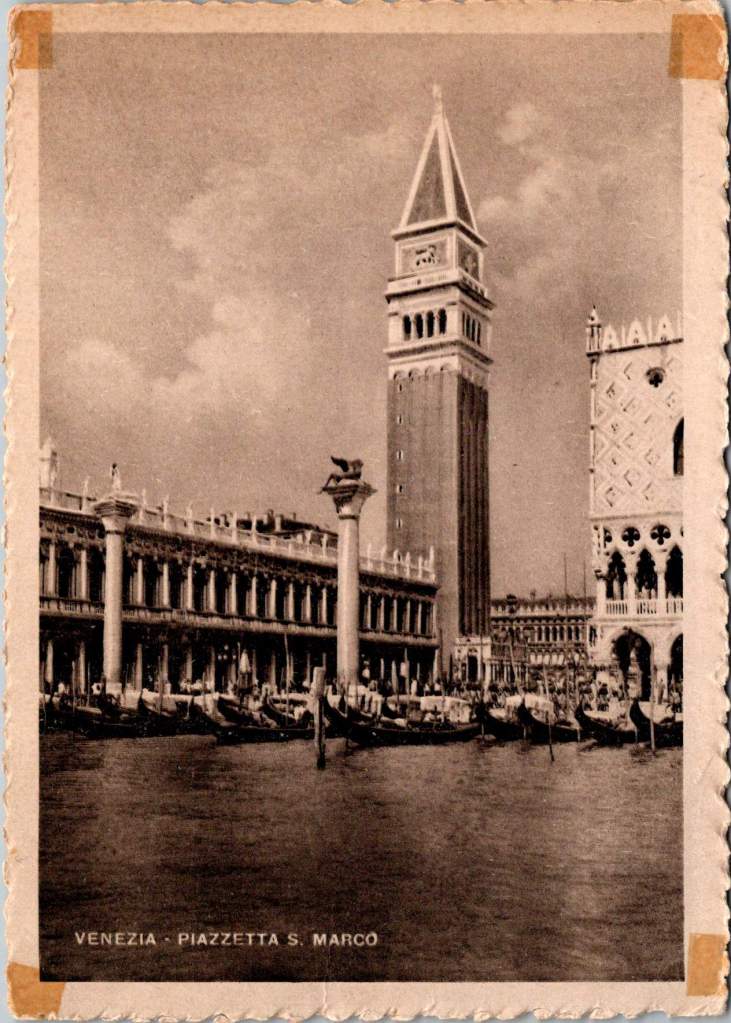
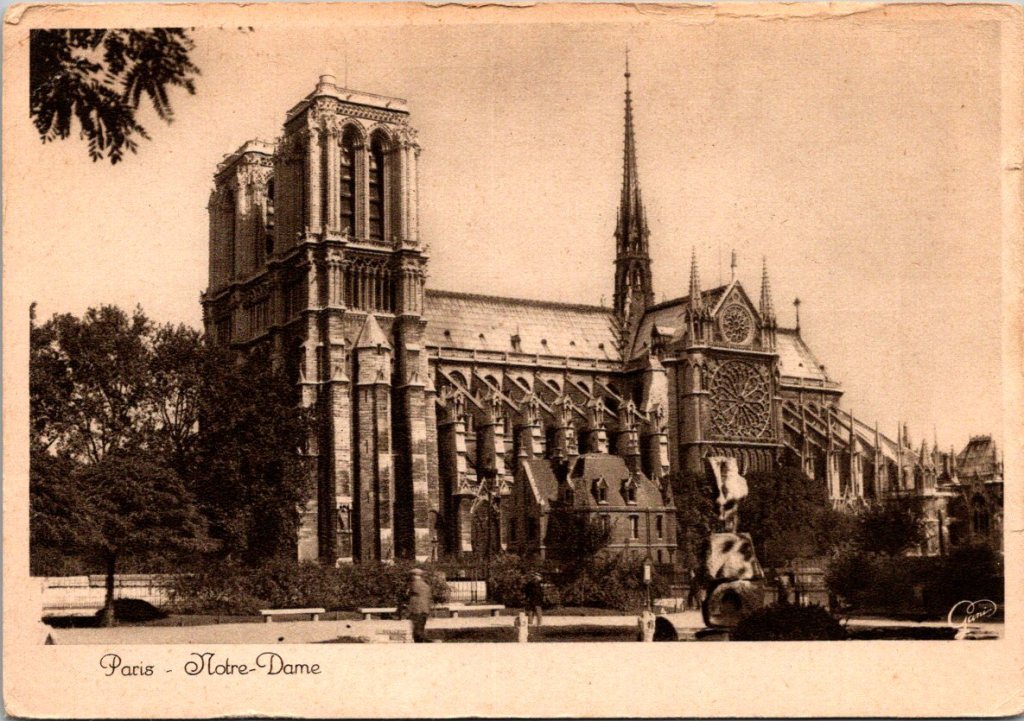
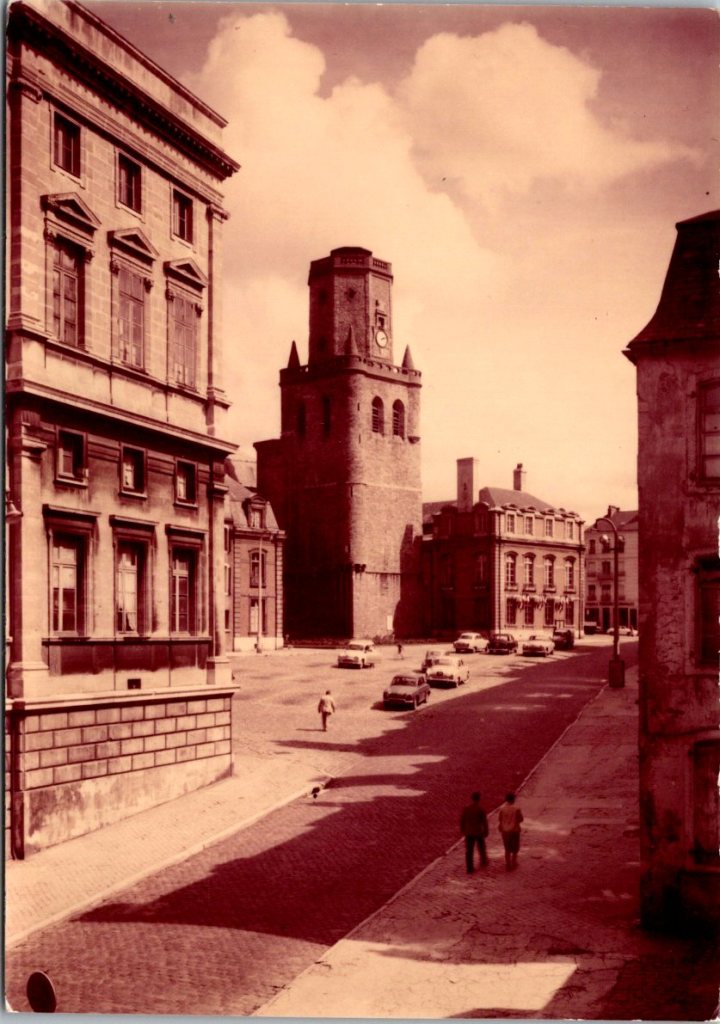
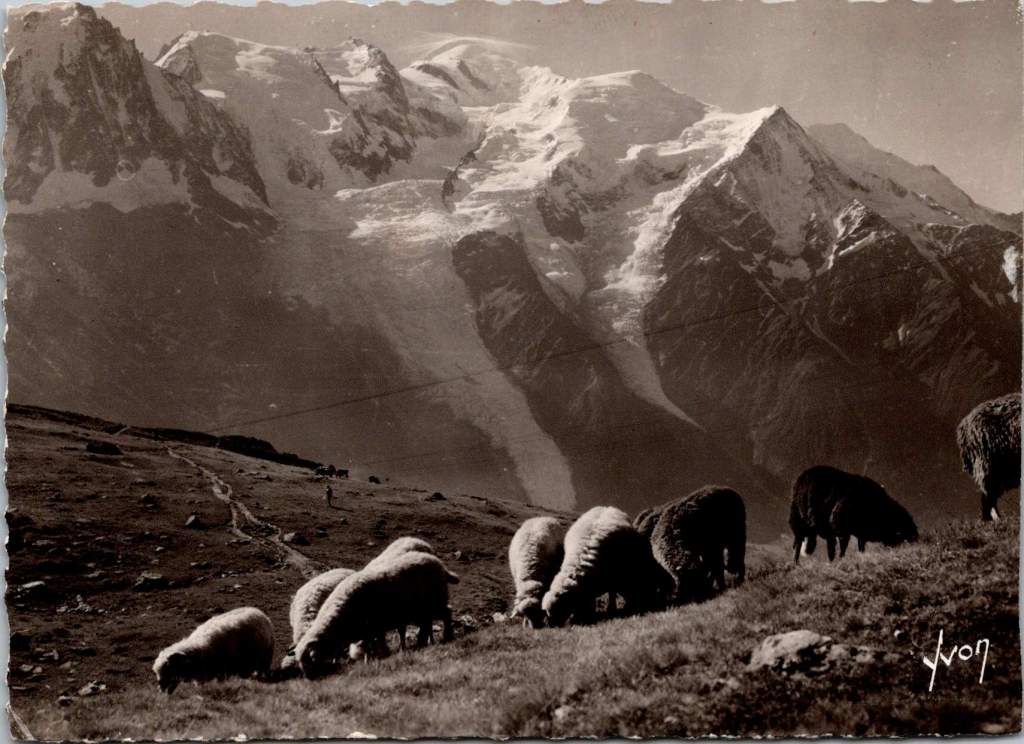
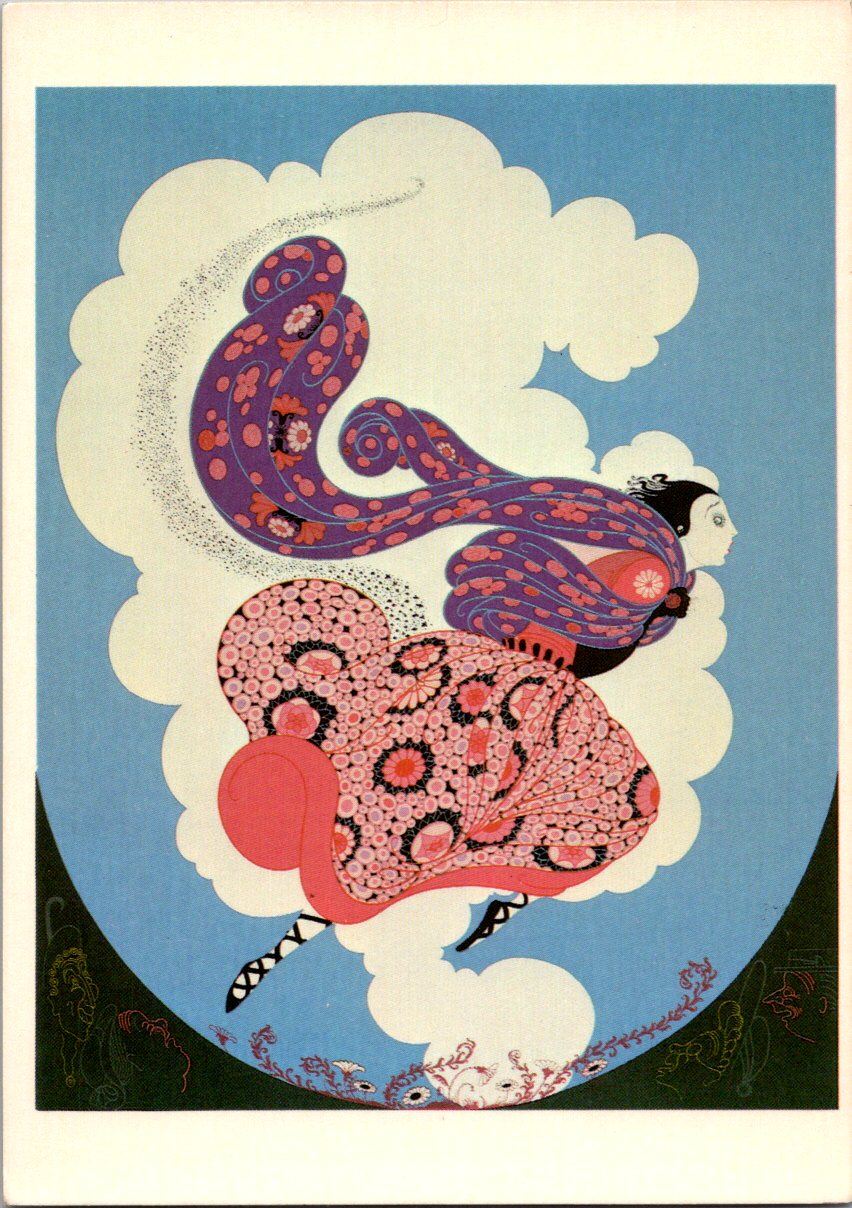
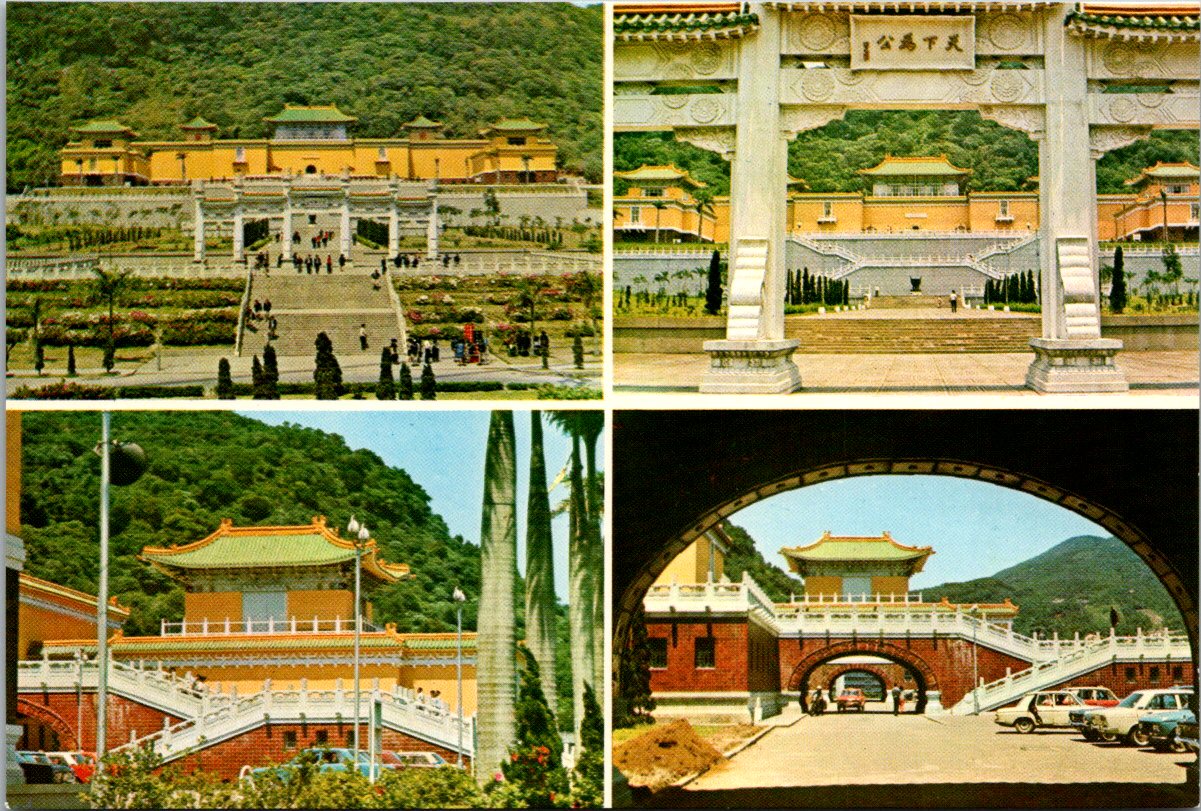
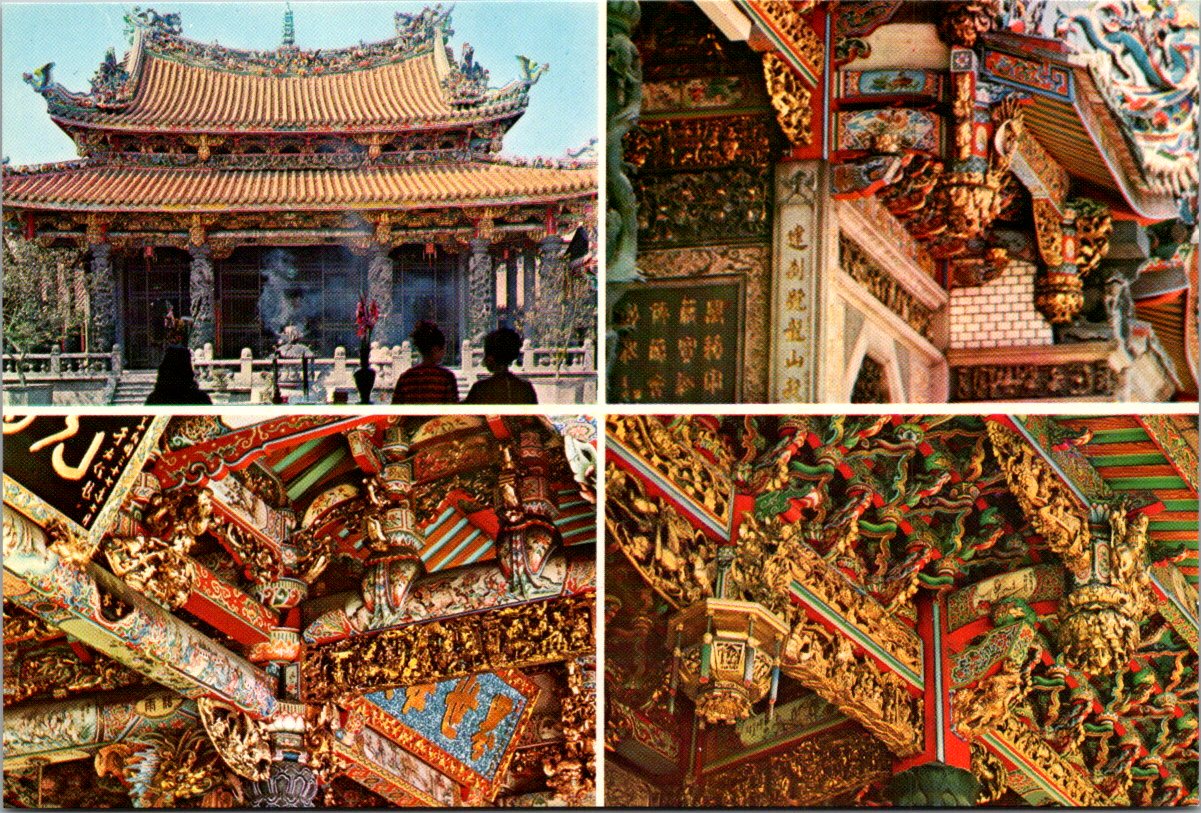
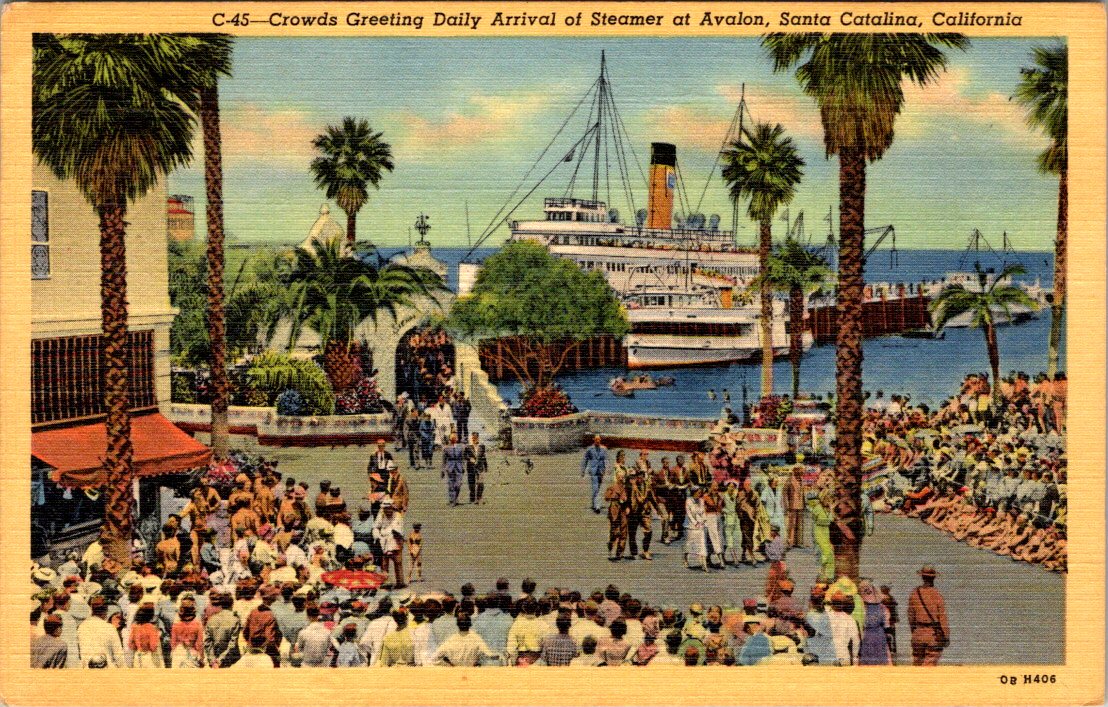
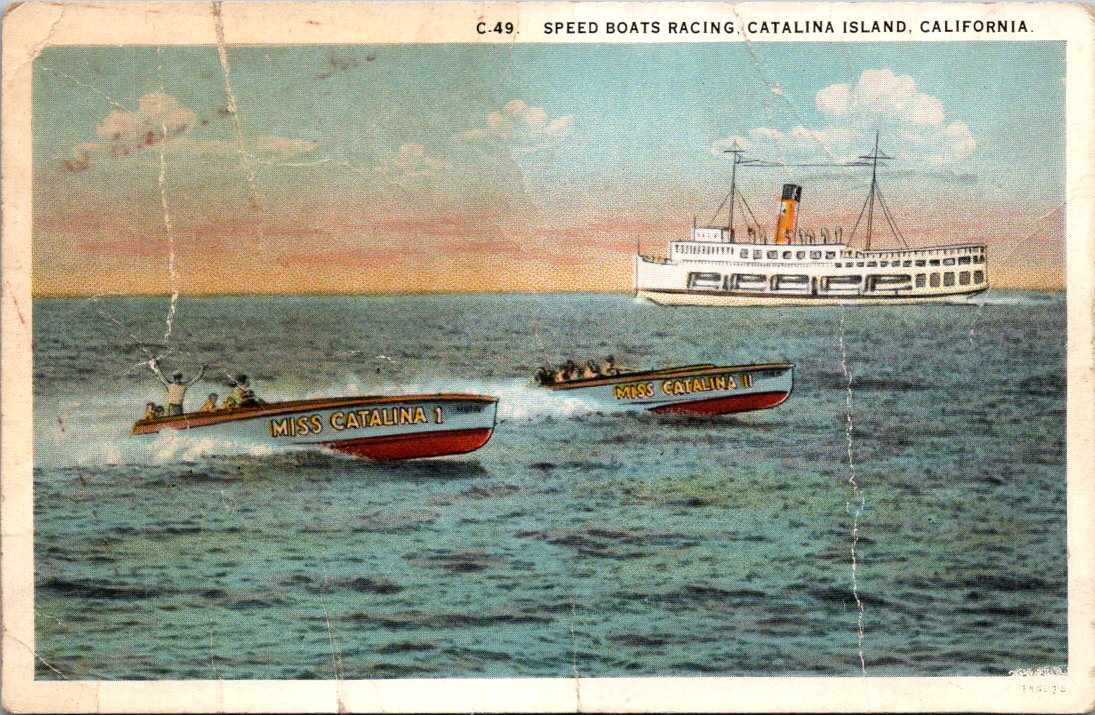
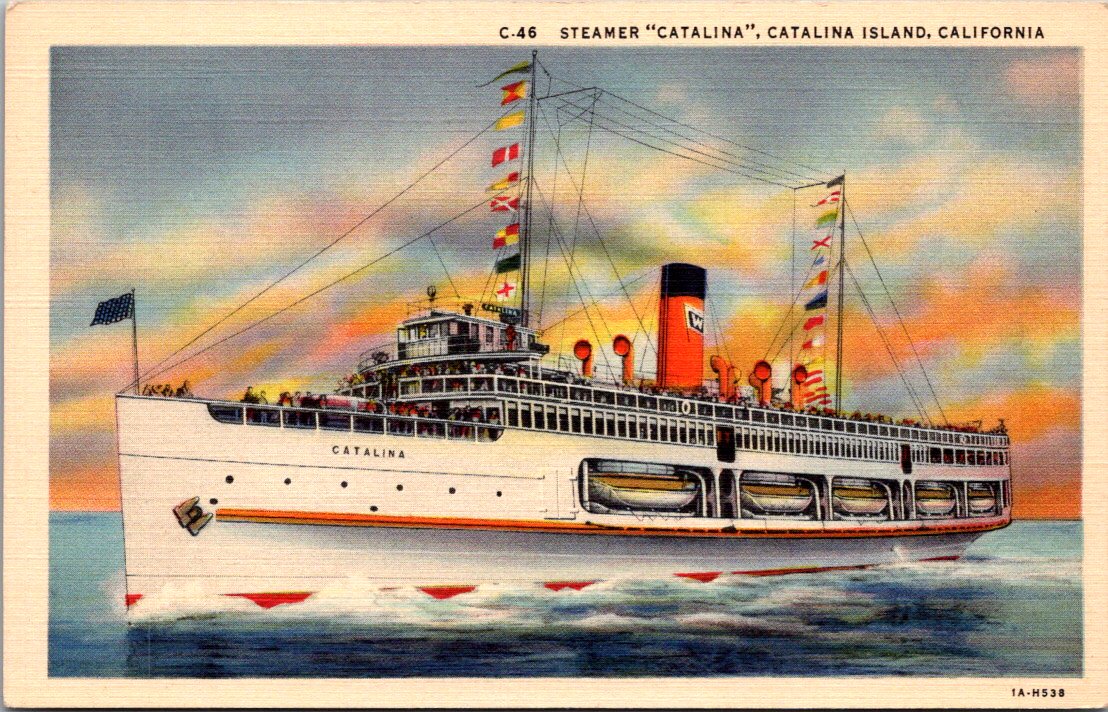
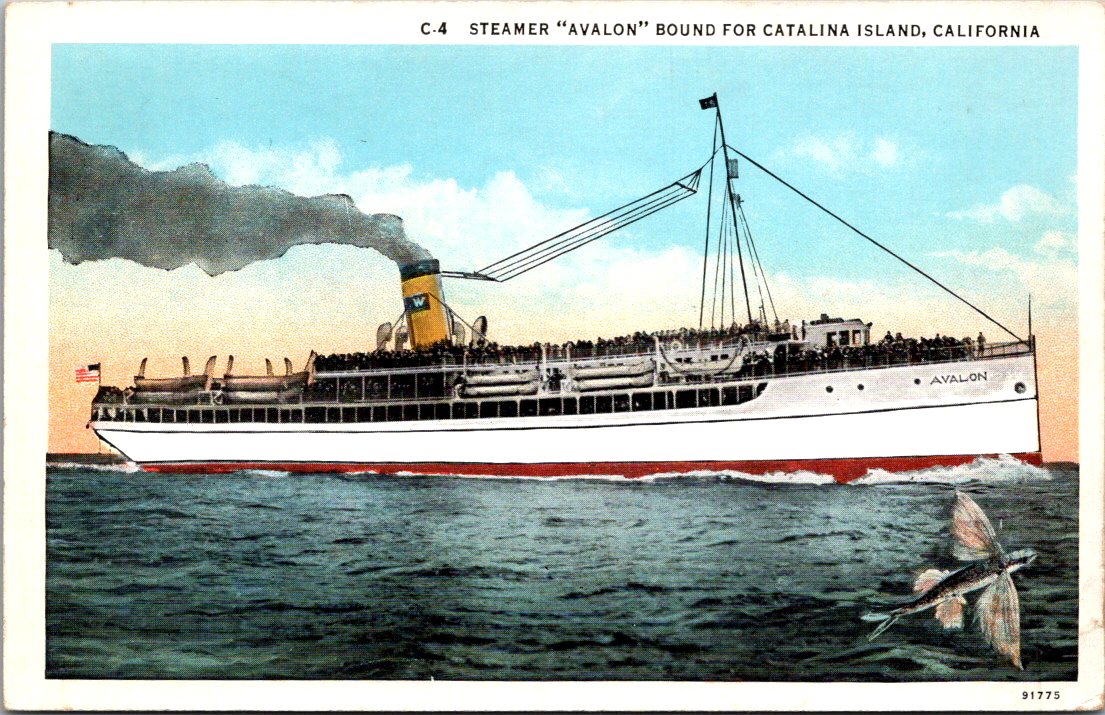
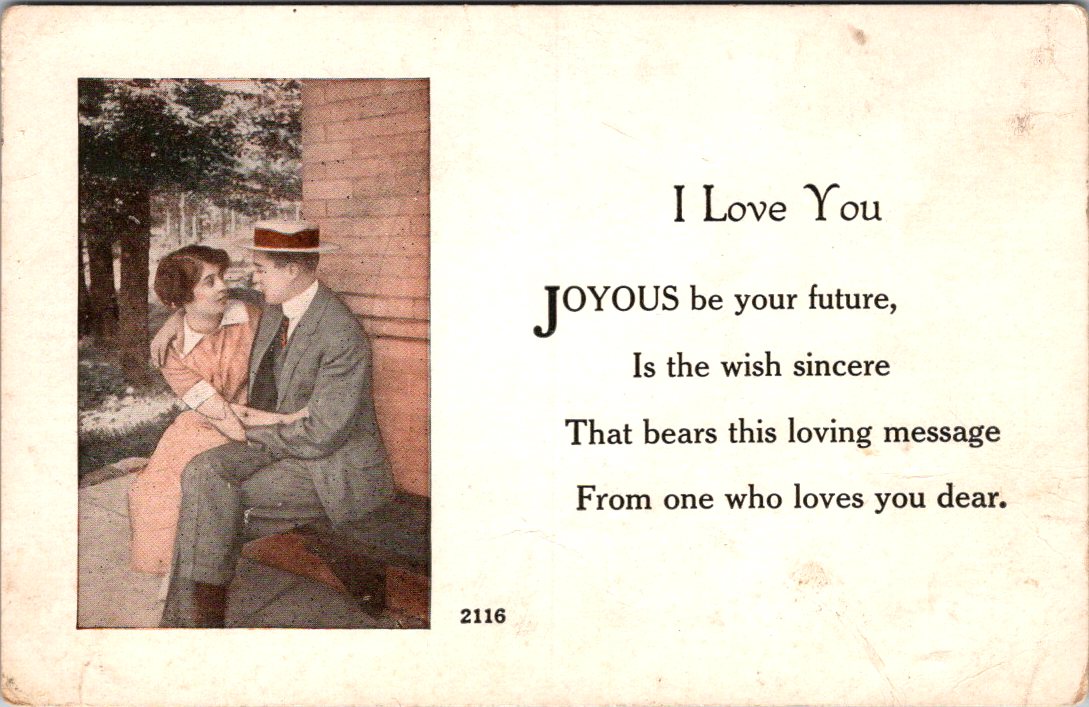
In the golden age of the postcard — roughly 1900 to 1920 — Americans sent billions of them. A trip to the lake. A hello from the city. A heart, a name, a single line of longing, on full view to the mail carrier and anyone else who handled it along the way. The medium demanded brevity, levity, and a light touch.

That simple approach is worth noticing, because we tend to use the absence of time as our primary excuse for not reaching out. We sense there isn’t room in the average difficult day for a real conversation. So we wait. And the time doesn’t come. And the silence grows.

A postcard is a signal, not a report. It says: I haven’t forgotten. A brief message can make a big point. At times, the whispered delivery bears the full meaning.

The research on what makes people feel less alone points not to the depth of connection in any given moment, but to its consistency. There is comfort in the reliable sense that someone, somewhere, is holding you in mind. A brief, warm gesture, repeated, does more for that feeling than an overwrought or inconsistent one.

Simple gestures are not consolation prizes. They are the architecture of belonging.

Sadly true, is often easier to extend kindness to a stranger than to sustain the loving glow among the people you know best. A stranger on a difficult day can receive warmth without a complicated history. They don’t owe you a response and you likely won’t know how the gift was felt. You haven’t let them down in the small accumulated ways that life’s closeness allows.

The people we love most are the ones we are most likely to let drift or actively ignore. A peculiar paralysis comes with the familiar foibles, caring deeply, and feeling the gap widen.
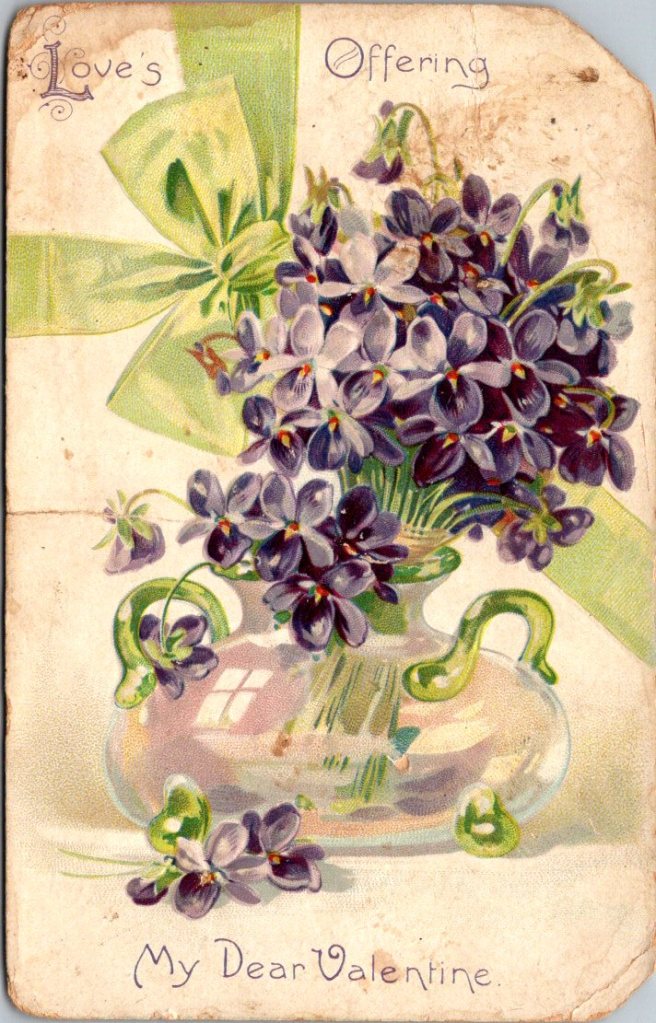
So here is a gentle nudge, the week after the holiday, when the pressure is off and the expectations are low. Not because it’s February. Because it’s Wednesday, and someone who loves you needs to know. A postcard or a hug, a humble tug on the sleeve or a quiet walk. None of it asks or offers too much. A simple, “We are ok,” can be enough.
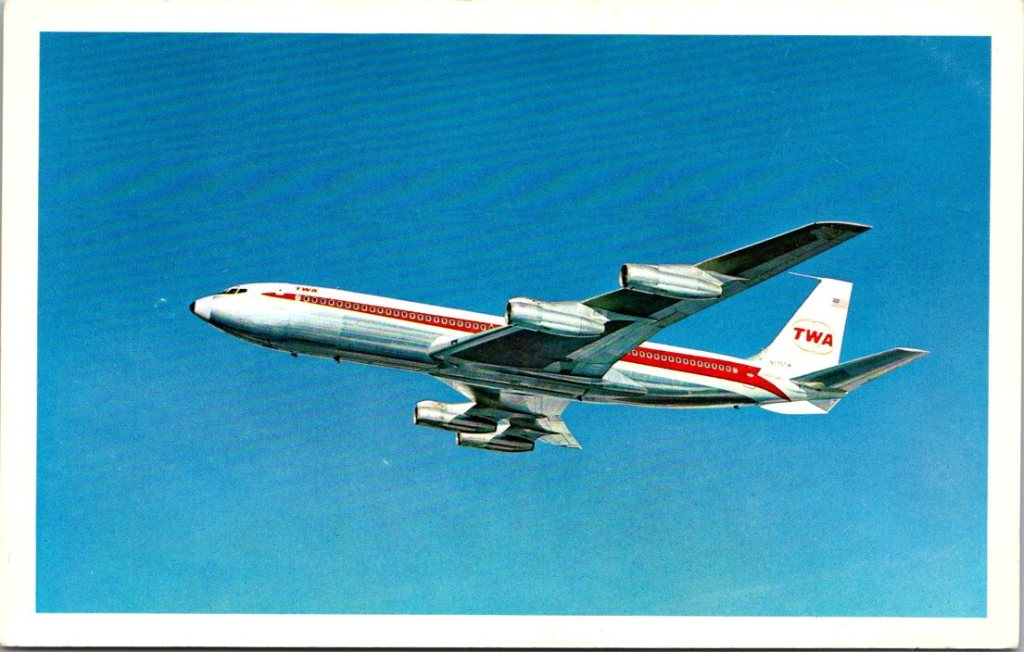
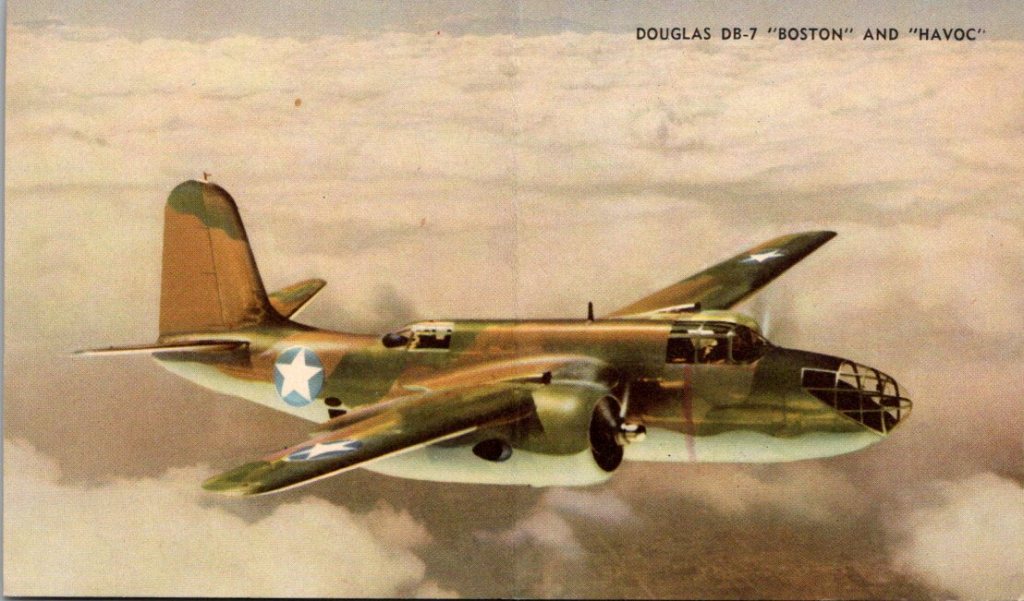
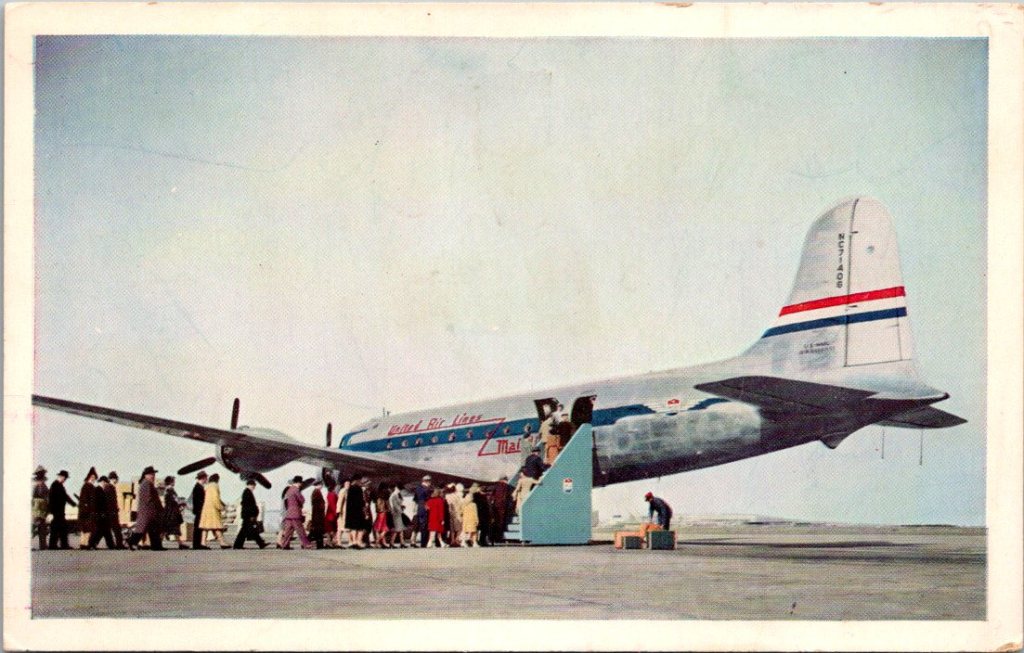

Return Flights

Mai’s brothers check-in and George follows up. Nina and Tom find Delia’s postcard stash, and their way home. Nora knows her way around town now. Peace is in practice, not perfect circumstances, says Mrs. Hanabusa.

Careful block letters adorned the outside of a #10 envelope. George recognized Jack’s handwriting. Precise, old-fashioned, like an architect from a bygone era. Inside, George found a letter to addressed to him, and a long list of books Jack had read. Not just titles, but notes.

The Hidden Life of Trees – I like how roots connect underground.

The Mapmakers – Bird migrations mapped with ocean currents.

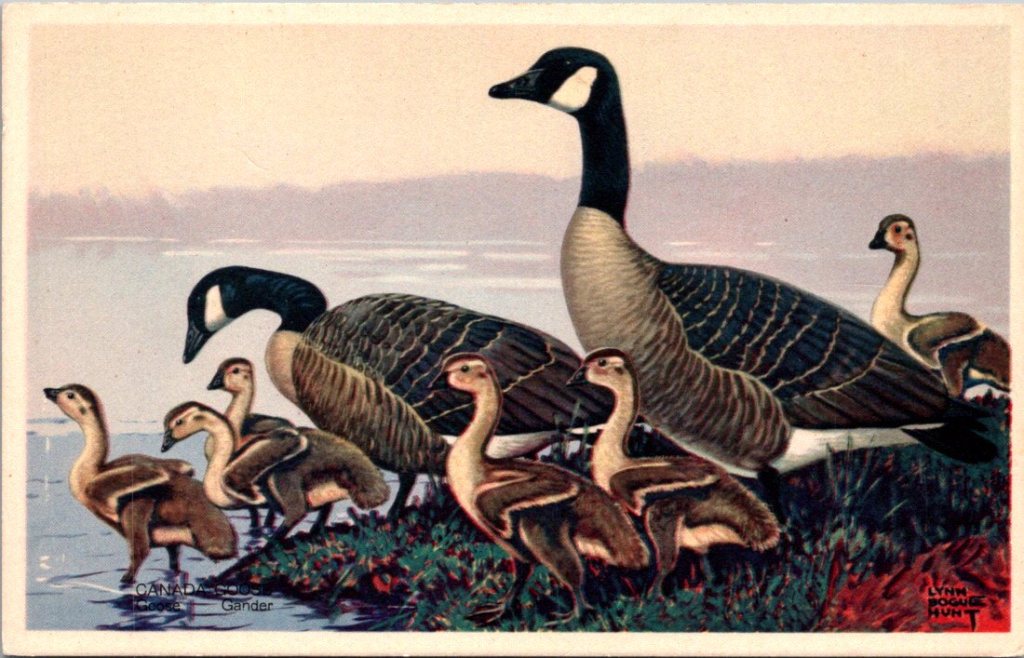
A Sand County Almanac – The geese made me cry.

George sat at his kitchen table, poured over the letter twice, then kept going back to it in mild wonder. The boy was thirteen. Reading natural philosophy at a level twice his age and writing elegant, matter-of-fact prose.

George now had a collection of postcards just for his grandson. He kept an eye out for anything inspired by books, libraries, explorers, architecture, and history. But today, he had a different one in mind.

Jack – Your list made my week! You remind me why books matter. Keep reading, all of life is in there. – Grandpa

George bundled up and trudged to the mailbox in the extremely cold and icy January morning. Stood there a moment, breath visible in the air, so proud of a thirteen-year-old boy who cried over geese.

The phone rang Saturday afternoon. It was Mai.

“Dad? You busy?”

“Never too busy. What’s up?”

“So—weird thing. I heard from both Derek and Marcus this week, within a day of each other.”

George set down his coffee. Mai’s brothers were also adopted from the chaos in Laos, but by different families. Mai didn’t know or remember much as a child. They’d reconnected as young adults as they discovered their shared histories. George had met Mai’s brothers only three times, at each of their weddings. Derek, the oldest, spent his early years in an orphanage before his adoption. He now runs a tech business in Palo Alto. Marcus, the youngest, grew up in a musical family and plays professional brass in traveling shows.

“That’s wonderful. Everything okay?”

“Yeah, they’re fine. Both texted out of the blue. Derek asked about the kids, Marcus asked about you. I think they’re feeling their age,” Mai chuckled.

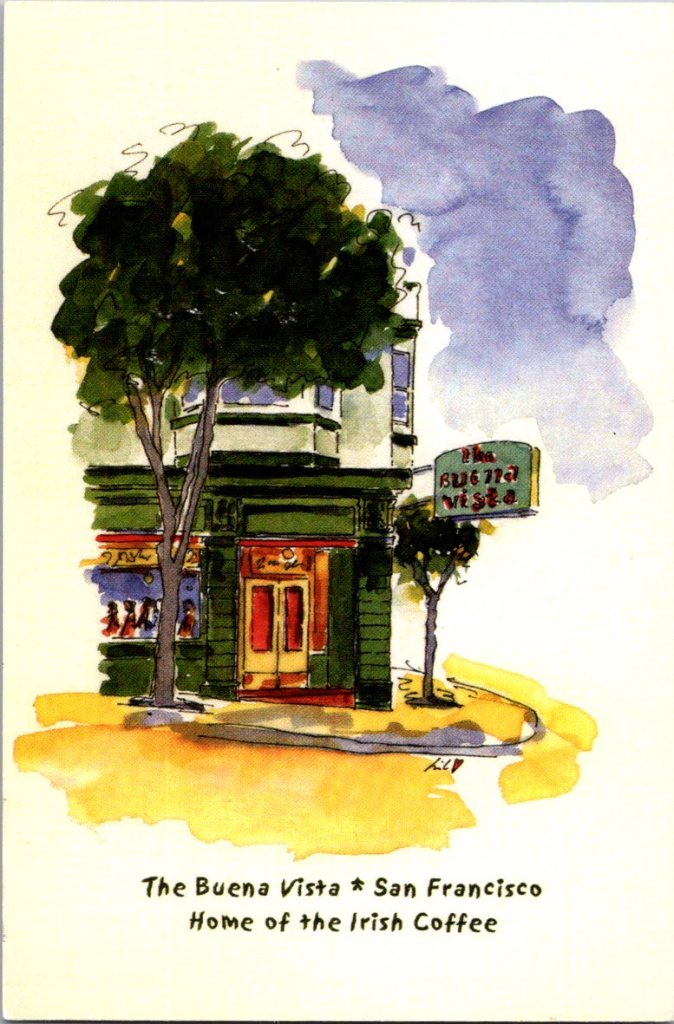
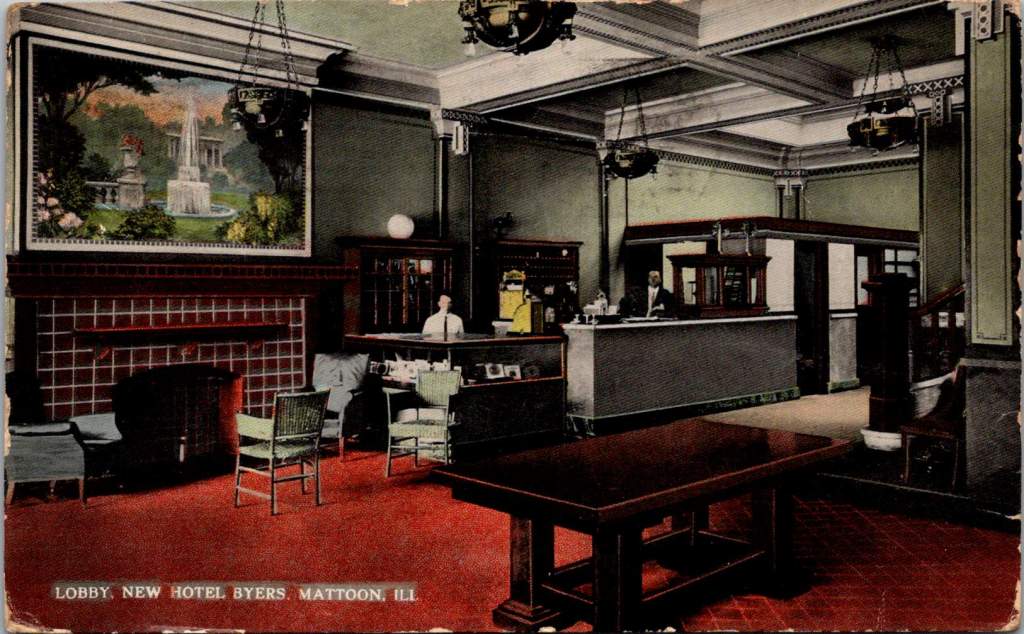
After they hung up, George sat at his table looking at his postcard stacks. He found a San Francisco classic for Derek, and an old club card from Illinois for Marcus. Relics from a jazzier time. Same short notes to both of them.

Mai says you’re doing well. Glad to hear it! – George

Nina loaded into her car early Sunday morning. Coffee in a thermos, bag full of stuff, and Mrs. Hanabusa’s advice in her head. Leave room. Her mind drifted for most of the drive, watching the sunrise over the desert and mountains to the East. She took the old road through Florence for just that reason.

Nina climbed the stairs in the worn, beige apartment complex, and knocked.

Tom opened the door looking nervous. “Hi. Come in.”

Nina noticed immediately, he was making an effort. Coffee brewing, store-bought pastries on a plate, magazines and mail in piles recently cleared from the couch. Seemed like he intended to inhabit the place, not just occupy space.

The talk was halted at first, then easier. Nina found it so strange that she grew up with the man and knew him not at all.

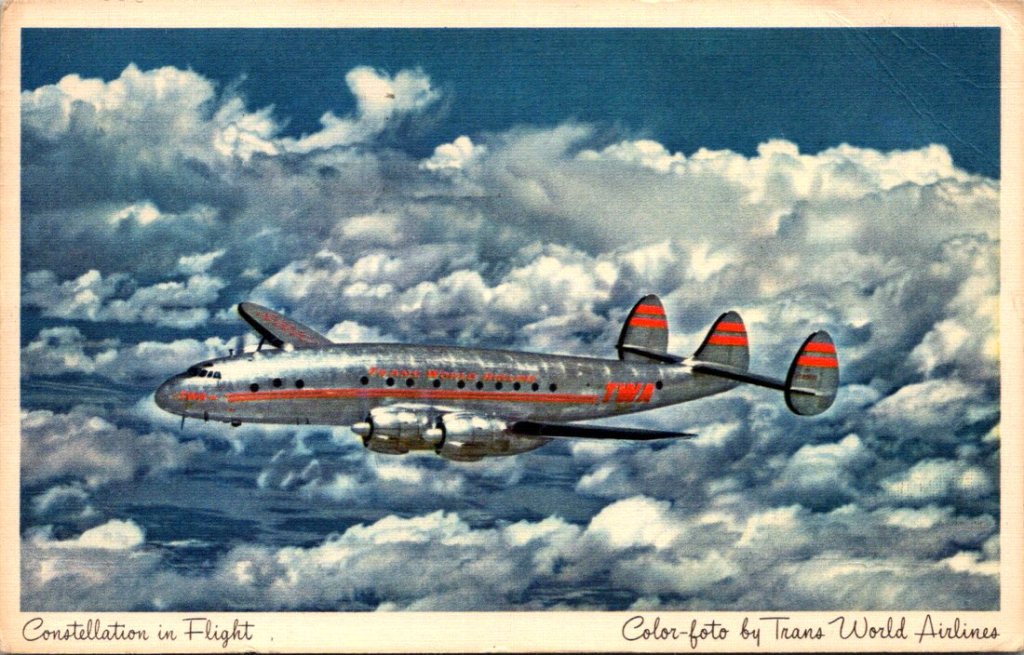
“I brought something,” Nina said. She pulled out all the postcards he’d sent over the years, a large batch that bulged at the seams of a padded envelope. Airport terminals, layover cities, all those airplanes. The last year had revealed so much, including the way her father had actually stayed connected in a quiet (and still insufficient) way.

“I kept them.”

“I didn’t know if you would. You weren’t always into them like we were.”

“I wasn’t. I didn’t even remember that I saved them. Found this stash looking through a bunch of old boxes, now that I know what to look for. Dad, I never made the connection before now.”

Tom smiled sheepishly, stood, went to his bedroom, came back with a shoebox full of postcards from Delia, dozens of them, saved over their entire marriage. Travel postcards from trips they’d taken together. Funny ones he’d sent her from far away places, anniversary cards.

“I couldn’t throw them away,” he said. “But I couldn’t look at them either.”

Nina picked up one after the other to read the backs. Her mother’s handwriting, cheerful, full of small news from home.

“She loved you.”

“I loved her, too, and I love you.”

They sat with the postcards spread out between them, talking about travel and their family trips together. Tom unearthed the ones Nina herself sent home from the summer she spent in France. Both were careful to keep his collection from Delia separate from the ones Nina brought. They were both still sorting through the imperfect evidence of what had been.

“Next time,” Nina promised as she left. They hugged briefly, and she hopped in the car for the drive home on the freeway with the sunset to her right.

Monday, Nina found Mrs. Hanabusa in her usual spot, the late afternoon light turning everything gold.

“How was your visit?” Mrs. Hanabusa asked without looking up.

“Good. Hard. Both.”

“That’s how it goes.”

Nina found herself marveling, again. Mrs. H’s daily practices, the flower arranging, carefully selecting which sentiments to include and which to set aside. She seemed to belong more to the glow than the room, now.

“How did you learn to be at peace in the world?”

Mrs. Hanabusa smiled slightly. “Well, I needed it and then I experienced it once or twice. It felt good, and now I have practiced enough. Every day. Some days better than others.”

Peace wasn’t a state achieved once and held static forever. It was active, chosen, renewed daily through small deliberate gestures.

“You’re practicing, too, but you don’t call it that yet. It’s nicer when you know.”

Nina thought about the drive to Tempe, the decision to keep the postcards, the inclination to let her father try, and the fear he’ll fly away again. It was not easy, definitely practice. Also, yes… nice.

Nora’s cards came less frequently through the spring. Nina recognized the sacred cycle of becoming and belonging. Nora had less to say about longing, more about the daily goings-on. She was living in Taiwan.

Hiked Taroko Gorge with work friends. Mountains are unreal—marble cliffs, jade rivers. Think of you, often. –N

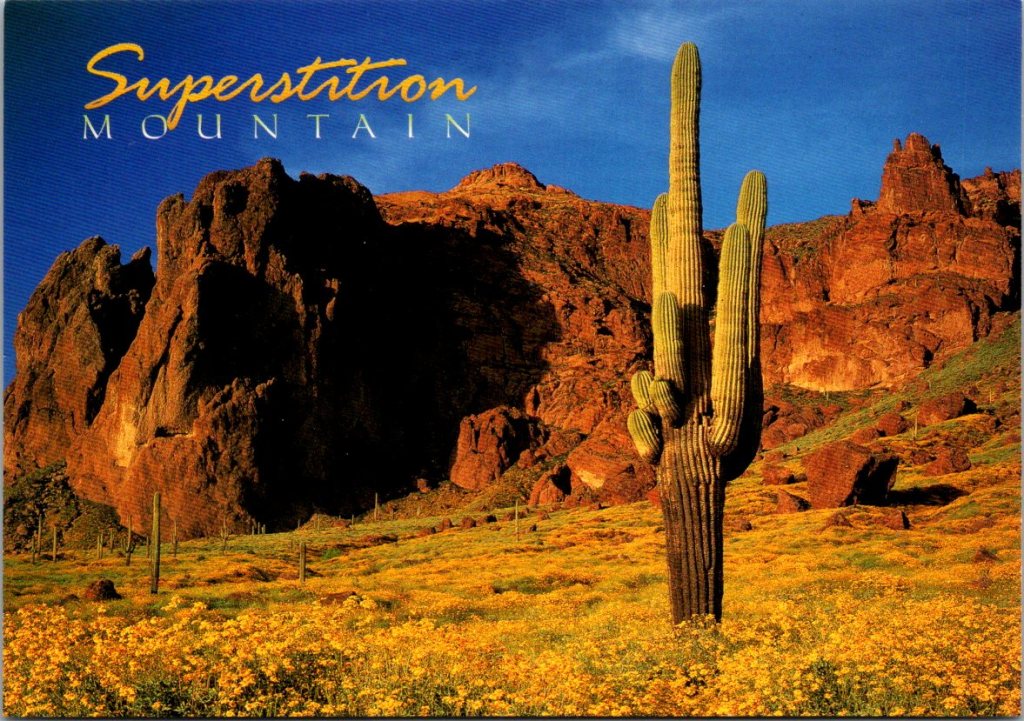
Nina pulled out a postcards of Saguaro at sunset awash with a super bloom of springtime flowers. She wrote her response, but didn’t rush it. Set it on her desk, next to the others ready to go out. There was time. Their lives would keep coming and going in a different rhythm now, and that was enough.


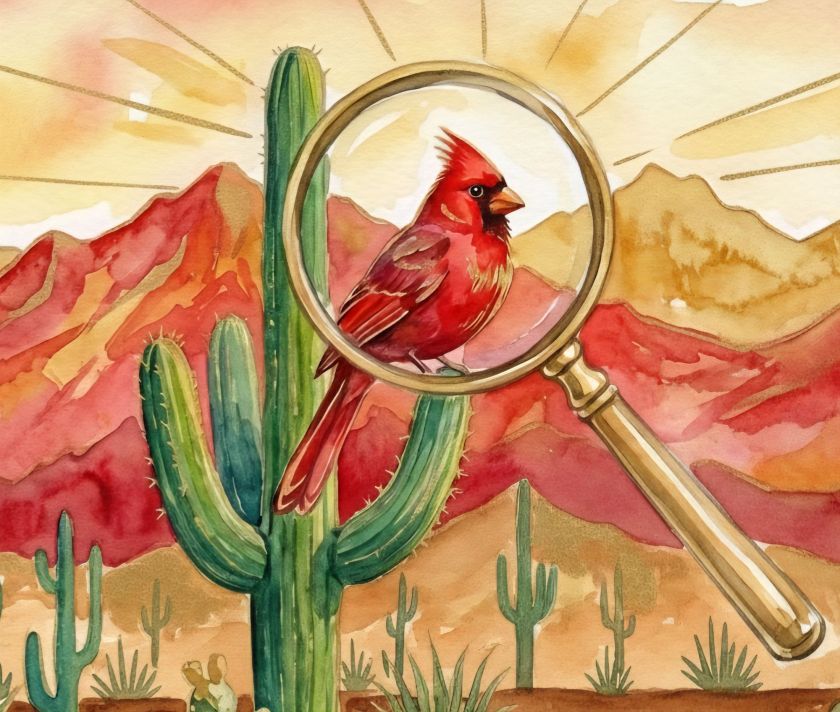
Limited edition Cardinal on a Cactus postcards available at Tempe Yarn & Fabric and online.

Solo Travelers

Each travel alone, except the air they share. Nora is happy going solo, and Tom is somewhere in between.

The teahouse was tucked next to a dumpling shop on a narrow lane in Da’an District. Nora walked past it three times before noticing the English sign: Tea by Appointment Only.

Inside, a woman near seventy arranged porcelain cups on a low table. She glanced up, assessed Nora with a single look, and gestured to the cushion.

“First time?”

“First time for tea ceremony,” Nora said. “Not first time feeling lost.”

The woman smiled. Poured water over the leaves. The scent rose—something green and grassy, nothing like the black tea Nora’s grandmother used to brew.

“Lost is good,” the woman said. “A reason to pay attention.”

Nora’s colleague Mei-Ling had taken pity after watching Nora eat lunch alone for the third week running. “You need to get out,” Mei-Ling had said. “Explore. Be alone in a place that’s not your apartment.”

So here she was. Alone. Not lonely.

Her phone buzzed. A text from Nina. Nora silenced it without reading.

The tea was bitter, then sweet. She drank slowly.

“You travel alone?” the woman asked.

“Always.”

Nora had spent years cultivating solitude—long drives through Arizona backcountry, dawn hikes in Sabino Canyon, evenings on her balcony with no one talking. She chose the Taipei assignment partly for the chance to be anonymous and untethered.

The woman poured another cup. “Tourists look for what they expect to see. Solo travelers find who is actually there, including themselves.”

Nora thought about the next postcard to Nina. She wanted to tell her about the teahouse, the silence, the strange comfort of being somewhere no one knew her name.

It’s lovely to be solo in a strange land. Watching without explaining. Moving without negotiating. I sometimes forget who I am at home.

She finished her tea, bowed to the woman, stepped back into the crowded street feeling lighter than she had in months.

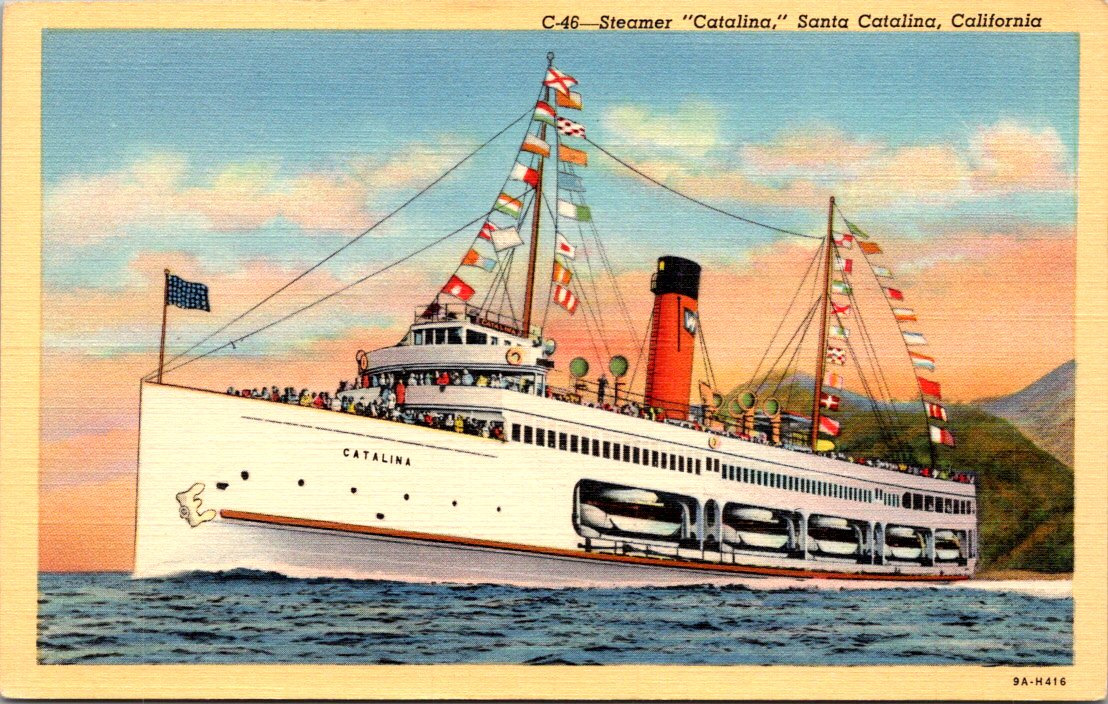
Tom stood on the deck of a fishing charter near Catalina, watching the captain clean yellowtail in the afternoon sun. He worked the knife along the spine with practiced efficiency, lifting the skin and scattering ribbons of bronze scales across the wet deck.

Tom was at sea three days, paid in full. His time between flights was long enough, he could have gone to Phoenix to check on the empty apartment. Or driven the two hours to Tucson to talk to Nina. Instead, he’d gone straight from the airport to the marina.

The ocean felt safer to Tom. He knew what he was dealing with—wind, current, the pull of the moon. On land, everything felt unmoored and awash in silence. The apartment with no one else there. Nina’s careful, measured heartache. The desperate life he’d abandoned in favor of flight schedules and hotel rooms.

The captain looked up. “You alright, man?”

“Fine.”

“You don’t look fine. You thinking about jumping?”

Tom laughed, the gallows humor helped. “Not far enough down.”

The captain went back to his work. Tom watched the horizon. His daughter was not far away. Working at the hospice. Taking care of people the way she’d taken care of her mother. While he was gone somewhere over the Pacific.

Tom didn’t make it to Jennie’s funeral. Delia was still sick and he had a flight schedule to keep. George hadn’t said much.

When Delia died two months later, George drove from Minnesota. Stayed ten days. Made coffee, answered the phone, helped with plans, and stood beside Tom at the service. Then, George drove back alone. Tom couldn’t make himself useful like that to anybody. Couldn’t even make himself stay.

A raven landed on the railing, tilted its head.

“Where’d you come from?” Tom asked.

The raven looked at Tom, croaked once, deep in its throat.

Suddenly the words came to him. He didn’t have a pen or a postcard handy, but finally he had something to say.

Flying solo is for the birds.

The raven lifted off, circled once, flew toward shore. Tom watched until it disappeared, then looked at his phone. He could get out of LA tonight, and rework his schedule from Phoenix next week. Enough time to get to Tucson and back, and to try.

The envelope arrived among the usual stack. Tom’s cramped handwriting unmistakable on the address. George carried it inside, set it on the kitchen table, made coffee before opening it.

Inside, a single sheet torn from a legal pad, Tom’s words filling margin to margin. George read it twice.

George—
Sorry it’s been so long. Don’t know how to say what needs to get out.

Been working more flights than I should. Phoenix to anywhere. Hotel rooms are easier. Nina barely talks to me. Can’t blame her.

You drove all the way to Delia’s funeral. Made everything possible. I should’ve done the same for you and Jennie. Told myself it was work. We both know better. You’ve always been better at this life.

I’m sorry. Thank you. Stay warm, and let’s talk soon.
—Tom

Tom was a restless kid — climbing trees, running off, coming home with scraped knees. George stayed close, watched birds, kept track of his brother.

After Jennie died, Tom just wasn’t around. George wanted to be angry but didn’t have the strength. Grief made him numb for awhile. Now, he was just glad to have his brother back, or at least a longer letter.

Mrs. Hanabusa sat by her window in the common room, as she often did. Hands folded in her lap. Face turned toward the light. Eyes resting gently on the flowering hibiscus outside.

Nina paused in the hallway, watching.

How did she keep such a calm reserve? After the camps, after losing everything, seeing your family degraded. How did she maintain that peace?

She would probably credit her mother, her grandmothers, and their extended friends and family. All gone, except her sister. How does she do it, still?

Mrs. Hanabusa turned her head slightly and smiled.

Nina smiled back, and walked on.


The story above is fiction, but the new Postcard People feature is real life! Meet Christine N. from Switzerland, who posts about her grandmother’s collection.

Winter Counts

Like the flash of a red cardinal in the winter snow, both George and Nina suddenly see something that has been there all along.

George woke early in the day on New Year’s Eve. Light snow outside and the question he’d been turning over since Christmas: when to take Emma birding. He called before he could overthink it.

“Tomorrow morning?” Mai answered. “She’ll be ready at dawn.”

They met at Frontenac State Park at first light. Emma hopped out of Mai’s car already dressed for the cold—layers, boots, a hat George recognized as one of her mother’s favorites. Mai waved from the driver’s seat, smiled, pulled away.

“Just us?” George asked.

Emma’s eyes rolled slightly and smirked as she held up his binoculars. She’d already adjusted the strap. The green Audubon field guide was tucked under one arm, a new notebook in her other hand.

“Mom has to get ready for the party. Plus, she said it’s too cold.”

“Fair enough,” George smiled back and nodded toward the trailhead. “Binos up, move slowly, scan and listen. You go first.”

They walked the trail along the frozen river in tandem, as quietly and patiently as he had advised. Not looking for birds exactly, but for movement, for shapes that didn’t fit the pattern of branches and sky. Emma spotted the first cardinal.

“There,” she whispered.

George raised his older binoculars. He had kept them for Jennie on the rare occasion she wanted to come along.

“Tan body, red-orange bill, and a sort-of red crest,” Emma slowly described the bird.

“Good eye. Watch how she moves.”

The bird hopped branch to ground, ground to branch.

“How did you know it was female?” Emma asked.

“Colors and the song notes. Males are showier and louder. Females sing too. They’re just quieter about it.”

Emma opened her notebook.

Female cardinal. Frontenac State Park. New Year’s Day. Feeding on lower branches of sumac. Light song noted.

They found chickadees, a downy woodpecker, juncos, and stopped along the way to record and discuss each bird. Emma’s notes filled two pages. George watched her move through the stark and cold forest—confident, curious, at ease. Mai had been more careful at this age, tentative on the trails. Emma walked as though she belonged here. She did.

Driving her home, George said, “You’re a natural. Your mom was good, too. She could walk so slowly, make no noise at all.”

Emma smiled. “She says I get it from you.”

“Well, I got this for us,” George said as he pulled into the driveway.

He flashed his phone screen to reveal the app he had downloaded, the Audubon Society Field Guide to North American Birds but online and searchable. Right on the front, the very first photo was a male and female pair of Northern Cardinals.

Emma’s eyes lit up. Quietly, she imagined how many they’d find all over Minnesota in the days and weeks and (hopefully) years ahead.

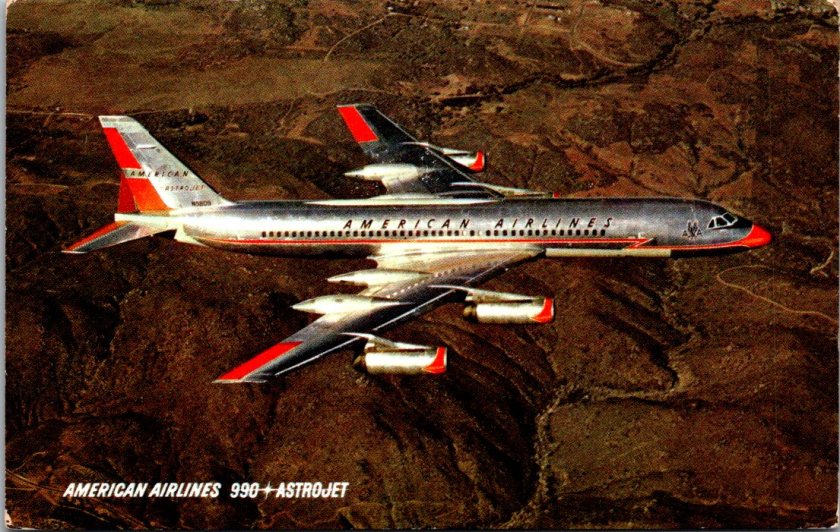
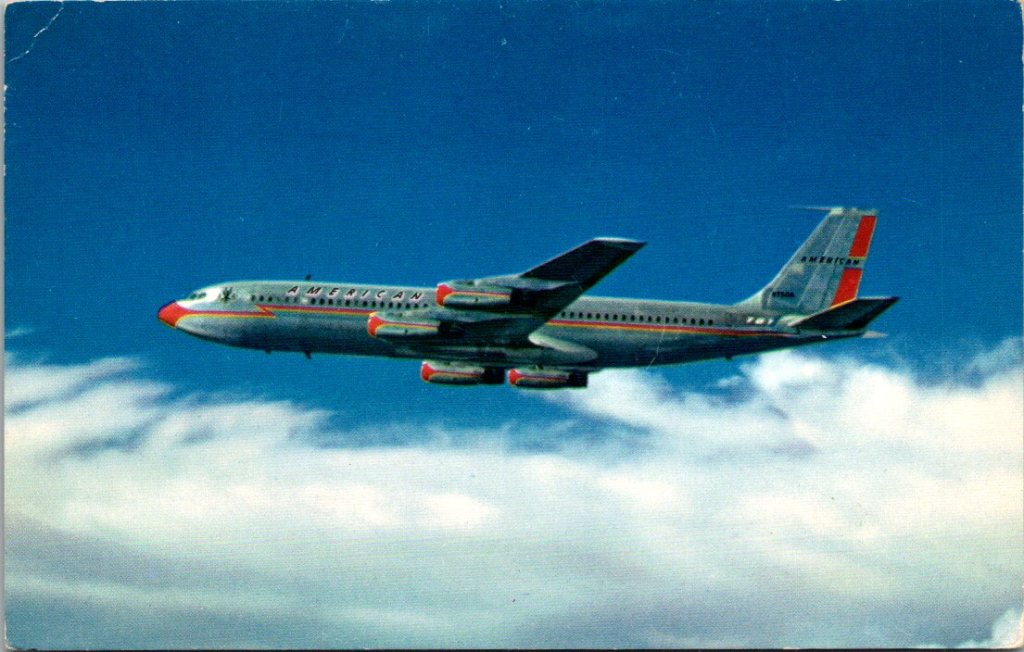
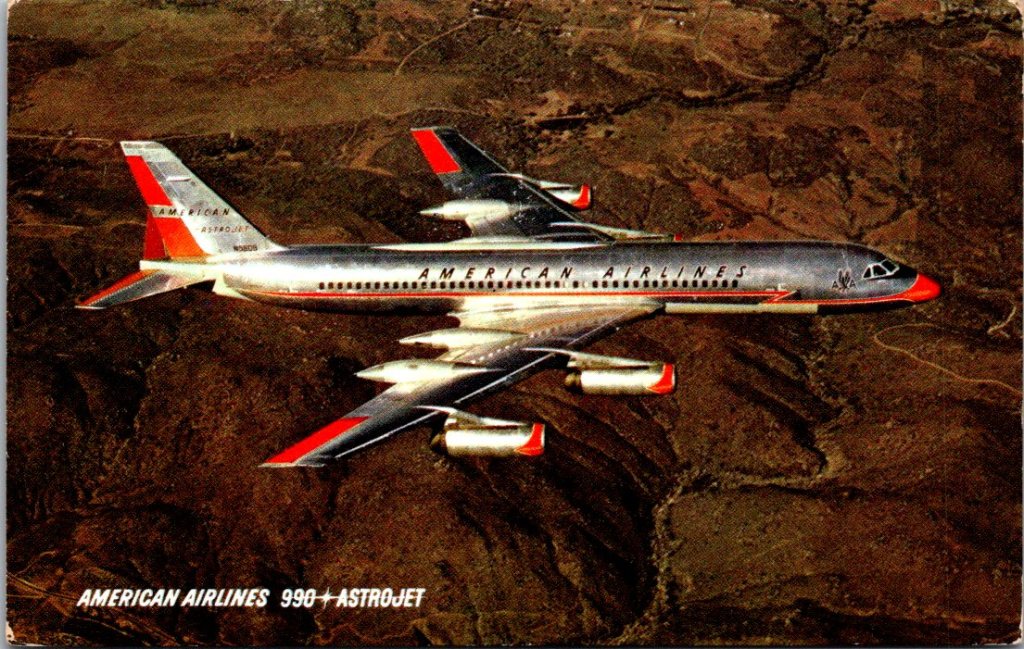
Back home, George leaned out of the window to pick up the mail before driving down the ice-packed drive. He tossed the stack on the seat. On top, a photo of an American Airlines plane. He knew who it was before he turned it over.

Flight delay. Thinking about you and Jennie. Can’t believe they’re both gone. —T

His younger brother, Tom, both of them widowers now. Their wives were gone within months of each other. At times, they both worried they would lose each other, too. Too much pain, way too much.

George had been waiting for Tom to call. He knew that constant work and distance was his way of coping, but how long was too long?

George looked at Tom’s card again, familiar but this time a sudden realization hit him. Tom sends postcards. He’d received at least a half a dozen over the years–all photos of old jets. George had never written back. Not once. He’d been waiting for the phone to ring. Now he remembered the little collection of airplanes in his desk drawer.

He sat down. Pulled a card from his own growing stack, a color photo of a trail like today’s but after the thaw. His message was short, with room for more later.

Got your card. Miss them every day. Miss talking to you. —George

He addressed it to Tom’s apartment in Phoenix, the one he’d moved to after Delia died, and rarely slept in. Stamped it. Put on his coat and walked back out to the mailbox, certain of what he’d been missing.

Nina found Mrs. Hanabusa arranging flowers in the common room—a small practical arrangement, simple stems in a shallow dish.

“For the holiday?” Nina asked.

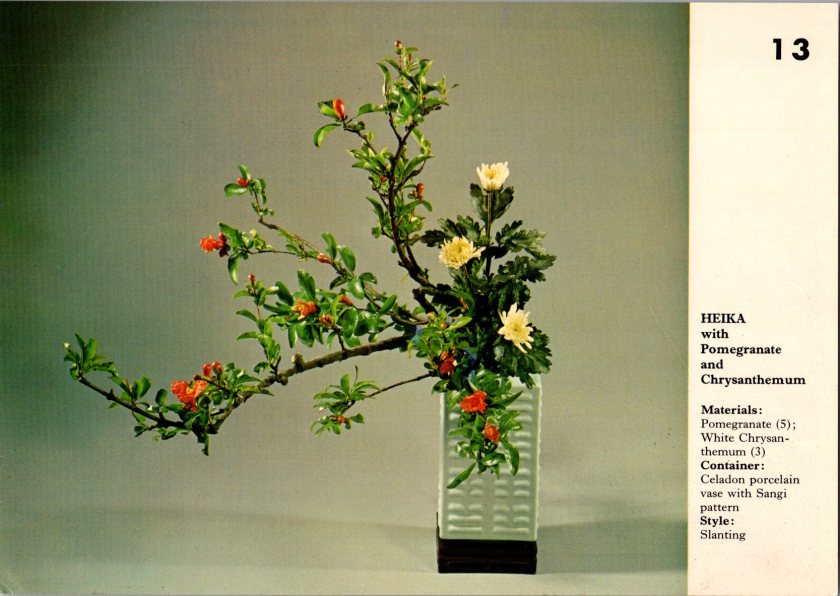
“My own amusement.” Mrs. Hanabusa adjusted a branch. “Ikebana, flowers carry meaning. Not just pretty, it’s a message.”

“What does this one say?” Nina asked.

Mrs H pointed to the chrysanthemum. “This one means longevity, joy. Used in autumn arrangements and also at funerals. Pomegranate. Internal life, good luck, and natural cycles of life and death.”

Nina watched her work. The precise angles, the negative space.

Mrs. Hanabusa stood up and moved back to considered her creation. “New year. Endurance through winter. Joy waiting to flower. Life coming and going all the time.”

She looked at Nina. “What’s your story?”

Nina placed her postcard on the table and sat down. A cluster of saguaro against a bright blue sky, blank on the other side.

“I don’t know what to say to him,” Nina whispered.

“Ikebana, we don’t fill all the space. We leave room. Leave room,” said Mrs. Hanabusa with some emphasis this time.

Nina thought for a moment, and wrote:

Got your note. Like the saguaro, I’m still here. Hug? —N

Not forgiveness. Not resolution. Presence and a little humor, with some room. She added her father’s address in Phoenix. Stamped it and set it by her keys, knowing that it still might take days to put it in the mail.

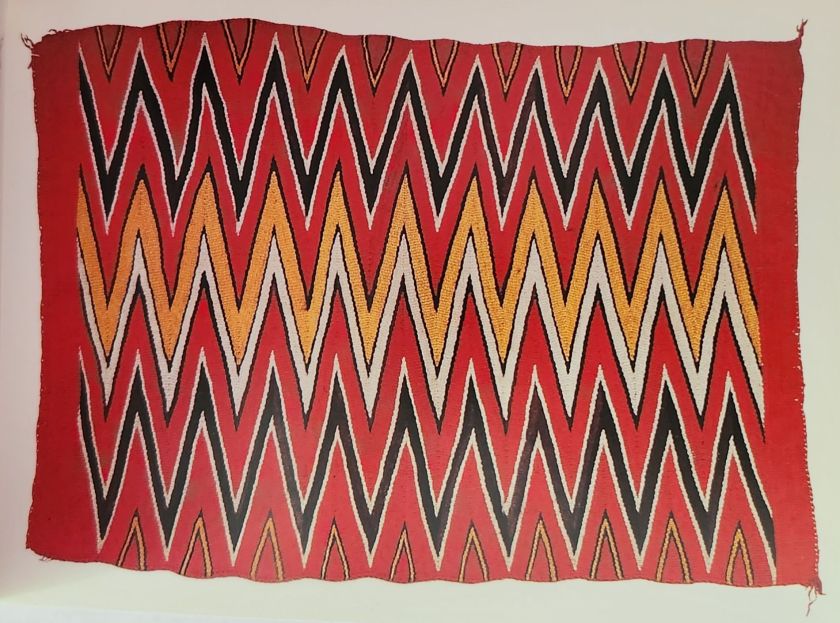
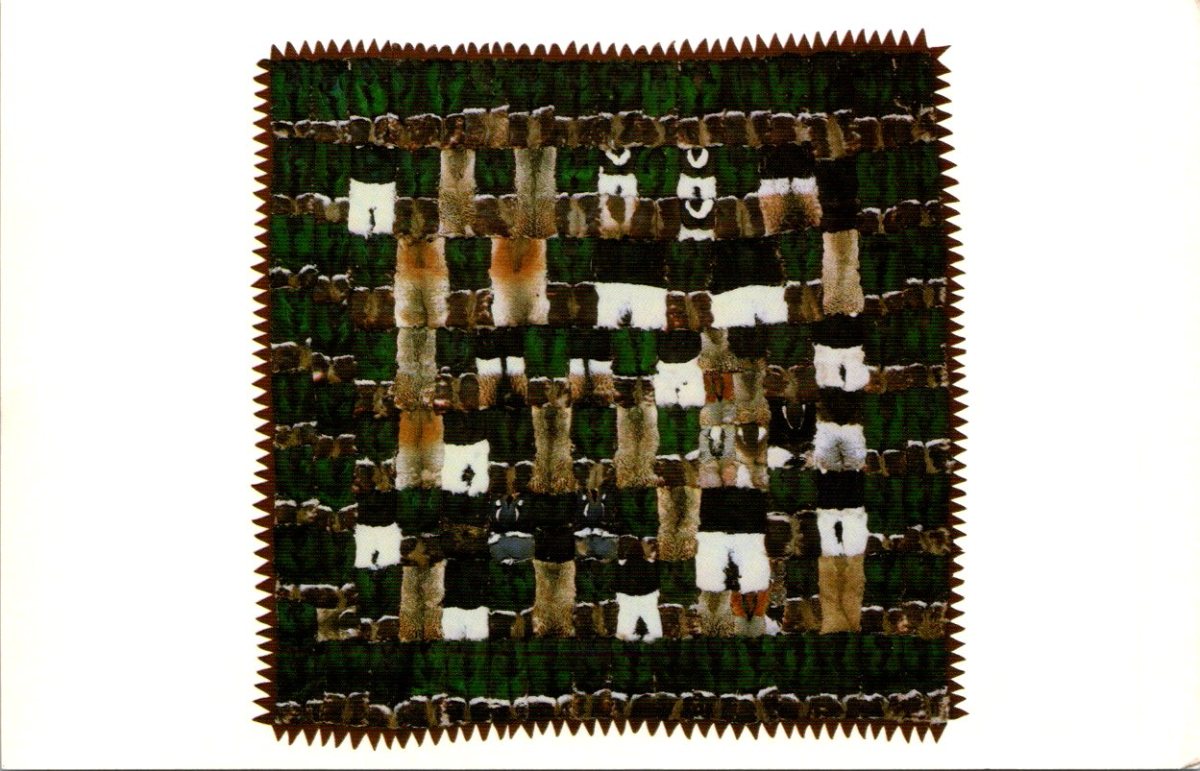
The next morning, a third card from Nora arrived—black and white geometric patterns, stark and beautiful. An Inuit quilt made of duck knecks.

Mrs. Hanabusa was at the window again when Nina came in. Nina showed her the card. Mrs. H studied the design, then turned it over to read the back.

Found a noodle shop I love. Made friends at work. Some days are hard, some surprise me by how easily I could stay longer. —N

Mrs. Hanabusa looked up. “She signs just ‘N.’ Like you do.”

Nina blinked. She’d never noticed.

“My sister and I had our own shorthand, too. Still do.” Mrs. Hanabusa handed the card back carefully. “Secret code.”

Nina looked at the card again. The simple N. The years of friendship.

On her way home, she stopped at the blue mailbox on the corner. Pulled out the cactus card she’d written to her father to look at how she’d signed it. Just N.

She dropped it in the slot, heard it fall, and said a humble prayer. What else had she not noticed along the way?