Last week, buildings emerged and oil derricks erupted. Evidence accumulated, context implied. An unknown town takes shape and we surmise. Now, people stare across a century and time flies.
Seven adults carefully arranged on a rocky outcrop. Three men, four women. Two children in white dresses seated in front. Twins? Cousins? Someone operated the camera.
We see the composition and relational questions arise. Are they family? Kin? Friends on an outing? Do the poses suggest occasion, or documentation?
Evidence ends and story begins. We fill in by reading subtle cues in how they stand, who touches whom, which faces seem to fit together. Clues come quietly and mistakes, too. Always, we’re revealing ourselves.
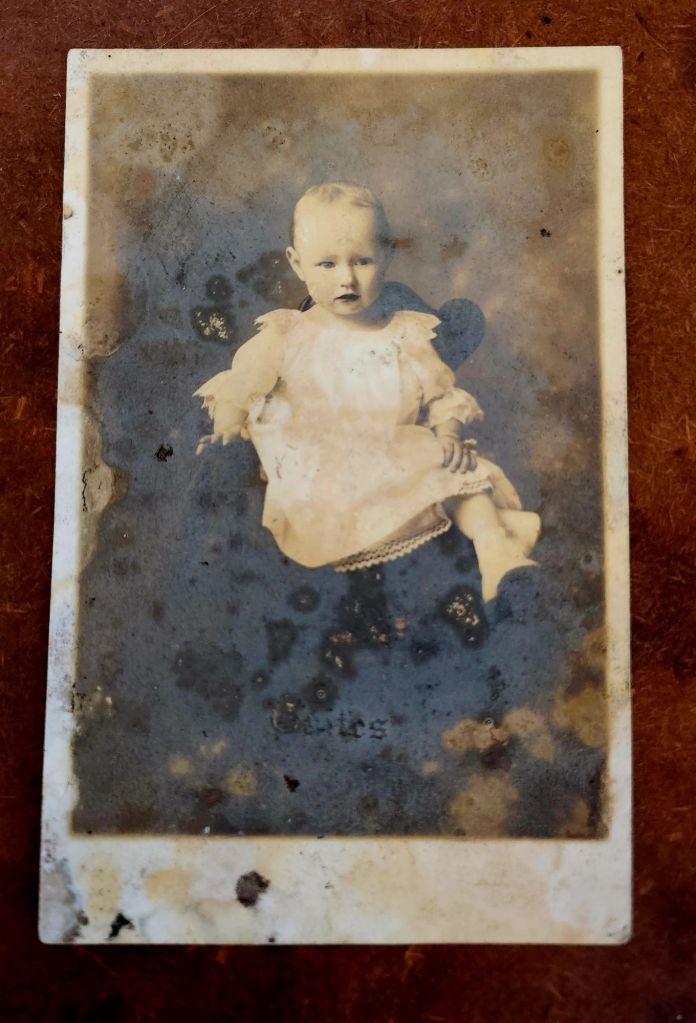
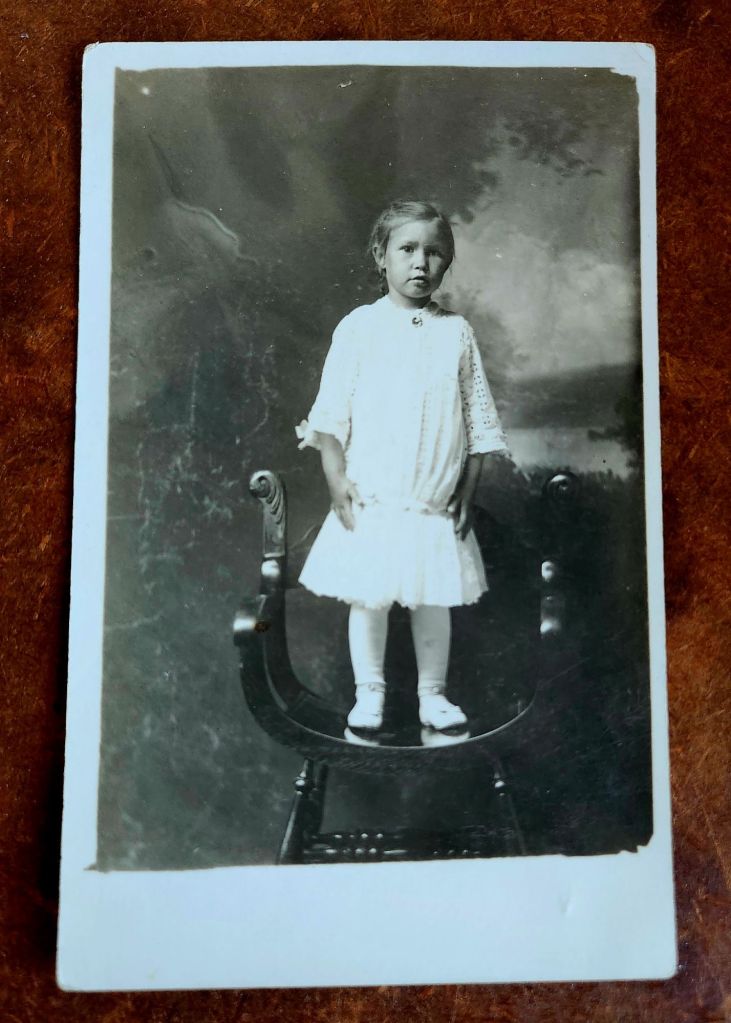
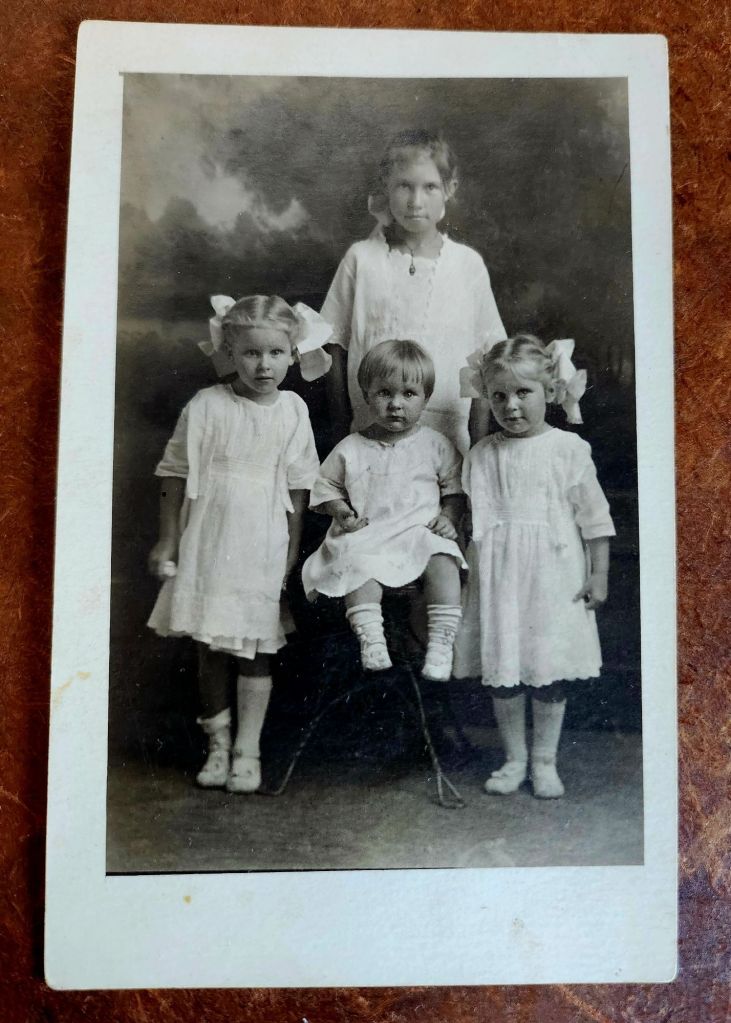
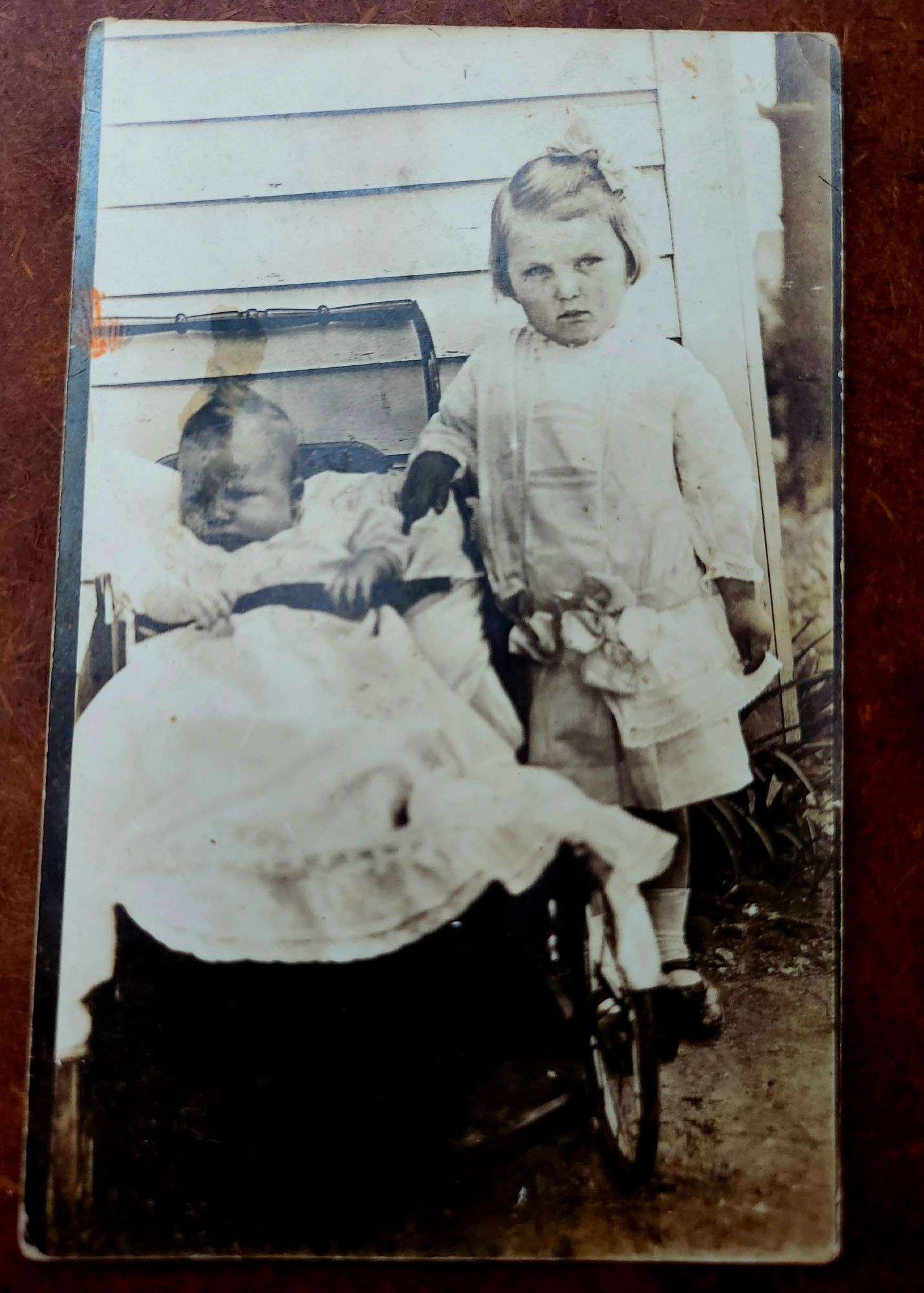
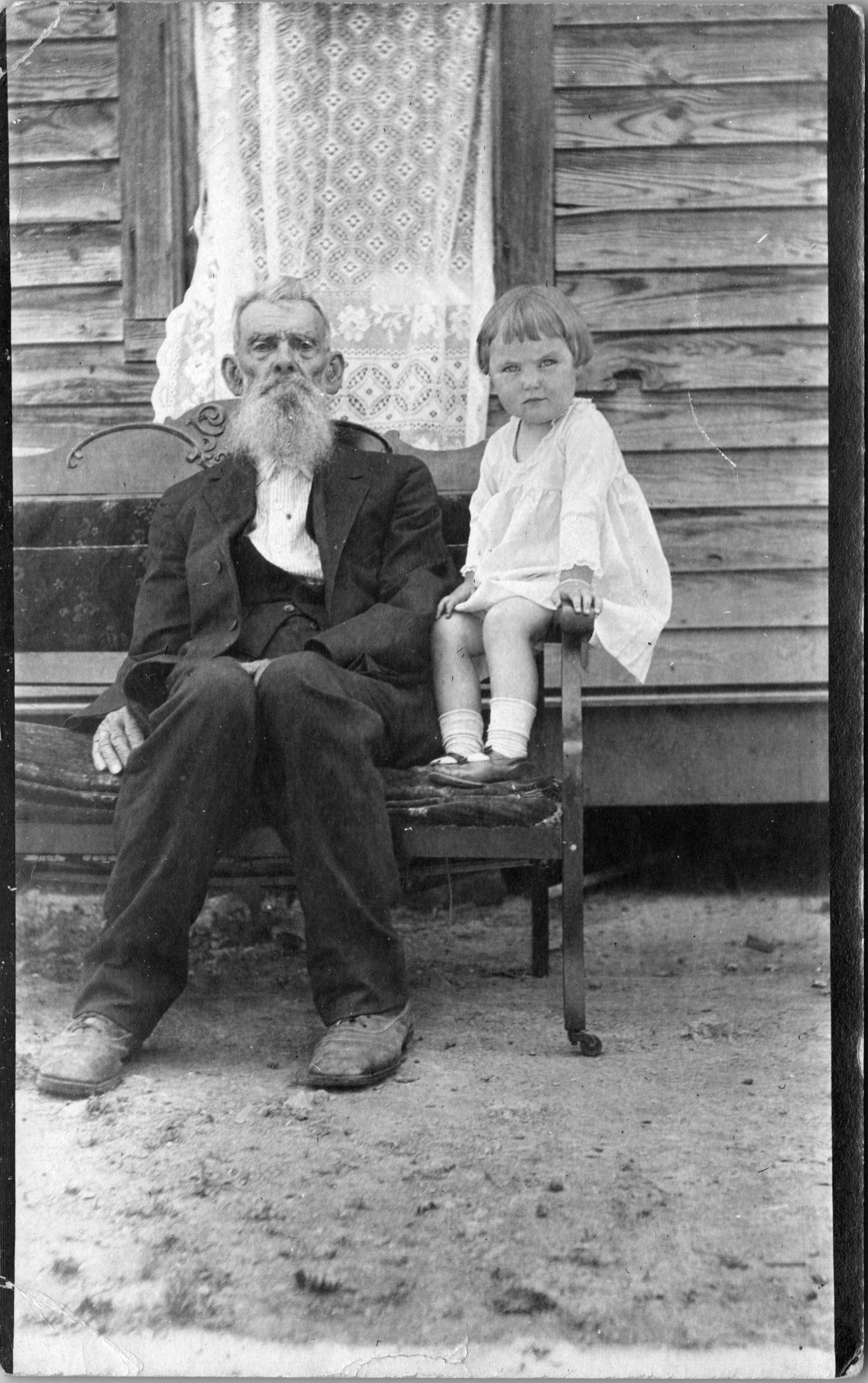
Here we see one girl, three moments, and years passing. The baby stares out with solemn intensity. Then she’s older, on a throne in white dress, commanding the frame. Finally she’s the eldest of four, and her protective gaze tells all.
The postcards show her time moving, roles shifting. She grows and gains presence. She becomes a big sister, then a bigger sister still.
The postcards show the sequence and the story intrudes. We can safely assume the scenario, the kinship, the birth order. But then we imagine her. She and her siblings stand as evidence. We provide the narrative.
Now nine men, perched around a large rock on uneven ground in a forest, maybe a park. Hats, a variety of ties, white shirts in sunlight. Ages range. Some engage the camera. Others look away.
Compare this to the first photograph. Similar outdoor setting and careful arrangement. Same paper stock, same photographic quality. Do any faces repeat? That man in the center looking off to the distance—could he be the man on the back left of the family group?
We squint. The shape of a jaw, the set of shoulders, the tilt of a head. Errors lead us toward other observations. Misreads become clues. We’re searching, and trying out plausible connections.
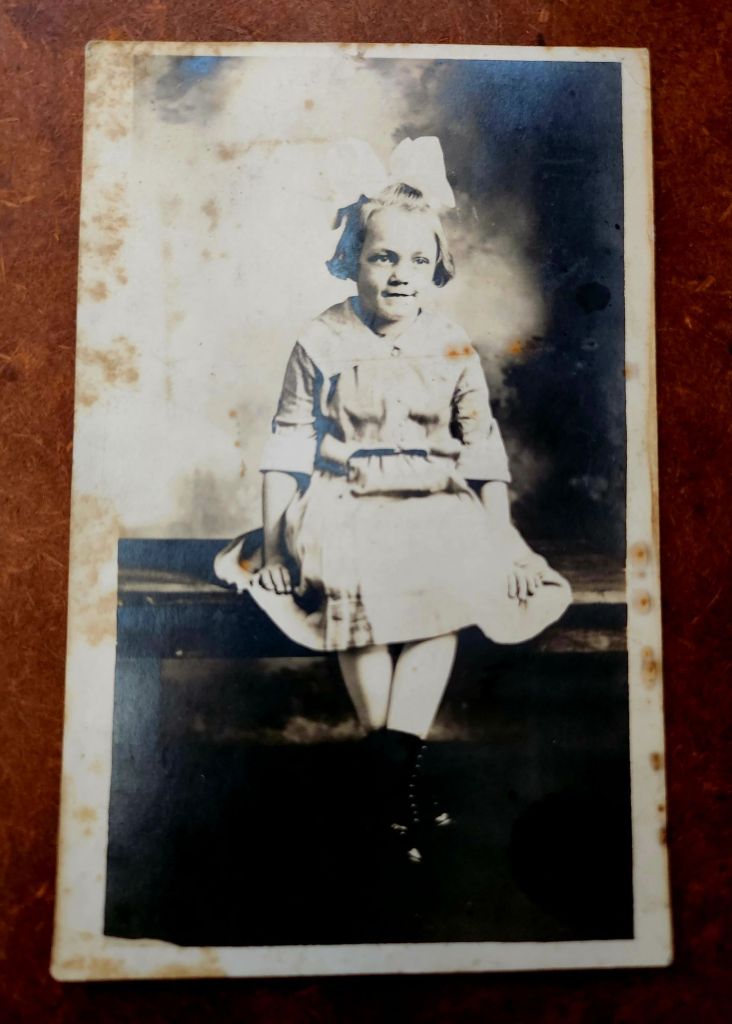
A different girl and a similar progression (maybe). The baby carriage can be dated within a range, 1915-1925. Fashions shift slowly in some places, rapidly in others, but period details do show. Those bows!
However, uncertainties hover. Is this the eldest girl growing up? Or, are we forcing connection where none exists? The bobbed hairstyles might give it away. Or they might mislead entirely.
A particular stare, a nose ridge, an anomaly at the jawline, and we are on the pursuit again. The faces echo. Three generations, or two. We assign roles: son, mother, daughter. Sisters?
The oval portrait shows four women arranged in a formal cluster. Elaborate hairstyles, high collars, cameo brooch visible on the seated figure. More prosperous, perhaps. Different family entirely, or different branch? Is she at the center the same as the older woman below? We cannot know.
In between the guesses, a different story emerges entirely. Our own families, and that we belonged. Or, that we confidently walked on. In either case, we are humming with history.
We’re deep in assumption now. Building genealogies from facial features, paper stock, and similar poses. The archives encourage it. These cards traveled together. Someone kept them together. The connections existed, however disassembled.
Another baby carriage, different from the first. And on the back of the card, handwriting: this is Irene with Willie’s baby, sent to Aunt Fannie. We know Irene from when she was four, seated with Uncle Rufus Dale, 84.
What satisfaction, when a storyline clings together. Names accumulate. Groups delineate. Relationships clarify. The archive speaks back, and the story begins to imitate fact.
The search becomes research. The archive rewards our attention and budding accuracy. But, who doesn’t love Aunt Fannie? Even if we’ve never seen her.
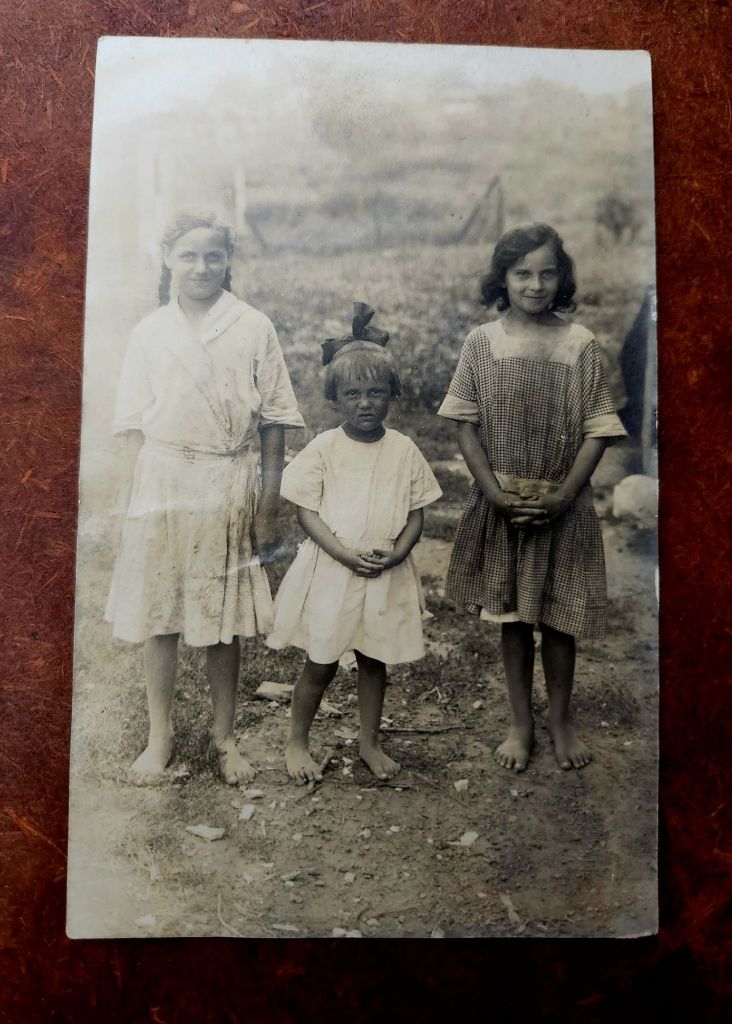
Now, here is Irene amid two new figures who appear to have a strong bond. Sisters? Friends?
As we might expect, there is more to reveal. Next week, we’ll look at pairings in quite a variety, and even more merry misleads. Then portraits, and finally, a grave.
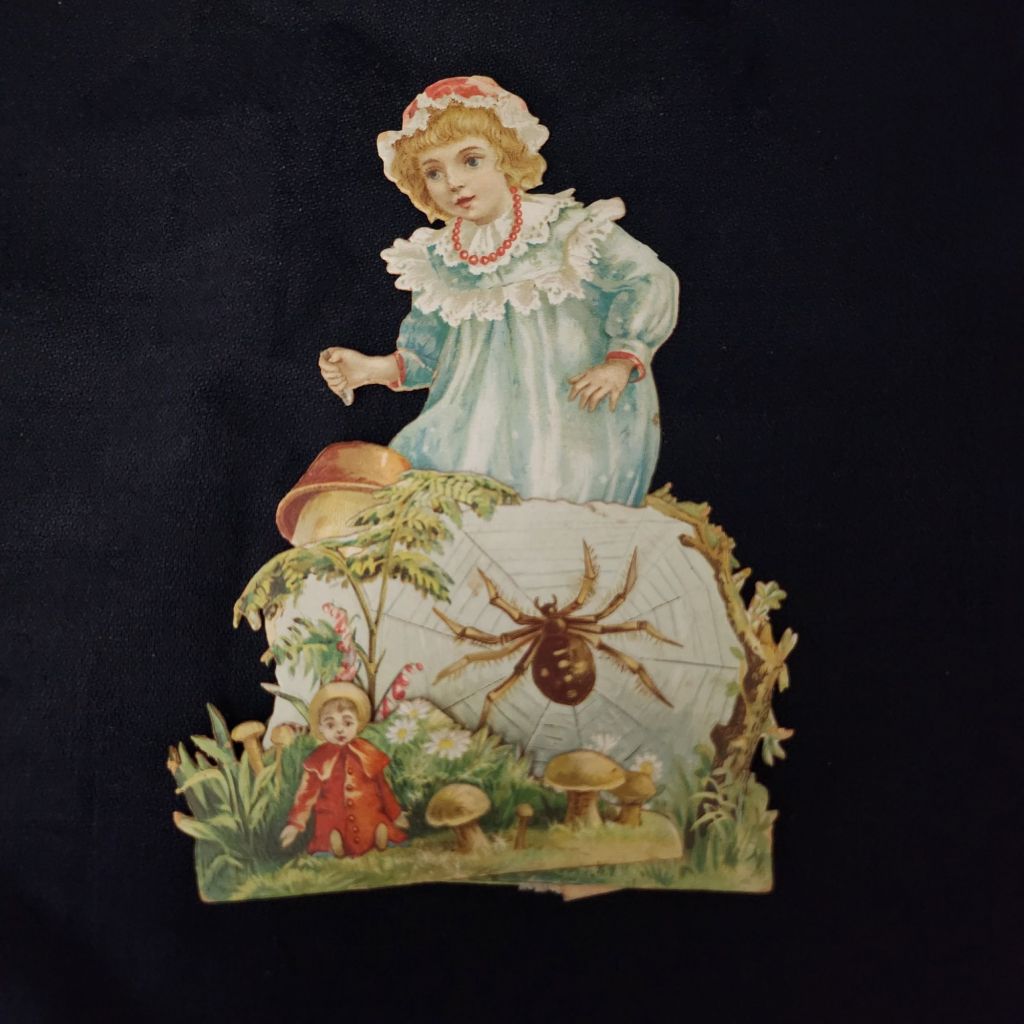
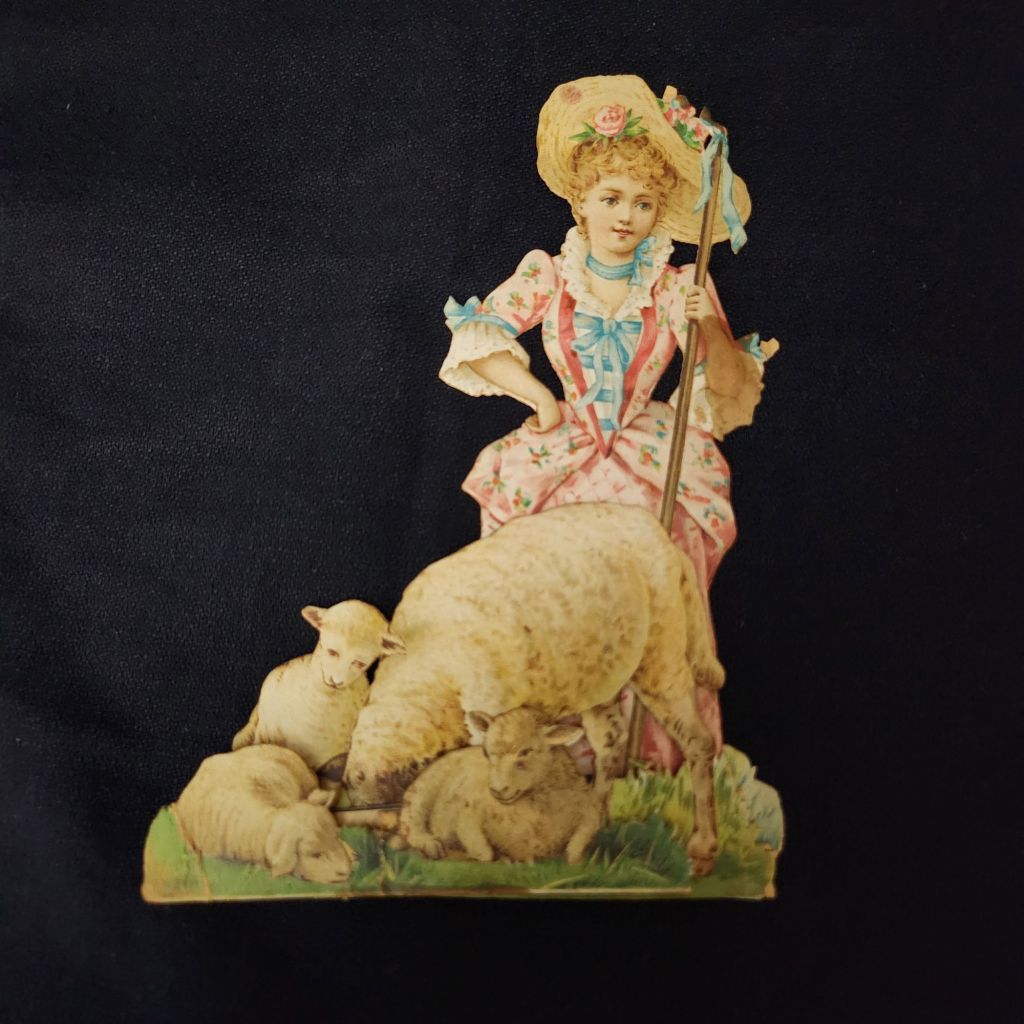
As the Harvest Moon wanes and the fall weather arrives, now is the time to cozy up with a few old nursery rhymes. These rare Raphael Tuck & Sons mechanical cards are an enchanting entrance to a magical season.
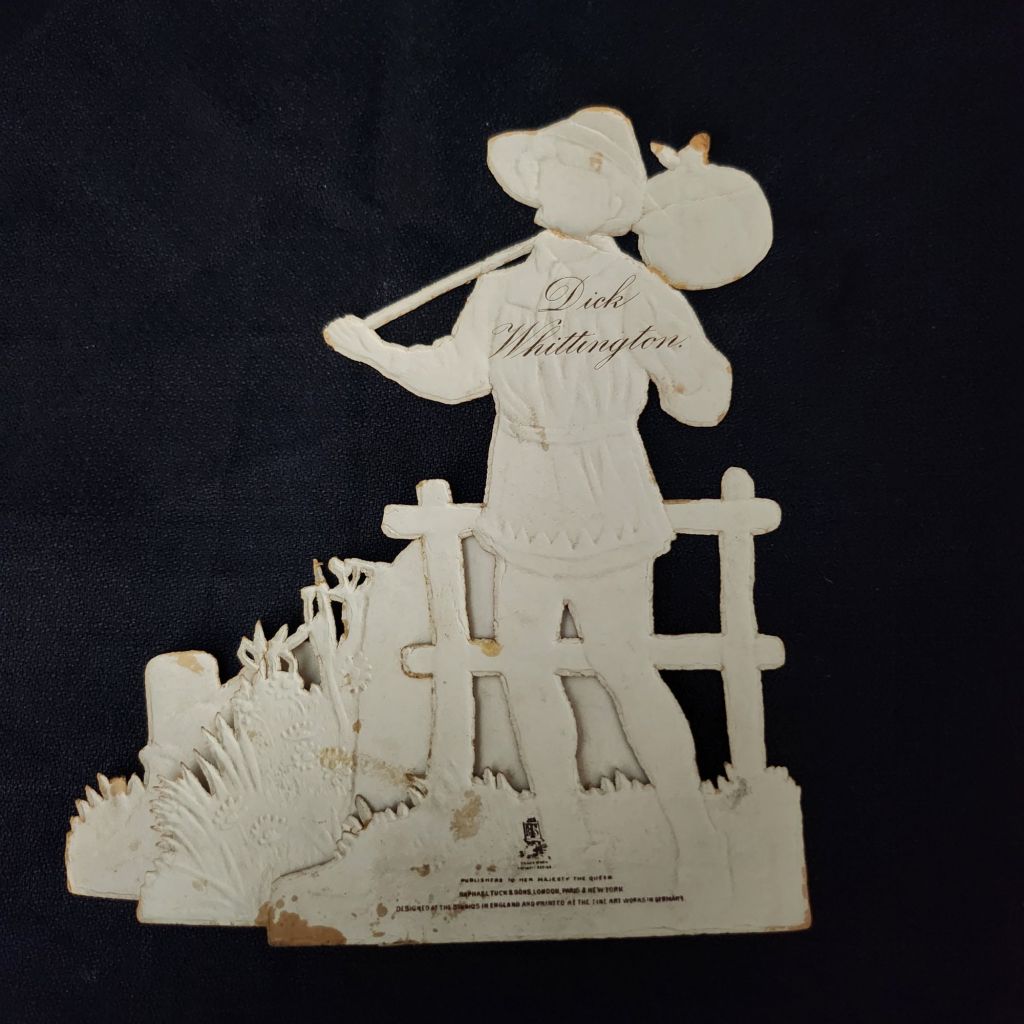
Published by Raphael Tuck & Sons of London, these elaborate die-cut pop-up cards feature beloved nursery rhymes and fairy tales including Little Bo Peep, Cinderella, Dick Whittington, and Three Little Kittens. Each piece showcases the exceptional craftsmanship and attention to detail that made Tuck one of the most prestigious names in Victorian publishing.
Vintage cards by raphael tuck & sons
Founded in the 1860s by German immigrant Raphael Tuck, the company quickly established itself as a leader in chromolithographic printing. By 1893, they had earned a Royal Warrant, becoming “Art Publishers to Her Majesty the Queen.” This royal endorsement reflected the superior quality of their work, which combined vibrant colors, intricate details, and innovative three-dimensional designs. These mechanical cards, likely produced between the 1880s and 1910s, represent the company at its creative peak.
In an era before mass media entertainment, these colorful, interactive pieces were technological marvels. The chromolithography process allowed for rich, multi-hued images that seemed almost magical to contemporary viewers. Their three-dimensional construction meant they weren’t merely viewed but displayed—transforming mantels into miniature theaters of beloved stories. Collecting and arranging these cards became a popular hobby. Many were preserved in elaborate scrapbooks, but relatively few have survived.
WWI widely disrupted the European paper and printing industries, and Raphael Tuck’s London facilities were destroyed during the WWII Blitz in 1940, losing 74 years of business records and thousands for illustrations and production files. Mid-century greeting card companies did continue to produce mechanical cards, but the more elaborate craft traditions largely faded in favor of modern design trends and less complicated manufacturing.
New technologies have revived the artform and inspired contemporary artists. Robert Sabuda elevated pop-up books and cards to fine art status with his extraordinary paper engineering. Lovepop creates elaborate 3D greeting cards for every occasion. The London company Roger la Borde produces wild and wonderful contemporary designs. Of course, independent artists worldwide create handcrafted die-cut cards that both honor and stretch well-beyond the Raphael Tuck legacy.
To Read More
The History of Raphael Tuck & Sons https://www.tuckdbpostcards.org/history Detailed company history from the TuckDB database, the premier online resource for Tuck collectors
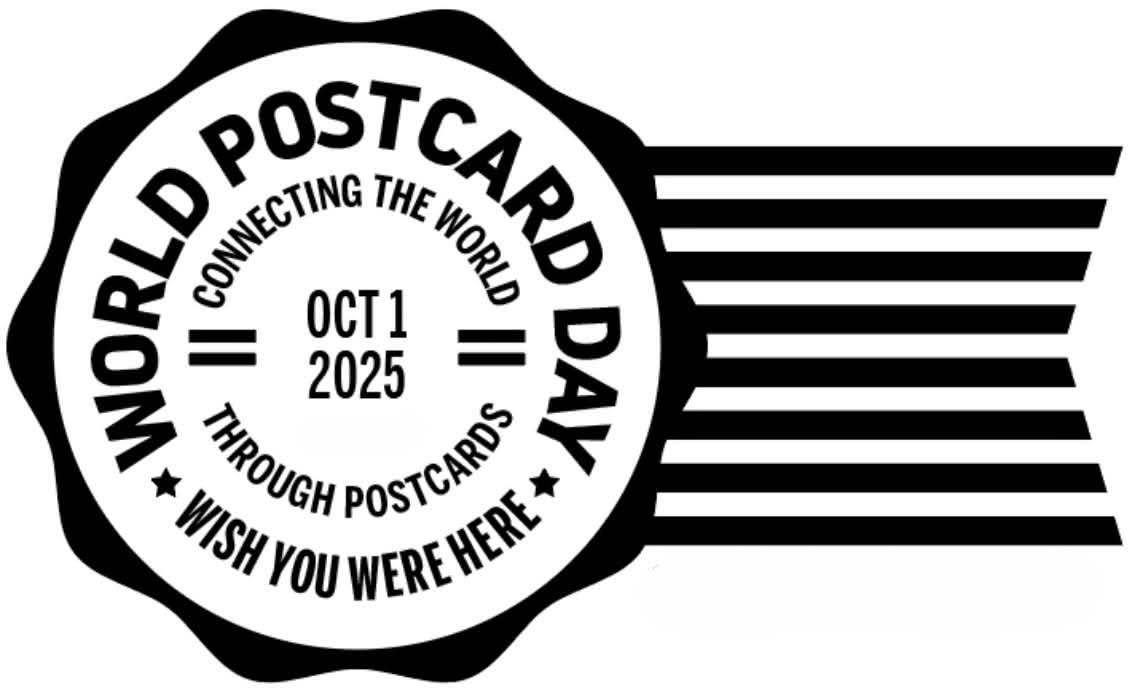
Did you know? October 1 is World Postcard Day! The celebration started in 2019, based on the grand old global pastime of simply staying in touch.
World Postcard Day was designated by Postcrossing as the first of October starting in 2019, including a new postcard design each year. We share a simple mission to keep postcards circulating, and their way of doing it is elegant and efficient. A wonderful illustrated history of the postcard is available to enjoy, as well. To celebrate the day, I’ll be requesting my first address and then happily duty-bound to get a postcard in the mail quickly. Maybe you will, too!
Featured Postcard~ MatToon Memories
Another mention of Mattoon, Illinois. This time, it is 1912, with a typical friendly update, winter weather commiserations, and gifts exchanged.
Dear Carrie, How is this for winter? I’m good and tired of it. Tell the folks I got a basket last Wed that tickled me mightily. Tell Stella, I will redeem my promise this week if this weather continues. I’ll look them up this P.M. & send at once. I’ve been too busy to do anything extra. Hope U are better. I weigh 154 and you will have to hurry or I’ll be way ahead of U. Mayme, March 11.
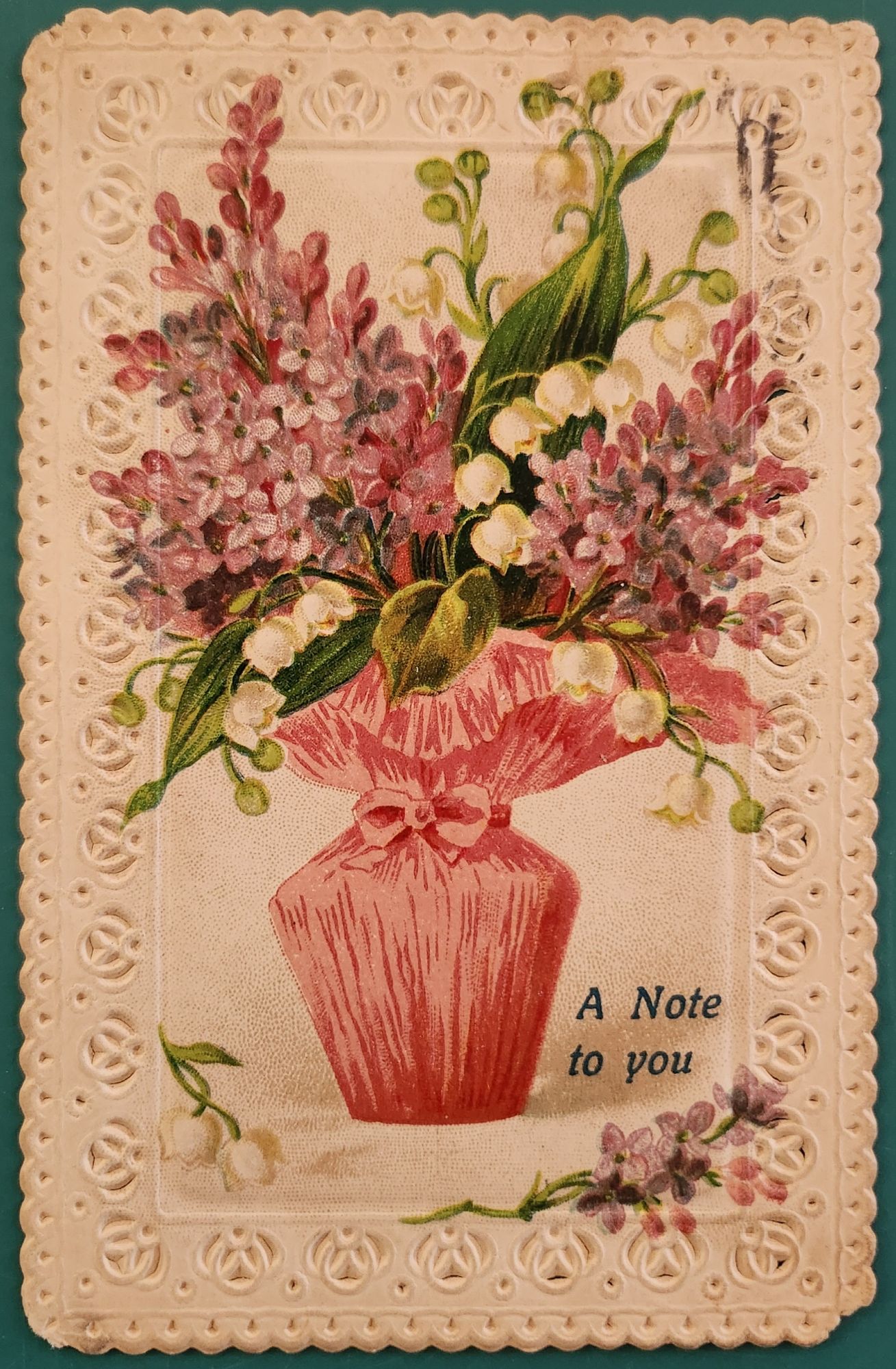
Front of the card: A delicate bouquet bursts from a pink gathered vase. Pink hyacinths and white lily of the valley dominate the arrangement. The flowers cascade naturally, their stems tied with fabric and matching bow. The text “A Note to you” appears in a blue decorative font at bottom right. Embossed rosettes frame the card in an ornate lace-like border.
Back details: Handwritten script fills the left side. A one-cent green Benjamin Franklin stamp sits in the upper right corner. The postmark reads “Mattoon, IL” with partial date visible, March 11, 1912, and a flag cancellation. The address shows “Mrs. Carrie Fulmer, St. Mary’s, Ind.”
Condition: The card shows minimal wear—crisp embossing, slight foxing, faded cancellation marks, minor corner softening. Colors remain vibrant. No tears or creases mar either side, though there is a minor cancellation mark on the front upper right. Very good condition for its age.
Rarity: This embossed, die-cut postcard represents German lithography’s golden age. Publishers used chromolithography to achieve the rich colors. The deep embossing required specialized presses. Early 1900s embossed postcards survive in quantity, but this example’s condition elevates its value. The Mattoon, IL postmark and readable message add historical context. Not museum-rare, but better than average.
Appeal: Collectors of Victorian and Edwardian ephemera may treasure this piece. Design enthusiasts might enjoy the embossed example. Genealogists ought to enjoy our meanderings through Mattoon and Mayme and Carrie’s perspectives. Botanical art lovers appreciate the detailed floral illustration and coded meanings. Stamp collectors note the Franklin one-cent issue and period-specific cancellations. Vintage greeting card dealers would display this prominently.
Would anyone cut it up to make an art card? Oh, the creative tension between past and future!
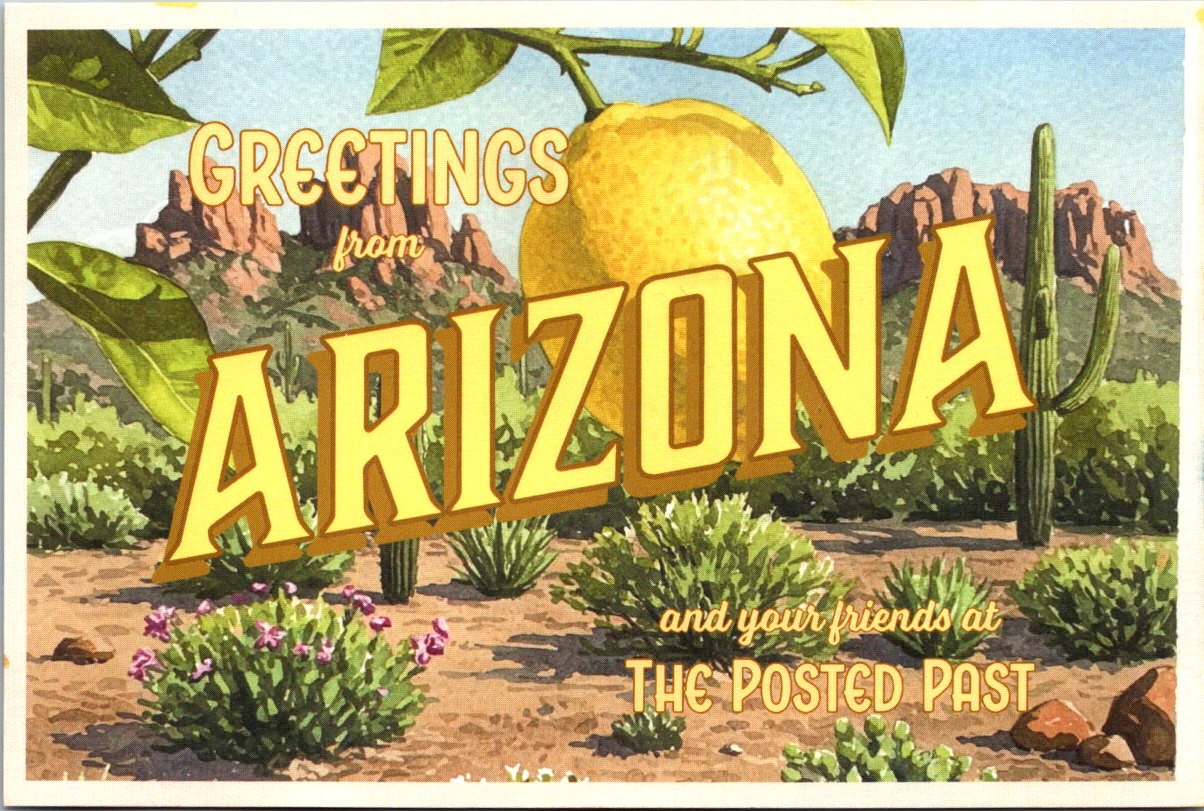
If you are nearby, come visit our very first postcard display at Tempe Yarn & Fiber. Grateful for the chance to get them out in the world. New designs and online sales coming soon!
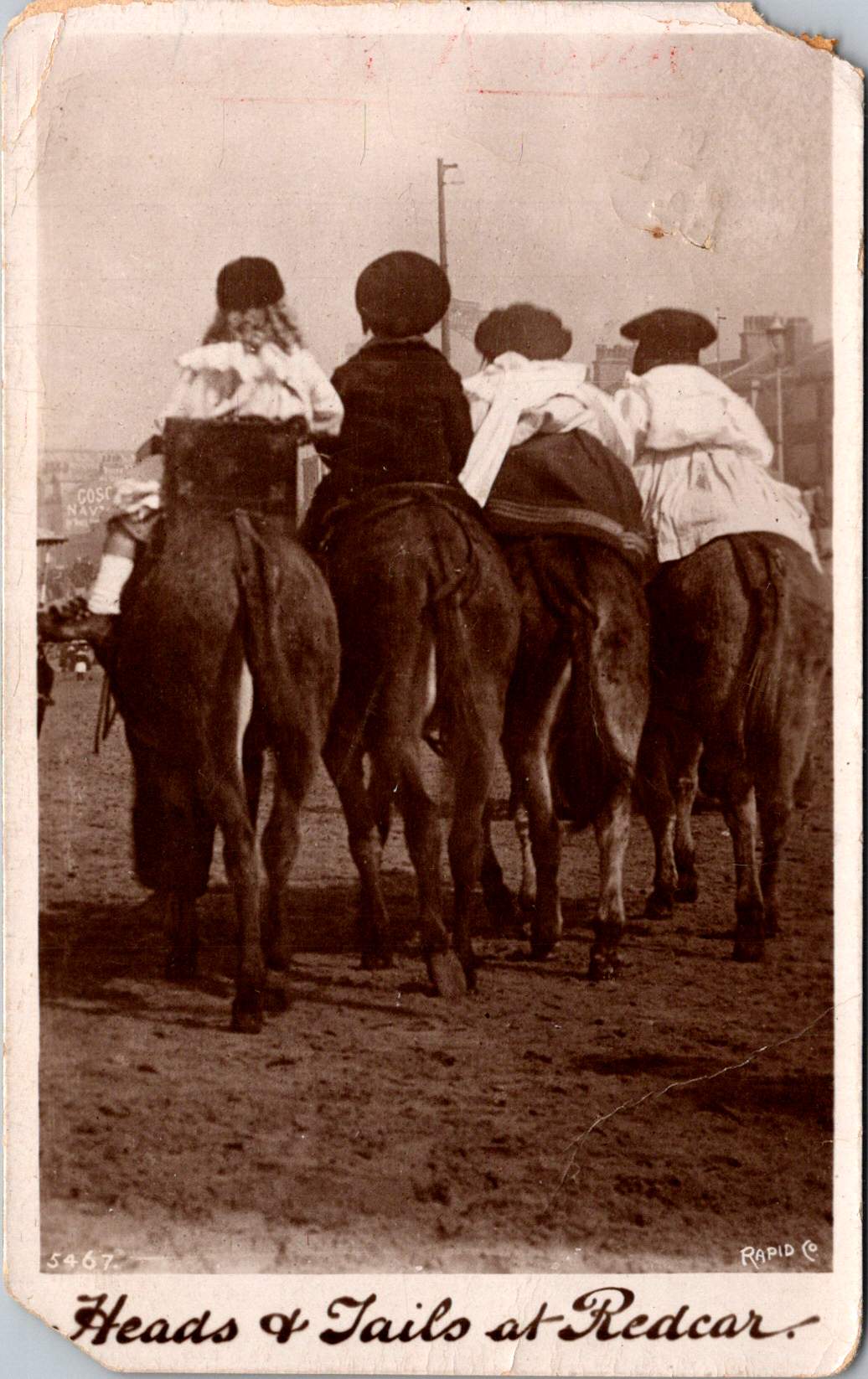
Four children are astride donkeys walking on the beach, clothed in Edwardian-style white blouses and all wearing caps. A century away (and still there today) kids on a delightful donkey ride near Redcar’s legendary seaside.
This real photo postcard with a memorable image bears the hand-scripted titled “Heads & Tails at Redcar.” One can still feel the April 18, 1910 embossed postmark on the card a century later. Addressed to Nurse Aird in Darlington from Redcar, the message is pragmatic.
Expect to arrive about 6.30 to-morrow evening. Love from Rennie
The seaside town of Redcar was transformed from a modest fishing village into a bustling resort town by the arrival of the railway in the mid-19th century, and became a beloved destination for working and middle-class families from throughout Britain’s industrial northeast.
In the 1910s, Redcar embodied the height of seaside grandeur. The impressive Coatham Hotel, built in 1871, dominated the seafront, its architecture expressing the optimism and ambition of the age. A pier stretched into the sea, its 1873 construction a testament to the engineering confidence of the era. Along the promenade, ornate gas lampposts cast their glow over evening strollers, while elaborate wooden shelters provided refuge from sudden showers.
The seafront architecture told a story of careful planning and civic pride. Victorian terraces, built of local sandstone or sturdy brick, were elegant facades looking at the sea. Behind them, a grid of streets housed seasonal workers, fishermen, and the growing permanent population drawn by the town’s prosperity. The Central Hall, opened in 1895, provided entertainment, while Methodist and Anglican churches with their reaching spires reminded visitors and residents alike of Victorian moral values.
Yet Redcar was never merely a tourist trap. The town’s proximity to mining linked it inextricably to Britain’s industrial might. The discovery of workable iron ore deposits in the Cleveland Hills in 1850 had sparked an industrial revolution in the region. By the 1910s, mines dotted the landscape, and the sight of industrial chimneys on the horizon reminded visitors of the region’s working heart. Many local people split their lives between seasonal tourist work and the demanding labor of the mines or ironworks.
This distinctive mixing of leisure and industry is part of Redcar’s character. Unlike some of Britain’s more exclusive seaside resorts, the community remained proudly connected to its working roots. The donkey rides captured in our postcard—a quintessential British seaside tradition—were an affordable pleasure for working families. The donkeys themselves, chosen for their gentle temperament and sturdy build, paralleled the town’s way: reliable, hardworking, and ready to provide joy to all comers.
On April 18, 1910, Rennie dashed off a quick note from Redcar to Nurse Aird, using one of Rapid Photo Company’s popular seaside postcards to announce a return to Darlington the following evening at 6:30pm. Such precise timing speaks to the reliability of the North Eastern Railway’s service between the coastal town and Darlington, where regular daily connections had become the lifeblood of the region.
The journey home would begin at Redcar’s Central Station, its Victorian architecture still relatively new and imposing in 1910. The late afternoon departure would catch the changing light over the North Sea, before the steam locomotive began its hour-long journey inland. As the train pulled through Middlesbrough and then west toward Darlington, the spring evening would be settling in, with the Cleveland Hills silhouetted against the dusk. Fellow passengers might have included ironworkers heading to night shifts, businessmen returning from coastal meetings, and perhaps other daytrippers who had enjoyed the seasonal pleasures of the seaside.
By evening, Rennie would step onto the platform at Darlington’s Bank Top station, the time at the coast already feeling like a distant memory. Perhaps a deliberate choice of train, selected to arrive after Nurse Aird’s duties were complete or to catch the end of visiting hours. Whatever prompted the journey, the postcard captures the easy mobility that the railway enabled, allowing residents of these northeastern towns to move between coast and country with a regularity that would have seemed remarkable just a generation earlier.
In 12 historic pictures: a day at the seaside at Redcar from The Northern Echo
The subsequent century would bring profound changes to Redcar. The pier, once a symbol of Victorian confidence, fell victim to storm damage and was demolished in 1981. The grand Central Hall disappeared. Many Victorian hotels were converted or demolished as tourism patterns changed. Most significantly, the industrial base that had provided much of the region’s wealth underwent dramatic transformation. The 2015 closure of the SSI steelworks marked the end of an era, dealing a devastating blow to the community.
Modern Redcar presents a complex picture of a community in transition. The Redcar Beacon opend in 2013 (locally dubbed the “Vertical Pier”) reaches skyward, its contemporary design contrasting with the Victorian architecture that remains. Victorian terraces continue to face the sea, their sandstone facades weathered but dignified. The Clock Tower, dating from 1913, remains a local landmark. The town center struggles with empty shops, a challenge faced by many British high streets. The loss of heavy industry has forced difficult economic adjustments.
The community’s response to these challenges reveals much about Redcar’s character. The Palace Hub, housed in a former amusement arcade, provides space for local artists and craftspeople. Local groups organize beach cleaning and heritage walks, maintaining the town’s connection with its past while protecting its future. Locally run kitchens and groceries address modern challenges of food poverty while building community connections.
Most remarkably, the donkeys still plod along the beach in summer months. The same gentle animals that carried kids a century ago now delight a new generation of visitors. Modern care standards ensure rest periods, weight limits, and veterinary checks, but the essential experience remains unchanged. Children still laugh with surprise at their first encounter with these patient beasts, parents still snap photographs (will box cameras make another comeback?) and the donkeys still take their slow and careful steps, connecting past and present.
Redcar reminds us that progress isn’t linear and that community change involves deep dynamics of loss and renewal. The town that grew wealthy on iron ore and Victorian tourism now seeks new paths forward in renewable energy and cultural heritage. What has remained is both quirky and reliable: a donkey ride on the beach on a summer’s day.
While the grand Victorian hotels and ore industries of the region have largely passed into history, the humble donkey ride endures. Sometimes the most modest traditions prove the most durable, and the true character of a place resides not only in grand achievements but also in simple, timeless pleasures.
Who indeed would have guessed that of all Redcar’s attractions, it would be the donkey rides we couldn’t live without? Perhaps it is fitting that these patient animals, who witnessed the town’s rise, decline, and ongoing reinvention, continue to reliably entertain (and endure) new generations.
Alongside any earnest effort to declutter, minimize, or embrace a modest lifestyle, there are delightful rebellions brewing in the corners of our homes, on our bookshelves, and in our hearts. Collecting – postcards, stamps, or any manner of curious objects – is among a great many pastimes that bring us joy.
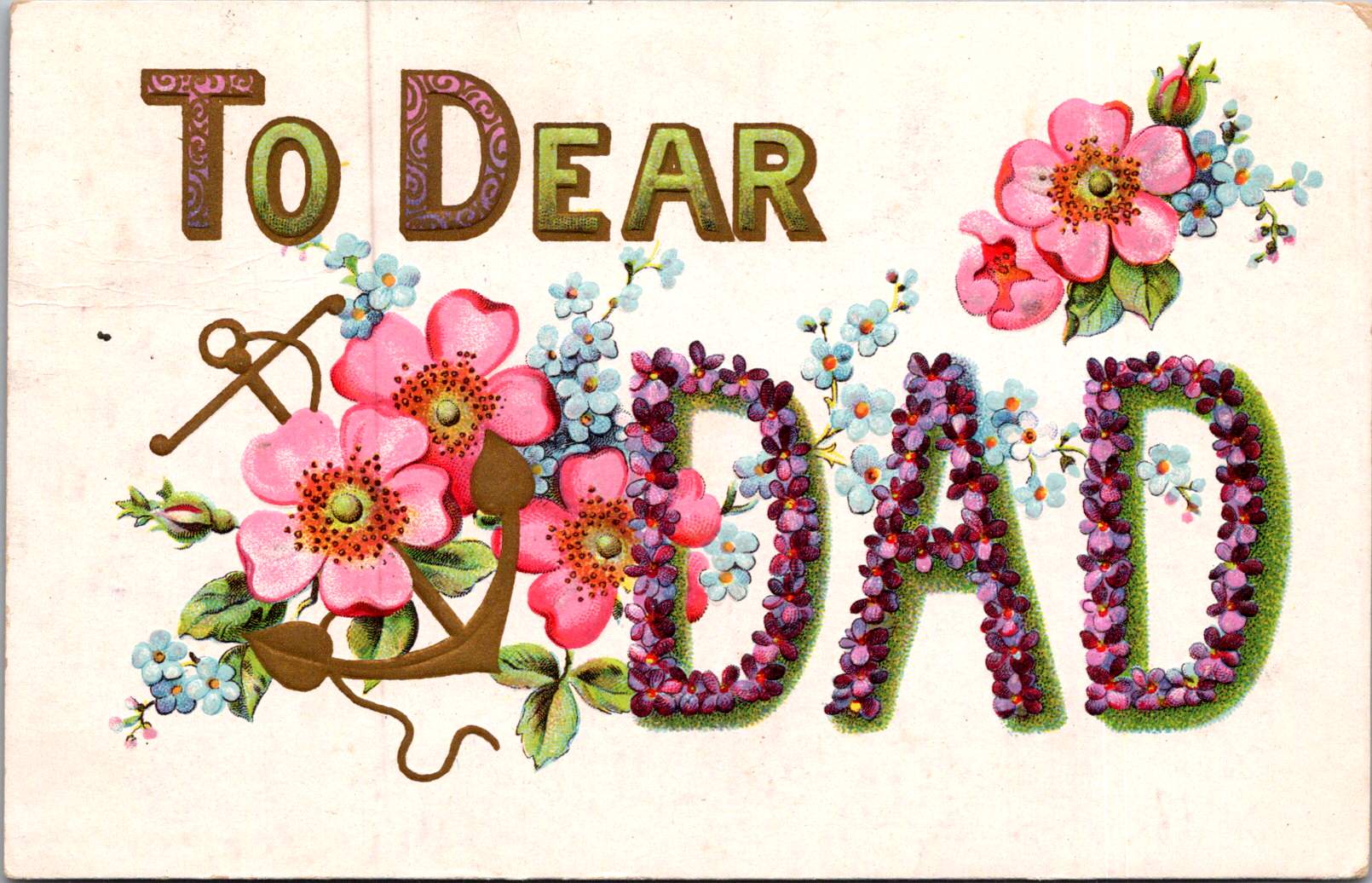
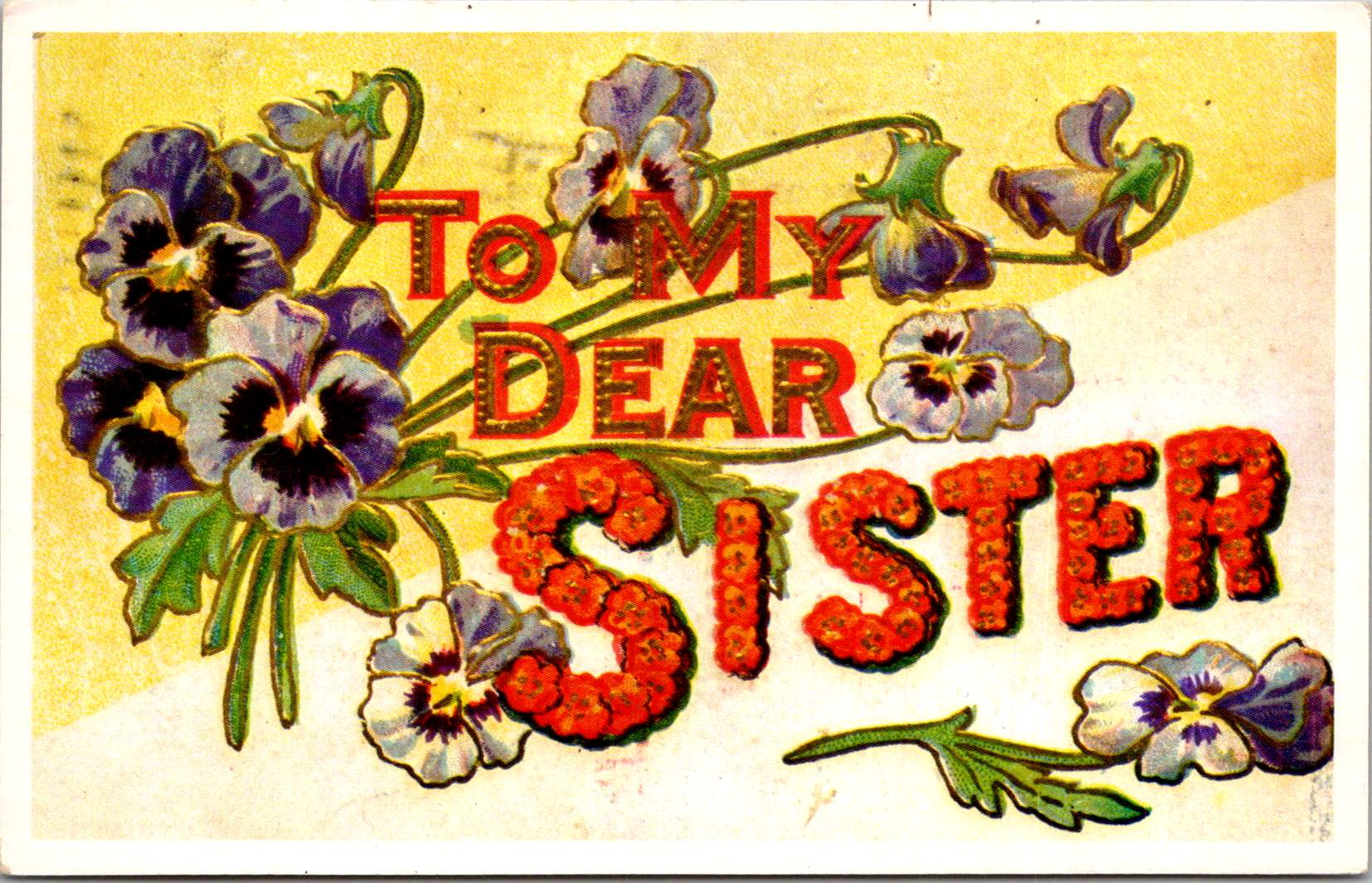
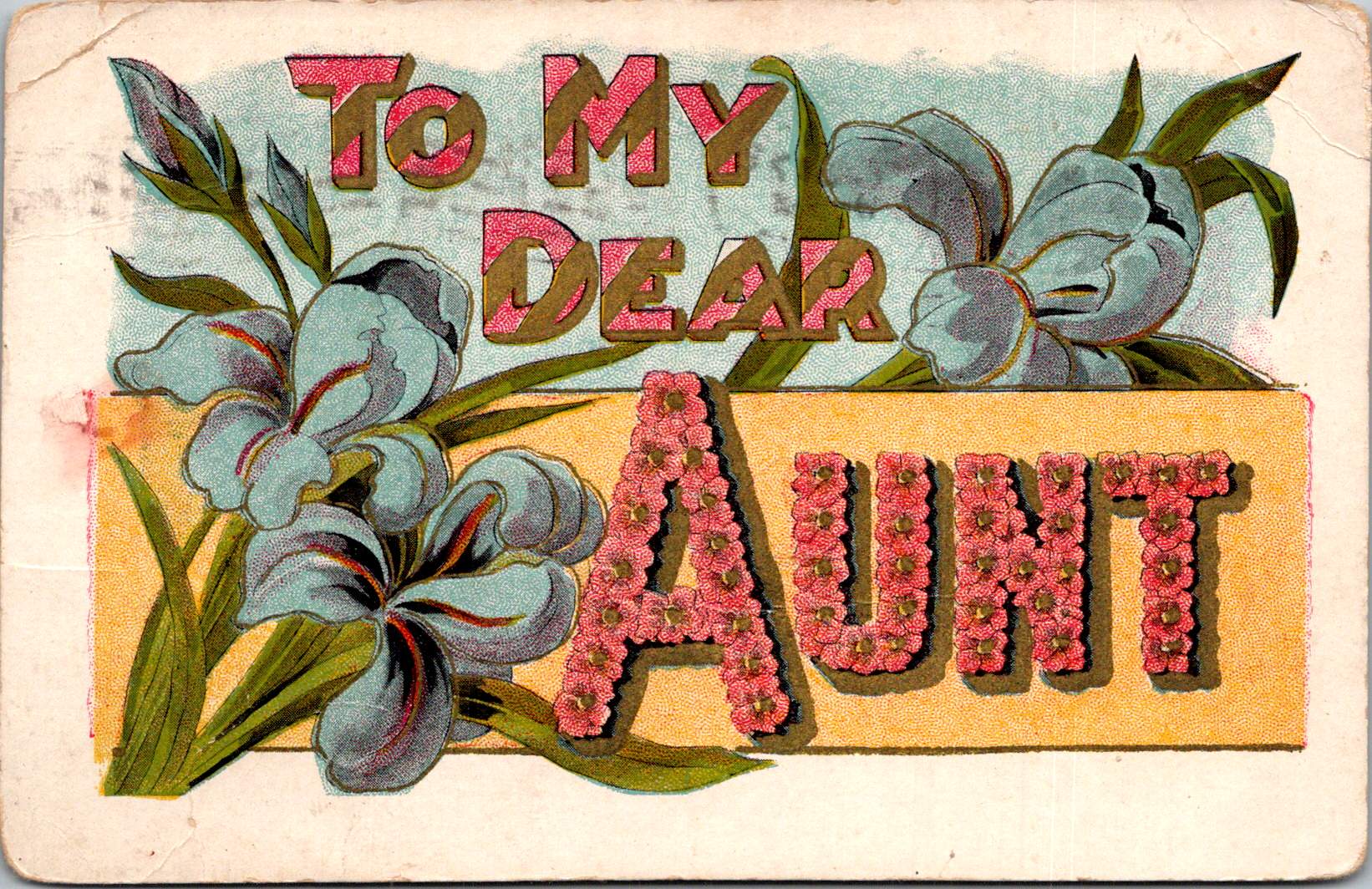
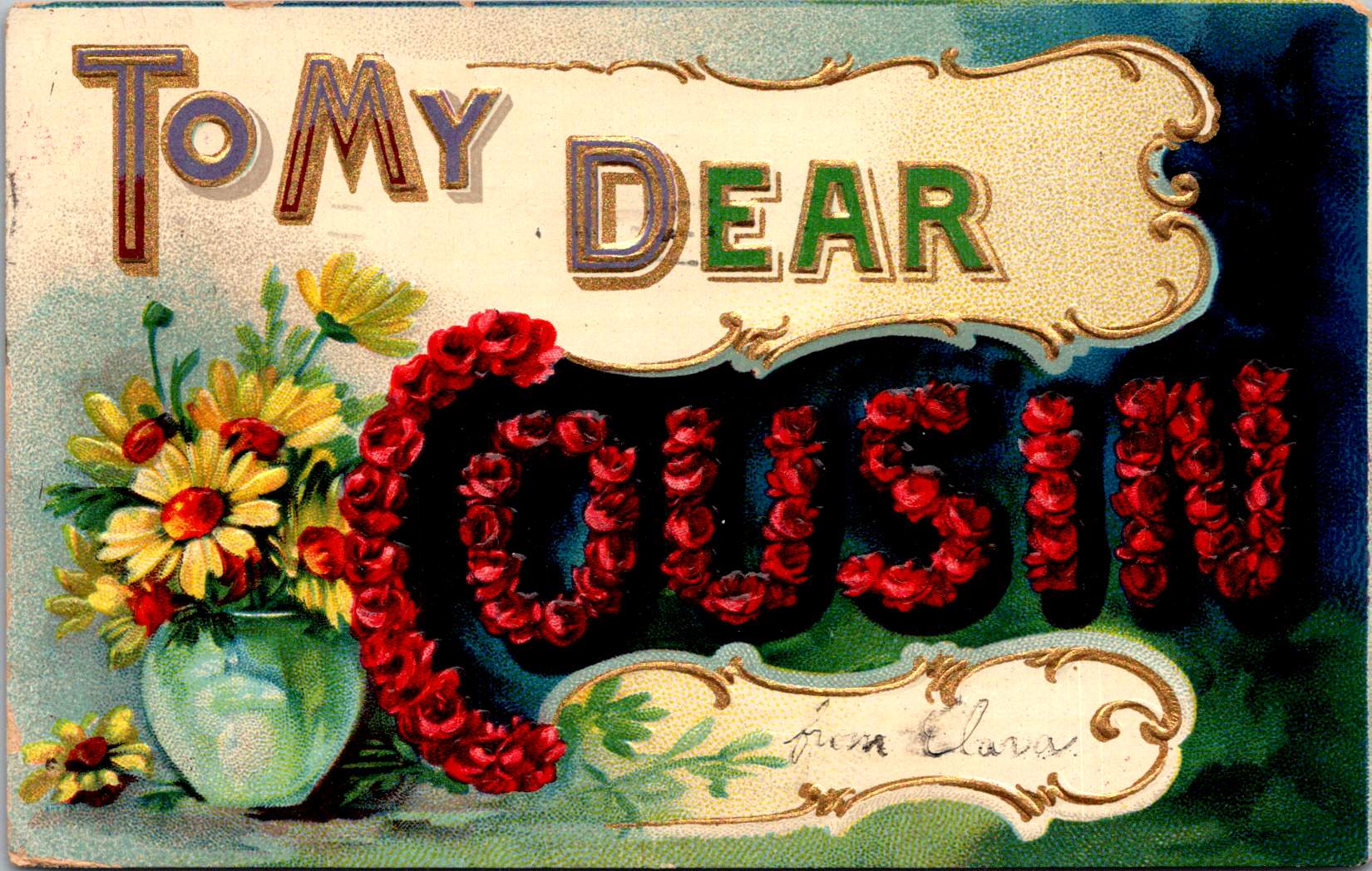
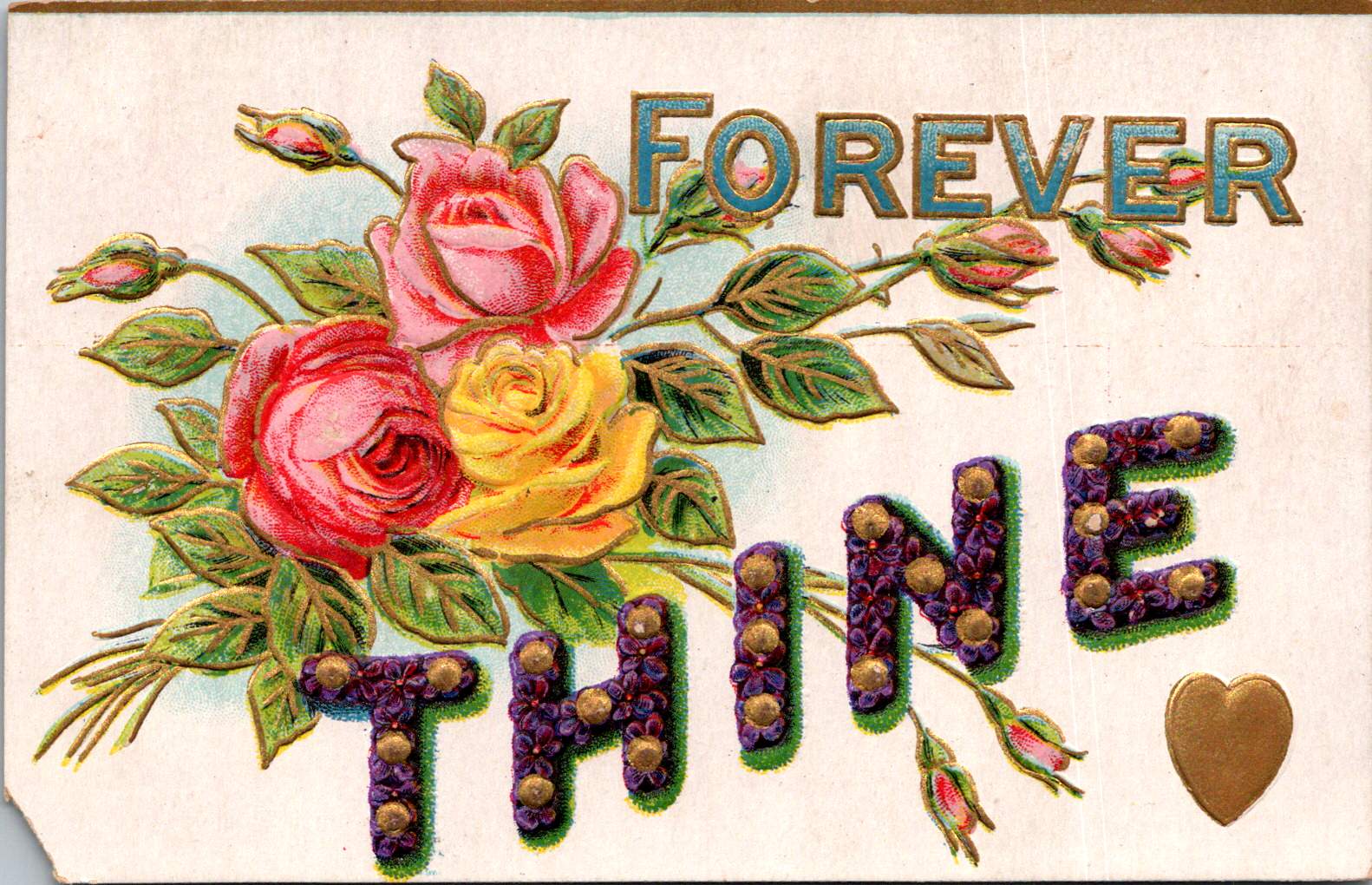
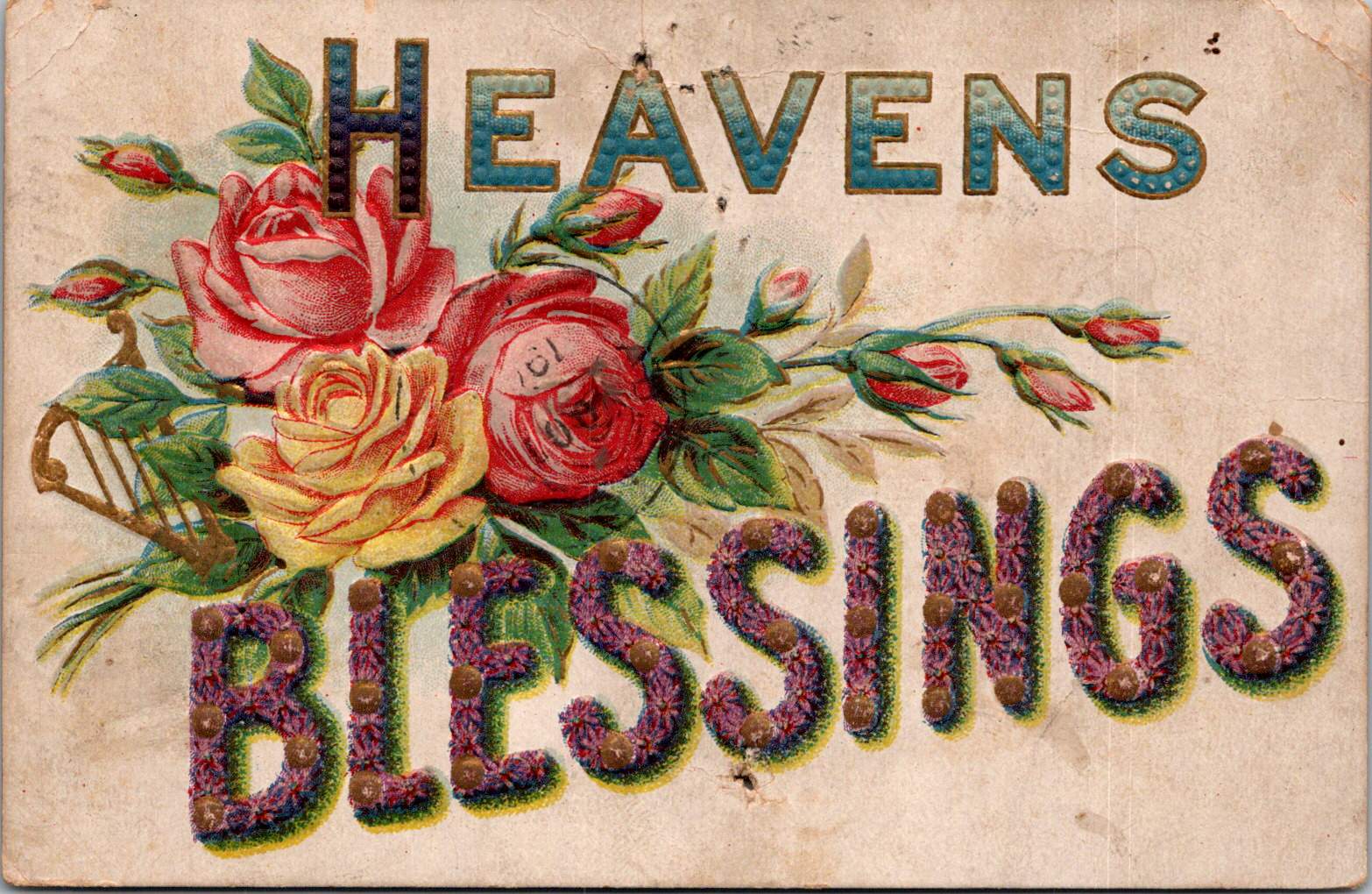
Let’s start with a set of floral letter postcards that captured my heart and imagination recently. For me, they’re time capsules from the Edwardian era, each one a miniature masterpiece of design and sentiment.
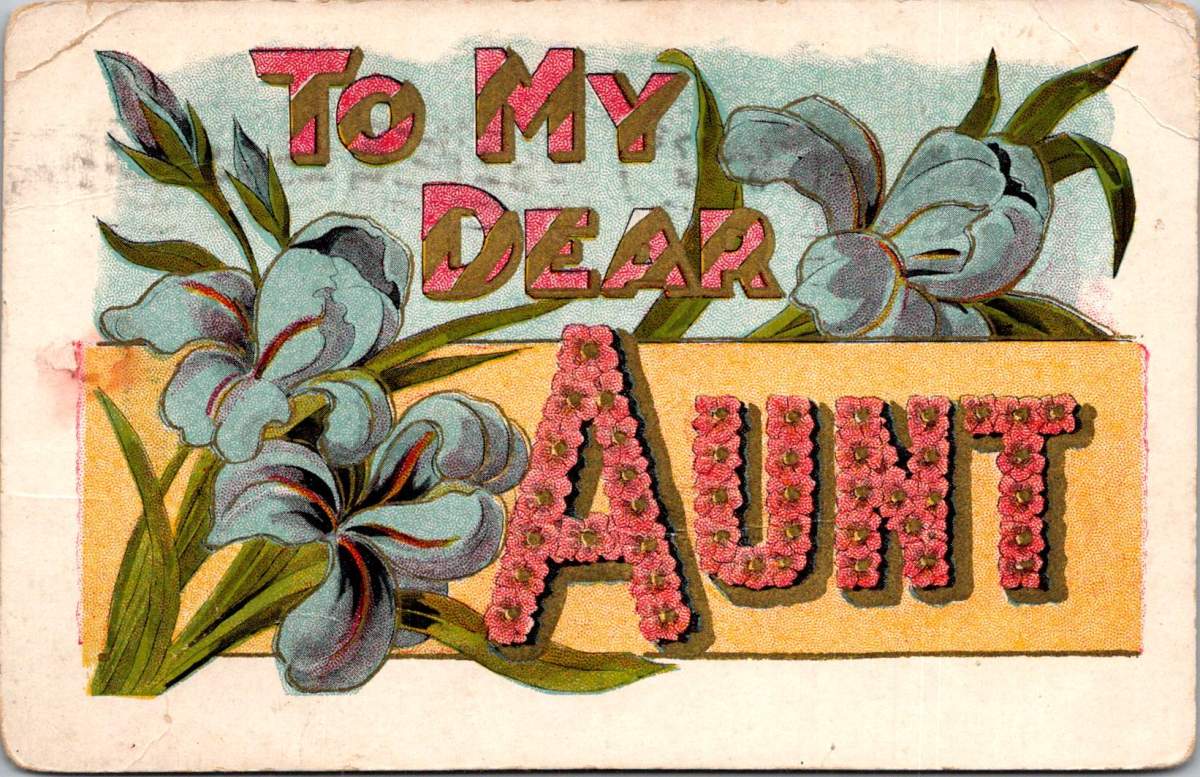
Delicate flowers intertwine with bold capital letters, spelling out affectionate greetings to mothers and fathers, aunts and cousins, and more. Blue irises dance around pink and gold lettering, while red roses form the word ‘cousin’ against a dramatic dark background. It’s Victorian drama meets Art Nouveau flair, all condensed into a 3.5 x 5.5 inch rectangle. The colors are vibrant, defying the century they have traveled to meet our modern eyes.
But why do these particular postcards make my collector’s heart skip a beat? It’s not just their undeniable aesthetic appeal, though that’s certainly part of it. They’re windows into history, offering glimpses of a time when sending a beautifully designed card was a primary way of keeping in touch with loved ones. Each handwritten message on the back (like the one postmarked July 10, 1909) is a tiny slice of someone’s life, preserved for over a century.
Thrill of the Hunt and the Joy of Design
There’s also the thrill of the hunt. Finding a matching set among thousands of vintage postcards is like piecing together a particularly beautiful puzzle. Each new discovery brings an aha and a sense of completion. It’s a patience game, sure, but the payoff is worth it.
These postcards, with their intricate details and bold typography, have stood the test of time. They’re just as appealing now as they were when they were first printed. Collecting them isn’t just owning pretty objects – it’s a chance to examine, hold, preserve and share a piece of design history, a snapshot of the aesthetic sensibilities of a bygone era.
Collecting is deeply personal. While I pour over century-old postcards, my neighbor friend is curating an ever-expanding collection of adorable bird figurines. He’s particular about it too – they have to be a specific kind, from a specific place, at a specific price point. He watches the bird market, adds to his collection strategically. To a non-birder, it might seem quirky. But watch him arrange his birds, carefully considering where each one fits, and you’ll understand something profound about him: he’s a person who experiences quiet joys.
First and foremost, collecting is about falling in love with something uniquely suited to you. It’s about creating space in your life – physical and emotional – for the things that bring you joy. It’s about curating, admiring, and sharing a part of yourself through the objects you choose to surround yourself with. My friend curates his bird collection, brings them out by the seasons, delightful arrangements that invite family and friends to enjoy, too.
All the People, All the Collections
This philosophy extends far beyond postcards and bird figurines. Think about the philatelists out there, losing themselves in the minute details of postage stamps. Each tiny square is a work of art, a nugget of history, a passport to another time and place.
Or consider the sports enthusiasts, their shelves lined with signed jerseys and game-used equipment. For them, these aren’t just objects – they’re tangible connections to moments of athletic glory, to the heroes they admire.
History buffs might seek out Civil War relics or Space Age memorabilia, each artifact a physical link to events that shaped our world. And in our digital age, even contemporary collectibles are thriving. From limited edition vinyl figures to exclusive sneaker releases, people are finding new ways to express their passions through the objects they collect.
What unites all these diverse collecting interests? The deep connection to a particular passion or area of interest that only you can know. Whether it’s a century-old postcard or a just-released collectible figurine, these objects become repositories of personal meaning and cultural significance for their collectors.
Hobbies and Pastimes
Collecting, in its various forms, is just one of many popular ways Americans choose to spend their leisure time. Zoom out for a moment and consider the broader landscape of hobbies and pastimes in the United States.
Reading continues to be a widely enjoyed pastime, with many people diving into both physical books and digital formats. It’s an accessible hobby that caters to diverse interests and can be done almost anywhere.
Gardening has seen a surge in popularity, especially in recent years, as people seek to connect with nature and perhaps grow a bit of their own food. Cooking and baking remain perennially popular, with the rise of cooking shows and online recipes making it easier than ever for people to explore new cuisines and techniques at home.
Exercise and fitness activities, including running, cycling, and yoga, are on the rise as people focus more on health and wellness. Crafting hobbies like knitting, crocheting, and DIY projects have seen renewed interest, offering a creative outlet and the satisfaction of making something by hand.
Photography has become more widespread with the improvement of smartphone cameras, allowing more people to capture and share moments from their daily lives. Not only do I collect floral postcards, I take pictures of beautiful flowers every chance I get!
Hiking and outdoor activities are popular, and of course, sports – both playing and watching – continue to be a major part of American culture and a popular pastime for many.
Passion Has Purpose
What drives us to spend our precious free time on these pursuits? The benefits are numerous and far-reaching.
On a personal level, hobbies provide stress relief and relaxation. They offer an escape from daily pressures and can be a form of meditation, helping to reduce stress and anxiety. Many hobbies involve learning new skills or improving existing ones, which can boost self-confidence and cognitive function. They provide a creativity outlet, stimulating imagination and innovative thinking.
There’s also the sense of achievement that comes from completing projects or reaching milestones in a hobby. This can provide a significant boost to self-esteem and overall life satisfaction. Regular engagement in enjoyable activities can help combat depression and improve overall mood. Having a hobby encourages better time management as we carve out time for our interests. And perhaps most importantly, hobbies can become an integral part of our identity, providing a sense of purpose and self-definition outside of work or family roles.
Many hobbies involve communities of like-minded individuals, providing opportunities for social connection and friendship. Engaging with others who share your interests can help develop language, communication and interpersonal skills. Some hobbies, especially those involving arts, crafts, or cuisines from different cultures, can broaden cultural awareness and appreciation.
These pursuits can sometimes lead to unexpected networking opportunities, potentially beneficial for personal or professional growth. Shared hobbies can strengthen family relationships by providing common interests and shared experiences. Many hobbies appeal to people of all ages, facilitating connections across generations. And hobby communities often provide emotional support, advice, and encouragement, fostering a sense of belonging.
Many hobbies, particularly those involving physical activity, contribute to better overall health and fitness. Engaging in hobbies, especially those that challenge the mind, can help maintain cognitive function as we age. Skills learned through hobbies can sometimes translate into valuable job skills or even new career opportunities. Some hobbies can evolve into side businesses or income streams. And perhaps most importantly, hobbies provide a counterbalance to work and other responsibilities, contributing to a more well-rounded life.
So, whether you’re arranging a set of vintage postcards, nurturing a garden, mastering a new recipe, or climbing a mountain, know that you’re doing more than just passing time. You’re engaging in a fundamental human activity, one that brings joy, fosters growth, builds connections, and adds richness to life.
Finding Quiet Joys
In the end, our collections and hobbies are extensions of ourselves. They reflect our interests, our aesthetics, our values, and our histories. They give us a way to tangibly interact with our passions, to create order and meaning in a chaotic world, and to surround ourselves with objects and experiences that bring us joy and inspiration.
So the next time someone raises an eyebrow at your carefully curated collection of Star Wars figurines, or questions why you spend hours perfecting your sourdough technique, remember this: in pursuing your passions, you’re not just collecting things or passing time. You’re crafting your narrative, preserving memories, expressing your unique identity, and experiencing the quiet (or not so quiet) joys that make life rich and meaningful.
























 The Posted Past