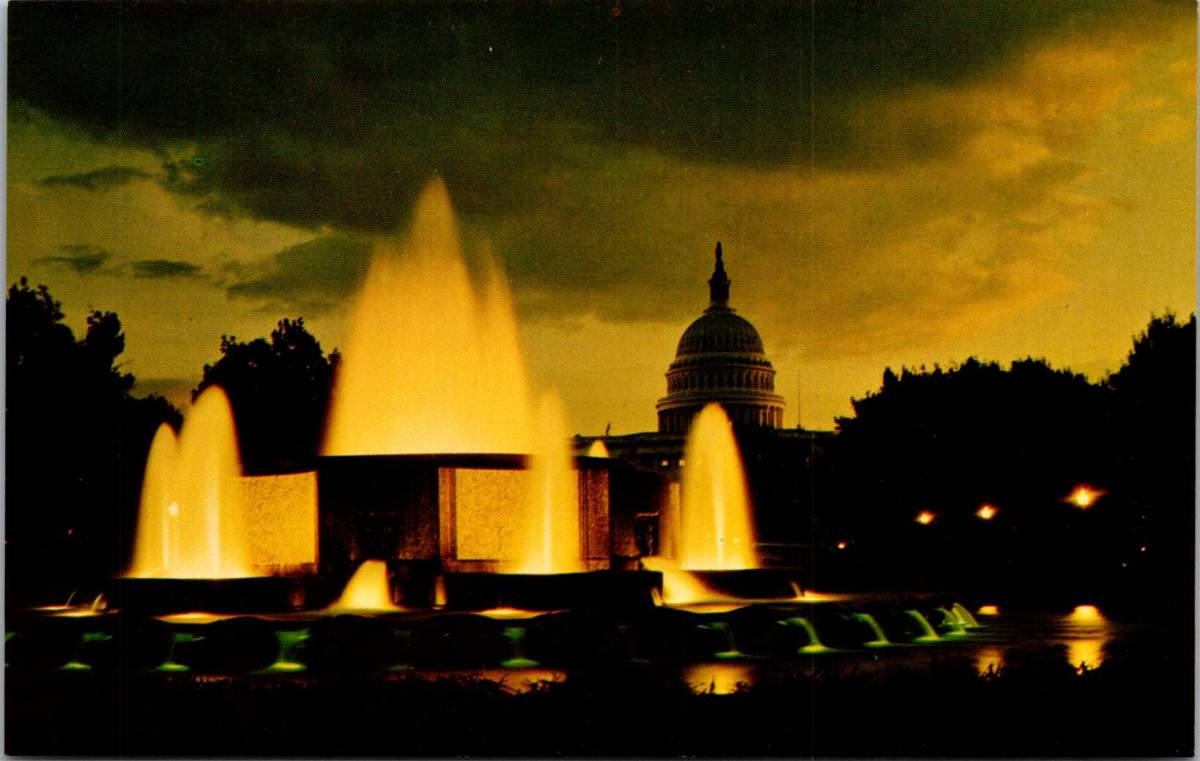
From the moment our ancestors gathered around campfires beneath the star-studded night sky, humanity has been captivated by circular forms. The sun and moon—those perfect celestial orbs—have guided our understanding of cycles, seasons, and the sacred geometries that shape our world. As our globe tilts and rotates through space, we return to the circle as a fundamental pattern, a shape that speaks to scientific understanding and spiritual intuition.
In nature, the circle demonstrates efficiency and strength. Consider the heliotropic motion of sunflowers, their faces tracking the sun across the sky, their seeds arranged in perfect spiral patterns. Deep within the earth’s core, circular motions generate magnetic fields, while occasional tremors ripple outward in concentric circles. At a microscopic level, the nucleus of each atom forms a dense center of energy, the foundation of nuclear physics and our modern understanding of matter itself.


Concentric Wisdom
Ancient cultures recognized the power of circular design. From the stone circles of Stonehenge to the round houses of indigenous peoples, circular architecture created spaces of communion and protection. These structures weren’t merely aesthetic choices—they were sophisticated responses to environmental forces, creating natural ventilation patterns and distributing structural loads evenly.
The Native American medicine wheel, the Buddhist mandala, and the Celtic spiral all speak to the circle’s role as an energy symbol, representing wholeness, unity, and the cyclical nature of existence, much like a gyroscope maintains stability through rotation.


Circular Scenes
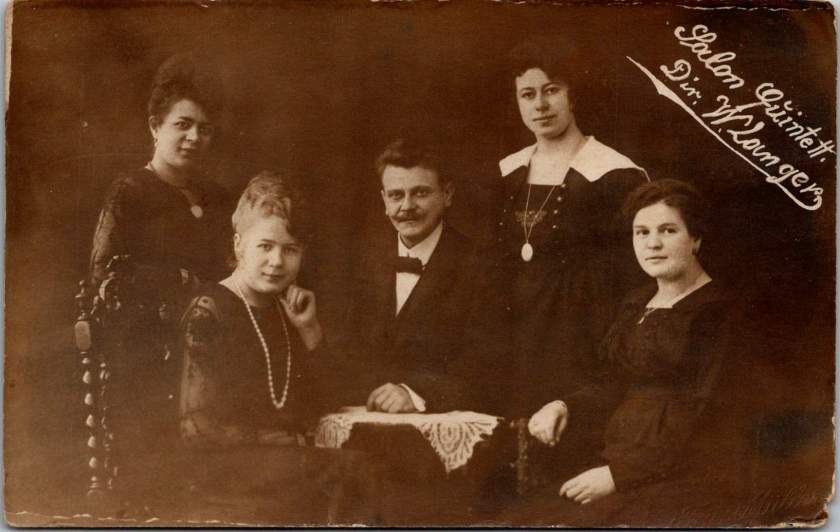
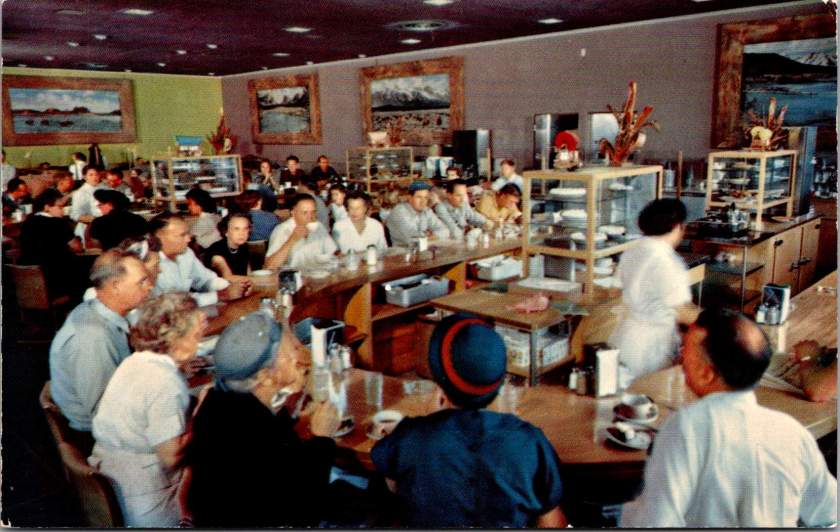
Circular thinking extends to human organizations, too. Consider how people naturally gather in circles: from tribal councils to corporate roundtables, from community drum circles to academic seminar rooms. Social movements often begin with small circles of concerned citizens, expanding outward based on overlapping interests of place and purpose.
Underground music scenes, grassroots political groups, and mutual aid networks typically organize in decentralized circles, creating resilient structures that adapt and grow organically. Even in our digital age, social media platforms mimic circular patterns through circles of friends, spheres of influence, and interconnected networks.
Circles show up in team dynamics as well. Agile practitioners us “scrum circles” for project management, while “quality circles” in manufacturing bring workers together to solve problems collectively. Innovation hubs create intentional “innovation ecosystems” where ideas flow freely between participants who share offices, labs, and studios.
Circular principles also apply to how we organize our economic and social systems. The concept of a circular economy has emerged as a revolutionary approach to addressing environmental conservation. Unlike the traditional “take-make-waste” linear model, circular economics mirrors natural cycles where waste becomes a resource. In this system, products are designed for durability and reuse, materials flow in closed loops, and regenerative practices restore natural capital.

Architects like Frank Lloyd Wright incorporated organic architecture principles that emphasized circular and spiral forms. These structures don’t simply mimic nature; they function in harmony with it.
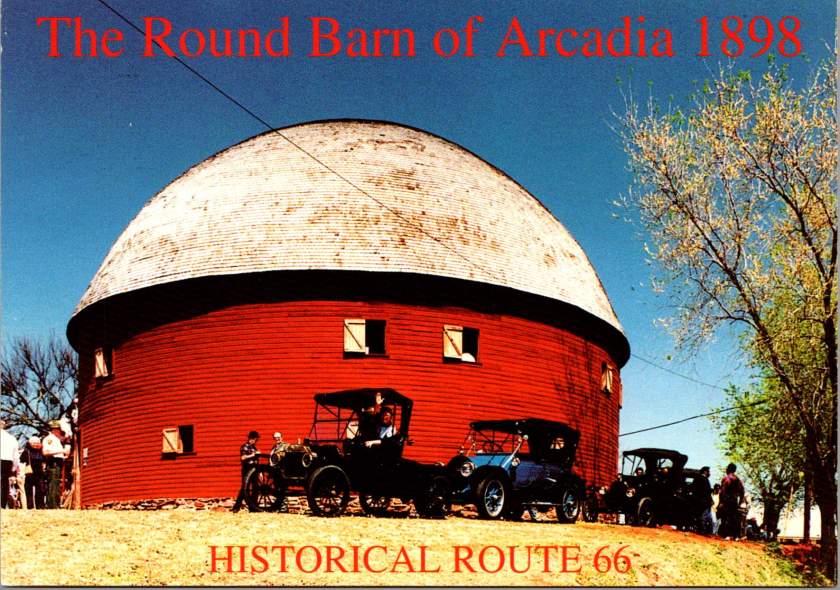
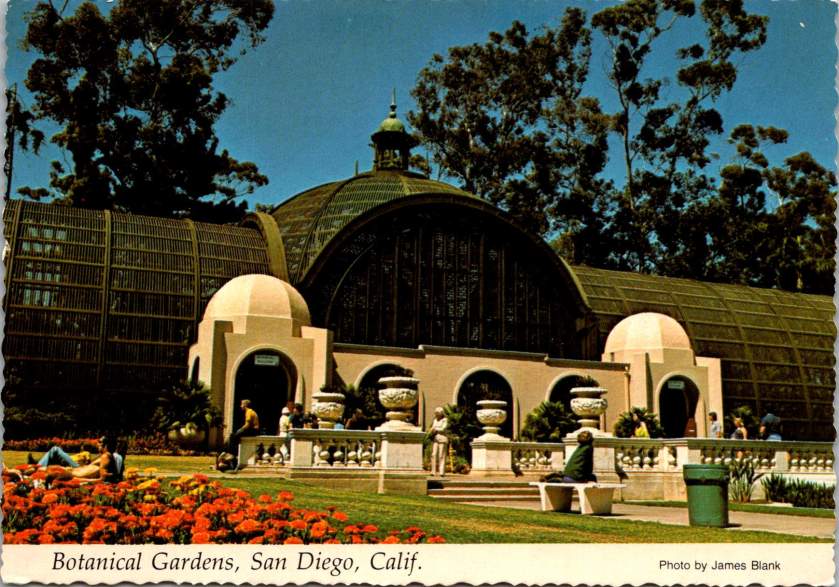
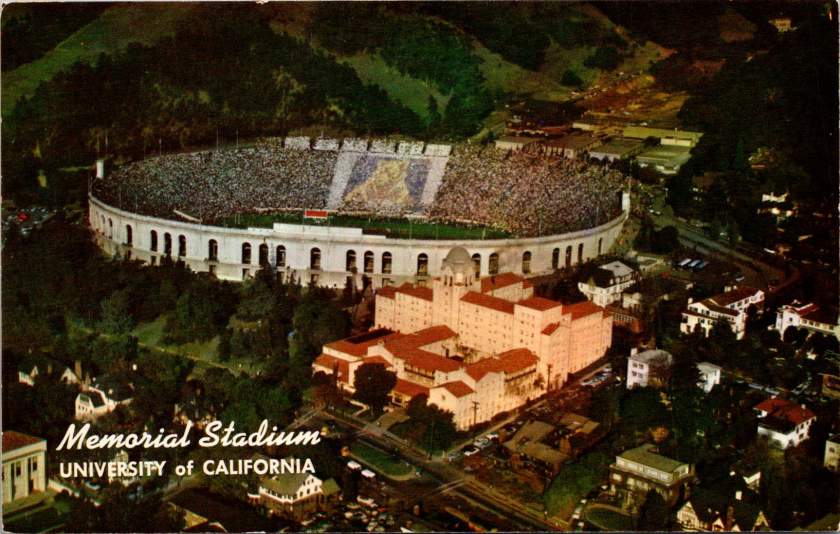
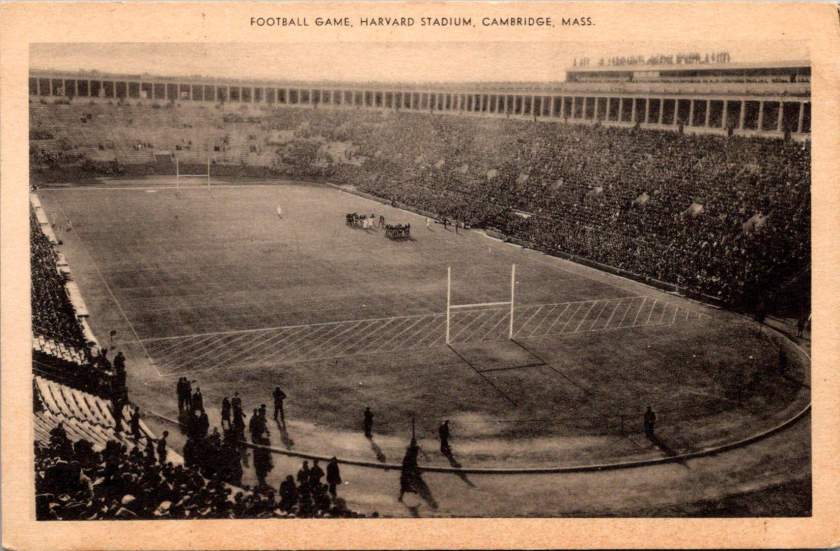
Civic design includes circular plazas, amphitheaters, and communal spaces that facilitate the natural human tendency to gather in rounds. These spaces often feature concentric circles of activity, from intimate inner gathering spaces to broader outer rings that welcome larger communities. Cities are networks of interconnected circular communities, each with its own center of gravity yet linked in ways that promote both local identity and broader urban cohesion.




Transit Circuits
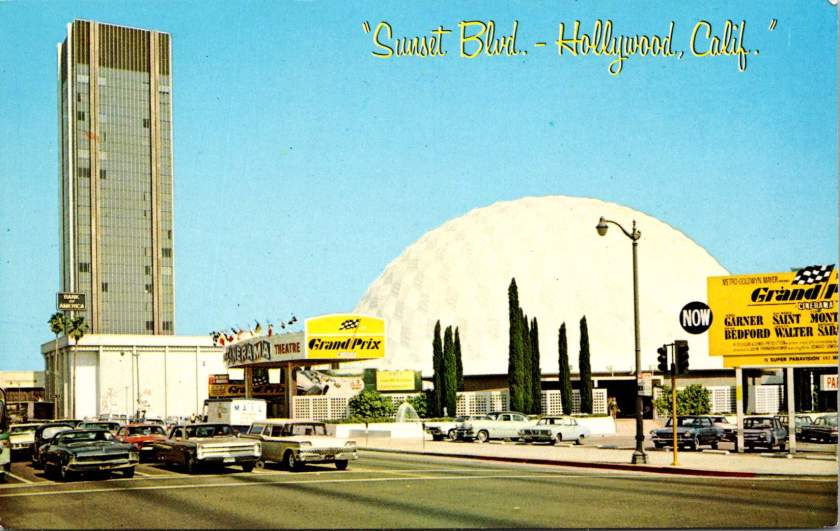
Some neighborhoods are connected by circular transit systems—light rail loops that mirror (or transgress) the patterns of previous generations. These transportation networks are themselves powered by intricate electronics—microchip circuits that echo the larger orbital patterns they coordinate, ensuring trains run right on time.
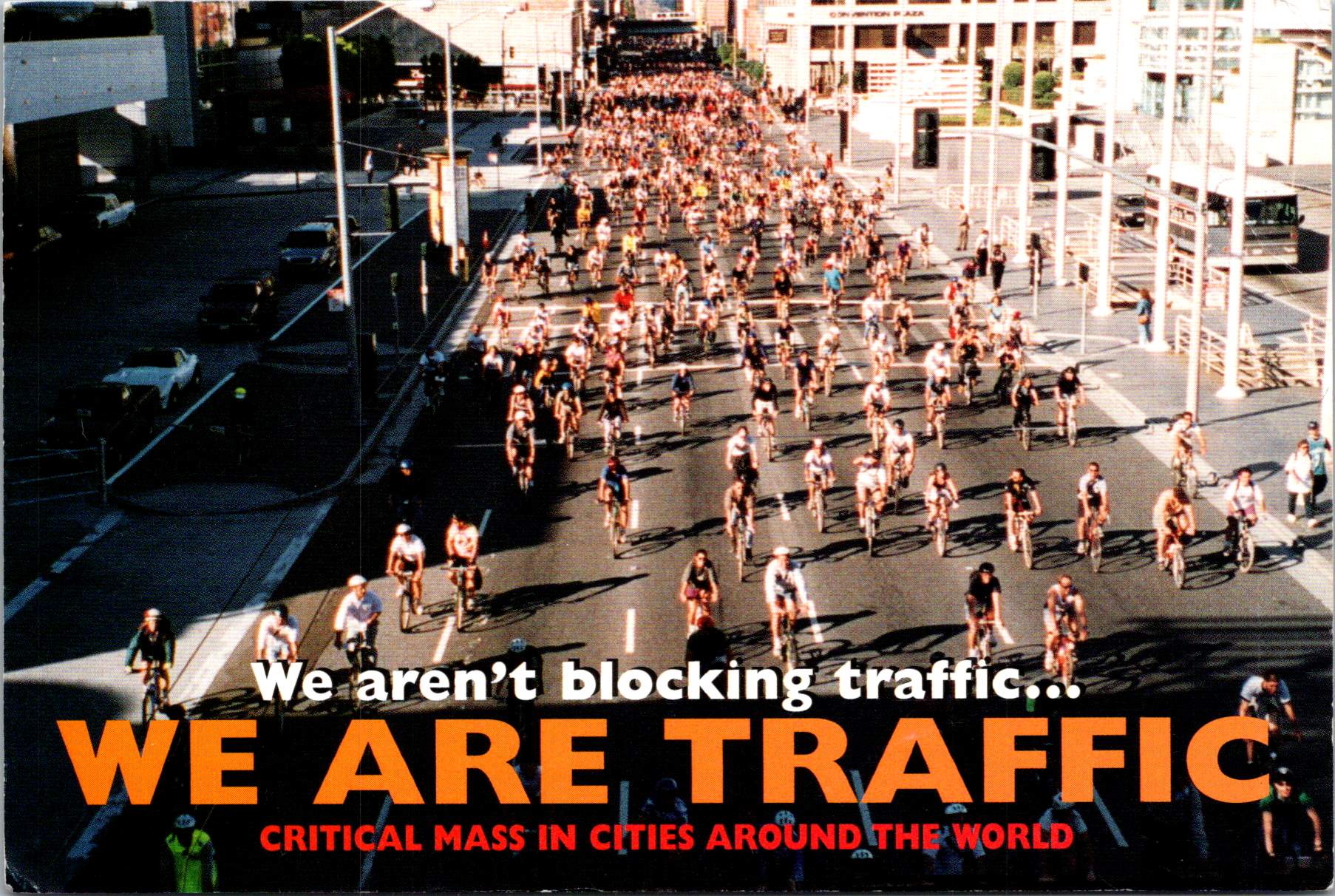
The elegance of circular transportation extends beyond mechanized transit. Cities worldwide are rediscovering the bicycle—perhaps humanity’s most successful application of circular geometry to movement. Its wheels, gears, and chain drives demonstrate how nested circular systems amplify human power while minimizing energy loss. Bike-sharing programs create their own circular economies of movement, their docking stations arranged in rings throughout urban cores. These human-scaled transit networks reduce carbon emissions while strengthening community connections.

Digital Circles Take on Real Challenges
Digital platforms are evolving beyond simple virtual meeting rooms into immersive spaces that address pressing social challenges. Virtual and augmented reality technologies allow for mixed-reality circles where local communities can visualize, plan, and implement solutions to social issues in real time. For instance, AR overlays can reveal hidden resources within a community—from unused spaces for urban farming to underutilized buildings that could provide shelter. These technologies enable communities to map food deserts, build on existing distribution networks, and coordinate mutual aid efforts with greater precision than ever before.
The power of these tools lies in their ability to make needs and resources visible to more groups, and in greater visual detail. VR environments allow stakeholders to experience and refine potential solutions before implementation, while AR applications help coordinate real-world action. For example, some cities are experimenting with AR-enabled resource rings that connect those with excess (food, supplies, space) to those with needs and uses through intuitive visual interfaces. These systems help transform abstract social challenges into tangible solutions at the neighborhood level.
What makes these digital circles particularly powerful is their ability to collapse the distance between awareness and action. When a community sees problems and potential solutions mapped in their shared space, it becomes easier to make connections, mobilize resources, and coordinate responses. These tools don’t solve social challenges on their own, but they provide communities with powerful new ways to see, understand, and address local needs through coordinated circular action.


Full Circle Round Again
The circle’s power to unite and connect is perhaps best illustrated in the simple Venn diagram, where overlapping spheres reveal relationships and shared qualities. This mathematical tool reflects a deeper truth: that circles have the unique ability to represent both unity and multiplicity, the one and the many. Whether we look to the perfect geometry of a soap bubble, the ripples from a stone dropped in still water, or the orbits of electrons around their atomic center, we find that circular form and motion are fundamental to the universe’s operation.
As we face global challenges that require holistic thinking and unified action, the circle offers wisdom accumulated over millennia. It reminds us that everything is connected, that endings lead to beginnings, and that the most sustainable solutions often mirror the patterns we find in nature.
In embracing circular thinking and design, we honor both our ancestral wisdom and our future potential. The sky and wind above is a powerful reminder of the warm glow and flow inside. Turning (and churning) teaches us about the true nature of our universe and our place within it. The sacred sun and moon continue their ancient dance across the sky, inviting us to see ourselves as part of this grand design—not just observers of it, but active participants in its unfolding story.





 The Posted Past