Mailbox Moments

Nina makes a long distance deal with a dear friend, and George finds a new use for old memories.

Nina arrived early at the coffee shop near campus in Tempe. The drive up from Tucson was faster than she expected. Nora slid into the booth at 9am sharp. “You’re glowing,” Nina said.

“Nerves.” Nora grinned. “Two years in Taipei, three weeks to learn Mandarin.”

They ordered. Nina nudged a package across the table. She’d wrapped the book of postcards the night before, Navajo Textiles, each page a detachable card with a different striking design. Almost too good to take apart.

Nora opened it and smiled. “These are perfect. They will remind me where I came from. And, we can keep them! I’ll send them back to you.”

She flipped through the cards. “My grandmother did this. Sent us postcards from every trip. Maybe that’s why I love to travel.”

“I want to hear all about it,” Nina said. “Something to look forward to in the mailbox.”

“Deal.”

They talked until Nora had to leave for meetings. Nina hugged her friend outside, watched her disappear into the parking garage. On the drive back to Tucson, she thought about when she might travel again. Someday.

In Minnesota, George came across a box of old stationery while cleaning out a drawer in the office. He’d been ignoring this stuff too long, but it had to be done. He was surprised to find a bunch of notecards and envelopes, postcards from their own travels, even some stamps. Jennie must have tucked them away years ago, then forgotten.

He shuffled through the stack, smiled, and thought about their grandchildren.

Emma, sixteen, newly licensed, texting him sunset photos. Jack, thirteen, reading everything, and his own library growing. Lily, nine, from whom he routinely received animal drawings in manila envelopes.

He wrote to Emma first:

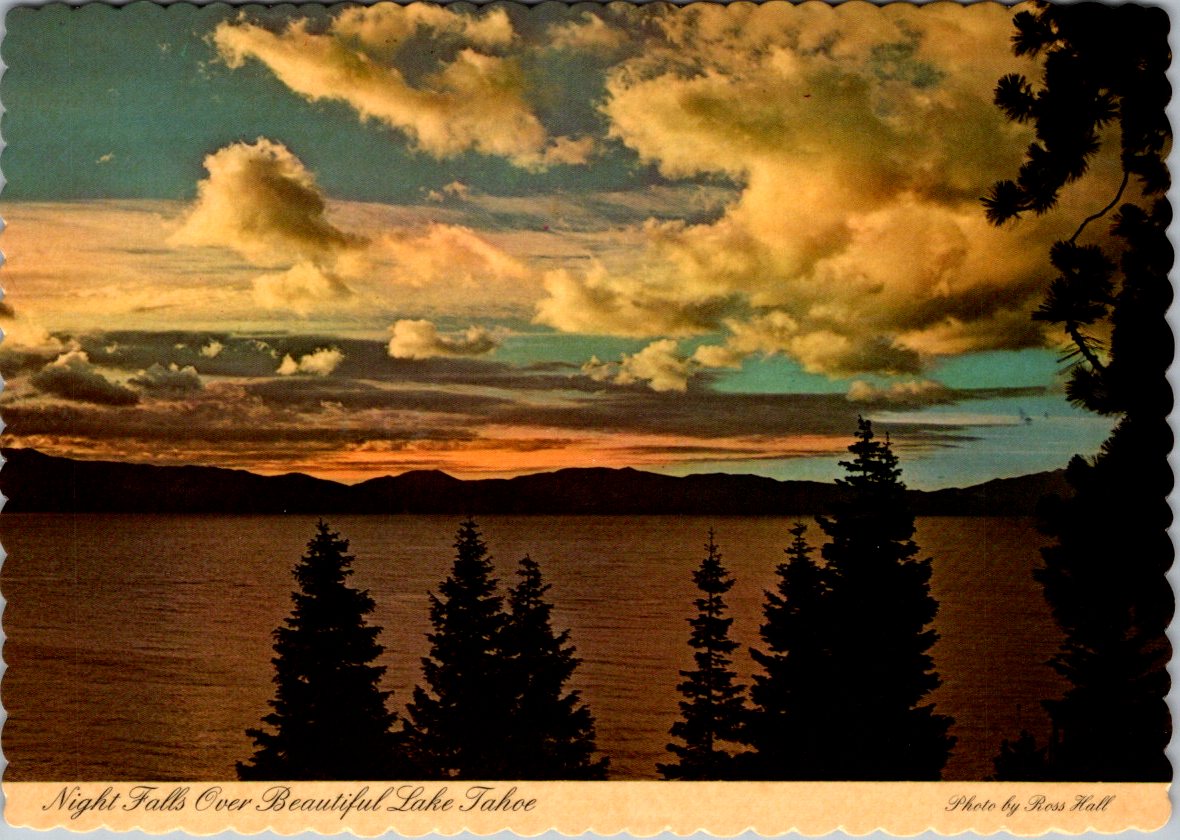
Found this sunset and thought of you – keep your eyes on the horizon! Love, Grandpa

Then, to Jack:

You can find a library in every place. Hope you go some day, and your collection grows. Love, Grandpa

Finally, to Lily, though his hand was aching:

For my favorite artist: a cat to inspire your next drawing. Keep sending pictures. Love, Grandpa

He addressed the cards and peeled the Forever stamps from their yellowed backing. The afternoon sun was glinting off the glassy surface of the snow as George walked down the drive and out to the mailbox. These should get there before Christmas, he thought. Next he’d knock the icicles off the eves over the porch steps, then make dinner.


thoughtful gifts under $15

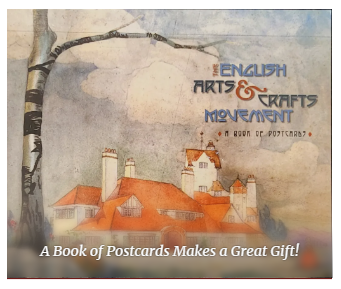
Though the story above is fiction, a book of postcards is still a great gift.
Browse the selection at our eBay store

Cardinal Directions

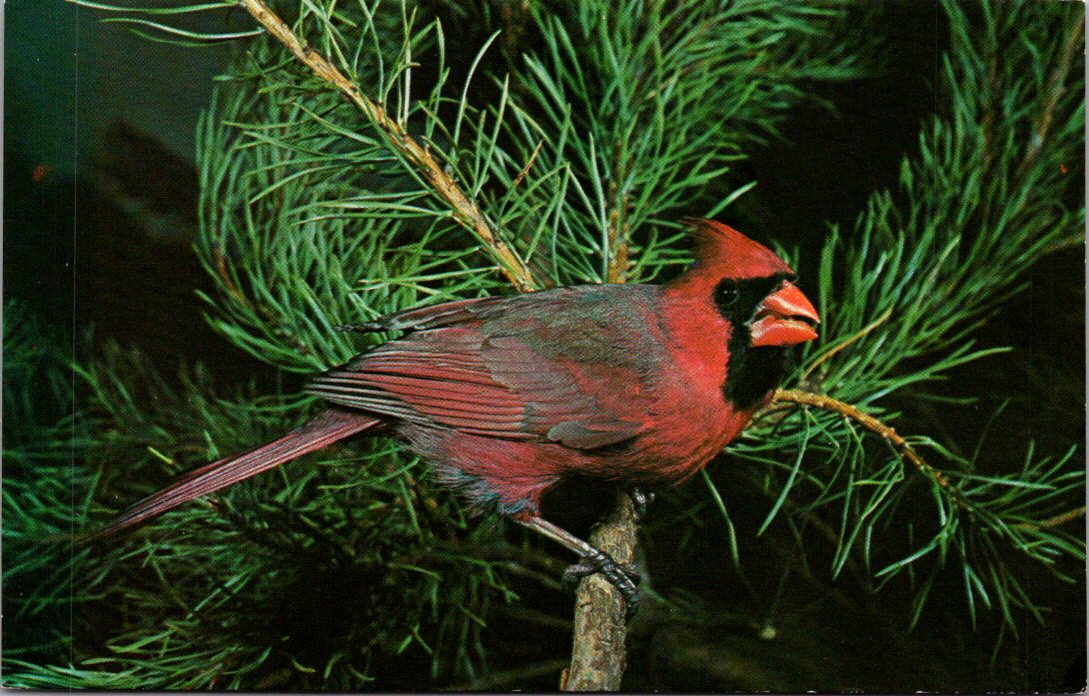
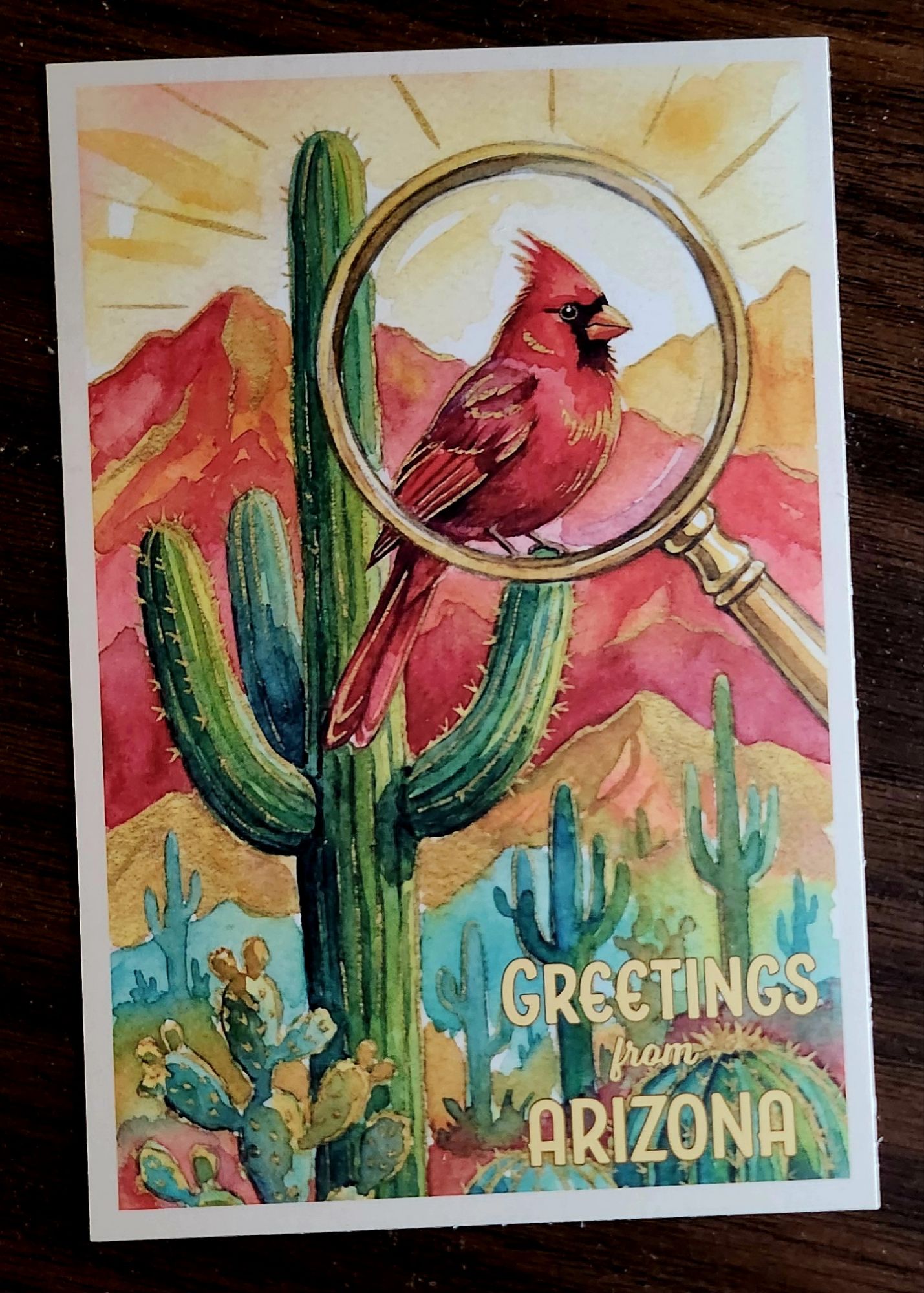
The Northern Cardinal’s migratory range is rather small. Unlike this postcard, sent from Nina in Tucson to Uncle George back home.


The postcard arrived on a Tuesday in December, slipped between the electric bill and a catalog he’d never seen before. George set it on the kitchen table while he made coffee, the red bird on its front catching the weak winter light through the window.

He’d lived seventy-three winters in Minnesota and he could remember nearly as many cardinals. One visited his mother’s feeder every winter morning. A pair of birds nested in the honeysuckle behind their first house, and a solitary male appeared each January at the cemetery where his wife rested.

The bird on the card was just ink and paper, a cheerful holiday visitor perched on a cactus. George smiled at all the memories. Standing at the kitchen window, watching that splash of red move through the frozen world.

He propped the card against the sugar bowl where he could see it while he drank his coffee. That small red bird sent from a warmer climate, it was good company.


Nina stepped onto her back patio in Tucson as the December sun softened toward an early evening. She was carrying her phone and the stack of work she was supposed to ignore. The hospice had been short-staffed for weeks, and even her days off felt heavy with other people’s grief. She sank into the patio chair and her eyes rested on the saguaro at the property line, its arms raised like a benediction against the pale sky. Then, an impossible red against the green ribs of the cactus, a cardinal turning its crested head to stare right at her.

She watched it hop from one arm to another, so vivid it seemed painted there, and suddenly thought of her uncle George. He’d be preparing for snow about now, making sure the feeder was stocked, the northern cardinals waiting through the bare branches. She’d bought that card weeks ago. She meant it to be funny, a little bit of desert sunshine for the cold country.

The bird tilted its head once more, then lifted away toward the neighbor’s tall gate. Nina set down her phone and went to find the card on the table inside. She’d send that postcard tonight. A small bright thing traveling north, carrying a moment of real rest and a reminder of the joys that appear in the landscape.

The connection between George and Nina, between Minnesota snow and Arizona sun, traces a geography that cardinals themselves understand.

The Northern Cardinal’s range stretches from southern Canada through the eastern United States and into Mexico, reaching west through Texas and into Arizona. Unlike many songbirds, cardinals don’t migrate. They remain year-round residents wherever they establish territory. A cardinal in Minneapolis endures the same winter as the people who watch it, while its southwestern cousins never know deep cold at all.

This winter persistence made cardinals natural companions to a tradition that took hold in late 19th century America: backyard bird feeding. As cities grew and winters seemed harsher, people began setting out suet and seed, transforming their yards into small refuges. The cardinal, bold and willing to visit feeders, became a regular presence at kitchen windows during the season when color disappeared from the world. That bit of red against white snow or dark evergreen wasn’t just beautiful—it was companionship. Nature’s daily offer of simple joy.

Holiday card publishers recognized this quiet bond. As postcards surged in popularity in the early 1900s, designers increasingly turned to the natural world for their winter imagery. American cards featured the birds people actually saw at feeders, perched on snow-laden branches, bright against winter skies. These cards created a secular holiday vocabulary, a way of marking the season that felt both celebratory and true to the world outside the window.

Nina was right. George had set out the feeders, with enough seed on hand to get through the cold months. He’d been to Jennie’s grave, and he’ll write back to Nina soon. Maybe visit Tucson. Maybe see a cardinal on a cactus.


CARDINAL CACTUS CARD on sale now!

Though the story above is fiction, the Cardinal Cactus postcard is real 🙂
Order your pack of ten from Etsy

Pack of 10 Postcards – Greetings from Arizona – Cardinal Cactus – $15

Still in the Ring

Here we go! The Posted Past heads into the fall season with rare cards, a new gallery, and a social mission to trade loneliness for connection.

featured postcard~
rare novelty card still holds a mystery

An early 20th century novelty postcard featuring humorous photography and personal correspondence from Missouri.

Front of the card: The photograph shows a young Black man in white shirt, suspenders, and dark trousers, grinning while holding a large broken umbrella overhead in a playful pose. Below reads the humorous caption “A little disfigured, but still in the ring”—typical novelty humor from the postcard craze era. A black border frames the photograph on cream cardstock.

Back details: The reverse bears “Carbon Photo Series No. 513” identifying the commercial publisher’s series. Addressed to Miss Grace Skillman in Pleasant Hill, Missouri, with a green 1-cent Franklin stamp and clear 1908 postmark. The handwritten message describes an exhausting early morning wait in Lee’s Summit for “Brother and Frank,” and promising a longer letter that evening.

“Still in L.S. haven’t slept but about ten minutes. My eyes looks like two burnt holes in a blanket. Brother and Frank hasn’t come yet. I will wait till 7.30 and then go home. Will write tonight. Just finished my breakfast. I will eat if not sleep. I got here ten till five.

Condition and Appeal: The sepia-toned image displays characteristic early photography with some age spots, and a nicked corner. The image and reverse side remain in good condition with clear photography and legible handwriting. The “Carbon Photo Series” indicates premium production using carbon-based printing methods prized for superior image quality and archival stability. Grace Andre Skillman was born in Pleasant Hill in 1889, making her nineteen when she received this card. The message and the lack of formal salutation and signature suggest this is casual ongoing family correspondence. As a result, the author of the postcard remains a mystery.

Vintage novelty postcards are increasingly collectible, especially numbered commercial series with documented recipients. Collectors of African-Americana may find the image appealing and relatively rare. The combination of carbon printing technology, humorous subject matter, and personal correspondence is of interest to collectors of vintage photography, postcard enthusiasts, genealogy researchers, and those focused on early 20th century American social history and communication.

Introducing~
The Posted Past Art Card Gallery

A selection of Larry L’Ecuyer’s watercolor landscapes are on display in our Online Art Card Gallery. Fitting as our first show. Enjoy!

Watercolor postcard showing a serene lake scene with mountains in the background and tall grasses in the foreground
Countdown to a Lakeside Getaway, 2025, Larry L’Ecuyer, watercolor on postcard

NEWS & UPDATES~
art card call for submissions is open

The World’s Smallest Artist Retreat (our P.O. Box) is awaiting your art card submission. Follow one rule to join the next open show. Details here!

Art card kits now in stock

Our Art Card Kits are perfectly-packaged as a fun, creative activity for you and a friend to complete in as little as an hour or made into a lovely afternoon.

The kit includes two postcard blanks, six vintage finds curated to the chosen theme, and a bundle of collage goodies for your whimsy. There is a free gift inside, too!

Once you’re done, surprise someone with an original art card in their mailbox. Or, send it back to us to include in the next online show. Either way, you’ll have cultivated a little joy in your garden.

Order your kit here 🙂

Both/And

Sweet readers, this is your pre-preview of something very fresh, and a long time coming…

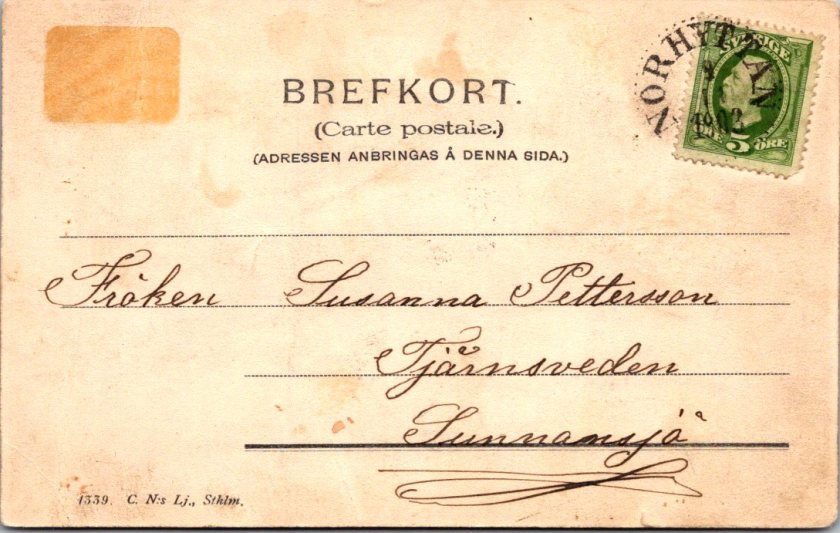
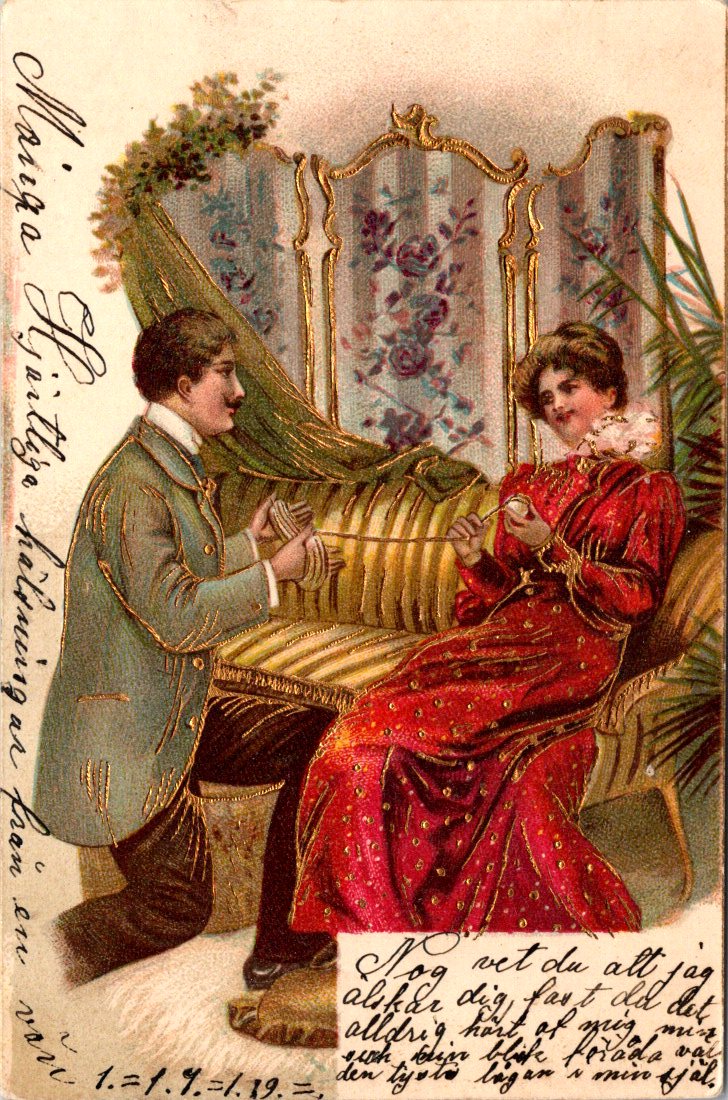
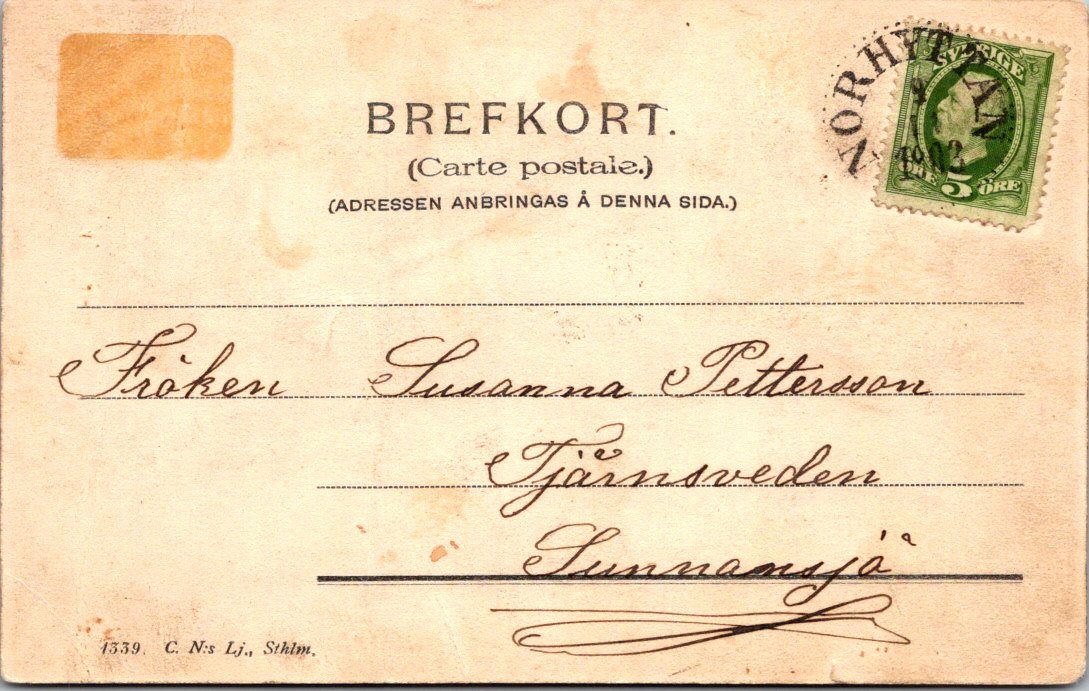
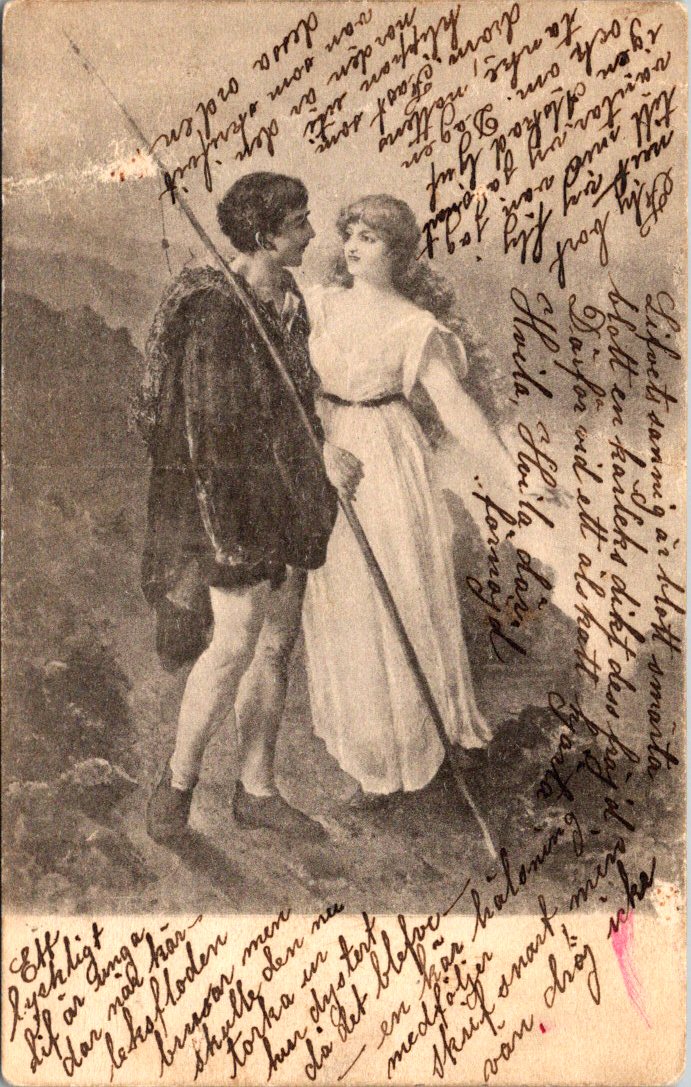
Hold a vintage postcard in your hand and flip it front to back.

On the front, usually an idealized world. Sun-drenched beaches, pristine mountain vistas, city streets captured at their most photogenic moments. Designed to say, “Wish you were here!”

Flip it over, and you find something entirely different. The back reveals the personal, the quixotic, sometimes the magically mundane.

“Weather awful, hotel terrible, a bit bothered by a smelly seatmate on the plane, but having a wonderful time anyway.”

Postcards fascinate me precisely because they embody all of life. They’re both public and personal, both idealized and achingly real. They bring the past forward in time, making unexpected connections with family, friends, and special places—revealing who we have been along the way.

On a very old postcard, the handwriting of someone long gone comes alive again right before our eyes. A jotted note gives us a new view into their private world. Their words leap over the decades to reach us. There is a lush creative commons between now and then, a liminal green lawn to lounge on and take in the cool air.

I have lived happily in those in-between spaces for the last few years. Somewhere in the middle of my life and career and enjoying myself in the meantime. Not where I was before, and both curious and terrified about what comes next.

Well friends, like the best summer novel, the plot thickens.

Starting in September, The Posted Past officially launches a new phase as a social enterprise, inspired by the simple truth that we can trade loneliness for connection, one postcard at a time.

We have already done it, friends!

As one of my earliest subscribers, you have enjoyed (I hope!) an essay every Wednesday for the last year. Going forward, you’ll still get those delightful diversions that remind us we are more than we knew. I’ll also offer sneak peeks at rare postcard finds, each one a small treasure with its own story to tell.

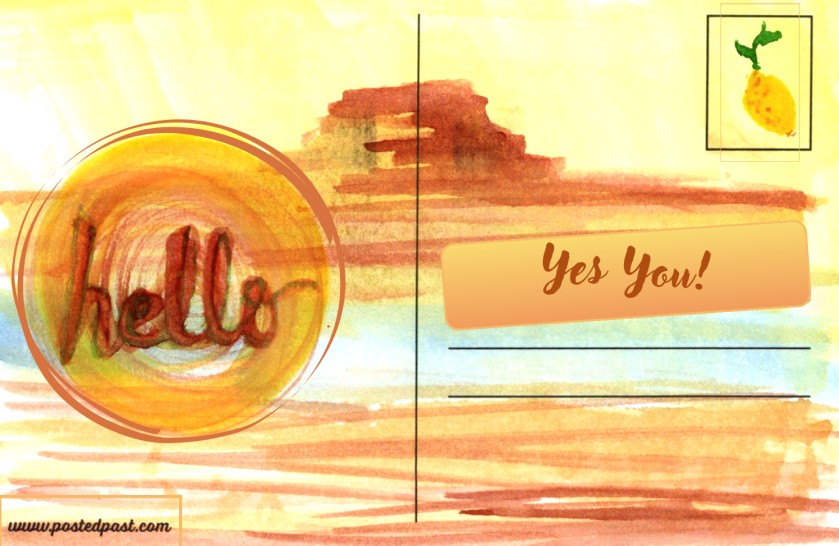
Digitally altered watercolor sketch by Anne L'Ecuyer of a red mesa on the back of a postcard with the words 'Hello" and "Yes You!" evocatively placed. A small lemon is painted where a stamp would go. The website www.postedpast.com is printed in the corner.
Old or new, postcards have a job to do.

Along the way, I have fallen in love with making and receiving Art Cards. My brother started mailing the lovely landscape watercolors he does when insomnia strikes. A collage free-for-all at the local gallery had me re-inspired by the ‘ransom note’ style I used to do as a teenager. Blink-blink… I found myself dreaming up fabulous cards to make.

Art cards celebrate the artist in all of us. I particularly love collage and watercolor, but truly an art card can be made with scraps. Sometimes the most satisfying work comes from simple gestures, too. Slow down enough to make something with your hands, and then send it away to make someone’s day.

Coming this fall, The Posted Past will feature an online gallery where you can browse through handmade artwork that has traveled across time and space, carrying all the marks of love, adventure, and everyday life. Call for submissions now open, mail your art card to: The Posted Past, P.O. Box 24431, Tempe, AZ 85285.

Abundance can be overwhelming, and it’s not always easy. Right now, I feel both confident and queasy. But, I’m not alone. Here’s how you can help.

  • Become a paid subscriber—hit the button below to support the effort
  • Pre-order an Art Card Collage Kit (coming soon!) for your own creative fun
  • Make an art card and send it to us—be first in the online gallery show!

Though we revel in real life, the handmade, and the historic, The Posted Past is also meant to be super social. Excuse our dust, and help us get started!

  • Like us on Facebook, Instagram, and Pinterest for daily inspiration
  • Track our growth on LinkedIn as we build momentum
  • Browse the collection of vintage postcards on eBay and follow the store

Both/and. Past and future. Solitude and connection. Cardboard curiosities and some larger-than-life dreams. Thank you for being here together. Keep an eye on your inbox and mailbox—September is full of surprises!

Postcard Road Trip

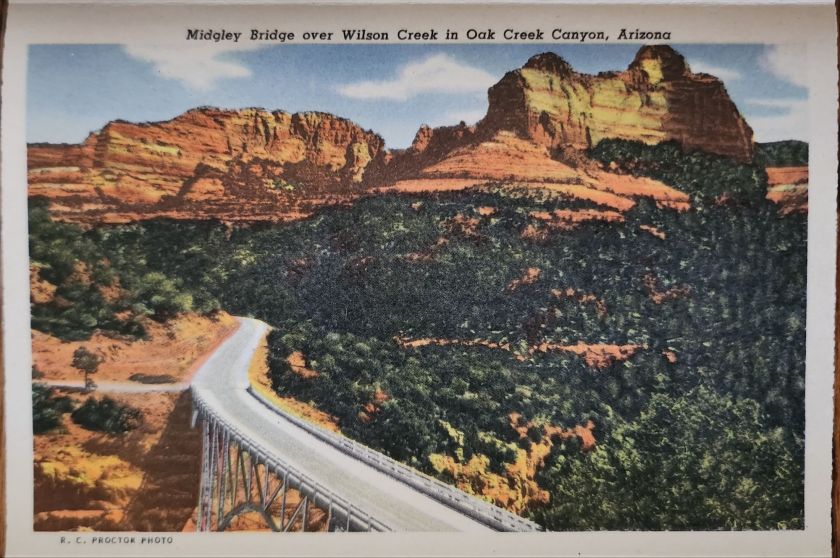
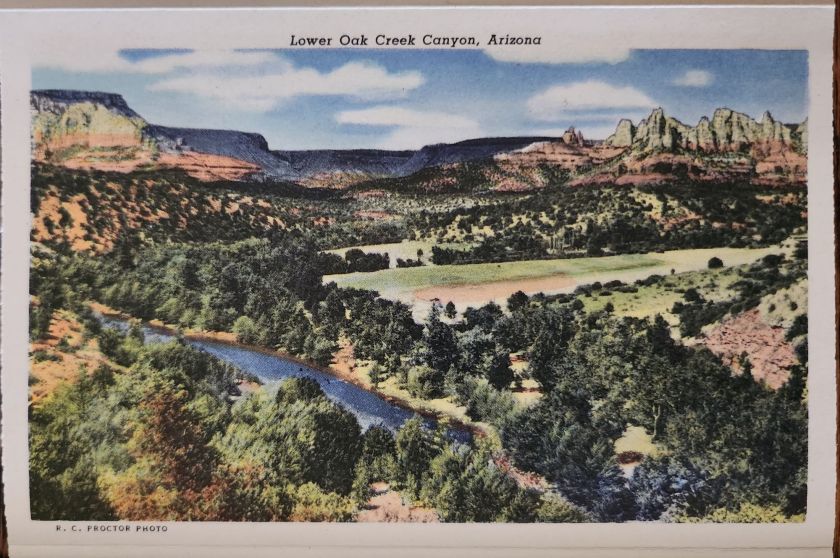
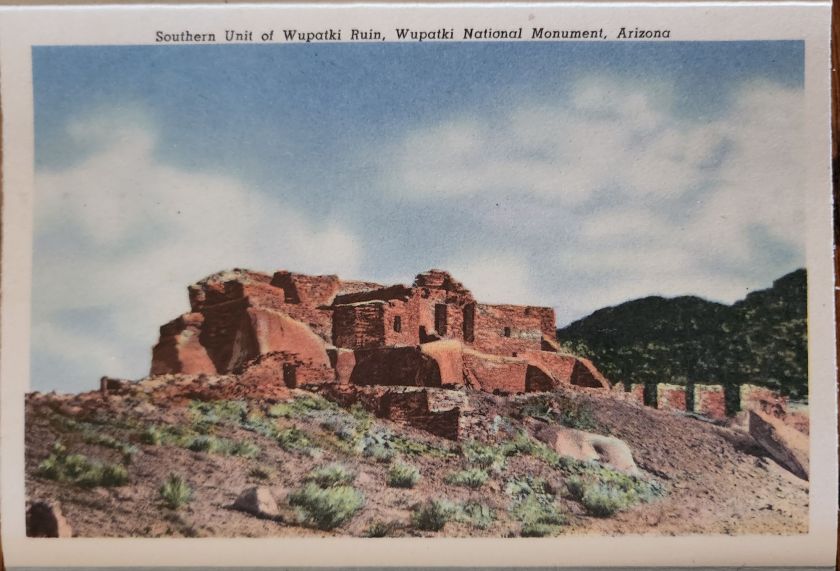
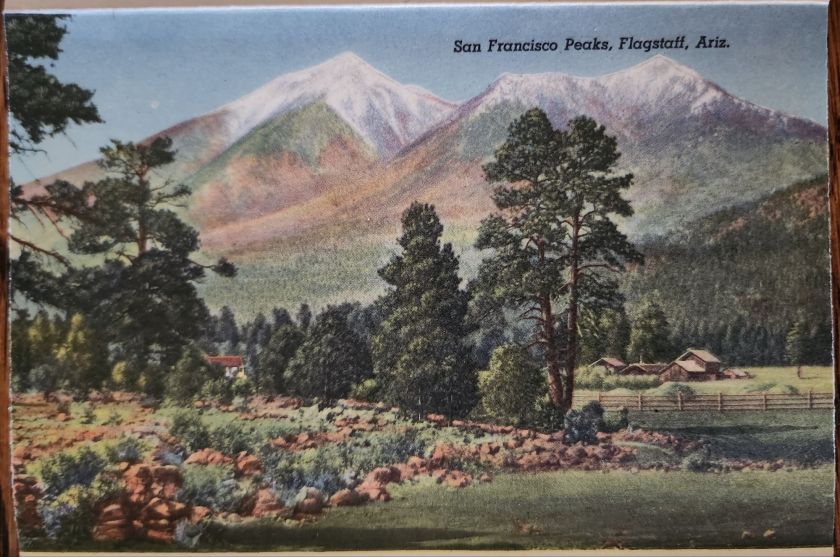
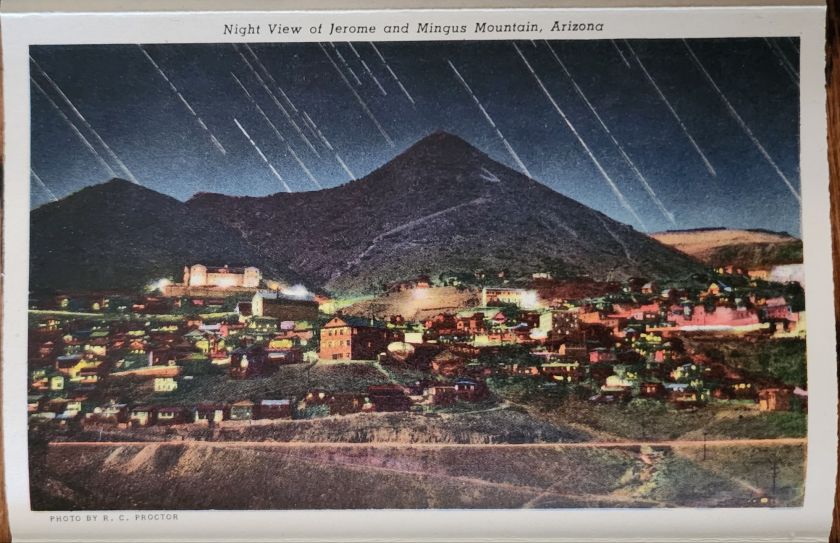
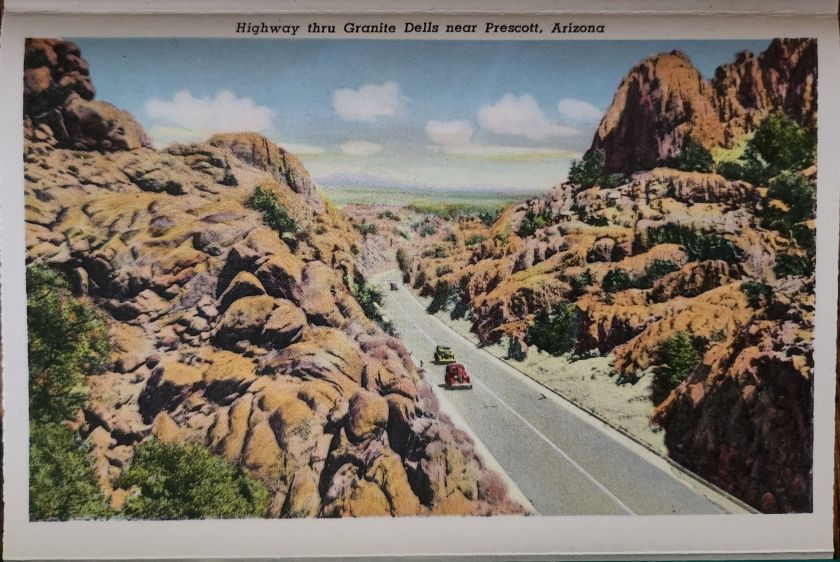
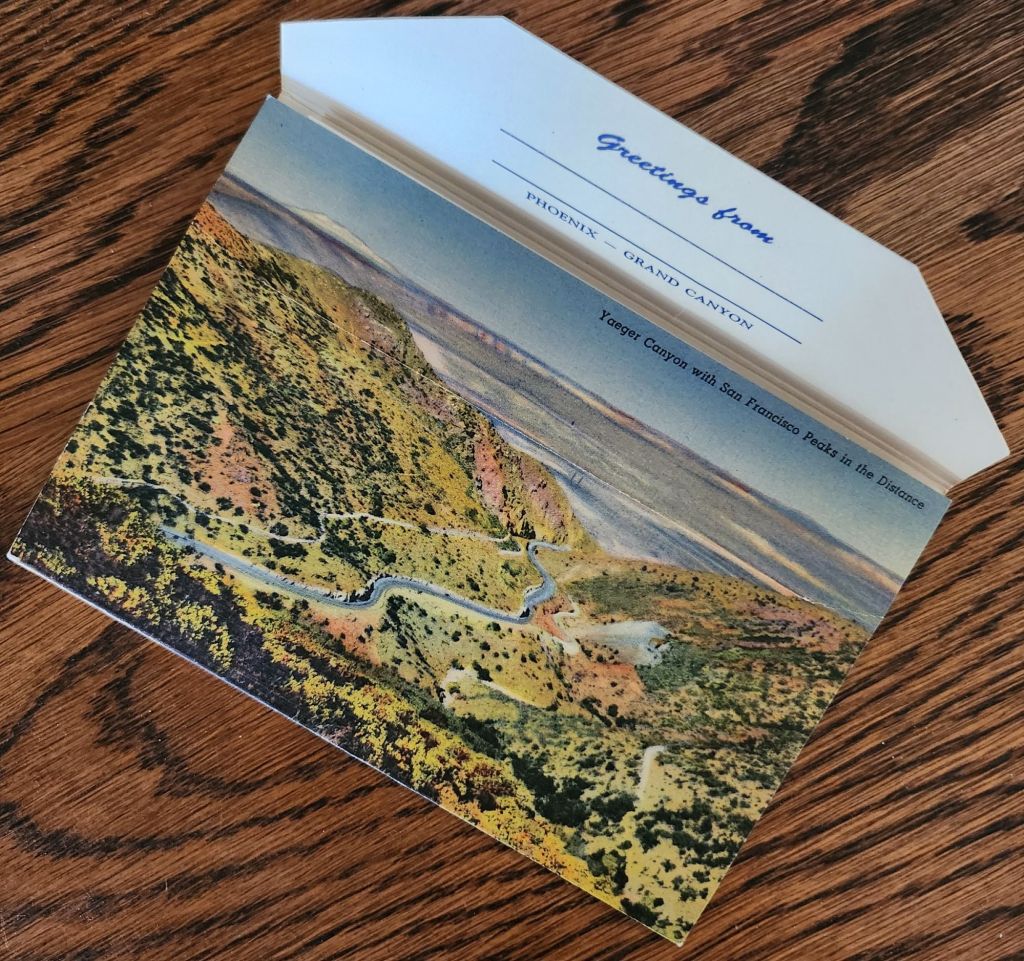
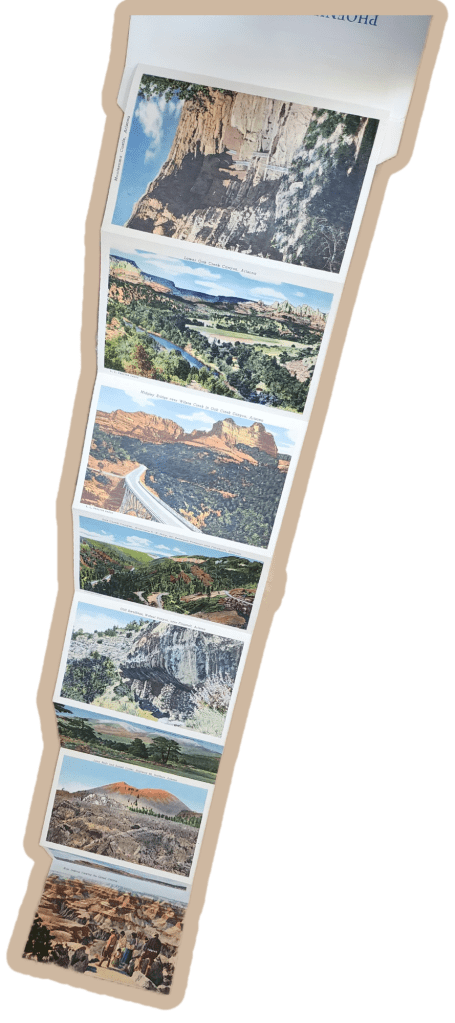
Mid-century postcards captured the wonder of American road trips in vivid color. This Phoenix to Grand Canyon collection reveals the story of car trips, roadside shops, and the natural landscape of Arizona.

Rural Route Arizona

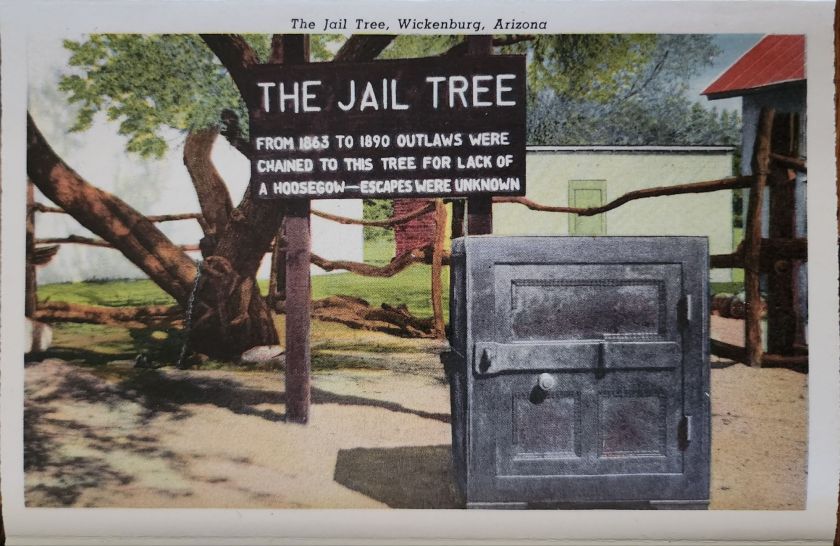
The Phoenix to Grand Canyon route via Oak Creek Canyon carved through America’s most scenic territory. In the 1940s and 1950s, this remained wild, undeveloped country. Starting in Phoenix, travelers navigated winding two-lane roads through Wickenburg, Yarnell, Prescott, Jerome, Clarkdale, Cottonwood, Flagstaff, and Williams.

Each stop pulsed with its own character. Jerome clung to mountainsides, mining copper. Prescott sprawled as a ranching center and former territorial capital. Wickenburg lured visitors with dude ranch culture. Williams crowned itself “Gateway to the Grand Canyon.” These weren’t pit stops but destinations, each welcoming tourist dollars from America’s growing car culture.

Postcard Economy

These postcards bear the stamp of Curt Teich & Co., a Chicago printing giant that drove America’s postcard industry from the 1930s through 1960s. German immigrant Curt Teich founded the company in 1898 and revolutionized postcard production. His linen postcards introduced soft textures and blazing colors.

Teich built an industrial empire through local connections. Photographers roamed America, documenting main streets and natural wonders. In Chicago, artists hand-colored black and white photographs, enhancing reality to seduce buyers and ultimately define a social aesthetic.

Behind every postcard rack stood a web of relationships, too. Hotel owners, gas station attendants, and gift shop operators ordered cards from Teich’s catalog or commissioned custom designs featuring their establishments. Postcards advertised businesses, provided affordable souvenirs, and satisfied the social duty to send word home.

Long-distance calls cost fortunes. Letter-writing devoured time. Postcards offered quick connection and proof of adventure. They were quick and easy evidence that the sender had escaped ordinary life for landscapes of impossible beauty. For travelers, buying and mailing postcards proved both pretty and practical.

The typical buyer belonged to America’s emerging middle class, newly mobile through car ownership and paid vacations. Families drove from California to see the Grand Canyon. Retirees took first cross-country trips. Young couples honeymooned across the Southwest. Many experienced the American West for the first time. Postcards helped them process and share encounters with the sublime.

Selecting, writing, and mailing postcards became part of American vacation ritual. Weather beautiful, wish you were here—heartfelt sentiments that bridge extraordinary experience and ordinary communication.

These postcards transcend tourist kitsch. They document a pivotal moment when the West was packaged and sold as leisure destination. Enhanced colors and idealized compositions reflect not just Arizona’s appearance, but how Americans wanted to see it—as endless possibility, natural wonder, and escape from urban routine.