The Past, in Particular

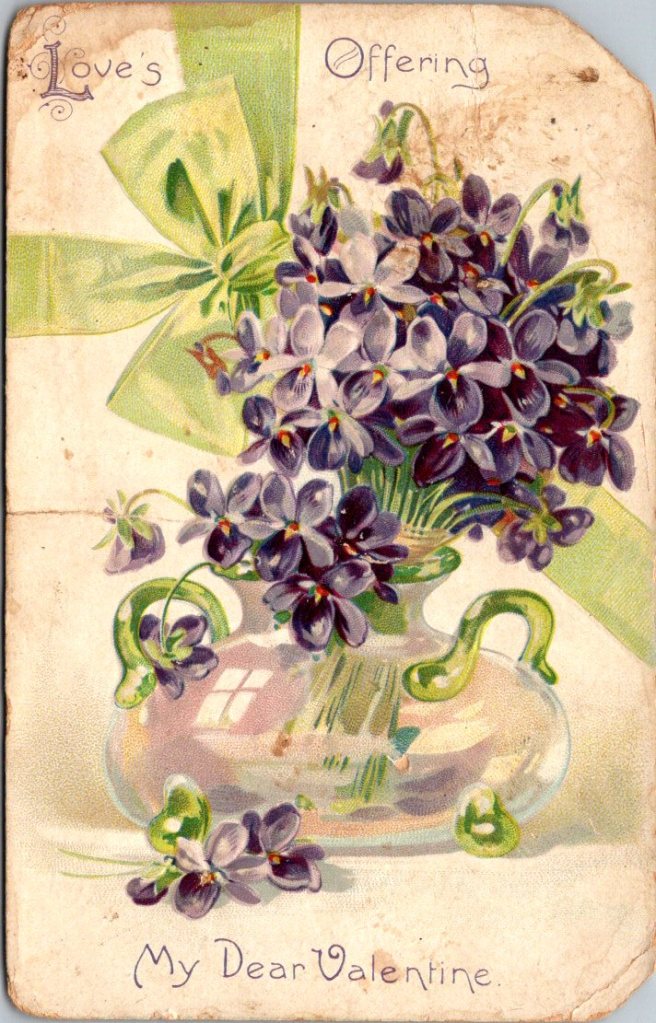
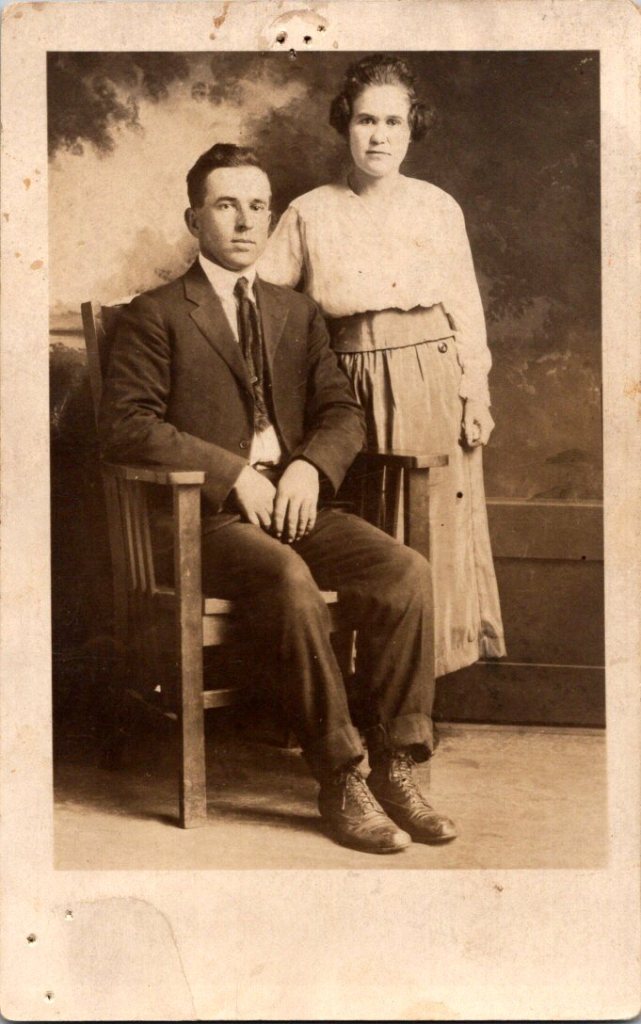
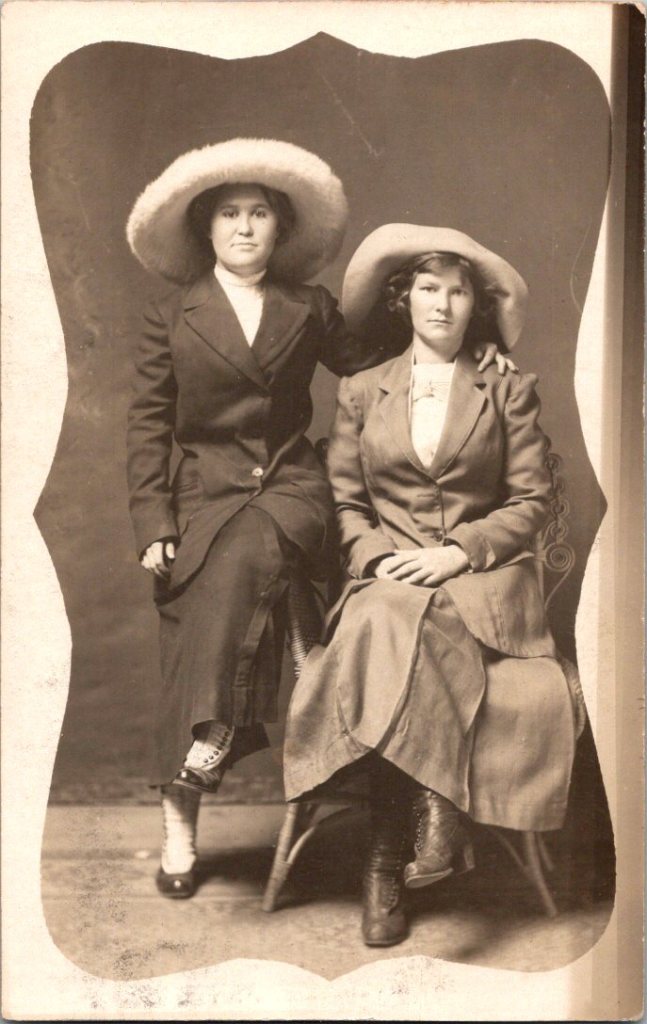
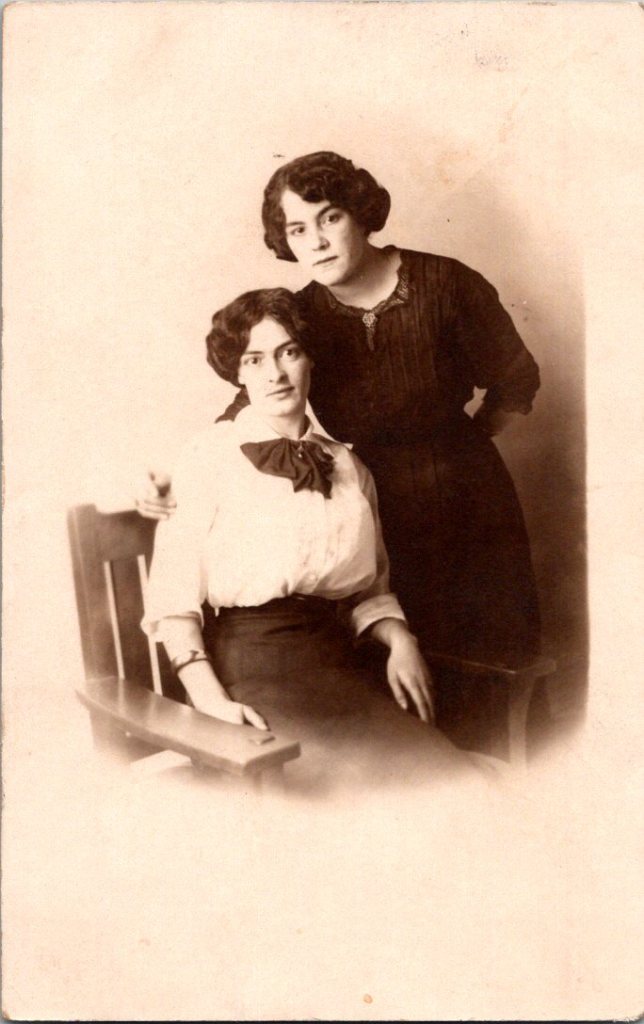
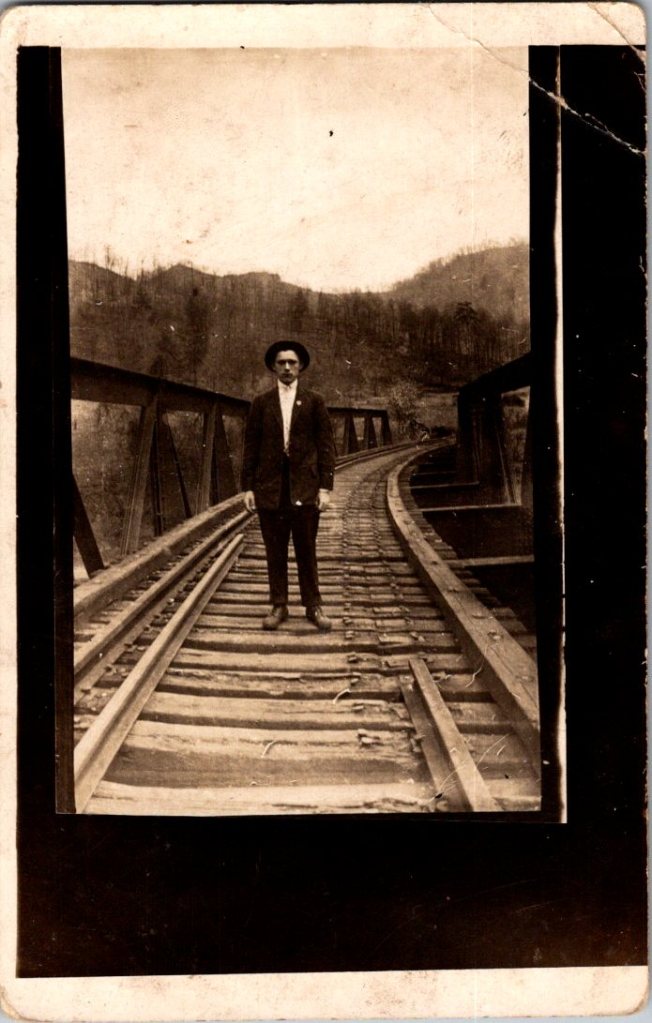
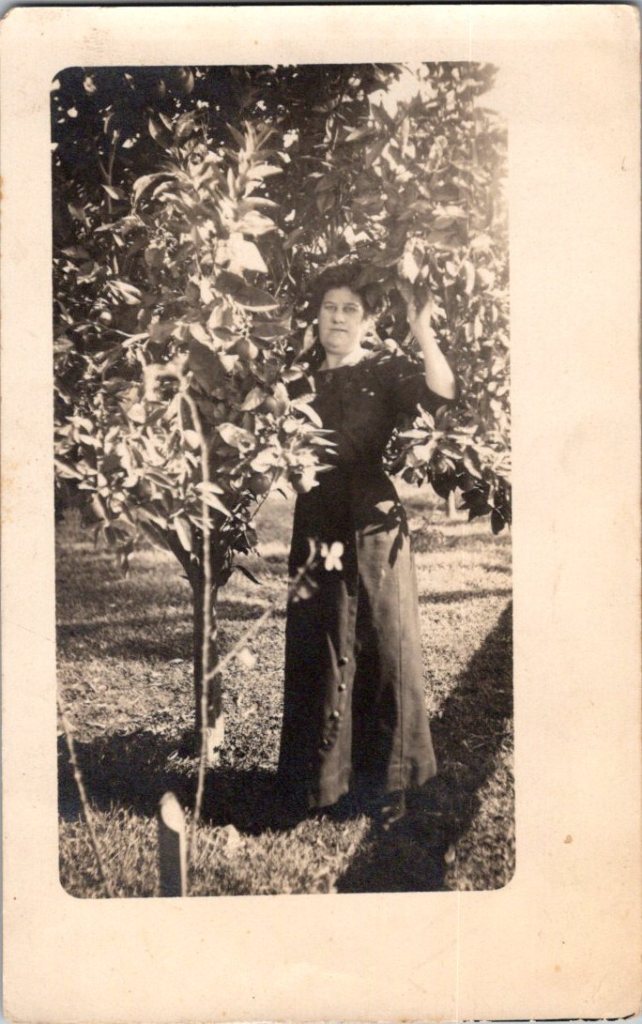
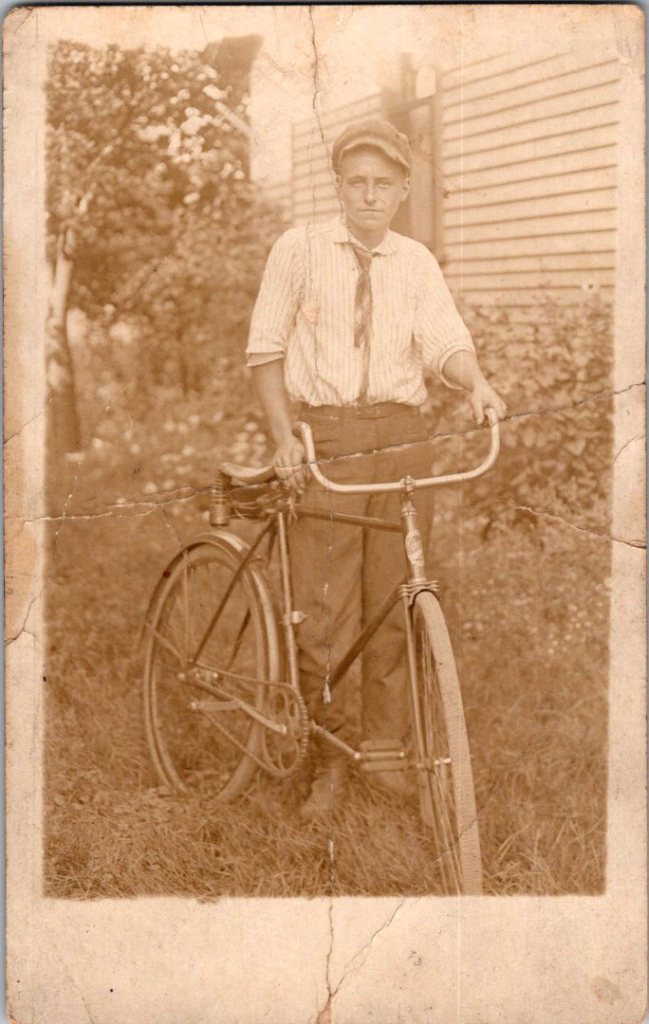
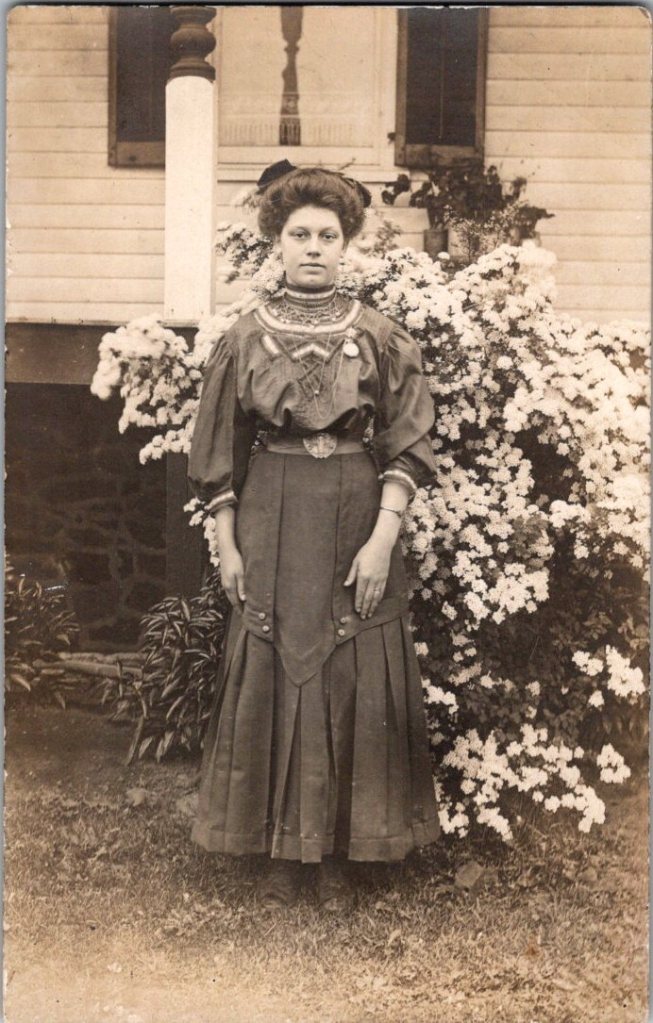
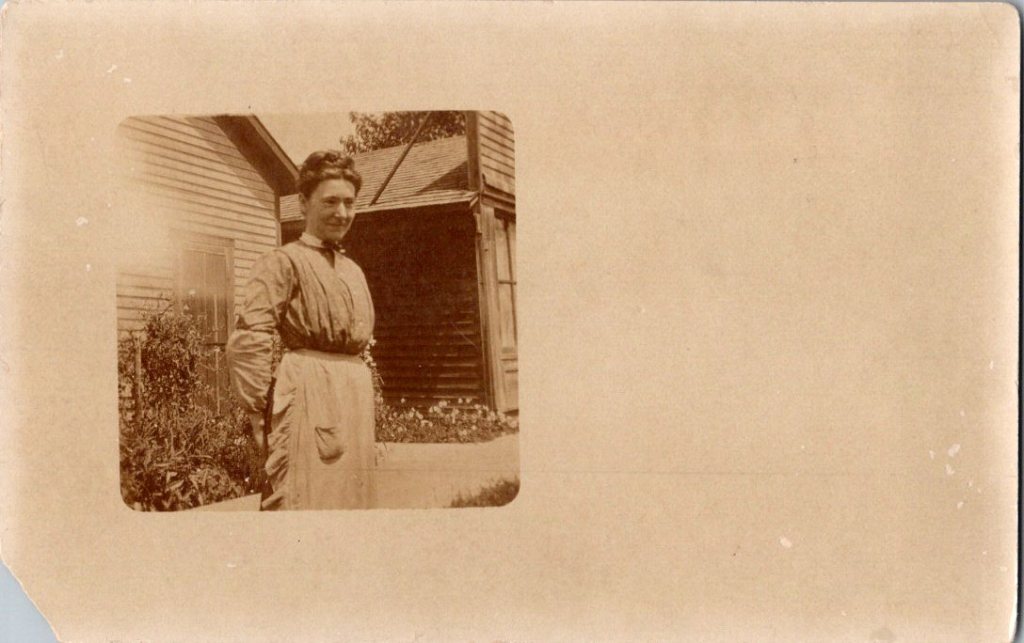
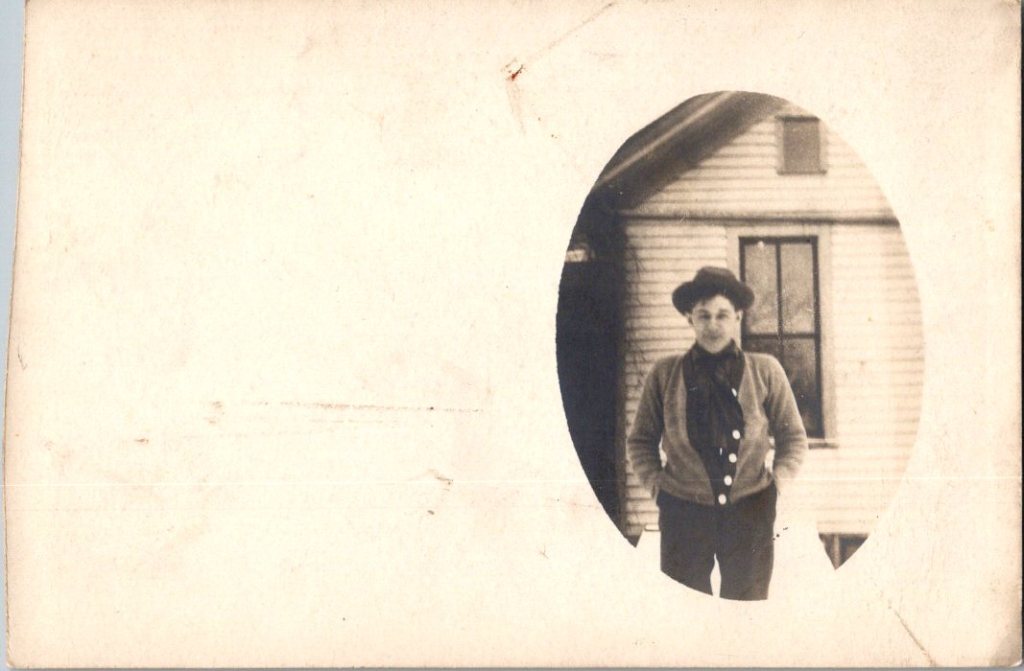
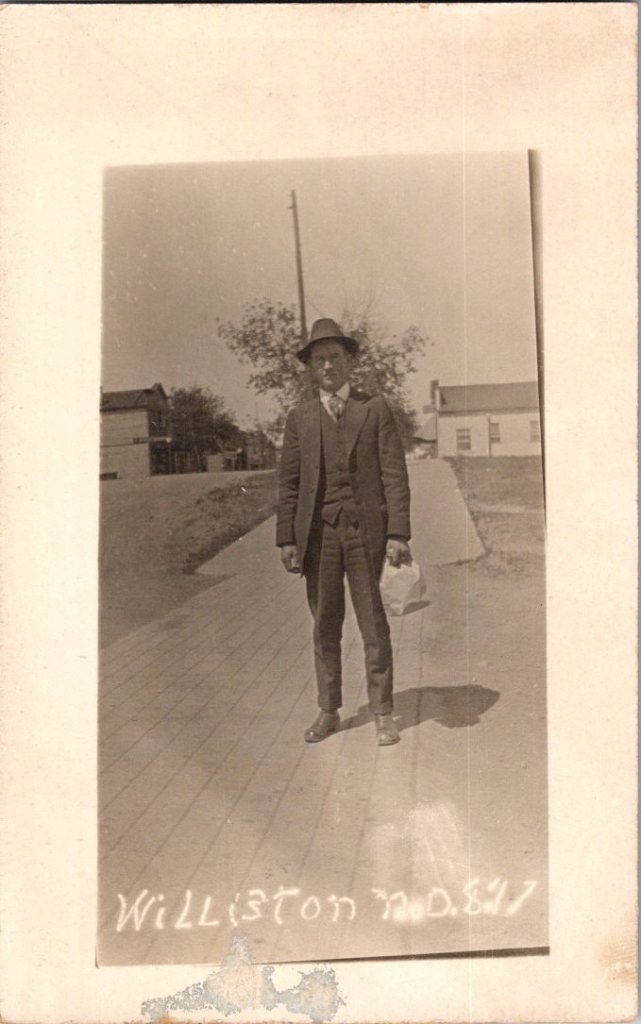
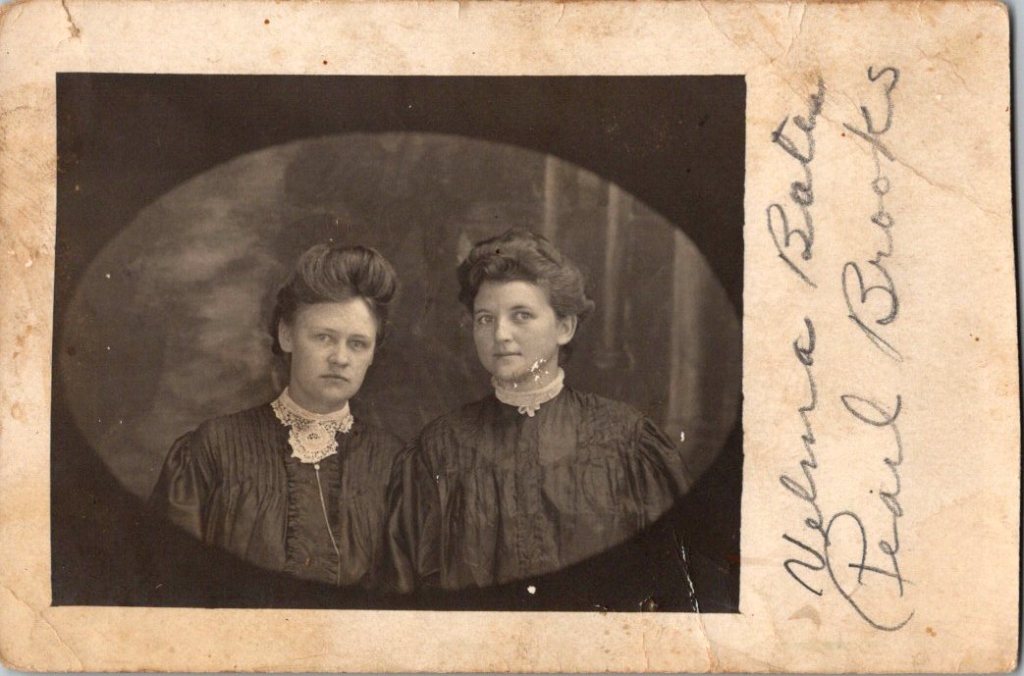
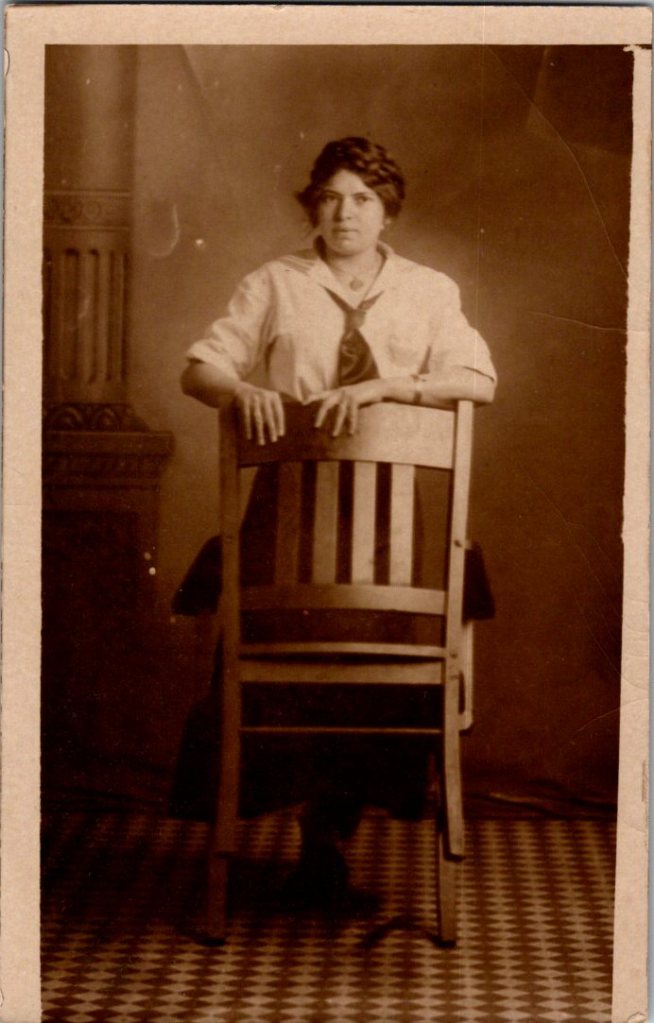
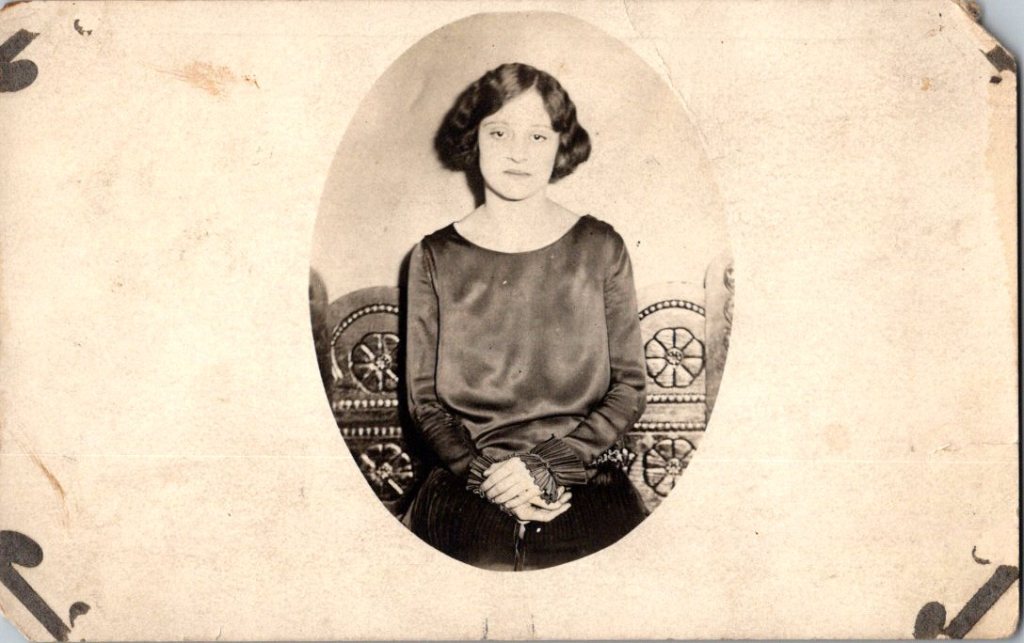
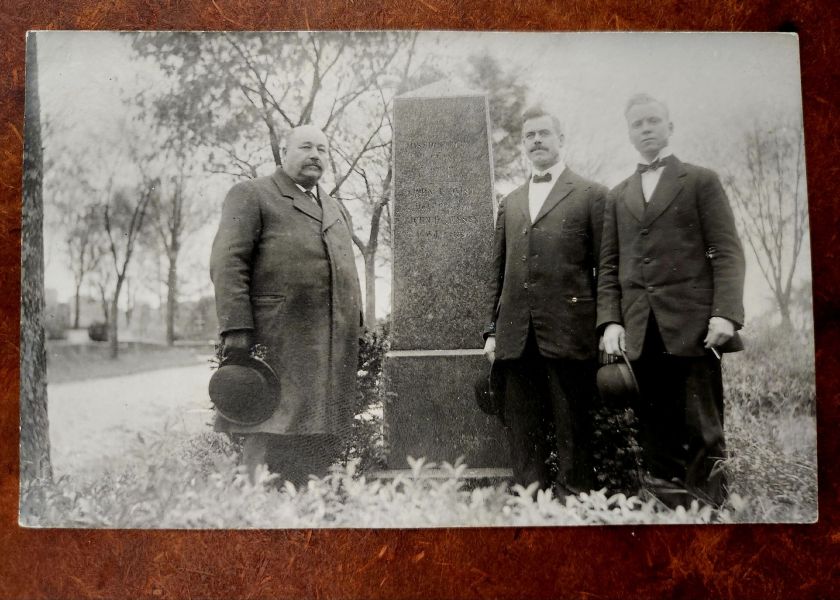
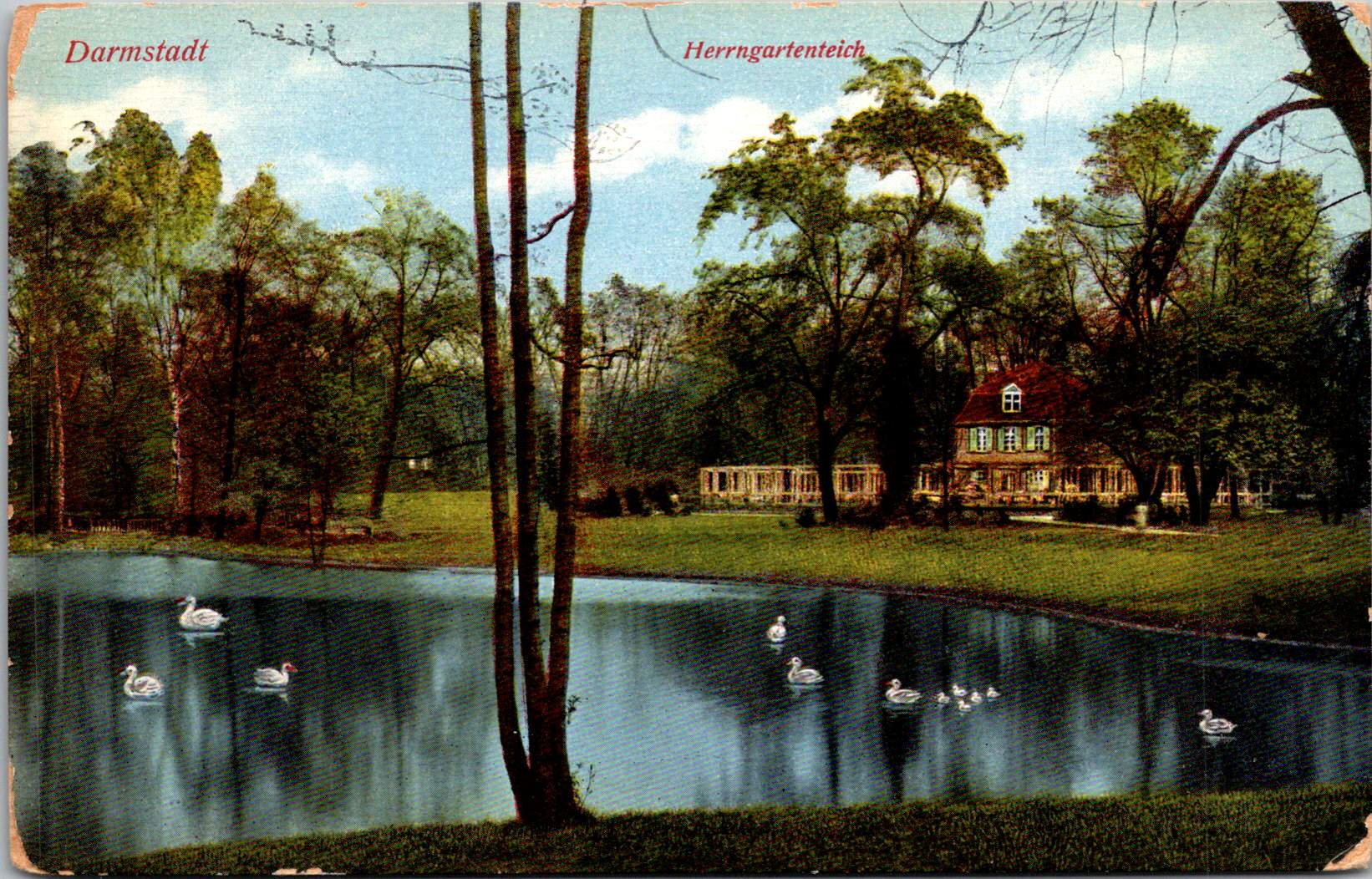
Over the past few weeks, a rare photo postcard album has revealed places, property, and people, along with our own ideas about what we see. We’ve gone from unmarked wilderness, to building structures and social life, to faces and a few names.

We look back at them, and they return the gaze. Their stories blend with our own memories and imagination. They begin to feel like someone’s ancestors, though the particulars remain elusive.
Rochester in Rearview

In 1877, photography required glass plates, wet chemicals, heavy equipment, and specialized knowledge. George Eastman, a frustrated bank clerk from a poor family in Rochester, taught himself the process in his mother’s kitchen.

A decade later, Eastman had invented a simple camera pre-loaded with film for 100 exposures. By 1903, the Eastman Kodak Company released the 3A Folding Pocket Camera with 3¼ × 5½ inch film—exactly postcard size and pre-printed on the reverse. Local photographers and home enthusiasts could contact-print the negative directly onto postcard paper. No enlarger needed, and simplified processing equipment and chemicals.

Rochester became an ecosystem. Bausch & Lomb made the lenses. Kodak manufactured the cameras, bought the film company, and controlled the processing. Customers shipped the entire camera unit back to the factory, and received prints and a pre-loaded camera in return. “You press the button, we do the rest.” Factory workers were the first to witness an era of American life, as images of farms, houses, banks, theatre, and towns and their inhabitants poured in.

A quiet man, Eastman watched this unfold from the center, as his invention changed history and rippled through culture. By 1920, millions of Americans owned cameras. Eastman left a simple note when he ended his own life at 77 and in degenerative pain, “To my friends: My work is done. Why wait? GE”.

What We See

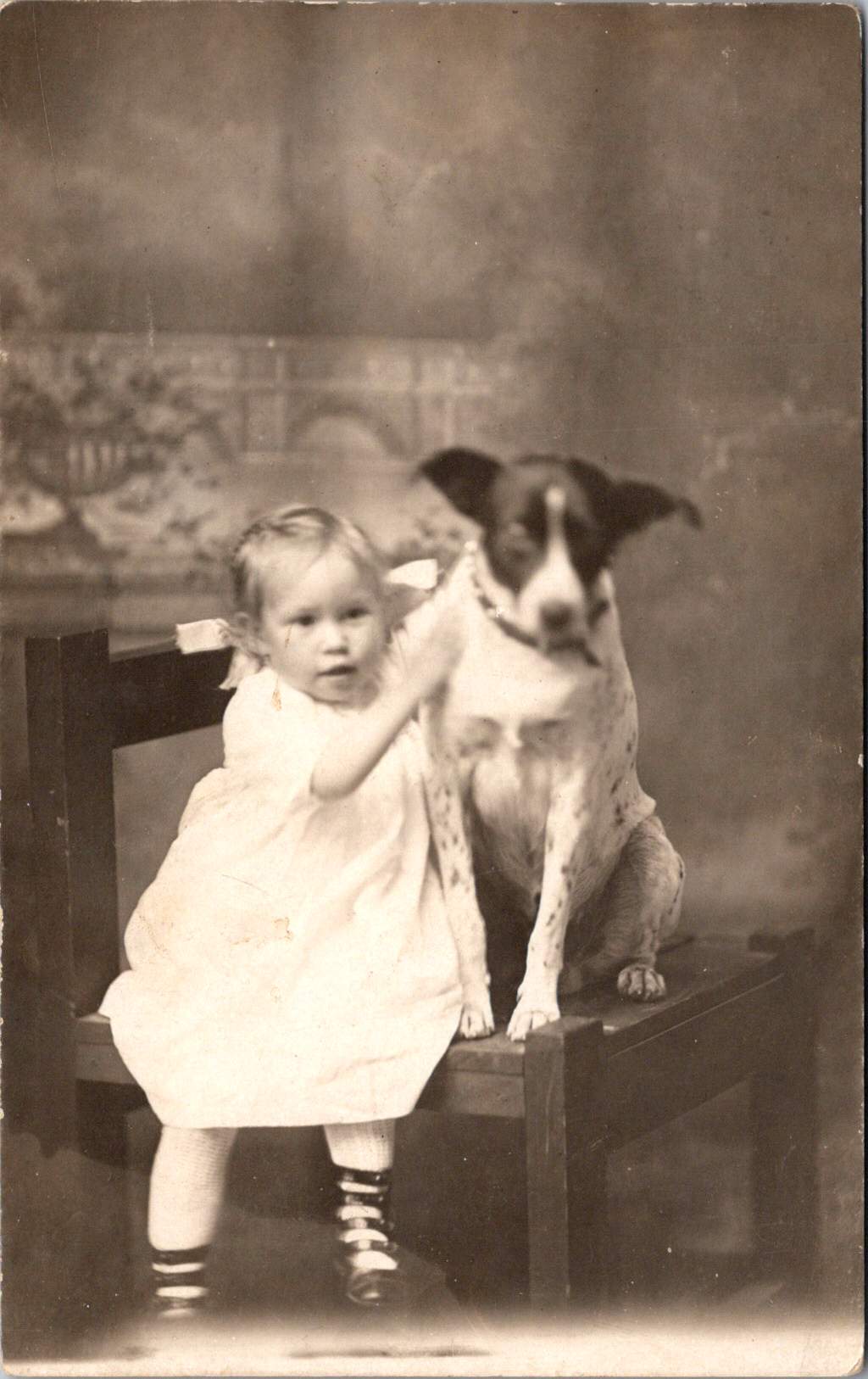
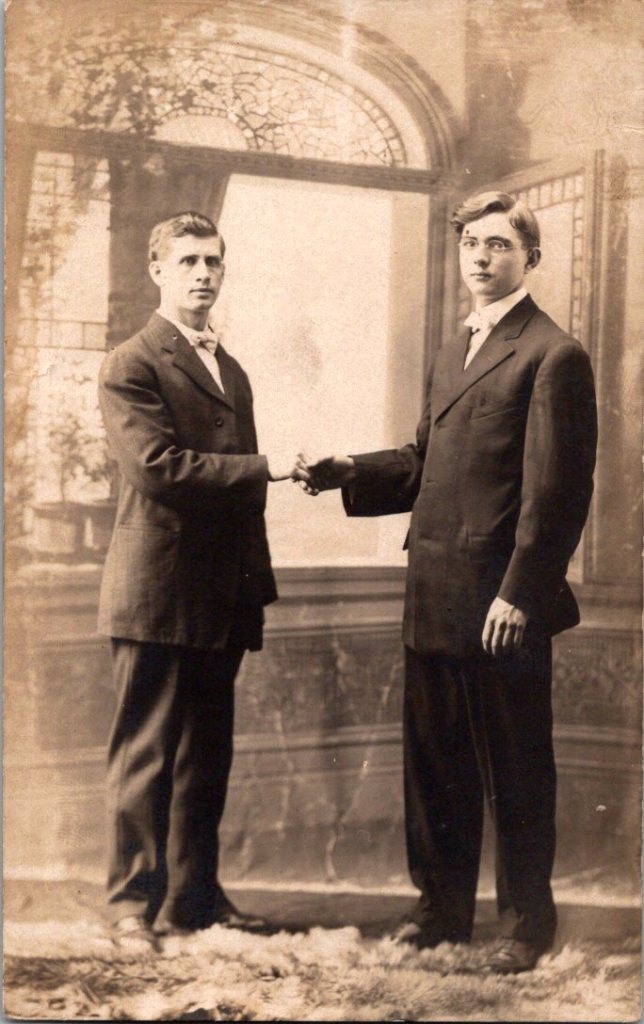
The studio portraits above show painted backdrops—ornamental arches, garden trellises. The lighting is controlled. Poses held steady. Technical quality consistent. These were made by professionals charging by the sitting.

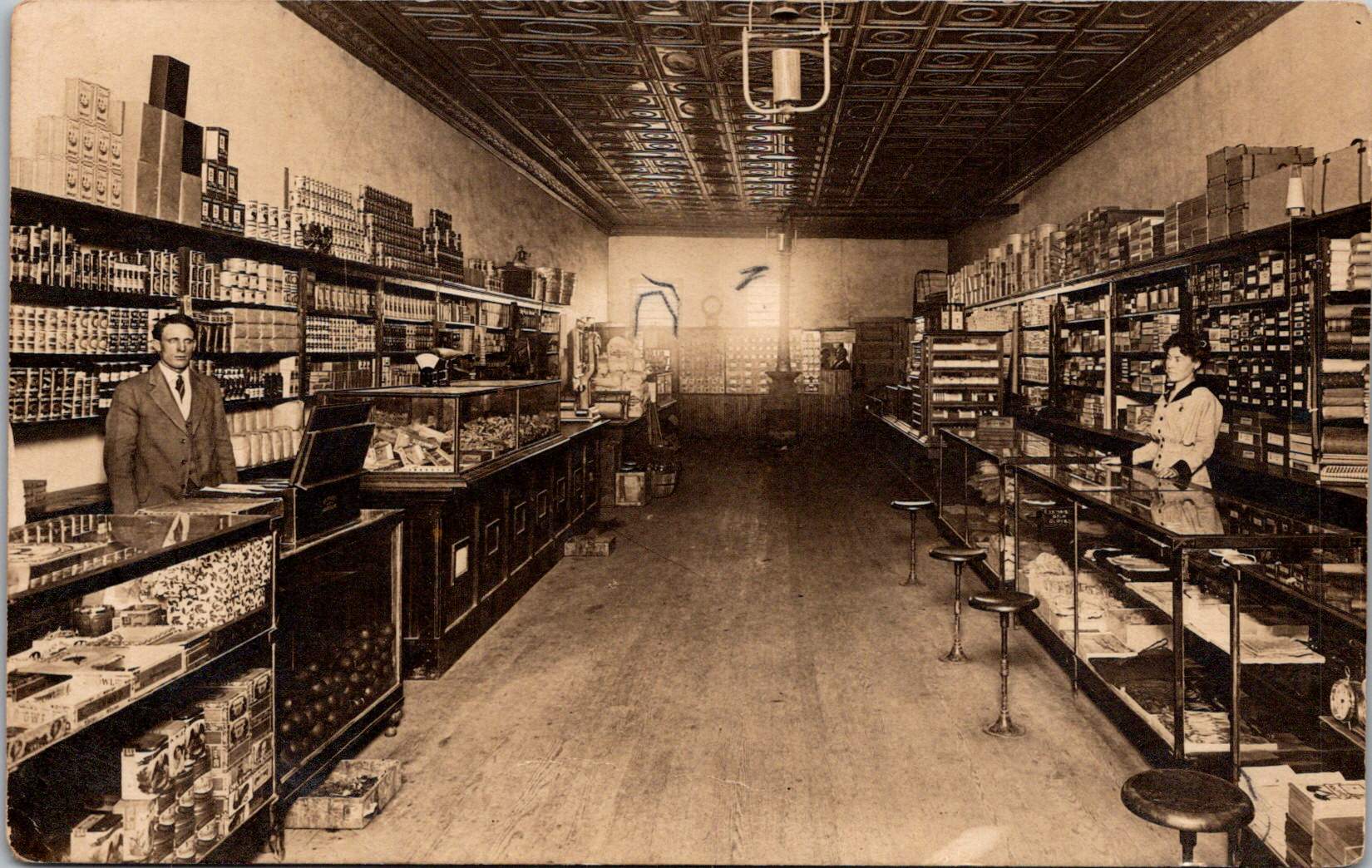
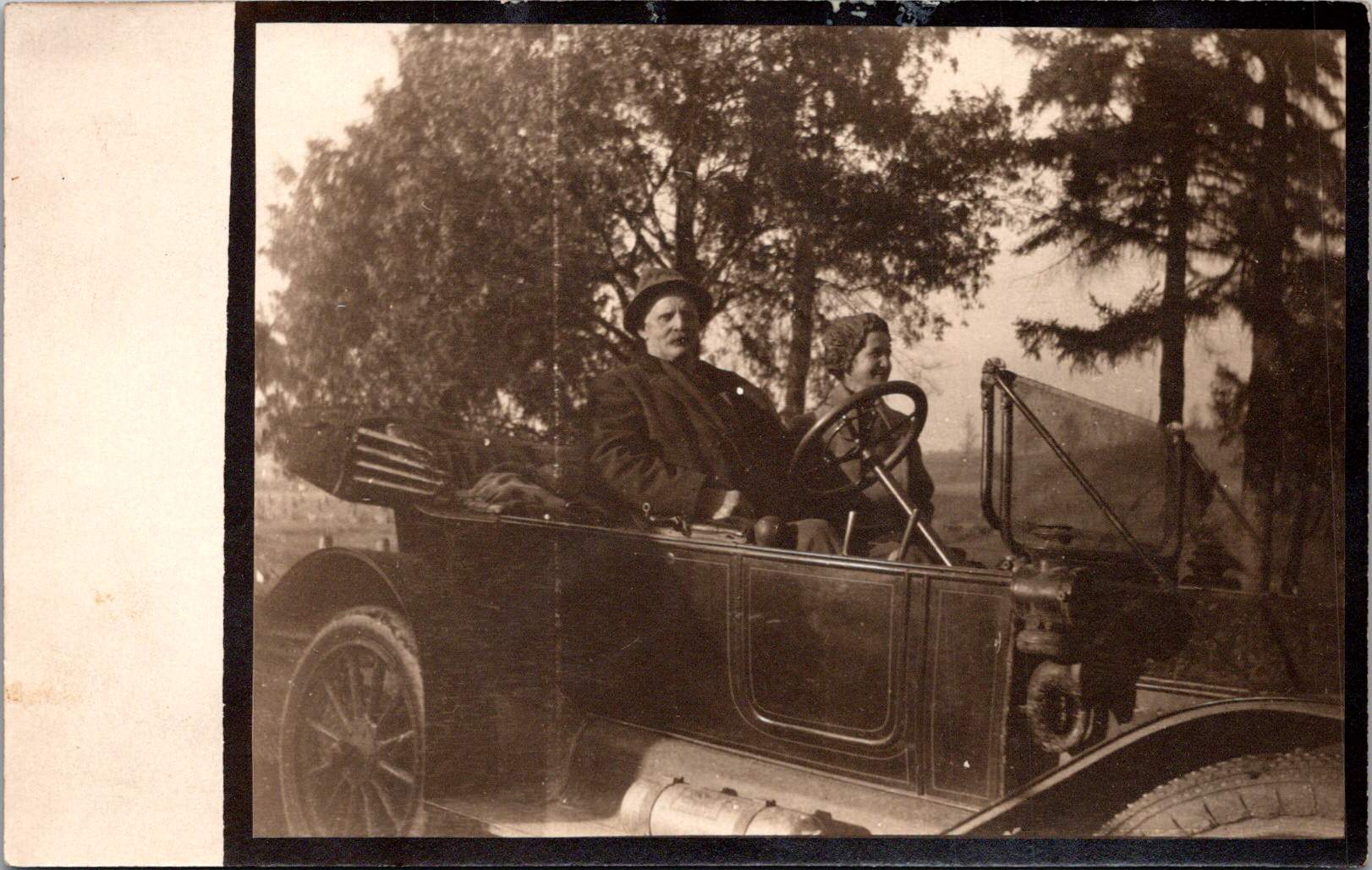
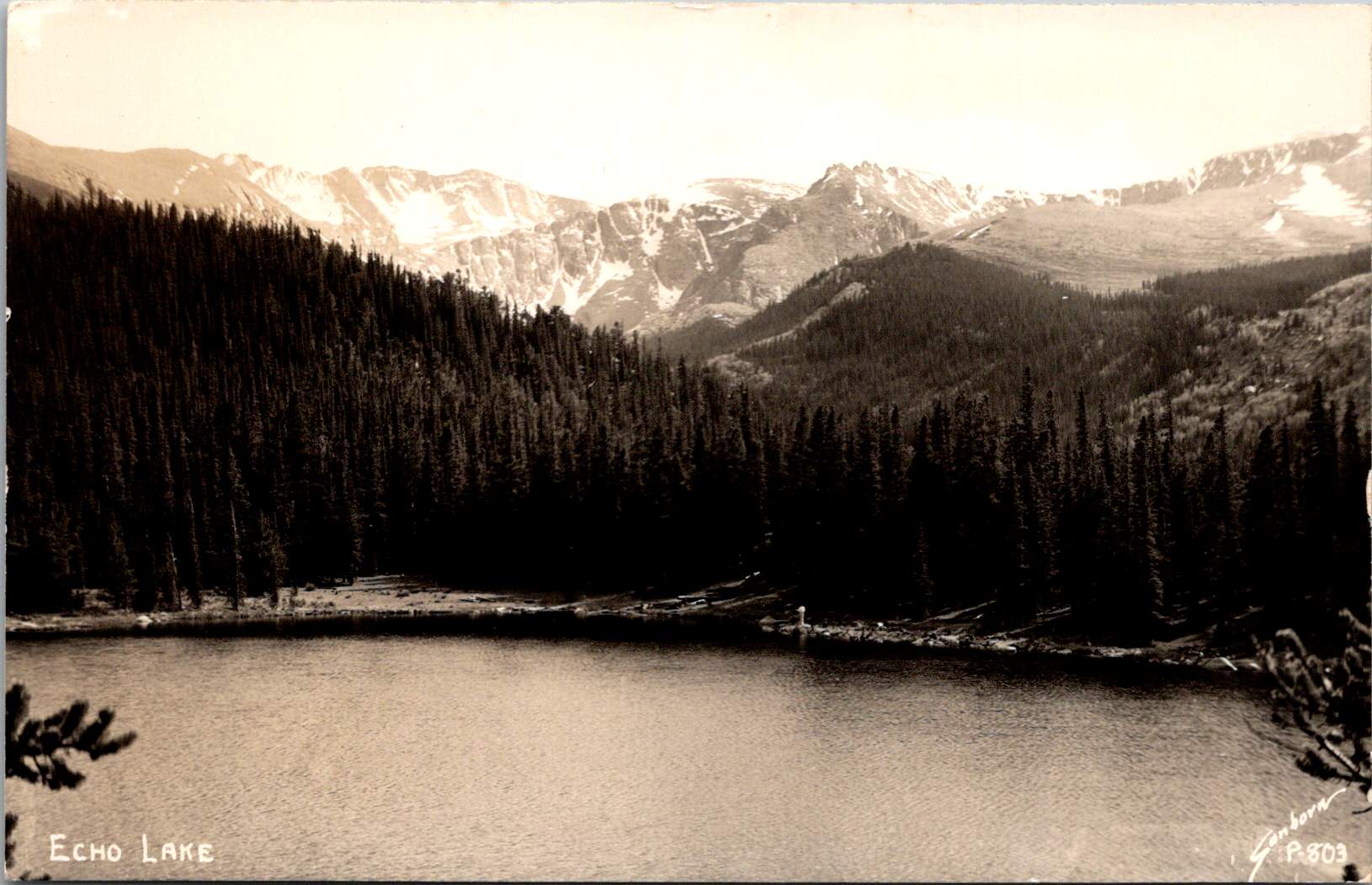
The outdoor snapshots show real places—porches, orchards, dirt roads. Natural lighting, sometimes harsh. Composition varies from confident to awkward. These came from camera owners of varying skill. The irregularities in frame and exposure suggest they were developed at home, too.


What We Don’t See

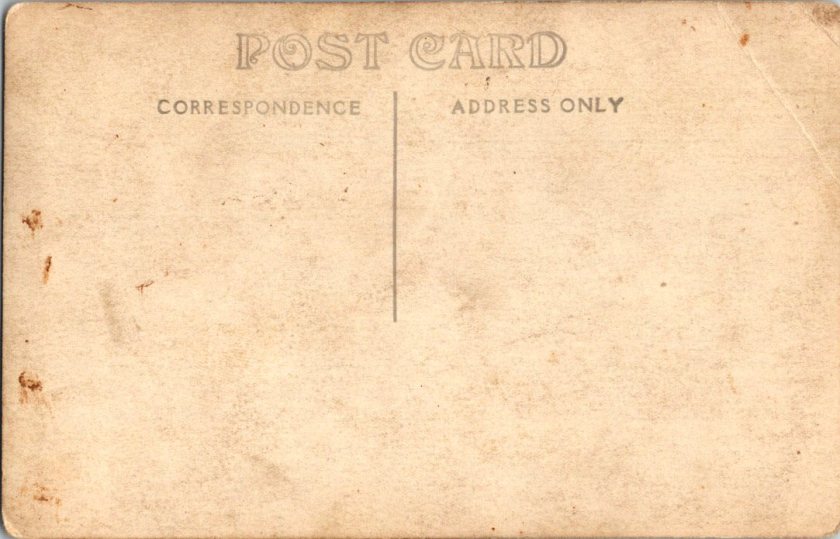
Despite the pre-printed paper and earnest intent, real photo postcards were rarely sent as such. A few have difficult script, cryptic addresses, faded cancellations, and worn stamps.

“Hello Fanni. Miss Fanni Moore, Panhuska, Okla.”

The remaining relics haven’t been labeled, addressed, or mailed. Most backs are blank, and they were often collected in photo albums. The manufacturing marks may have been quite incidental.

What’s missing from nearly all: names. Very few clues to subjects, locations, dates. The people who made these photographs knew who everyone was. They didn’t need labels. Or, perhaps they were accompanied by letters and mailed in envelopes for privacy and protection.

A century later, the faces remain potent but anonymous. We guess at relationships from physical similarity, from who stands near whom. Sometimes we’re right. Sometimes, we can’t believe our eyes.

Spaces in Between

The 3A Folding Pocket Kodak cost $20-30, equivalent to $600-900 today. An expensive hobby, but accessible to prosperous farmers, small business owners, middle-class families. Film cost about 50 cents per roll.

The investment meant something, whether it was the equipment or the studio session. People photographed what mattered—children, homes, gatherings. The images document their priorities, and their time passing.

Real People, Real Limits

These are real people who lived, worked, loved, died. Someone cared enough to preserve their images. They matter still, in part, because they mattered to someone before.

But our analysis stops here. We can describe what we see—the composition, the technical choices, the historical context. We can note patterns across the collection. We can explain how the technology worked and who had access.

The work of naming and placing, in particular, belongs to families searching their own histories, connecting faces to stories passed down, matching photographs to genealogical records. Those searches have their own purposes, their own meanings.

We are collectors examining patterns, not descendants reclaiming ancestors. Though, it is tempting.


The Productive Past

Early postcards represent a convergence of innovations in printing, photography, and postal delivery—each with its own players, craft, and history. The emergence of the simple picture postcard depended on a complex international network of industries, technologies, and regulations developed in the prior century.

Art for the Masses

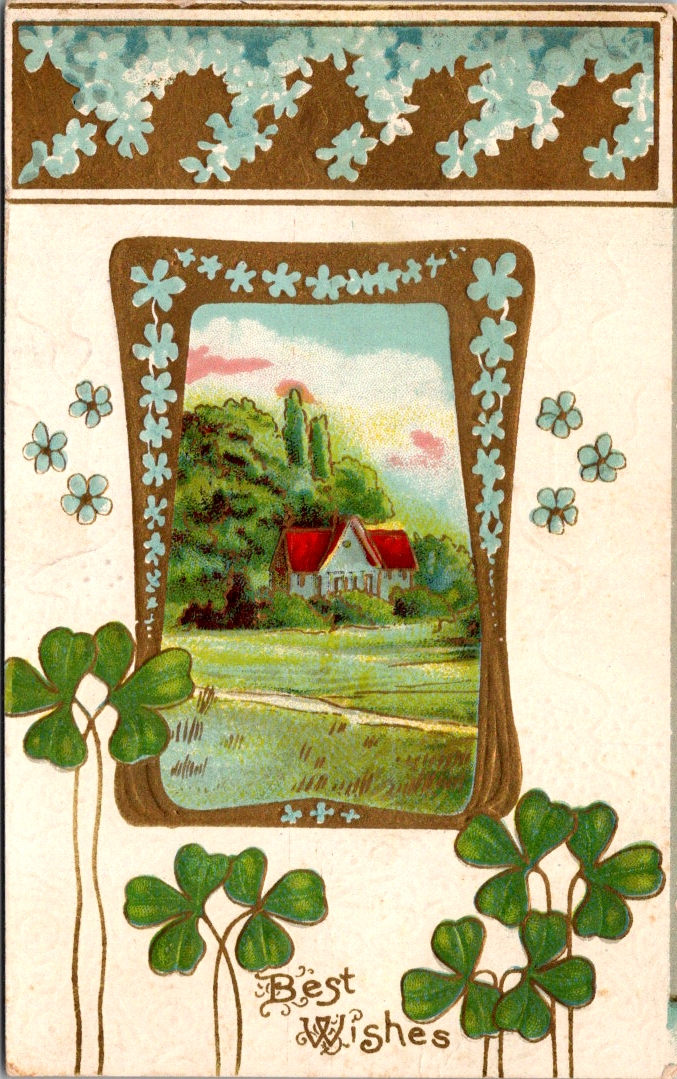
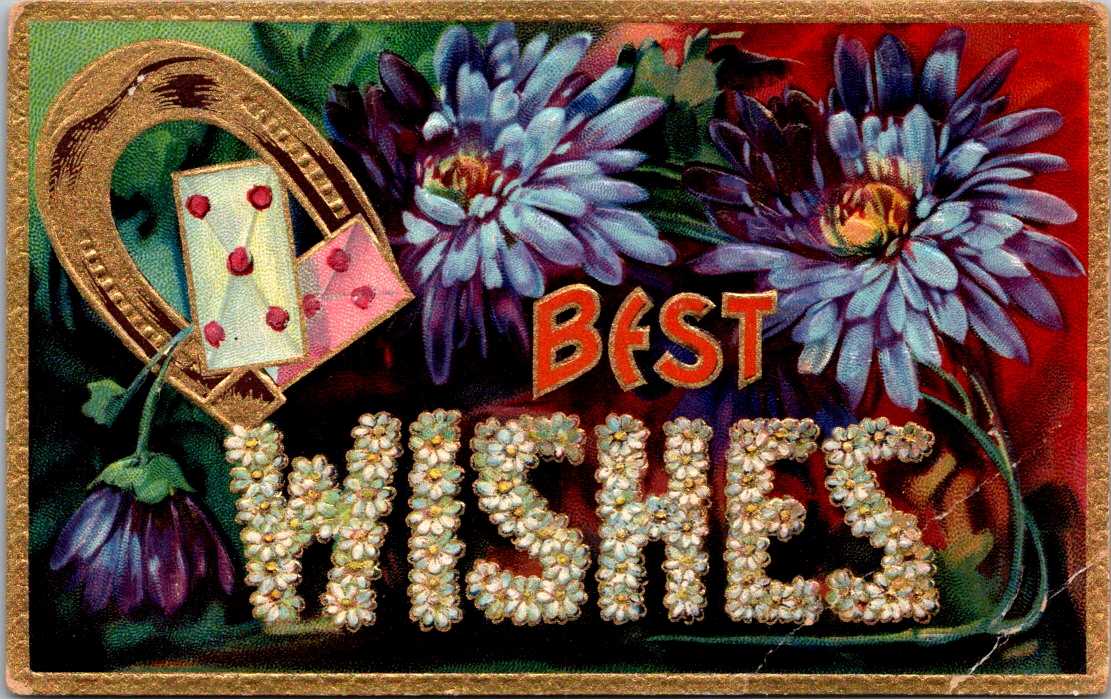
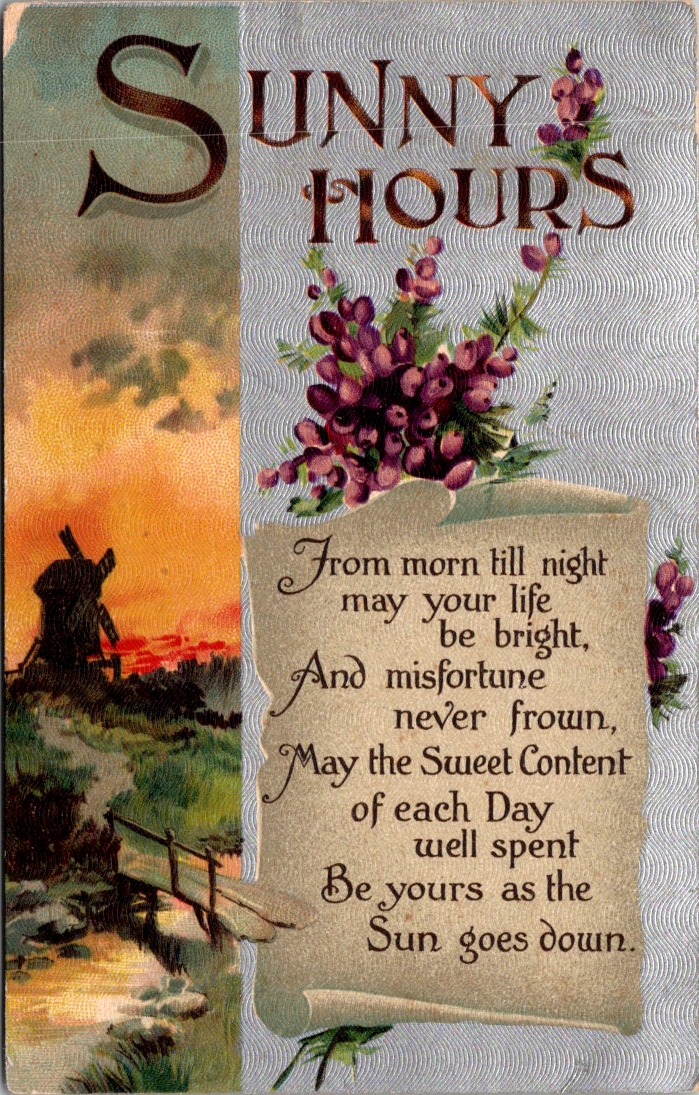
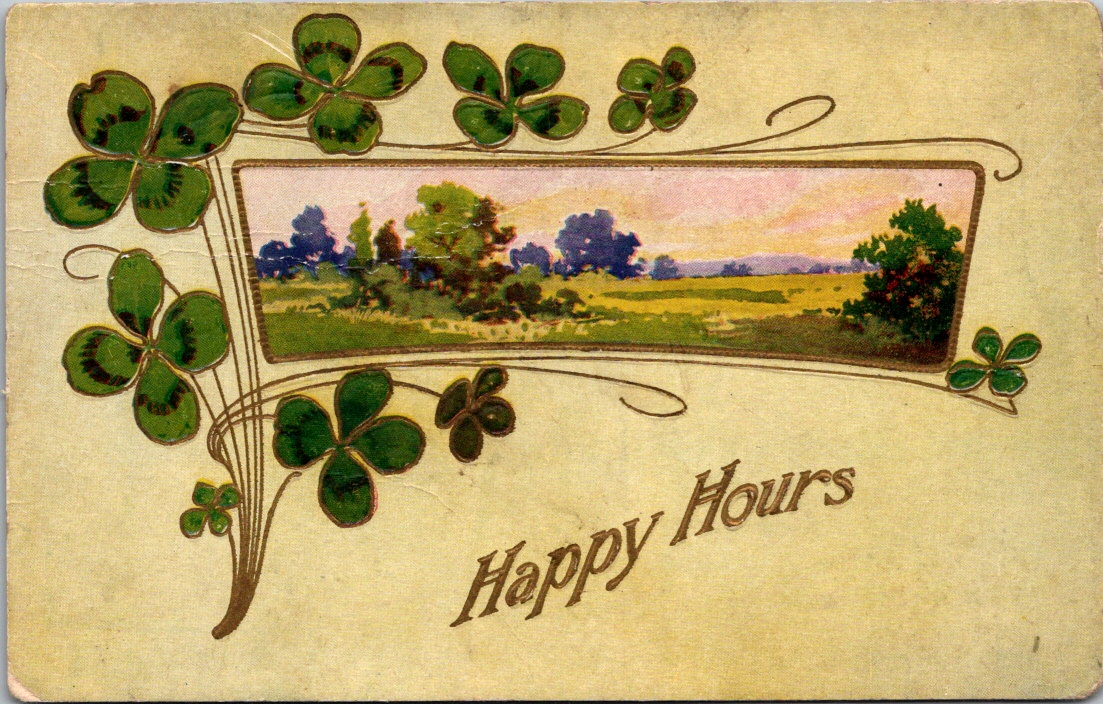
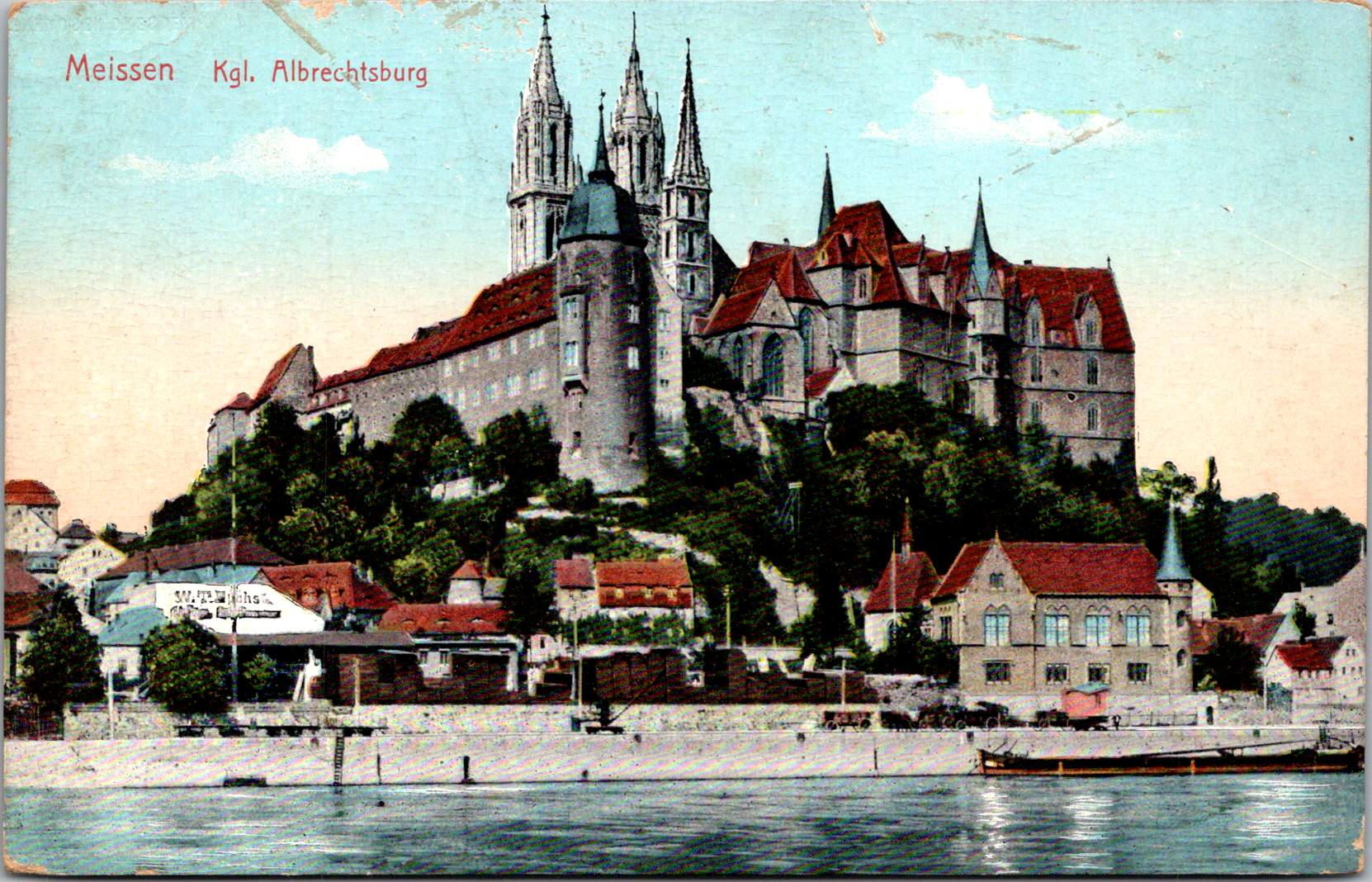
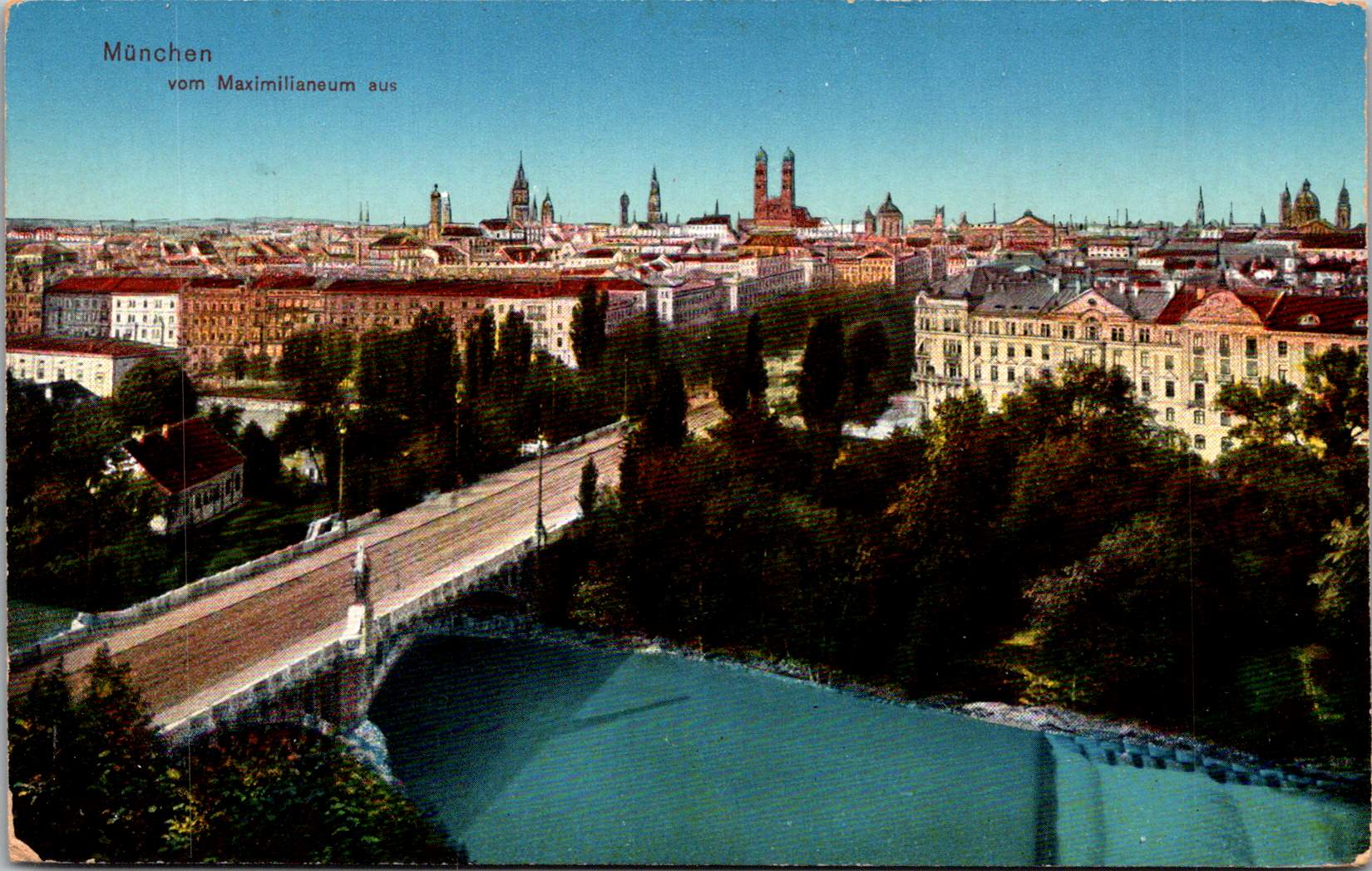
The development of chromolithography in the late 19th century provided the technological foundation for colorful mass-produced postcards. Though lithography itself dated back to 1796, when Alois Senefelder developed the process in Munich, the refinement of color lithography reached new heights in the 1870s-90s, with different national styles emerging.

German printers particularly mastered the technique of creating separate limestone printing plates for each color, allowing for vibrant multi-color images that previously would have required expensive hand-coloring. A typical color postcard might require five to fifteen separate printing runs, with perfect registration between colors. This level of precision required specialized equipment and highly trained craftsmen.

German chemical industries produced superior inks and dyes, giving their postcards more vibrant and stable colors than competitors. Companies like BASF and Bayer, originally founded as dye manufacturers, provided innovative colorants specifically formulated for printing applications.

The German city of Leipzig emerged as a center of printing excellence, with firms like Meissner & Buch establishing international reputations for quality. German chromolithography was so superior that even American publishers would often have their designs sent to Germany for printing, then shipped back to the United States for distribution—at least until tariff changes in 1909 made this practice less economical. Publishers like Raphael Tuck & Sons maintained offices in Germany despite being headquartered in London, simply to access German printing expertise.

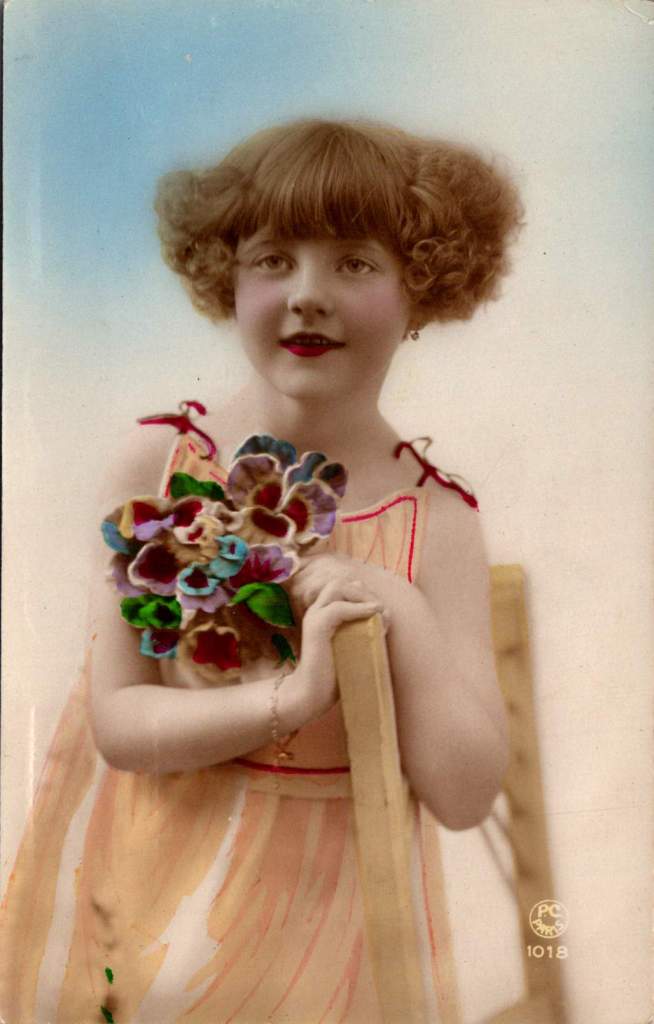
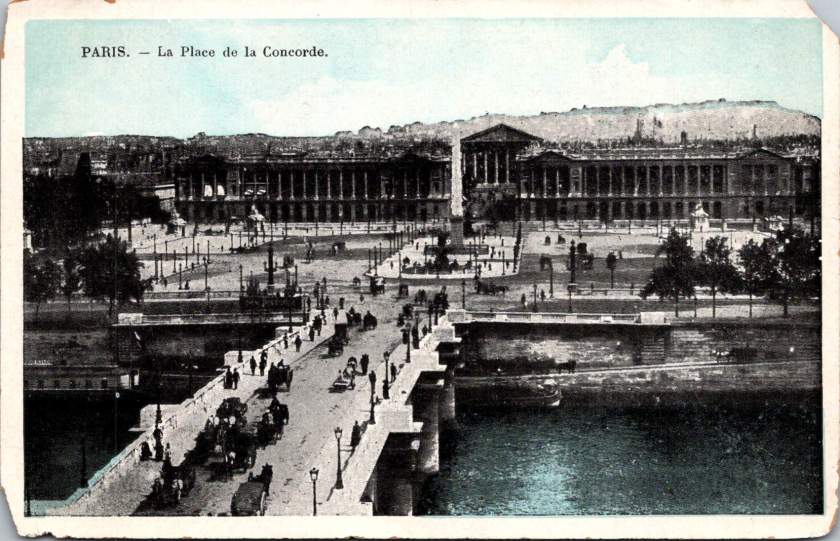
While Germany led in technical quality, French postcards developed a reputation for artistic sophistication. Paris publishers like Bergeret and Levy et Fils produced cards featuring Art Nouveau styles and artistic photographic techniques. The French market also developed distinctive “Fantaisie” postcards featuring elaborate designs with silk applications, mechanical elements, or attached novelties. These cards pushed the boundaries of what a postcard could be, turning functional communication into miniature works of art.

British publishers like Raphael Tuck & Sons, J. Valentine & Co., and Bamforth & Co. showed particular commercial acumen. While they didn’t match German printing quality or French artistic sensibility, British firms excelled at identifying market opportunities and consumer trends. The British pioneered specialized categories like the seaside postcard and led in developing postcards for specific holidays and occasions.

Photographic Reality

While lithographic postcards dominated the market, photography increasingly influenced postcard production. The collodion wet plate process (1851) and later the gelatin dry plate (1871) made photography more accessible. The development of halftone printing in the 1880s allowed photographs to be reproduced in print media without manual engraving, creating more realistic imagery.

A revolutionary moment came in 1903 when Eastman Kodak introduced “Velox” postcard paper. This pre-printed photographic paper had postcard markings on the back and a light-sensitive photo emulsion on the front. Combined with Kodak’s 3A Folding Pocket camera, which produced negatives exactly postcard size (3¼ × 5½ inches), this innovation created the Real Photo Postcard (RPPC).

The acquisition of Leo Baekeland’s Velox photographic paper company in 1899 for $1 million provided a crucial technological component. Velox paper could be developed in artificial light rather than requiring darkroom conditions, had faster developing times, and produced rich blacks and clear whites—all critical qualities for postcard production.

The RPPC format found particular success in America, where the vast geography meant many small towns would never appear on commercially printed postcards. Local photographers throughout the country created RPPCs of main streets, businesses, schools, and community events, documenting American life with unprecedented comprehensiveness.

International Postal Agreements

Even the most beautifully produced postcard would be meaningless without an efficient system to deliver it. The standardization of postal systems in the late 19th century created the infrastructure necessary for postcards to flourish.

A watershed moment for international mail came with the Treaty of Bern in 1874, establishing the General Postal Union (later renamed the Universal Postal Union or UPU). This organization created the first truly international postal agreement, initially signed by 22 countries, primarily European nations. The United States joined the UPU in July 1875, connecting the American postal system to the standardized European networks. The U.S. had introduced its own government-issued postal cards in 1873, but joining the UPU meant these could now be sent internationally under consistent regulations.

Several key UPU Congress developments shaped the postcard’s evolution. The 1878 Paris Congress renamed the organization to Universal Postal Union. The 1885 Lisbon Congress standardized the maximum size for postcards (9 × 14 cm). The 1897 Washington Congress set new international regulations for private postcards. The 1906 Rome Congress standardized the divided back format internationally.

Perhaps the most crucial postal development for postcard popularity was the divided back. Great Britain introduced this format in 1902, with France and Germany following in 1904, and the United States in 1907. Before the divided back, the entire reverse of a postcard was reserved for the address only, with messages having to be squeezed onto the front, often around the image. The new format allocated half the back for the address and half for a message, dramatically improving postcards’ utility as correspondence tools.

European Delivery Systems

European railway networks proved ideal for postal delivery, creating a remarkably efficient system. By the 1870s-80s, most European countries had developed comprehensive rail networks. Germany alone had over 24,000 miles of railway by 1895, despite having a land area smaller than Texas.

Railway mail cars (“bureaux ambulants” in France, “Bahnpost” in Germany) sorted mail en route. These mobile sorting offices made the system highly efficient, with mail sorted by destination while in transit. Railway timetables were coordinated to allow for mail transfers at junction points, creating an integrated system even across national borders.

Major routes often saw multiple mail trains per day. The Berlin-Cologne line, for example, had four daily postal services by 1900. This meant that postcards could be delivered between major cities within a day, creating a communication speed previously unimaginable.

For urban delivery, European cities developed even more innovative systems. Perhaps most remarkable were the pneumatic tube networks installed in several European capitals. Paris launched its “Pneumatique” in 1866, Vienna’s “Rohrpost” began in 1875, and Berlin built an extensive pneumatic network from 1865. These systems used compressed air pressure to propel cylindrical containers through networks of tubes. The carriers could hold several postcards or letters and traveled at speeds up to 35 kilometers per hour. Paris eventually developed a pneumatic tube network extending 467 kilometers, allowing for delivery times of under 30 minutes across the city. A morning postcard could receive an afternoon reply—creating a nearly conversational pace of written communication.

American Adaptations

The United States faced different geographical challenges. The vast distances between population centers meant that the same-day delivery common in Europe was impossible between major cities. Nevertheless, the American postal system developed impressive efficiency given these constraints.

The U.S. Railway Mail Service, officially established in 1869, became the backbone of American mail delivery. By 1900, more than 9,000 railway postal clerks were sorting mail on trains covering more than 175,000 miles of routes. While European countries measured mail routes in hundreds of miles, American routes stretched thousands of miles across the continent.

American cities also experimented with pneumatic tube systems, though they were less extensive than European counterparts. New York City’s system, operating from 1897 to 1953, eventually covered 27 miles with tubes connecting post offices in Manhattan and Brooklyn. At its peak, it transported 95,000 letters per day, or about 30% of all first-class mail in the city.

Within cities, frequent delivery became the norm. By 1900, many American urban areas offered at least four daily mail deliveries, with some business districts receiving up to seven deliveries per day. This made postcards a practical means of daily communication within city limits, much as they were in Europe.

The efficiency and economy of postcards made them ideal for routine business communications. Companies developed pre-printed postcards for order acknowledgments, shipping notifications, payment reminders, meeting confirmations, service calls, and appointment reminders. These standardized communications reduced clerical costs while providing a paper trail of business interactions. The divided back format was particularly valuable for business purposes, allowing for both a standardized message and customized details.

Perhaps no industry benefited more from postcards than tourism. Hotels, resorts, transportation companies, and local chambers of commerce all commissioned postcards that served as both souvenirs and advertisements. Visitor bureaus coordinated with publishers to ensure their destinations were well-represented in the marketplace. The economic impact was substantial—a scenic view postcard might cost a penny to produce, sell for a nickel, and generate hundreds of dollars in tourism revenue by inspiring visits. This multiplication effect made postcards perhaps the most cost-effective tourism marketing tool ever devised.

On the personal side, postcards fulfilled a spectrum of communication needs. In an era when the telephone was still a luxury and telegrams were expensive, postcards filled the gap between costly immediate communication and slower formal letters. Their affordability and efficiency made them ideal for routine messages. At half the postage rate of letters in many countries, postcards democratized written communication for working-class people who might otherwise limit correspondence due to cost. The postcard’s format encouraged brevity—a perfect medium for quick notes without the formality or length expected in a letter. In urban centers with multiple daily mail deliveries, postcards functioned almost like text messages, allowing people to make arrangements within hours.

Sending postcards from vacation destinations served as tangible proof of travel experiences. “Wish you were here” cards from resorts or tourist locations signaled social status and mobility. Recipients often displayed postcards on special racks or in parlor albums, using them as affordable decorative elements and evidence of their social connections. For people who rarely traveled, receiving postcards provided authentic glimpses of distant places through real photographs rather than artistic interpretations.

Perhaps most significantly for historical purposes, postcards—especially RPPCs—documented aspects of community life that would otherwise have gone unrecorded. Local events, buildings, streetscapes, and everyday activities were captured on postcards, creating a visual record of ordinary life at the turn of the century that has proven invaluable to historians. When natural disasters or significant events occurred, local photographers would quickly produce RPPCs documenting the situation. These cards spread visual news of floods, fires, celebrations, or notable visitors throughout the region, serving an early photojournalistic function.

While American postcard production initially lagged behind Europe in quality, US companies excelled at entrepreneurial adaptation. When the 1909 Payne-Aldrich Tariff Act increased import duties on foreign postcards, American firms rapidly expanded domestic production capabilities. When World War I cut off European imports entirely, American manufacturers stepped into the gap, developing new techniques and styles.

Beyond the Golden Age

Behind every seemingly simple postcard lies a complex history of industrial innovation, international cooperation, and social transformation—a paper-based predecessor to the digital networks that connect us today.

The Golden Age of postcards waned after World War I due to disruption of European production centers, rising postal rates, the growing popularity of telephones, and the emergence of new forms of mass media.

The era when postcards emerged was a crucial moment when ordinary people gained access to new visual communication tools. The democratization of image sharing pioneered by postcards foreshadowed later developments in visual communication. This visual history reminds us, from personal photographs to social media posts, the impulse to share visual snippets of our lives is a constant across time.

An English Greeting in Topeka Kansas

Today’s postcard mystery is a sepia-toned image of a young woman holding a birthday greeting, produced by the British company Bamforth & Co. and distributed by a postcard club in Topeka, Kansas.

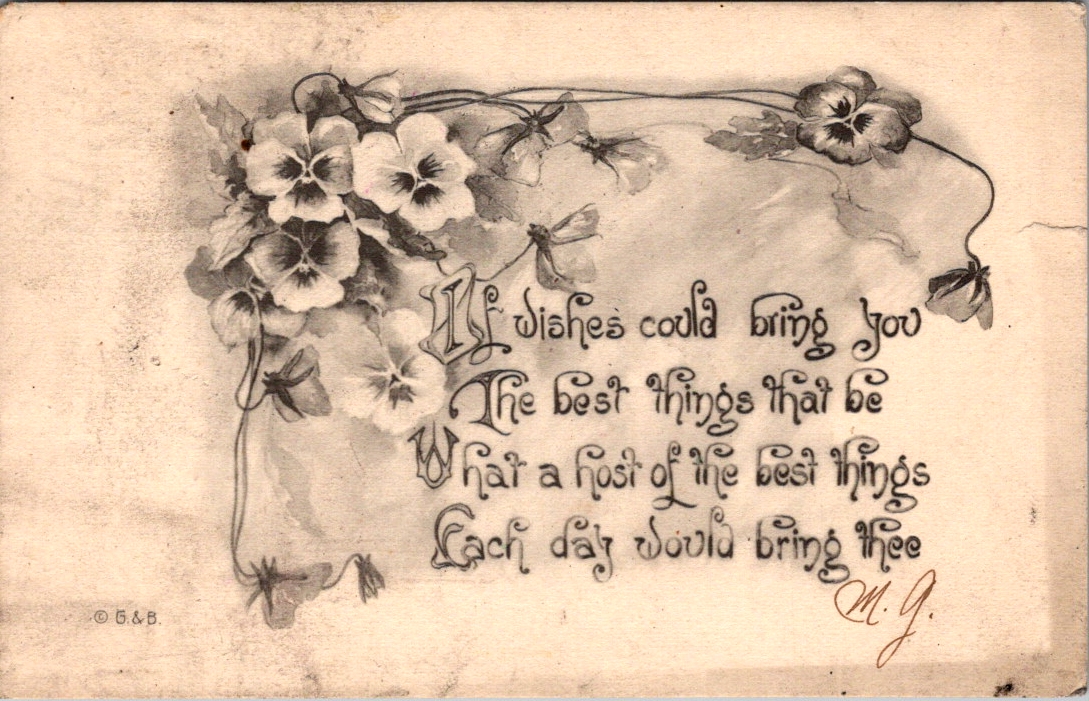
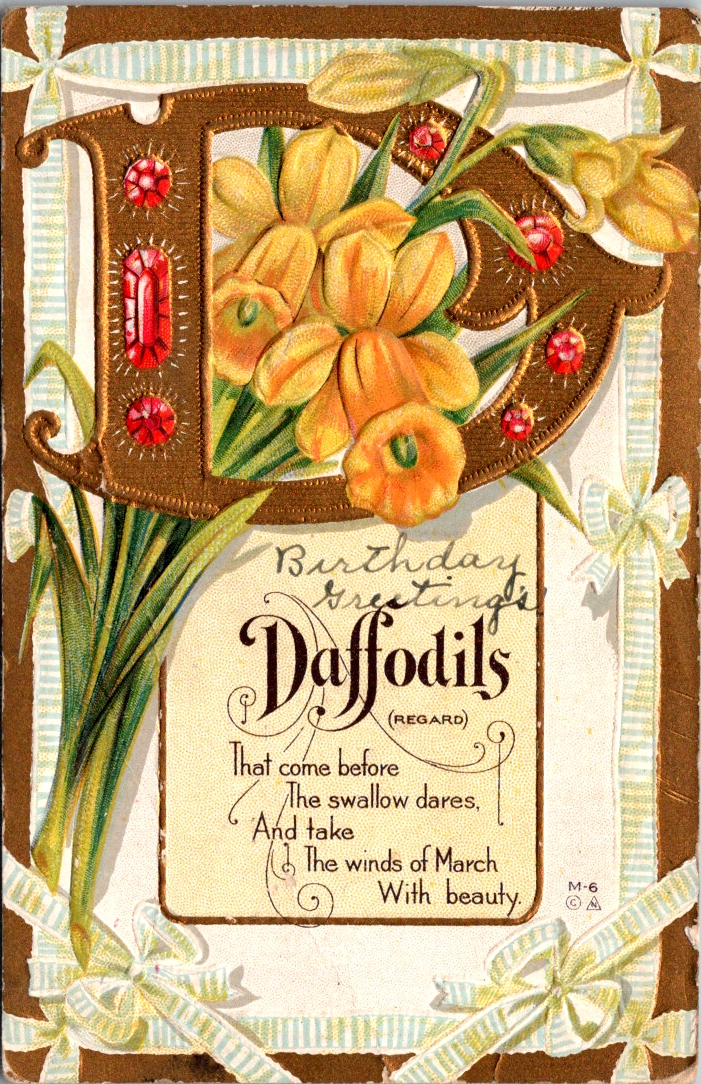
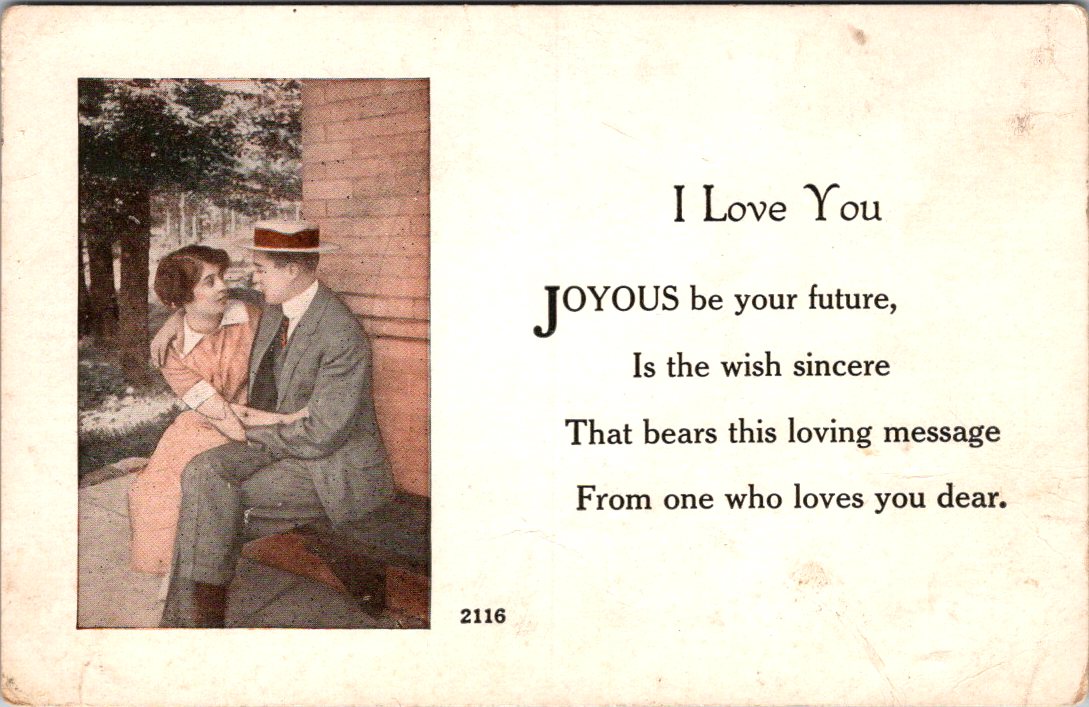
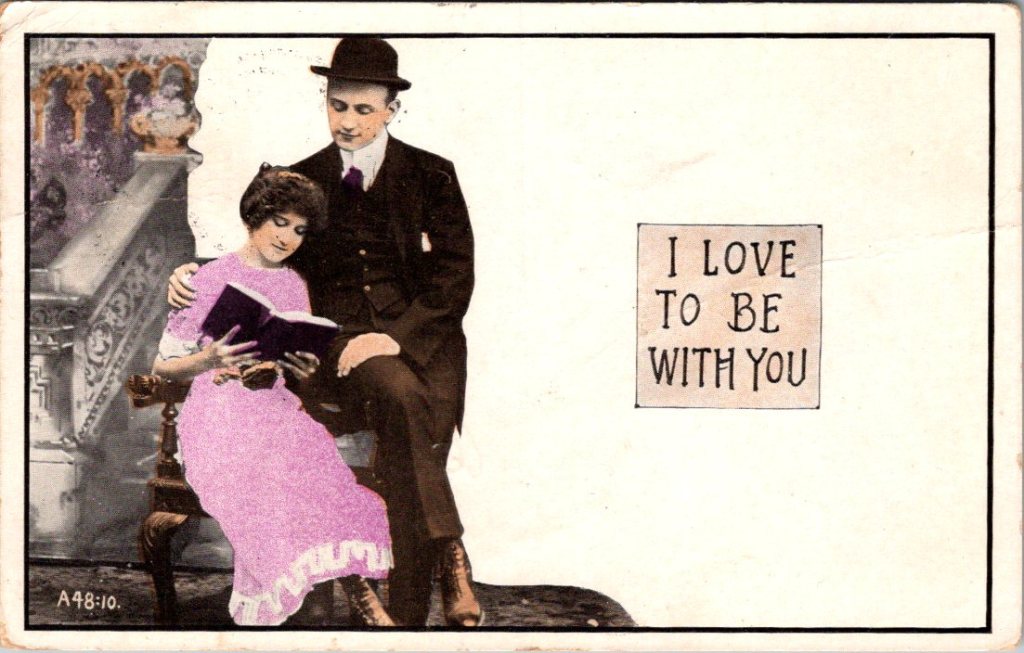
The Golden Age of Postcards, spanning roughly from 1898 to 1918, was a period when billions of postcards crisscrossed the globe, connecting people and places in ways never before possible. These seemingly ordinary objects open a window into a time when the world was simultaneously expanding and shrinking, driven by technological innovations, changing social norms, and a collective desire to reach out and touch lives across vast distances. Incredibly, flimsy bits of cardstock sparked a global phenomenon that would revolutionize communication, art, and popular culture.

The story of the postcard’s rise to ubiquity is one of technological innovation meeting social evolution. The concept of sending messages on cards through the mail system wasn’t entirely new – the Austrian postal service had introduced Correspondenz-Karten in 1869, and other countries quickly followed suit. However, it was the convergence of several factors at the turn of the century that turned postcards from a curiosity into a global obsession.

One key development was the improvement in printing technologies. The introduction of chromolithography in the late 19th century allowed for the mass production of colorful, high-quality images at relatively low cost. This was soon followed by photolithography and other techniques that could reproduce photographic images with stunning clarity. Suddenly, postcards could offer vivid glimpses of far-off places, famous personalities, or artistic creations, all at a price accessible to the average person.

Another crucial factor was the standardization of postal regulations. The Universal Postal Union, established in 1874, helped to create a more uniform system for international mail. By 1902, they had standardized the format for postcards, dividing the back into two sections – one for the address and one for a message. This simple change dramatically increased the popularity of picture postcards, as senders could now include both an image and a personal message.

The final ingredient was a shift in social attitudes. As literacy rates rose and leisure time increased for many in the industrialized world, there was a growing appetite for new forms of communication and entertainment. Postcards fit the bill perfectly – they were affordable, visually appealing, and allowed for quick, casual correspondence in an increasingly fast-paced world.

Bamforth & Company

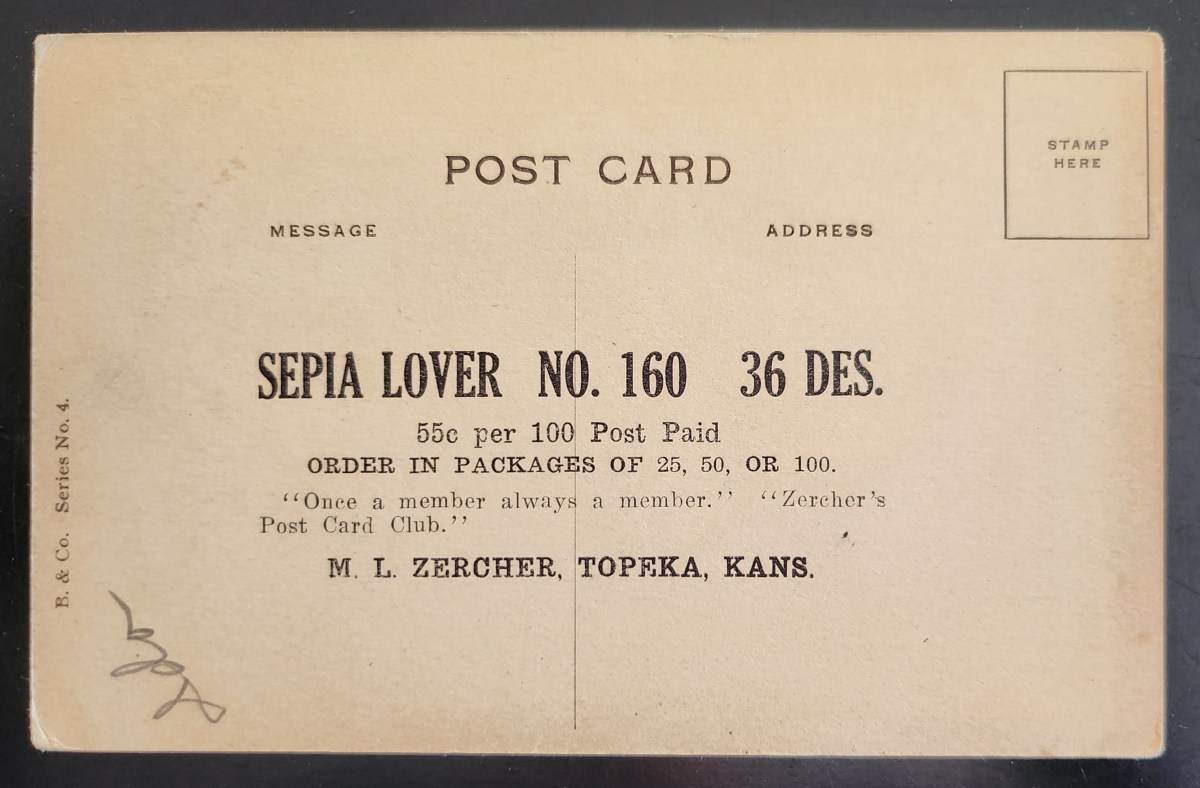
Our mystery postcard, with its subtle “B. & Co.” marking, leads us to one of the major players in the Golden Age of Postcards: Bamforth & Company. Founded by James Bamforth in Holmfirth, Yorkshire, in the 1870s, the company’s evolution mirrors the broader trajectory of the postcard industry.

Bamforth began as a portrait photography studio, capturing the likenesses of local Yorkshire residents. As technology advanced, the company expanded into the production of magic lantern slides – an early form of projected entertainment. This experience with visual media positioned Bamforth perfectly to capitalize on the postcard boom.

By the early 1900s, Bamforth & Co. had become one of the largest postcard publishers in the world. They were renowned for their high-quality printing and their diverse range of subjects. Sentimental scenes, comic situations, patriotic imagery, and holiday greetings were all part of their repertoire. The company often employed actors and models for their postcard images, creating idealized scenes that resonated with the public’s tastes and aspirations.

The postcard in our story – featuring a young woman in a white dress, holding a birthday greeting – is typical of Bamforth’s style. The sepia tone, the carefully posed subject, and the integration of a printed message all speak to the company’s expertise in creating appealing, marketable images.

But how did a postcard produced in a small Yorkshire town end up in the inventory of a postcard club in Topeka, Kansas? The answer lies in the remarkably global nature of the postcard trade during this era.

The Golden Age of Postcards

The Golden Age of Postcards coincided with a period of increasing globalization. Improvements in transportation, particularly the expansion of railway networks and steamship lines, facilitated the movement of goods on an unprecedented scale. Postcards, being lightweight and standardized, were ideal products for international trade.

Companies like Bamforth & Co. didn’t limit themselves to local or even national markets. They established distribution networks that spanned continents, often working with agents or partnering with local publishers in different countries. In the United States, for example, many European postcard designs were printed under license by American companies, while others were imported directly.

Postcard Clubs

The explosion in postcard popularity led to the emergence of specialized businesses catering to collectors and enthusiasts. Postcard clubs, like Zercher’s Post Card Club in Topeka, played a crucial role in this ecosystem. These clubs served multiple functions: They acted as distributors, buying postcards in bulk from publishers and reselling them to members. They facilitated exchanges between collectors, allowing members to trade cards and expand their collections. They created a sense of community among postcard enthusiasts, often publishing newsletters or directories of members.

M.L. Zercher’s operation in Topeka was just one of many such clubs that sprang up across the United States and around the world. The back of our mystery postcard gives us some insight into how these clubs operated. It advertises postcards for sale at “55c per 100 Post Paid” and encourages customers to “ORDER IN PACKAGES OF 25, 50, OR 100.” This bulk pricing model allowed collectors to quickly build their collections or stock up on cards to send.

The slogan “Once a member always a member” suggests that Zercher’s club operated on a subscription or membership basis, likely offering special deals or access to rare cards as incentives for joining. The fact that a British-made card was part of their inventory demonstrates the truly international nature of the postcard trade. Clubs like Zercher’s would source cards from a variety of publishers, both domestic and foreign, to offer their members a diverse selection.

To truly understand the significance of our mystery postcard and the era it represents, we need to consider the broader cultural impact of the postcard craze. In many ways, postcards in the early 20th century served a similar function to social media in our own time – they were a quick, visual means of sharing experiences, expressing sentiments, and staying connected.

Postcards became a way for people to “collect” the world. Travel postcards allowed those who couldn’t afford to venture far from home to glimpse exotic locations and different ways of life. Topographical cards documented the changing face of cities and towns, preserving images of streets, buildings, and landscapes that in many cases have long since disappeared.

The subject matter of postcards was incredibly diverse, reflecting and shaping popular culture of the time. In addition to scenic views and greeting cards, publishers produced postcards featuring current events and news stories, popular entertainers and public figures, humorous cartoons and jokes, art reproductions, advertisements for products and services, and political messages and propaganda.

Postcards were also a medium for artistic expression. Many renowned artists of the period, including Alphonse Mucha and Raphael Kirchner, designed postcards. The Art Nouveau and later Art Deco movements found in postcards a perfect vehicle for reaching a mass audience.

The act of sending and collecting postcards became a hobby in itself, known as deltiology. Postcard albums were a common feature in many homes, filled with cards received from friends and family or purchased as souvenirs. The craze reached such heights that some contemporary observers worried about its effects, particularly on young people. A 1906 article in the St. Louis Post-Dispatch decried the “Postal Card Habit” as a “Decidedly Pernicious Fad,” concerned that it was discouraging more substantive forms of written communication.

Returning to our specific postcard, we’re left with an intriguing question: Who is the young woman in the image? The nature of postcard production at the time means that her identity is likely lost to history, but we can make some educated guesses about her role.

Bamforth & Co., like many postcard publishers, often employed local actors or models for their images. The woman in the photograph, with her carefully arranged hair and white dress, was likely chosen to embody an idealized image of youthful beauty and innocence. Her pose, holding the birthday greeting, is clearly staged for the camera.

It’s worth noting that while the main image and the text at the bottom of the card (“Accept from me with hearty cheer / The honest wish that’s printed here”) were likely printed together using a process like collotype, the specific birthday message appears to have been added later through letterpress printing. This was a common practice, allowing publishers to use the same base image for multiple occasions by simply changing the text.

The anonymity of the subject is, in many ways, part of the postcard’s appeal. Senders could project their own meanings onto the image, using it to convey personal messages to friends and loved ones. The young woman becomes a stand-in, a vessel for the sender’s sentiments rather than a specific individual.

Like many cultural phenomena, the postcard craze couldn’t sustain its intense popularity indefinitely. The outbreak of World War I in 1914 marked the beginning of the end for the Golden Age of Postcards. While postcards remained popular during the war years, with many soldiers using them to communicate with loved ones back home, several factors contributed to their decline.

Wartime paper shortages and increased postal rates made postcards more expensive to produce and send. The disruption of international trade networks made it harder for publishers to distribute cards globally. Changing tastes and new forms of mass media, particularly radio and later television, began to compete for people’s attention. The increasing affordability and popularity of personal cameras meant that people could create their own photographic mementos rather than relying on commercial postcards.

In the post-war years, the postcard industry consolidated. Many smaller publishers and clubs, like Zercher’s in Topeka, likely went out of business or were absorbed by larger companies. Bamforth & Co., our postcard’s originator, managed to adapt and survive, shifting its focus more towards comic postcards in the latter half of the 20th century before finally ceasing operations in 2000.

While the Golden Age of Postcards may have ended, its impact continues to be felt in various ways. Postcards from this era serve as invaluable historical documents, offering glimpses into the social, cultural, and physical landscapes of the early 20th century. Historians and archaeologists often use postcards as sources in their research.

The aesthetic styles popularized in postcards, particularly Art Nouveau and Art Deco designs, continue to influence graphic design and illustration. Deltiology remains a popular hobby, with collectors specializing in particular themes, publishers, or geographical areas. Rare postcards from the Golden Age can command high prices at auctions.

While not reaching the heights of the Golden Age, postcards have seen periodic resurgences in popularity. The rise of sites like Postcrossing, which facilitates international postcard exchanges, shows that the appeal of sending and receiving physical cards endures in the digital age. The idea of the picture postcard as a souvenir or greeting has become deeply embedded in our cultural consciousness, even as actual postcard usage has declined.

Our journey, which began with a single postcard – a young woman holding a birthday greeting, produced in England but found in Kansas – has taken us through a remarkable period in cultural and communication history. The Golden Age of Postcards was more than just a craze or a fad; it was a global phenomenon that changed how people interacted with the world around them and with each other.

This era saw the convergence of technological innovation, social change, and artistic expression, resulting in a medium that was simultaneously personal and mass-produced, local and global. The postcard became a canvas for human creativity and connection, allowing people to share snippets of their lives and their world in ways that had never before been possible.

As we look at our mystery postcard today, the young woman’s identity may remain unknown, but her image speaks volumes about the time in which she lived. It tells us of a world that was rapidly shrinking, where an image created in a small English town could find its way to the American Midwest. It speaks of changing social norms, of new ideas about communication and personal expression. And it reminds us of the enduring human desire to reach out, to share, to connect – a desire that transcends time and technology.

In an age of instant digital communication, where images and messages circle the globe in seconds, there’s something poignant about this physical artifact of a slower, more deliberate form of correspondence. The postcard from Zercher’s club, with its sepia-toned charm, invites us to pause and reflect on how we communicate today, and what might be gained or lost in the dizzying pace of technological change.

The Golden Age of Postcards may be long past, but its legacy lives on – in the millions of cards preserved in albums and archives, in the visual language it helped to create, and in the ways it shaped our understanding of global connection. As we send our tweets and instant messages, share our digital photos, and connect across vast distances in the blink of an eye, we are, in many ways, the inheritors of a revolution that began with a simple piece of cardboard and a penny stamp. The world of Bamforth & Co. and Zercher’s Post Card Club may seem distant, but its echoes continue to shape our own.