Why the Woods?

Vintage postcards reveal America’s enduring love affair with wild spaces. Through war, depression, and social upheaval, we’ve preserved these sanctuaries of peace.

On an autumn morning in 1935, Eleanor Roosevelt walked alone through the woods at her personal retreat in Hyde Park, New York. The First Lady had just returned from touring poverty-stricken areas in West Virginia, where families struggled to survive the Great Depression.

These morning walks were her ritual for processing the weight of what she witnessed in her tireless work. The woods, she would later write, helped her find the clarity needed to transform empathy into action.

Decades earlier, John Muir had written to a friend. His words would become a rallying cry for the American conservation movement, adorning everything from park posters to backpack patches.

The mountains are calling and I must go.

But what exactly is this call we hear from nature? Why do we feel drawn to preserve wild spaces and to protect them for future generations? And what happens to us when we answer that call?

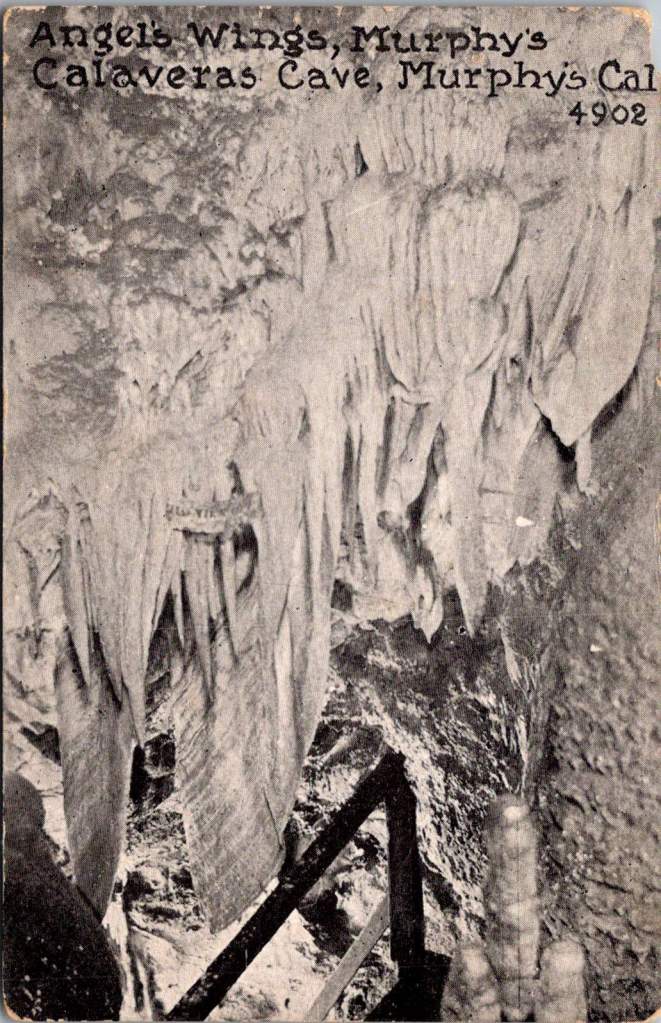
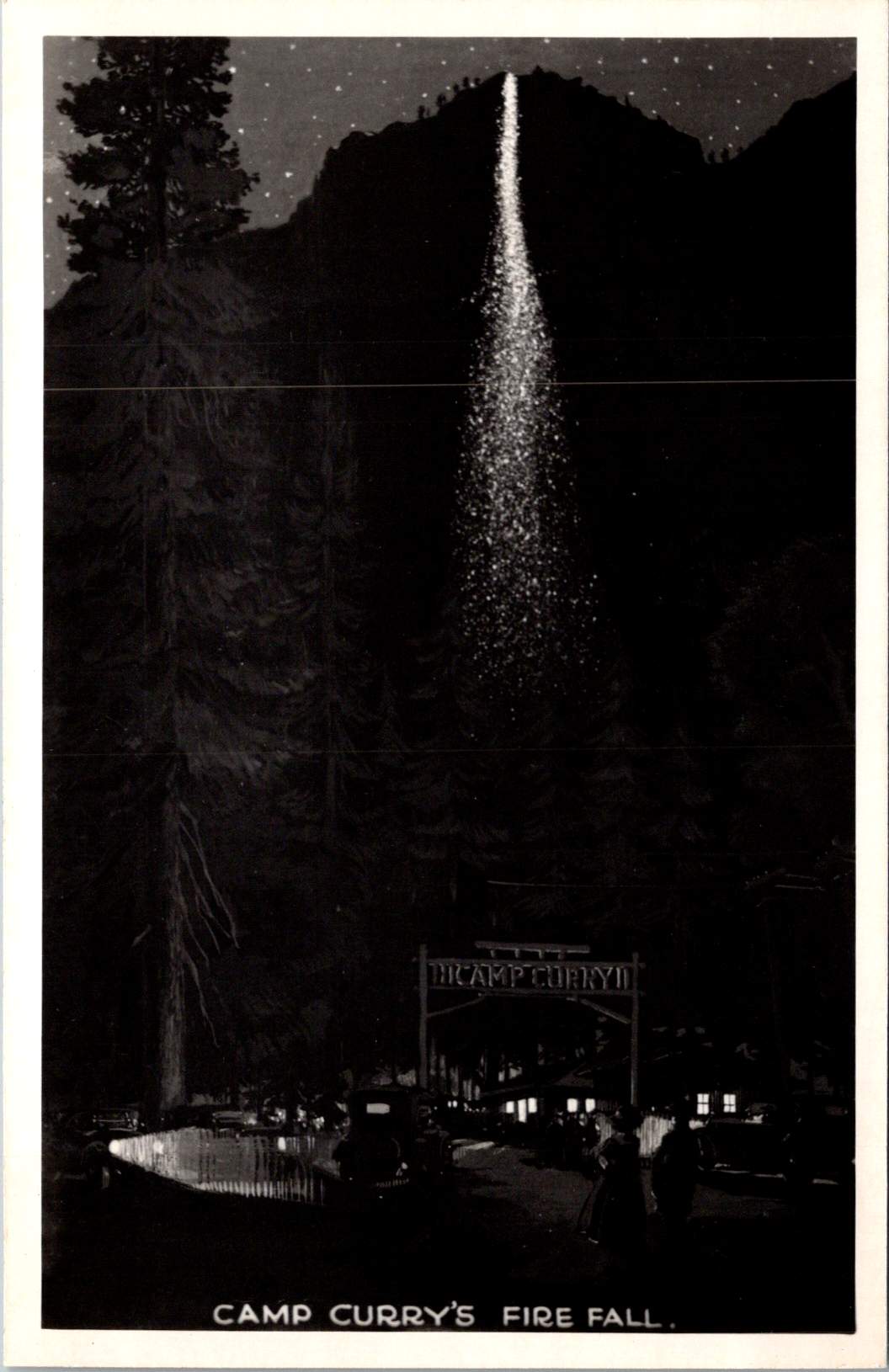
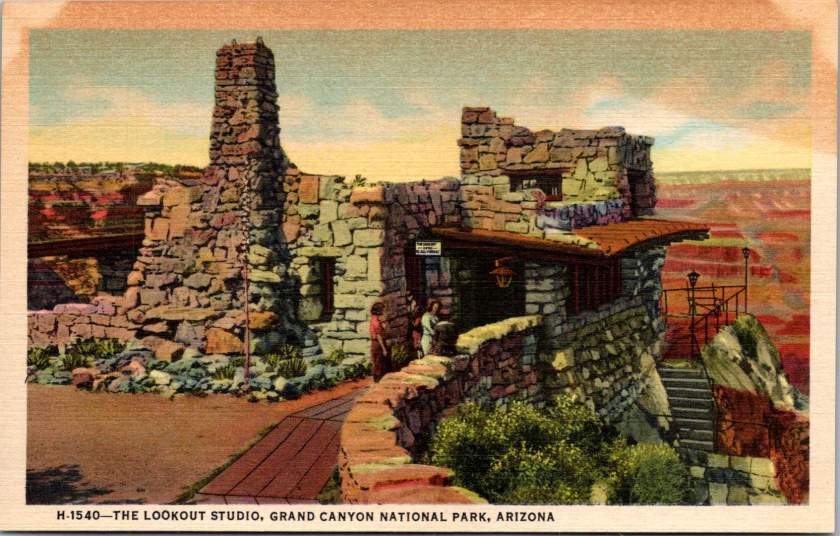
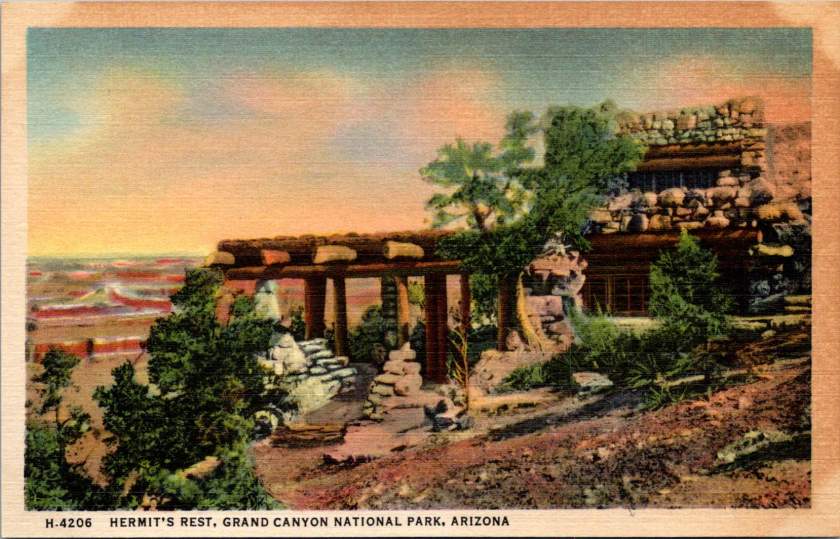
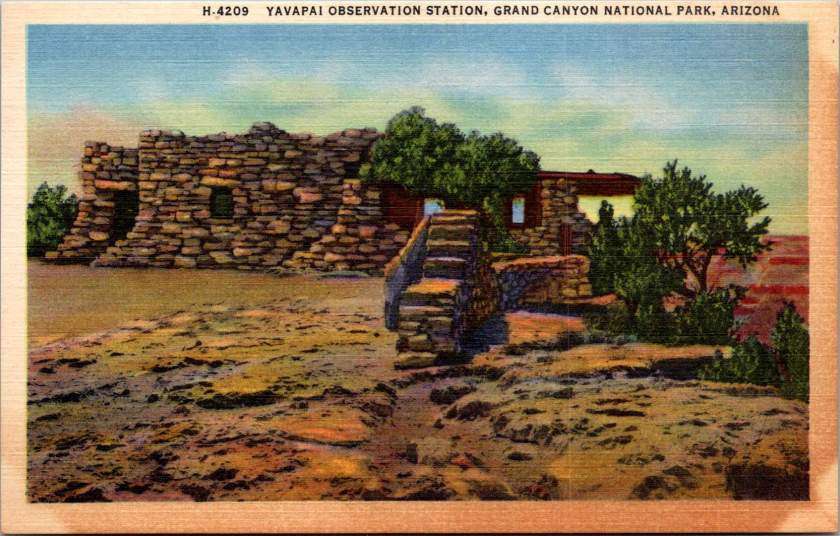
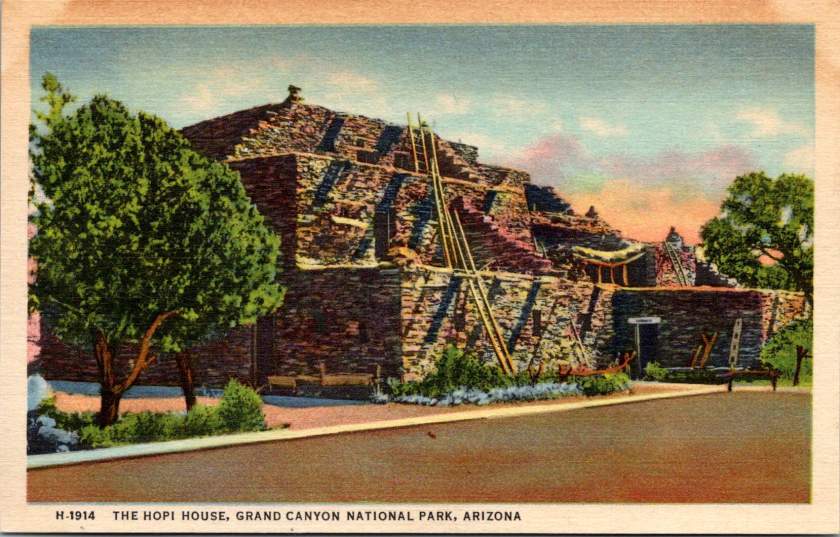
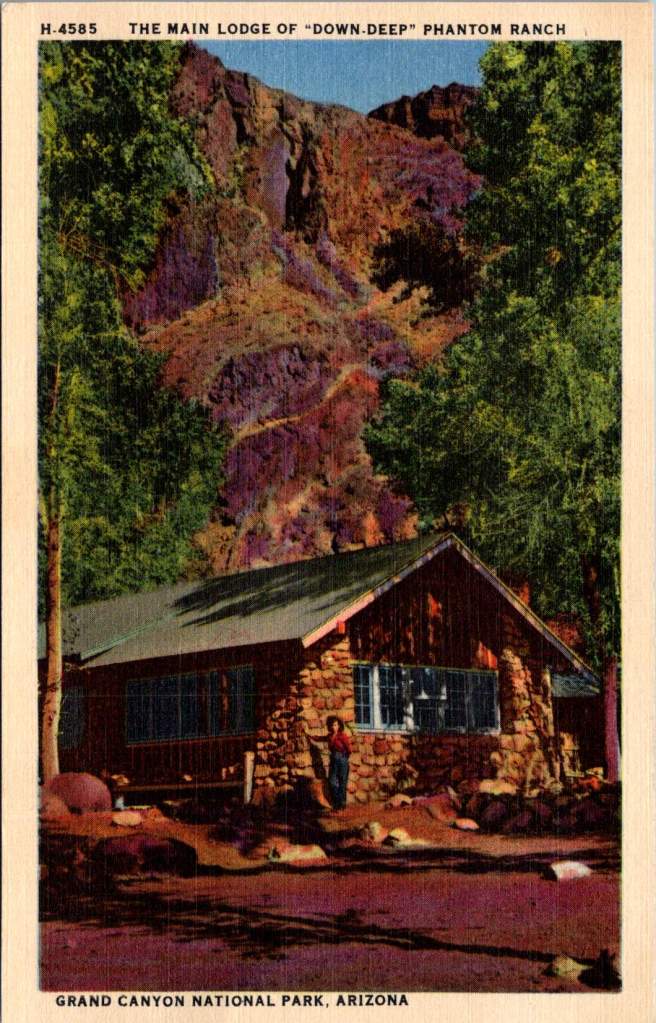
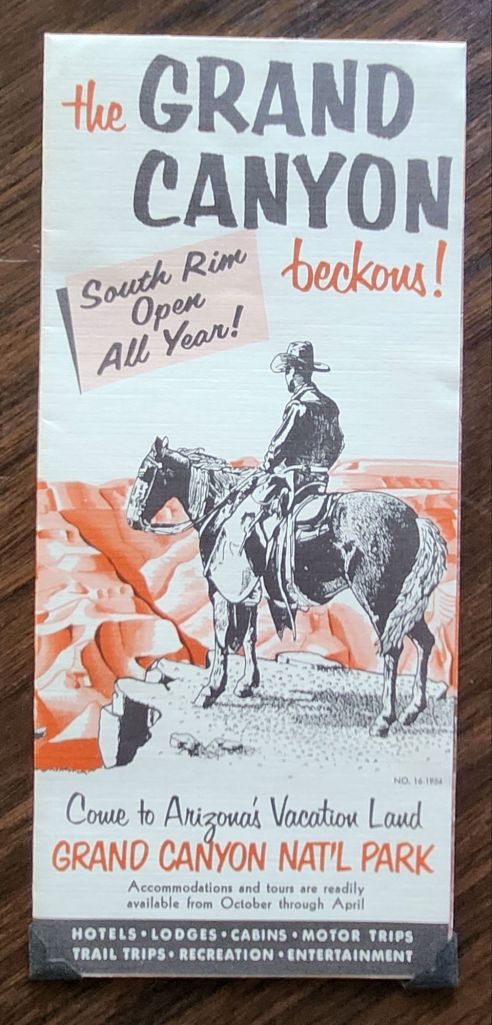
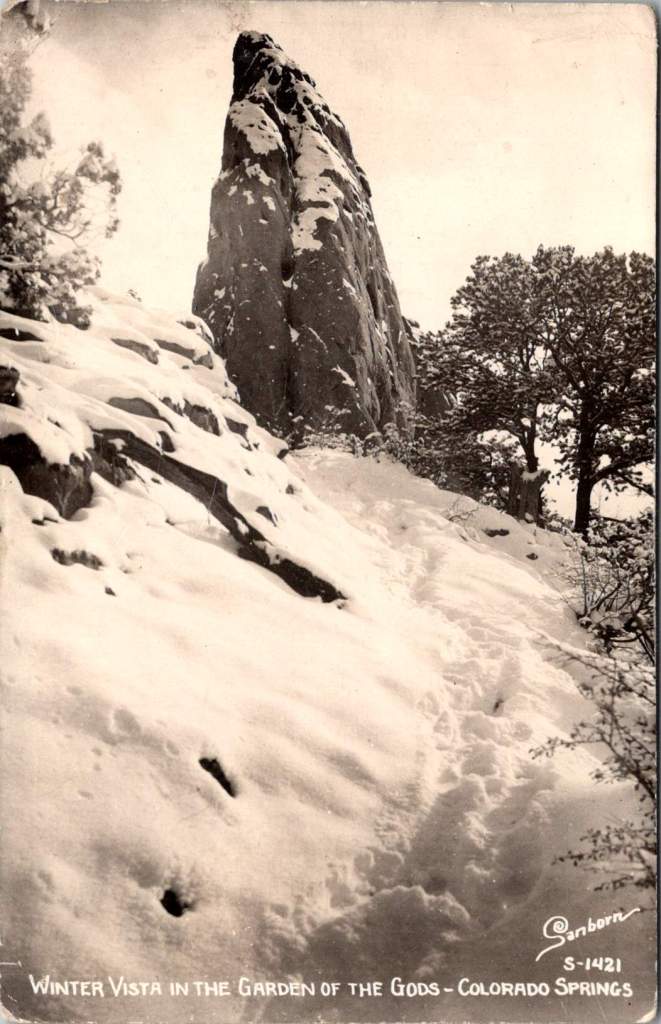
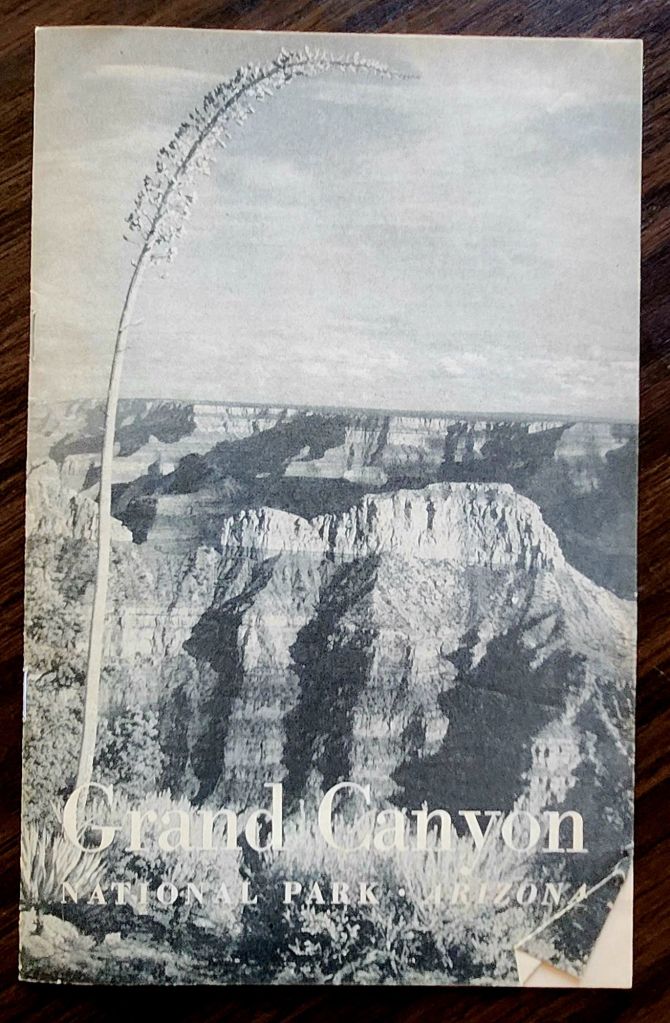
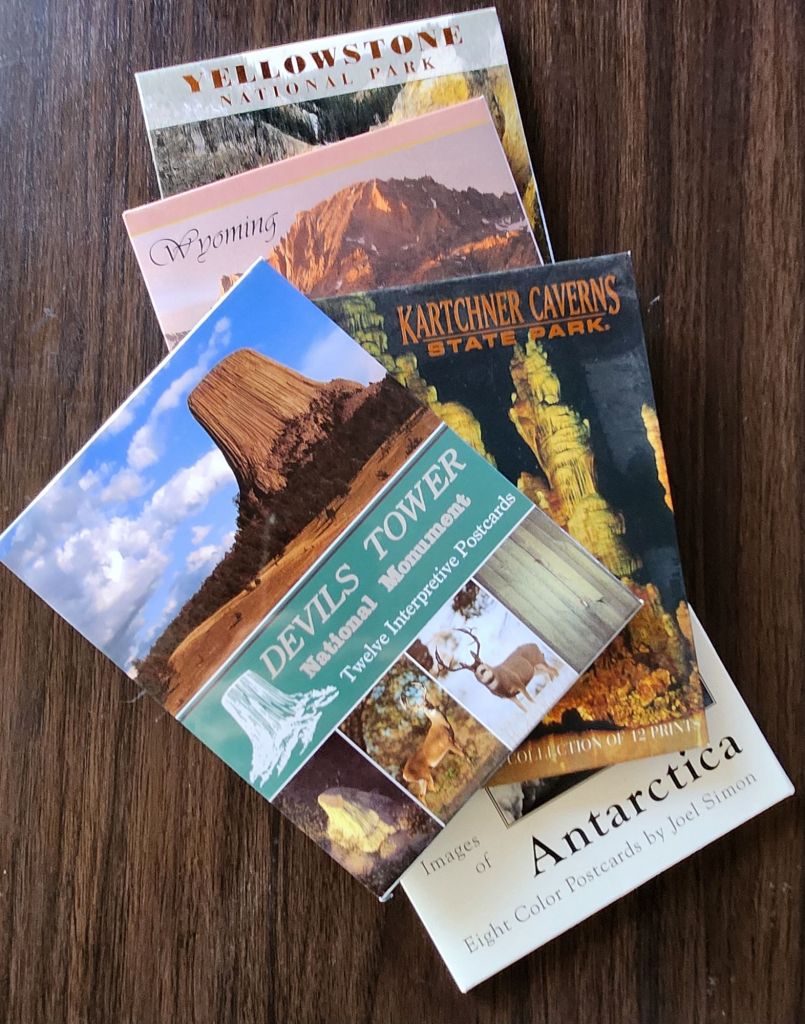
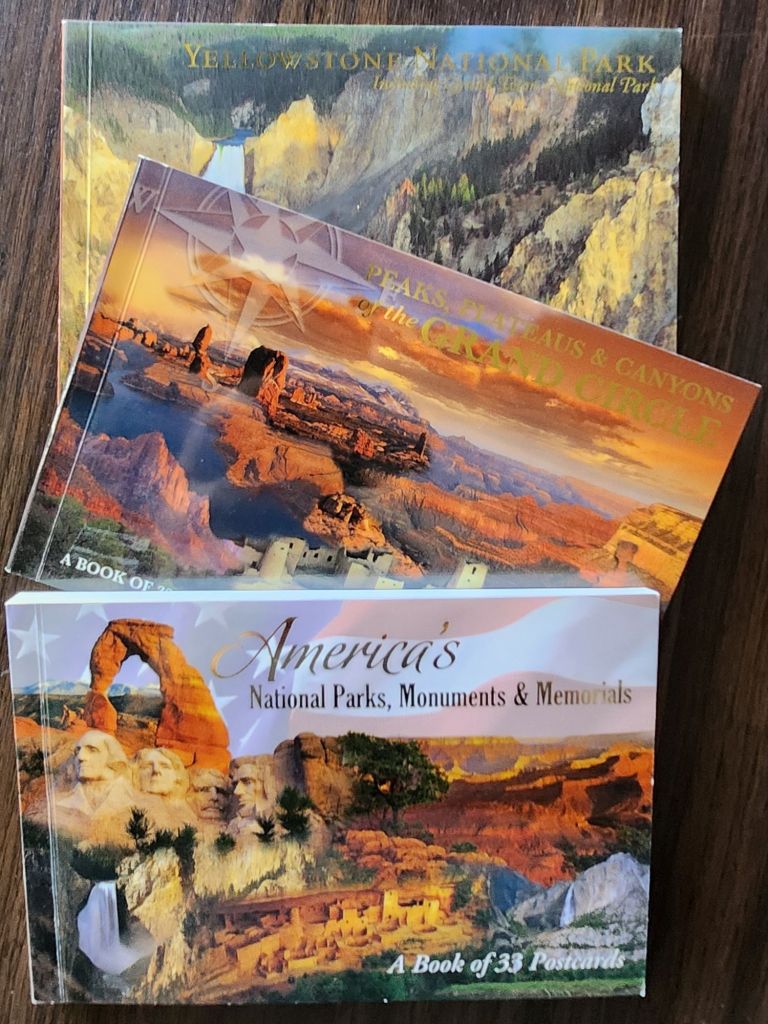
The ephemera spread across my desk capture America’s parks in saturated colors and earnest prose. Welcome to Yosemite and Camp Curry! The hope is that some special part of life is revealed.

These mass-produced mementos tell a story of democratic access to wilderness, of a shared heritage preserved through an unprecedented system of public lands. But they also hint at something deeper – our innate recognition that we need these spaces not just for recreation, but for restoration.

The same wisdom that guided Eleanor Roosevelt to seek solitude among the trees has been confirmed by modern science: nature calms us at a biological level.

Science of Serenity

When we step into a forest, our bodies respond immediately. Cortisol levels drop. Blood pressure decreases. Our parasympathetic nervous system – responsible for rest and recovery – becomes more active.

Even our visual processing changes: natural fractal patterns, like those found in tree branches and leaf veins, require less cognitive effort to process than the sharp angles and straight lines of human-made environments.

Trees release compounds called phytoncides that, when inhaled, enhance immune function and reduce stress hormones. Natural sounds – running water, rustling leaves, bird songs – engage our attention in a way that promotes neural restoration rather than fatigue.

Physiologically, exposure to diverse natural environments even affects our microbiome – the community of microorganisms living in and on our bodies. This microscopic ecosystem influences everything from mood regulation to stress response through the gut-brain axis. In a very literal sense, communion with nature changes who we are.
Preserving Peace

The story of how Americans came to preserve our wild spaces is, in many ways, a story about seeking peace – both personal and collective. The movement gained momentum after the Civil War, as a wounded nation looked westward not just for expansion, but for healing.

Frederick Law Olmsted, who fought depression throughout his life, designed public parks as democratic spaces where people of all classes could find restoration. His work on New York’s Central Park and other urban green spaces was guided by his belief that nature’s tranquility could help ease social tensions and promote civic harmony.

John Muir found his own peace in the Sierra Nevada after wandering the war-torn South as a young man. His passionate advocacy helped establish Yosemite National Park and inspired generations of conservationists.

But it was President Theodore Roosevelt, another seeker of nature’s consolation, who would transform individual inspiration into national policy. Roosevelt’s experience finding solace in the Dakota Territory after the deaths of his wife and mother shaped his approach to conservation. He understood viscerally that wilderness could heal, that it offered something essential to the human spirit.

During his presidency, he protected approximately 230 million acres of public land, establishing 150 national forests, 51 federal bird reservations, four national game preserves, five national parks, and 18 national monuments.

Women in the Woods

While Roosevelt’s dramatic expansion of public lands is well known, the role of women in American conservation deserves greater recognition.

Susan Fenimore Cooper, a student of her famous father, published Rural Hours in 1850 – a detailed natural history that influenced both Thoreau and the early conservation movement. Her careful observations helped Americans see local landscapes as worthy of preservation.

Marjory Stoneman Douglas fought to protect the Florida Everglades when most saw it as a worthless swamp. Her 1947 book The Everglades: River of Grass transformed public understanding of wetland ecosystems. She found that regular communion with nature sustained her through decades of advocacy work.

These leaders shared a practical approach to conservation, focusing on specific, achievable goals while maintaining remarkable equanimity in the face of opposition. Their work suggests that protecting nature and being protected by it can form a reciprocal relationship – the more we preserve wild spaces, the more they preserve something essential in us.

Dark Places

The path to peace often leads through our own shadows. While Americans preserve scenes of spectacular beauty, the relationship between nature and human resilience has been proven most powerfully in places of confinement and struggle. These dark places – prisons, exile, places of oppression – have paradoxically served as crucibles for some of humanity’s deepest insights about peace and connection to nature.

Nelson Mandela’s garden on Robben Island stands as a profound example. In the harsh environment of a maximum security prison, Mandela and his fellow prisoners created a garden in the courtyard where they crushed limestone. In his autobiography, he wrote: “A garden was one of the few things in prison that one could control. To plant a seed, watch it grow, to tend it and then harvest it, offered a simple but enduring satisfaction. The sense of being the custodian of this small patch of earth offered a small taste of freedom.”

This echoes the experience of Albie Sachs, who after surviving an assassination attempt that took his arm and the sight in one eye, found healing partly through his connection to the natural world. During his recovery, watching the ocean’s rhythms helped him develop the concept of his later book – Soft Vengeance – achieving justice through law rather than violence.

Martin Luther King Jr. often drew on natural imagery to maintain his equilibrium and express his vision during frequent detainment. From the Birmingham Jail, he wrote of the majestic heights of justice and used metaphors of storms and seasons to describe the civil rights struggle. His deep understanding of peace was shaped not just by moments of tranquility in nature, but by finding inner calm in places of confinement.

The Dalai Lama often speaks of how the Himalayas’ steady presence influenced Tibetan approaches to maintaining calm, even through decades of exile.

These experiences remind us that while we focus on America’s preserved wilderness spaces, the human need for connection to nature is universal. Peace is an American pursuit and a global birthright. When we protect natural spaces, we’re participating in something that transcends national boundaries – the preservation of humanity’s common sanctuary.

Paths to Peace

The leaders who shaped American conservation found different routes to and through nature. John Muir sought transcendent experiences, climbing trees in storms and walking thousands of miles in solitude. Gifford Pinchot, first chief of the U.S. Forest Service, took a more systematic approach, seeking balance between preservation and sustainable use. Rachel Carson combined meticulous scientific observation with poetic sensitivity to nature’s rhythms.

Their examples suggest there is no right way to find peace in nature. Some need solitude and silence. Others seek the raw tests of strengths and capacity, and find restoration in active engagement with the natural world. Some seek dramatic landscapes to ponder in awe, others find sufficient wonder in a city park or backyard garden.
Wild Wisdom

Ralph Waldo Emerson wrote in his essay on Nature, “…in the woods, we return to reason and faith.” His words point to something profound about nature’s effect on human consciousness – how it seems to restore us not just to calm, but to our truest selves.

Modern research into nature’s calming effects – the lowered cortisol, the enhanced immune function, the restored attention – helps explain the mechanisms behind what people have long intuited. For those who find great equanimity through connection with nature, there also seems to be an innate genius in each of us that emerges more fully in wild spaces.

We might experience this as artistic, spiritual, or intellectual – and perhaps even more fundamental – a capacity for presence, for wonder, for sensing our connection to something larger than ourselves. It’s what Eleanor Roosevelt accessed on her morning walks, what John Muir celebrated in his rhapsodic nature writing, what Jane Goodall tapped into during her patient observations of primates in Gombe.

The preservation of wild spaces represents more than conservation of natural resources or recreational opportunities. It preserves access to this deeper part of ourselves – the part that knows how to find peace, that remembers how to wonder, that recognizes our belonging in the larger community of life.
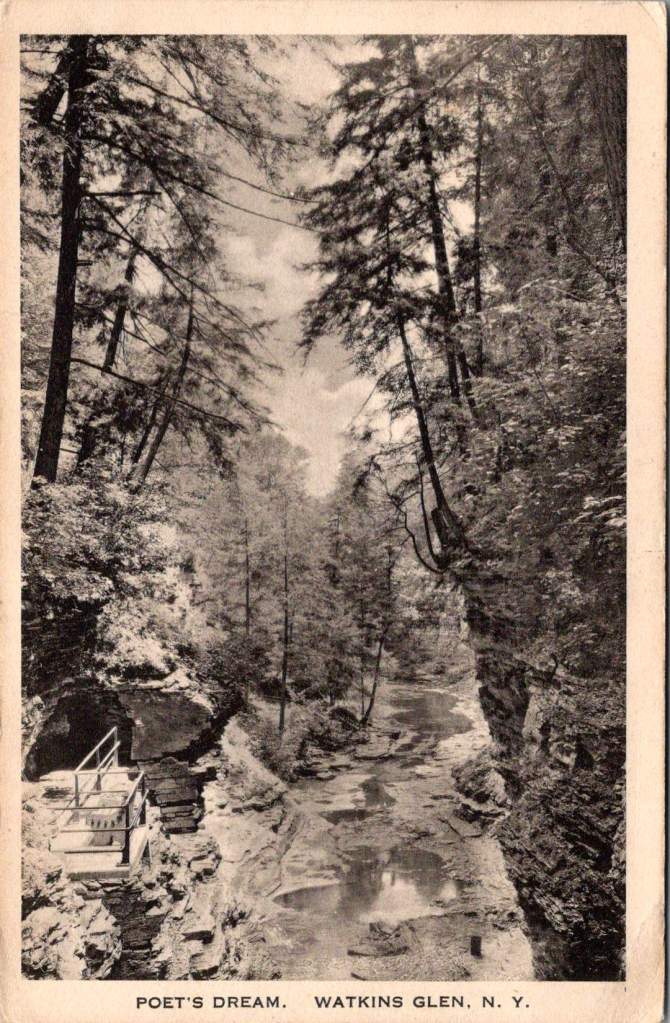
These vintage postcards capture more than just scenic views. They record moments when people felt called to share their experience of wonder, to say to friends and family that the experience mattered. The fact that we’ve preserved and share these places, despite constant pressure to exploit them, suggests we recognize they offer something essential to human flourishing.

Why the woods? Because something in us comes alive there. Because in preserving wild spaces, we preserve the possibility of encountering our own wild wisdom, and these revelations are too precious not to protect for future generations.

Each time we step into nature – whether it’s a national park or a neighborhood green space – we participate in this legacy of preservation. We join a long line of people who recognized that human flourishing depends on maintaining connection to places where we might find peace and that help us face whatever challenges await when we return.

Postcards, Presidents, and Perspectives

Gift shop postcards reveal how Americans get to know our presidents. Explore how pocket-sized portraits shape our understanding of leadership.

In the spring of 1865, Alexander Gardner made a series of photographs of Abraham Lincoln in a studio in Washington DC. Originally, the images were meant as source material for a later unremarkable oil portrait. Instead, one image would become a widely circulated presidential carte de visite (CDV, predecessor to the postcard) showing a contemplative Lincoln, his face bearing the weight of war.

This same series produced dozens of CDV variations, each emphasizing different aspects of Lincoln’s character – his determination, wisdom, and his ordinary humanity. These interpretations of presidential imagery etched his memory in time just after the assassination, have been reproduced in every decade since, and still shape our national memory today.

Consider how presidential postcards – those humble, democratic pieces of correspondence – have both reflected and shaped our understanding of presidential perspective and leadership. Looking at postcard collections from presidential libraries, let’s explore how these portable portraits reveal how certain leaders viewed the world and made decisions.

Memory Making in Presidential Libraries

The modern presidential library system began in 1939 when Franklin Roosevelt donated his papers to the federal government, establishing a revolutionary model for preserving presidential legacy. Before this, presidential papers were considered private property, often scattered, sold, or lost to history. Roosevelt’s innovation created a systematic approach to presidential preservation that transformed how Americans access their presidential past.

Today, fifteen presidential libraries, administered by the National Archives and Records Administration (NARA), serve multiple functions: archive, museum, research center, and public education facility. Each library manages large collections of documents, photographs, and artifacts, while their museums and visitor centers help interpret presidential legacies for millions annually.

These institutions also play a crucial role in postcard production and distribution. Their gift shops serve as primary retail outlets, while their archivists and curators help ensure historical accuracy in commemorative imagery. Tensions between history, educational mission, and commercial viability shape how presidential memory is packaged and sold.
Business of Memory

The story of presidential postcards is also the story of how American trades shape historical memory. In the late 19th century, innovations in printing technology coincided with the rise of mass tourism and the establishment of the postal service’s penny postcard rate. Companies like Curt Teich & Co. and the Detroit Publishing Company recognized an opportunity, creating catalogs of presidential imagery that would help standardize how Americans remember their leaders.

The economics were compelling: postcards could be produced for less than a cent, sold for 3-5 cents, and resold by retailers for 5-10 cents. This accessibility meant that average Americans could own and share pieces of presidential history. Later, the Presidential Libraries, the Smithsonian, and the National Park Service would become major distribution points, creating a government-private partnership in historical memory that continues today.

Postcard Power

Before diving into specific presidents, let’s remember why postcards matter. Unlike formal portraits or imposing statuary, postcards serve as intimate, portable connections to our leaders. Their very format – combining image with personal message, sold inexpensively and shared widely – makes them unique vehicles for democratic memory-making.

Consider the contrast: The Lincoln Memorial presents the 16th president as a marble deity, remote and perfect. But, period CDVs showed him in numerous human moments: reviewing troops, visiting battlefields, and playing with his sons. These cards, sold for pennies and passed hand to hand, helped Americans see their wartime leader as both extraordinary and approachable.

Lincoln: The Moral Realist

The Gardner series of photographs reveals Lincoln’s moral realist perspective in subtle ways. In one popular version, Lincoln’s gaze is directed slightly upward, suggesting moral vision, while his worn face acknowledges harsh realities. This duality perfectly captured Lincoln’s ability to hold fast to moral principles while grappling with very real human suffering.

Another influential series showed Lincoln visiting the Antietam battlefield. These cards, first published during the war and reprinted for decades after, highlighted his hands-on leadership style. One image shows him speaking with wounded soldiers from both sides – a visual representation of his “malice toward none” philosophy.

Theodore Roosevelt: The Progressive Naturalist

The postcards of Teddy Roosevelt present a striking contrast. The Detroit Publishing Company’s Yosemite series showed him with naturalist John Muir in various outdoor settings, emphasizing his connection to nature and physical vigor. These images perfectly aligned with his naturalistic-progressive worldview, which saw human advancement as part of natural evolution.

Perhaps most revealing were the Rough Rider postcards, mass-produced during and after his presidency. These action-oriented images showed Roosevelt leading charges, planning strategy, and bonding with his men. They captured his belief in the power of human will to shape both nature and society – a core tenet of his progressive philosophy.

Franklin Roosevelt: The Pragmatic Experimenter

FDR’s postcard imagery evolved significantly during his presidency, reflecting both personal and national transformation. Early cards showed him standing at podiums, emphasizing traditional presidential authority. But as the Depression deepened, a new style emerged.

Fireside Chat postcards, first released in 1933, showed Roosevelt in intimate settings, explaining complex policies to average Americans. These images matched the pragmatic instrumentalism they heard on the radio – his belief that truth and reality were tied to practical situations more than abstract principles.

The photographs from Warm Springs deserve special mention. While official imagery generally hid Roosevelt’s disability, these postcards showed him in the therapeutic pools, working to strengthen his legs. They humanized him while demonstrating his experimental, solution-oriented approach to problems, both personal and political.

Kennedy: The Dynamic Optimist

The Kennedy era revolutionized presidential imagery. Color photos from Hyannis Port show the president sailing or playing with his children, emphasizing youth and vitality. But more telling were the Space Race postcards, which showed Kennedy studying rocket models or meeting with astronauts. These captured his perspective of historical dynamism – his belief that reality itself was expandable through human initiative and technological advancement.

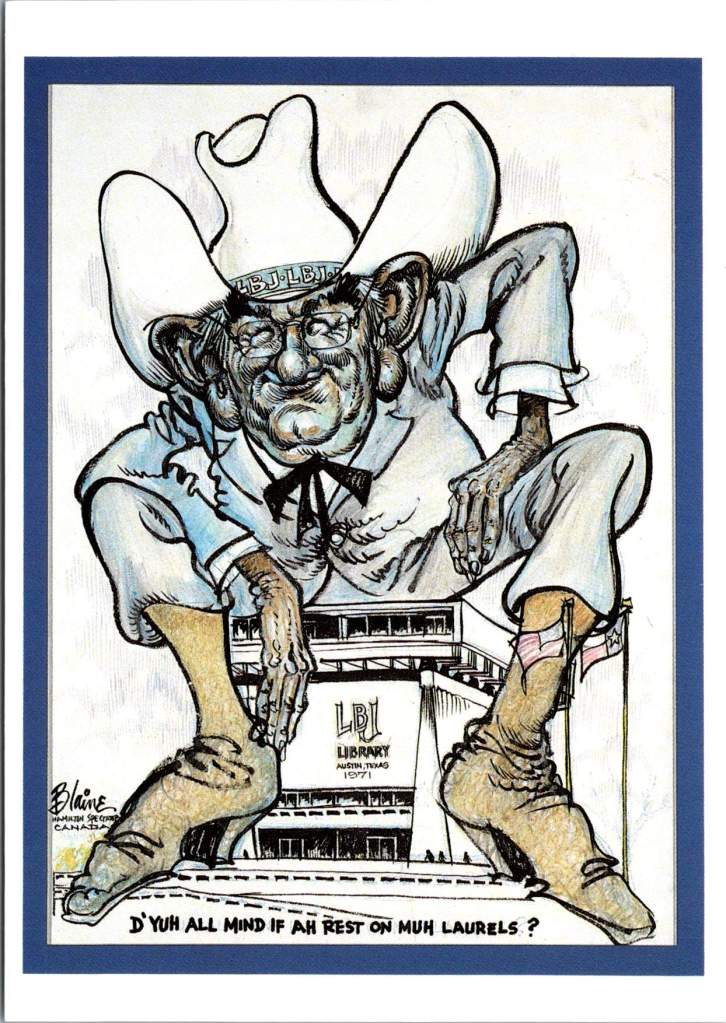
LBJ: Larger than Life

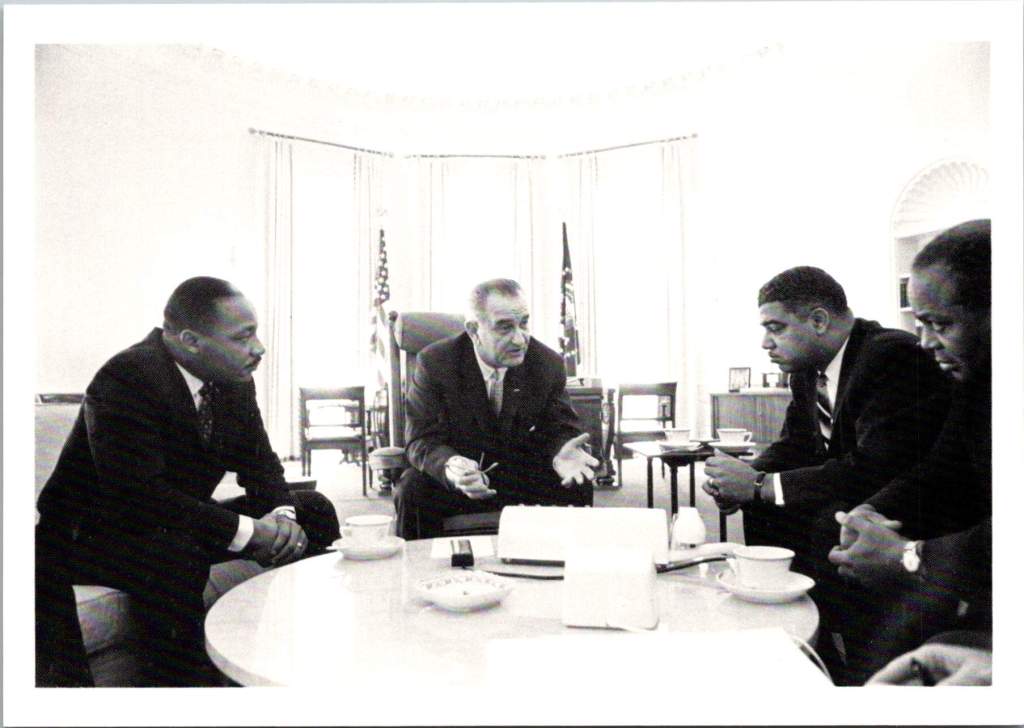
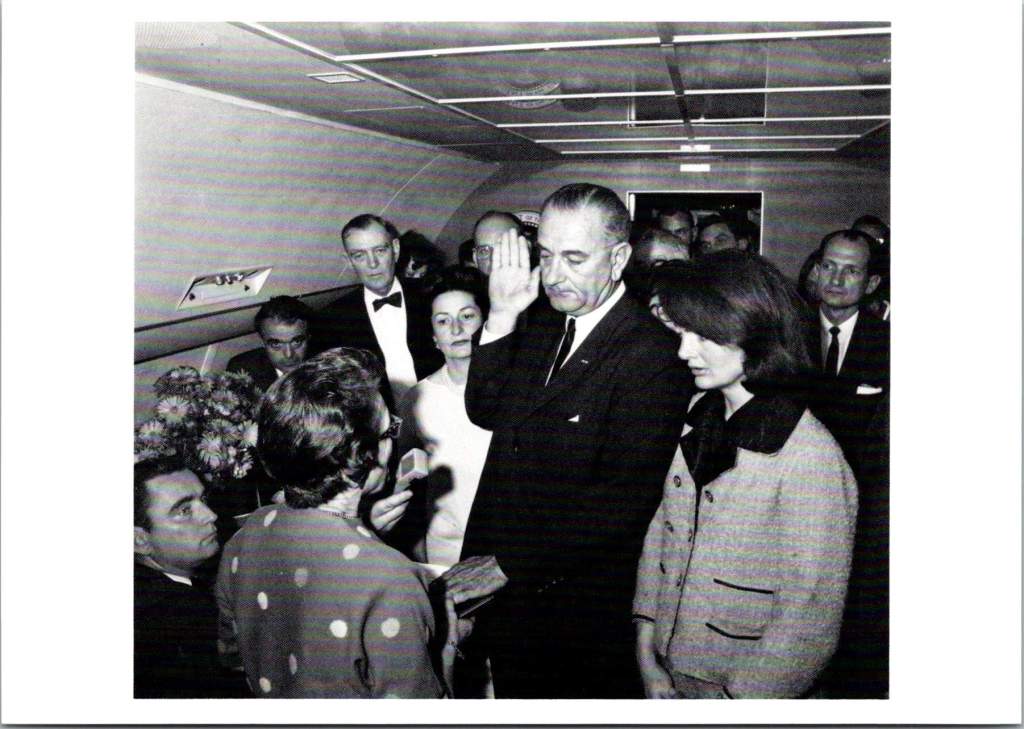
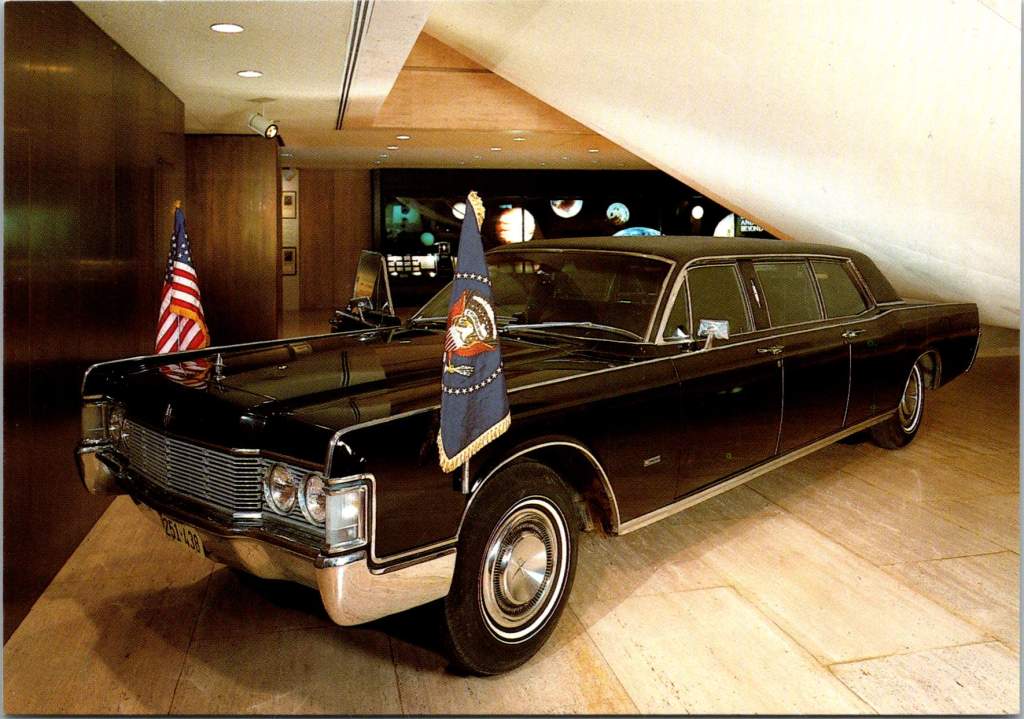
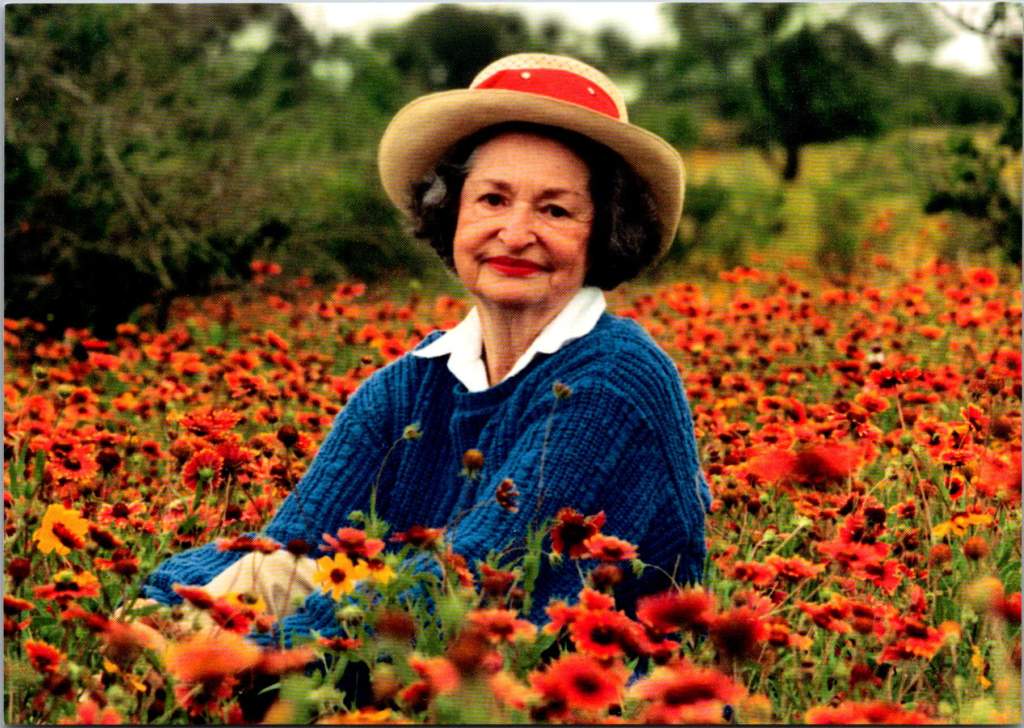
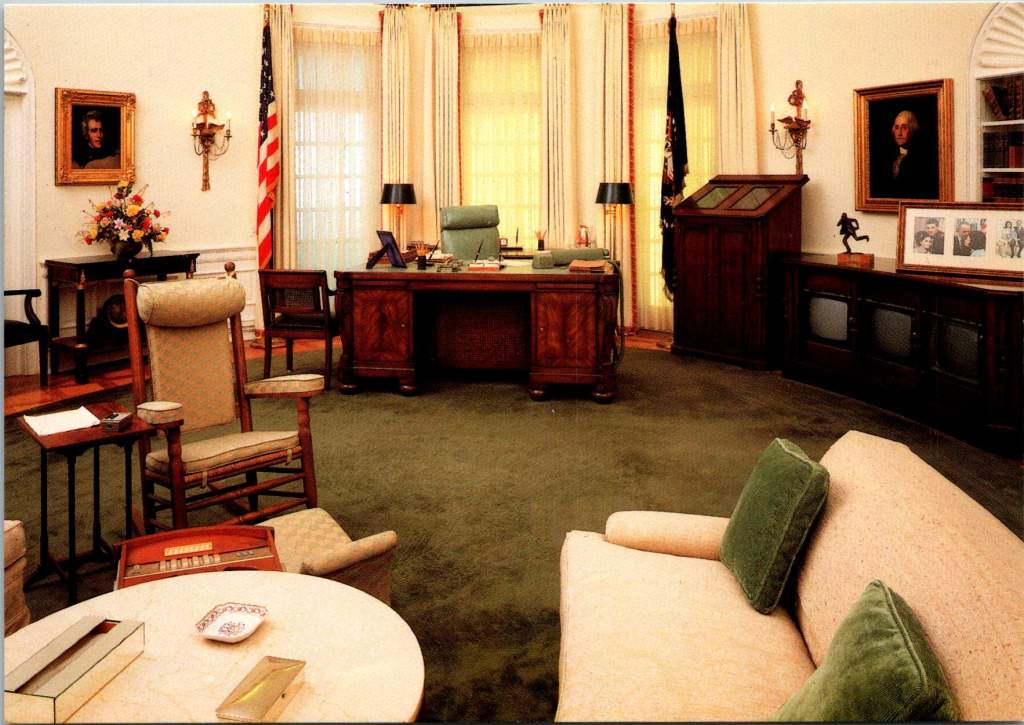
The LBJ Library’s postcard collection reveals another perspective entirely, showing Johnson’s complex relationship with power and persuasion. The collection captures Johnson in intimate conversations with civil rights leaders and in passionate speeches about poverty, reflecting his hands-on, domineering approach to domestic reform.

Carter: The Moral Engineer

Jimmy Carter’s postcard imagery often puzzled publishers. How to capture a president who combined technical expertise with moral conviction? The “Carter and Farmers” card showed him inspecting crops, and another shows him in front of solar panels on the White House roof. These images captured his unique moral-engineering perspective – his belief that problems required both technical solutions and ethical frameworks.

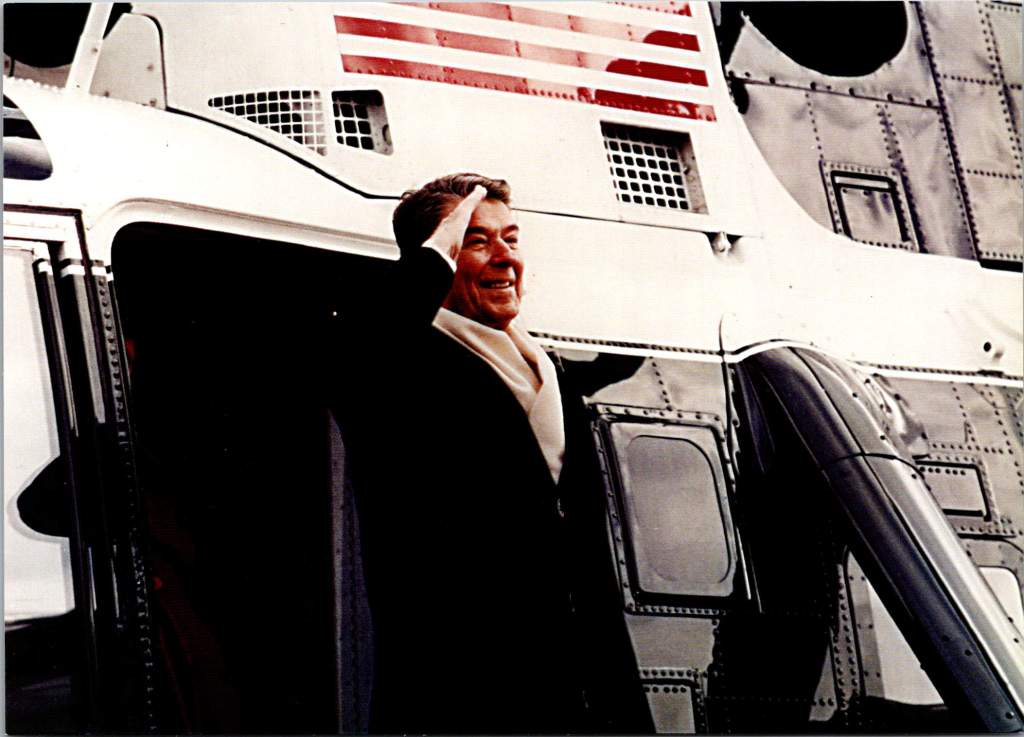
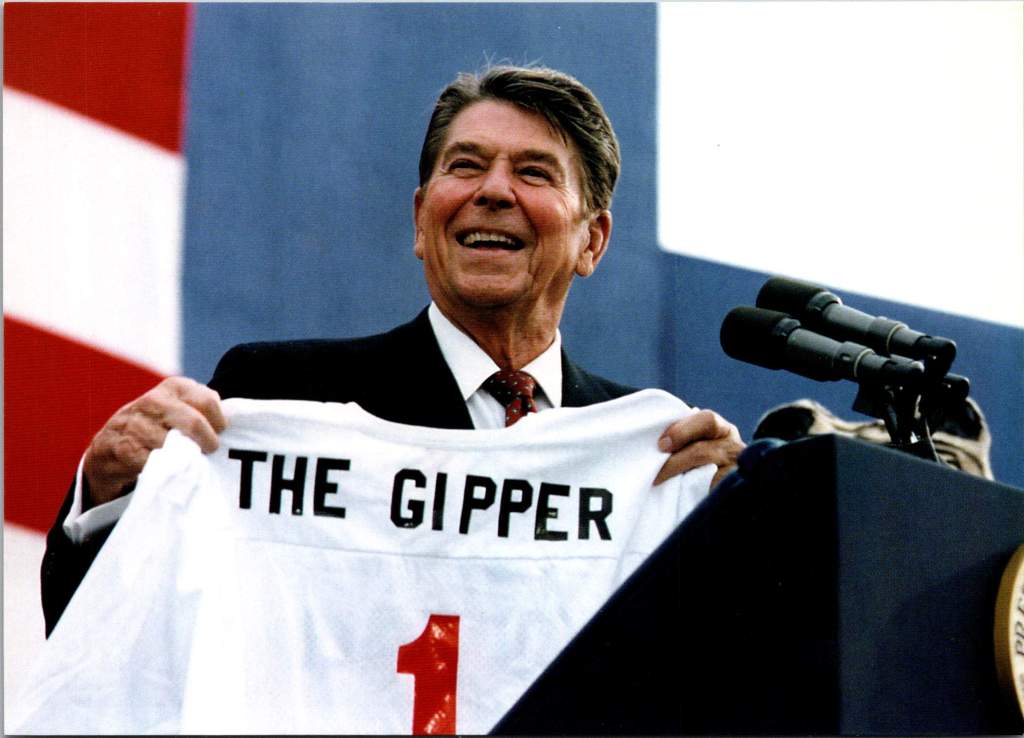
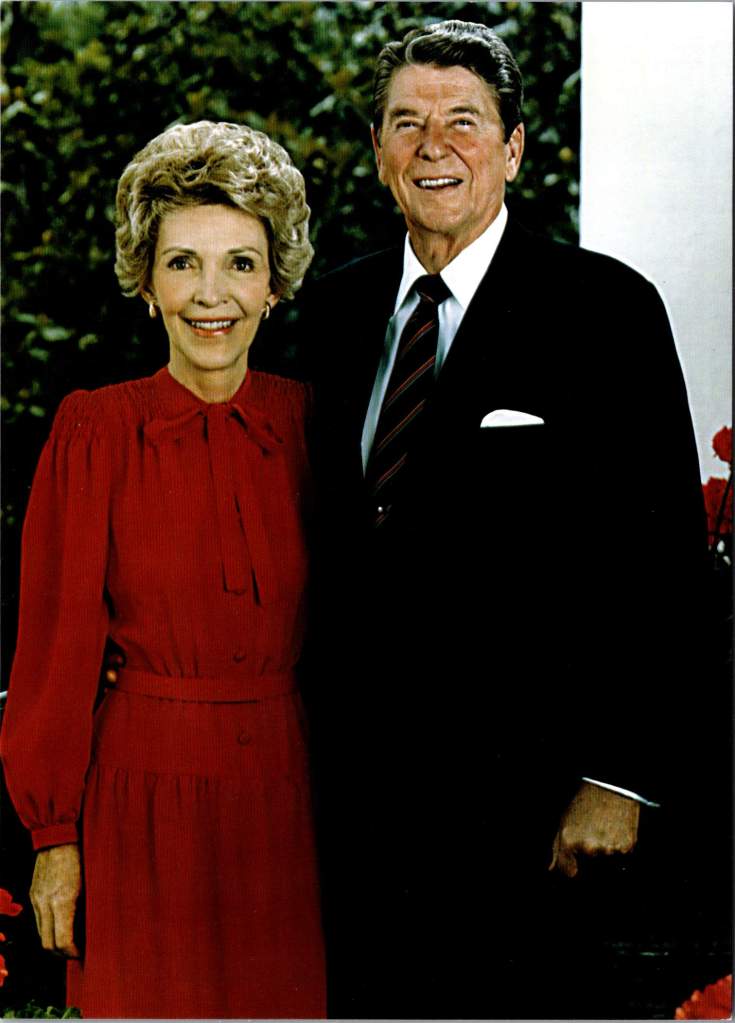
Reagan: The Moral Dualist

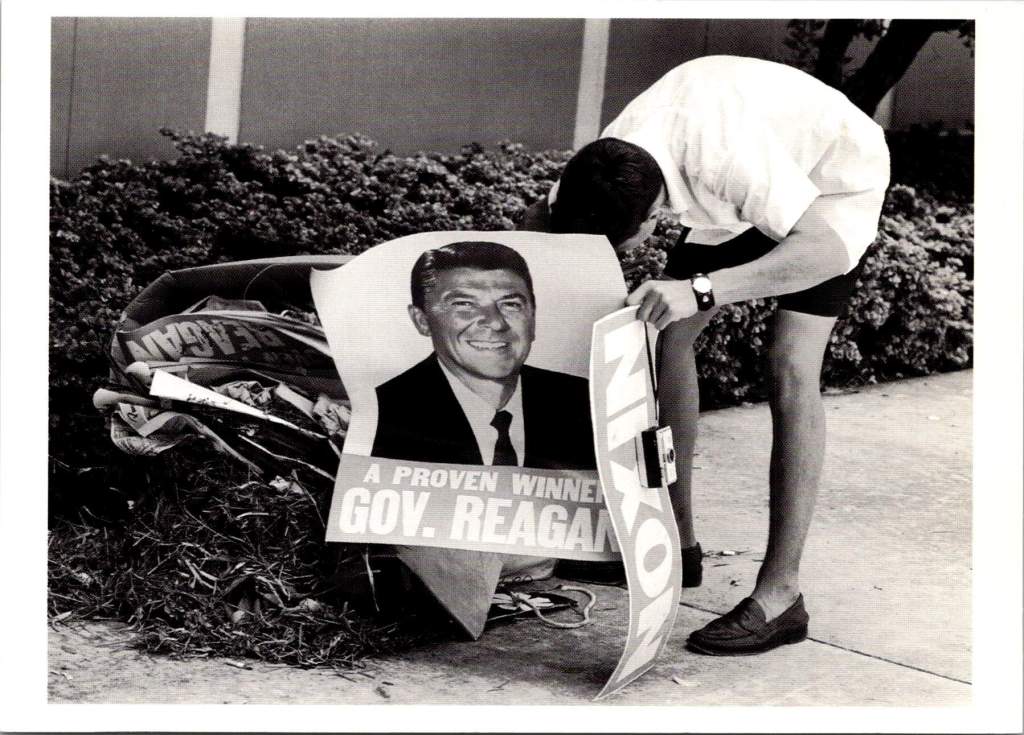
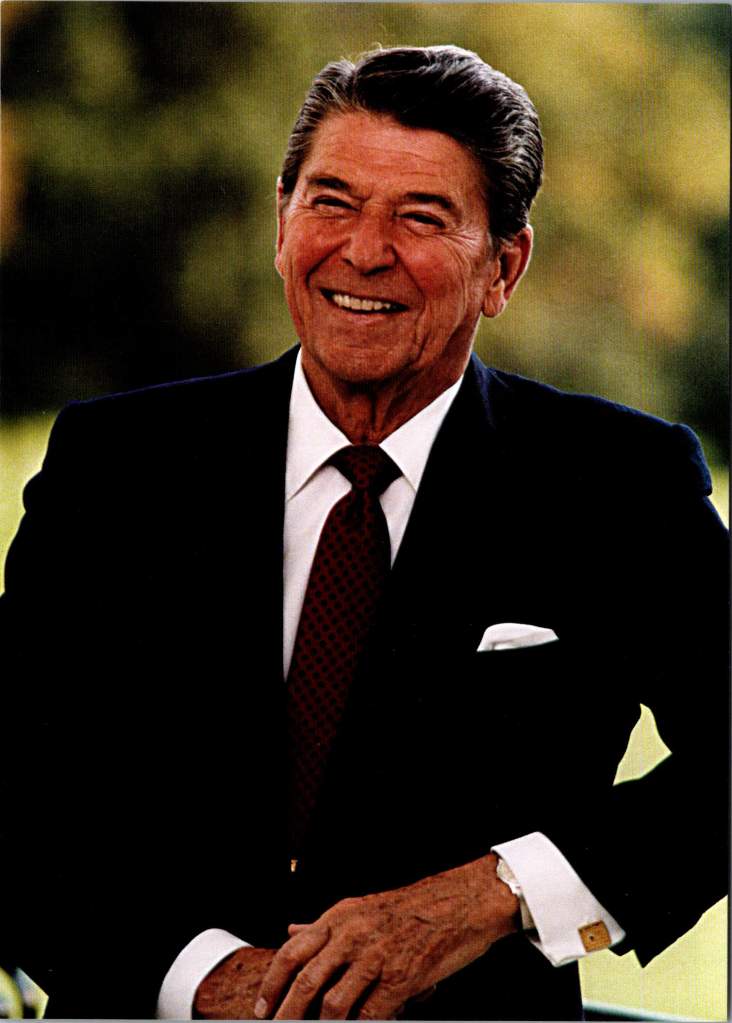
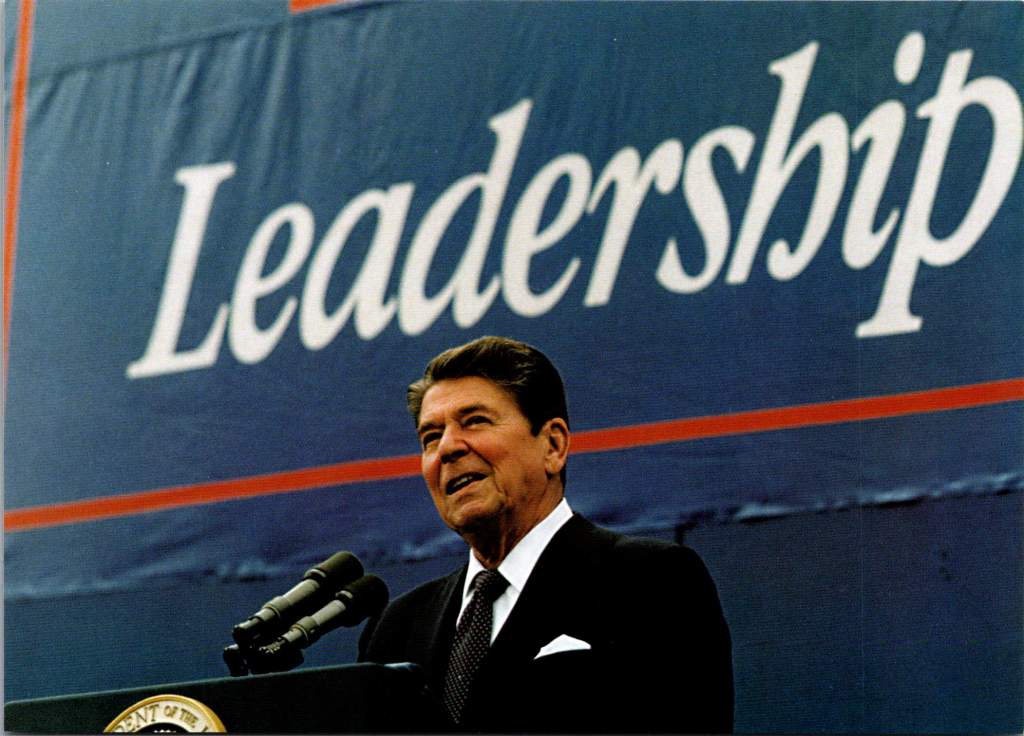
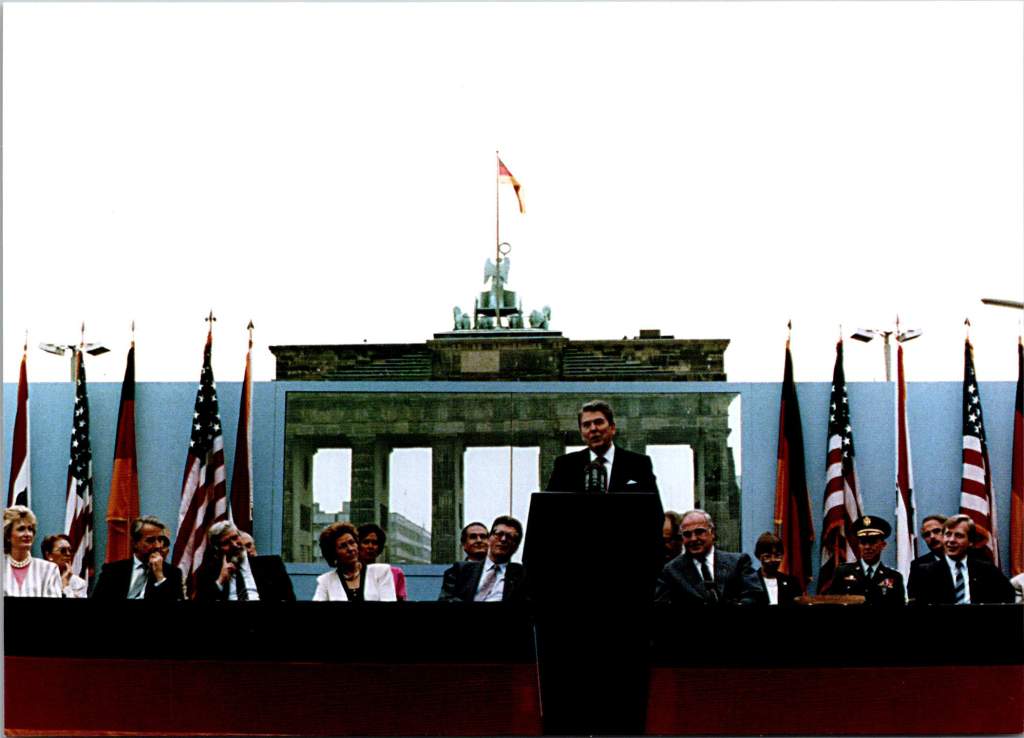
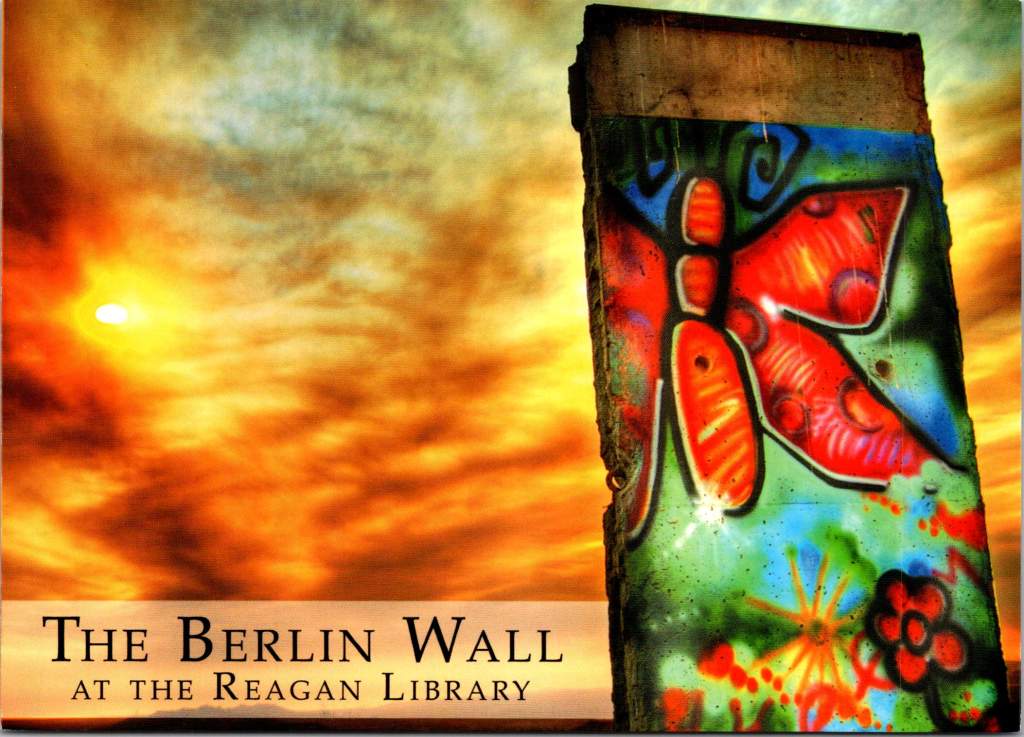
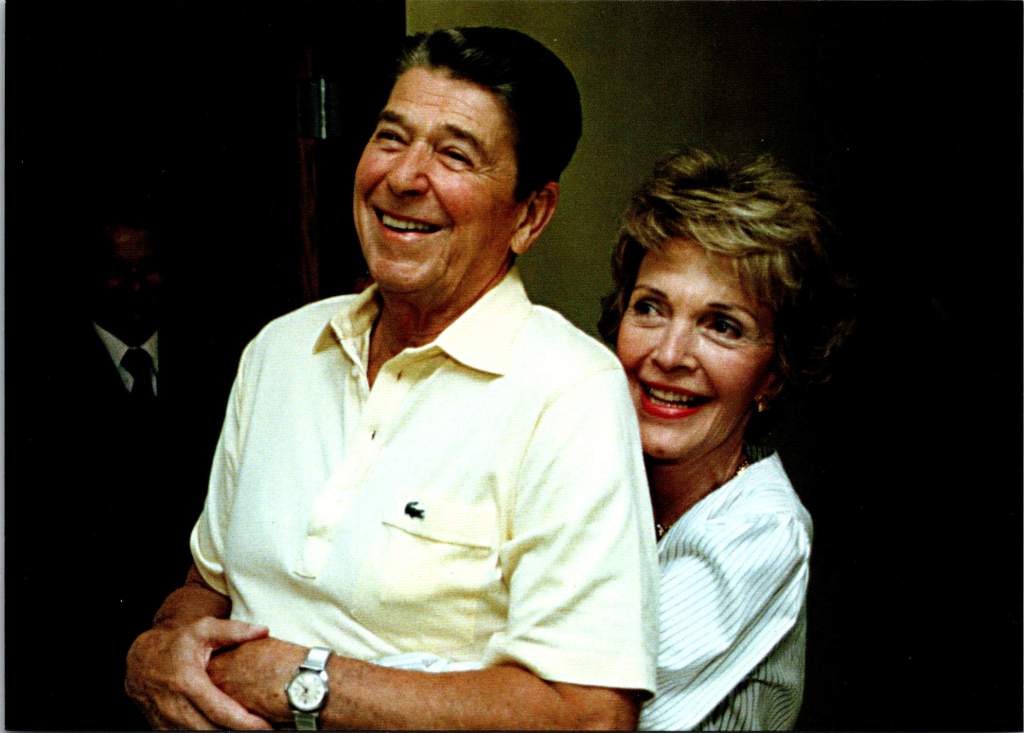
The Reagan Library’s postcard collections reflect his clear moral dualist worldview. The famous Brandenburg Gate series shows Reagan from multiple angles as he challenges Gorbachev to “tear down this wall.” These images emphasize his belief in clear moral absolutes – freedom versus tyranny, good versus evil.

Reagan’s unique gift for communication amplified the impact of these postcards. His ability to speak in accessible language while conveying profound ideas meant that the images resonated deeply with the public. When he spoke of America as a “shining city on a hill” or called the Soviet Union an “evil empire,” these phrases became powerful captions for postcard imagery, blending visual and verbal memory in the public mind.

George H. W. Bush – Institutional Security

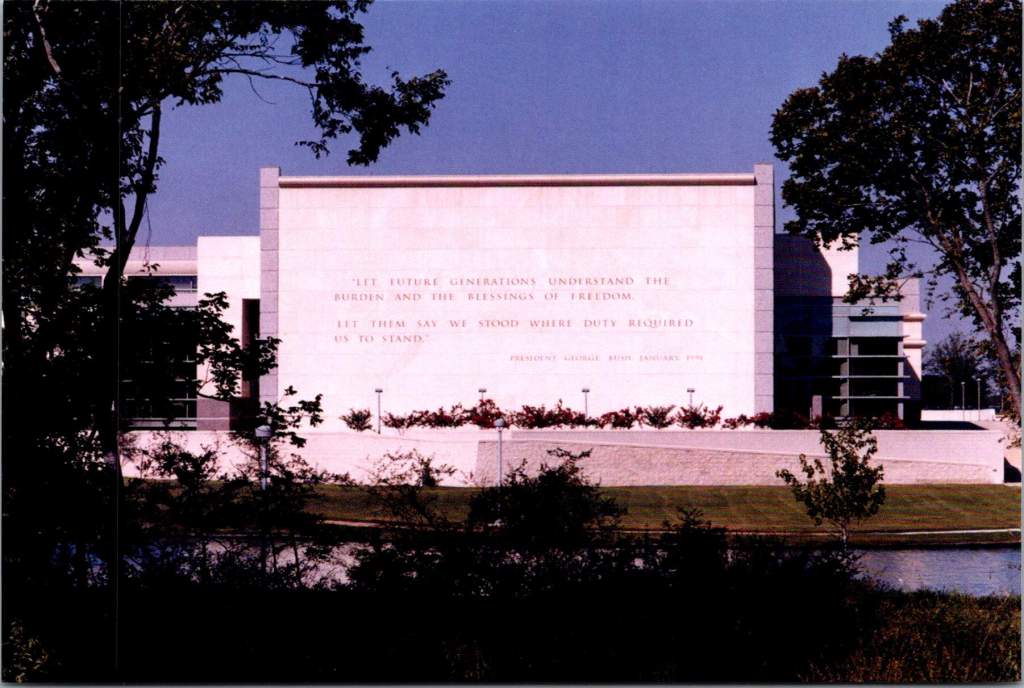
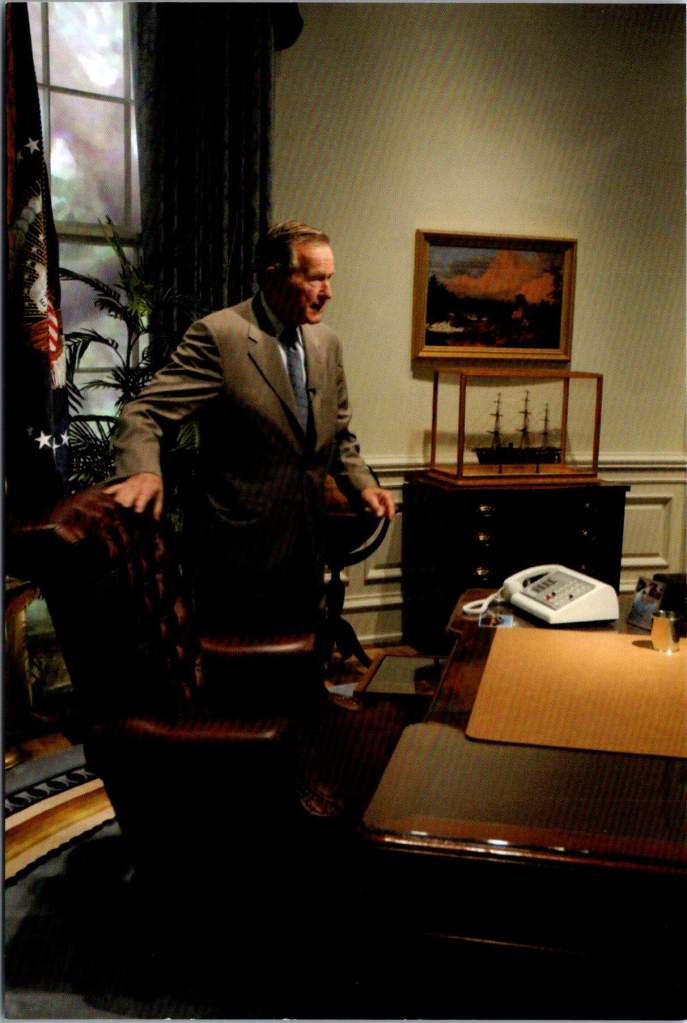
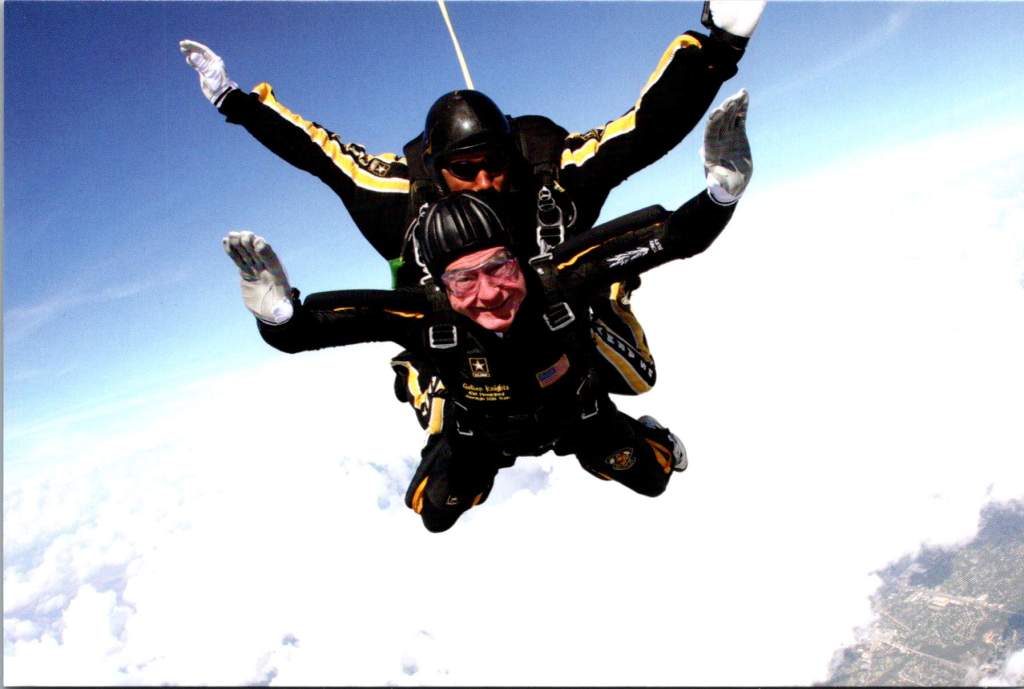
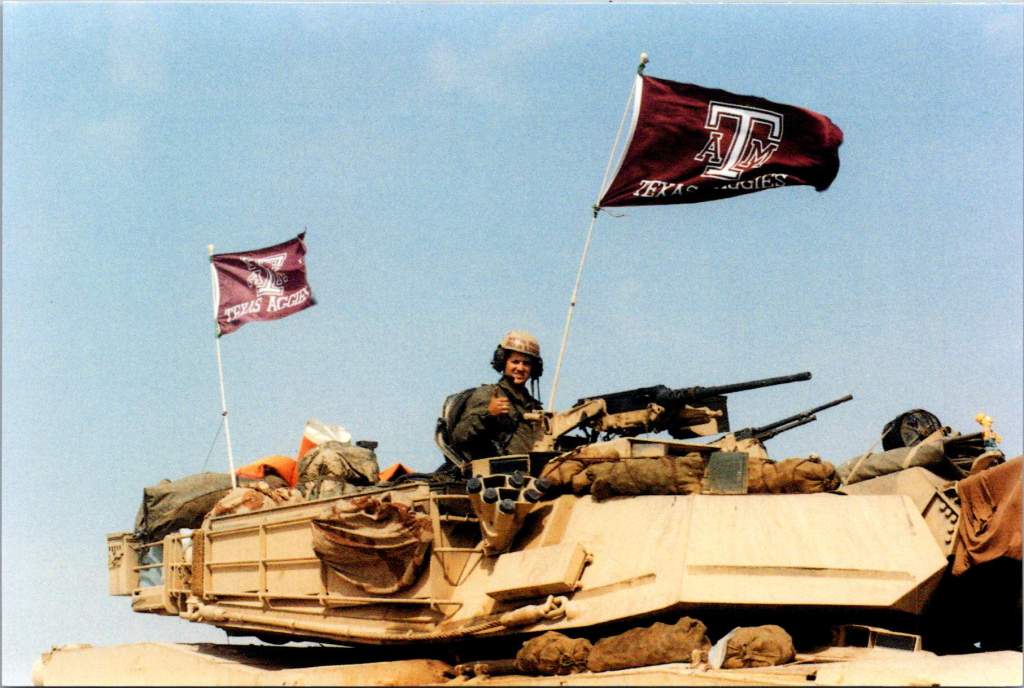
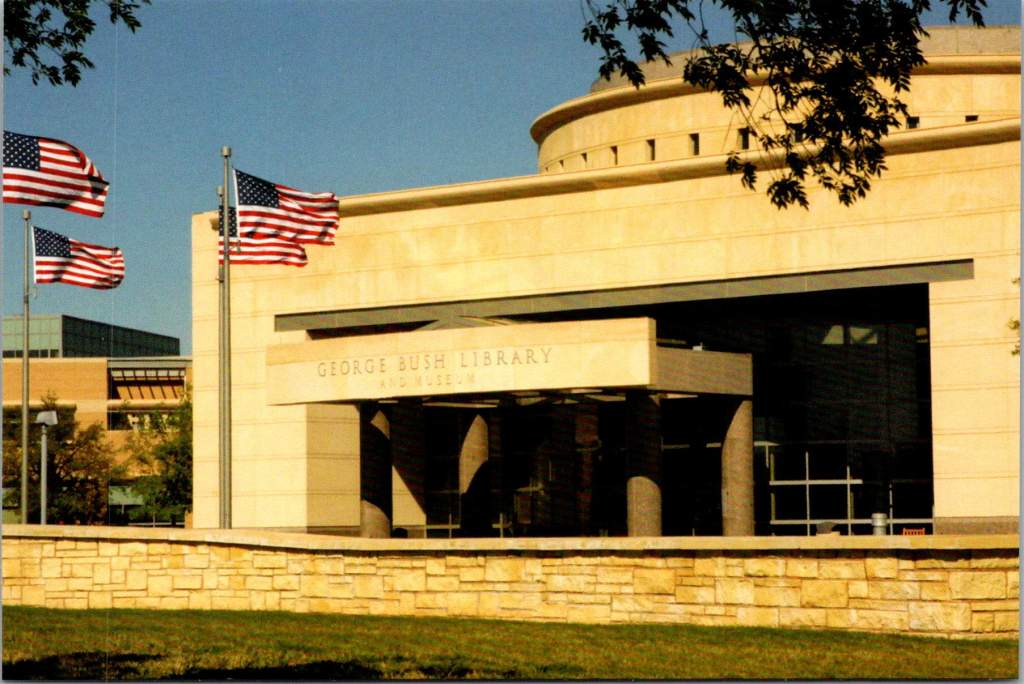
The George H.W. Bush Library’s postcards emphasize his diplomatic achievements, particularly during the Gulf War. These images often show Bush in military context and related to large institutions. The contrast with Reagan’s more populist imagery is striking – where Reagan is clearly a personality, Bush’s postcards frequently make the man matter less than the magnitude of his role.

Clinton’s Casual Comport

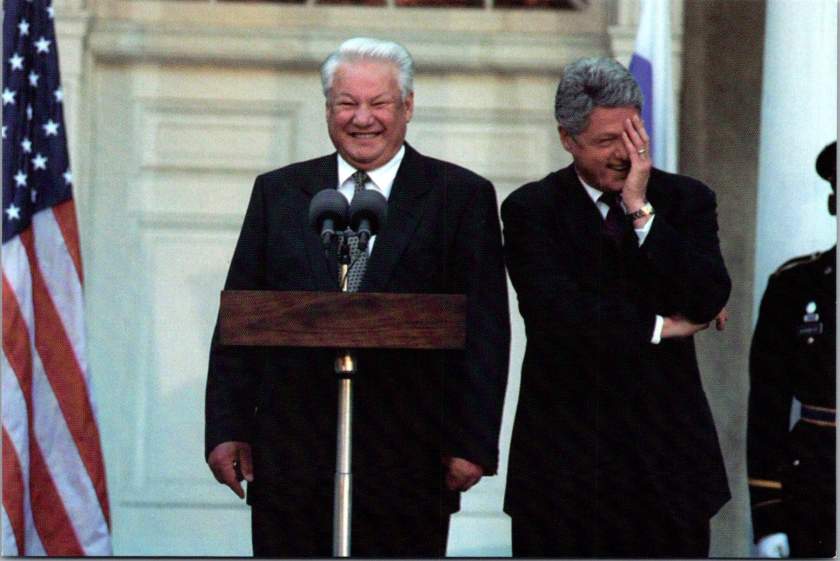
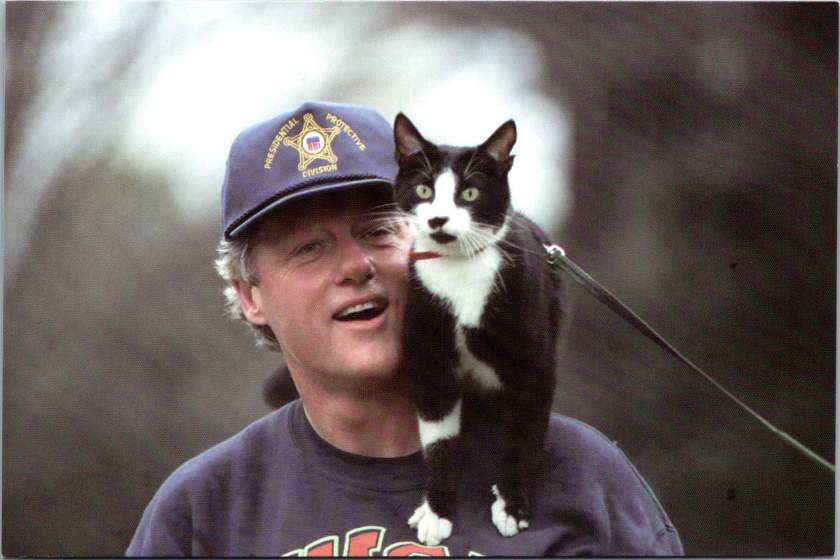
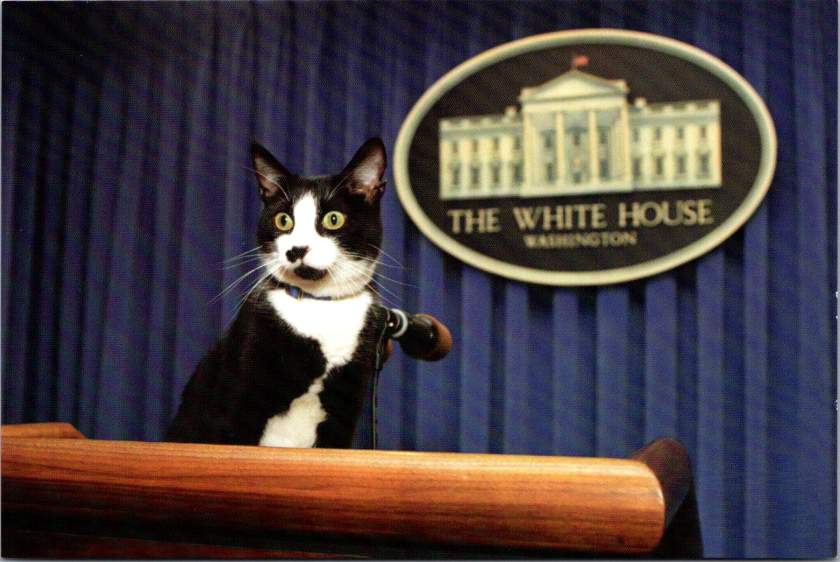
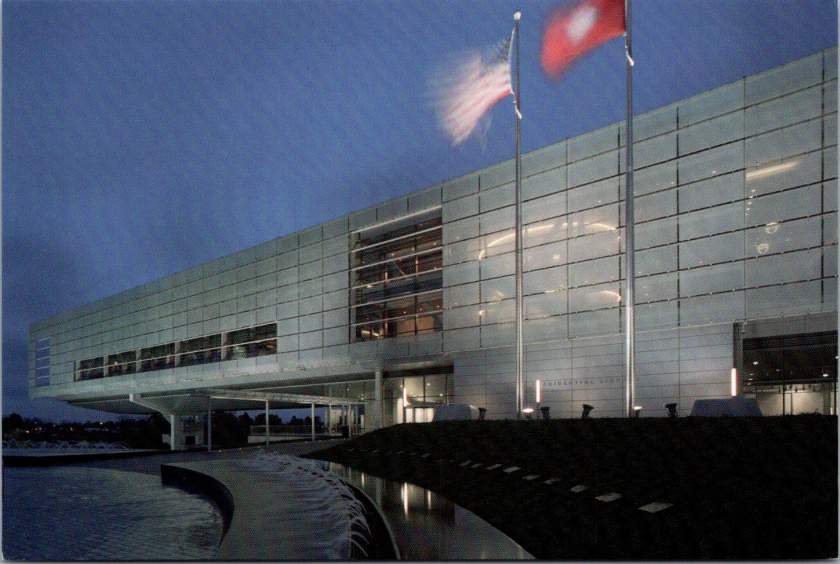
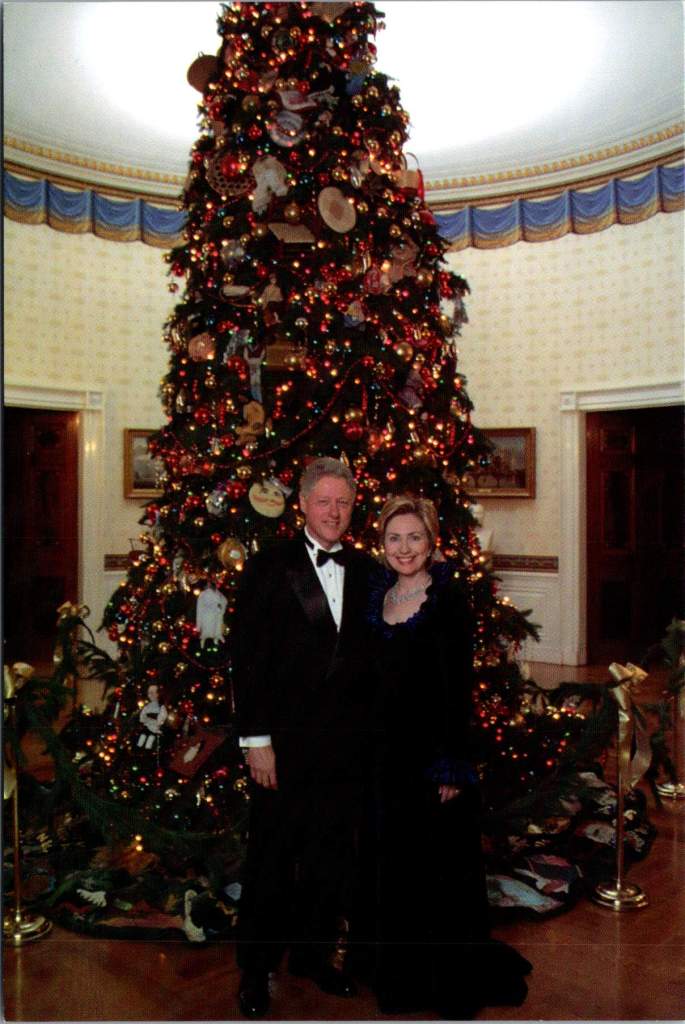
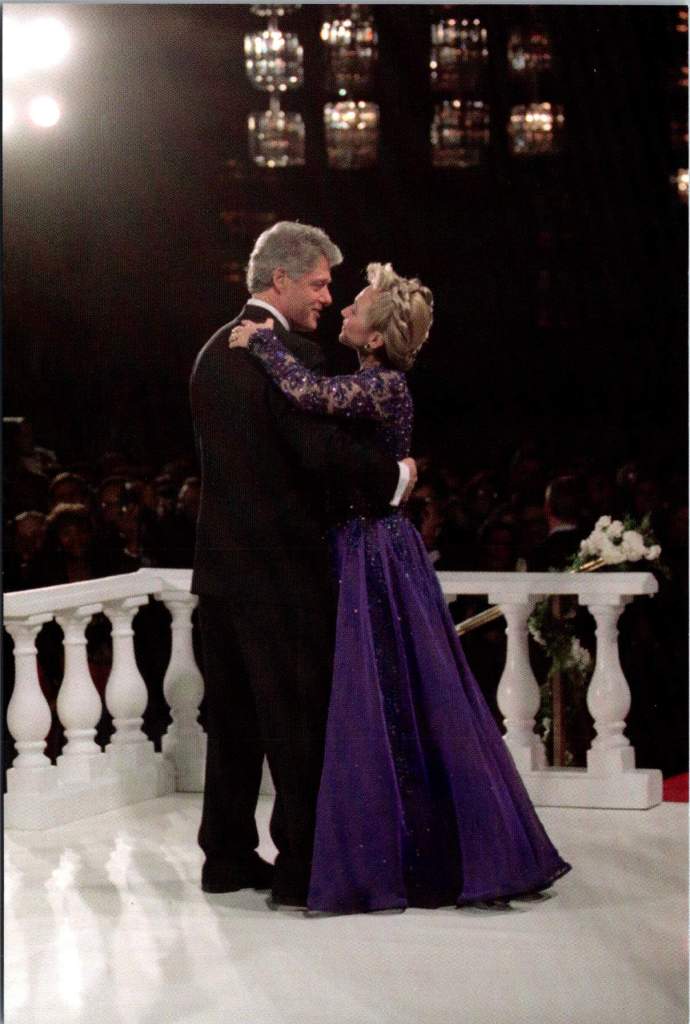
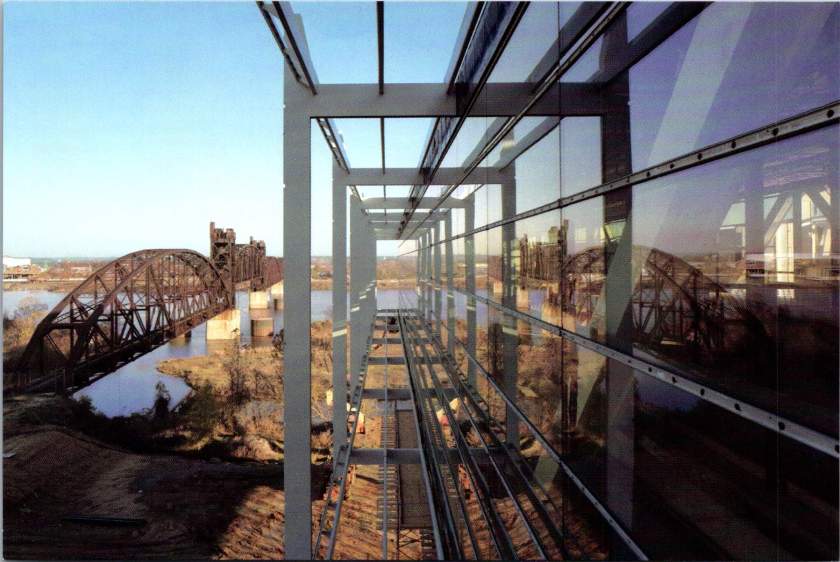
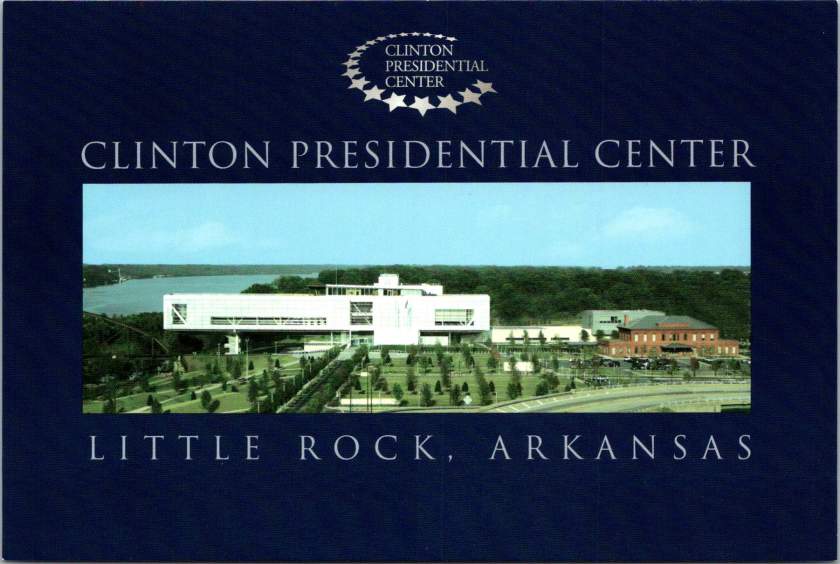
The Clinton Library’s postcard collection breaks new ground in presidential imagery, showing Clinton with his daughter Chelsea, playing with Socks the cat, and capturing his forward-looking optimism in the post-Soviet era. These images demonstrate Clinton’s ability to relate to his constituents in casual terms, mirroring what Reagan had done with conservative principles.

The Persistence of Perspective

What emerges from this look at presidential postcards is the remarkable consistency with which each President projects his image in keeping with his worldview. Whether facing economic crisis, cold war, or civil war, these presidents tended to approach problems through a lens shaped by life circumstances as much as political philosophy. Lincoln’s moral realism helped him navigate both slavery and secession. FDR’s pragmatic experimentalism served him in depression and disability. Reagan’s moral dualism shaped his approach to both domestic policy and Soviet relations.

Yet the postcards reveal the human dimension of leadership, too. Through these small, shared images, Americans see their leaders as both exceptional and relatable. The very format of postcards – democratic, portable, personal – helps bridge the gap between presidential perspective and public understanding.

Presidential Perspective and Democratic Memory

Understanding presidential perspective remains crucial today. How leaders view reality shapes how they define problems, evaluate solutions, and make decisions. The enduring power of postcards lies in their ability to capture and communicate these perspectives in accessible ways.

Presidential postcards serve as more than souvenirs. They are vehicles of democratic memory, helping each generation understand not just what their leaders did, but who they were and how they thought. As we face contemporary challenges, these historical perspectives – preserved and transmitted through humble postcards – offer valuable insights into the relationship between worldview and leadership.

Look closer the next time you are in a museum shop or visitors center. In those mass-produced images lie clues to how our leaders view the world – and how they helped Americans see it too. Perspective is about how we view problems, and also how we view ourselves as a nation and a people.