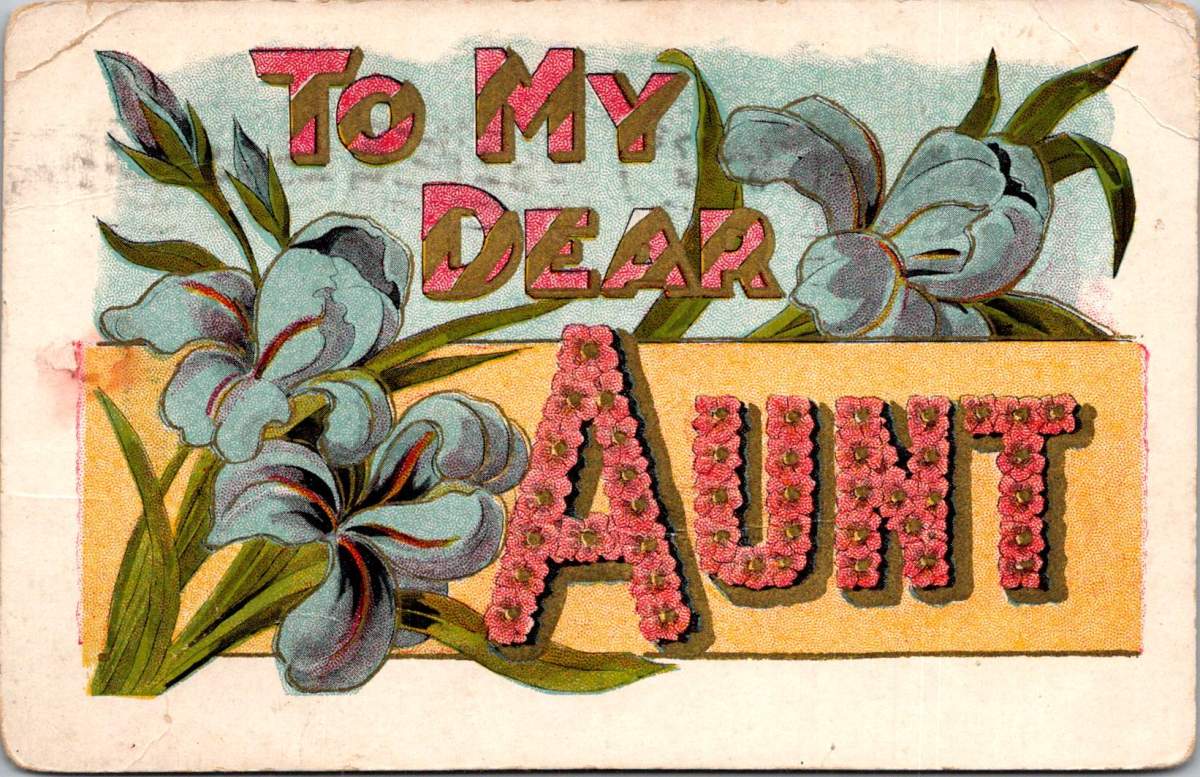
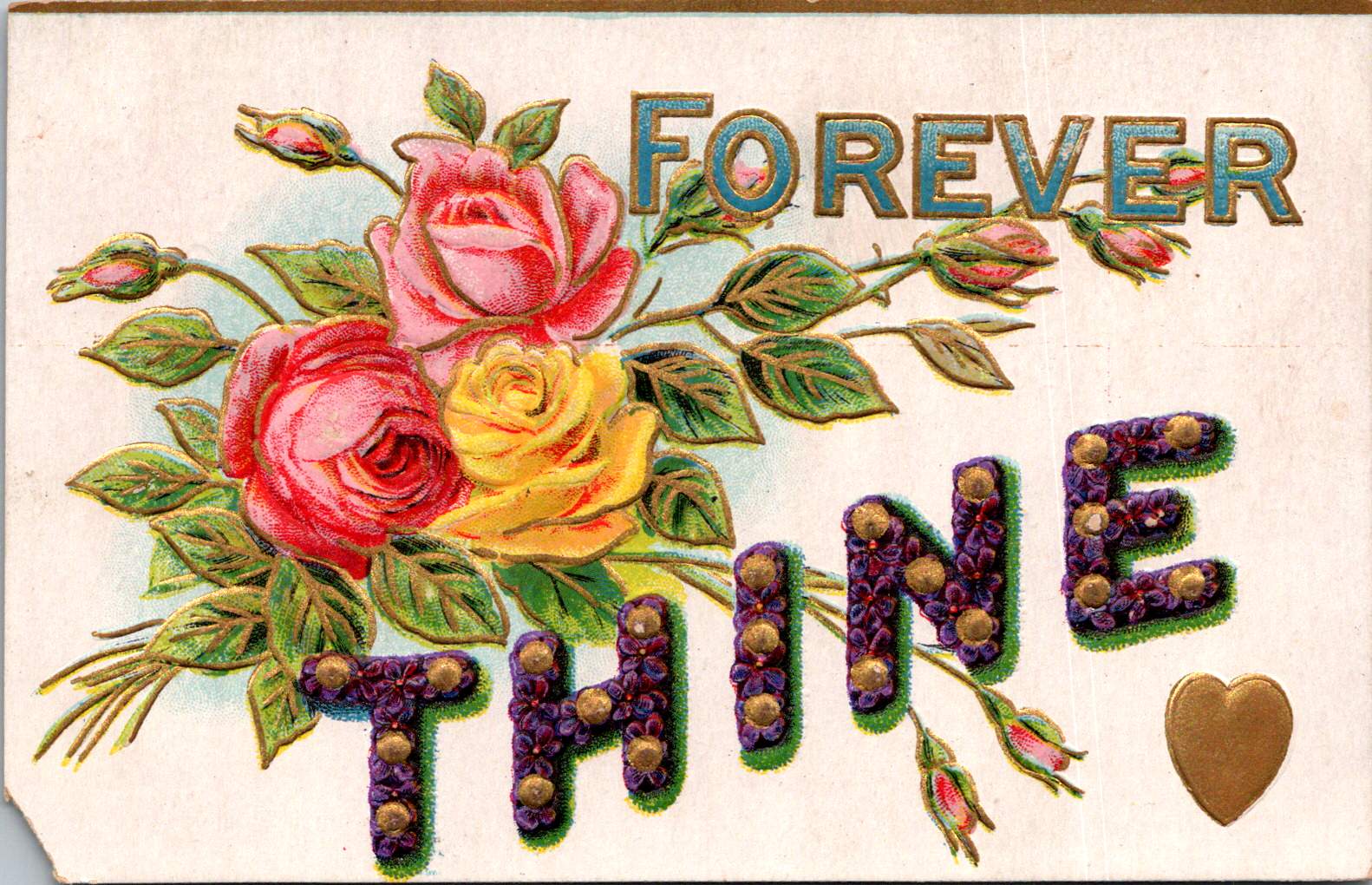
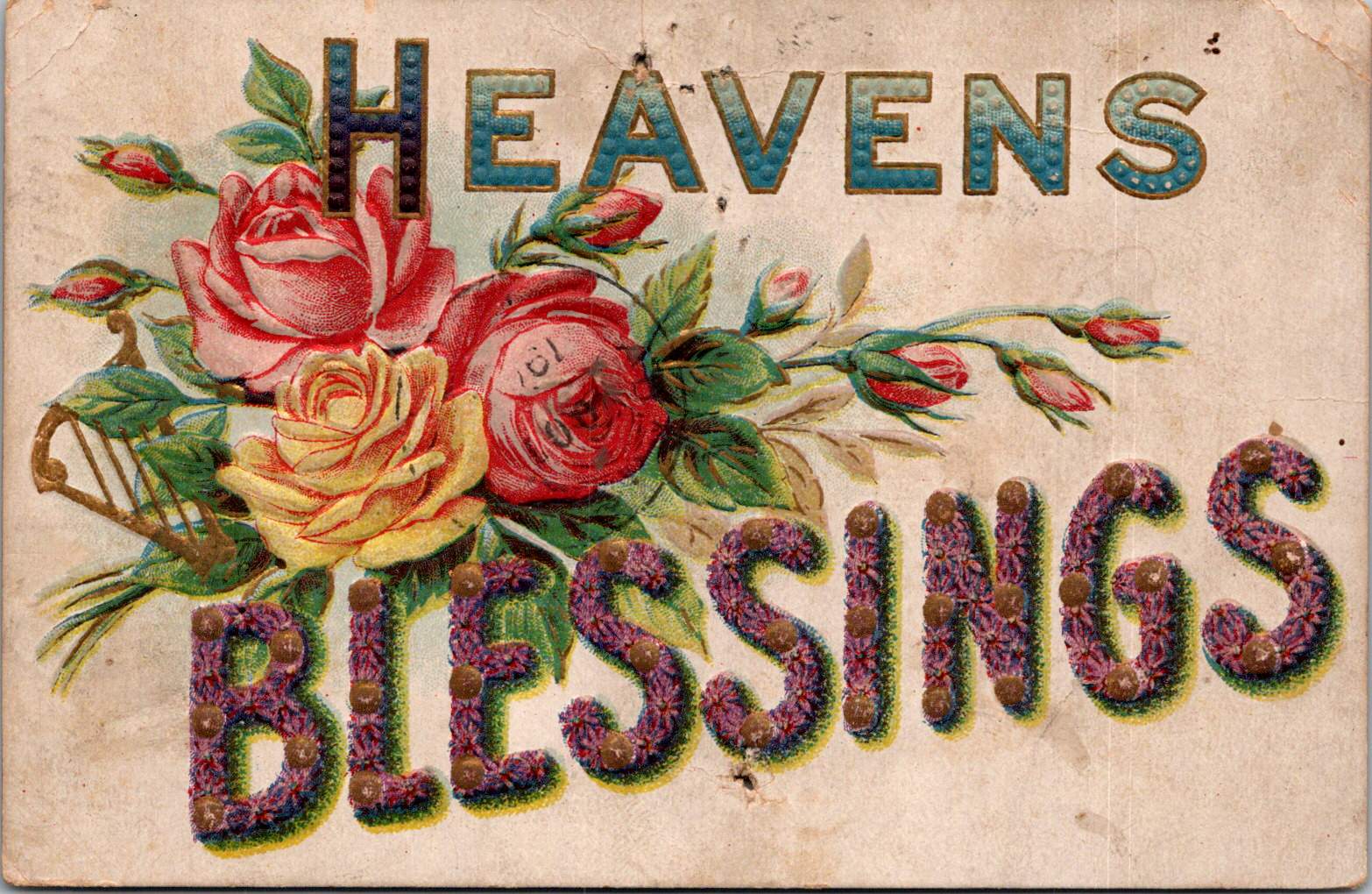
Let’s start with a set of floral letter postcards that captured my heart and imagination recently. For me, they’re time capsules from the Edwardian era, each one a miniature masterpiece of design and sentiment.
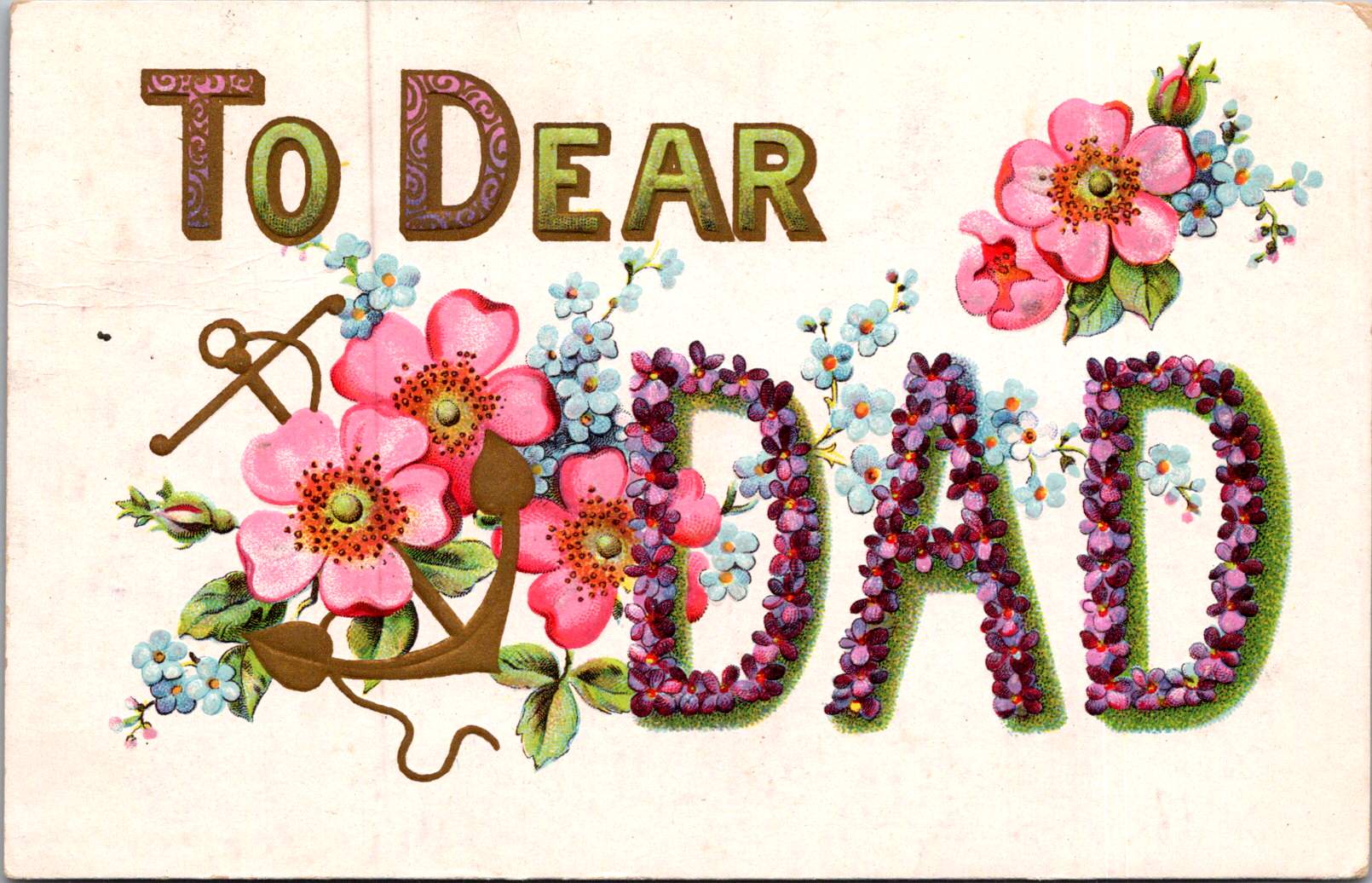

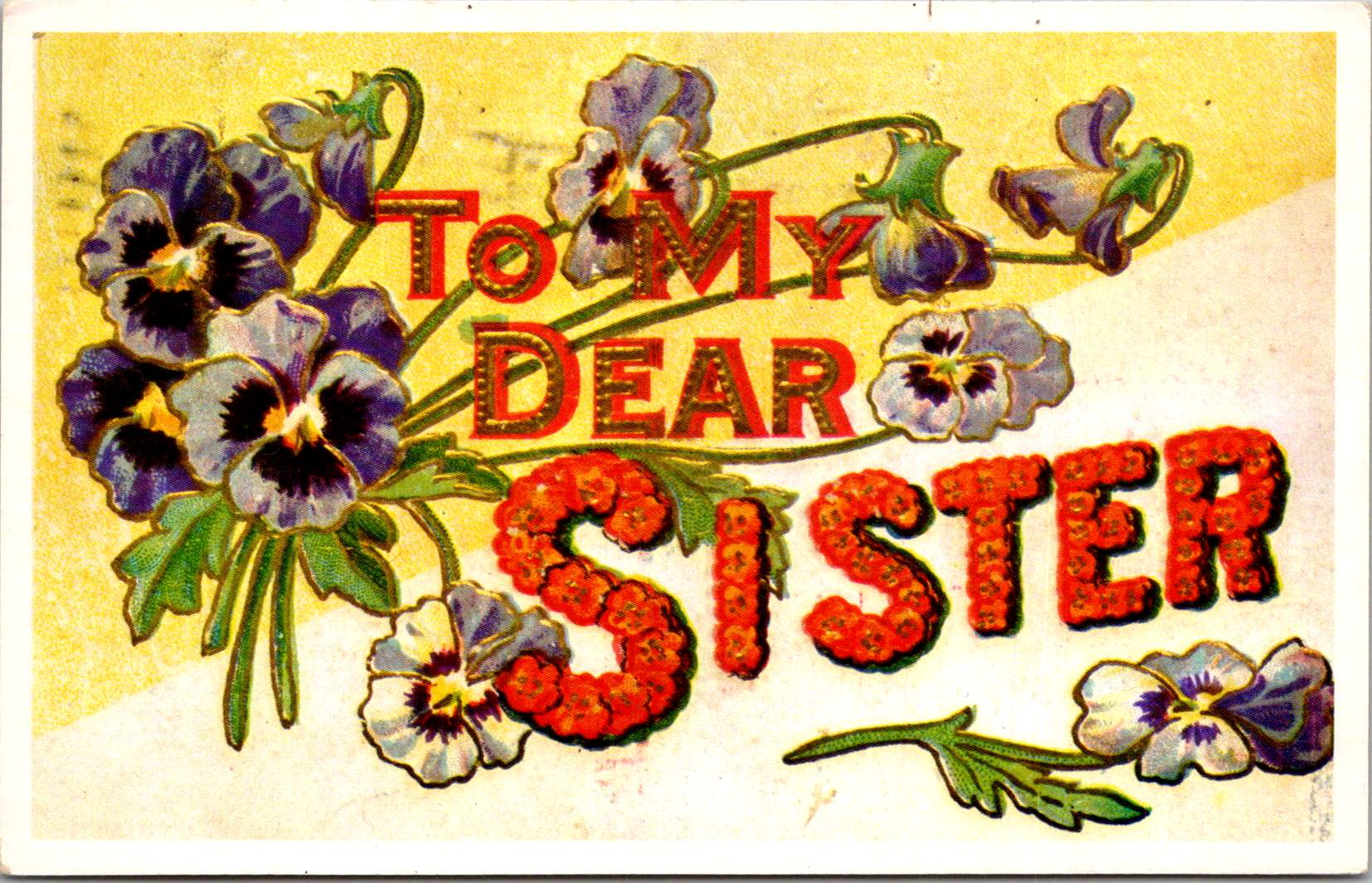

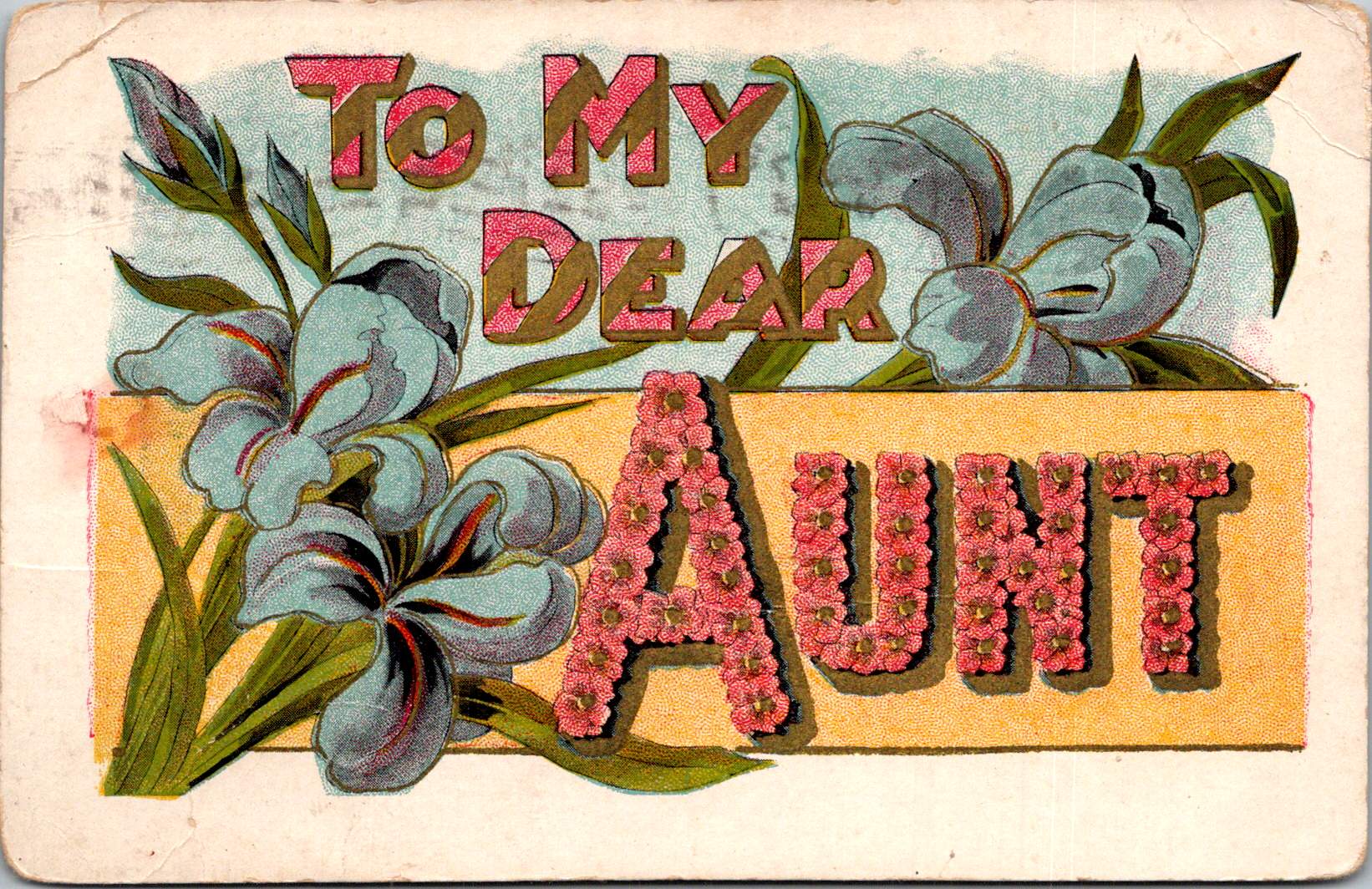
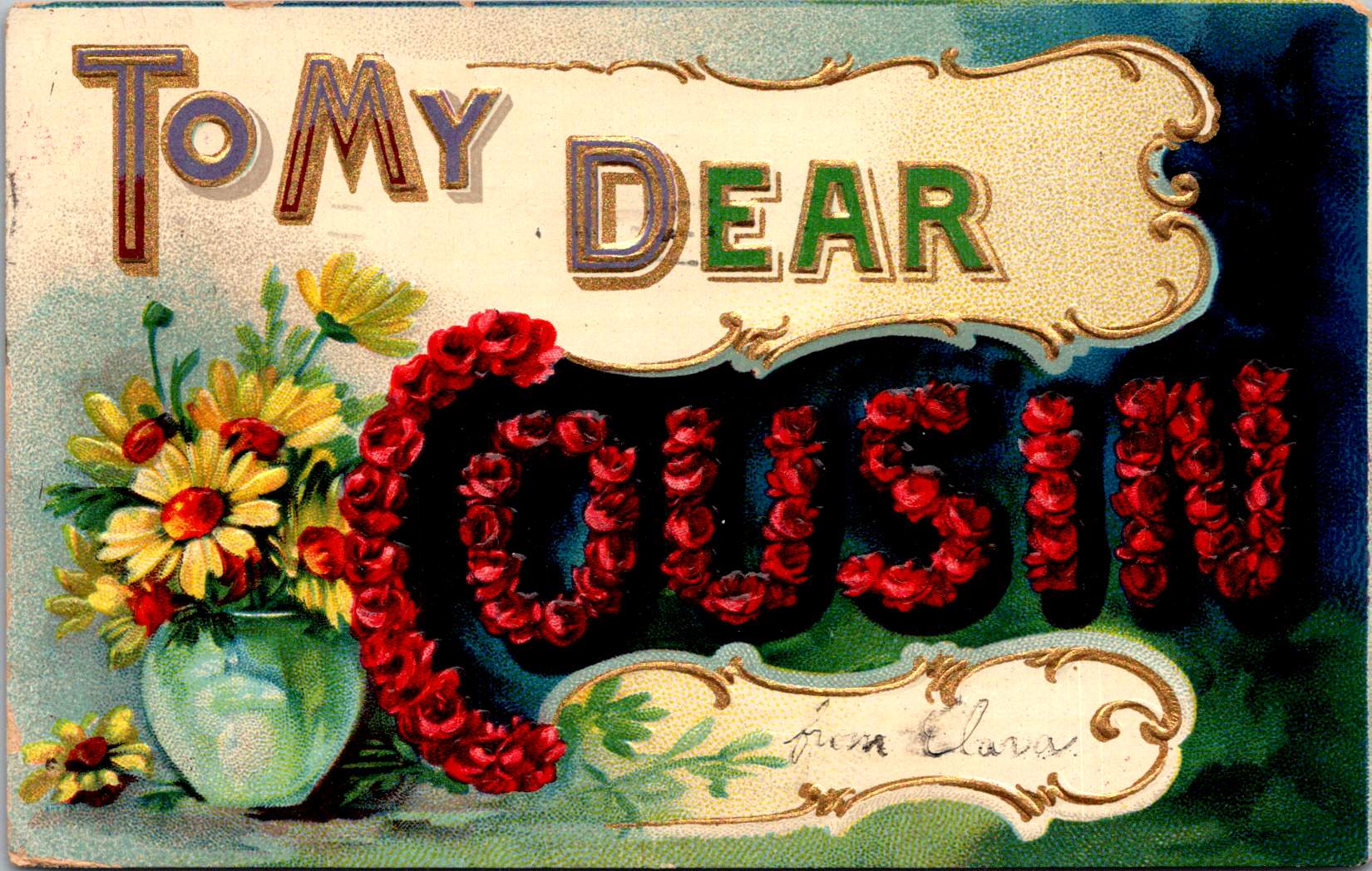
Delicate flowers intertwine with bold capital letters, spelling out affectionate greetings to mothers and fathers, aunts and cousins, and more. Blue irises dance around pink and gold lettering, while red roses form the word ‘cousin’ against a dramatic dark background. It’s Victorian drama meets Art Nouveau flair, all condensed into a 3.5 x 5.5 inch rectangle. The colors are vibrant, defying the century they have traveled to meet our modern eyes.
But why do these particular postcards make my collector’s heart skip a beat? It’s not just their undeniable aesthetic appeal, though that’s certainly part of it. They’re windows into history, offering glimpses of a time when sending a beautifully designed card was a primary way of keeping in touch with loved ones. Each handwritten message on the back (like the one postmarked July 10, 1909) is a tiny slice of someone’s life, preserved for over a century.

Thrill of the Hunt and the Joy of Design
There’s also the thrill of the hunt. Finding a matching set among thousands of vintage postcards is like piecing together a particularly beautiful puzzle. Each new discovery brings an aha and a sense of completion. It’s a patience game, sure, but the payoff is worth it.
These postcards, with their intricate details and bold typography, have stood the test of time. They’re just as appealing now as they were when they were first printed. Collecting them isn’t just owning pretty objects – it’s a chance to examine, hold, preserve and share a piece of design history, a snapshot of the aesthetic sensibilities of a bygone era.
Collecting is deeply personal. While I pour over century-old postcards, my neighbor friend is curating an ever-expanding collection of adorable bird figurines. He’s particular about it too – they have to be a specific kind, from a specific place, at a specific price point. He watches the bird market, adds to his collection strategically. To a non-birder, it might seem quirky. But watch him arrange his birds, carefully considering where each one fits, and you’ll understand something profound about him: he’s a person who experiences quiet joys.
First and foremost, collecting is about falling in love with something uniquely suited to you. It’s about creating space in your life – physical and emotional – for the things that bring you joy. It’s about curating, admiring, and sharing a part of yourself through the objects you choose to surround yourself with. My friend curates his bird collection, brings them out by the seasons, delightful arrangements that invite family and friends to enjoy, too.

All the People, All the Collections
This philosophy extends far beyond postcards and bird figurines. Think about the philatelists out there, losing themselves in the minute details of postage stamps. Each tiny square is a work of art, a nugget of history, a passport to another time and place.
Or consider the sports enthusiasts, their shelves lined with signed jerseys and game-used equipment. For them, these aren’t just objects – they’re tangible connections to moments of athletic glory, to the heroes they admire.
History buffs might seek out Civil War relics or Space Age memorabilia, each artifact a physical link to events that shaped our world. And in our digital age, even contemporary collectibles are thriving. From limited edition vinyl figures to exclusive sneaker releases, people are finding new ways to express their passions through the objects they collect.
What unites all these diverse collecting interests? The deep connection to a particular passion or area of interest that only you can know. Whether it’s a century-old postcard or a just-released collectible figurine, these objects become repositories of personal meaning and cultural significance for their collectors.
Hobbies and Pastimes
Collecting, in its various forms, is just one of many popular ways Americans choose to spend their leisure time. Zoom out for a moment and consider the broader landscape of hobbies and pastimes in the United States.
Reading continues to be a widely enjoyed pastime, with many people diving into both physical books and digital formats. It’s an accessible hobby that caters to diverse interests and can be done almost anywhere.
Gardening has seen a surge in popularity, especially in recent years, as people seek to connect with nature and perhaps grow a bit of their own food. Cooking and baking remain perennially popular, with the rise of cooking shows and online recipes making it easier than ever for people to explore new cuisines and techniques at home.
Exercise and fitness activities, including running, cycling, and yoga, are on the rise as people focus more on health and wellness. Crafting hobbies like knitting, crocheting, and DIY projects have seen renewed interest, offering a creative outlet and the satisfaction of making something by hand.
Photography has become more widespread with the improvement of smartphone cameras, allowing more people to capture and share moments from their daily lives. Not only do I collect floral postcards, I take pictures of beautiful flowers every chance I get!
Hiking and outdoor activities are popular, and of course, sports – both playing and watching – continue to be a major part of American culture and a popular pastime for many.

Passion Has Purpose
What drives us to spend our precious free time on these pursuits? The benefits are numerous and far-reaching.
On a personal level, hobbies provide stress relief and relaxation. They offer an escape from daily pressures and can be a form of meditation, helping to reduce stress and anxiety. Many hobbies involve learning new skills or improving existing ones, which can boost self-confidence and cognitive function. They provide a creativity outlet, stimulating imagination and innovative thinking.
There’s also the sense of achievement that comes from completing projects or reaching milestones in a hobby. This can provide a significant boost to self-esteem and overall life satisfaction. Regular engagement in enjoyable activities can help combat depression and improve overall mood. Having a hobby encourages better time management as we carve out time for our interests. And perhaps most importantly, hobbies can become an integral part of our identity, providing a sense of purpose and self-definition outside of work or family roles.
Many hobbies involve communities of like-minded individuals, providing opportunities for social connection and friendship. Engaging with others who share your interests can help develop language, communication and interpersonal skills. Some hobbies, especially those involving arts, crafts, or cuisines from different cultures, can broaden cultural awareness and appreciation.
These pursuits can sometimes lead to unexpected networking opportunities, potentially beneficial for personal or professional growth. Shared hobbies can strengthen family relationships by providing common interests and shared experiences. Many hobbies appeal to people of all ages, facilitating connections across generations. And hobby communities often provide emotional support, advice, and encouragement, fostering a sense of belonging.
Many hobbies, particularly those involving physical activity, contribute to better overall health and fitness. Engaging in hobbies, especially those that challenge the mind, can help maintain cognitive function as we age. Skills learned through hobbies can sometimes translate into valuable job skills or even new career opportunities. Some hobbies can evolve into side businesses or income streams. And perhaps most importantly, hobbies provide a counterbalance to work and other responsibilities, contributing to a more well-rounded life.
So, whether you’re arranging a set of vintage postcards, nurturing a garden, mastering a new recipe, or climbing a mountain, know that you’re doing more than just passing time. You’re engaging in a fundamental human activity, one that brings joy, fosters growth, builds connections, and adds richness to life.

Finding Quiet Joys
In the end, our collections and hobbies are extensions of ourselves. They reflect our interests, our aesthetics, our values, and our histories. They give us a way to tangibly interact with our passions, to create order and meaning in a chaotic world, and to surround ourselves with objects and experiences that bring us joy and inspiration.
So the next time someone raises an eyebrow at your carefully curated collection of Star Wars figurines, or questions why you spend hours perfecting your sourdough technique, remember this: in pursuing your passions, you’re not just collecting things or passing time. You’re crafting your narrative, preserving memories, expressing your unique identity, and experiencing the quiet (or not so quiet) joys that make life rich and meaningful.
 The Posted Past