The Past, in Particular

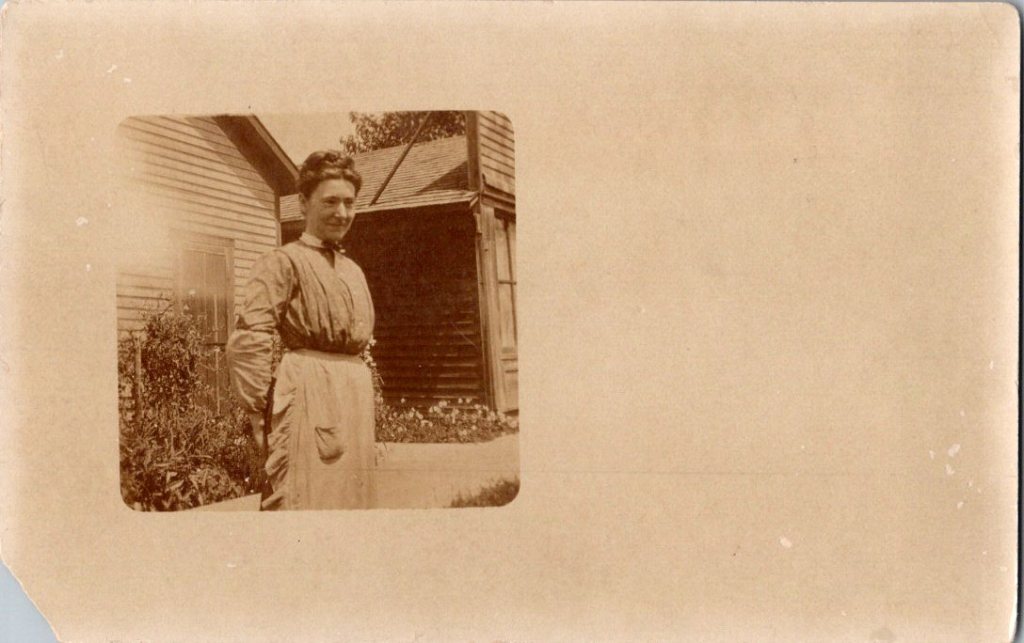
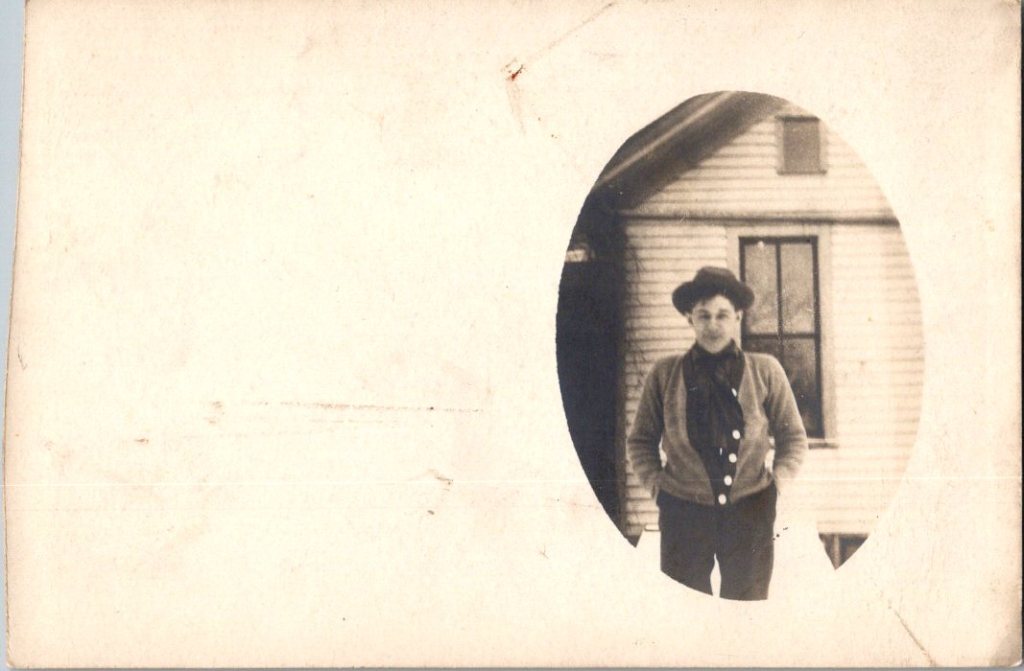
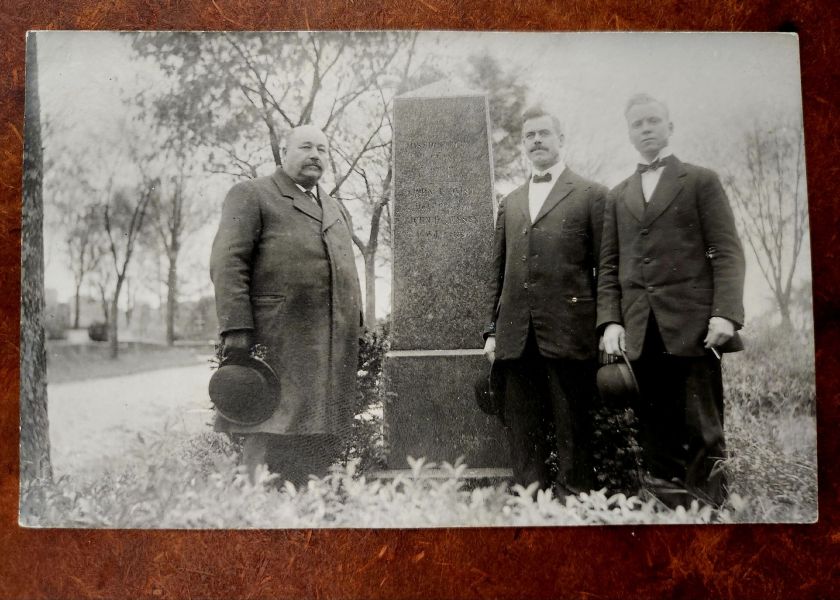
Over the past few weeks, a rare photo postcard album has revealed places, property, and people, along with our own ideas about what we see. We’ve gone from unmarked wilderness, to building structures and social life, to faces and a few names.

We look back at them, and they return the gaze. Their stories blend with our own memories and imagination. They begin to feel like someone’s ancestors, though the particulars remain elusive.

Rochester in Rearview

In 1877, photography required glass plates, wet chemicals, heavy equipment, and specialized knowledge. George Eastman, a frustrated bank clerk from a poor family in Rochester, taught himself the process in his mother’s kitchen.

A decade later, Eastman had invented a simple camera pre-loaded with film for 100 exposures. By 1903, the Eastman Kodak Company released the 3A Folding Pocket Camera with 3¼ × 5½ inch film—exactly postcard size and pre-printed on the reverse. Local photographers and home enthusiasts could contact-print the negative directly onto postcard paper. No enlarger needed, and simplified processing equipment and chemicals.

Rochester became an ecosystem. Bausch & Lomb made the lenses. Kodak manufactured the cameras, bought the film company, and controlled the processing. Customers shipped the entire camera unit back to the factory, and received prints and a pre-loaded camera in return. “You press the button, we do the rest.” Factory workers were the first to witness an era of American life, as images of farms, houses, banks, theatre, and towns and their inhabitants poured in.

A quiet man, Eastman watched this unfold from the center, as his invention changed history and rippled through culture. By 1920, millions of Americans owned cameras. Eastman left a simple note when he ended his own life at 77 and in degenerative pain, “To my friends: My work is done. Why wait? GE”.

What We See

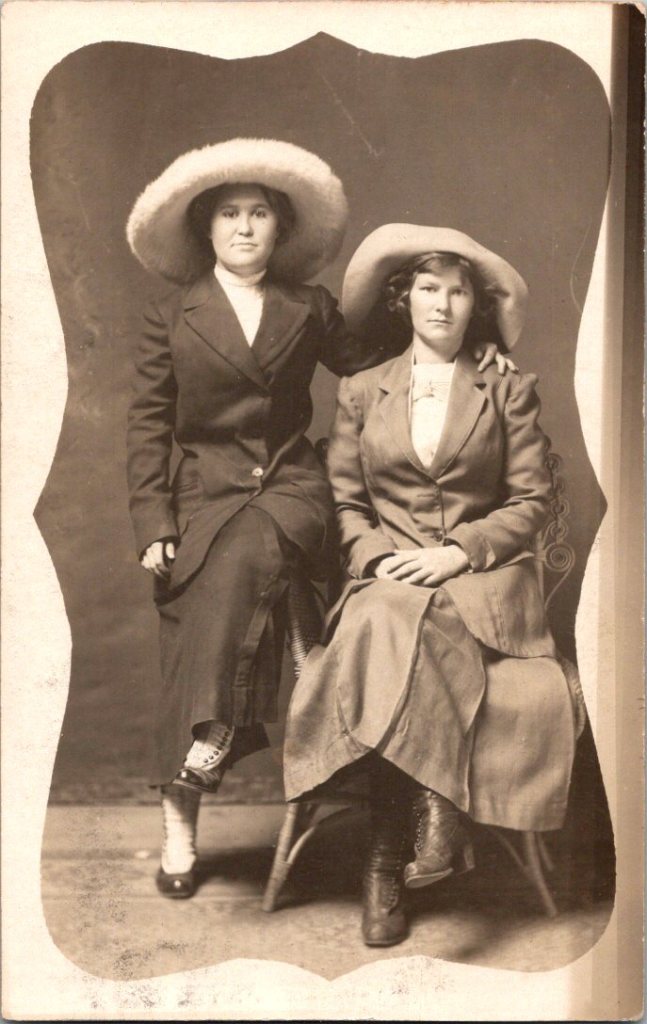
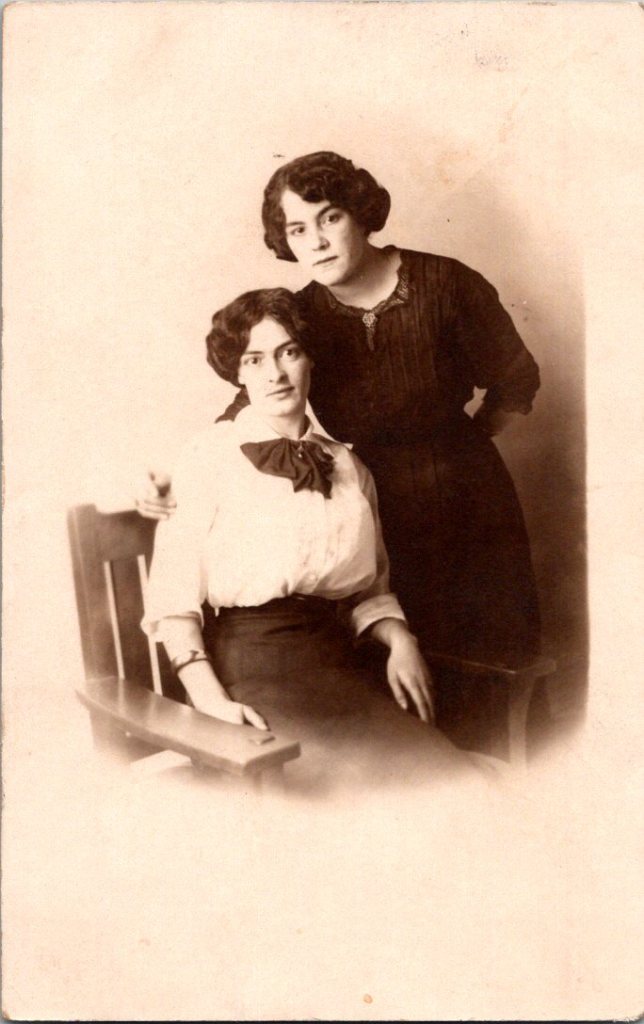
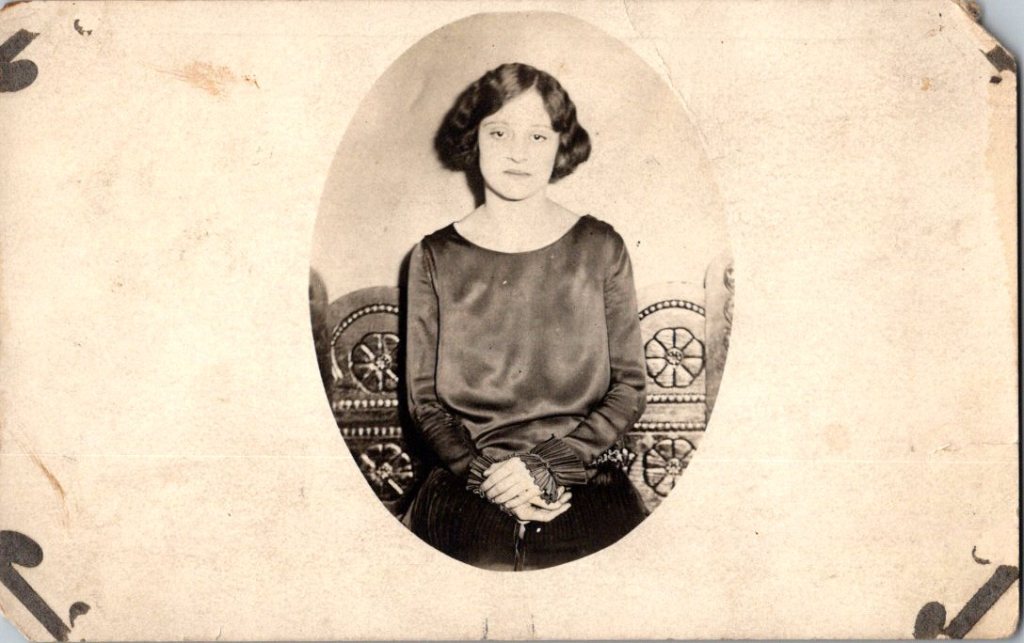
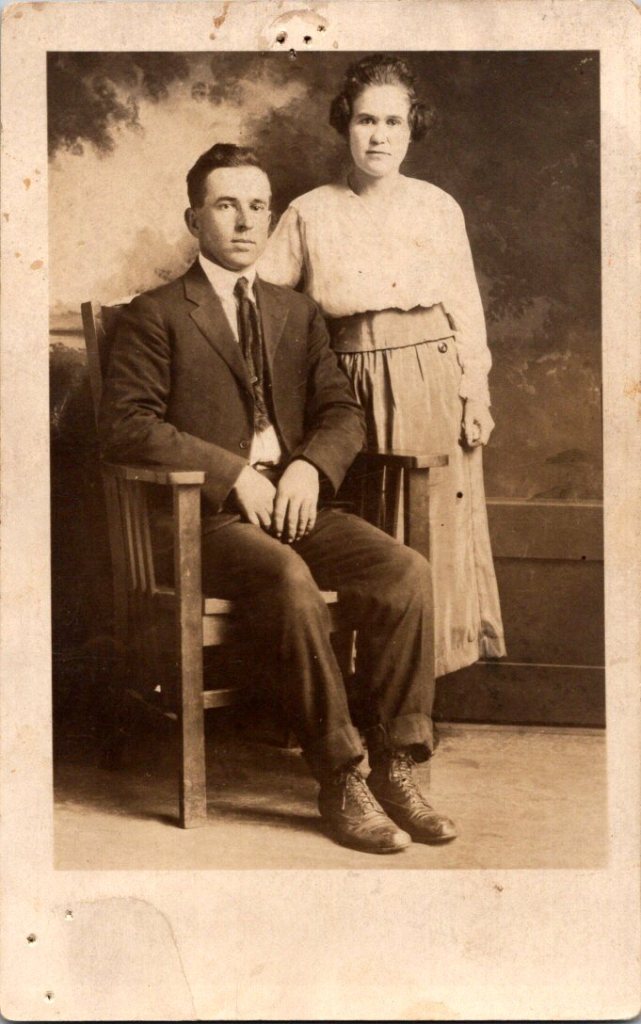
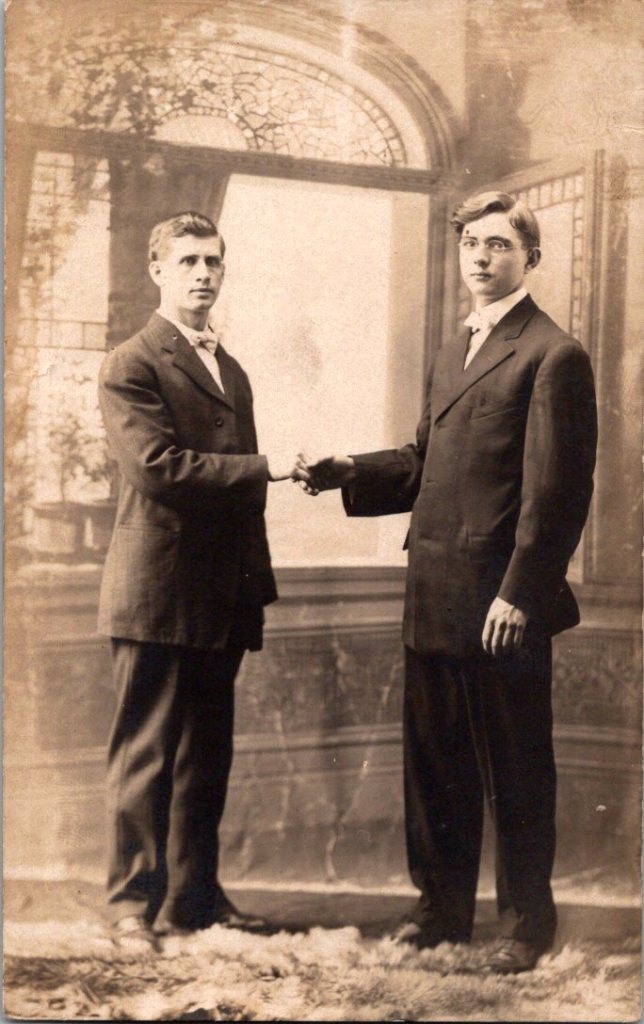
The studio portraits above show painted backdrops—ornamental arches, garden trellises. The lighting is controlled. Poses held steady. Technical quality consistent. These were made by professionals charging by the sitting.

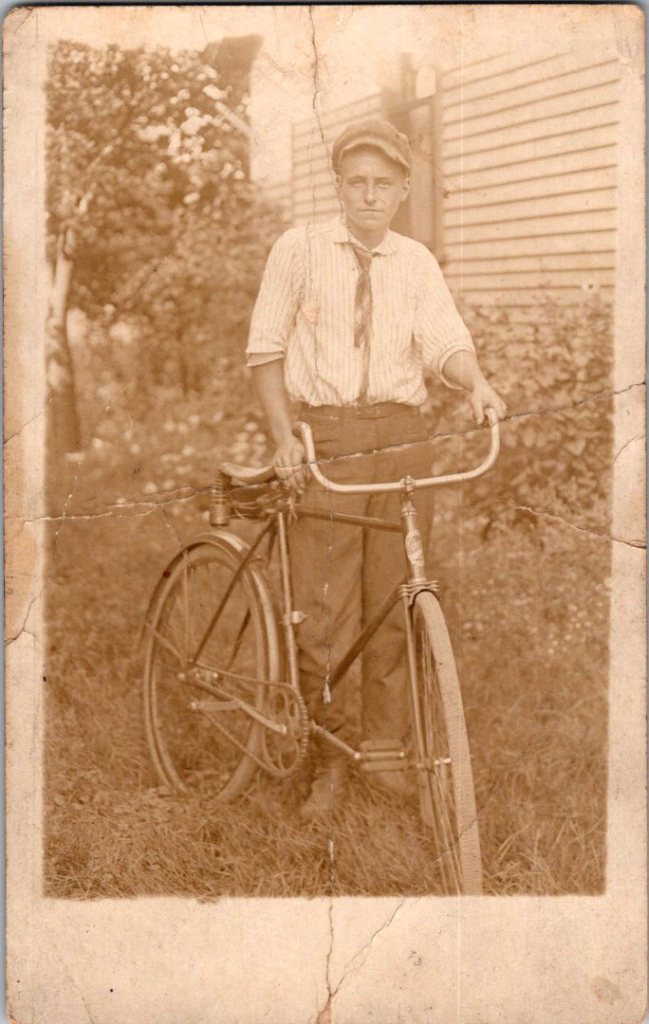
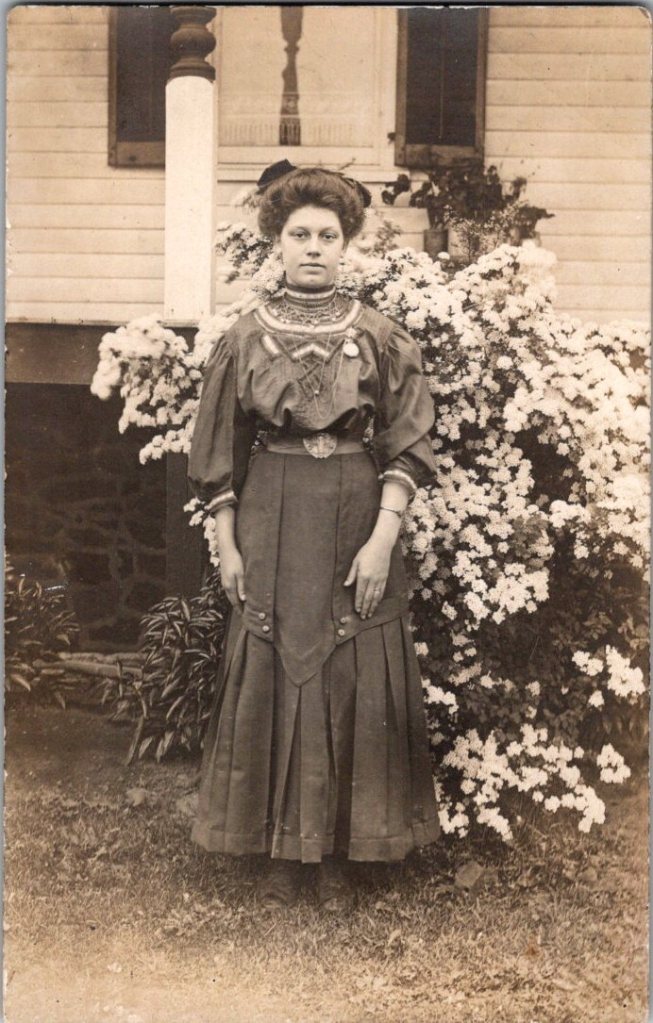
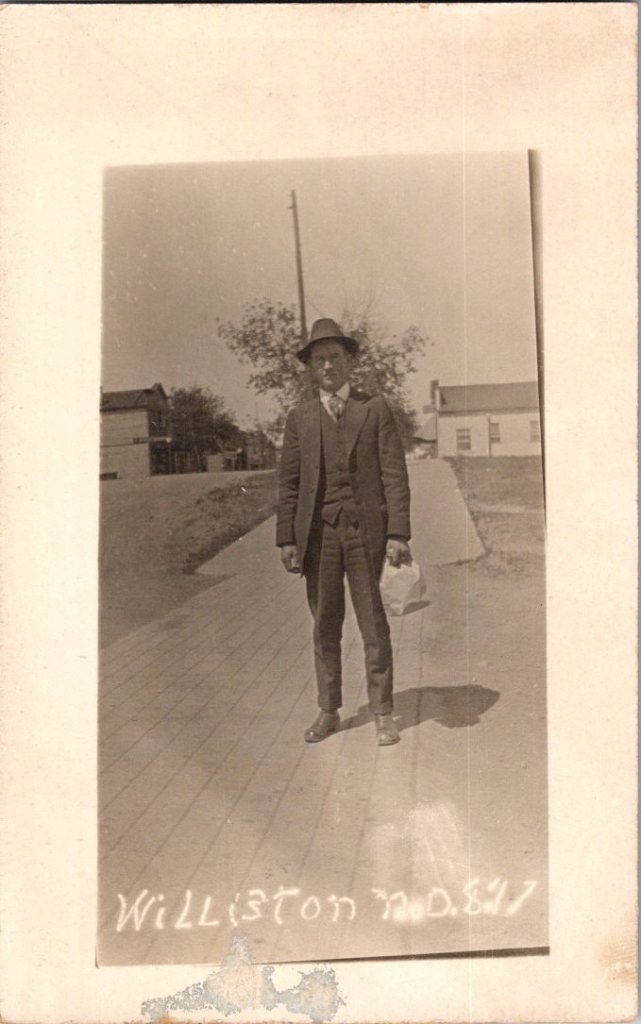
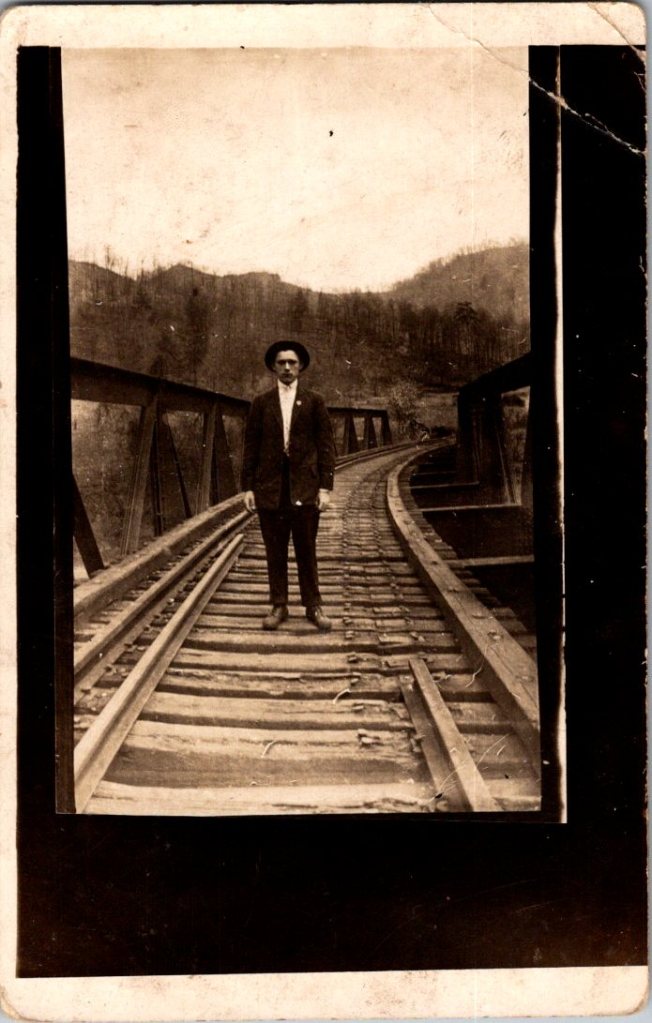
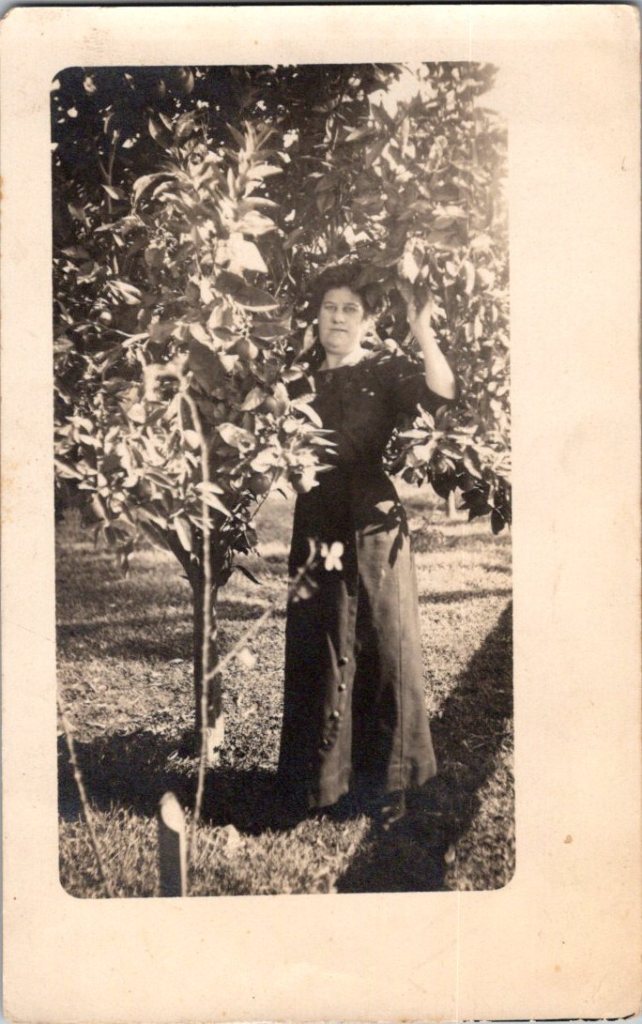
The outdoor snapshots show real places—porches, orchards, dirt roads. Natural lighting, sometimes harsh. Composition varies from confident to awkward. These came from camera owners of varying skill. The irregularities in frame and exposure suggest they were developed at home, too.
What We Don’t See

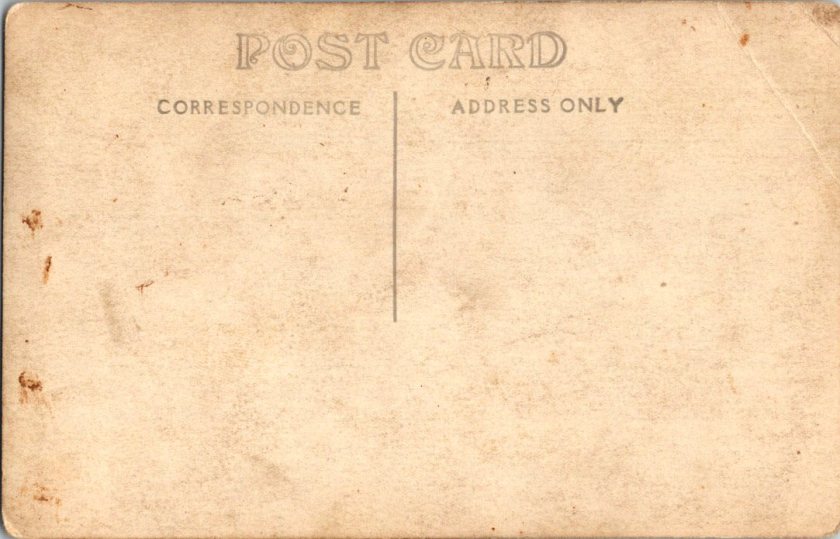
Despite the pre-printed paper and earnest intent, real photo postcards were rarely sent as such. A few have difficult script, cryptic addresses, faded cancellations, and worn stamps.

“Hello Fanni. Miss Fanni Moore, Panhuska, Okla.”

The remaining relics haven’t been labeled, addressed, or mailed. Most backs are blank, and they were often collected in photo albums. The manufacturing marks may have been quite incidental.

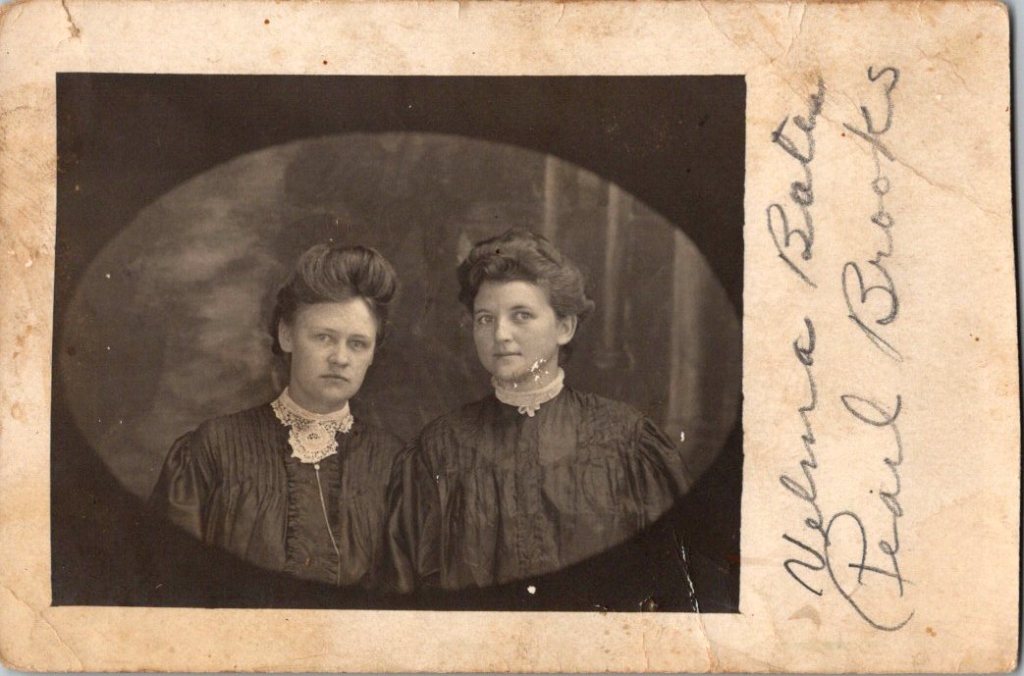
What’s missing from nearly all: names. Very few clues to subjects, locations, dates. The people who made these photographs knew who everyone was. They didn’t need labels. Or, perhaps they were accompanied by letters and mailed in envelopes for privacy and protection.

A century later, the faces remain potent but anonymous. We guess at relationships from physical similarity, from who stands near whom. Sometimes we’re right. Sometimes, we can’t believe our eyes.
Spaces in Between

The 3A Folding Pocket Kodak cost $20-30, equivalent to $600-900 today. An expensive hobby, but accessible to prosperous farmers, small business owners, middle-class families. Film cost about 50 cents per roll.

The investment meant something, whether it was the equipment or the studio session. People photographed what mattered—children, homes, gatherings. The images document their priorities, and their time passing.

Real People, Real Limits

These are real people who lived, worked, loved, died. Someone cared enough to preserve their images. They matter still, in part, because they mattered to someone before.

But our analysis stops here. We can describe what we see—the composition, the technical choices, the historical context. We can note patterns across the collection. We can explain how the technology worked and who had access.
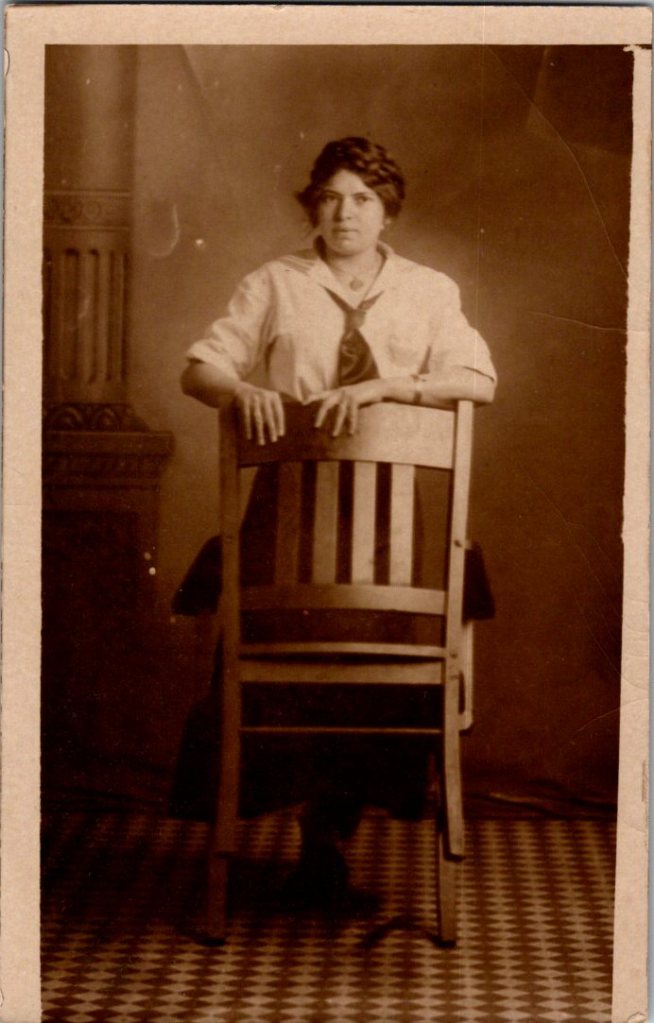
The work of naming and placing, in particular, belongs to families searching their own histories, connecting faces to stories passed down, matching photographs to genealogical records. Those searches have their own purposes, their own meanings.

We are collectors examining patterns, not descendants reclaiming ancestors. Though, it is tempting.

Our Love Affair with National Parks

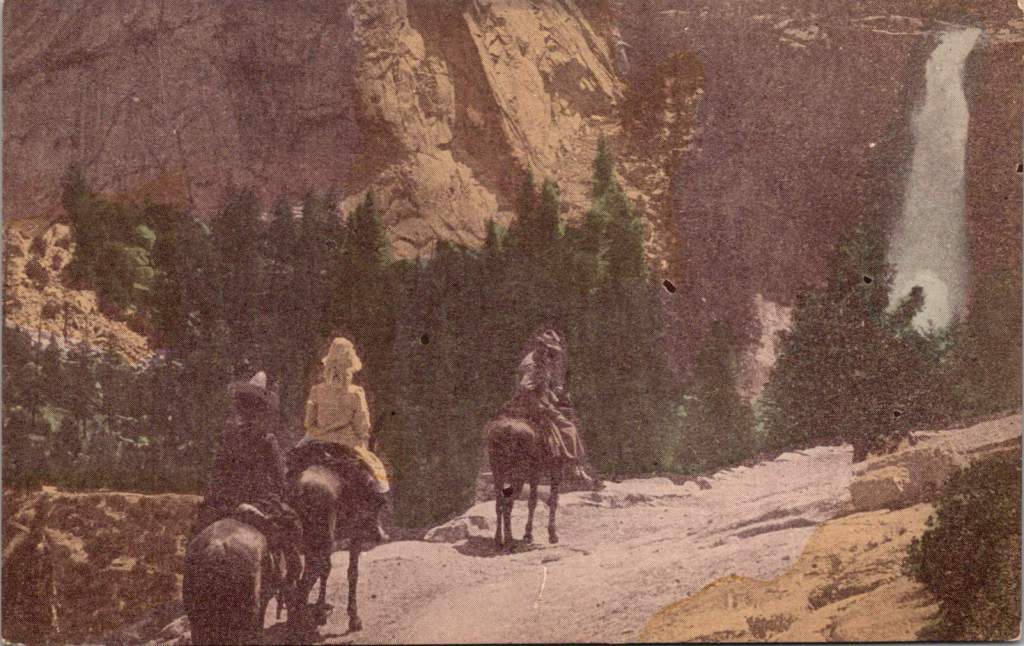
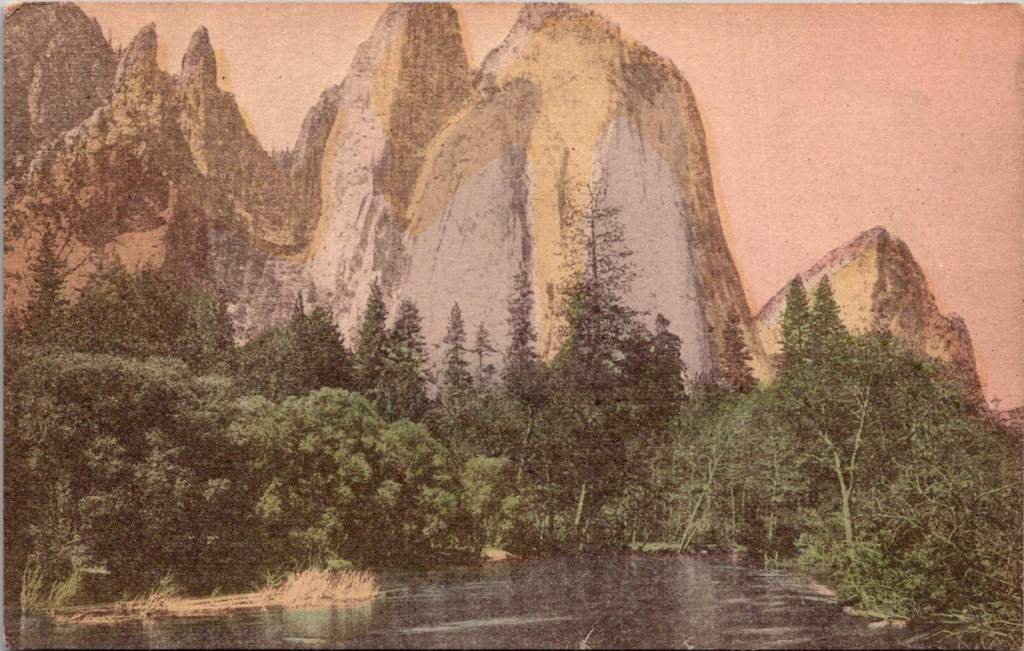
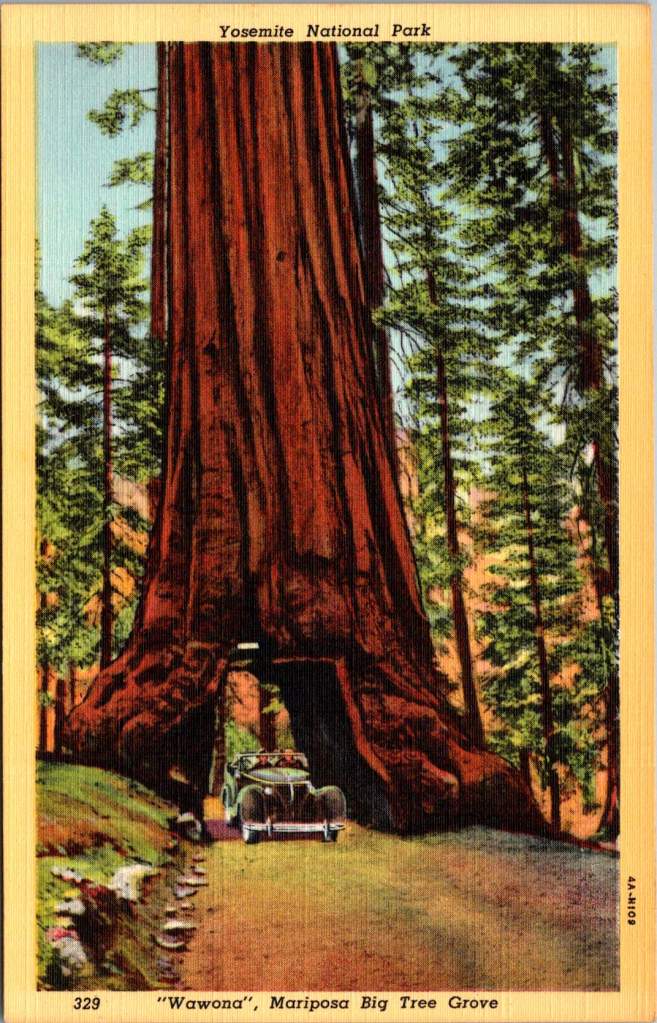
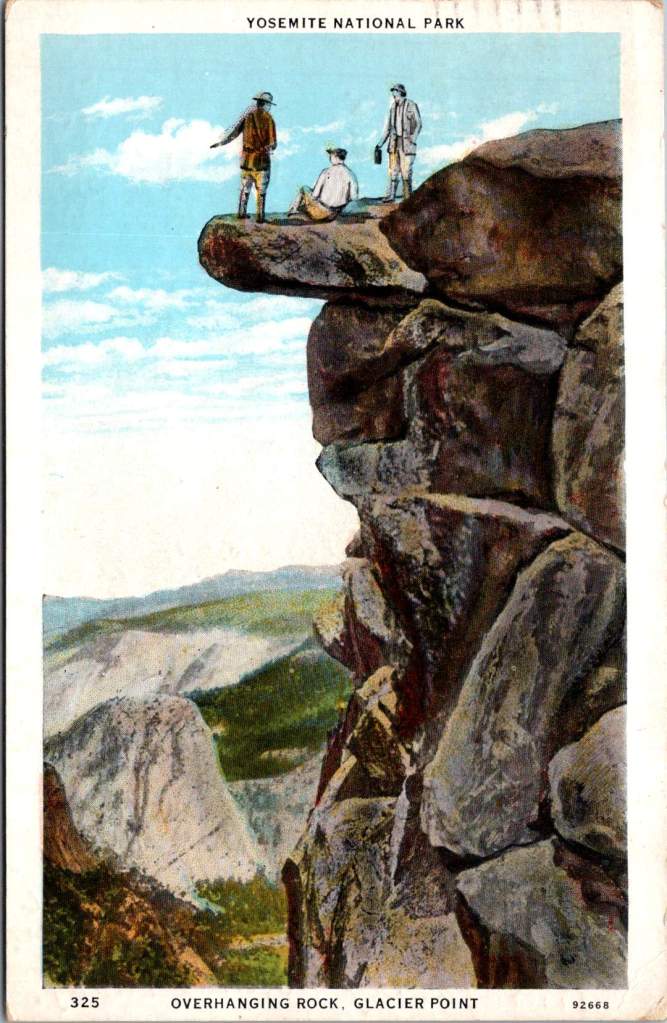
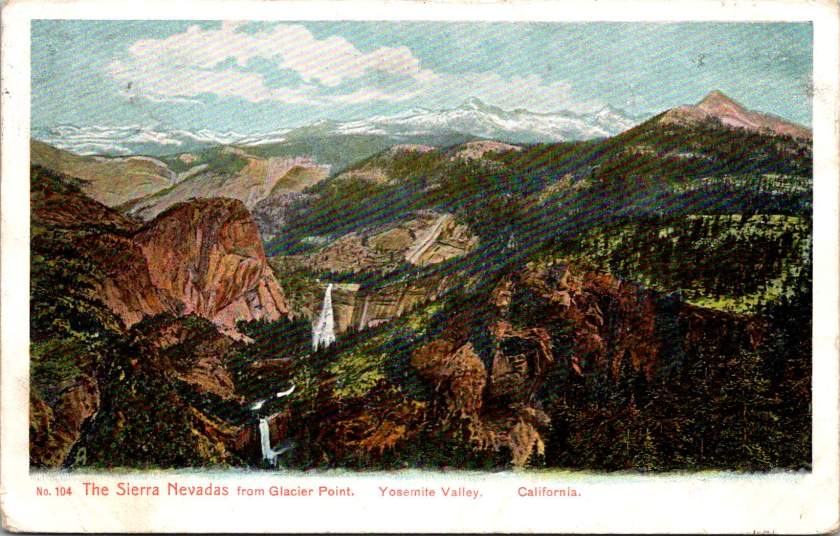
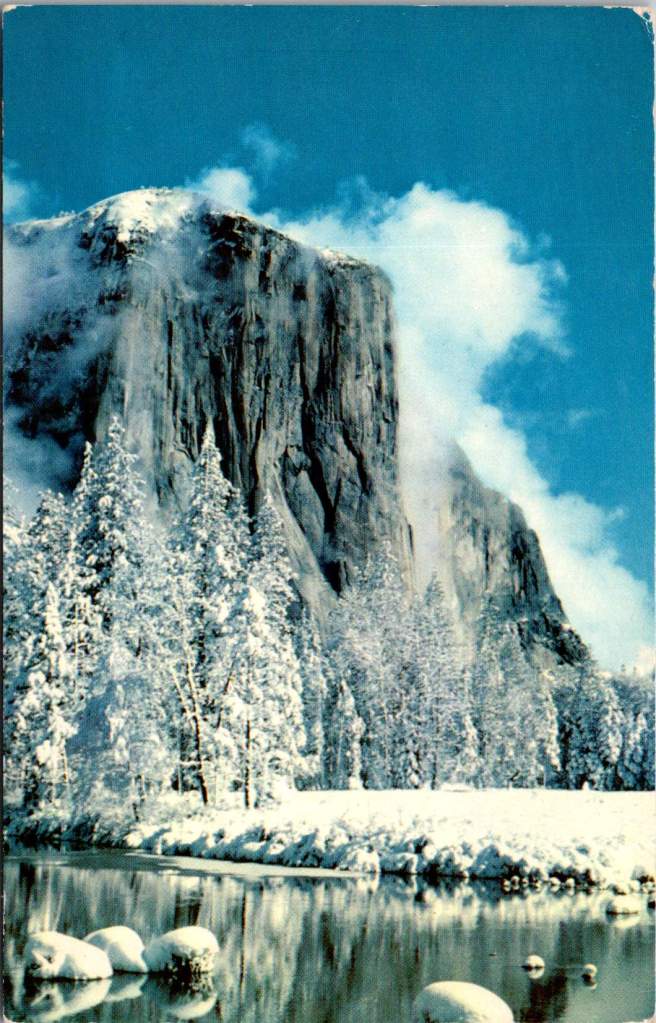
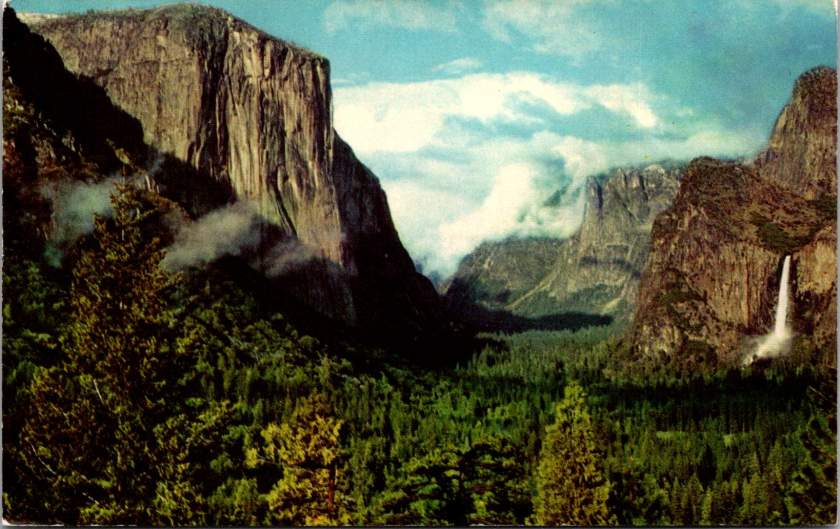
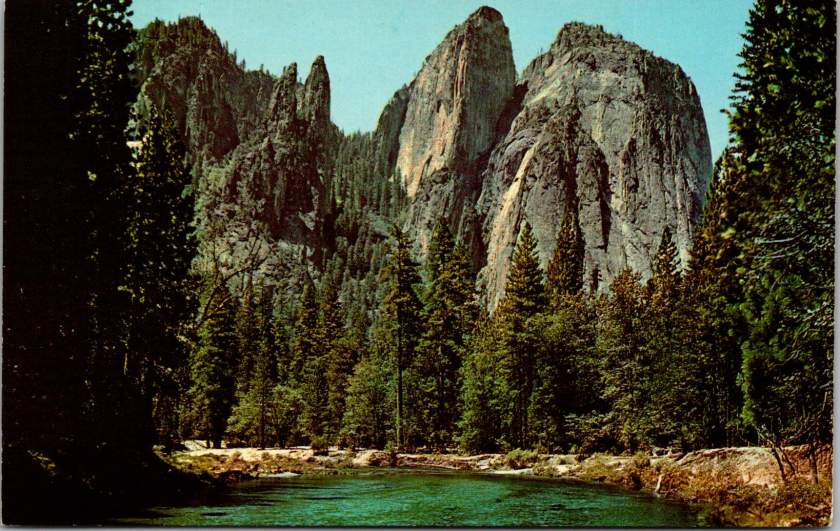
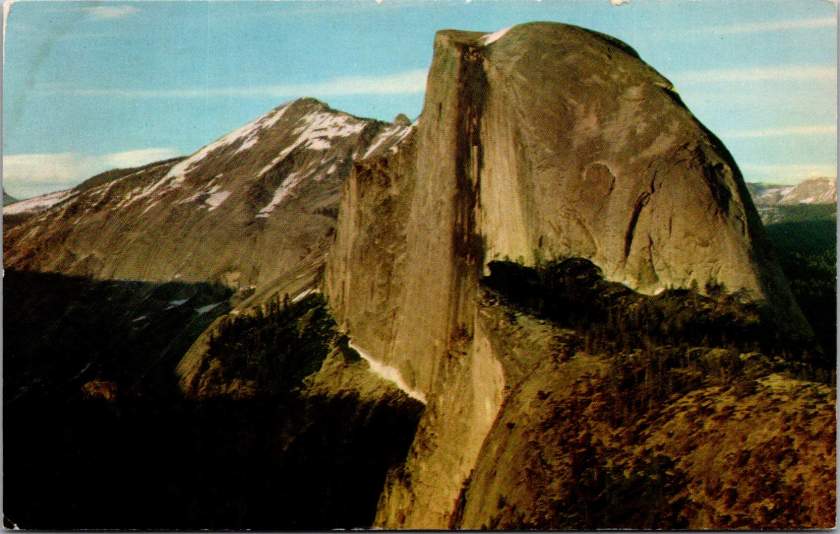
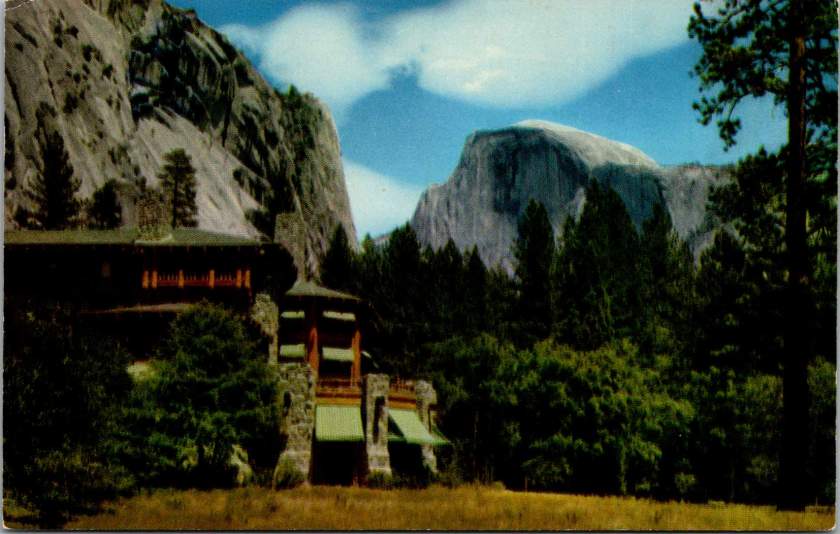
Three figures stand atop Glacier Point in Yosemite Valley, silhouetted against the sky. Horseback riders on a steep mountain trail glimpse a waterfall through the pines. A tunnel carved into a massive sequoia is big enough for a car to pass through. These postcards images tell the story of how Americans fell in love with their national parks.

When Abraham Lincoln signed legislation in 1864 protecting Yosemite Valley, few Americans had seen its wonders firsthand. The journey was arduous, expensive, and often dangerous. But photographs and artistic renderings began circulating, capturing public imagination. Carleton Watkins’ mammoth plate photographs of Yosemite’s towering cliffs and Albert Bierstadt’s luminous paintings suggested something almost mythical: a uniquely American paradise, waiting to be experienced.

By the 1880s, the Southern Pacific Railroad had begun marketing Yosemite as a must-see destination. Their promotional materials featured romantic images of pristine wilderness alongside luxury dining cars and comfortable accommodations. The message was clear: you could experience the sublime while maintaining the comforts of civilization. The railroad’s campaign to “See America First” tapped into both patriotic sentiment and growing concern about wealthy Americans choosing European vacations over domestic travel.

Stephen Mather, who would become the first director of the National Park Service in 1916, understood the power of imagery. A self-made millionaire from the borax industry, he approached park promotion with a marketer’s eye. Mather encouraged photographers to set up studios in Yosemite and actively supported the production of high-quality postcards, which he called his “little missionaries.” These cards, purchased for pennies and mailed across the country, did more than any official campaign to make Yosemite a part of the American imagination.

The postcards reveal changing patterns in how Americans experienced their parks. Early images show well-dressed visitors on guided tours, often on horseback. By the 1920s, automobiles appear, marking a democratic shift in park access. The famous Wawona Tree tunnel, carved through a giant sequoia in 1881, became a must-have photo opportunity. Each car passing through represented a family making their own way through the park, free to explore at their own pace.

The National Park Service itself emerged from a uniquely American compromise. Progressive Era conservationists like John Muir had argued for pure preservation, while others saw the parks as natural resources to be utilized. The 1916 Organic Act that created the NPS threaded this needle by mandating both conservation and public access – the parks would be preserved unimpaired, but explicitly for the enjoyment of the people.

This dual mandate shaped how Americans came to view their relationship with nature. The parks weren’t distant wilderness to be admired from afar, but rather public spaces to be actively experienced. In the 1930s Civilian Conservation Corps workers built trails and facilities, making the parks more accessible while maintaining their natural character. The message was clear: these were the people’s parks, and the people would help maintain them.

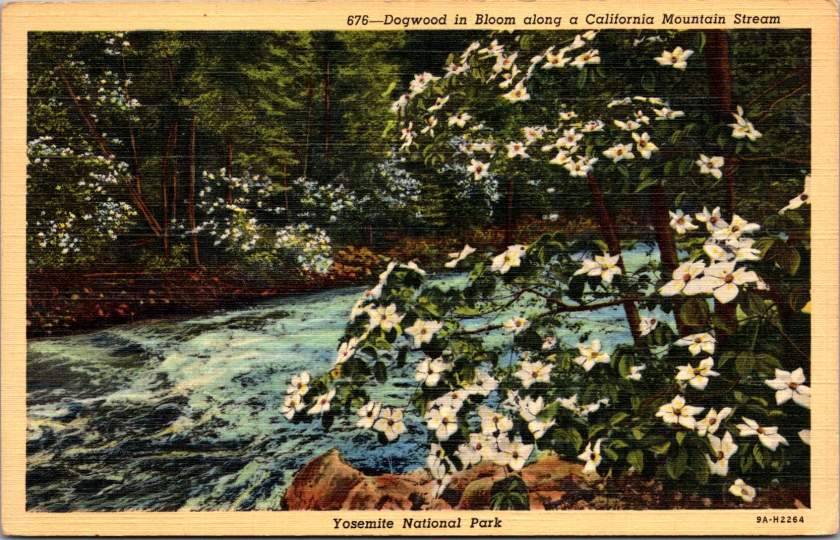
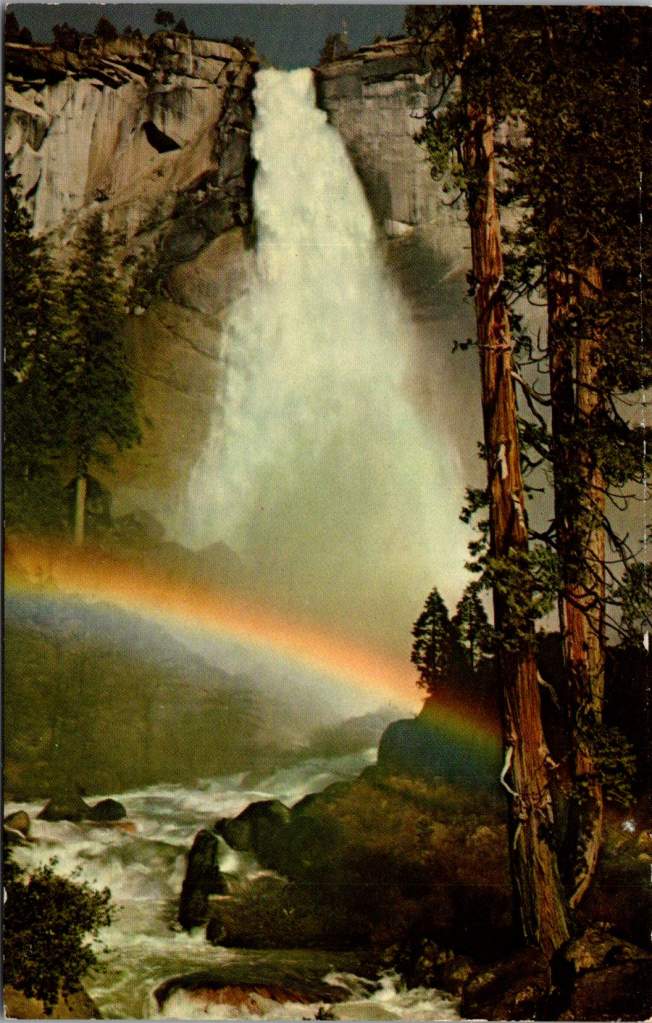
The advent of color photography in the 1940s and 50s brought new vibrancy to park imagery. Postcards from this era capture the brilliant white of dogwood blooms along mountain streams, the deep red of sequoia bark, and the rainbow mist of Yosemite Falls. The images suggested that black and white photography, no matter how artistic, had never quite captured the true glory of these places.

By the mid-20th century, the success of the national parks as tourist destinations began creating new challenges. Bumper-to-bumper traffic in Yosemite Valley became an ironic commentary on Americans’ enthusiasm for their natural heritage. The park service faced growing tension between access and preservation, leading to innovations like shuttle systems and visitor quotas.

Yet the fundamental appeal of the parks remained unchanged. Whether arriving by horse, train, automobile, or tour bus, visitors came seeking what Frederick Law Olmsted had described in his 1865 report on Yosemite, “The union of the deepest sublimity with the deepest beauty of nature.” The parks offered not just scenic views but a connection to something larger than themselves – a uniquely American inheritance.

Today’s visitors to Yosemite might share their experiences through Instagram rather than postcards, but they’re participating in the same tradition of witnessing and sharing America’s natural wonders. The early promoters of the national parks understood something fundamental: seeing these places wasn’t enough. The experience had to be shared to become part of our collective identity.

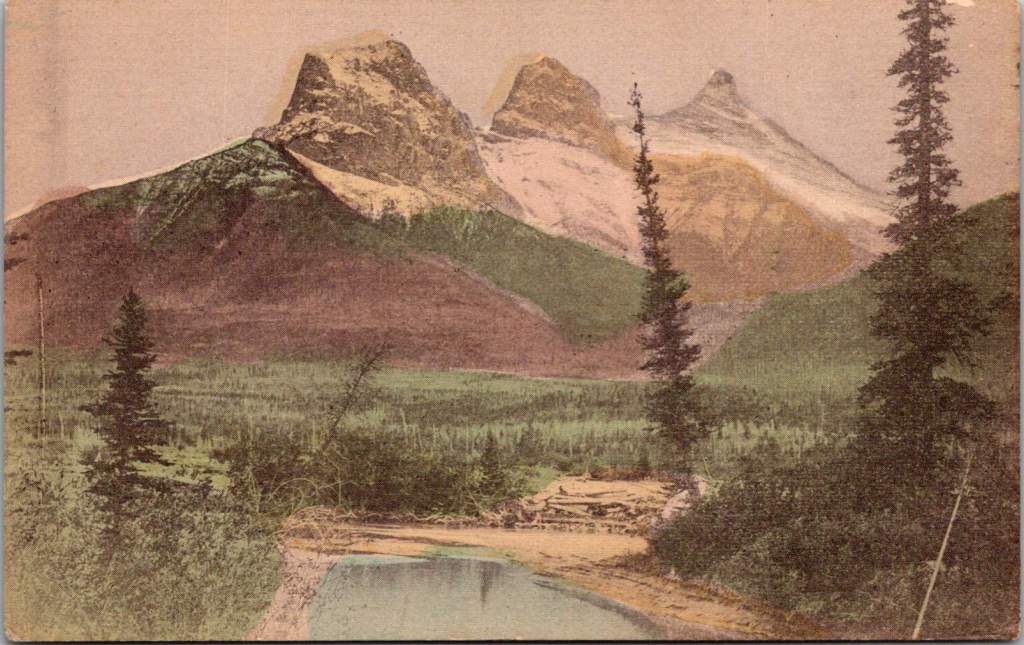
Those early postcards, with their hand-tinted colors and earnest captions, did more than advertise scenic views. They helped Americans understand these distant wonders as their own inheritance – places that belonged to everyone and therefore needed everyone’s protection. When we look at them today, we’re seeing how Americans fell in love with their national parks, and how that love affair helped define our relationship with the natural world.

The history of Yosemite and the National Park Service reminds us that conservation isn’t just about preserving scenic views. It’s about maintaining spaces where each generation can discover their own connection to the natural world. This fundamental mission remains as relevant as ever. The parks still offer what those early postcards promised: a chance to see the natural wonders of the United States, and to share the experience with friends and family miles away.