A magic carpet takes us to a far away photo show, and a beach scene brings back old memories.
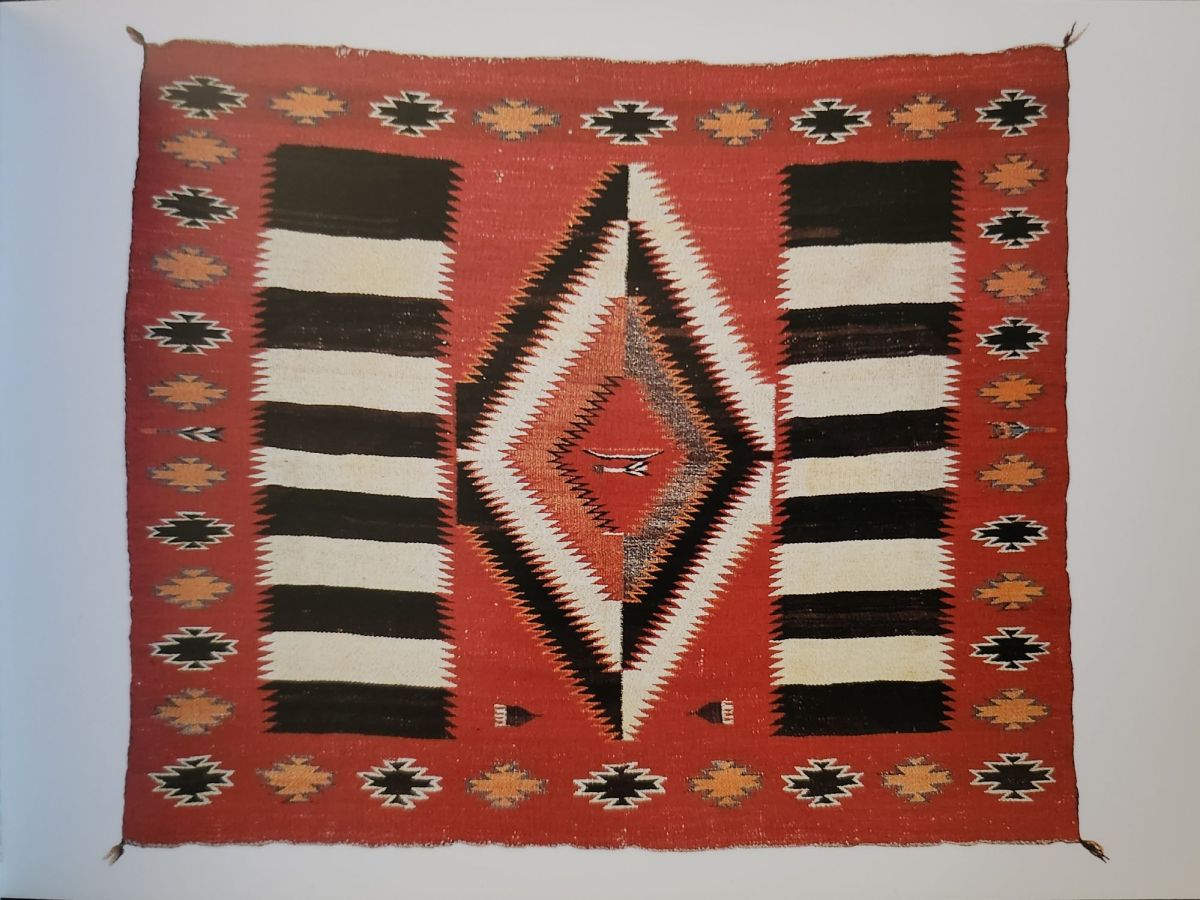
Nina found Mrs. Hanabusa in the common room sorting groceries into cloth bags. The postcard was still in Nina’s hand—a Navajo textile in geometric patterns, black and white against red wool.
“Let me help,” Nina said, taking two bags.
Mrs. Hanabusa glanced at the card. “From your friend? The one who went to Taipei?”
“She just arrived.” Nina turned the card over.
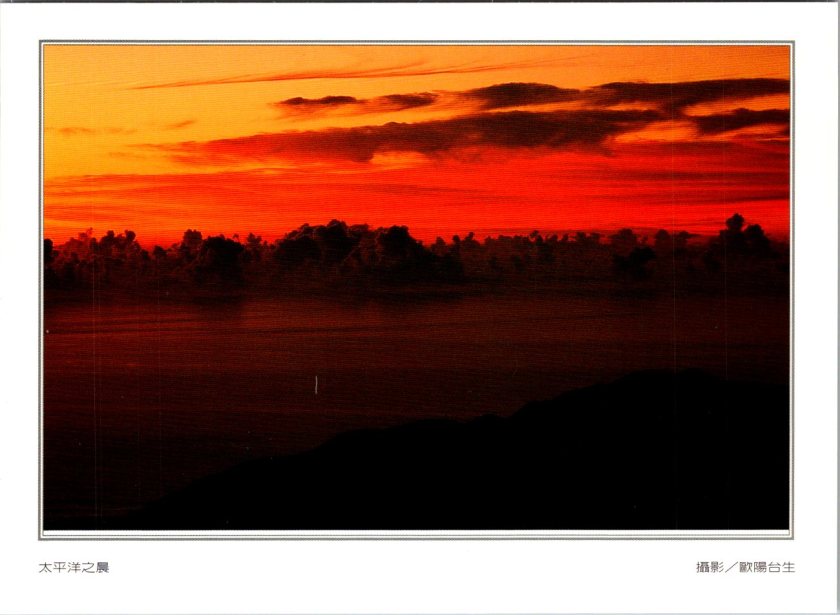
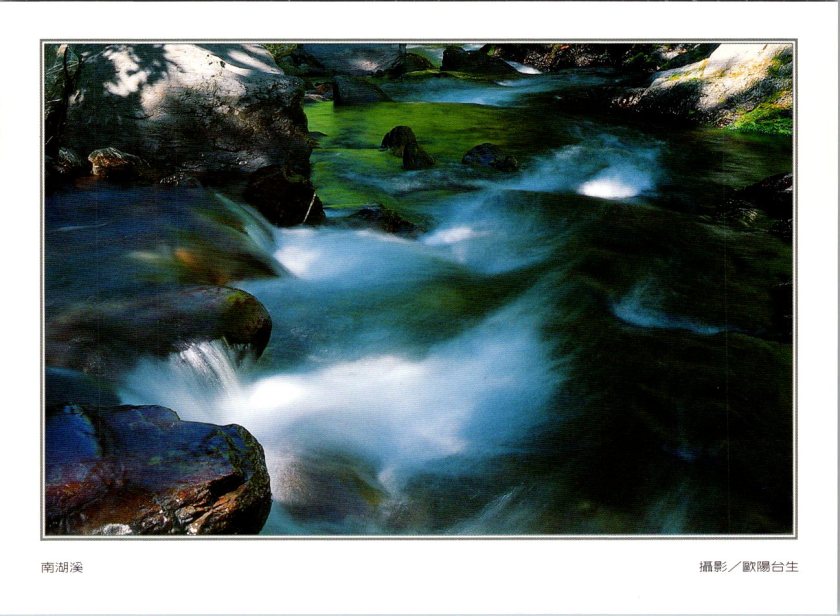
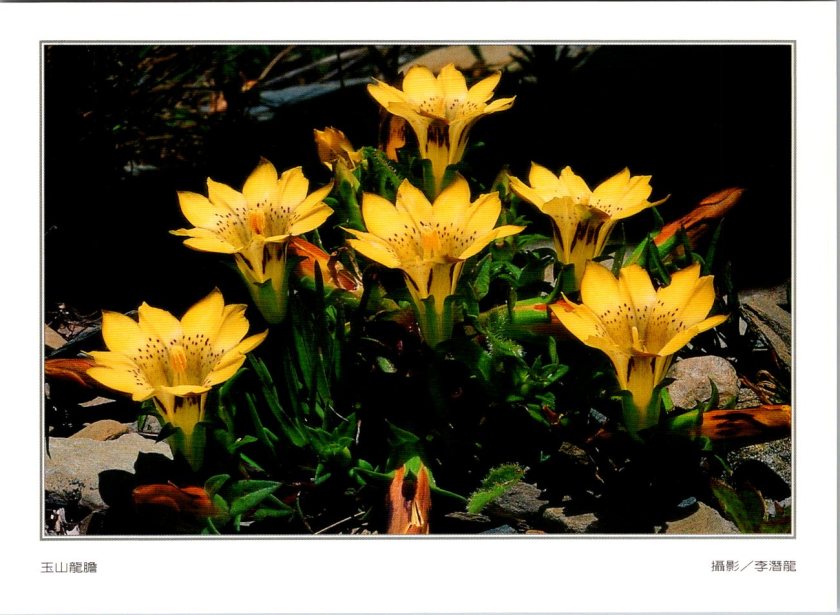
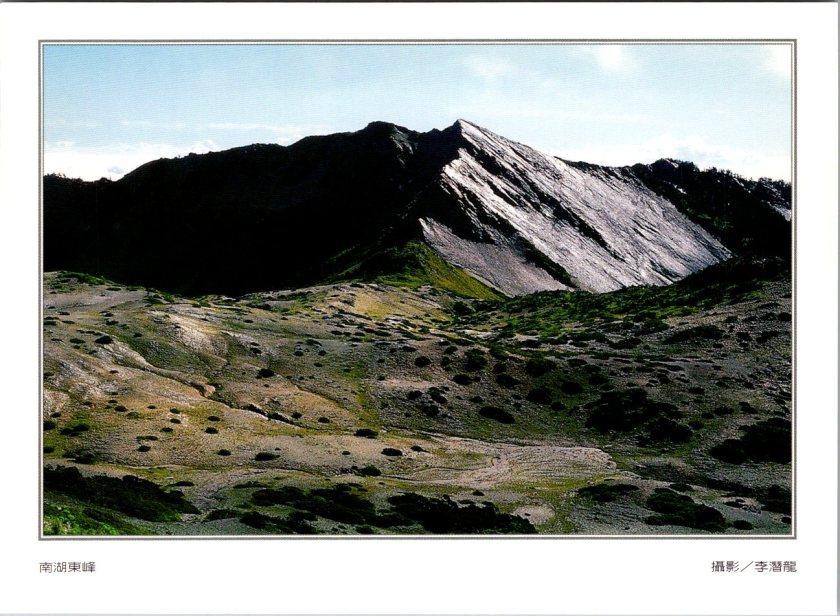
Made it. Everything moves faster here. First night was a photo exhibit on Mt Nunhu. Already miss the slow mornings. —N
Funny, Nina had received Nora’s text with images from the show that night, long before the postcard arrived in her mailbox here in Tucson.
They walked to Mrs. Hanabusa’s room. Nina set the bags on the small counter. Mrs. H studied the postcard, her finger tracing the pattern.
“My grandparents had one like this. Hung in their house on the flower farm.” She paused. “My grandmother found it at a trading post in the twenties. She said the geometry reminded her of Japanese family crests. Clean lines. She hung it in the room where they did arrangements.”
Mrs. H’s voice stayed quiet, remembering. “After the war, when we came back from the camps, the farm was gone. But a neighbor had saved some things. The rug was one of them. Grandmother cried when she saw it. I was small, maybe seven. I didn’t understand then what it meant to get something back.”
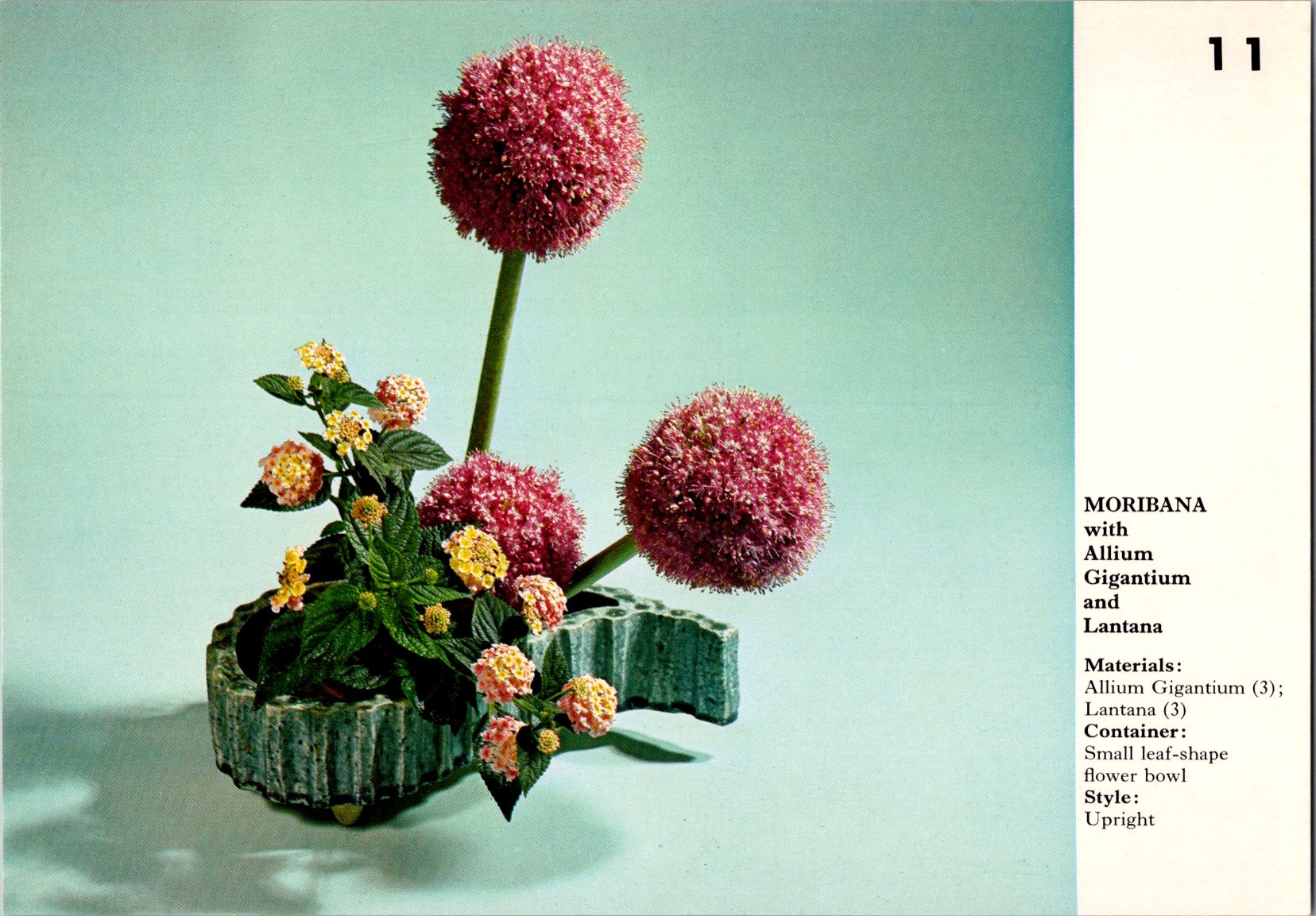
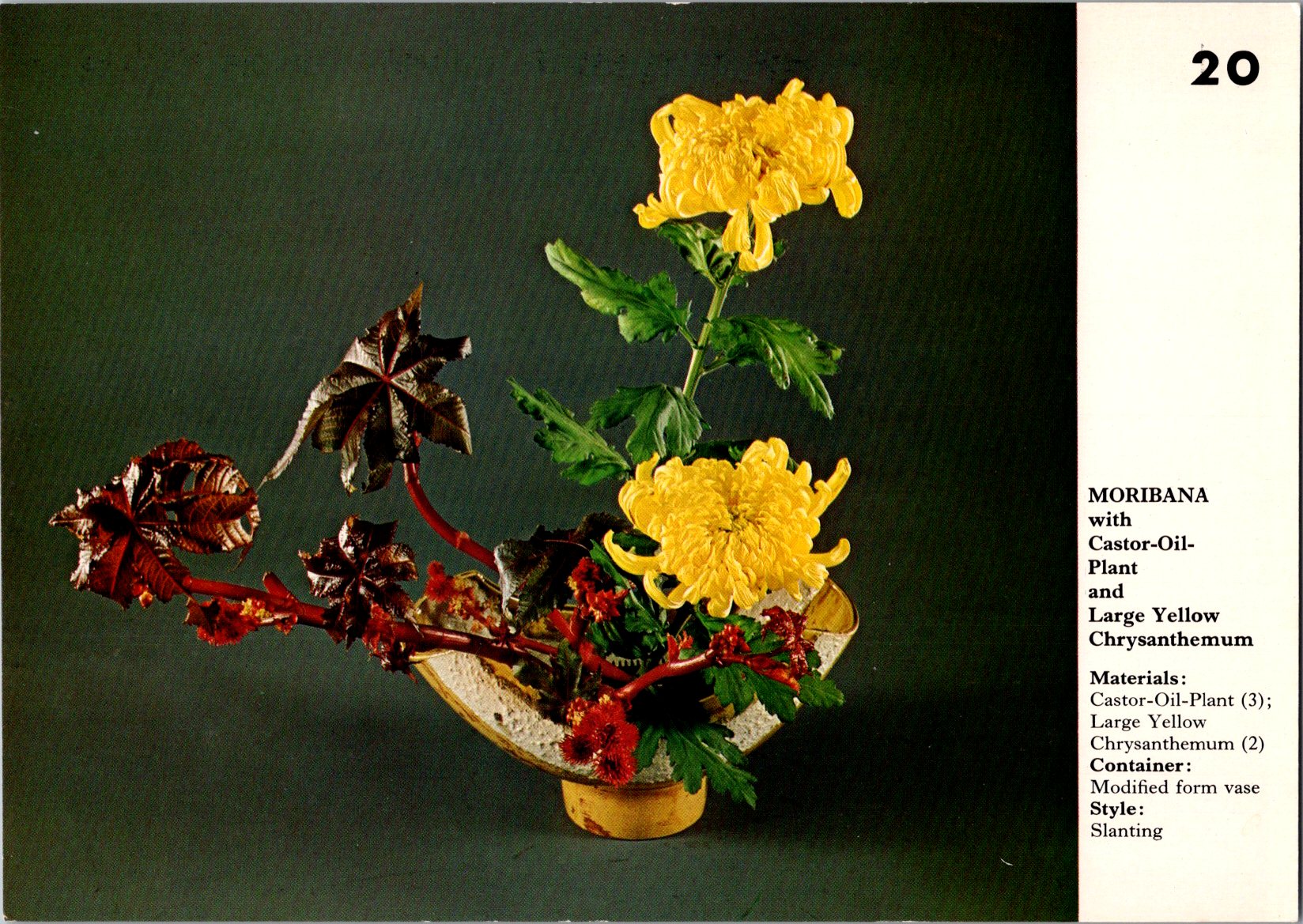
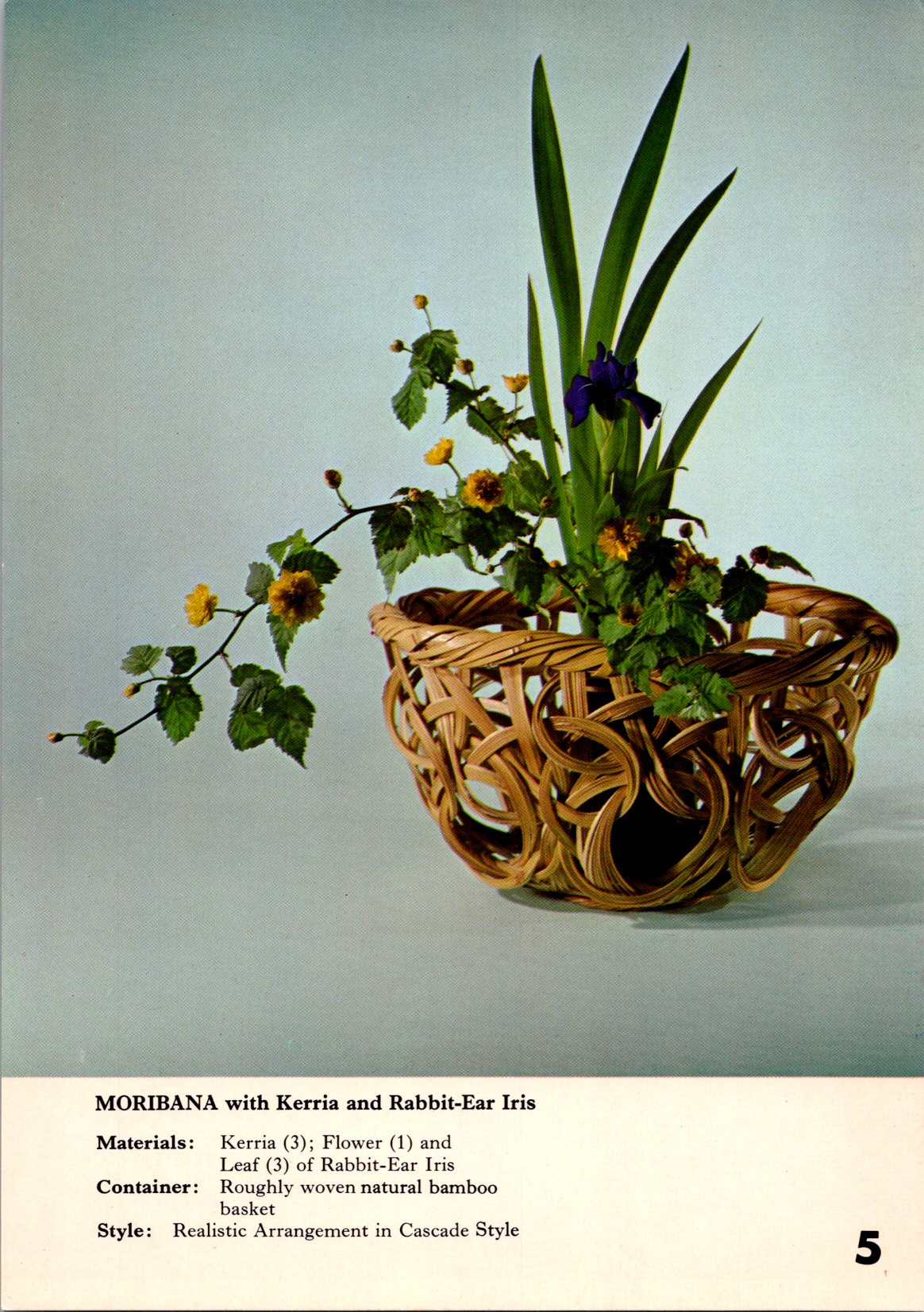
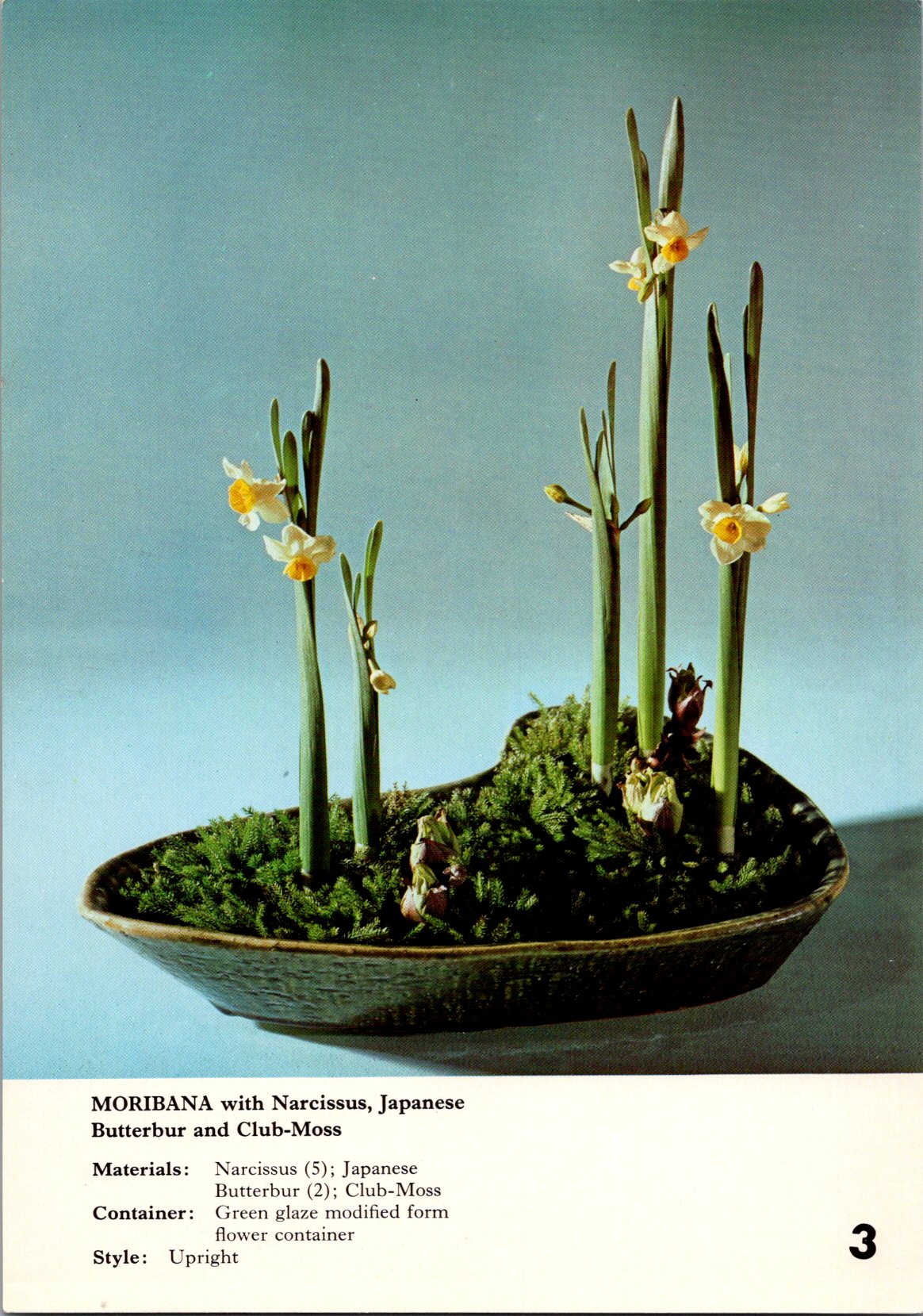
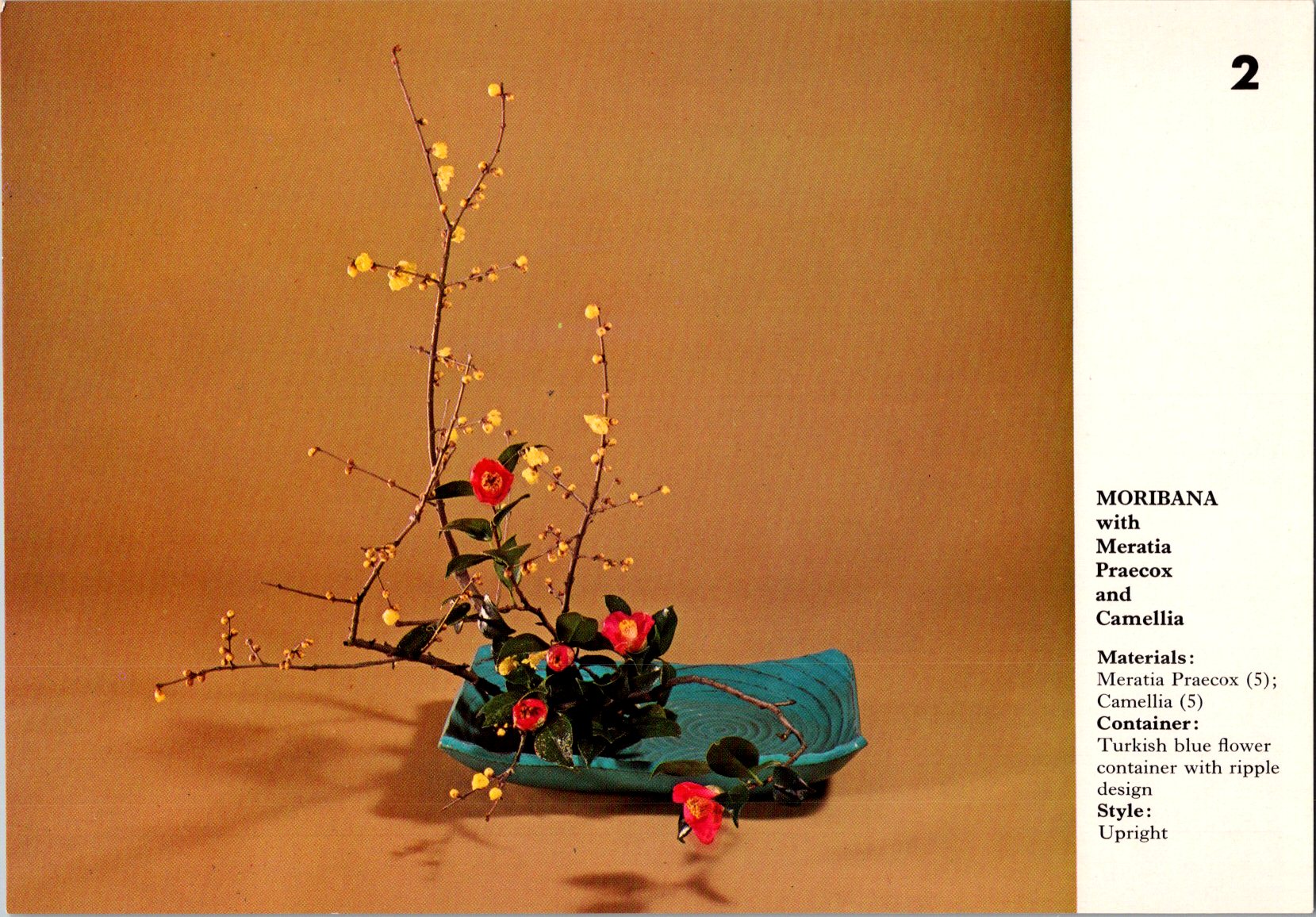
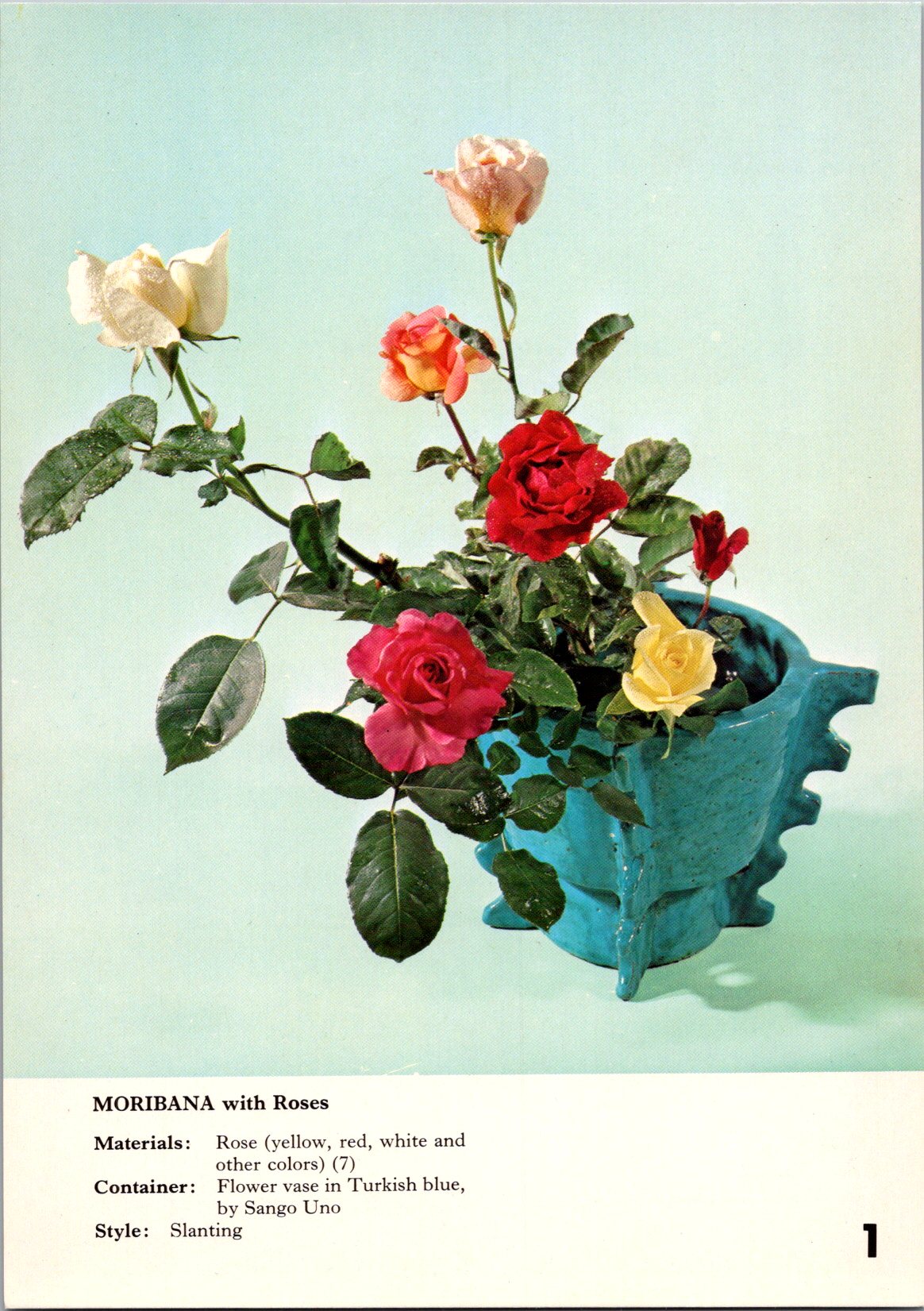
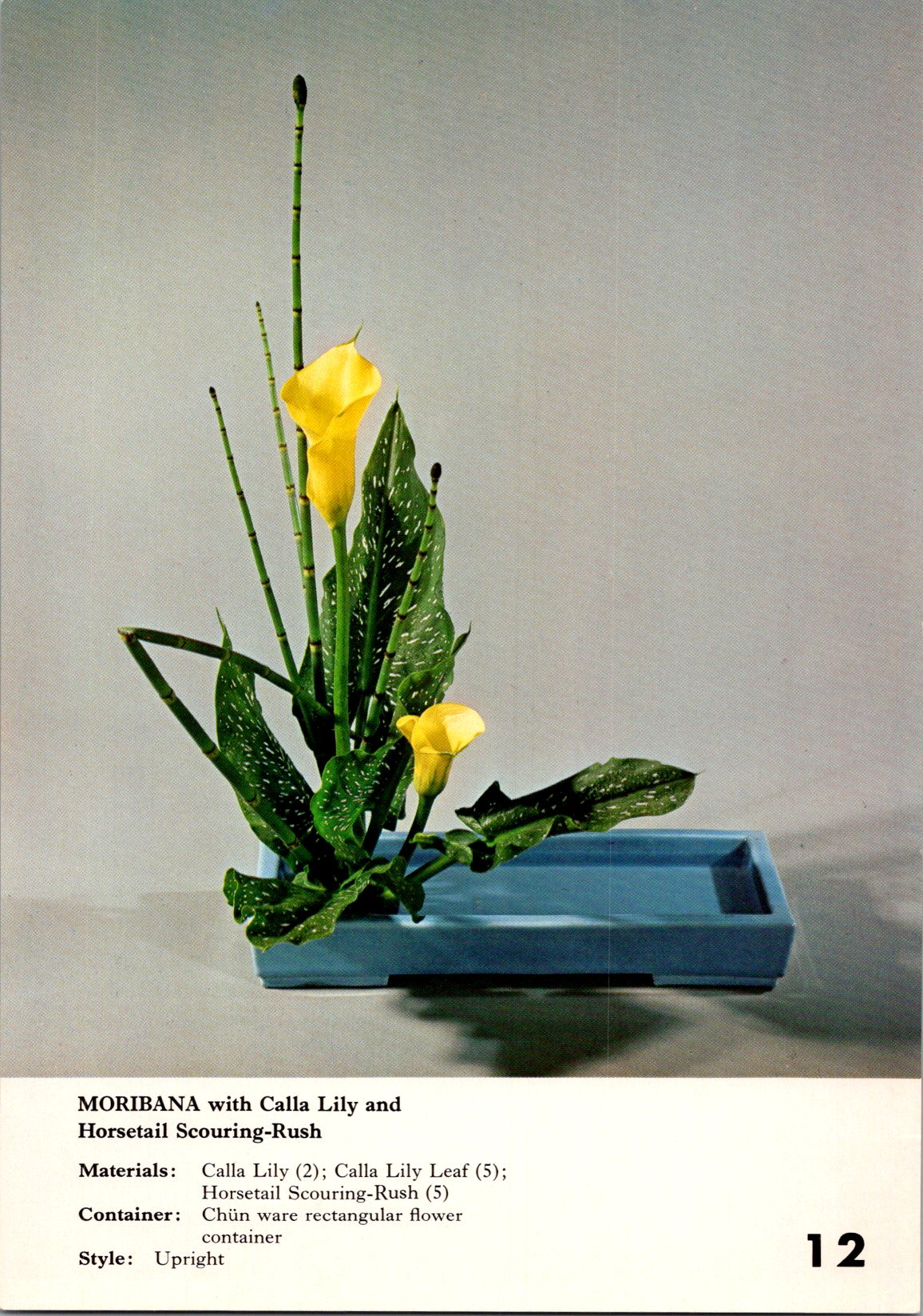
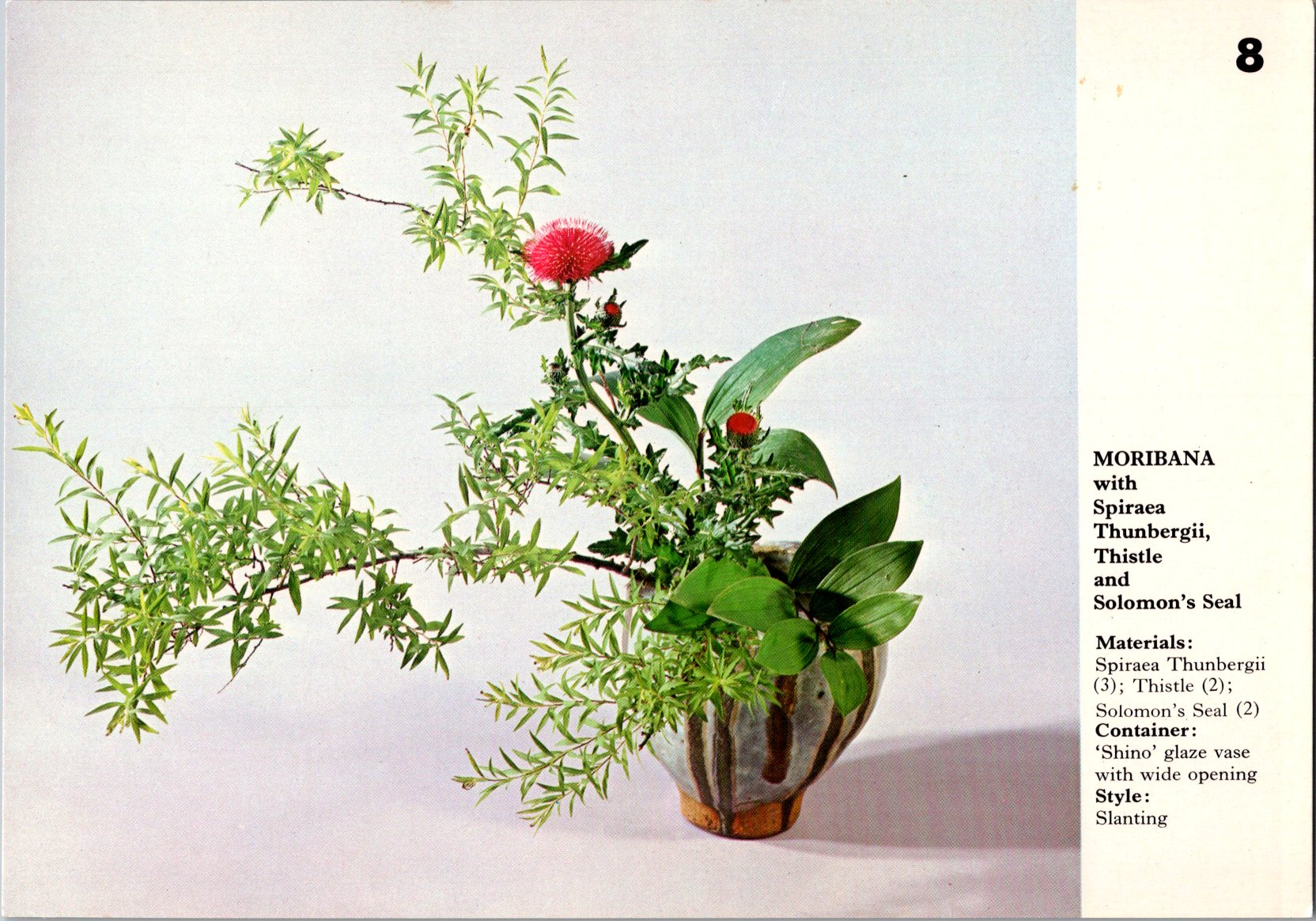
She opened a drawer, pulled out a small wooden box. Inside lay perhaps a dozen postcards, all showing Ikebana arrangements with low, horizontal compositions in shallow containers. Pink and red cosmos rising from a white porcelain vase. Allium gigantium’s perfect spheres balanced with small lantana blooms. A giant monstera leaf with a canna lily and a white chrysanthemum.
Mrs. Hanabusa handed Nina the stack of cards. She flipped through slowly, admiring each floral design.
“My sister sent these from Osaka. Our grandmother taught the traditional way. These are more like her arrangements, traditional but made new.”
Mrs. H pointed to the one with the iris. Nina looked closer. The composition was deliberate. Bold strokes against a spare background.
“Your friend will send you more postcards?”
“She promised,” Nina replied.
“Good,” Mrs. H smiled. “We get bored without friends.”
George had haunted thrift stores his whole life. Mostly he looked for tools—socket wrenches, levels, hand planes that still had their blades. Things he could use or restore.
Now he looked for postcards too.
The Goodwill in Red Wing had a basket of them near the register. Fifty cents each. He sorted through slowly. Tourist shots of the Badlands. A faded view of the State Capitol. Then he found a few good ones.
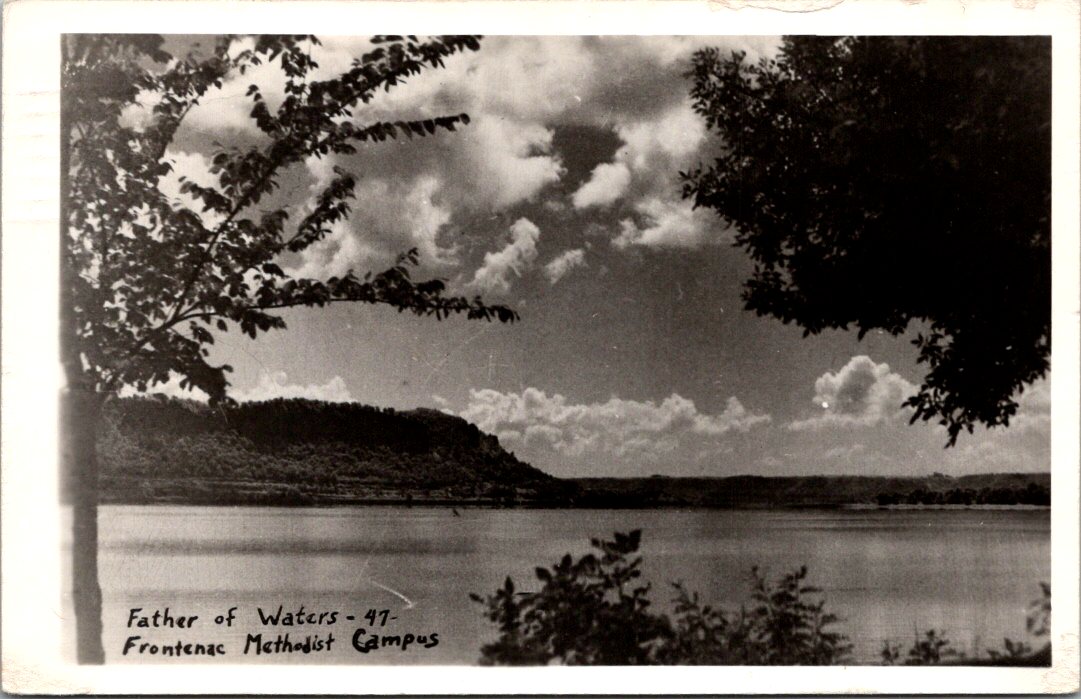
A real photo postcard showing Lake Pepin framed by trees, “Father of Waters” etched in careful script. The water stretched wide and calm, clouds massed above the bluffs.
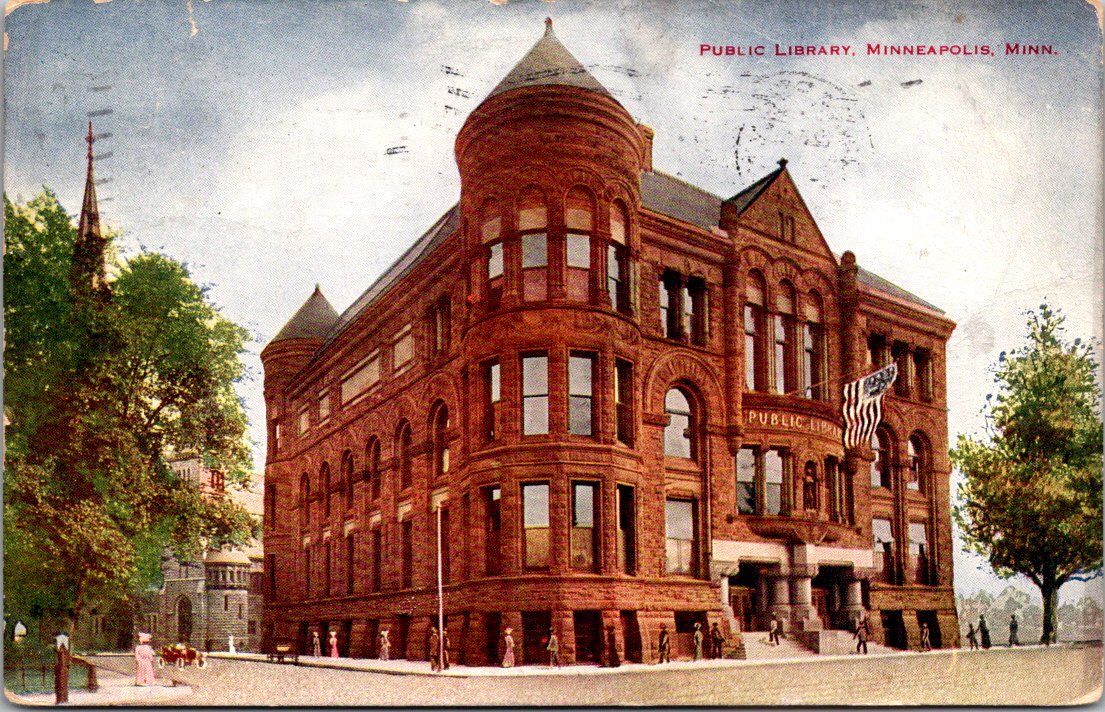
A color card of Minneapolis Public Library, the old red brick building with its round tower and arched windows. George remembered when they torn it down in 1951.
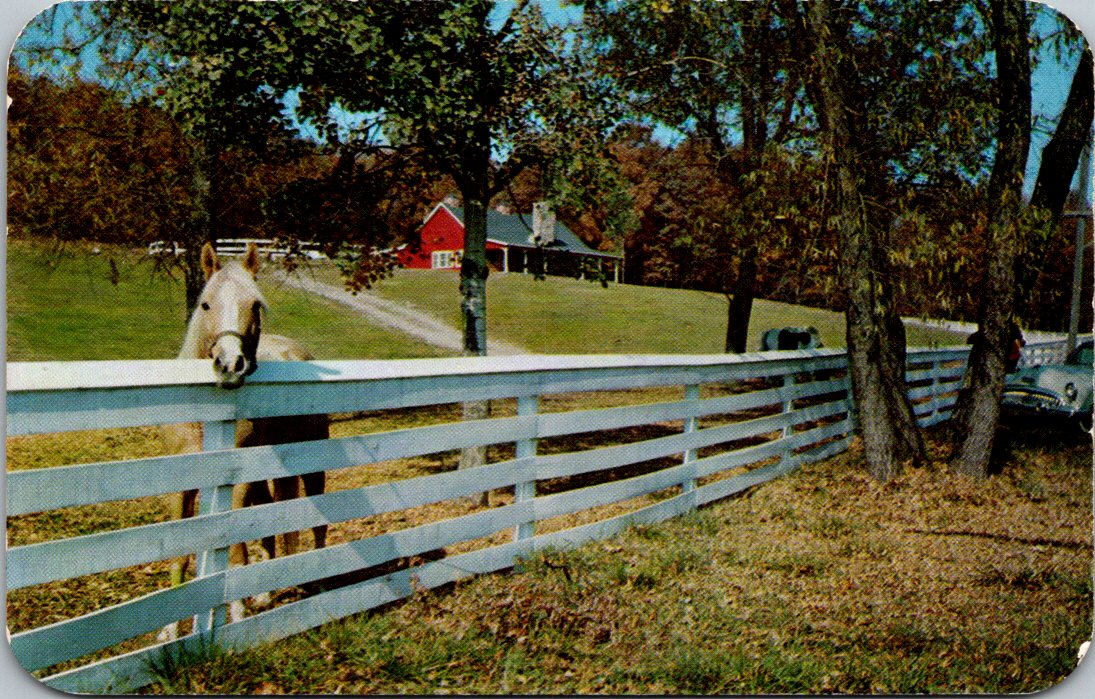
A chrome card showing a white horse leaning over a fence, red barn and farmhouse in the background.
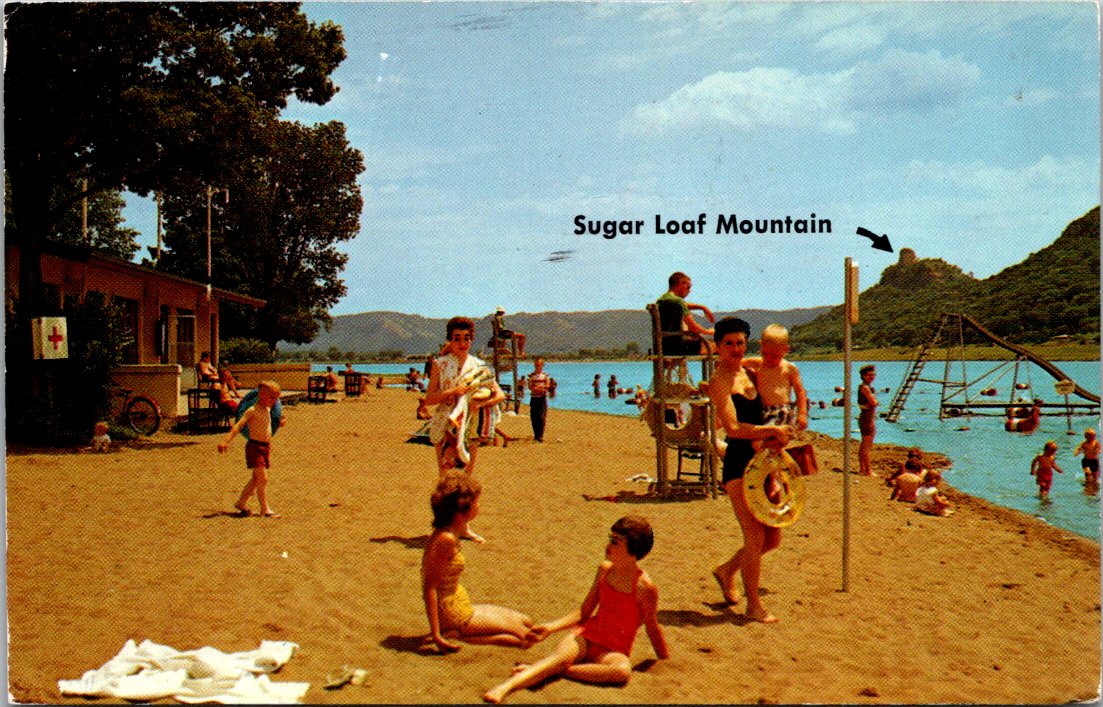
And then—George stopped. Sugar Loaf Mountain near Winona. A beach scene, families on the sand, kids on playground equipment, swimmers in the water. The mountain rising behind them.
He was transported to that very day. Their family had been right there, doing exactly that. The kids running between the beach and the playground. The particular blue of the water. How his wife had packed sandwiches that got sand in them and nobody cared.
George bought all four cards. Two dollars total. At home he examined them under the desk lamp before he got to thinking about each message.
He wrote to Emma:
Found this real photo from Lake Pepin. “Father of Waters” they called it. Your wanderlust comes honestly—this river goes all the way to the Gulf. Love, Grandpa
To Jack:
Get to the good old libraries while you can. This one is gone already! Love, Grandpa
To Lily:
See how the fence posts get smaller as they go back? That’s tricky to draw! Give it a try. Love, Grandpa
He paused at the fourth card, and let out a small sigh. Sugar Loaf Mountain, seems like another lifetime. Finally, he wrote:
This one is for you, kiddo. Reminds me of you and the guys and Mom. Fun times! Love, Dad
George added addresses and stamps. Put on his coat and walked to the mailbox, a short stretch of the legs that he now enjoyed. A chickadee called from the pine tree across the street—its clear two-note song cutting through the cold afternoon air.
Vintage floral postcards—with golden backgrounds, symbolic flowers, and heartfelt messages—were a sophisticated social currency that connected people across distances.
At the intersection of the Victorian and Edwardian eras, the humble postcard emerged as a powerful medium for small aesthetic pleasures and meaningful social exchange. These postcards tell a story of artistic development and printing innovation, and how ordinary people wove beauty into the fabric of everyday communication.
Delicate Blooms
One card in this selection features pristine white lilies and fern fronds against a luminous gold background. The lilies—rendered in striking detail with their trumpet-shaped blooms and distinctive stamens—create dramatic contrast against the warm gold, the iridescent ink catching light as the recipient tilted the card in their hands. An elegant blessing accompanies the illustration.
“No thorn beset the path you tread, No shadows glance upon your way, But flowers spring beneath your feet, And sunshine crown your every day.”
These cards encapsulate a pivotal moment in design history—the transition from Victorian to Edwardian sensibilities. The Victorian era (1837-1901) embraced ornamentation, sentiment, and symbolic complexity. Every element carried meaning: white lilies represented purity and virtue; ferns symbolized sincerity and shelter; the gold background evoked trust and value. These layers of meaning reflected the Victorian preoccupation with moral improvement through beauty, a philosophy championed by influential figures like John Ruskin and William Morris.
As Queen Victoria’s reign ended and Edward VII took the throne (1901-1910), aesthetic preferences gradually shifted. The new Edwardian sensibility maintained Victorian symbolic richness but introduced more restrained layouts with increased white space and cleaner compositions. This particular card, with its strategic emptiness and focused arrangement, demonstrates this evolution. The gold field creates breathing room that earlier Victorian designs would have filled with additional decorative elements.
The technology behind these gold backgrounds represented industrial innovation. Using metallic powders and varnish printed in the desired pattern, these effects made previously elite decorative elements available to middle-class consumers. During the Industrial Revolution, technical advancements in printing had transformed what was once painstaking handwork into mechanized production. German printers in particular had mastered these techniques, producing cards with exceptional color registration and metallic effects that remained unmatched until their trade was disrupted by World War I.
Other sophisticated production methods like embossing—creating raised areas that added tactile pleasure to the visual experience—required specialized equipment and expertise. Metal dies created by skilled engravers would press the design into the card after printing was complete. The visual effect was enhanced by different dimensions, making these technically perfect cards a testament to industrial craftsmanship.
Gold’s association with luxury stemmed from both its intrinsic properties and historical significance. The aptly named Gilded Age celebrated opulence, with gold becoming a visual shorthand across design disciplines. International Expositions like the 1900 Paris Exposition showcased luxury goods incorporating gold elements, popularizing these aesthetics globally. Archaeological discoveries in Egypt renewed interest in gold in design, while the Ballets Russes featured costume and set designs by artists like Léon Bakst who used vibrant colors and gold accents.
Floral Features
A striking card in the next selection features white and red striped “peppermint” carnations against a gold background. The distinctive white petals dramatically streaked with vibrant red markings create bold visual contrast against the metallic wash. Three perfectly rendered blooms cluster together on dark stems, with bright green sword-like leaves framing the arrangement. The word “Carnations” appears in red script in the upper right corner, identifying the botanical subject with elegant simplicity.
This stark compositional approach—focusing entirely on the botanical subject against a uniform background—represents a more modern, stripped-down aesthetic that emerged in the early 1900s. While maintaining the Victorian fascination with floral symbolism, these designs eliminate extraneous decorative elements in favor of dramatic contrast and botanical precision. This shift toward simplification prefigured design trends that would gain momentum in the following decades, showing how postcard aesthetics tracked broader movements in visual culture.
The symbolism remained rich: striped carnations carried specific meaning in the Victorian language of flowers, often representing regret that a sentiment could not be shared or a refusal/inability to accept someone’s affection. This sophisticated “language of flowers” had become codified in popular Victorian publications like Kate Greenaway’s “Language of Flowers” (1884), ensuring that recipients would understand these botanical messages. The high contrast between the red-streaked white blooms and the gold background created a visual drama that emphasized the emotional complexity carnations represented.
During this period, social practices around correspondence were evolving. The penny post, established in Britain in 1840 and adopted with variations throughout Europe and America, had revolutionized communication by making it affordable across social classes. What was once an expensive privilege became commonplace, leading to a boom in correspondence. The “Golden Age of Postcards” (approximately 1898-1918) coincided with changing postal regulations that allowed privately printed cards and preceded the widespread adoption of telephones. During this period, billions of postcards circulated globally.
Rose to Crimson
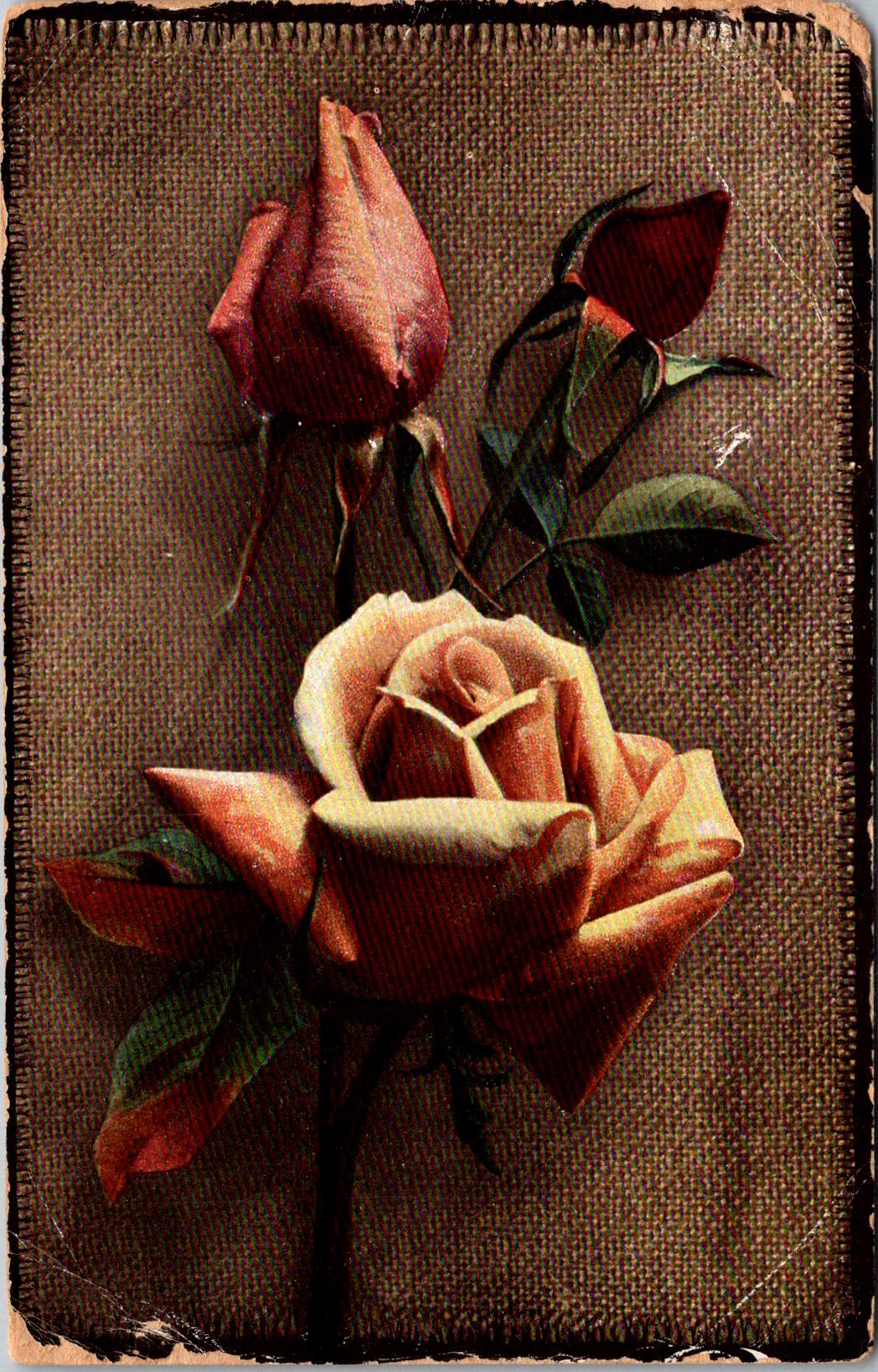
The next group of cards represents another technological leap—an early photograph of light pink roses on a background of actual linen. The physical texture of the rough weave contrasts with the delicate subject matter—an open rose and two buds captured a new reality that only photography could provide. This mixed-media approach demonstrates how artists continued to experiment with both visual and tactile experiences.
The Victorian and Edwardian periods witnessed remarkable developments in image reproduction. Traditional chromolithography—where each color required a separate stone or plate—was being supplemented by photographic techniques. These innovations allowed the faithful reproduction of reality rather than artistic interpretation, though both approaches coexisted during this transitional period. The textures and images of this card created an interesting interplay between the natural subject and the material substrate, engaging multiple senses simultaneously.
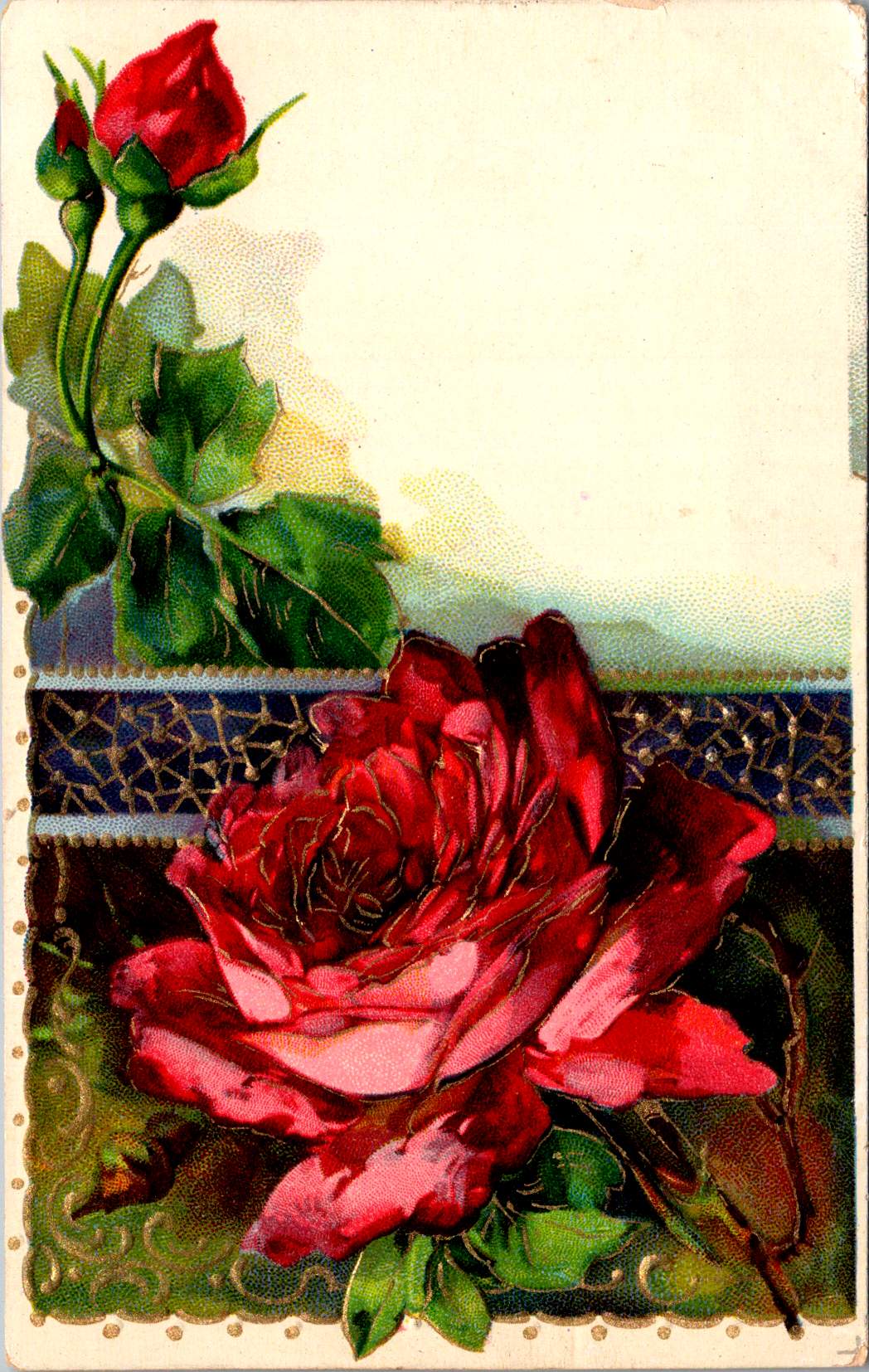
Rose symbolism operated on a similarly subtle gradient. In Victorian floral language, the exact shade of a rose communicated specific intentions: light pink roses signified admiration and grace—appropriate for relationships in earlier stages or those requiring emotional restraint. Medium pink suggested appreciation, while deeper crimson conveyed self-conscious beauty and passionate love. This color gradient functioned as a sophisticated social shorthand, with increasing saturation indicating increasing emotional intensity.
This coding system proved particularly valuable in an era when direct expressions of emotion were constrained by elaborate social conventions. Etiquette books like those published by Emily Post outlined proper behavior in minute detail, including appropriate subjects for correspondence and proper forms of address. Against this background of social restriction, postcards offered a safe channel for emotional expression. The carefully chosen rose color allowed for communication that could either be acknowledged or tactfully ignored, providing a social safety mechanism for expressing feelings that might be improper to state directly.
For Victorian and Edwardian women especially, whose social freedom was often limited, postcard exchange offered acceptable connection. Young women could receive cards from admirers without compromising propriety, as the public nature of postcards (visible to postal workers and potentially family members) ensured messages remained discreet. This “public privacy” created a unique social space where relationships could develop within accepted boundaries.
Color Craft
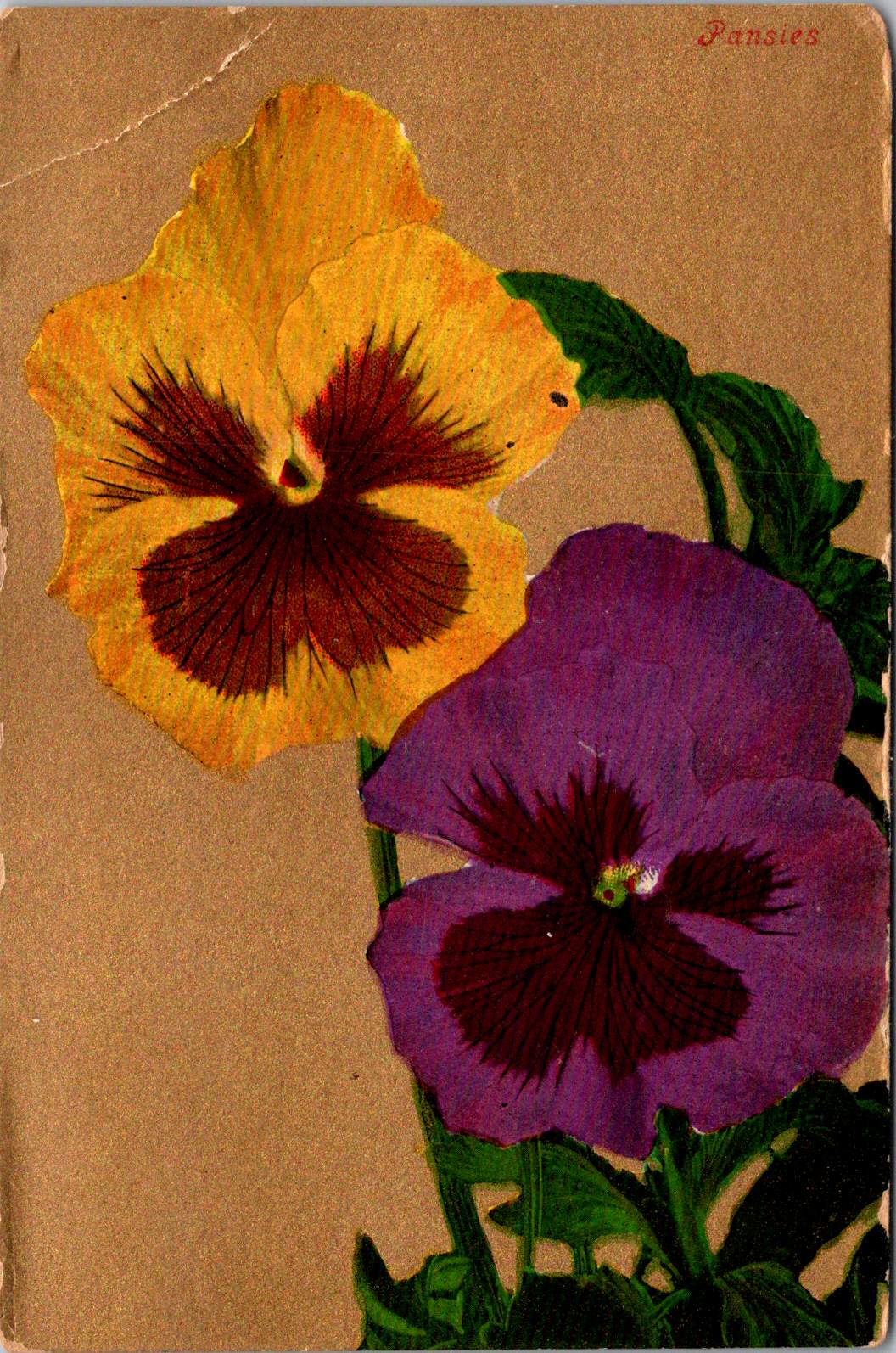
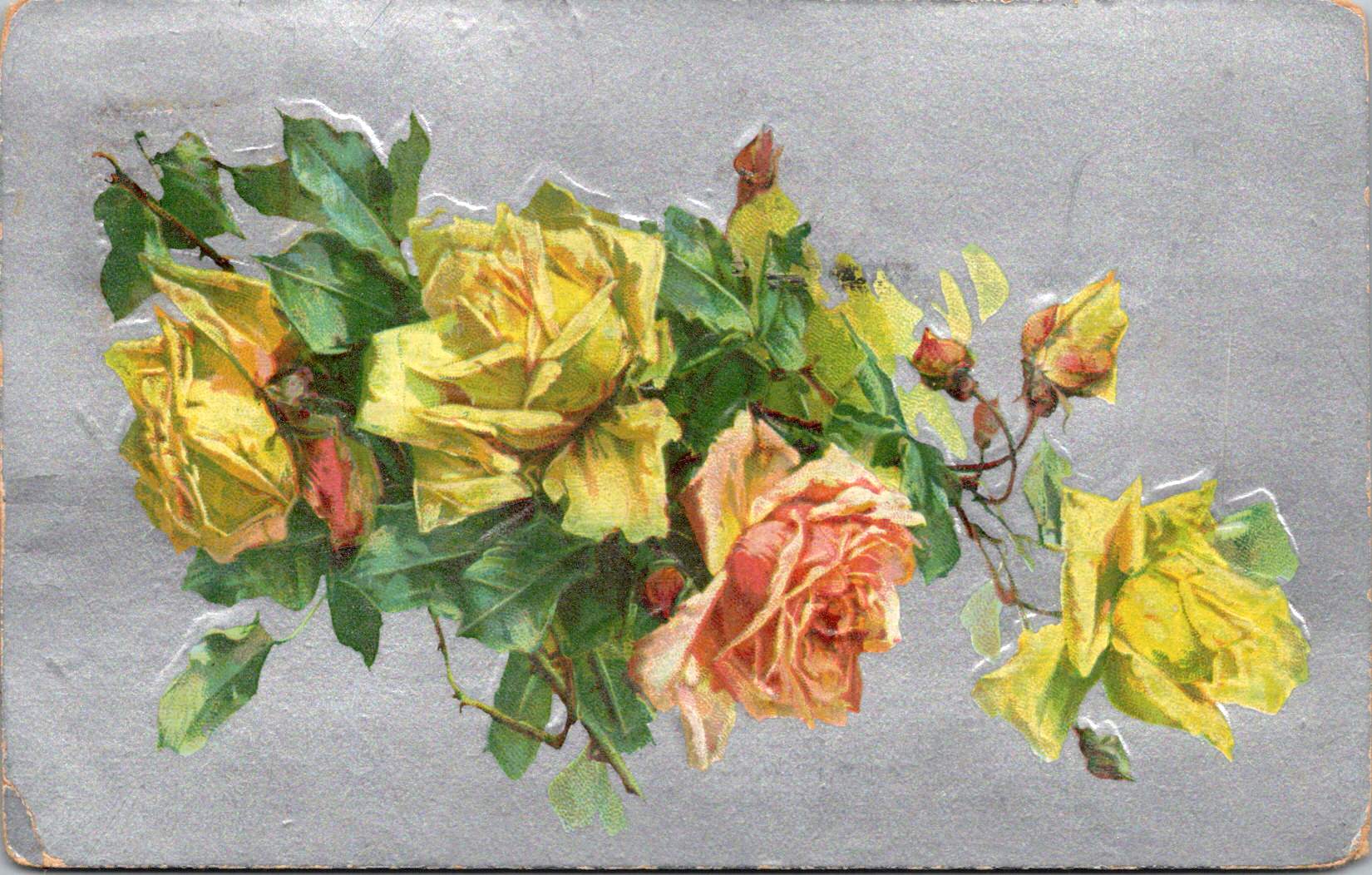
The final featured card offers yellow roses against a silver background, that creates a cooler, more modern luminosity. The yellow blooms—rendered with botanical precision—grow naturally on their stems, emphasizing an organic composition that represents changing sensibilities as the Edwardian era progressed toward what would become Art Deco and modernism.
While Victorian design had favored warm, rich gold tones suggestive of historical richness, the newer aesthetic embraced clarity, brightness, and forward-looking optimism. Yellow—the color of sunshine and vitality—symbolized friendship and joy rather than romantic love, expanding the emotional palette of postcard communication.
These changes in design paralleled broader social transformations. The early 20th century witnessed significant shifts in social mobility, women’s roles, and technological adoption. The rise of department stores democratized consumption of decorative goods, while increasing literacy rates expanded the audience for visual and textual communication. The suffragette movement gained momentum, challenging Victorian gender restrictions. These postcards, with their evolving aesthetics, tracked these social changes in material form.
Technology continued advancing as well. The integration of photography with traditional printing techniques created hybrid visual forms. German printers had pioneered many of these innovations before World War I. American and British printers subsequently developed their own techniques.
The social function of these postcards remained central to everyday life. In major cities, postal deliveries occurred multiple times daily—sometimes up to 12 deliveries in London—creating a communication rhythm somewhat like today’s text messages. This frequent exchange helped maintain connections across the increasing distances created by urbanization and industrialization. As families dispersed geographically, these tangible tokens of remembrance became increasingly important.
Recipients collected their postcards in specialized albums that became objects for social sharing in parlors. These albums—elaborately decorated themselves—transformed private communication into a form of social performance. Visitors could be shown new additions, creating occasions for storytelling about relationships and experiences. A well-filled album demonstrated one’s social connections and cultural participation, serving as a physical social network long before digital versions existed.
Simple Beauties
These postcards survive as artifacts of a time when beauty was considered essential rather than superficial. The Victorian belief that exposure to beautiful things could elevate character and promote virtue gave postcard exchange deeper purpose beyond mere communication. They offered sensory richness—tactile embossing, visual color, and the symbolic associations of flowers—that counterbalanced the sometimes harsh realities of industrial urban environments.
Unlike earlier periods when beautiful objects were primarily reserved for the wealthy, mass-produced postcards allowed people across social classes to exchange and possess small works of art. This democratization of aesthetic experience represented a significant shift in how beauty was distributed socially. The contrast between the expense suggested by the gold backgrounds and elaborate printing and the actual affordability of the postcards was part of their appeal—beauty without extravagance, pleasure without guilt.
These simple beauties represent a unique cultural moment when industrial technology enhanced rather than replaced artistic sensibility, when mass production made aesthetic pleasure more accessible rather than less meaningful.
Their legacy invites us to reconsider how we might integrate beauty into our own communication practices. While we have gained immediacy in our digital exchanges, how might we also retain the sensory richness these physical exchanges provided—the anticipation of delivery, the tactile pleasure of holding a beautiful object, the visual delight of color and form, and the knowledge that someone selected this specific image with you in mind.
The Victorian and Edwardian postcard tradition suggests that communication is enhanced, when wrapped in layers of beauty, symbolism, and care—tangible gestures that engage not just the mind but the senses and the heart.





























 The Posted Past