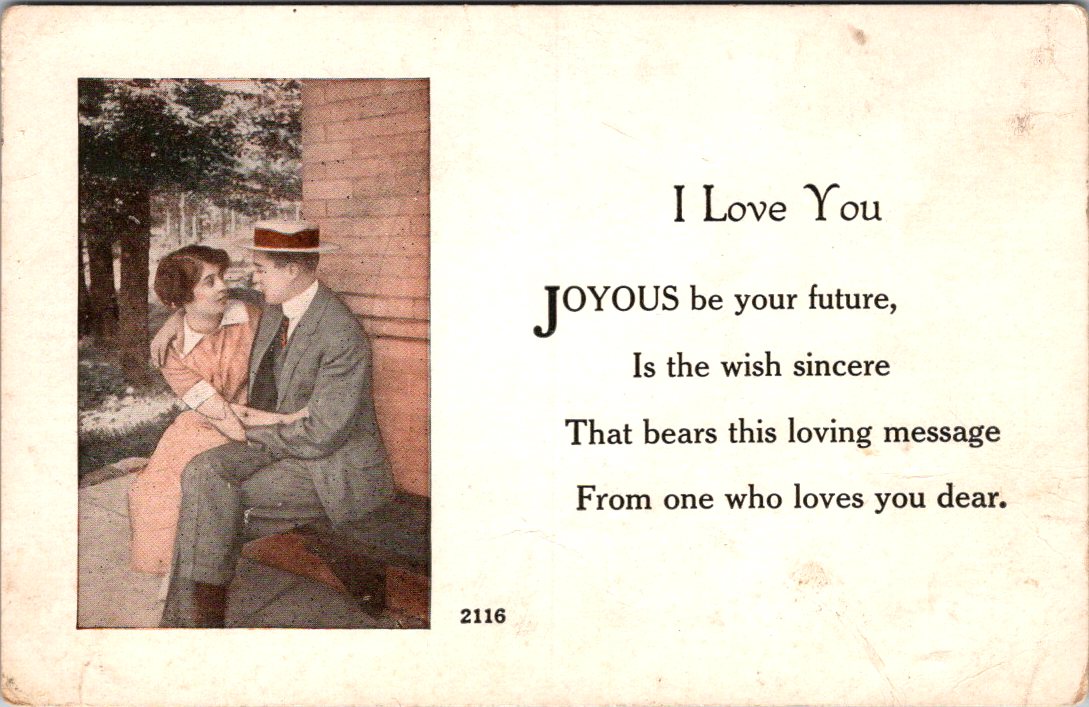
Before we go, there is a word worth saying about silences and the quiet costs of delayed connections, and those missed entirely.
In May 2023, the Surgeon General issued an advisory that stopped me mid-scroll. Loneliness had reached epidemic levels in the United States. He was not describing the usual suspects—a widower, a loner, someone at the edge of class or condition. I had to admit, his warning rang a bell in my own heart. I was among a growing contingent of the ordinary, ambient, alarmingly average lonely. As a caregiver, days passed without anyone really seeing me, or me really wanting to be noticed.
The Surgeon General called it a public health crisis. He compared its effects on mortality to smoking fifteen cigarettes a day. Actual harm done.
Indeed, social isolation raises the risk of heart disease, stroke, dementia, and early death. The health research is not soft or sentimental. The body registers being unseen the same way it registers physical pain — same neural pathways, same hormonal alarm signals, same disrupted sleep, same compounding risks. We are living inside a paradox: more connected by technology than any humans in history, and perhaps lonelier than our ancestors.
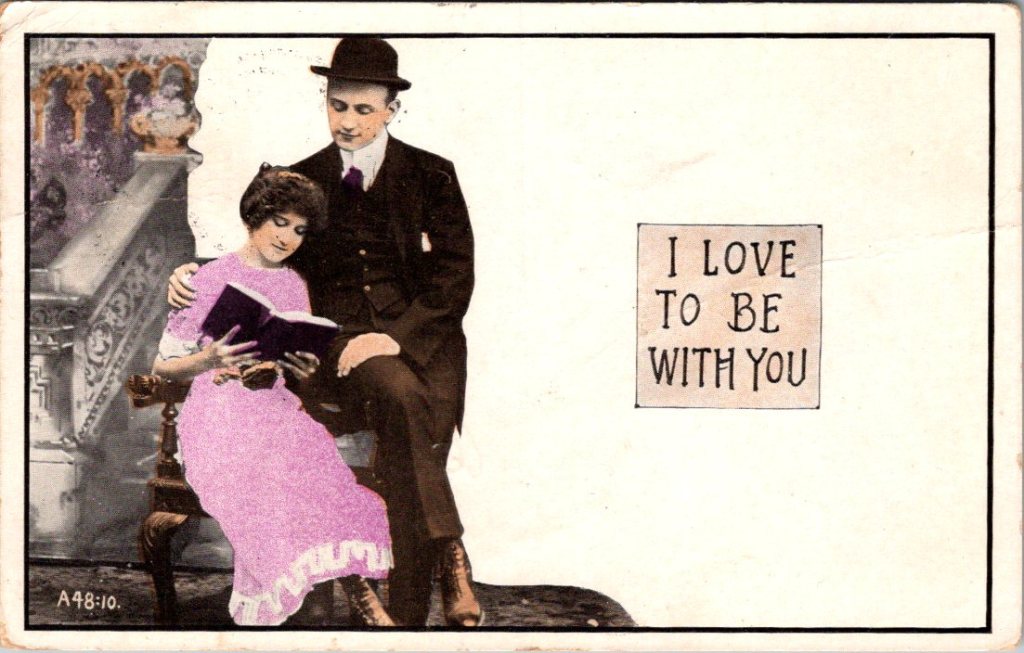
In the golden age of the postcard — roughly 1900 to 1920 — Americans sent billions of them. A trip to the lake. A hello from the city. A heart, a name, a single line of longing, on full view to the mail carrier and anyone else who handled it along the way. The medium demanded brevity, levity, and a light touch.
That simple approach is worth noticing, because we tend to use the absence of time as our primary excuse for not reaching out. We sense there isn’t room in the average difficult day for a real conversation. So we wait. And the time doesn’t come. And the silence grows.
A postcard is a signal, not a report. It says: I haven’t forgotten. A brief message can make a big point. At times, the whispered delivery bears the full meaning.
The research on what makes people feel less alone points not to the depth of connection in any given moment, but to its consistency. There is comfort in the reliable sense that someone, somewhere, is holding you in mind. A brief, warm gesture, repeated, does more for that feeling than an overwrought or inconsistent one.
Simple gestures are not consolation prizes. They are the architecture of belonging.
Sadly true, is often easier to extend kindness to a stranger than to sustain the loving glow among the people you know best. A stranger on a difficult day can receive warmth without a complicated history. They don’t owe you a response and you likely won’t know how the gift was felt. You haven’t let them down in the small accumulated ways that life’s closeness allows.
The people we love most are the ones we are most likely to let drift or actively ignore. A peculiar paralysis comes with the familiar foibles, caring deeply, and feeling the gap widen.
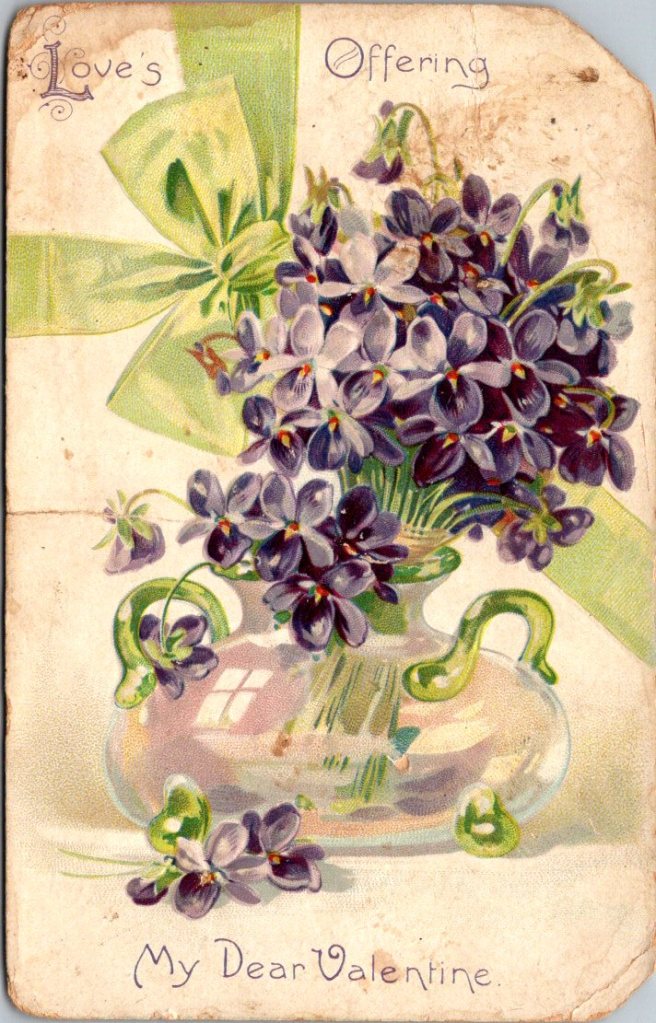
So here is a gentle nudge, the week after the holiday, when the pressure is off and the expectations are low. Not because it’s February. Because it’s Wednesday, and someone who loves you needs to know. A postcard or a hug, a humble tug on the sleeve or a quiet walk. None of it asks or offers too much. A simple, “We are ok,” can be enough.
LOVE IS CRINGE
The seasonal gallery is creepy, cringey, lacking humor, and awfully lowbrow. If love has struck you awkward or dumb, we know how.
Discover more from The Posted Past
Subscribe to get the latest posts sent to your email.

 The Posted Past