A lone Buffalo Soldier on horseback captures a moment of dignity in African American military history.
Real Photo Postcards (RPPCs) offer tangible connections to history, yet they often emerge from a family photo album or shoebox collection entirely without context. Piecing together their stories requires careful observation and historical research, picking up valuable clues along the way.
Today’s case is an image of a lone Buffalo Soldier on horseback, printed sometime between 1904 and 1918. This postcard captures a moment of dignity in African American military history. The soldier sits tall in the saddle, wearing a formal military dress cap (rather than the campaign hat often associated with frontier service) and a meticulously maintained uniform. The setting—featuring a substantial brick building and cement sidewalk—suggests an established military installation rather than a frontier outpost.
The man is likely from the 9th or 10th Cavalry, and two military posts stand out: Fort Robinson in Nebraska and Fort Myer in Virginia, both important locations in Buffalo Soldier history.
Western Bastion
From 1887 to 1898, Fort Robinson served as Regimental Headquarters for Buffalo Soldier cavalry and infantry units. The 9th Cavalry Regiment made its headquarters there beginning in 1887, serving with distinction and boasting ten Medal of Honor winners from the Indian Wars. The Buffalo Soldiers at Fort Robinson earned a reputation for discipline and effectiveness that would later influence their assignments to more prestigious postings.
The 10th Cavalry Regiment maintained a significant presence at Fort Robinson during the early 1900s. The substantial brick buildings and newly constructed cement sidewalks visible in the photograph align with Fort Robinson’s infrastructure during this period, as the fort underwent significant modernization around this time. The formal dress uniform and cap in the photograph suggest this might have been a commissioned officer or a non-commissioned officer in a ceremonial or garrison role at the fort.
Nation’s Capital
Troop K of the 9th Cavalry served at Fort Myer in Virginia from May 25, 1891, to October 3, 1894, under the command of Major Guy Henry, a Medal of Honor recipient. This prestigious assignment bears a direct link to Fort Robinson. The selection of Troop K for this assignment was a recognition of the outstanding performance at Fort Robinson and other western posts.
The post at Fort Myer was the first time after the Civil War that an African American unit was stationed east of the Mississippi River near a major metropolitan area. The dignified formal pose and military dress cap would be consistent with a soldier stationed at this prestigious posting adjacent to Arlington Cemetery and Washington D.C., where ceremonial duties would have been part of their responsibilities. Both geographic and symbolic, the lauded post demonstrates how the Buffalo Soldiers earned respect through excellence despite pervasive racial prejudice.
While the AZO markings suggest a 1904-1918 printing date for this postcard, it’s possible the photograph itself was taken earlier. Many soldiers had formal portrait photographs taken to commemorate their service, which were later reproduced as postcards. If this soldier served at Fort Myer with Troop K (1891-1894), the image could have been reproduced on AZO stock years later. Alternatively, if the image dates to the 1904-1907 period, it likely shows a 10th Cavalry soldier at Fort Robinson. Without identifying marks or annotations, we can only speculate.
In either case, the photograph reveals a poignant moment during a complex era of American history. The soldier’s strong gaze suggest a person aware of his place in this important legacy. The Buffalo Soldiers’ contributions to American military history invite deeper study, recognition, and remembrance.
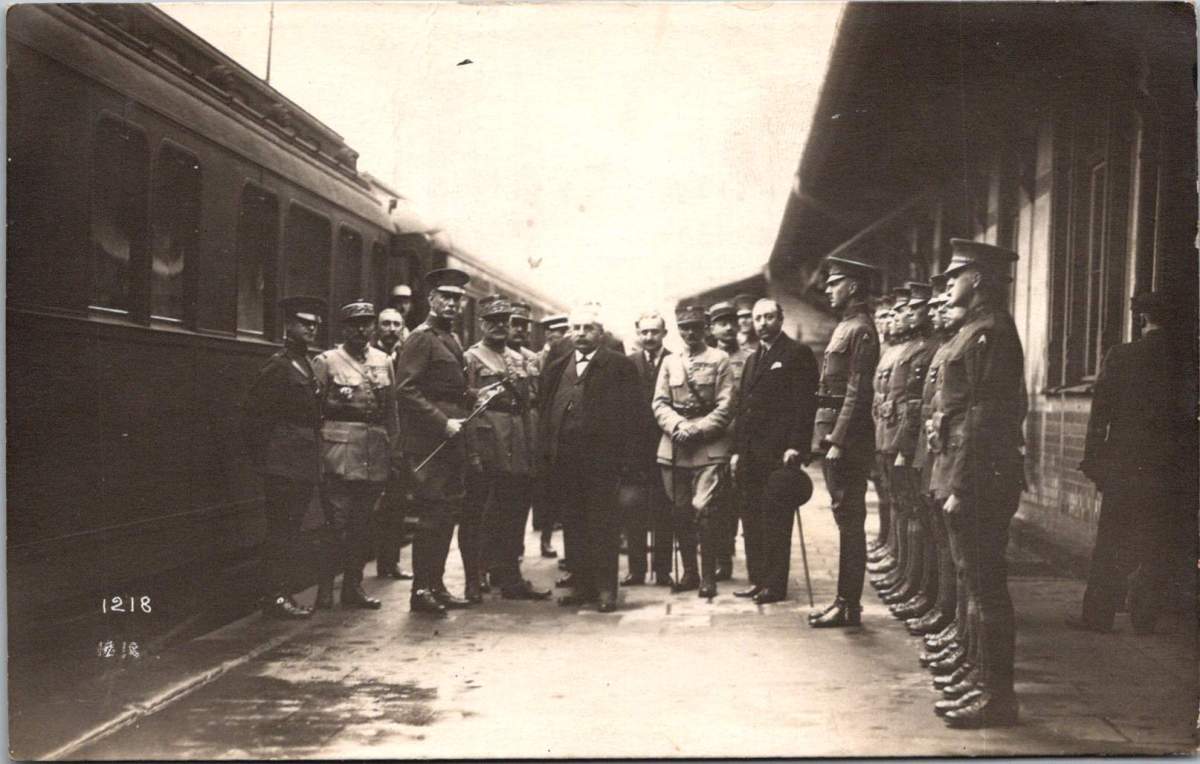
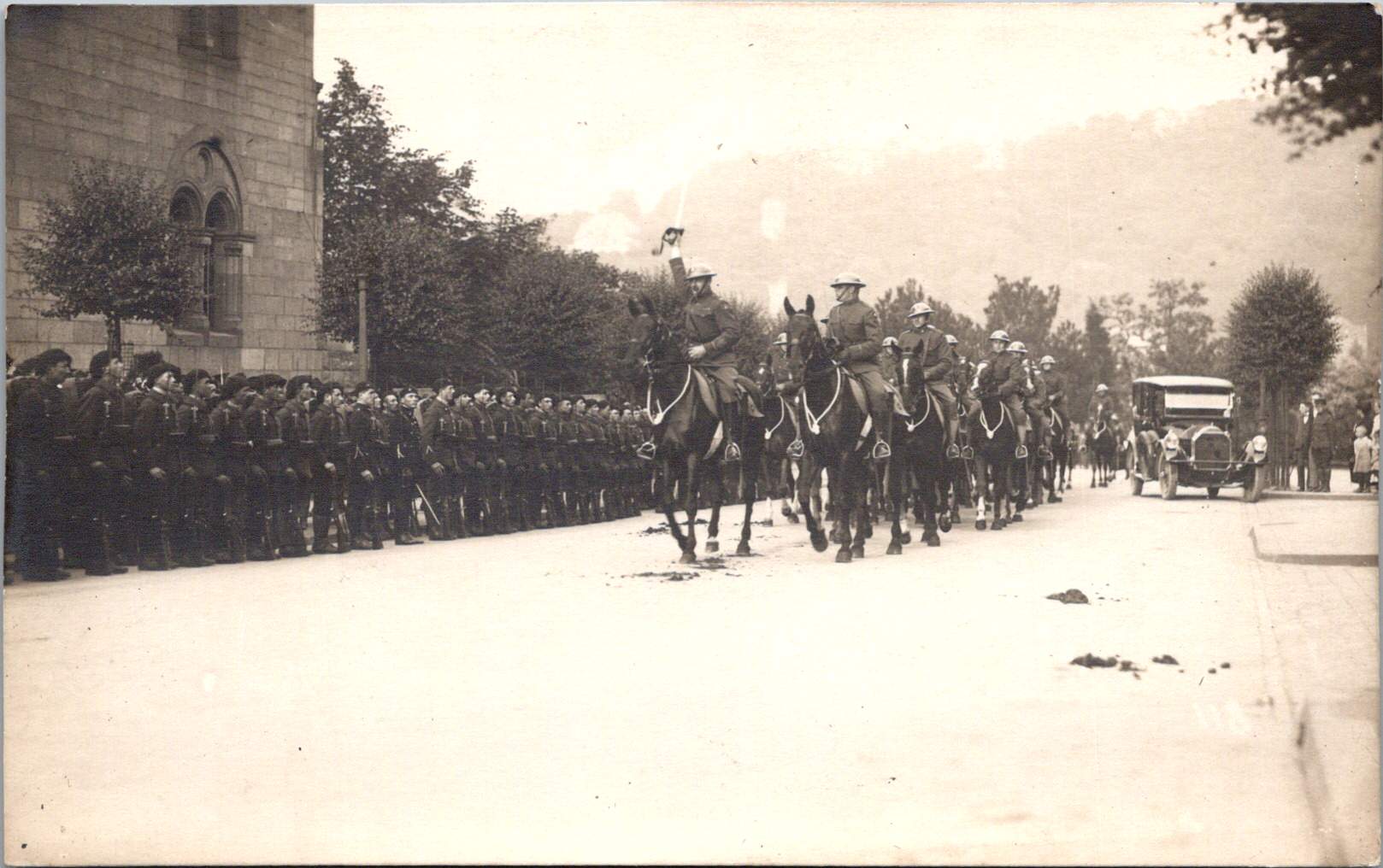
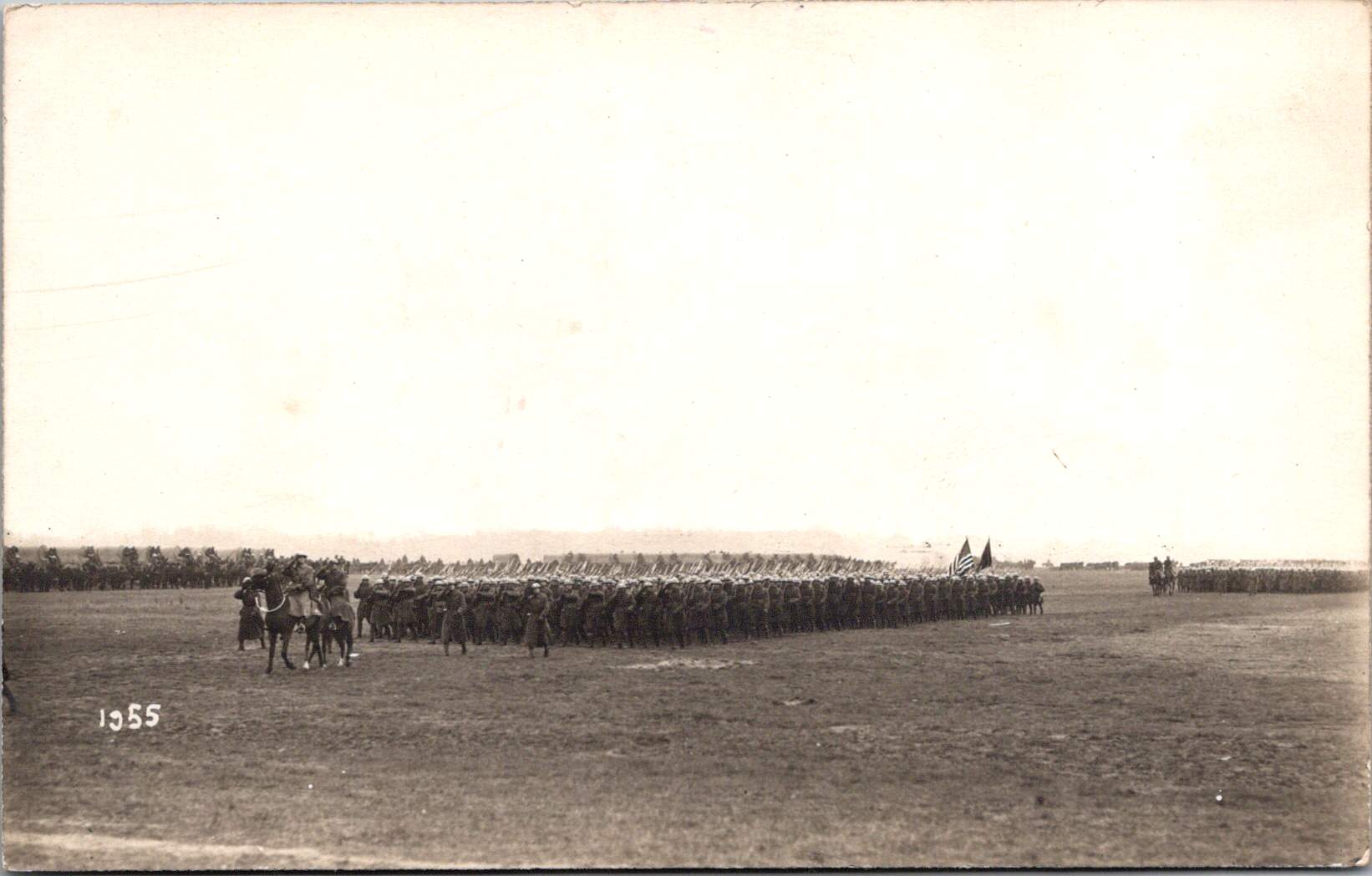
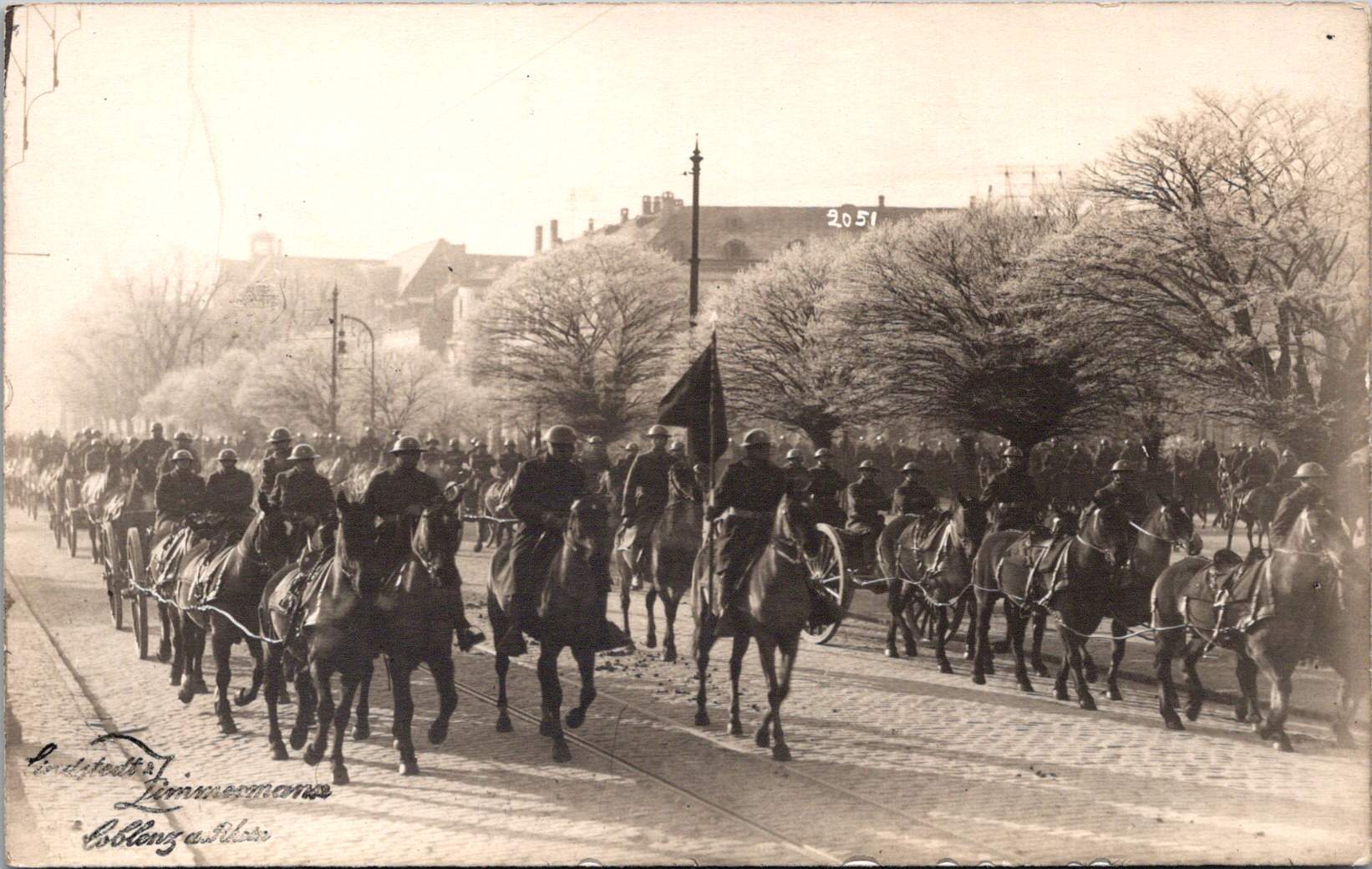
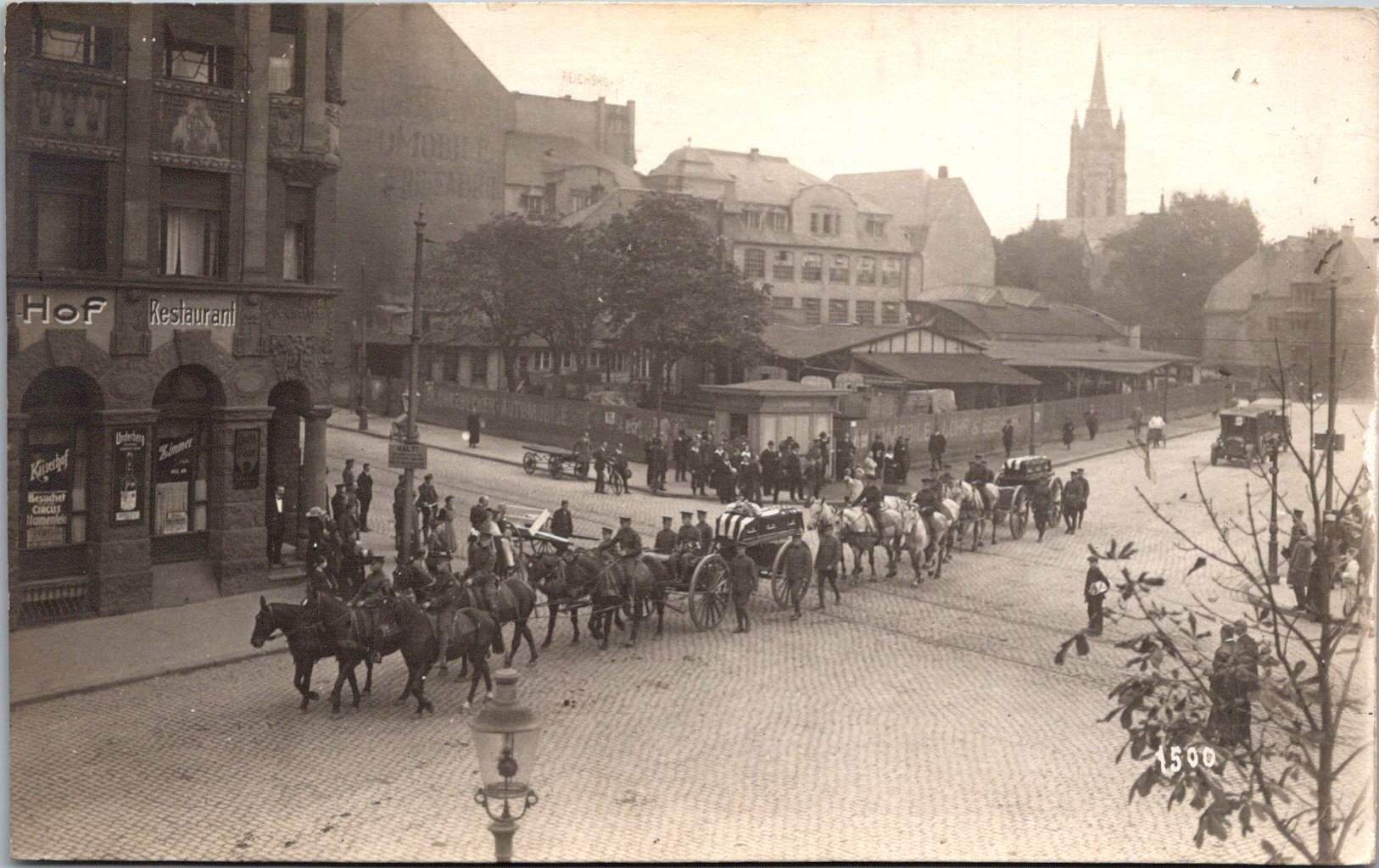
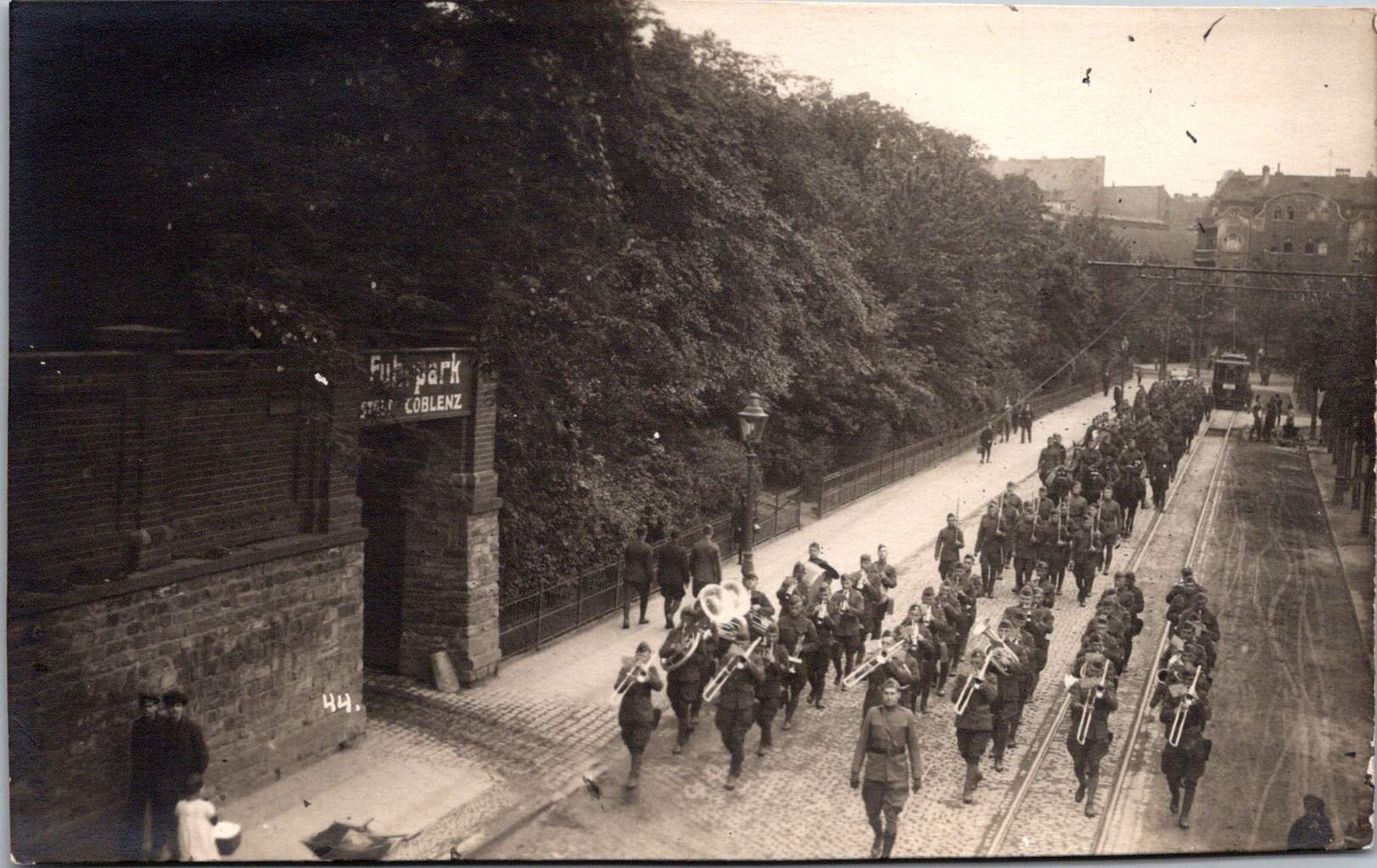
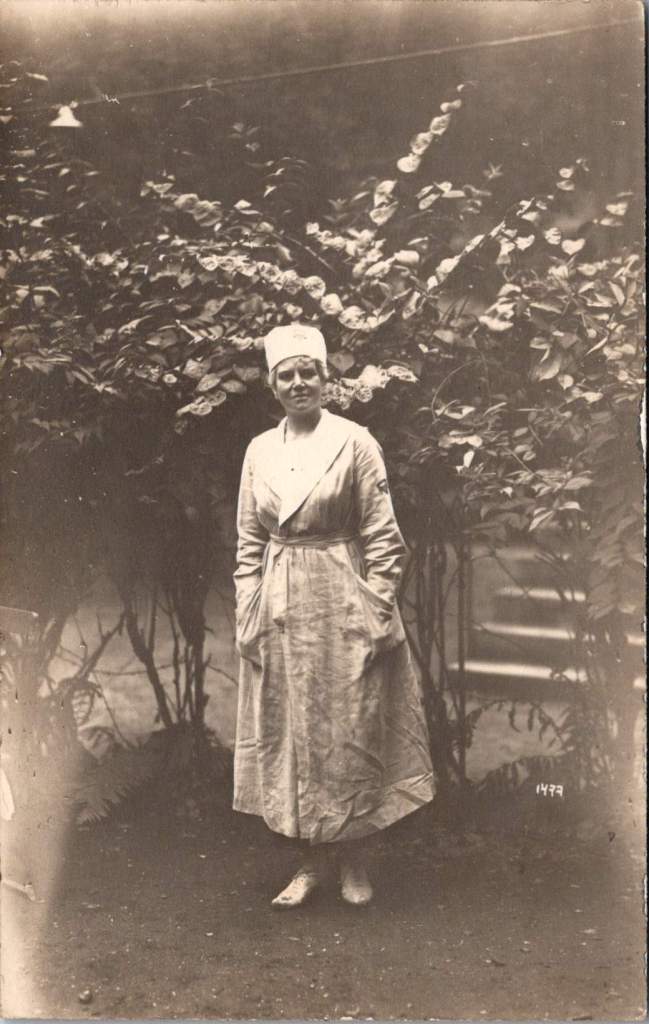
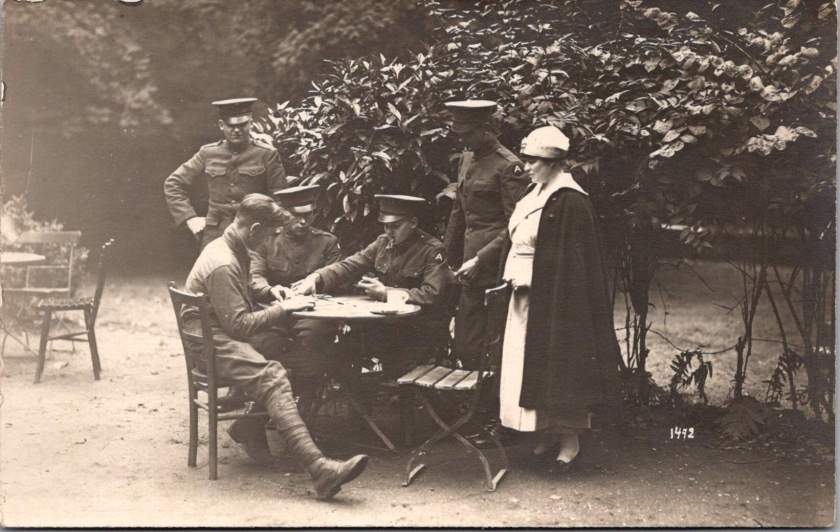
A Swedish-German photography team documented America’s occupation in Coblenz after World War I.
Coblenz (now Koblenz), situated strategically at the confluence of the Rhine and Moselle rivers in Germany, has experienced numerous military occupations throughout its long history. The city’s geographic importance as a crossing point and defensive position made it a coveted location for military powers across the centuries.
Dating back to Roman times, when it was known as Confluentes, the settlement served as a military outpost securing Rome’s frontier. Through medieval and early modern periods, Coblenz changed hands repeatedly during Europe’s dynastic conflicts. However, the most significant pre-20th century occupation came during the French Revolutionary Wars and Napoleonic era (1794-1814), when French forces controlled the city for nearly two decades, incorporating it into the French First Empire.
After Napoleon’s defeat, the 1815 Congress of Vienna assigned Coblenz to Prussia. The Prussians recognized its strategic value and constructed the massive Fortress Ehrenbreitstein on the east bank of the Rhine, transforming the area into one of Europe’s strongest defensive positions. This began a century of Prussian, and later German, control that would last until the end of World War I.
US Occupation: December 1918
The American occupation of Coblenz emerged from the terms of the Armistice that ended World War I on November 11, 1918. The agreement stipulated that Allied forces would occupy the Rhineland, with the region divided into three primary zones: American, British, and French. This occupation was designed to ensure German compliance with armistice terms and provide leverage during peace negotiations.
On December 13, 1918, elements of the U.S. Army’s Third Army, commanded by Major General Joseph T. Dickman, crossed the Rhine and officially began the occupation of Coblenz and its surrounding area. By December 17, the American forces had fully established their headquarters in the city, with approximately 240,000 troops in the region, though this number would decrease significantly over time.
Major General Henry T. Allen later replaced Dickman as commander in July 1919, overseeing the majority of the occupation until American withdrawal in 1923.
Unlike France, which had suffered repeated German invasions and maintained historical animosities, American forces approached the occupation with less punitive attitudes. This pragmatic approach, combined with the economic resources American soldiers brought to the local economy, created a relatively stable, though still complex, occupation environment.
A Photographic Partnership
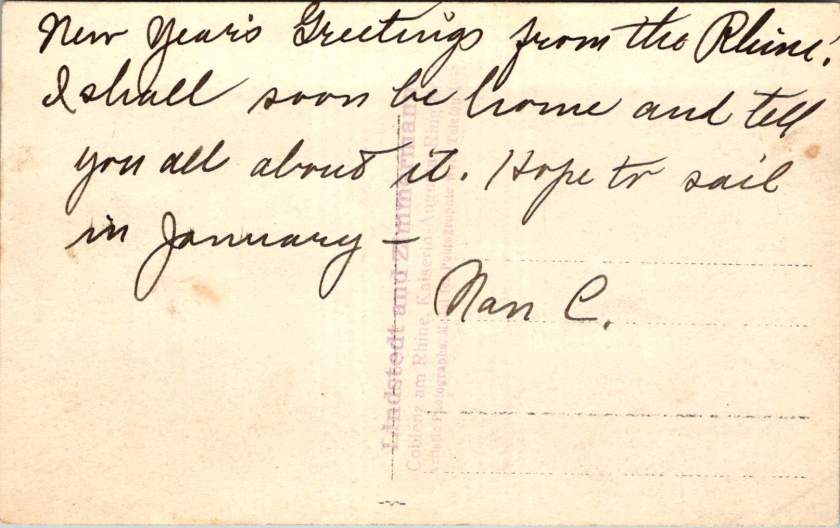
The American occupation of Coblenz coincided with a pivotal period in photographic history, and two photographers were perfectly positioned to document this unprecedented moment: Anna Victoria “Änne” Lindstedt and her husband Karl Zimmermann. By 1918, photography had evolved significantly from its mid-19th century origins, but still required considerable technical expertise. German and Swedish photography had developed along somewhat different paths.
Anna’s photographic journey began far from Germany, in southern Sweden. Born in 1883 in Hörby, Sweden, she was the daughter of J.M. Lindstedt, an established Swedish photographer. Photography in late 19th century Scandinavia was a growing professional field, with Swedish photographers making significant technical advancements. Anna grew up immersed in this environment, learning technical skills in her father’s studio during a period when photography was transitioning from a purely chemical process to a more refined art form. This Swedish background gave her a distinct perspective and technical foundation that would later influence her work in Germany. By the early 1900s, Anna had established her own photography studio in Lund, demonstrating her independence in a field still dominated by men.
Karl Zimmermann established a photography studio in Diez an der Lahn, Germany and was operating in 1914, at the outbreak of World War I. He had developed a reputation for documenting local events and creating portraits, building technical expertise during a period when German photography was gaining international recognition for its precision and artistic innovation.
The couple became engaged in 1916, in the midst of World War I. After the war ended, they merged their photography businesses in Coblenz, recognizing the unique historic and commercial opportunity presented by the American occupation.
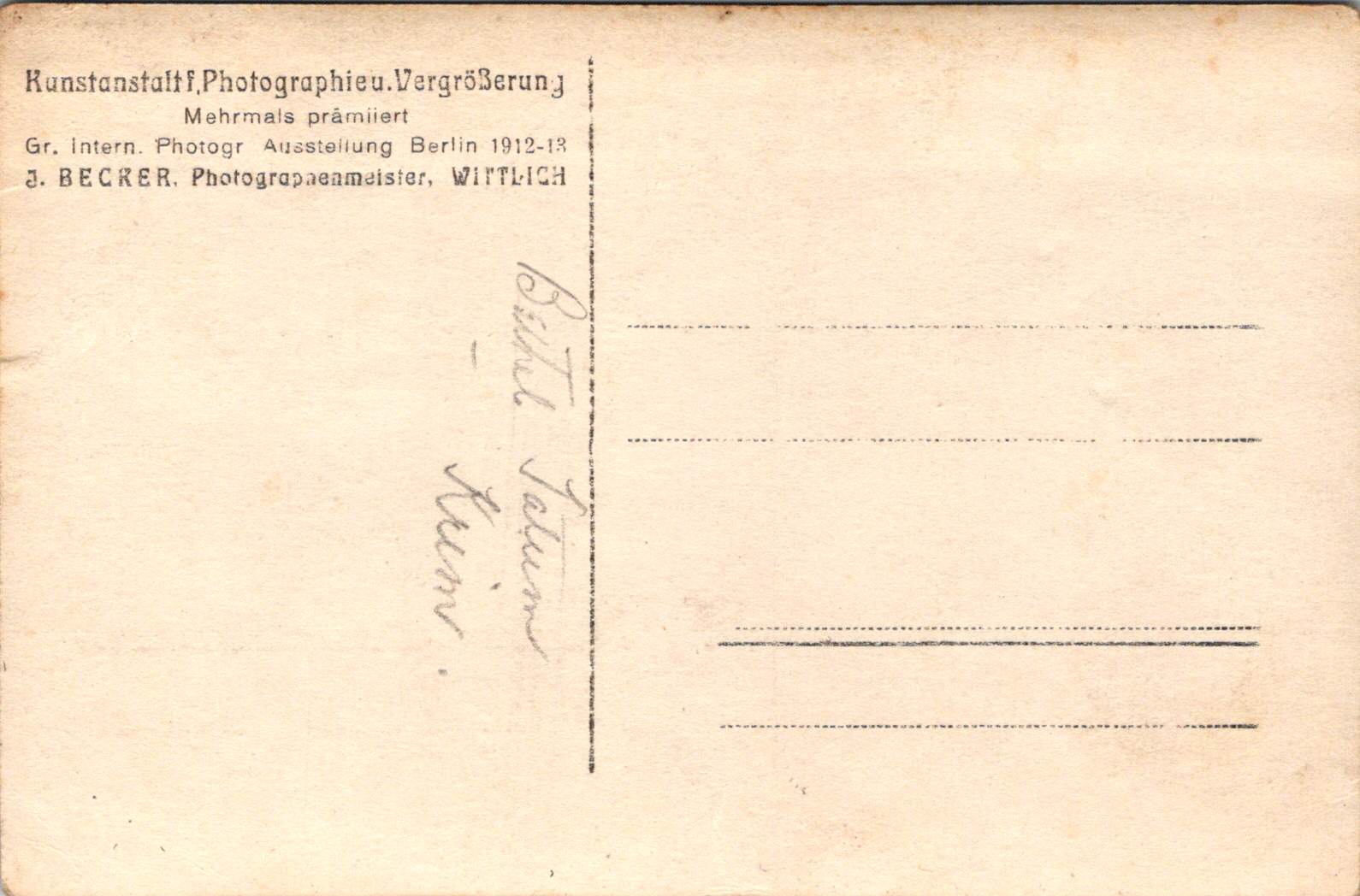
The real photo postcard (RPPC) format that Lindstedt and Zimmermann utilized had emerged in the early 1900s, enabled by the development of the postcard backing paper with preprinted postage markings. These allowed photographers to create small edition prints that could be sold commercially and easily mailed.
YMCA in the American Occupation
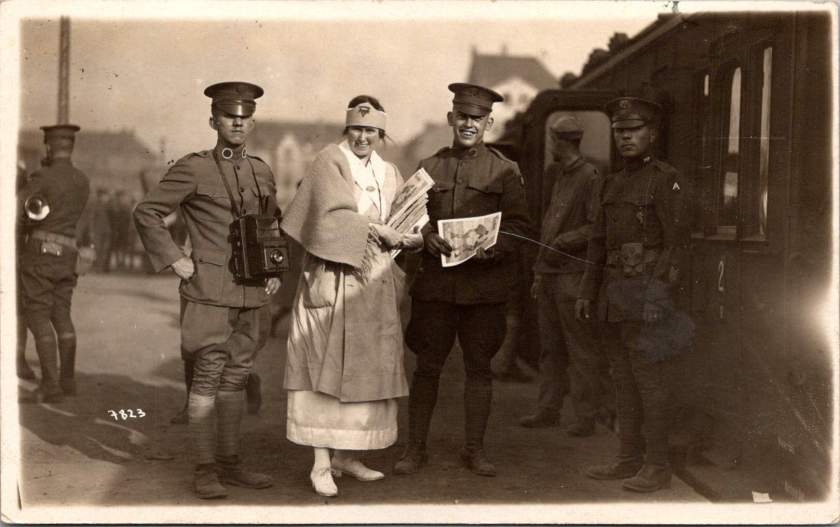
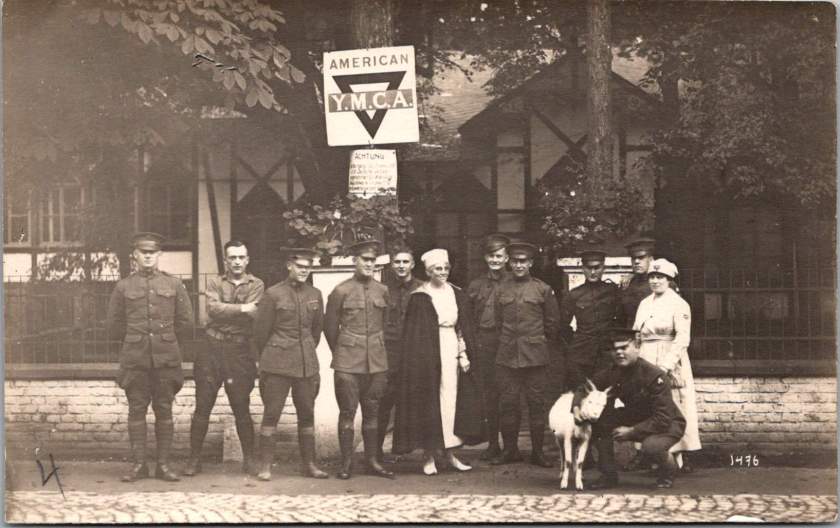
The Young Men’s Christian Association (YMCA) played a crucial role in supporting American troops during the Coblenz occupation. Within weeks of the American arrival, the YMCA established facilities throughout the occupation zone, with their main headquarters in Coblenz itself.
The YMCA’s presence in military zones had been established during the war, but the occupation presented new challenges. Rather than serving troops in active combat, the organization now needed to address the morale and welfare needs of an occupation force facing potential boredom and disciplinary challenges.
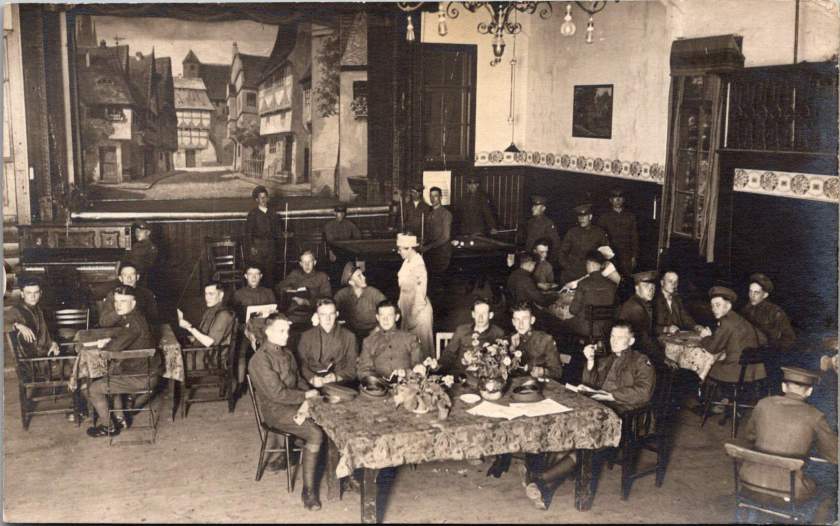
By 1920, the YMCA operated approximately 20 centers throughout the American zone. These facilities provided alternatives to less supervised entertainment, offering recreational spaces, reading rooms, educational programs, religious services, and organized athletics. The organization also facilitated cultural exchanges, including German language classes that helped improve relations between American troops and local residents.
YMCA centers became important social hubs for American forces, with thousands of soldiers visiting these facilities daily. The centers also employed a combination of American YMCA staff and local German civilians, creating a rare space for cultural integration during the occupation.
Soldiers’ Experiences
While the broad historical narrative of the American occupation focuses on military units and official policies, individual soldiers’ experiences varied widely. Some troops formed positive relationships with German civilians, while others remained isolated within American enclaves. Some embraced the opportunity to explore European culture; others counted days until their return home.
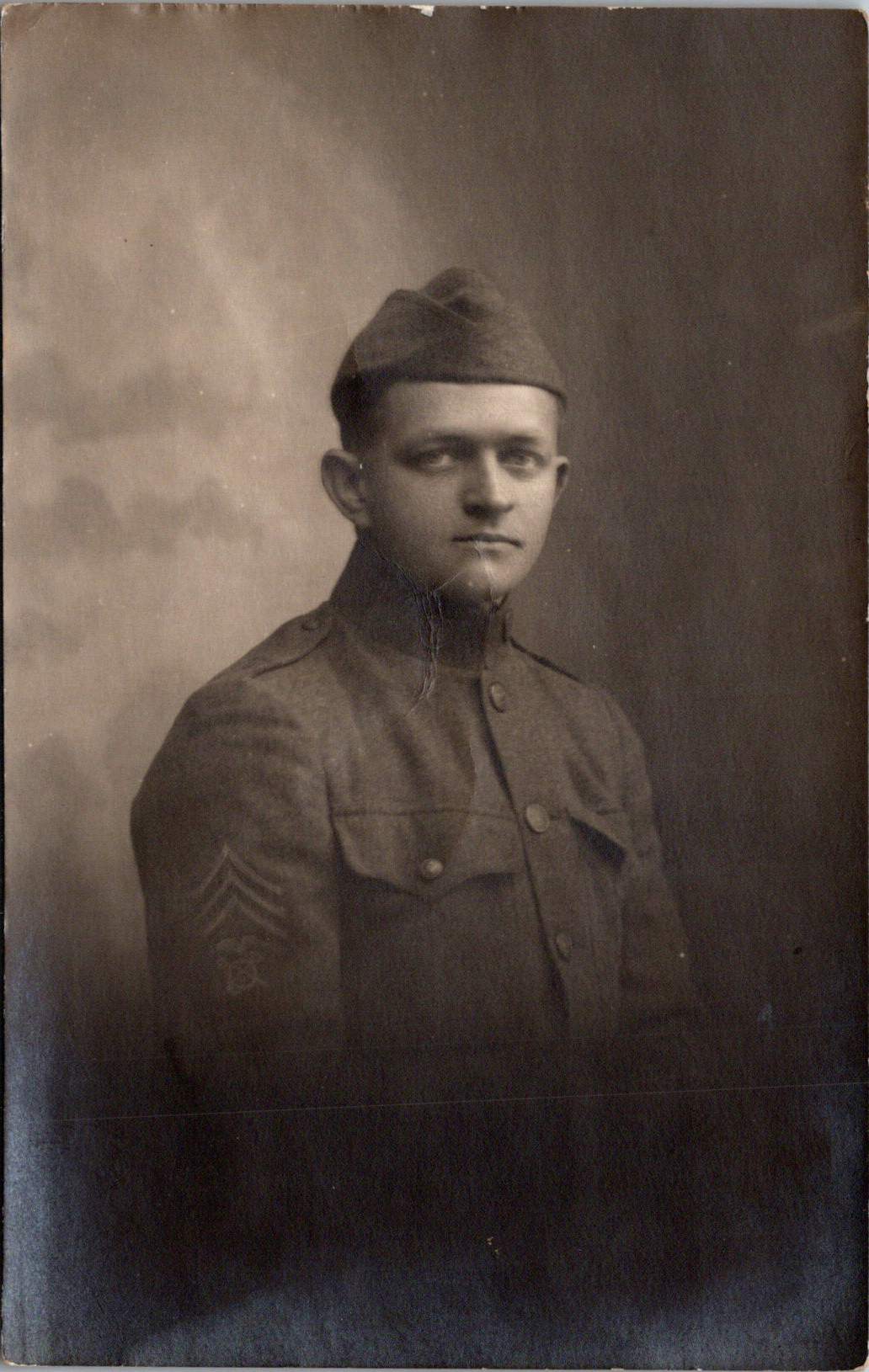
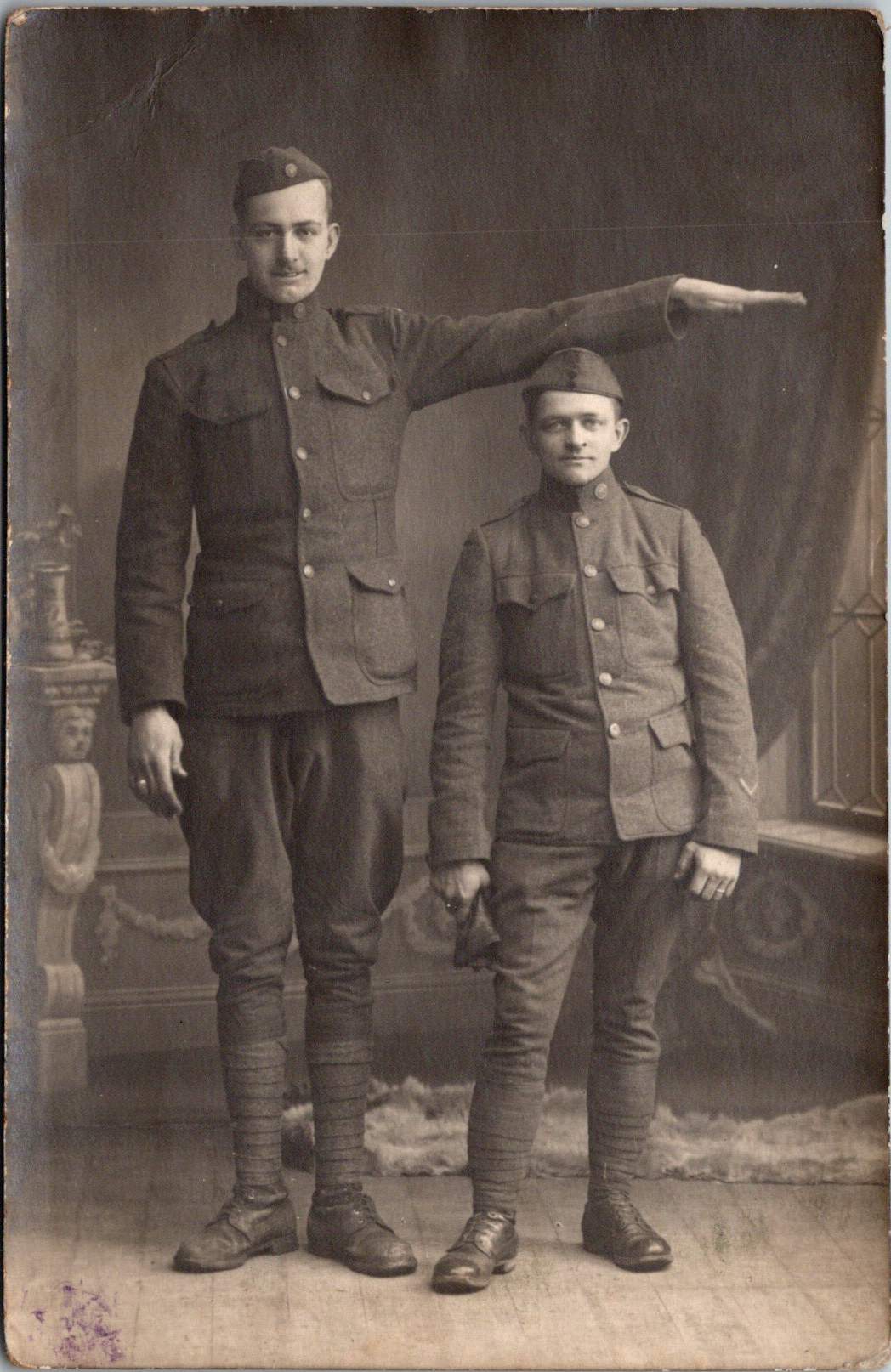
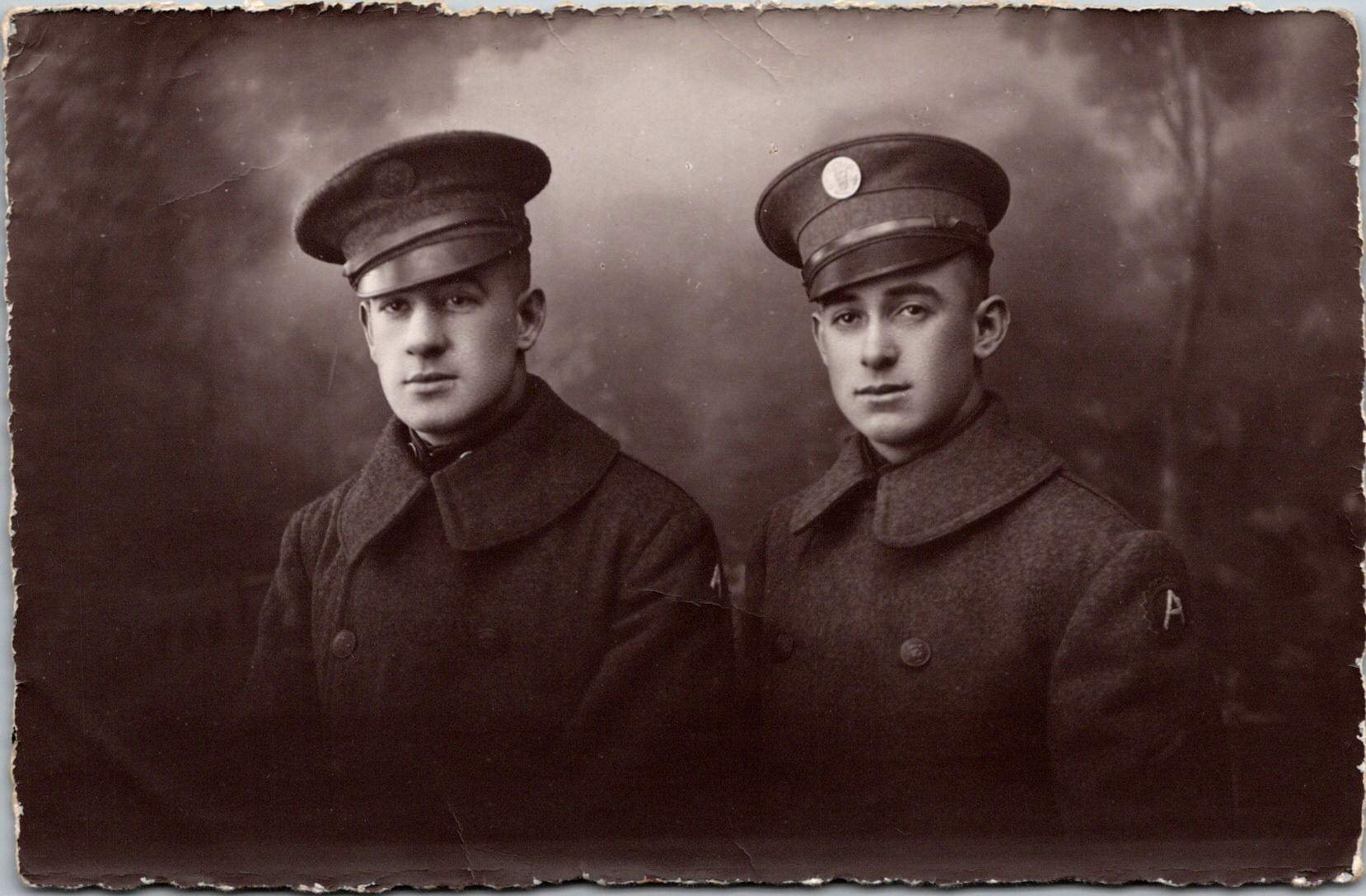
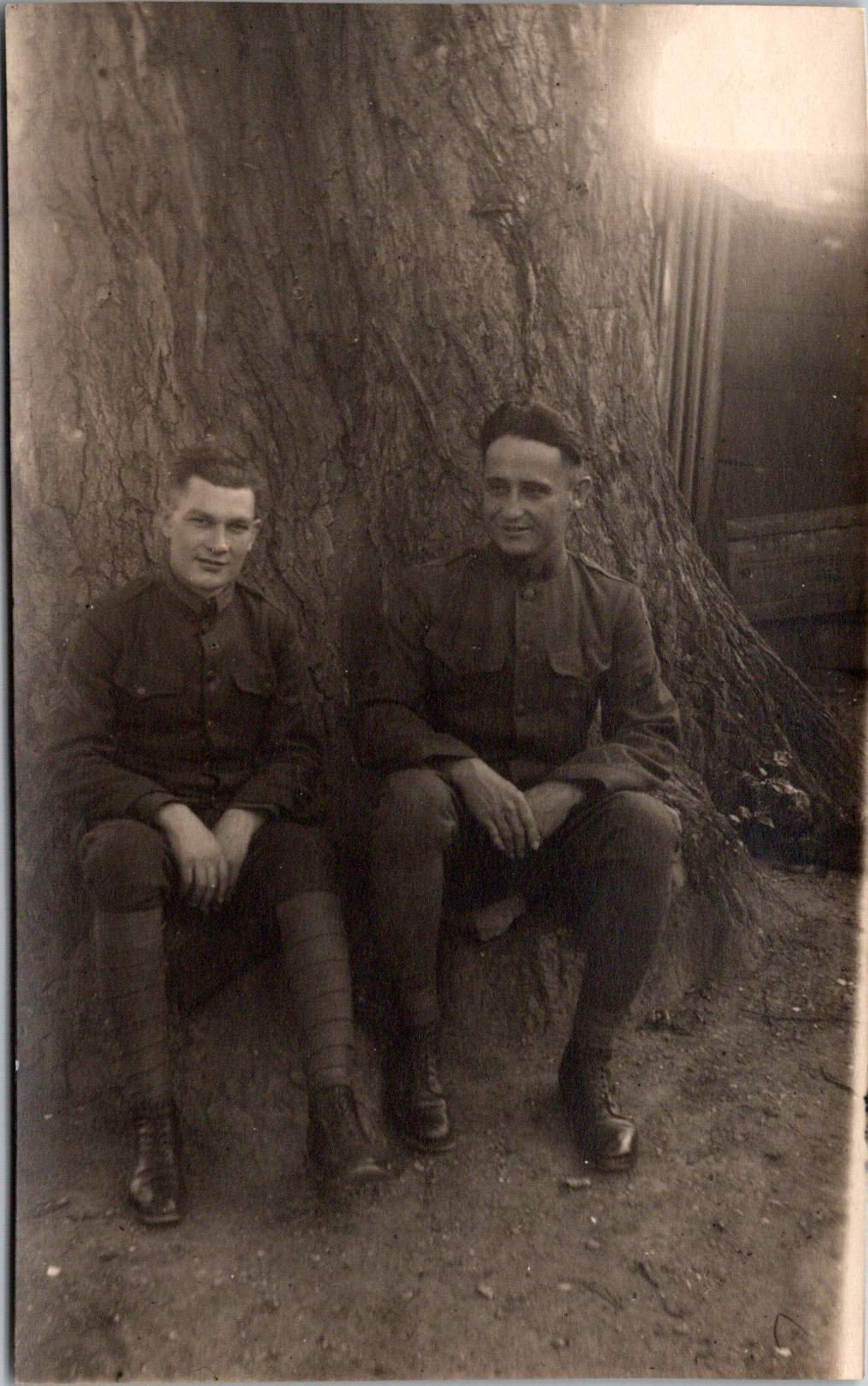
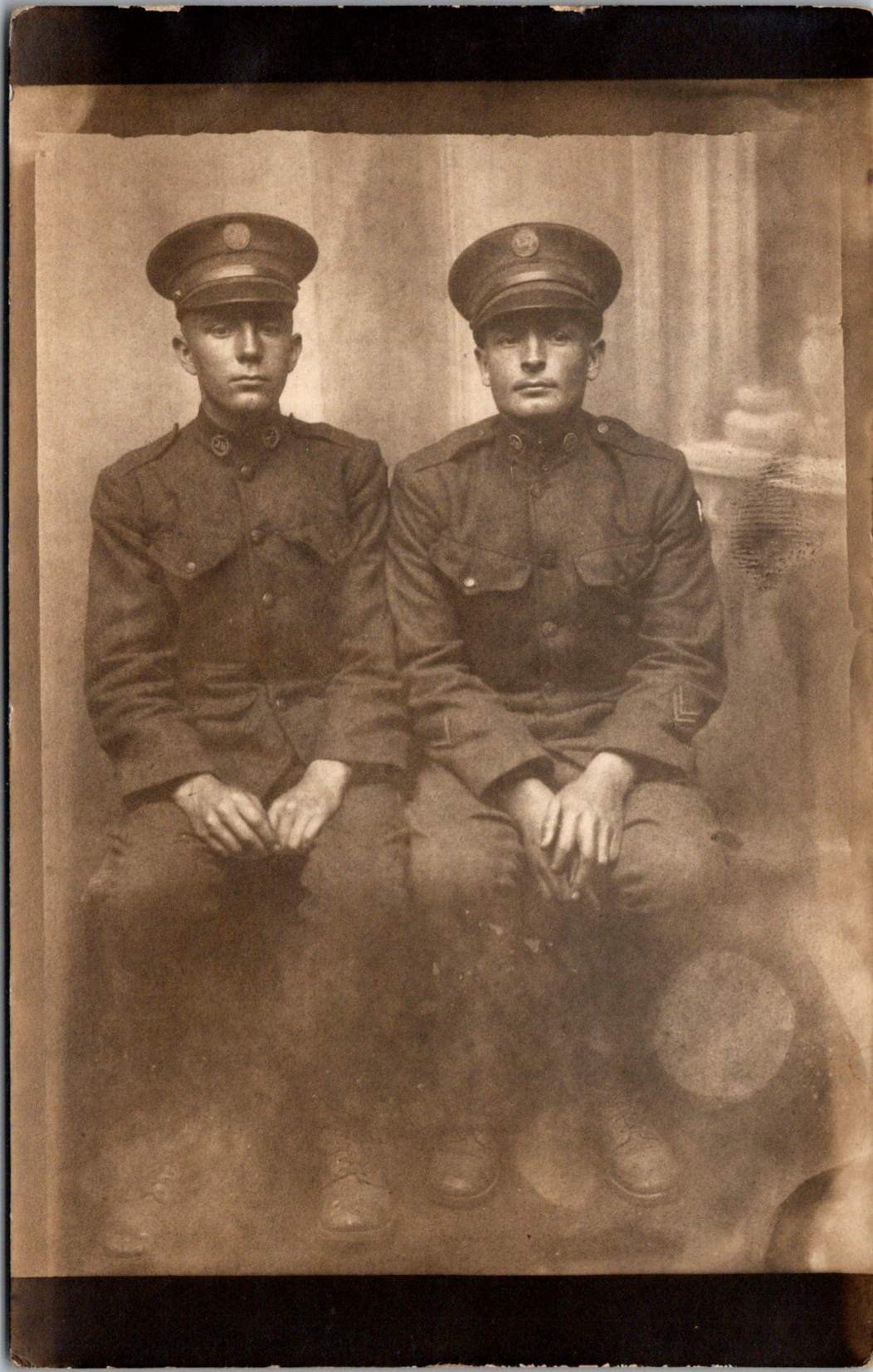
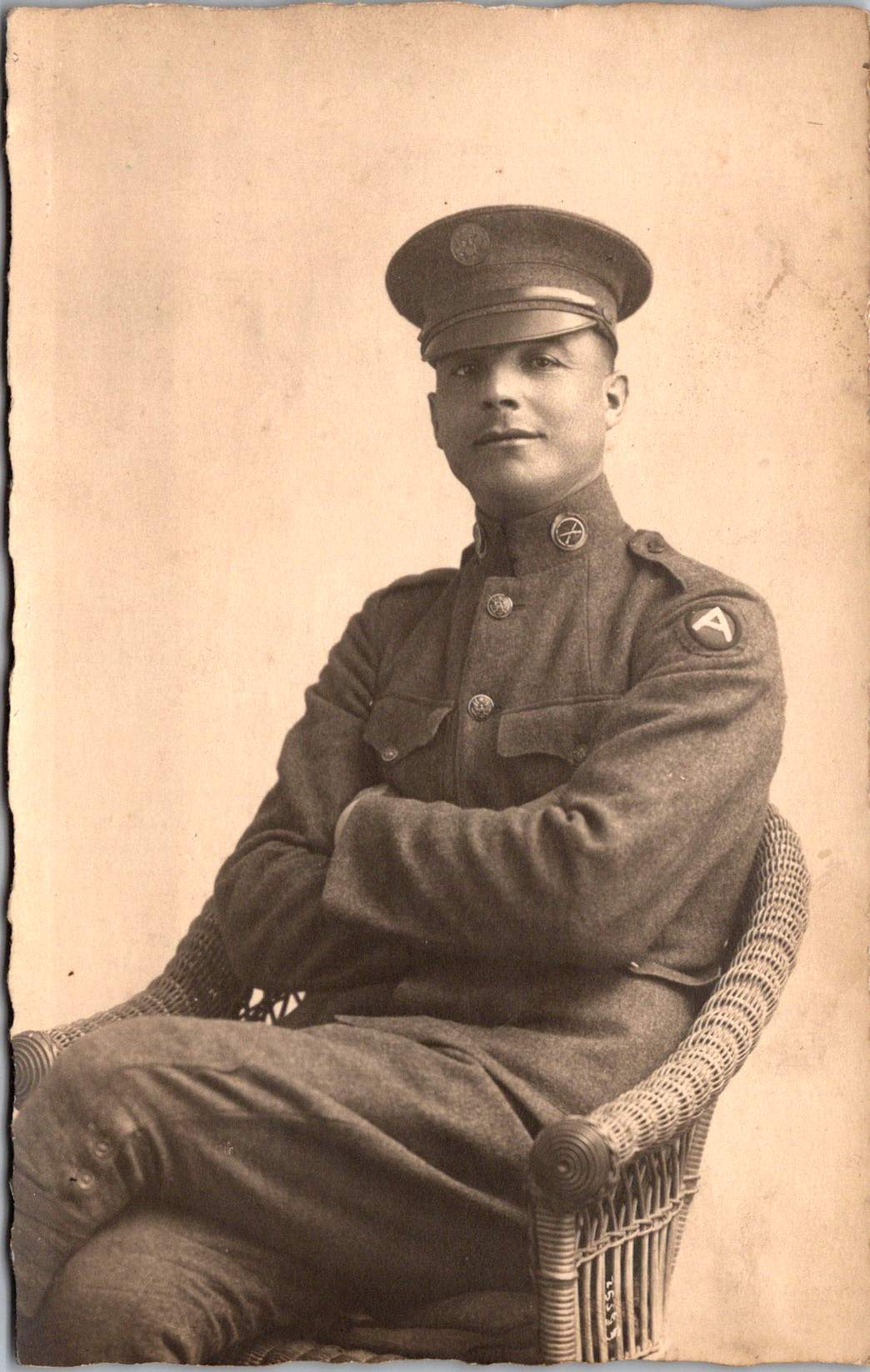
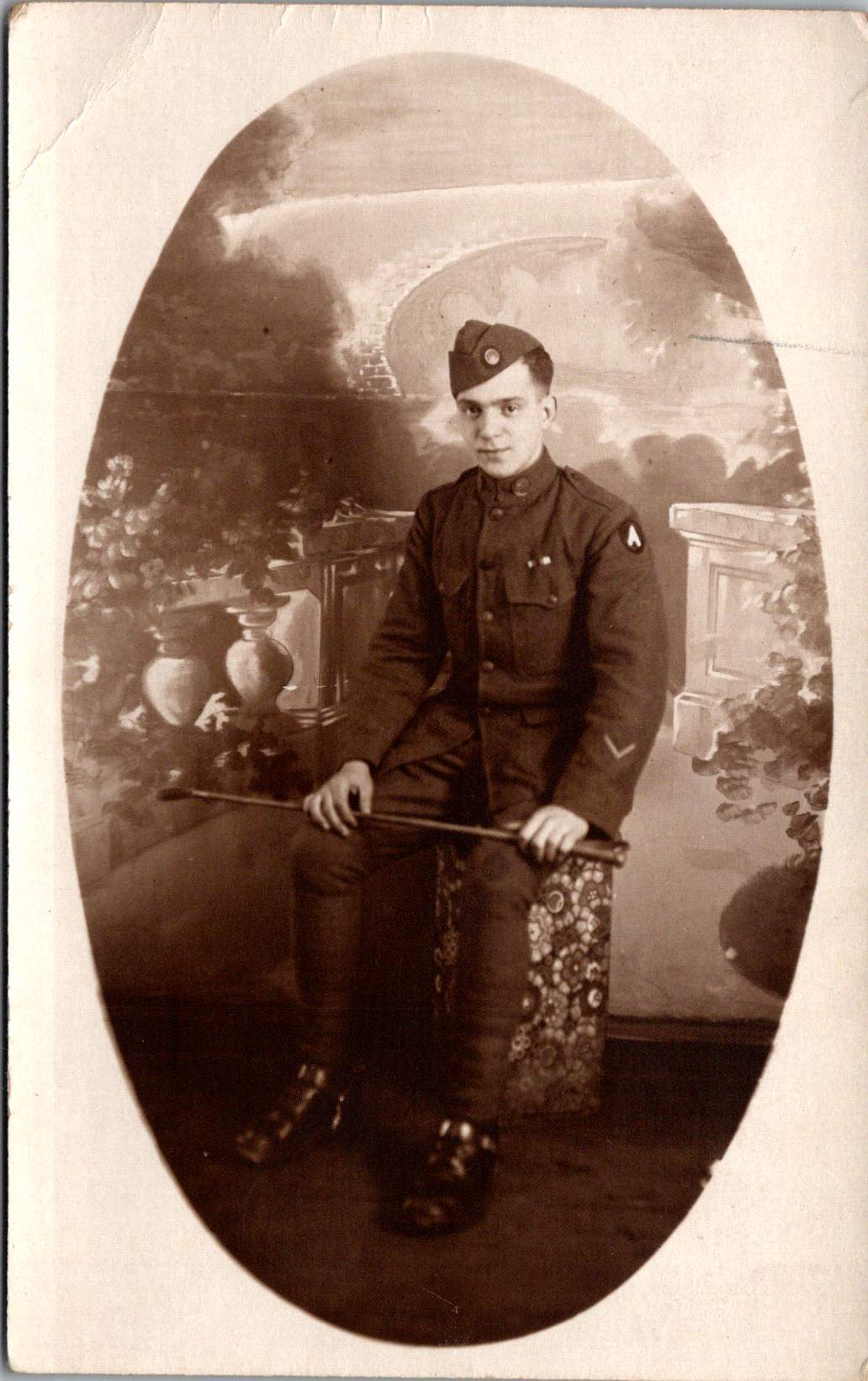
The convenience of real photo postcards can be a barrier in historical research. Only some cards were labeled with names of men — Charles E. Wilson Jr., Norman Page, and Donald Harris pictured here — who were among the thousands of American soldiers who had their portraits made in Coblenz during this period. Bethel Tatum appears in multiple images, as does another anonymous soldier. George Purcell’s military record confirms he received a silver medal for gallantry in action during World War I before serving in the occupation force.
One of the more curious connections involves 328 Chauncey Street in Brooklyn, New York, inscribed as the address for Charles Thomas, who appears in two photos. The same location later became famous as Jackie Gleason’s boyhood home and the fictional address in “The Honeymooners”. There are no known family connections, but this is how rumors begin. Soldier Charles Thomas bears an uncanny resemblance to the comedian star.
Olympic Connections
Pierre de Coubertin, founder of the modern Olympic movement, maintained a significant interest in post-war athletic events, including those organized by military forces. As president of the International Olympic Committee until 1925, he worked actively to revive international sporting competitions after the war’s disruption. He may have visited Coblenz on a tour of the Inter-Allied Games in the summer of 1919.
The 1920 Summer Olympics in Antwerp, Belgium—the first Games held after World War I—represented a significant milestone in de Coubertin’s efforts. Karl Zimmermann, who worked for both the US and French forces, may have traveled to Antwerp, and even photographed de Coubertin and General Pershing.
By 1928, Karl’s declining health forced changes to their business operations. Änne became managing director in 1930 and changed the business name to Welt-Foto-Koblenz, perhaps an attempt to broaden their commercial appeal and provide delicate cover for husband’s ailments. Karl’s mental health continued to deteriorate, ending his photojournalistic work by 1934. After his death in 1943 at the Hausen/Wied sanatorium, Änne managed to preserve aspects of their photographic legacy through the war years.
Änne’s post-war life included time between Koblenz and her native Sweden, maintaining connections to both the place where their most significant work was created and her homeland. She died on November 11, 1962, and was buried in the new cemetery in Åhus, Sweden, bringing her remarkable photographic journey full circle.
A Photographic Legacy
The Lindstedt and Zimmermann postcards documenting the American occupation of Coblenz represent an important visual historical record of this significant period. These images provide insight into a unique moment when American forces first occupied European soil—a preview of the much larger American military presence that would emerge in Europe after World War II.
Their work serves multiple historical functions: documenting military operations, capturing cultural exchanges, preserving individual experiences, and recording the physical environment of occupied Coblenz. This rare visual archive helps us understand what happened during the occupation, and how daily life unfolded.
Through the combined Swedish-German lens of Lindstedt and Zimmermann, we gain a more nuanced understanding of this complex chapter in American-European relations and the early development of American overseas military presence that would shape the 20th century.
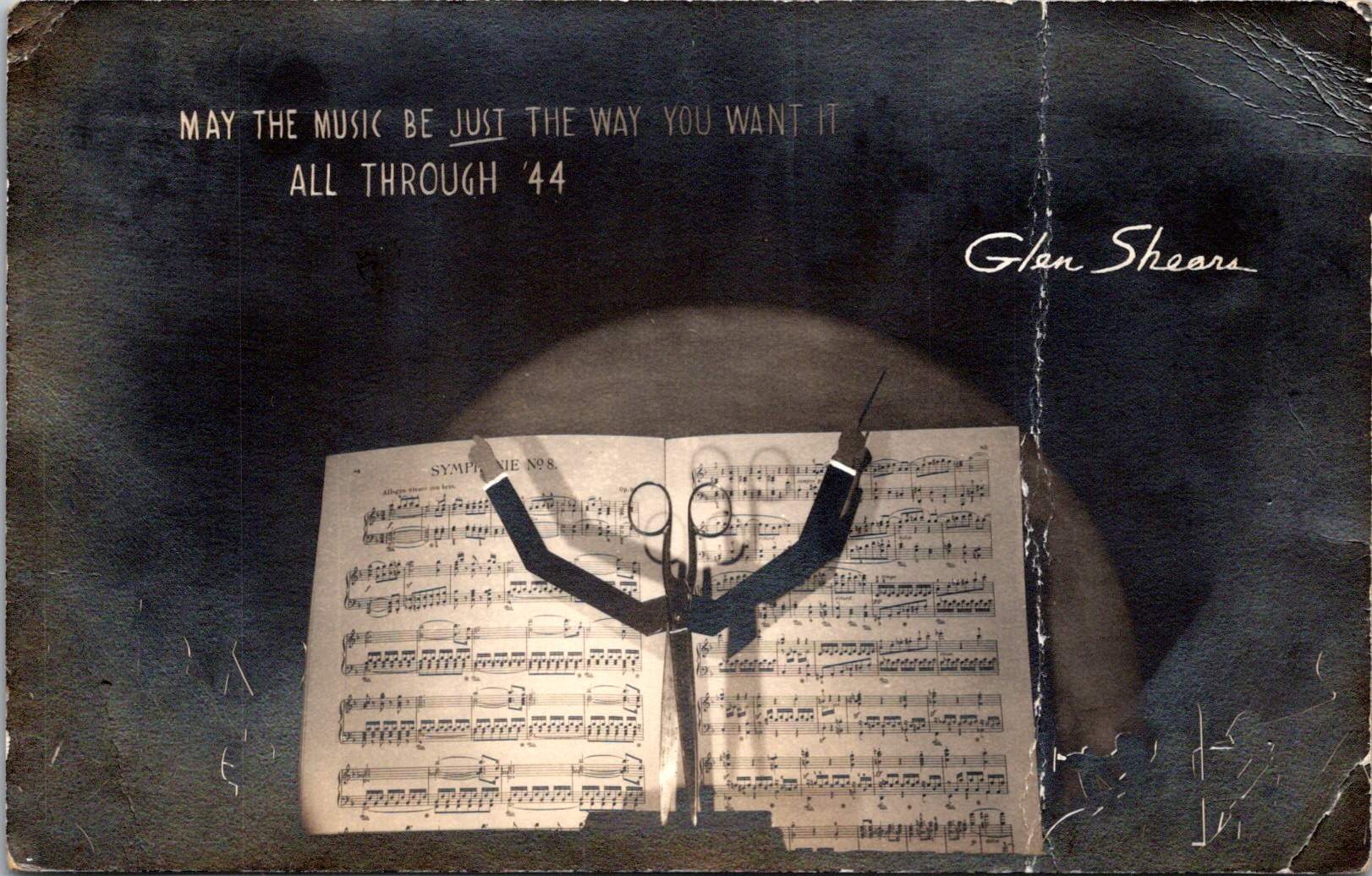
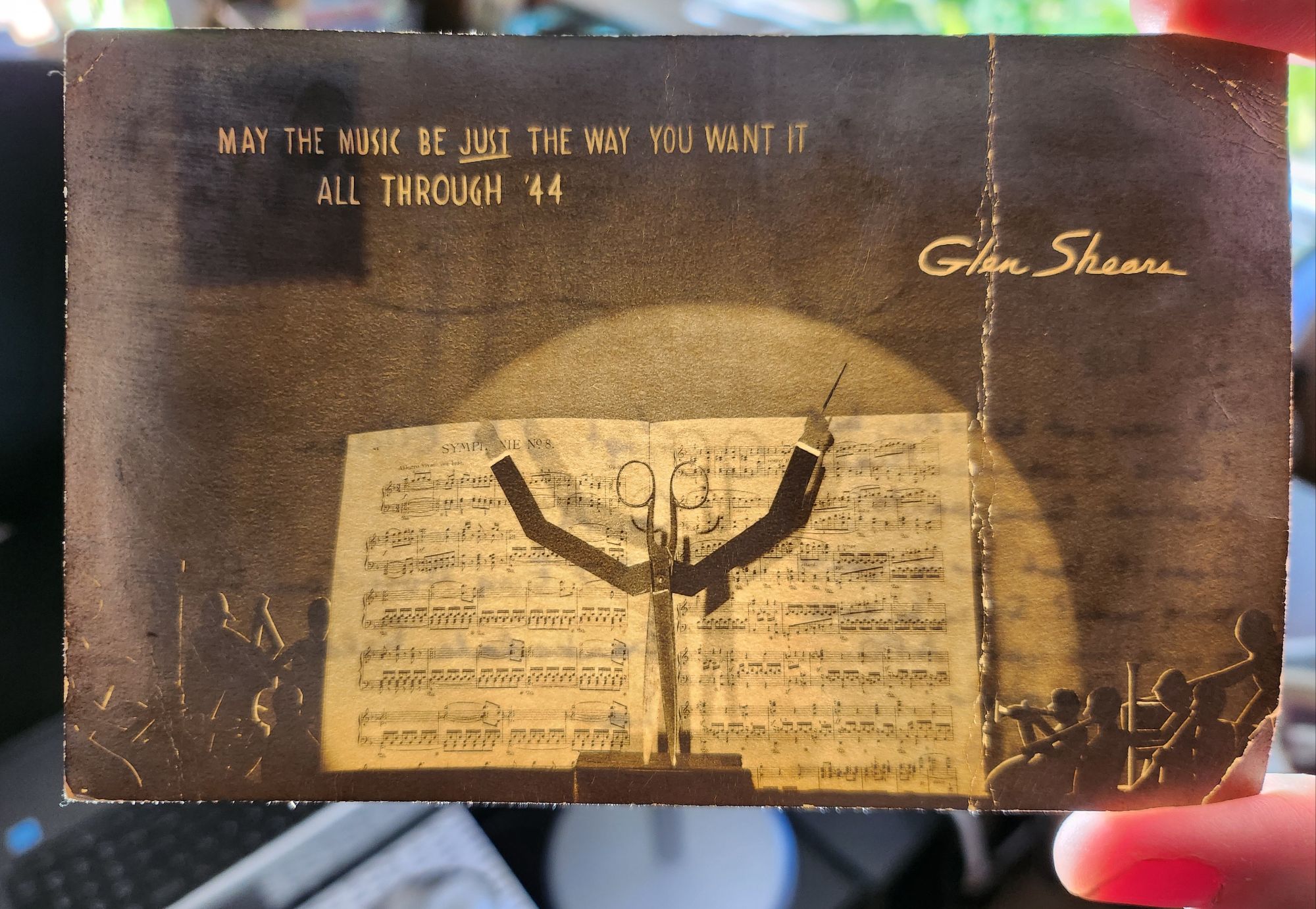
When held up to the light, this 1943 wartime postcard reveals a play on names and a hidden orchestra – but that’s just the beginning of its secrets.
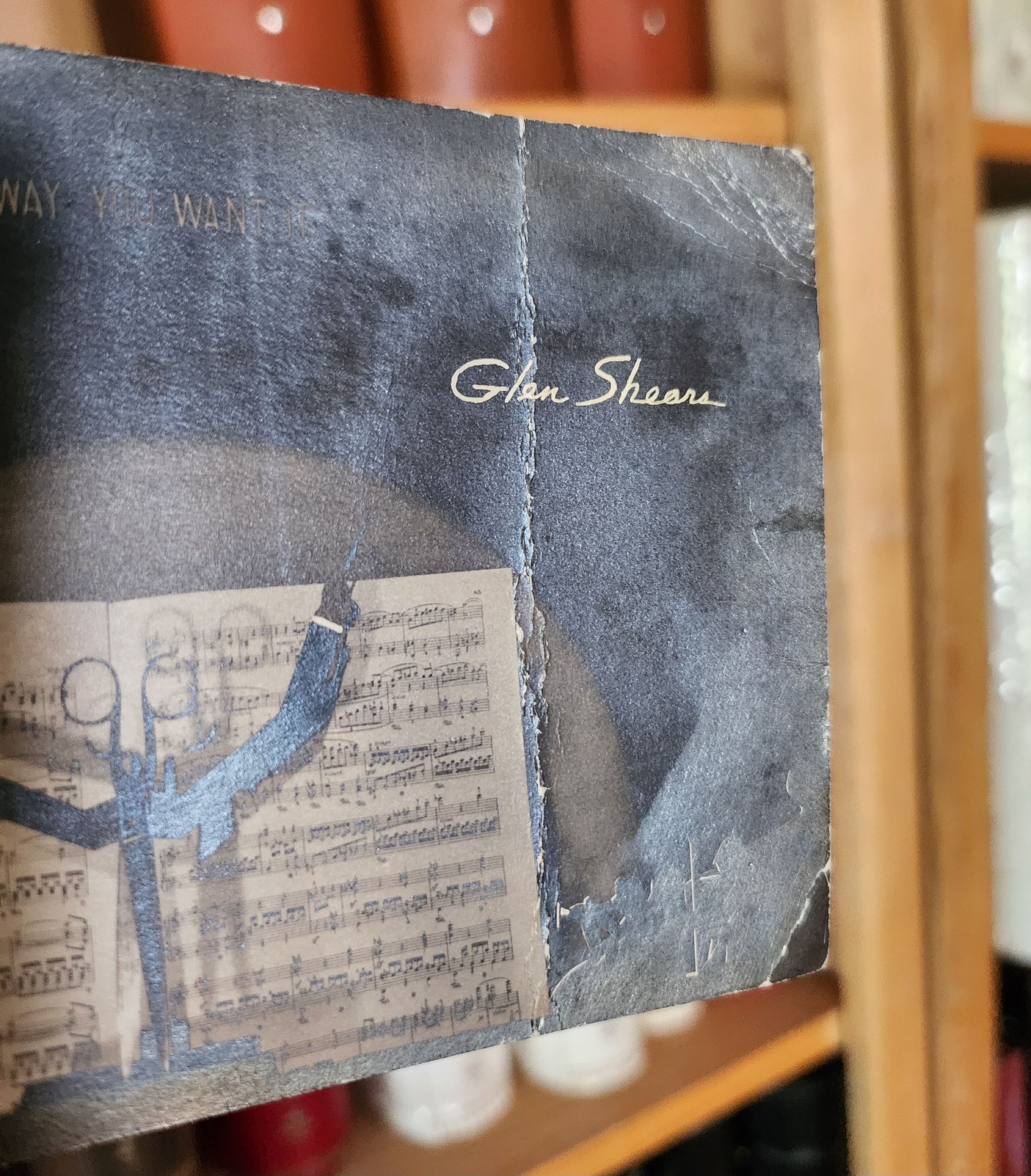
On a dark December day in 1943, someone in Chicago mailed an extraordinary postcard. At first glance, it appears to be a silver gelatin photograph of sheet music and a pair of scissors, artfully arranged and lit. But when held to the light, the card transforms – silhouetted orchestra members emerge from the shadows, and the scissors become a conductor’s upraised arms, creating a miniature theater of light and shadow. The message at the top reads MAY THE MUSIC BE JUST THE WAY YOU WANT IT ALL THROUGH ’44, signed playfully by Glen Shears – a silly pun referencing Glenn Miller, America’s most popular bandleader, and the scissors in the image.
The technical sophistication of this artifact presents an intriguing mystery. Its foundation is a silver gelatin photographic print, created using the same process that Eastman Kodak had popularized with their 1903 postcard camera. But the card’s creator went further, adding to the photograph a second iridescent overlay to create the hidden orchestral scene – a remarkable innovation combining two distinct images. During wartime rationing, when the War Production Board strictly controlled access to photographic papers and printing supplies, the mere existence of such an experimental piece raises questions about its origins.
Two theories emerge: The card might be the work of an individual artist-photographer, one of the creative practitioners who had embraced Kodak’s democratization of the postcard medium. The careful composition, masterful lighting, and precise registration of the overlay suggest someone with both technical expertise and artistic vision.
Or, it could be an experimental piece from the American Colortype Company of Chicago (or one of a handful other production houses) known for innovative printing techniques and possessing both the technical capabilities and wartime authorization to access restricted materials.
But as we look closer, deeper historical resonances emerge. The card was postmarked December 15, 1943, and addressed to Staff Sergeant J.M. Ellison of the 937th Engineer Aviation Combat Battalion at Barksdale Field, Louisiana. The sender’s casual inquiry – “Does it look as if you’re going over?” – hints at the imminent deployment of Ellison’s specialized unit.
The 937th was part of the Army Air Forces’ engineering force tasked with rapidly constructing and maintaining combat airfields. These Aviation Engineer Battalions could build a 5,000-foot runway in as little as 15 days, creating the infrastructure that would support the Allied advance across Europe. Following D-Day, units like the 937th pushed forward with combat operations, often working under fire to establish the forward airfields necessary for tactical air support and troop transport.
The card’s musical theme and playful signature unknowingly connected to another Army Air Forces mission. By December 1943, Glenn Miller had transformed his career from civilian bandleader to Captain in the Army Air Forces, modernizing military music through his Training Command Orchestra. In June 1944, Miller brought his band to England, where they performed hundreds of concerts for Allied forces preparing for the invasion of Europe.
As Allied forces advanced across France in late 1944, Miller became determined to bring his music to the troops at forward bases. He began planning an ambitious series of concerts at the very airfields being constructed by the Aviation Engineers. The precise coordination required for these performances – ensuring runways were operational and facilities ready – meant that Miller’s musical mission and the work of units like the 937th were deeply intertwined.
Here the card’s hidden theater of light and shadow takes on new meaning. The sender could not have known that exactly one year after posting this cheerful greeting – on December 15, 1944 – Glenn Miller would board a small Norseman aircraft in England, bound for Paris to arrange performances at forward bases. His plane disappeared over the English Channel in poor weather, creating one of World War II’s enduring mysteries.
The card’s wish for music “all through ’44” became both prophecy and elegy. Somewhere in France, Sgt. Ellison and his fellow engineers might have been preparing the very airfields where Miller hoped to perform. The innovative combination of photography and theatrical lighting effect, created in Chicago a year earlier, had unknowingly captured the intersection of American technical ingenuity, cultural influence, and the human tragedies of war.
Today, this hold-to-light card stands as both artistic innovation and historical artifact. Whether created by an individual photographer or a commercial outfit, it demonstrates the creative adaptation of pre-war techniques to serve wartime needs for connection and morale. In its transformation from simple photo to magical light-show, it embodied the same spirit of innovation that characterized both Glenn Miller’s military music and the rapid-deployment airfield construction of the Aviation Engineers.
More than just a technological curiosity, the card captures a moment when American creativity – musical, photographic, and engineering – was being mobilized for war. The coincidence of the postmark date and Glenn Miller’s final flight reminds us how individual stories weave together to create the larger narrative of history, sometimes in ways that only become apparent when held up to the light.


























 The Posted Past